
Level 1 sweep and inspection to the NFPA 211 annual standard - flue, crown, cap, and flashing checked and photographed
Chimney sweep logs do not sweep chimneys. They loosen some creosote - which then falls where a brush and vacuum still have to collect it.
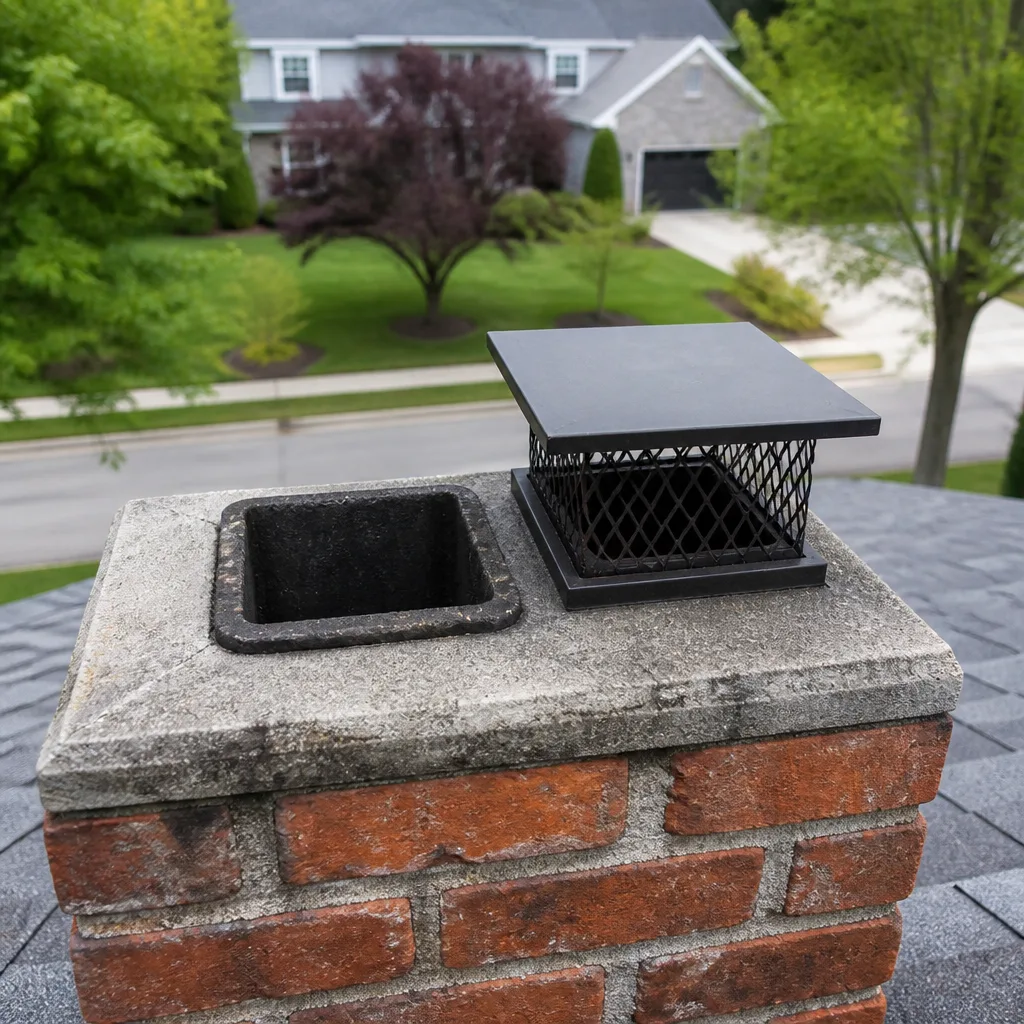
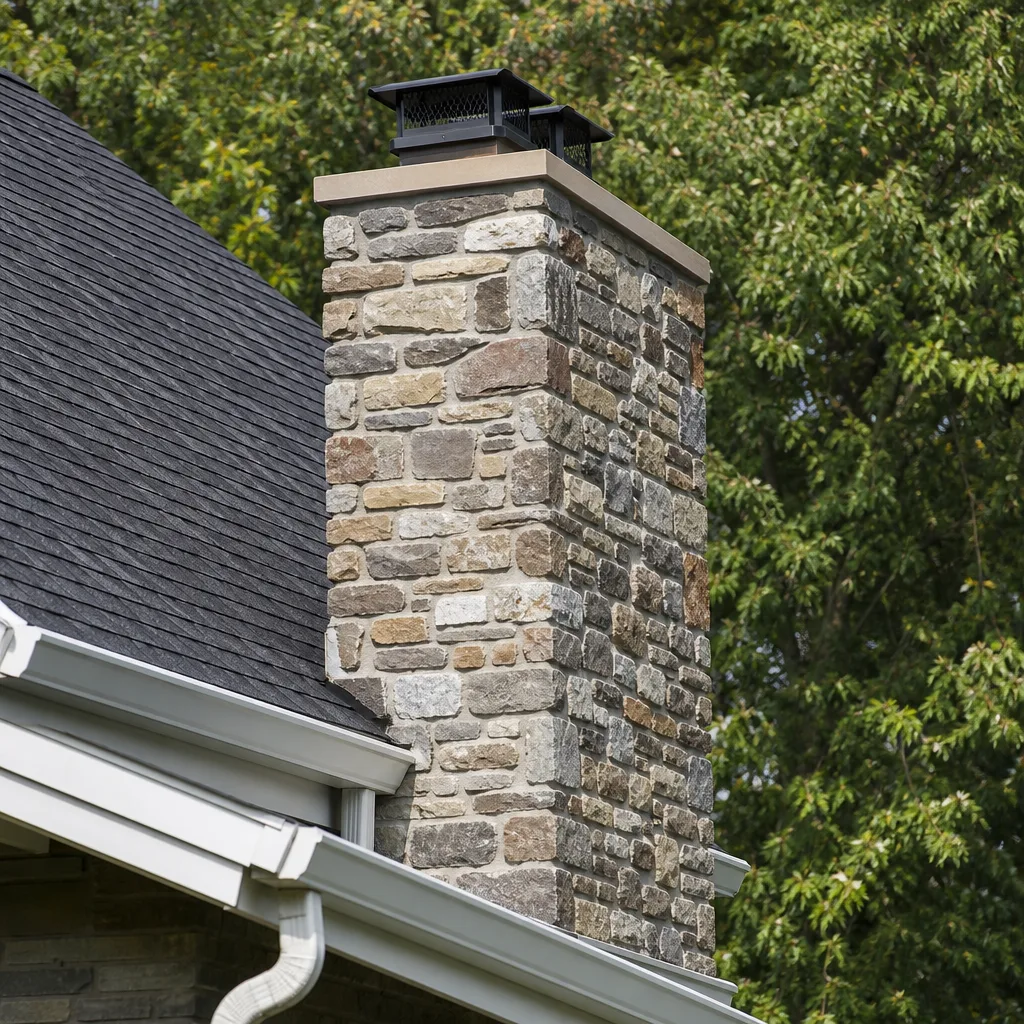
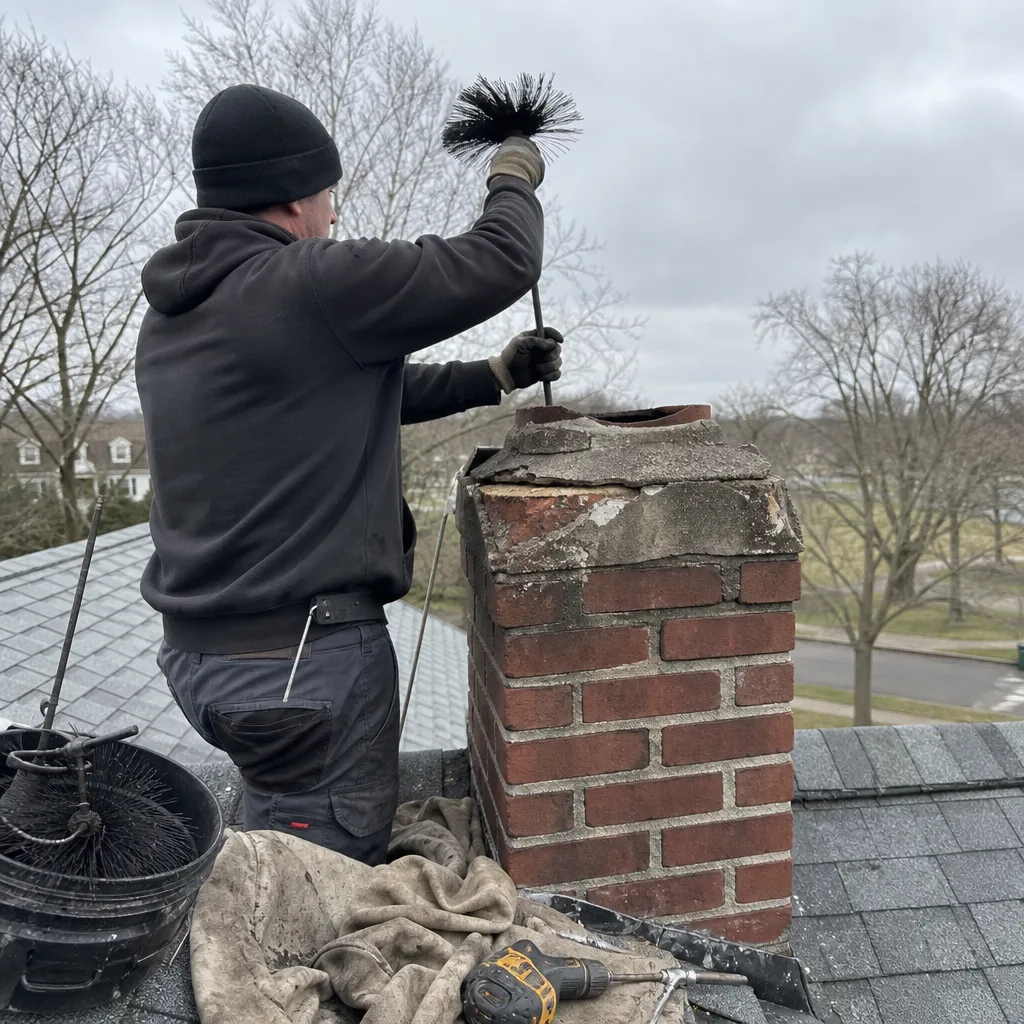 Before
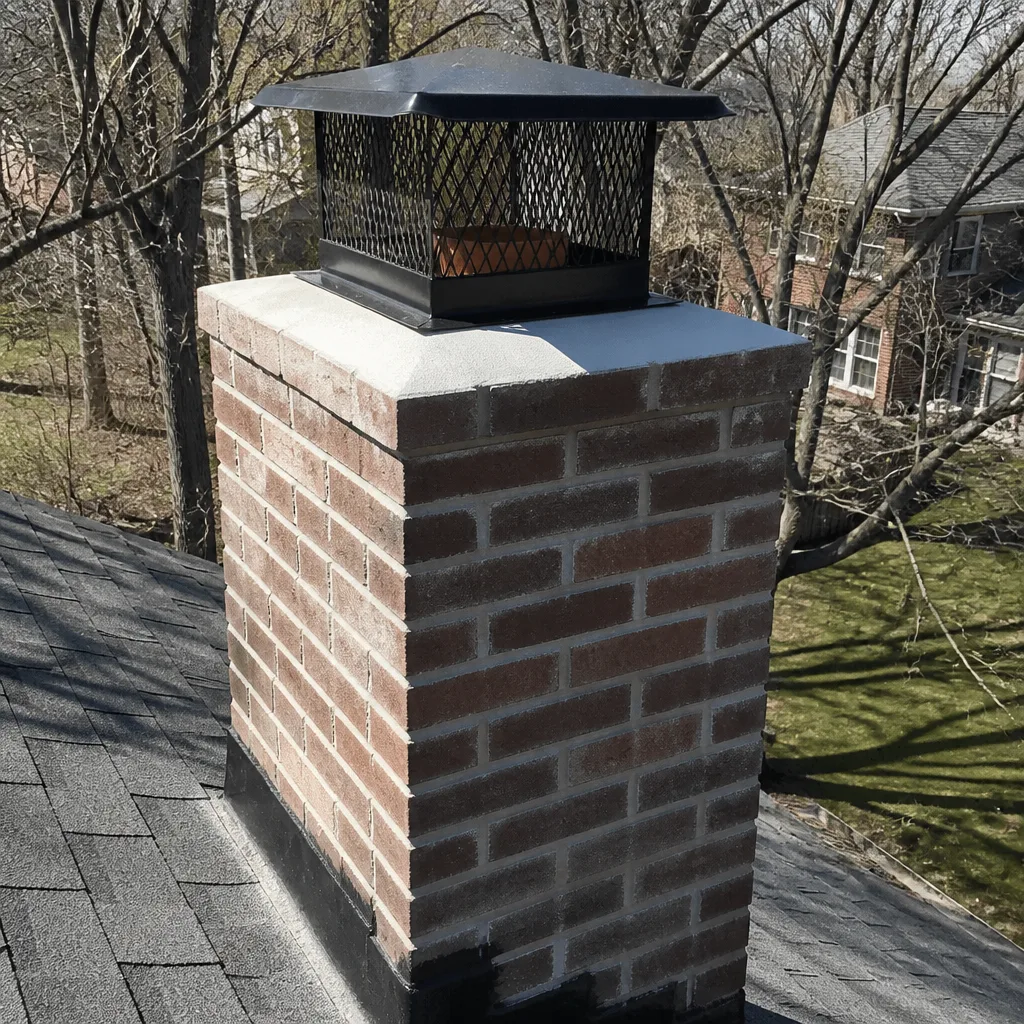 After
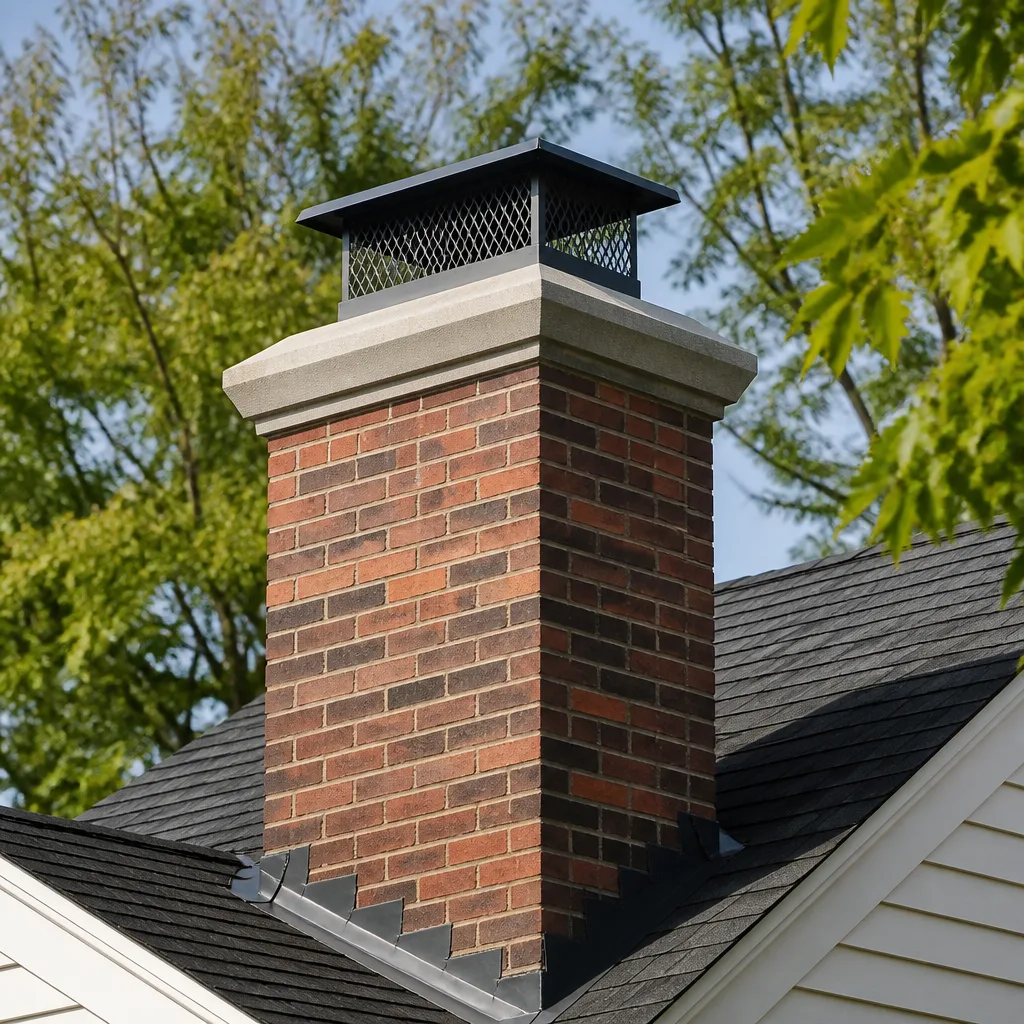
After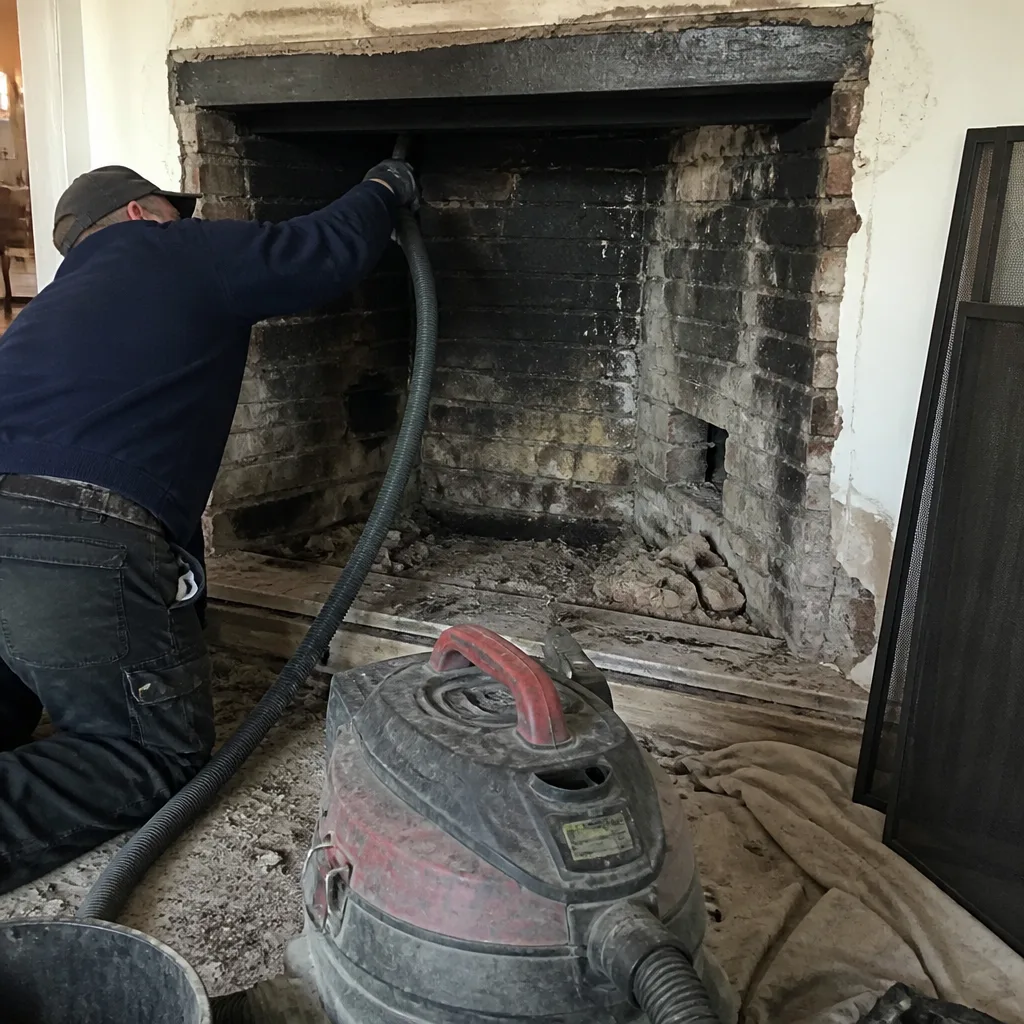 Before
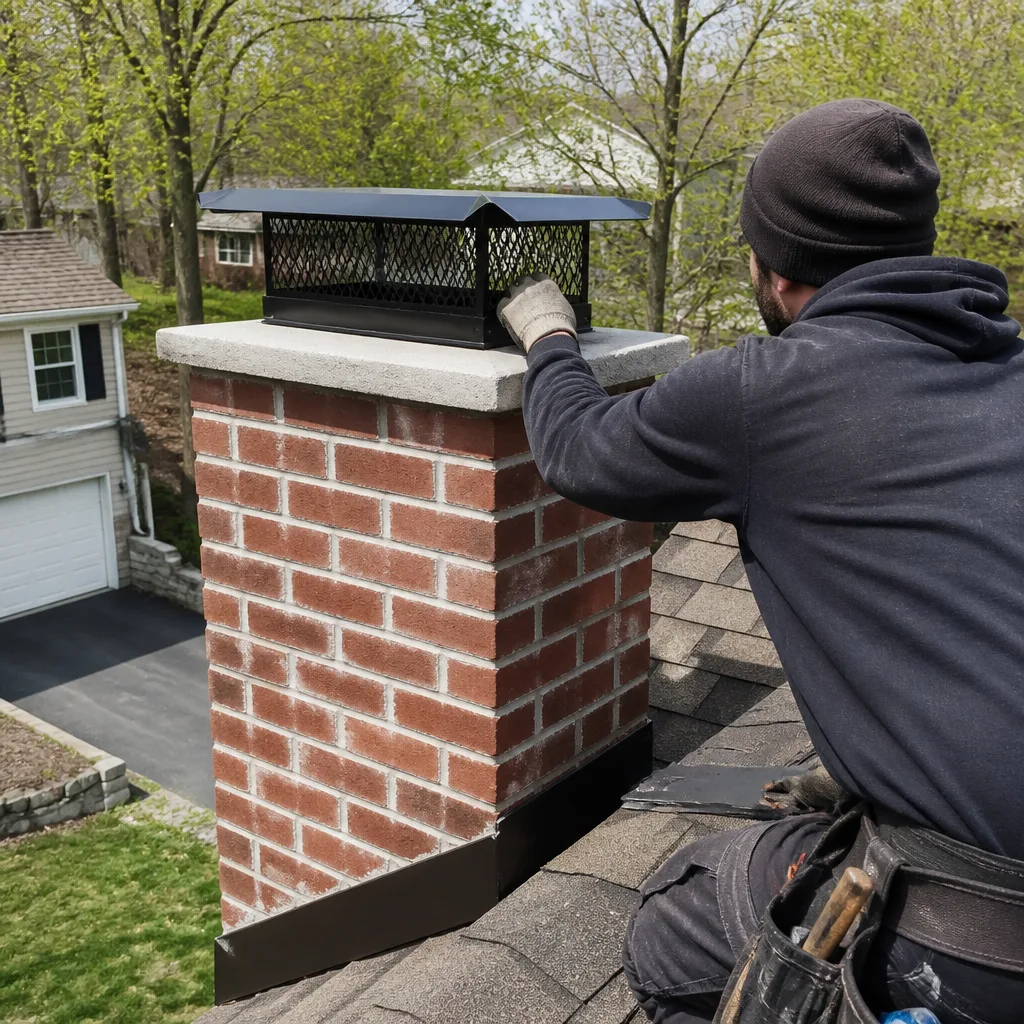 After
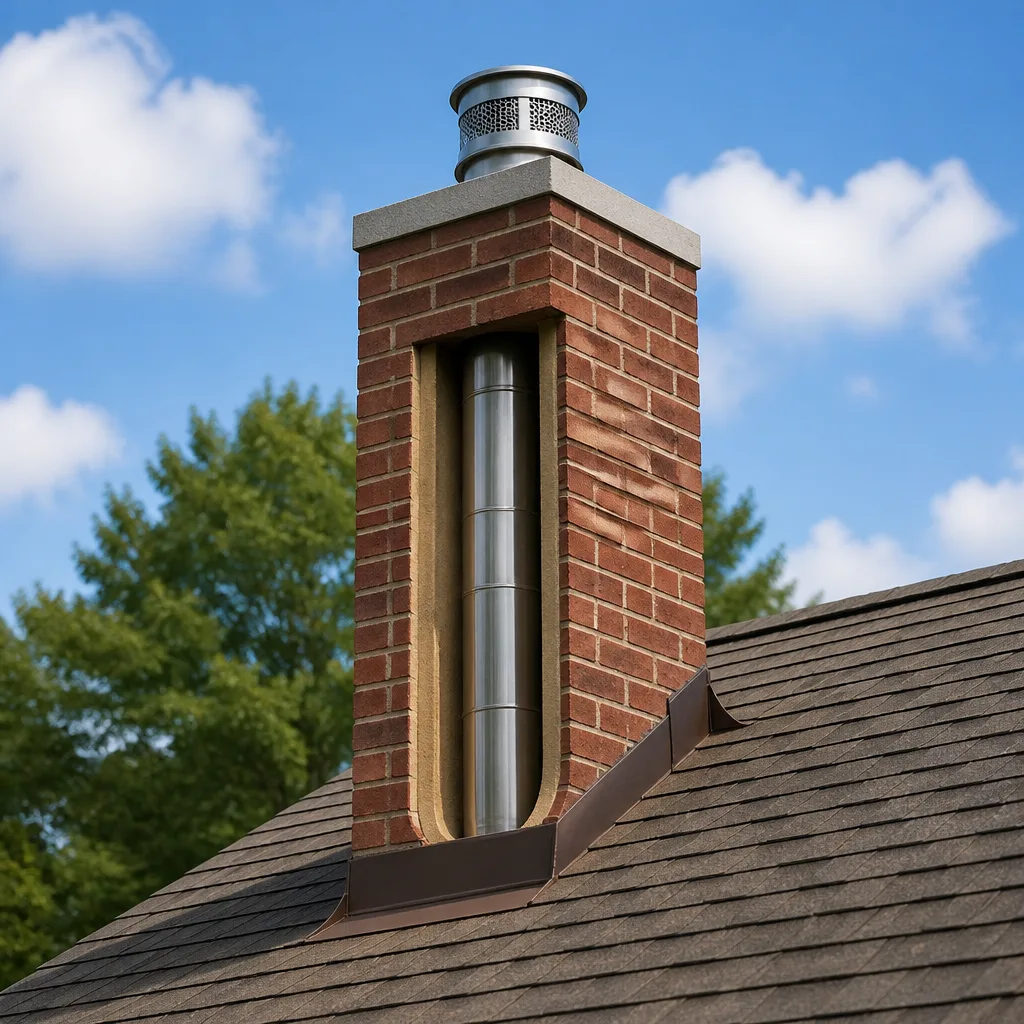
After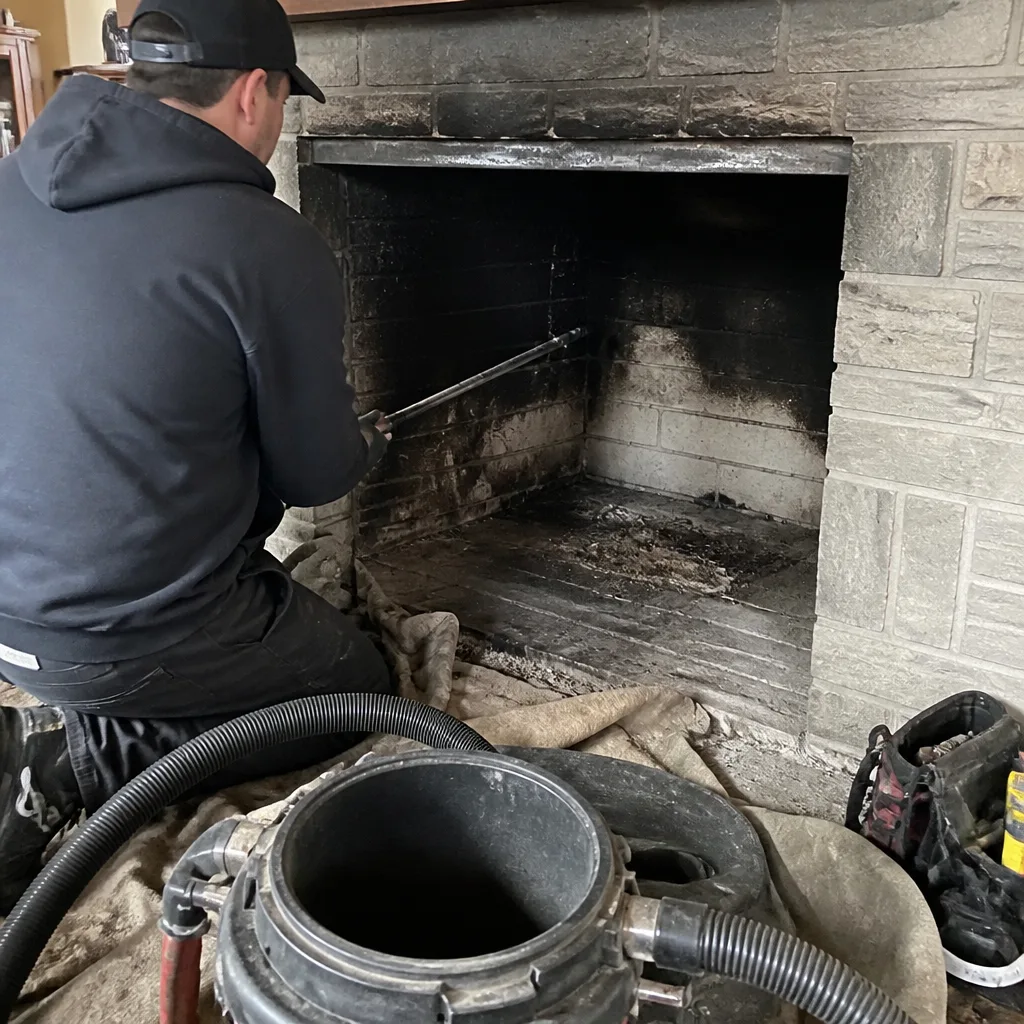 Before
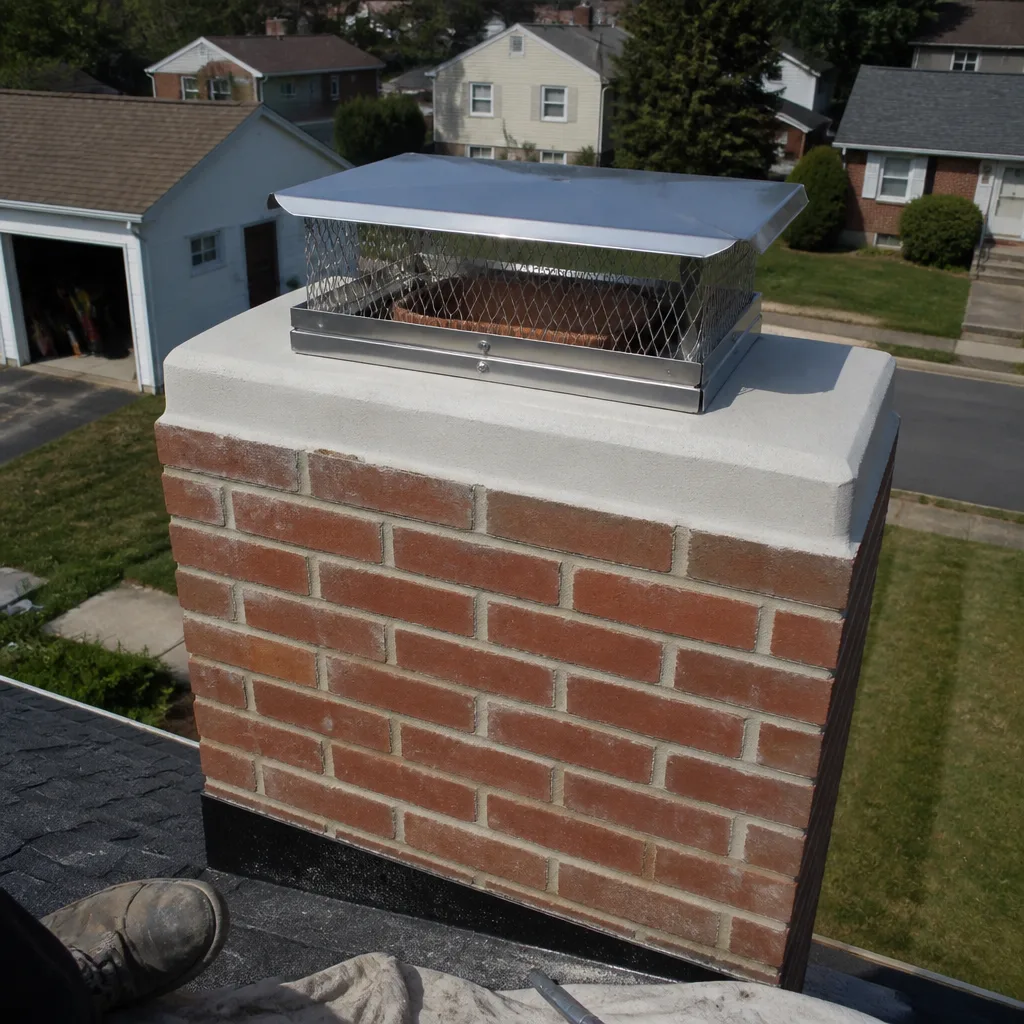 After
AfterFast, Reliable Chimney Liner & Rebuild Across Reading
If you own a rowhouse in Reading, your chimney liner is almost certainly the original clay tile from the coal era, and it’s probably cracked, spalled, or venting a neighbor’s furnace without anyone knowing. A Chimney Liner & Rebuild in an attached home is not a generic reline job. It’s tracing shared flues through party walls, isolating appliance runs, and rebuilding what a century of valley fog and freeze-thaw has eaten away. Wendell Pike and his crew have been inside more of these Reading stacks than we can count, and we’ll give you the camera footage and a plain-English verdict before a single tool comes off the truck. Call (484) 209-0837 and ask for Wendell.
Why Top Hat Chimney Is Reading’s Preferred Chimney Liner & Rebuild Company
Top Hat Chimney has been owner-operated since 1999, and Wendell puts his name and license number on every job. That matters in Reading because the company that shows up to reline a shared party-wall chase needs to understand what’s on the other side of that wall. We’ve worked the blocks around Centre Park, the rowhouse streets off Penn Street, and the tight alleys in the 19601 and 19602 zip codes long enough to know that no two shared stacks are alike. Calls are answered by a live person twenty-four hours a day, seven days a week. When you call, it may well be Wendell himself picking up.
The 90-Day Done Right Promise is stamped on every single job, in writing. If the liner isn’t right, one call brings the crew back at no additional cost. Ask anyone on your street. That promise is why Reading homeowners keep our number in their phones, not a flyer from some franchise that rotated in last spring.
Our Chimney Liner & Rebuild Services in Reading
Stainless Steel Liner
In Reading’s pre-1940 rowhouse stock, a stainless steel liner is usually the right fix for a coal-era flue that’s cracked or improperly sized for a modern gas furnace. We sleeve the existing chase with a properly sized stainless run, typically from DuraFlex or Olympia Chimney, and we verify the draft before we leave. A stainless liner in a shared-party wall stack also isolates the appliance run so a neighbor’s furnace can’t push exhaust into a flue your fireplace is using.

Flexible Liner
Flexible liners make sense in older Reading chimneys with offsets, corbelled runs, or tight shoulders. They follow the original path of a century-old flue without needing to open the masonry chase. In rowhouses where we can’t easily rebuild a wythe from the roof, a flexible stainless liner sleeved through the existing run often solves the problem at a fair price. But not every old tile is a candidate; the camera tells us whether the flue is stable enough to receive the liner.

Liner Replacement
If the original clay tile in your Reading flue has spalled, shifted, or crumbled, replacement is the only honest fix. We’ll remove what’s left of the original tile, confirm the condition of the surrounding brick, and install a correctly sized liner matched to the appliance it serves. In attached properties with shared stacks, liner replacement also means verifying that the flue we’re rebuilding isn’t the one your neighbor’s furnace still vents into.

Partial Rebuild
A partial rebuild is a targeted fix to the top courses of a Reading chimney where water has cracked mortar joints and spalled the corbeled rows. Valley fog off Blue and South Mountain, combined with freeze-thaw damage, hits the exposed top sections of these stacks hardest. We rebuild the breached top rows, re-point the joints, and set a proper cap, while leaving the lower chase intact. It’s a precise repair, and we’ll show you the records so you know exactly which courses were rebuilt.

What happens when you call
- 1
A real person answersNo phone trees - you reach a local pro.
- 2
You get an upfront price rangeHonest numbers before anyone is dispatched.
- 3
A background-checked tech heads outLicensed & insured, dispatched right away.
- 4
You approve before work beginsNothing starts until you say go.
Trusted Brands We Service in Reading
We install and service liners and components from DuraFlex, Famco, Copperfield, and Olympia Chimney. That’s not a marketing list. Those are the brands we trust enough to put in a Reading rowhouse where a failed liner means carbon monoxide in a habitable space. Because we keep common parts and liner components stocked, we don’t leave your chimney open to the weather while we wait on a truck.
Common Chimney Liner & Rebuild Problems We See in Reading Homes
- Shared party-wall stacks with three or four untagged flues. We regularly see a gas furnace, a water heater, and two fireplaces all venting into one crumbling clay-tile chase, with no way to tell which flue serves which. Piecemeal coal-to-gas conversions over the mid-20th century left these stacks dangerously unlabeled, and we’ve found active appliances venting into a fully blocked tile run.
- Neighboring appliance exhaust pushing into your flue. In attached blocks, an adjacent property’s older oil or gas appliance can vent into the same shared stack and force exhaust through your chimney. That accelerates creosote buildup and overheats a clay liner that was never sized for it. A liner rebuild often requires tracing and isolating the flue your neighbor’s furnace is still using.
- Century-old mortar joints gone soft from valley fog and freeze-thaw. Reading traps cold air and moisture between the ridgelines, and that water works into every mortar joint in an exposed chimney top. By the time you smell smoke in the attic, flue gases have already been migrating sideways into the adjacent rowhouse through the breached mortar.
- Unlabeled coal-to-gas conversions venting into a collapsed flue. When a furnace or water heater was converted from coal to gas in the 1950s, nobody relined the flue. The appliance runs with a stalled draft and backdrafts carbon monoxide at the draft hood. In Reading, this is not rare. It’s routine on rowhouse blocks across the city.
Pricing for Chimney Liner & Rebuild in Reading, PA
In Reading, a stainless steel liner installation typically runs $1,800 to $3,200 depending on flue height and the condition of the chase. Flexible liner jobs usually land in the same range. A partial rebuild of the top courses runs $900 to $2,400, and a liner replacement with chase repair commonly sits between $2,200 and $4,500. Full chimney rebuilds are quoted per stack after we see the condition of the party wall. Nothing gets recommended without camera evidence you can see for yourself. Upfront pricing is delivered before work begins, the number you hear is the number on the invoice, and estimates are free. We also honor $40 off any repair over $200, a free second opinion on any competing written estimate, no trip charge inside the county, and 10% off always for seniors and veterans.
We Also Serve Cities Near Reading
In addition to our work across Reading, we regularly handle liner and rebuild work in Mohnton, Birdsboro, and Amity. If you live in one of those towns, you’ll get the same Wendell, the same camera inspection, and the same 90-Day Done Right Promise. Call (484) 209-0837 to book a sweep or a liner evaluation.
Serving Reading, PA - Our Local Coverage Area
We’re based in the Reading area and know this community well. Use the map below to see our service coverage - if you’re nearby, we can almost certainly help.
FAQs - Chimney Liner & Rebuild in Reading
If you live in a pre-1920 Reading rowhouse, you likely share at least one chimney stack with an adjoining property, and that stack may contain two to four separate flues serving a mix of furnaces, water heaters, and fireplaces. It matters because a liner rebuild in one home often requires isolating a flue that a neighbor’s appliance is still venting into. In Penn’s Common we opened a shared three-flue stack and found a converted gas furnace venting into a flue that a second-floor fireplace in the adjoining house also used; the original clay tiles were spalled and the mortar bed was gone at the second floor. We isolated that chase, sleeved the furnace run with a DuraFlex stainless liner, and rebuilt the breached wythe so the neighbor’s smoke chamber stopped backdrafting into the party wall. That is not a rare Reading find; it is what we expect to see. Call (484) 209-0837 and we’ll put a camera up and show you what you share.
A partial rebuild on a Reading rowhouse typically means rebuilding the top four to eight courses of the stack, re-pointing exposed mortar joints, and resetting a proper cap where water has been eating the mortar for decades. It does not mean tearing down the whole chase. We quote it only after seeing the top courses from the roof and the interior from the camera. In attached blocks, a partial rebuild also means sealing the top of the shared chase so rain stops working down into both your flue and the neighbor’s. Call (484) 209-0837 for a free estimate.
Reading’s housing stock was built for coal heat before 1920, and the original flues are oversized clay tile meant to handle anthracite exhaust from the Reading Railroad era. For the past seventy years, most of those tiles have been carrying gas or oil exhaust instead, at a different temperature, with a different draft. Add valley fog, freeze-thaw cycling, and the shared party-wall construction, and you get spalled, cracked, shifted tile. A century of thermal cycling is hard on clay. We see it on almost every rowhouse block in the city. Call (484) 209-0837 if you want to know what your tile actually looks like right now.
Yes, if the liner is properly sized and the flue isolated. In a Reading rowhouse with a shared stack, you can burn wood again once your fireplace flue is relined with the correct stainless run and separated from any neighboring appliance run. But we will only tell you that after the camera confirms the flue is sound and the smoke chamber is clean. Third-degree creosote is a glaze; catch it early. Call (484) 209-0837 to schedule an inspection.
If you are switching from oil to gas in an older Reading home, you almost certainly need at least a liner evaluation, and likely a replacement. The original coal-era flue was never sized for a modern gas appliance, and if it has been unused for years, it may have settled, cracked, or partially collapsed. A gas furnace connected to a blocked or oversized flue will backdraft carbon monoxide at the draft hood. We will put the camera up and tell you plainly whether the flue can accept a liner or needs rebuild work first. Call (484) 209-0837 for a free quote.
Get Your Reading Chimney Liner Checked Before Burning Season
If you live in Reading and you’re not sure what’s inside your chimney, don’t guess. Wendell Pike and his crew will trace the flue, camera the entire run, and tell you exactly what needs doing, and what can safely wait. Every job is backed by the 90-Day Done Right Promise, in writing. Upfront pricing before work begins, and a live person answers when you call. Reach Wendell at (484) 209-0837 for a free estimate.
Written by Wendell Pike, Owner at Top Hat Chimney.