
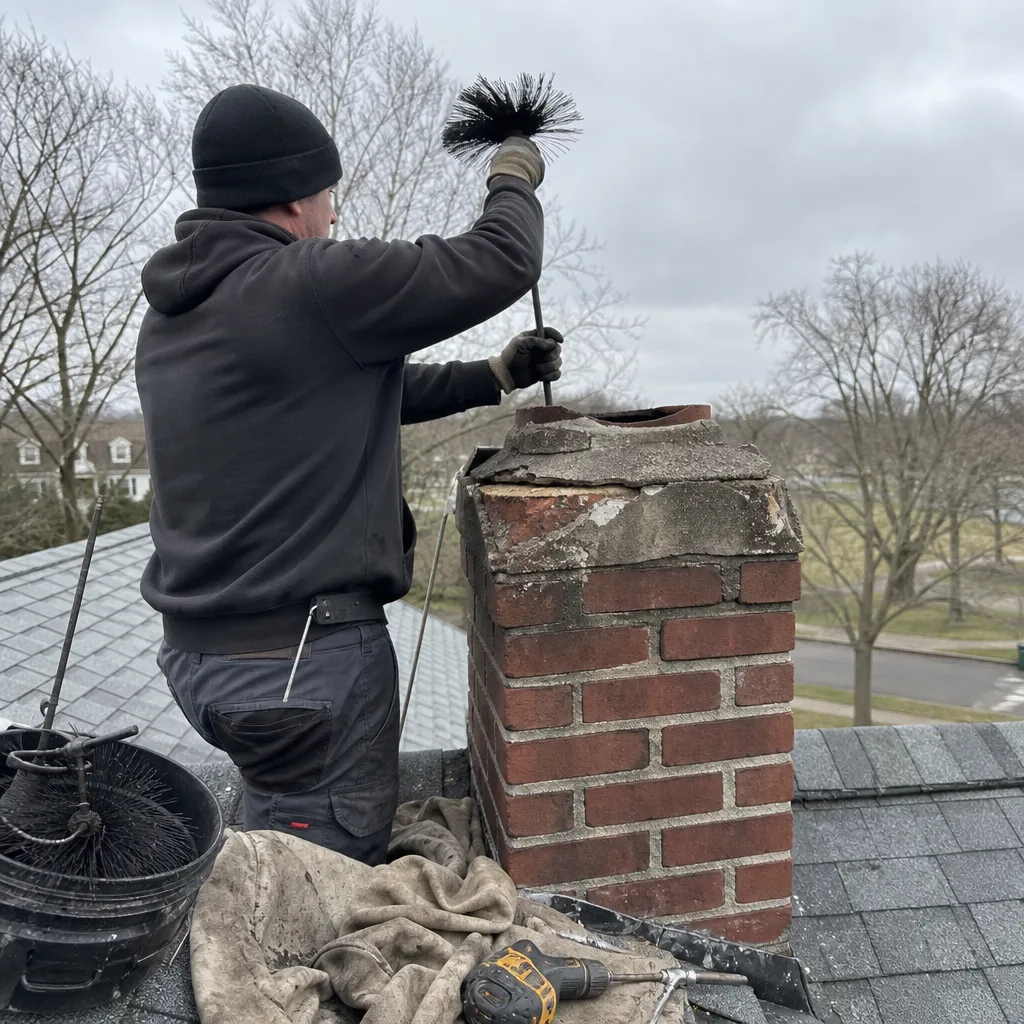
Level 1 sweep and inspection to the NFPA 211 annual standard - flue, crown, cap, and flashing checked and photographed
Chimney sweep logs do not sweep chimneys. They loosen some creosote - which then falls where a brush and vacuum still have to collect it.
 Before
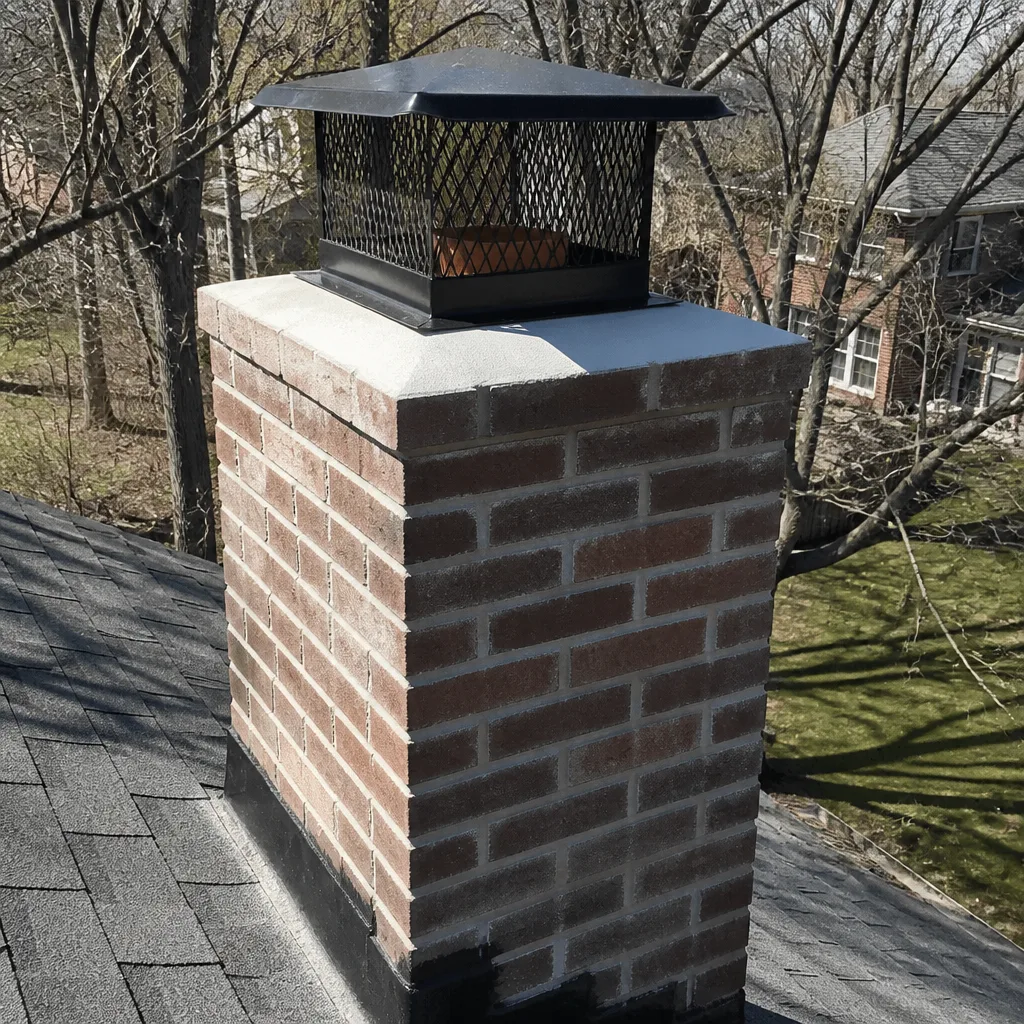 After
After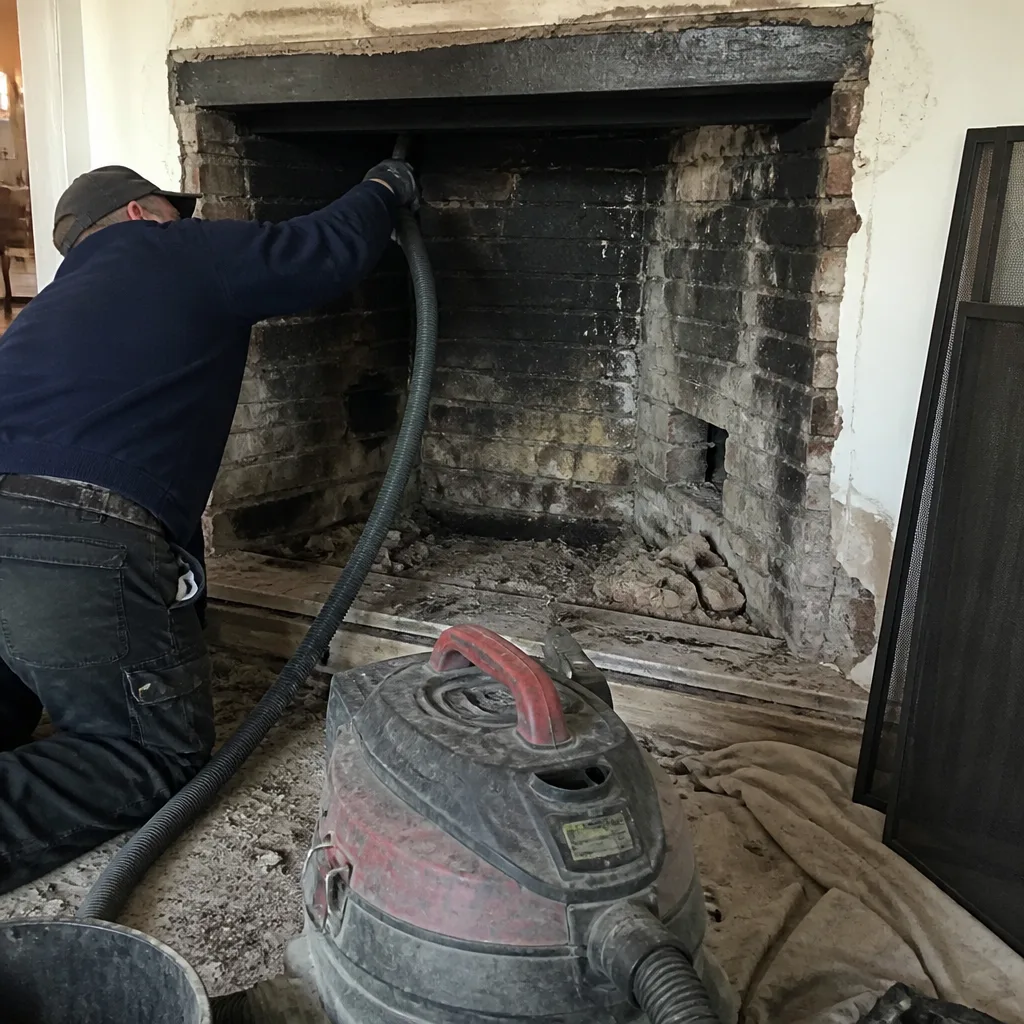 Before
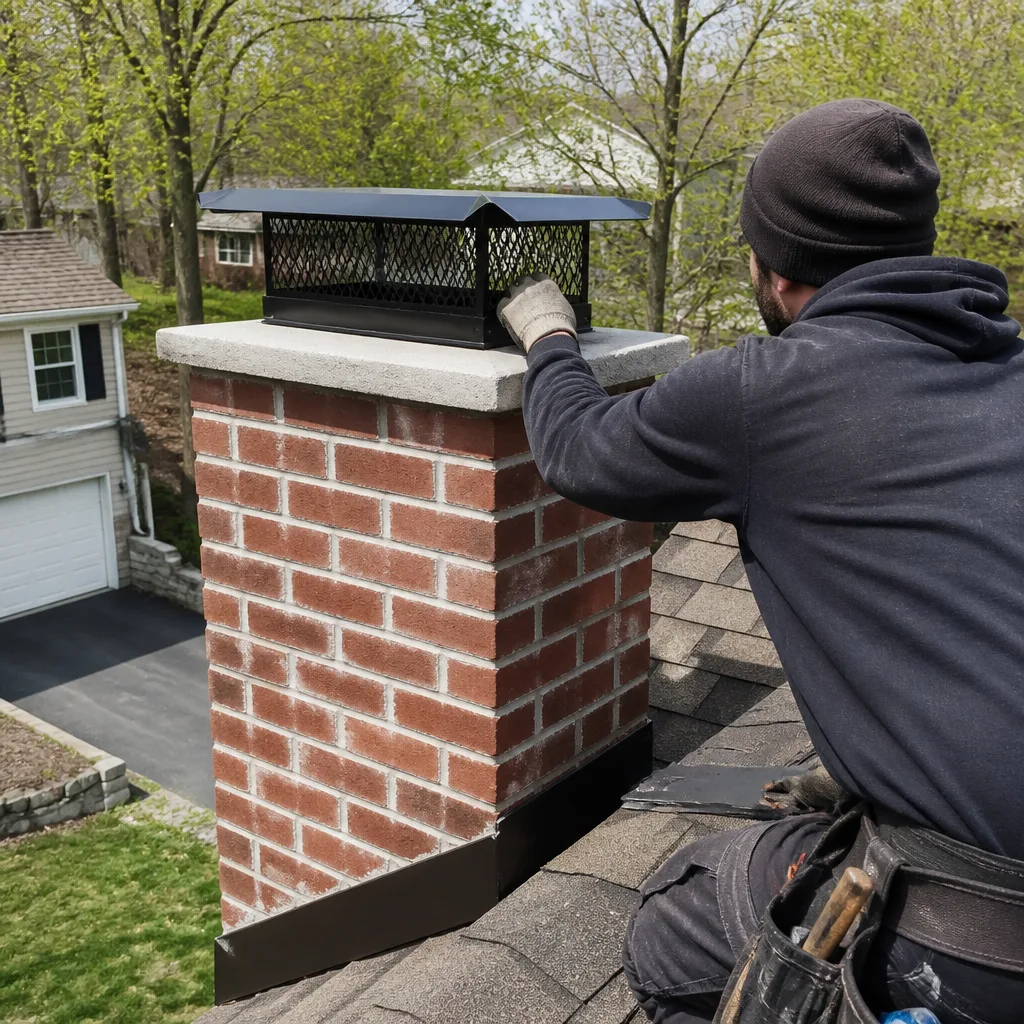 After
After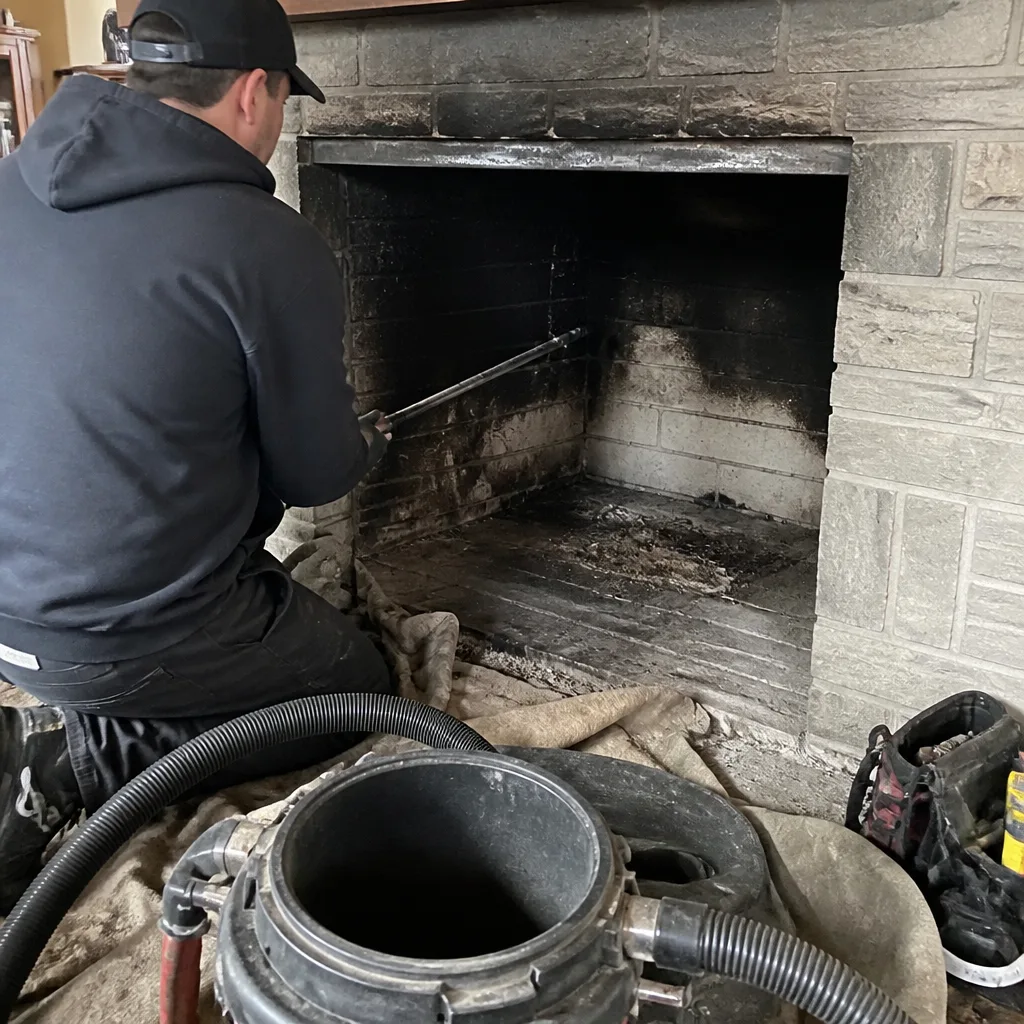 Before
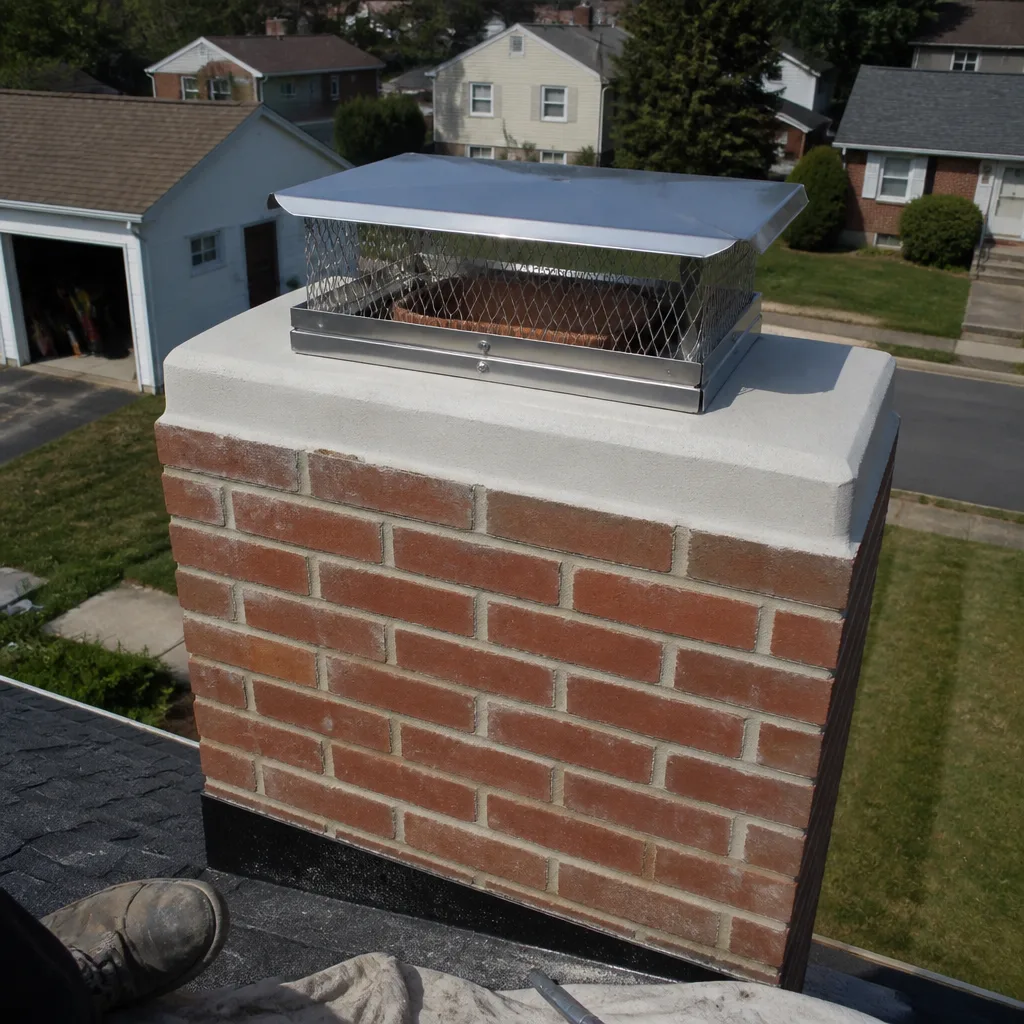 After
AfterTrusted Chimney Liner & Rebuild for Reading Homeowners
A Chimney Liner & Rebuild - Reading typically runs $2,800 to $7,500 depending on whether you need a stainless steel liner replacement or full masonry reconstruction, and most jobs are completed in two to four days once materials arrive. Wendell Pike has been inside Reading chimneys since 1999, and he’ll tell you plainly whether your flue can wait another season or needs attention before the first fire. Call (484) 209-0837 and you’ll get a real person, not a voicemail tree, and an honest assessment with camera footage to back it up.
Reading’s older housing stock, from the brick rowhomes along Penn Street to the 1920s colonials in College Heights, has chimneys that were built before modern liner standards existed. Clay tile liners crack after decades of Pennsylvania freeze-thaw cycles, and once a flue loses its seal, the risks compound fast: carbon monoxide leaking into bedrooms, creosote building up in gaps, and heat reaching the wood framing around the chase. That’s where liner work becomes less of a repair and more of a necessity.
What you get with Top Hat Chimney is a locally owned, owner-operated shop that has served Reading and Berks County for over 29 years. Wendell puts his name and license number on every job, backs the work with a 90-Day Done Right Promise in writing, and shows up when he says he will. If you’ve been burned by a national outfit that quoted one price on the phone and another at the door, you’ll find this is the opposite of that.
Call (484) 209-0837 for a no-hassle quote. The number you hear on the phone is the number on the invoice.
What Our Chimney Liner & Rebuild Service Includes
Not every chimney problem needs a full rebuild. Sometimes the liner is shot but the brick is fine. Sometimes the crown is gone and water has been eating the mortar joints for years. Here’s what we actually do, broken down by the work it involves.
Stainless Steel Liner
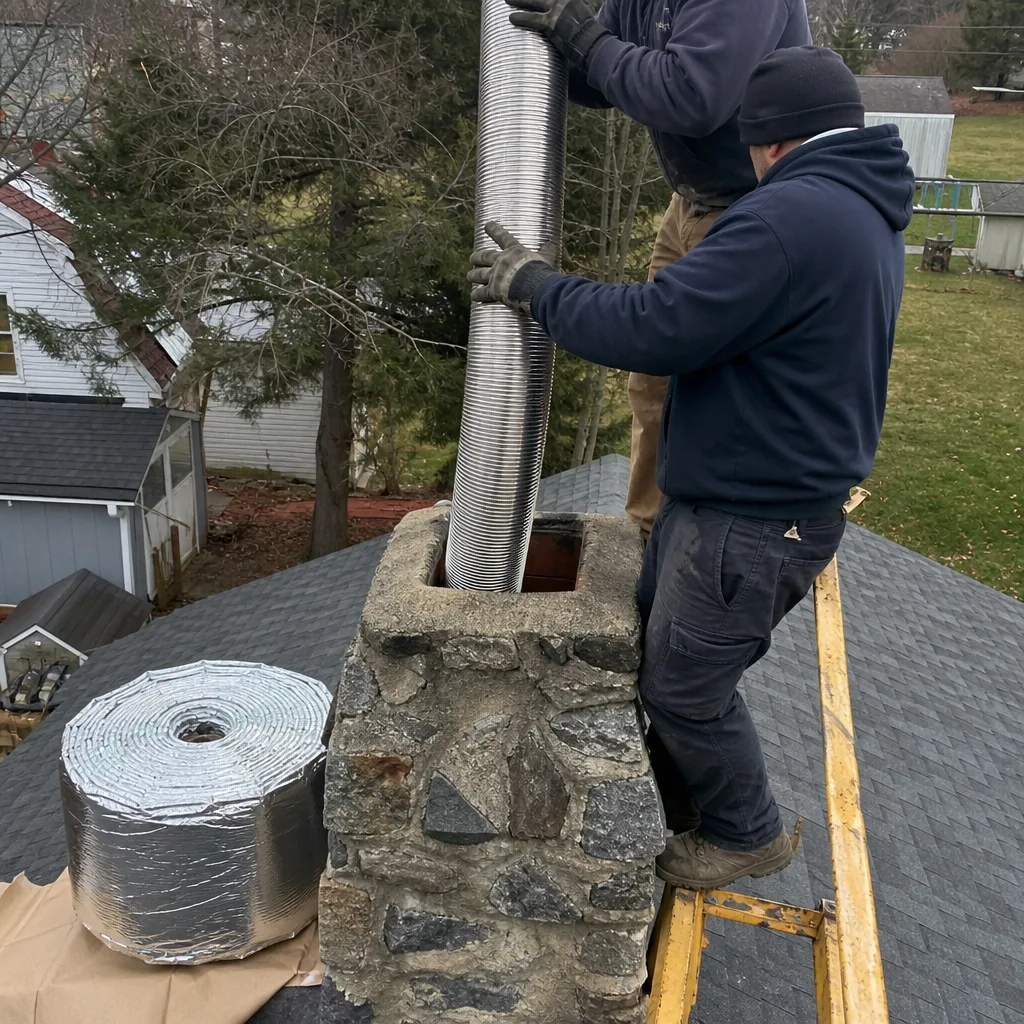
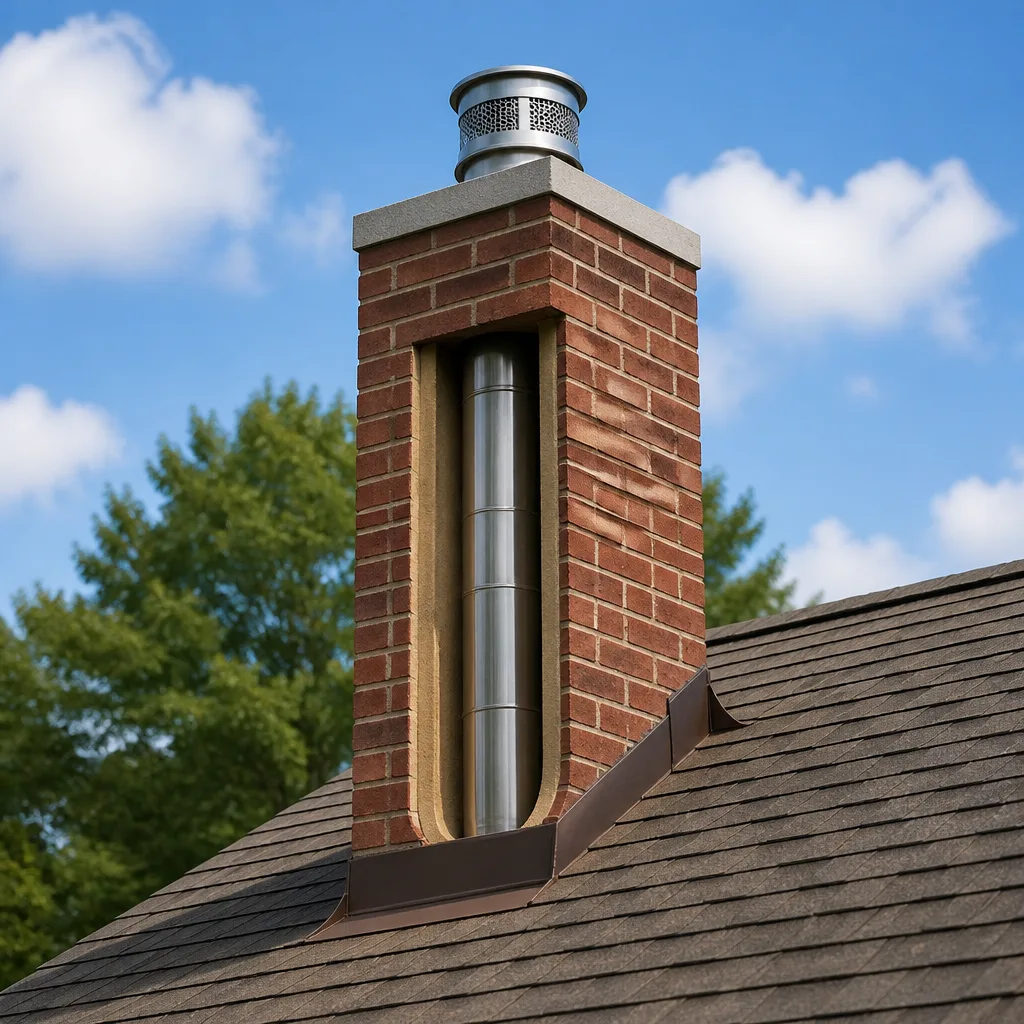
A stainless steel liner is a rigid or flexible metal tube that gets installed inside your existing flue, giving your chimney a sealed, fireproof passage from the firebox to the top. Most homes built before 1940 in Reading either never had a proper liner or had clay tiles that are now cracked and spalling. Wendell and his crew install stainless liners sized precisely to your appliance, whether it’s a wood stove, an oil furnace, or a fireplace, and they insulate the liner where the flue runs through exterior walls so you don’t get condensation and freeze-thaw damage later.

Flexible Liner
Flexible liners are the go-to solution when the existing flue has bends, offsets, or tight turns that would make rigid pipe impossible to install without tearing out brick. The flexible stainless coil snakes through the old flue and locks into a sealed top plate and connector at the appliance. We use brands like Gelco and Olympia Chimney for flexible liners because they hold up to the acidic condensate that modern gas and oil appliances produce, which is the exact thing that destroys old clay tiles from the inside.

Liner Replacement
Liner replacement means pulling out whatever is currently in the flue, whether it’s a rusted steel pipe or a collapsed clay tile run, and installing a new liner system from scratch. The trigger is usually the camera inspection: when we scope the flue and see gaps, offsets, or holes that let flue gas escape into the masonry cavity, the old liner has to come out. Top Hat Chimney does not reuse old parts, doesn’t patch over failed sections, and doesn’t recommend a liner replacement unless you can see the damage yourself on camera.

Partial Rebuild
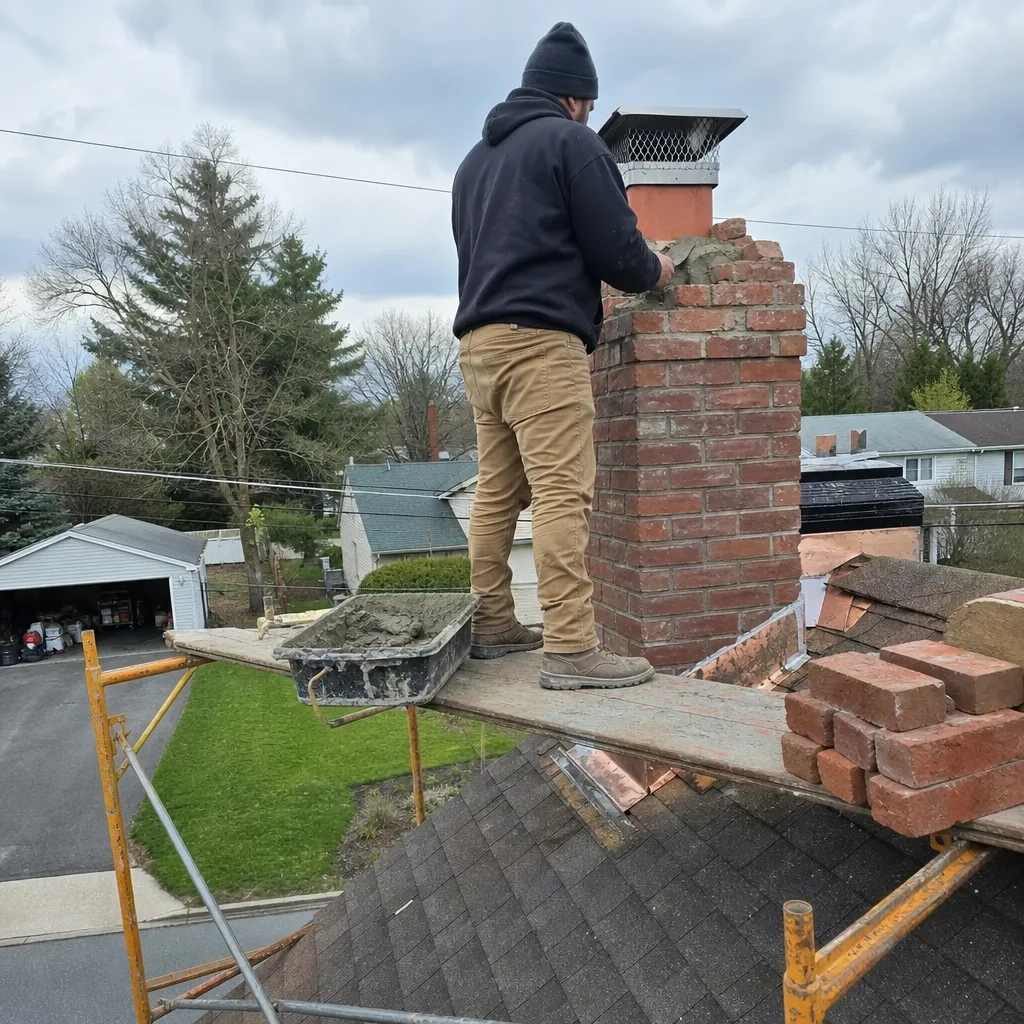
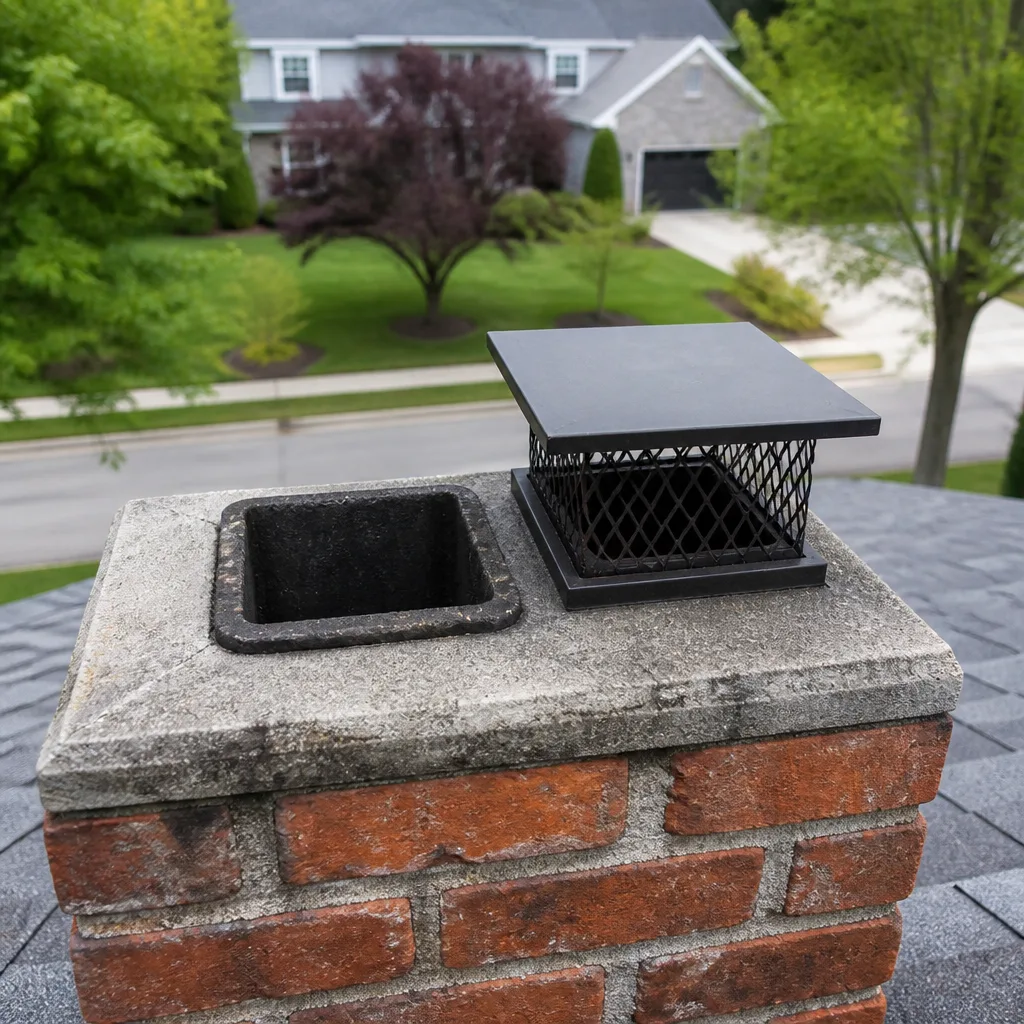
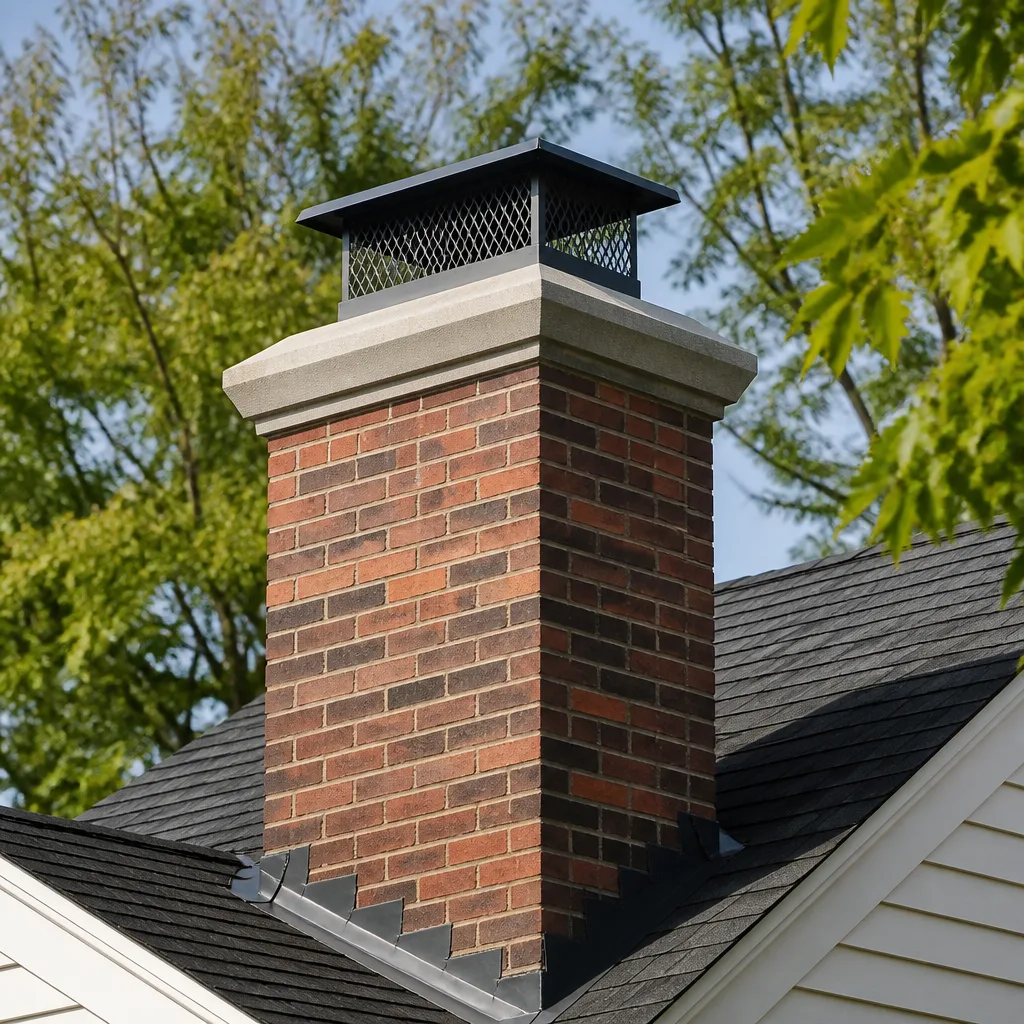
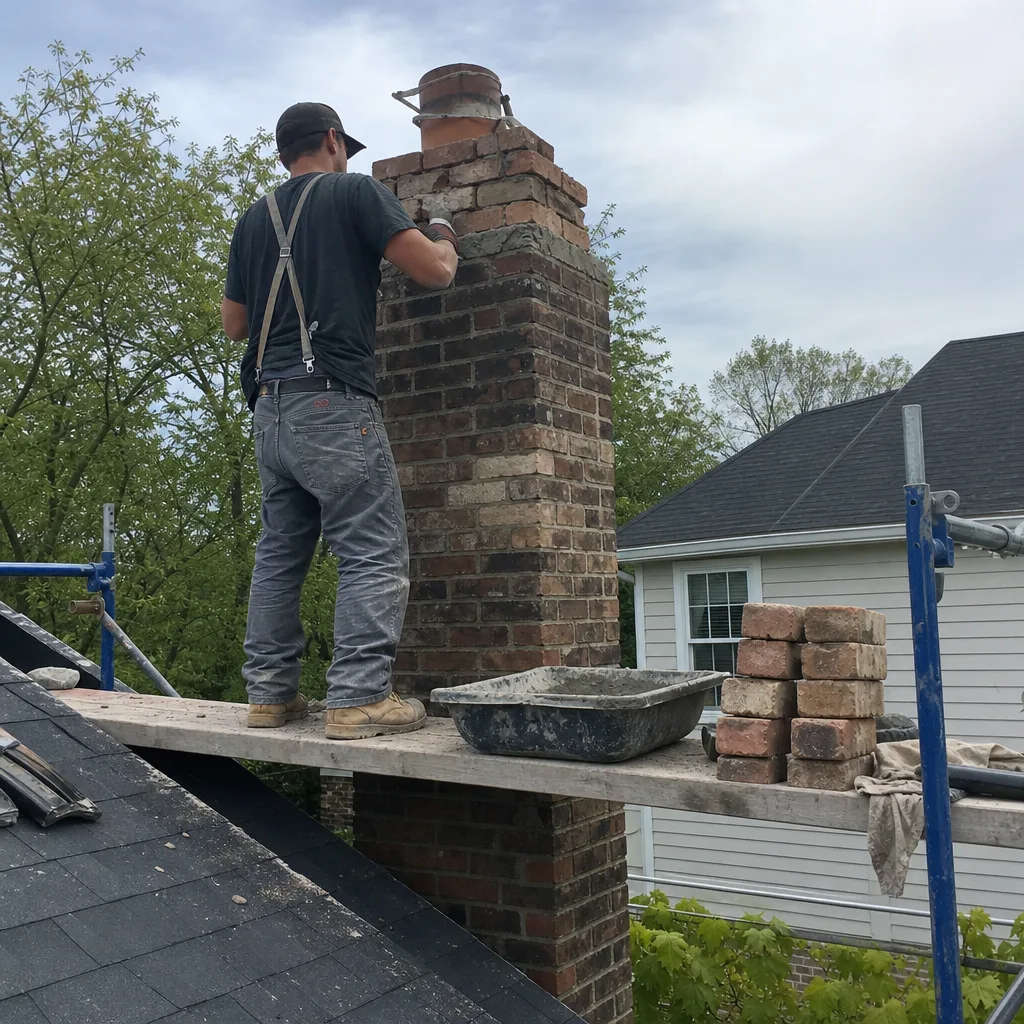
A partial rebuild addresses the top section of the chimney, which takes the most weather abuse: the exposed brick above the roofline, the flue tile crown, the cap, and the wash. In Reading’s freeze-thaw climate, water soaks into the masonry all winter, freezes, expands, and pops the mortar joints apart, so the top courses start leaning or crumbling. We tear down to solid brick, relay the courses with the right mortar, pour a proper crown with overhang and drip edge, and install a cap that keeps rain out. If the liner below is still sound, a partial rebuild stops the water intrusion before it becomes a full one.

Full Chimney Rebuild
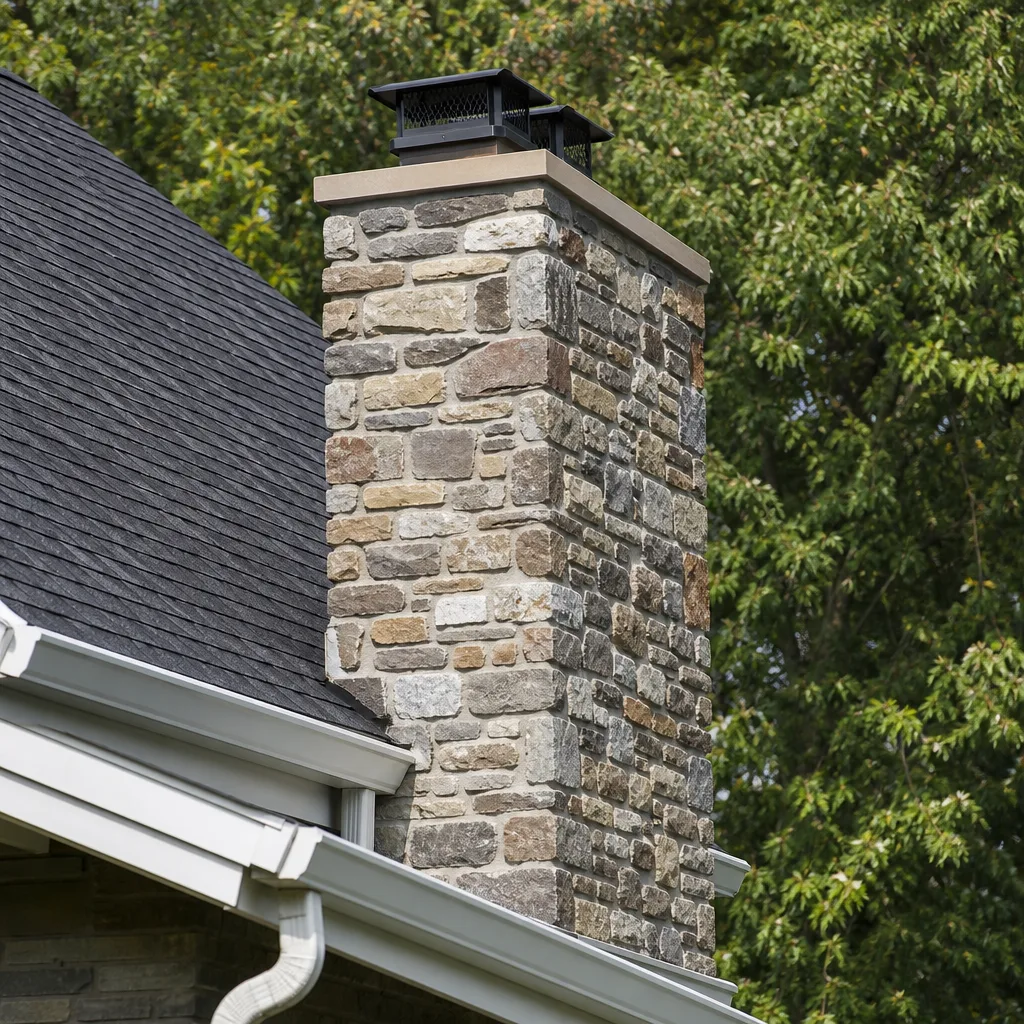
A full rebuild takes the chimney down to the roofline or even to the firebox throat and rebuilds it as new. This is the call when the brick and mortar are so badly degraded that patching would be throwing money away, or when the chimney has leaned far enough to be a structural concern. We rebuild using the correct brick and mortar profile for the original construction era, and we recycle as much of the original brick as we can so the new stack blends with the house. A full rebuild in Reading is a serious job, and Wendell will tell you if yours can wait a season, but he will also tell you when waiting stops being an option. For homeowners nearby, ask about our Chimney Liner & Rebuild in Mohnton.

Liner Repair
Liner repair covers small defects when they are truly small: a single cracked flue tile, a minor separation at a joint, or a damaged crown that’s letting water wash down the flue. In some cases we can apply a resurfacing product like HeatShield to seal hairline cracks and restore a smooth, continuous flue surface without a full liner replacement. The honest truth is that liner repair is only appropriate about a third of the time, and if we recommend it, you’ll have camera before-and-after shots showing exactly what we sealed and why it’s safe.

What happens when you call
- 1
A real person answersNo phone trees - you reach a local pro.
- 2
You get an upfront price rangeHonest numbers before anyone is dispatched.
- 3
A background-checked tech heads outLicensed & insured, dispatched right away.
- 4
You approve before work beginsNothing starts until you say go.
Brands We Service for Chimney Liner & Rebuild
Wendell has worked with Gelco flexible liners since they became the standard for relining older flues with offsets. Gelco’s stainless alloy handles the acidic condensate that modern furnaces put out, and we stock their connectors, top plates, and terminations so a reline doesn’t stall waiting on parts. When a Gelco liner fails, it’s almost always an installation problem, not a material problem, and that’s the kind of thing we see when we get called in for a second opinion.
We also install and service Olympia Chimney liner systems, both rigid and flexible, and we know their sizing charts cold for the appliance configurations common in Berks County homes. Famco caps, dampers, and terminations round out the hardware we keep on the truck. Whether your liner carries a Gelco label or an Olympia stamp, or it’s an older system with no label at all, the process is the same: camera inspection first, a written quote with the number that won’t change, and a 90-Day Done Right Promise on the work.
Signs You Need Chimney Liner & Rebuild Right Now
- You smell a campfire inside the house when the fire isn’t lit. That’s flue gas coming back down the chimney instead of going up, and it means the liner has a breach or the draft is failing. Carbon monoxide follows the same path, which is why this one deserves a call the same day you notice it.
- White staining on the exterior brick below the roofline. Efflorescence means water is moving through the masonry, and in Reading’s freeze-thaw winters, that water turns to ice inside the brick and pops the face off a chimney in a few seasons. It’s not a cosmetic issue; it’s the first visible stage of structural decay.
- Loose or sandy mortar in the firebox or smoke chamber. When you run a finger along the joints and the mortar crumbles, the firebox is telling you it has absorbed decades of heat stress and water. This is especially common in rowhomes where the chimney runs through the center of the house and never fully dries.
- A rusted damper that won’t open all the way or flakes rust when you move it. Rust means water is getting in from above, probably through a crack in the crown or a missing cap, and the liner below is almost certainly rusting too. If the damper is failing, the liner is usually next.
- Visible cracks in the flue tiles when you look down the chimney with a flashlight. Cracked or missing flue tiles are the clearest sign a reline is coming. Flue gas finds every gap, and heat finds the framing around the chase. Once a tile is cracked, patching is not a fix; it’s a delay, and usually a short one.
These are the things Wendell looks for on every inspection, and he will show you camera footage of whatever he finds. Your flue doesn’t care how the fire looks. It cares how it breathes.
Our Chimney Liner & Rebuild Process - Step by Step
- 1
Call and talk to a person. You call (484) 209-0837 and a live person answers, around the clock. Wendell or his crew takes the details, asks what you’re seeing, and schedules a visit. There is no trip charge for calls inside the county.
- 2
Camera inspection and a straight answer. The sweep who shows up runs a camera down the flue and through the smoke chamber, then shows you the footage on the spot. You’ll see exactly what he sees, and he’ll explain in plain English what’s urgent, what can wait, and what’s fine the way it is.
- 3
Written quote before any work. If a liner replacement or rebuild is needed, you get a written number before a single tool comes off the truck. Not an estimate that moves later. The price on the quote is the price on the invoice, and we honor it even if the job takes longer than expected.
- 4
The work itself, done by people with names. Wendell and his crew do the tear-out, the rebuild or reline, the new cap and crown work if needed, and they clean up the work area at the end of every day. No subcontractors you didn’t ask for, no crew rotation from a different state. You’ll see the same faces start to finish.
- 5
Walkthrough and the 90-Day Done Right Promise. Once the job is done, we walk the chimney with you, go over the camera footage again, and hand you the written warranty. If anything isn’t right in the first 90 days, one call brings us back at no additional cost. That’s the promise, in writing, on every single job.
How Much Does Chimney Liner & Rebuild Cost in Reading?
If you’re wondering how much Chimney Liner & Rebuild costs, a stainless steel liner replacement in Reading for a typical single-story home runs $2,800 to $4,500 including materials, insulation, and installation. When the job also needs a new crown, cap, and top-course masonry work, the total usually lands between $4,000 and $6,000. A full chimney rebuild from the roofline up starts around $6,000 and can reach $12,000 or more depending on the height of the stack, access from the roof, and how much of the original brick can be salvaged.
What moves the price is mostly access: a steep roof in Reading with a chimney at the ridge line costs more in setup and safety time than a low-pitch roof with easy ladder access. Flue size matters too, because liner material is sold by the foot and by diameter. An 8-inch flue for a wood stove costs less than a 13-inch flue for an open fireplace.
How to avoid overpaying: get a camera inspection, not a visual one. Any company that quotes a liner replacement without putting a camera in the flue is guessing. We don’t guess. We also give a free second opinion on any written estimate, which means if another company quoted you $9,000 for a partial rebuild, bring the quote and we’ll tell you honestly whether the work matches the price, or whether you’re being sold a full rebuild your chimney doesn’t need.
A free estimate from Top Hat Chimney includes the camera inspection, a written quote good for 30 days, and no obligation. Call (484) 209-0837 to schedule one. The estimate is free, and the number on the quote is the number you’ll pay.
Chimney Liner & Rebuild Near Reading - Our Service Area
We work throughout Berks County and the communities around Reading: Chimney Liner & Rebuild in Spring, Chimney Liner & Rebuild in Amity, Wyomissing, Shillington, Birdsboro, Brecknock, Lower Alsace, Lorane, Reiffton, Sinking Spring, and Caernarvon. In most cases we can have a sweep at your door within a few days, and for safety concerns like a suspected carbon monoxide leak or a chimney leaning after a storm, we move the schedule to get there faster. If you’re not sure whether you’re in our area, call and ask. Live person, around the clock.
Serving Reading, PA - Our Local Coverage Area
We’re based in the Reading area and know this community well. Use the map below to see our service coverage - if you’re nearby, we can almost certainly help.
Frequently Asked Questions - Chimney Liner & Rebuild in Reading
A chimney liner is the sealed passage inside your flue that carries smoke and combustion gases from the firebox out the top, and a rebuild is the masonry work that reconstructs the chimney structure around or above that liner. In practice, the two go together: a liner protects the brick from heat and corrosion, and the brick protects the liner from weather. When either fails, the other usually follows.
A stainless steel liner replacement for a typical Reading home is usually done in a single day, with a second visit if we’re also pouring a new crown that needs curing time. A partial rebuild takes two to three days, and a full rebuild can run three to five days depending on height and weather. We quote a timeline in the written estimate and keep it, and if rain or snow pushes the schedule, we call you before you have to call us.
Liner replacement runs $2,800 to $4,500 for most single-story homes, partial rebuilds land between $4,000 and $6,000, and full rebuilds start around $6,000 and go up based on access and height. The only way to get an exact number is a camera inspection, which is free with your estimate. Call (484) 209-0837 to book one.
Yes, we install and service Gelco flexible liners and Olympia Chimney liner systems, along with Famco caps and terminations. If you have a different brand installed, we’ll still inspect it and give you an honest read on whether it’s safe to keep or needs replacement. The camera doesn’t care what label is on the pipe.
If you suspect a carbon monoxide issue, if your chimney is leaning, or if you’ve had a chimney fire, we treat it as urgent and move the schedule to get there. Calls are answered by a live person around the clock, so you’re never leaving a message and hoping. Call (484) 209-0837 and tell us what’s happening; we’ll tell you what to do next.
Every completed job carries the 90-Day Done Right Promise in writing: if the work isn’t right, one call brings Wendell and his crew back at no additional cost. Materials from Gelco, Olympia Chimney, and Famco also carry their own manufacturer warranties, and we register those for you when the work is done. That’s the promise in writing, not a handshake.
Clear a path to the chimney from the outside and move anything fragile away from the fireplace inside. We’ll handle the drop cloths, the dust control, and the cleanup; you don’t need to empty the room. If you have a pet, put them in a back room before we arrive so the noise doesn’t spook them.
Schedule Your Chimney Liner & Rebuild Service in Reading Today
If you’ve been wondering whether your chimney needs a liner or rebuild, stop wondering and get the straight answer. Call (484) 209-0837 for a free camera inspection and a written quote that won’t change. Wendell has been doing this in Reading since 1999, and he’ll tell you plainly if your chimney is fine, if it can wait, or if it needs work now. The estimate is free, the phone is answered by a real person, and the 90-Day Done Right Promise is in writing on every job.
Written by Wendell Pike, Owner at Top Hat Chimney, serving Reading since 1999.