
Level 1 sweep and inspection to the NFPA 211 annual standard - flue, crown, cap, and flashing checked and photographed
Chimney sweep logs do not sweep chimneys. They loosen some creosote - which then falls where a brush and vacuum still have to collect it.
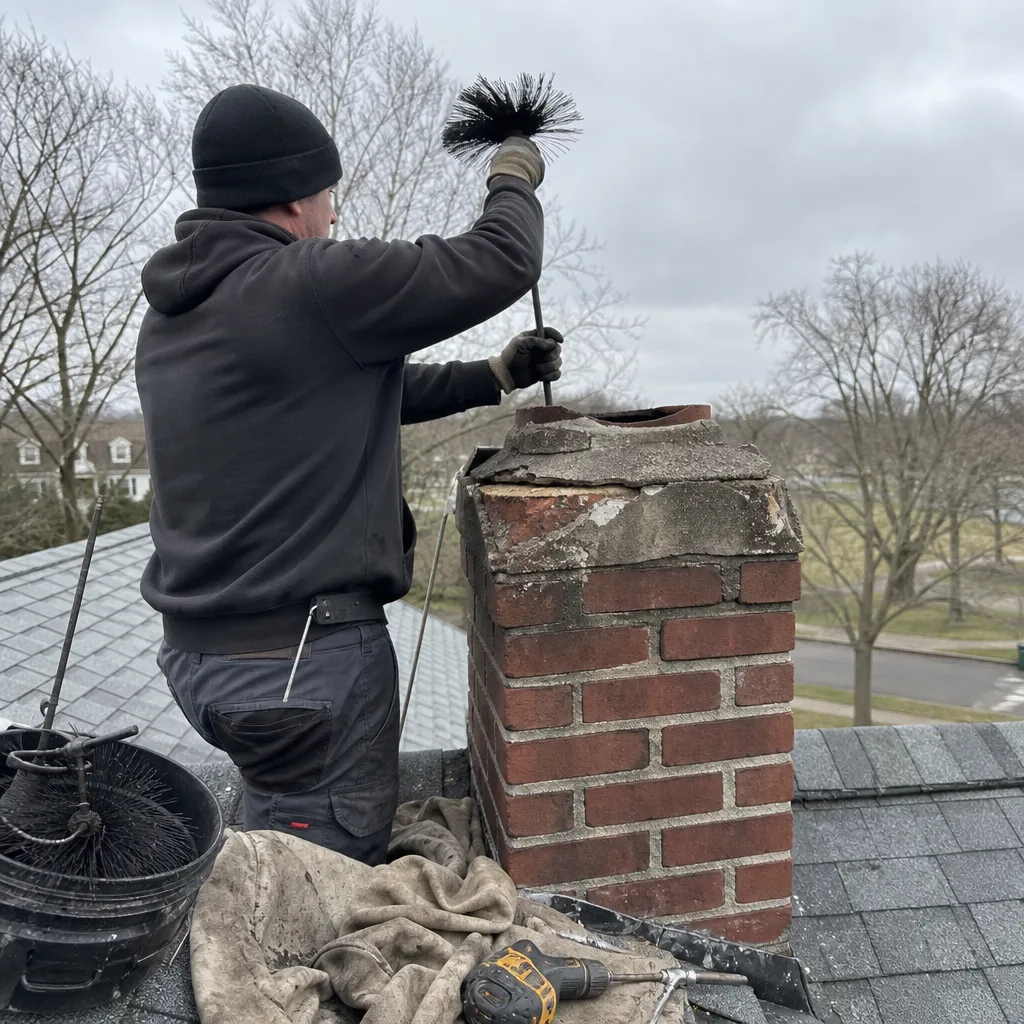 Before
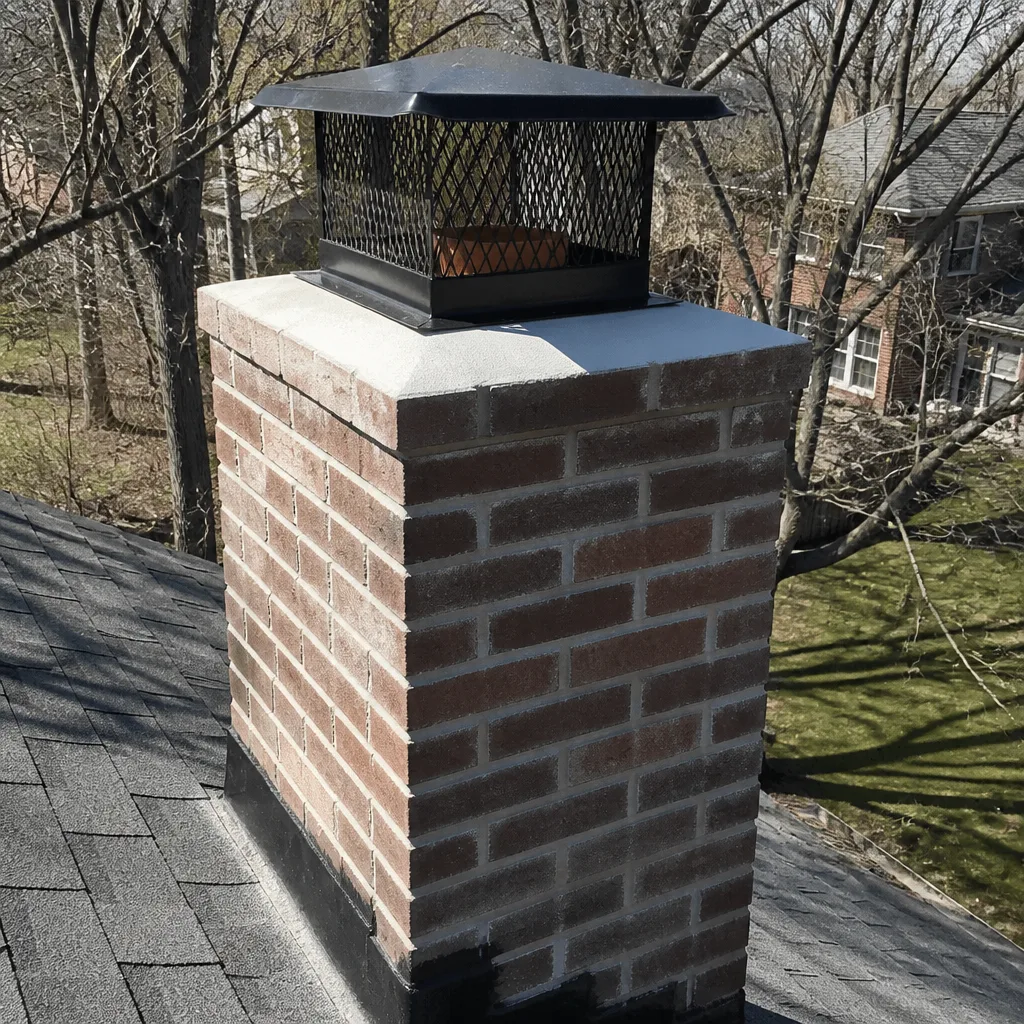 After
After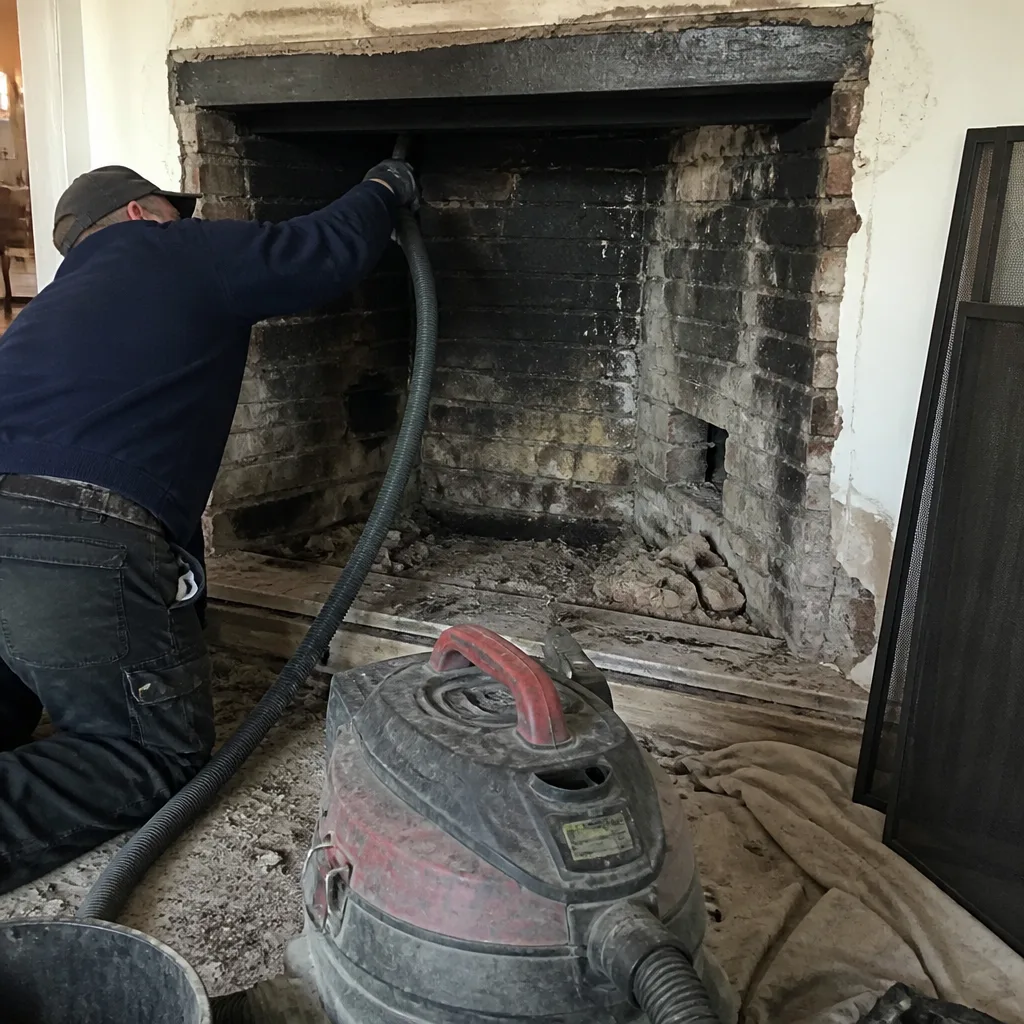 Before
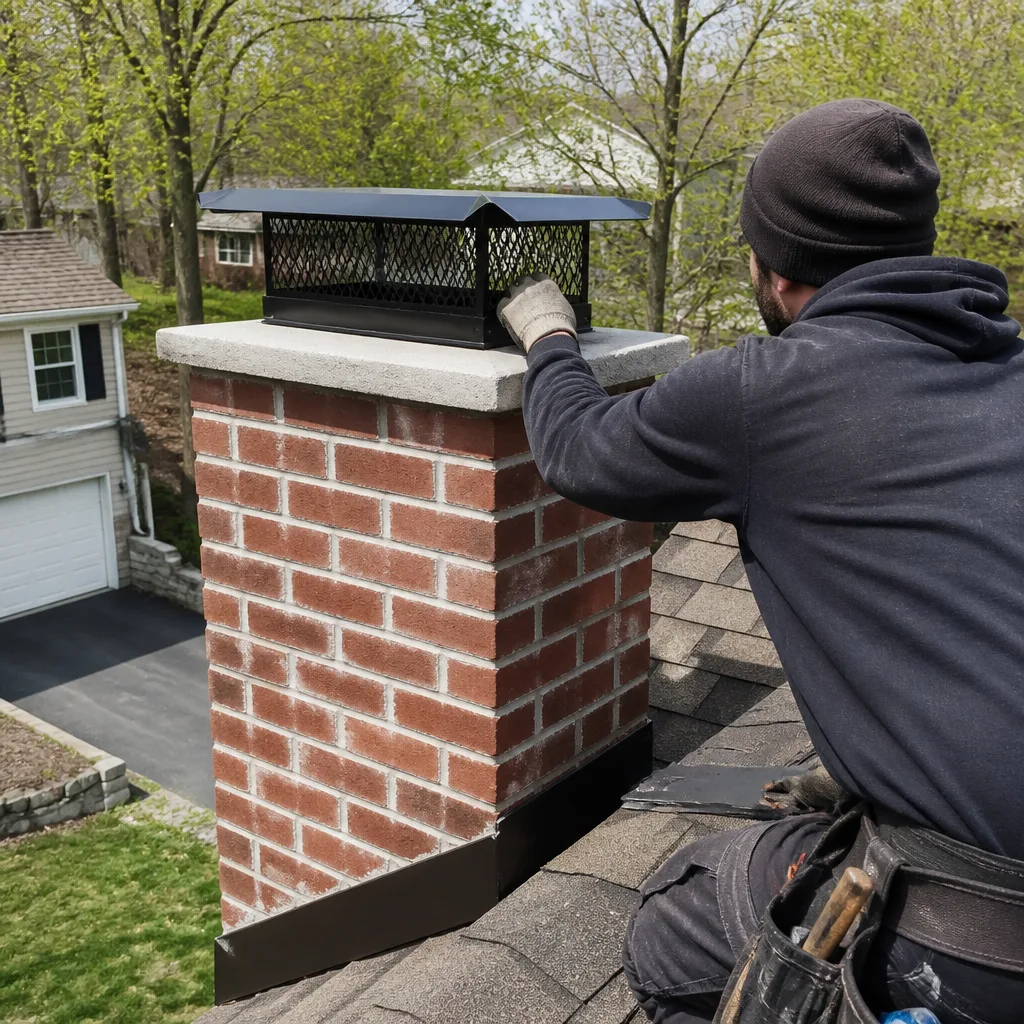 After
After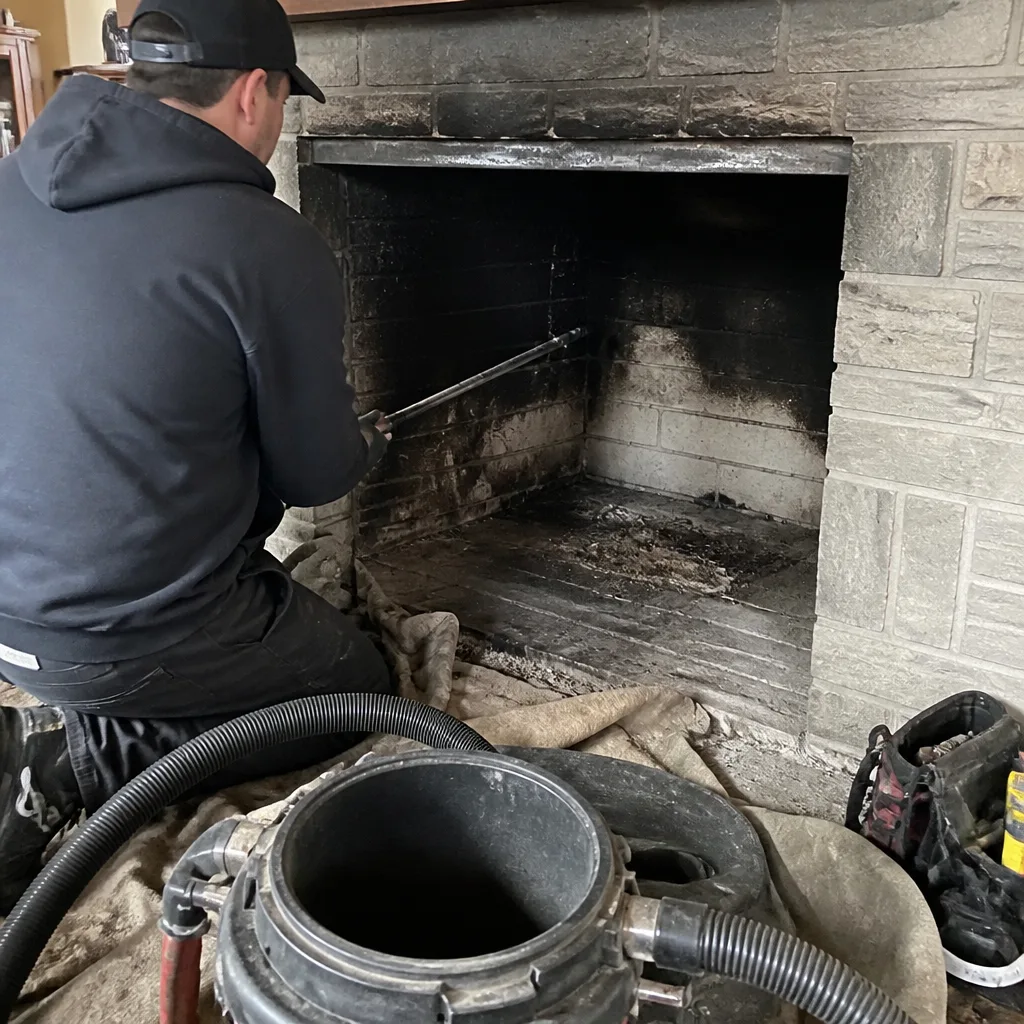 Before
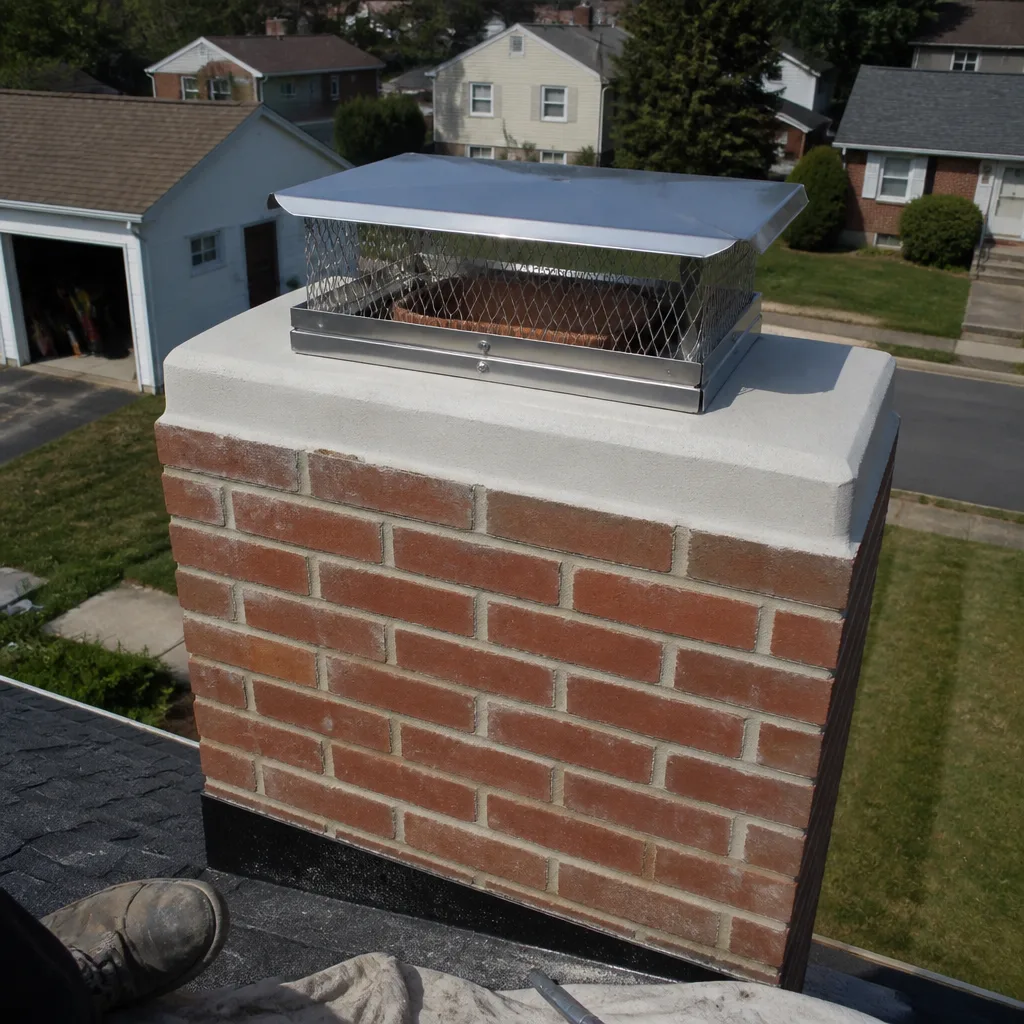 After
AfterDuraFlex Flue Liner Replacement: The Reading Owner’s Guide
If you have a DuraFlex liner that’s cracked, corroded, or pulling apart at a seam, we stock DuraFlex-compatible replacement sections in Reading and can usually have the swap done in a single visit. Installed replacement work on a DuraFlex liner in this area typically runs $1,100 to $2,800 depending on how much of the run needs to come out, the liner diameter, and how accessible your chimney is from the roof or the firebox. Most Reading homeowners discover the problem one of two ways: a sweep points it out on camera during an annual cleaning, or the liner fails visibly with flaking metal, rust stains at the cleanout, or a fireplace that suddenly drafts poorly.
Which DuraFlex Models This Applies To
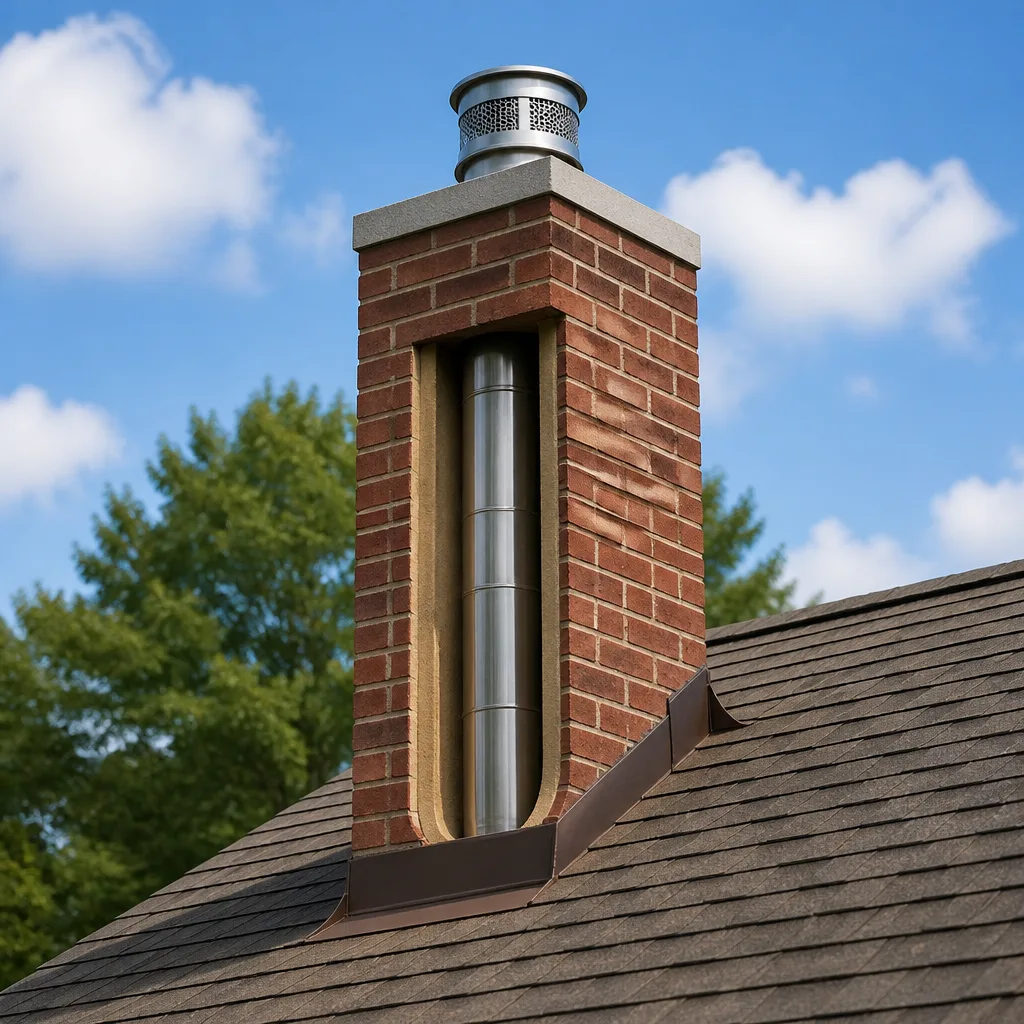
DuraFlex makes a few distinct liner families, and the replacement part has to match what’s already in the flue. The most common in Reading rowhouses and older single-family homes is the 316L alloy flexible liner, typically sold as DuraFlex 316 or DuraFlex Pro. There’s also an aluminum version you’ll sometimes find in gas-only setups, and a heavier 304 alloy for wood stoves burning hotter and longer. Here’s the gotcha most people don’t know: DuraFlex liners are not cross-compatible between alloys. You don’t pair a 316L replacement section with an aluminum original, and you don’t mix diameters. The liner has to match both the alloy and the inside diameter of the existing run. We measure on site before quoting anything.
For identifying what you have, look at the stamped markings on the liner itself if you can see a visible section, or check the original paperwork from the install. If neither is available, we measure the inside diameter with a caliper and match the corrugation profile. On the OEM-versus-aftermarket question: Top Hat Chimney is an independent shop, not affiliated with DuraFlex, but we stock factory DuraFlex sections where the existing run calls for them, along with quality equivalents from HeatShield and Gelco when the application allows. There are aftermarket liners that fit fine and save real money; there are also cheap imports with thinner walls that I won’t put my name on. If a budget alternative is genuinely safe for your setup, we’ll say so. If it isn’t, we’ll tell you that too.
Signs Your DuraFlex Flue Liner Replacement Is Failing
- Rust flakes or metallic debris in the cleanout. This is the most common early signal we see in Reading basements. The liner’s inner wall is shedding, which means the protective oxide layer is gone and the steel is actively thinning.
- Visible cracks or separation at the seams. Flexible liners have a spiral seam along the entire length. Heat cycling over twenty-plus years can pop that seam open, especially near the top where the liner takes the most rain and freeze-thaw abuse.
- The fireplace drafts noticeably worse than it used to. A breached liner leaks flue gases into the chimney cavity instead of carrying them up and out. The fire still burns, but the draw weakens, and rooms near the chimney can pick up a stale smoke smell.
- White or brown staining on the exterior brick near the flue. Flue gases condensing inside a compromised liner push moisture through the masonry. In Reading’s freeze-thaw winters, that moisture does double damage to the brick and the liner both.
- Your sweep flags it on camera after a cleaning. This is how most folks find out. If you haven’t had a camera inspection in a few years, that’s the thing to schedule. You can’t see liner failure from the firebox.
Replacement Cost & What’s Included
Here’s the honest pricing picture for Reading. A partial section replacement where we cut out a failed run and splice in new DuraFlex-compatible liner typically lands between $1,100 and $1,800. A full liner replacement from the firebox to the rain cap runs $1,900 to $2,800 for a standard one-story or two-story chimney, with taller rooflines or steep pitches pushing toward the upper end. The variables are liner diameter, alloy grade, overall length, and roof access. Every quote includes the liner material, connectors, top plate and rain cap as needed, removal of the old section, installation, and a camera inspection afterward so you see the finished run. You get the number before we start, and that number is the number on the invoice. Nothing changes at the door. And every job carries the 90-Day Done Right Promise: if it isn’t right, one call brings Wendell and the crew back at no charge.
DIY or Call Us?
Let’s be straight: a flue liner is not a homeowner repair. You’re working either from the roof, which means heights and a running fall line, or from inside the firebox, which means confined space and heavy stainless sections that fight you the whole way. A botched liner splice leaks carbon monoxide into the house, and carbon monoxide doesn’t announce itself. What you can safely do is check the cleanout for rust debris, look for staining on the chimney exterior, and note any change in draft. Those observations help us zero in faster. The actual replacement is a Wendell-and-his-crew job, with the right alloy, the right diameter, and a camera check at the end. Call (484) 209-0837 and we’ll give you a real quote, not a guess.
FAQs
A 316L DuraFlex liner in a wood-burning chimney here typically lasts 15 to 25 years, with the spread driven by how hot and how often you burn, what you burn, and whether the flue stays dry. Reading’s freeze-thaw cycles shorten the lifespan at the top end of the run; we routinely see liners that look mint for eighteen feet and then crumble in the last three feet below the cap. Aluminum liners in gas setups can go 20-plus years because they never see wood-fire heat. Call (484) 209-0837 if you want us to camera the liner and tell you exactly where yours stands.
Sometimes. If the failure is a short section near the top or a single popped seam, we can often cut that section out and splice in a matching replacement without pulling the entire run. That’s a real cost difference, and we’ll recommend it when the remaining liner has life left in it. If the corrosion is widespread or the wall thickness has dropped below safe minimums across most of the run, replacing the liner is the only honest fix. The camera footage tells us which one you need, and you’ll see that footage yourself.
Most full replacement jobs in Reading are done in four to six hours from setup to cleanup. A partial section swap can be done in two to three hours. Roof access, liner length, and how much creosote has built up around the old liner all affect the timeline. We’ll give you a real arrival window and call if anything shifts.
We keep common 316L and aluminum DuraFlex-compatible sections on the truck in the diameters we see most around Reading, plus matching connectors and caps. Unusual sizes or longer runs may need a day or two to bring in. When you call (484) 209-0837, we can usually tell you right away whether your job is a same-visit fix or a quick order-and-return.
Written by Wendell Pike, Owner, Top Hat Chimney at Top Hat Chimney, serving Reading and nearby areas.