
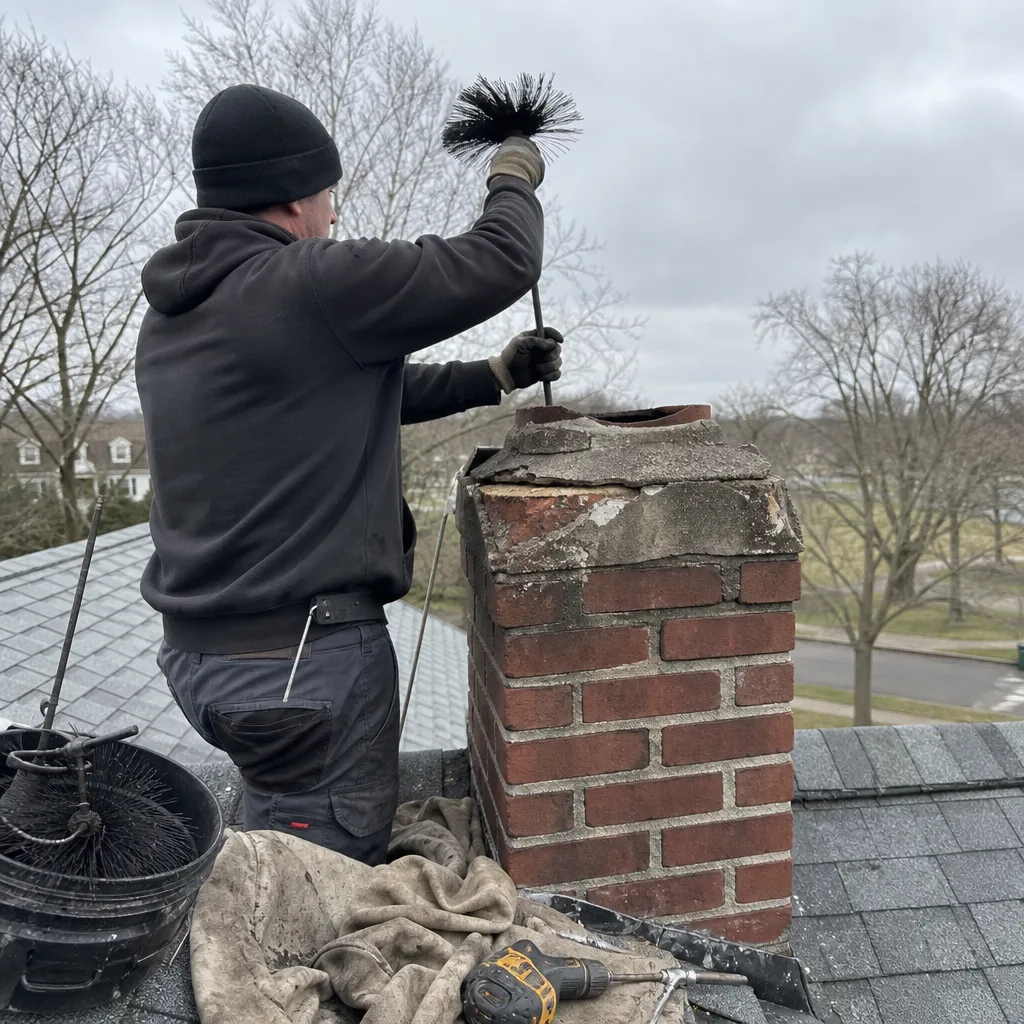
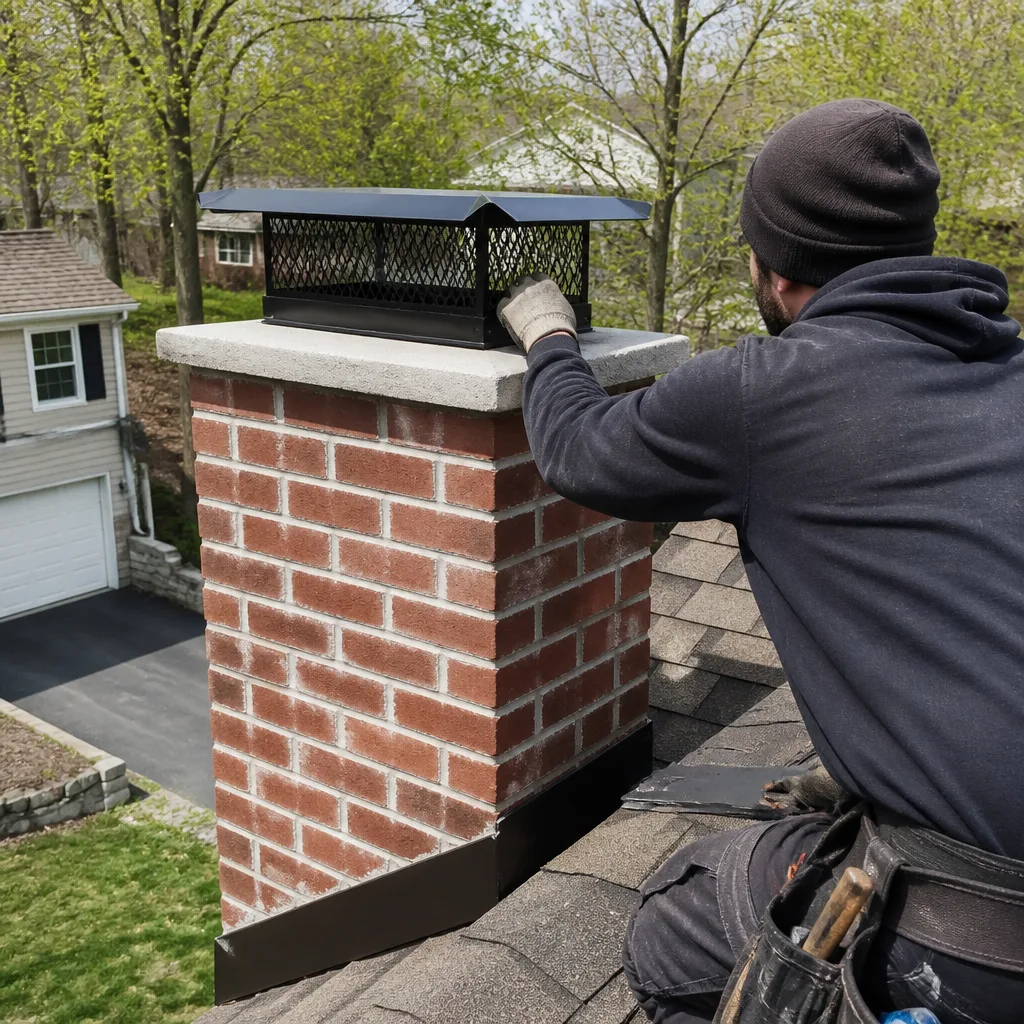
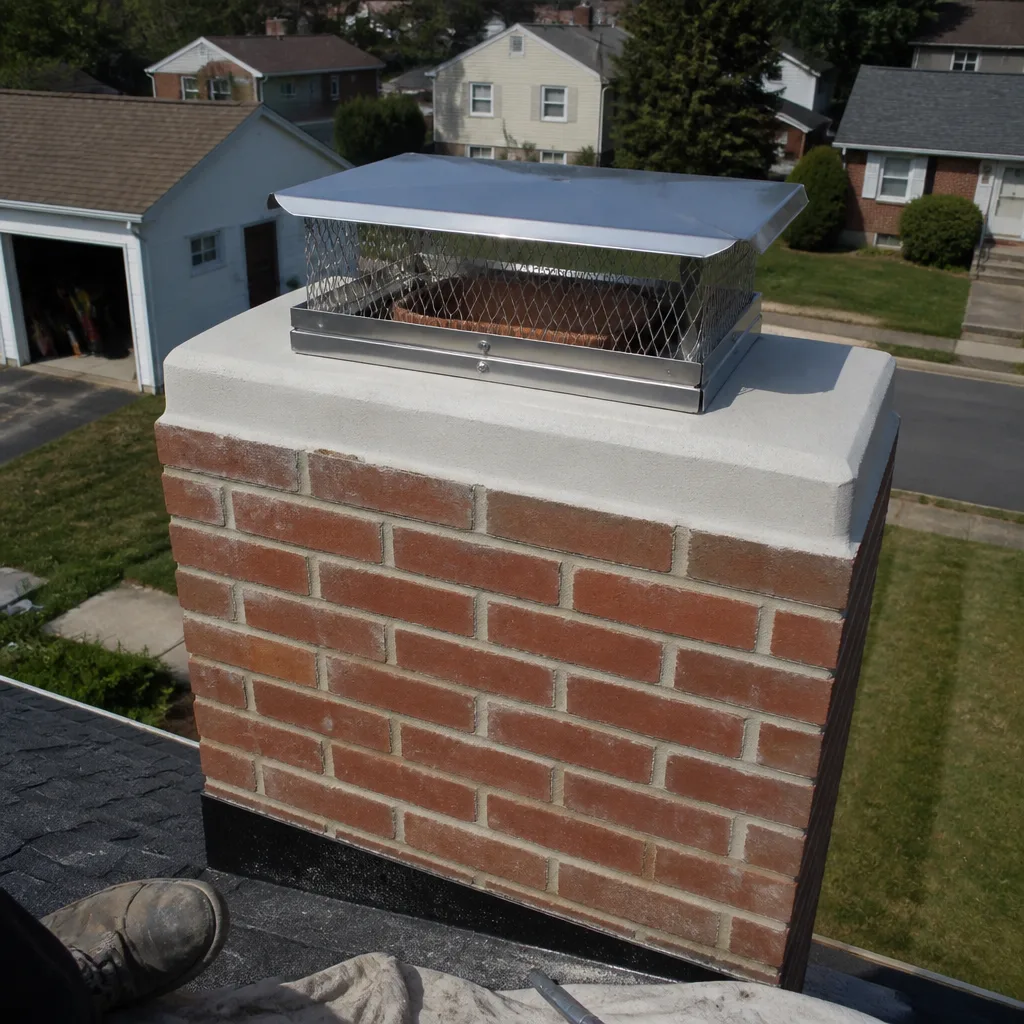
Level 1 sweep and inspection to the NFPA 211 annual standard - flue, crown, cap, and flashing checked and photographed
Chimney sweep logs do not sweep chimneys. They loosen some creosote - which then falls where a brush and vacuum still have to collect it.
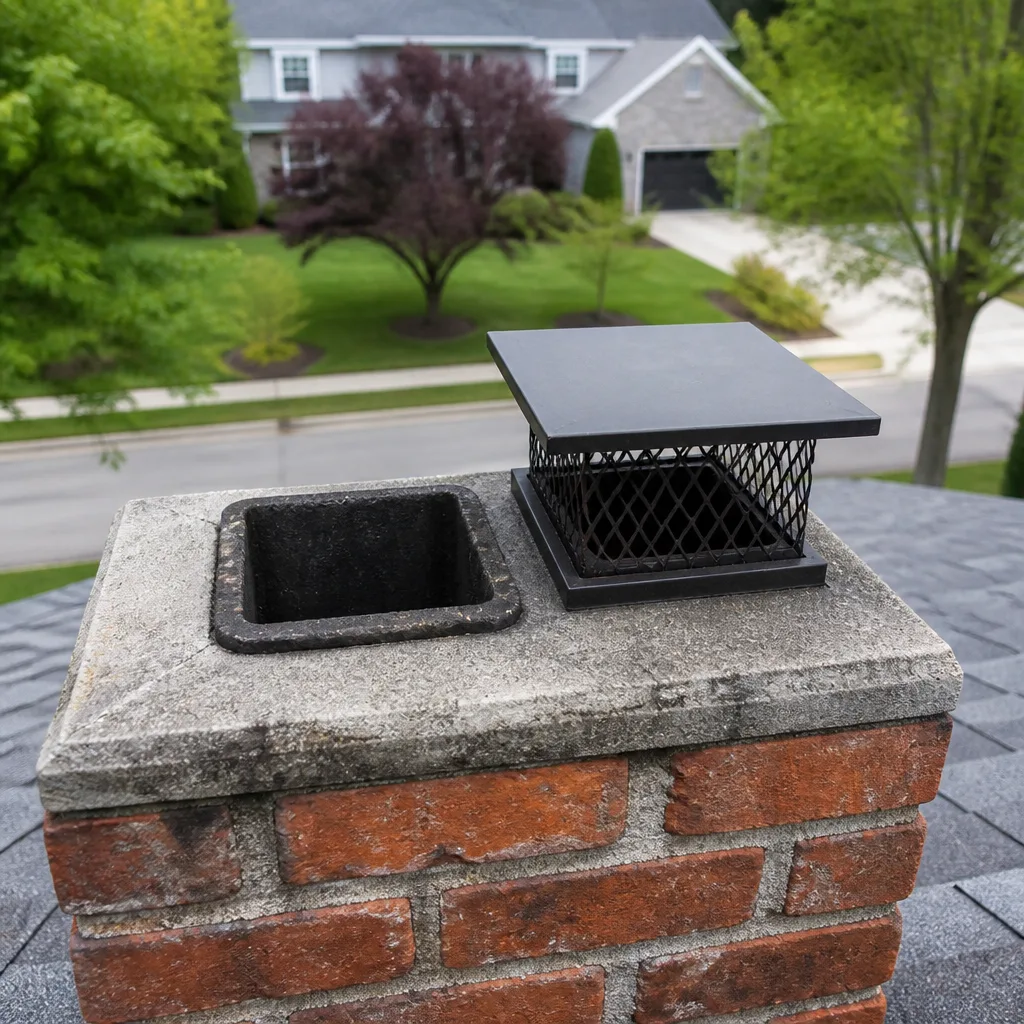
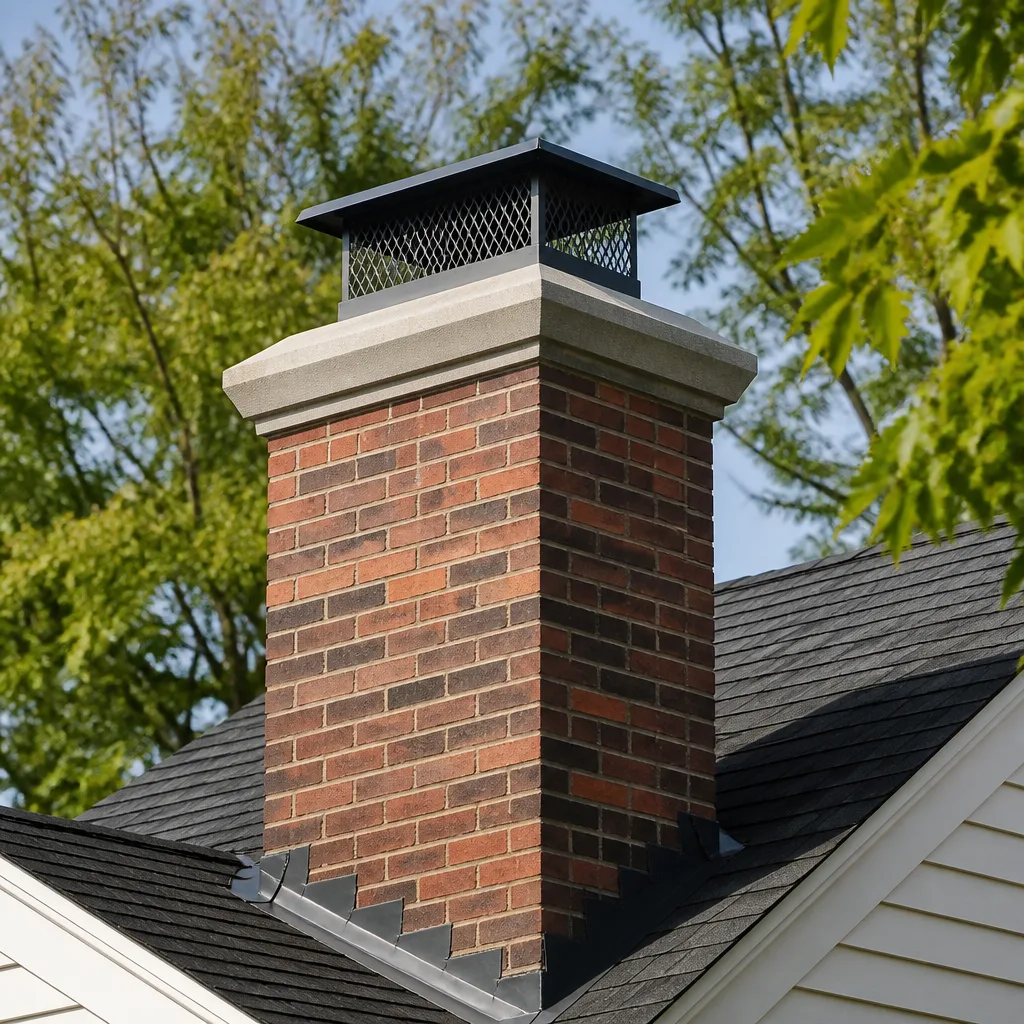
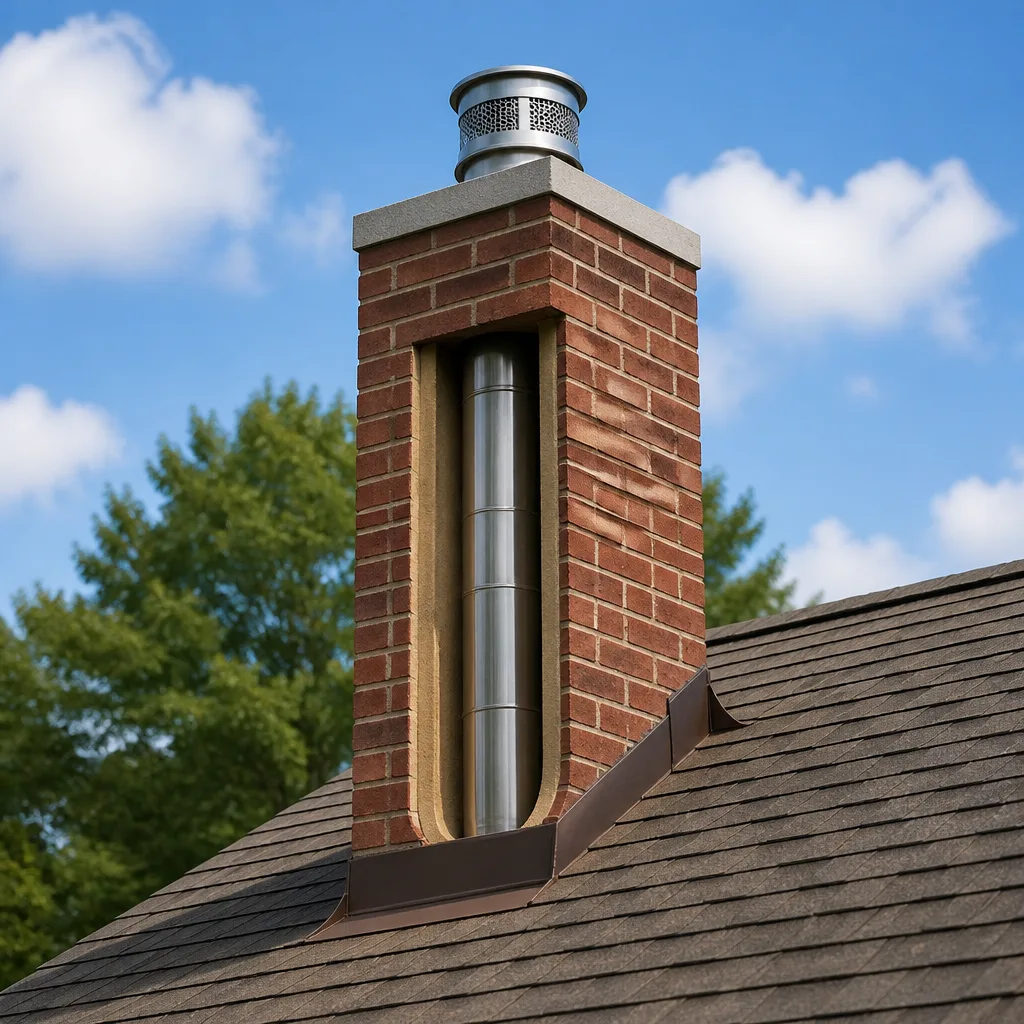
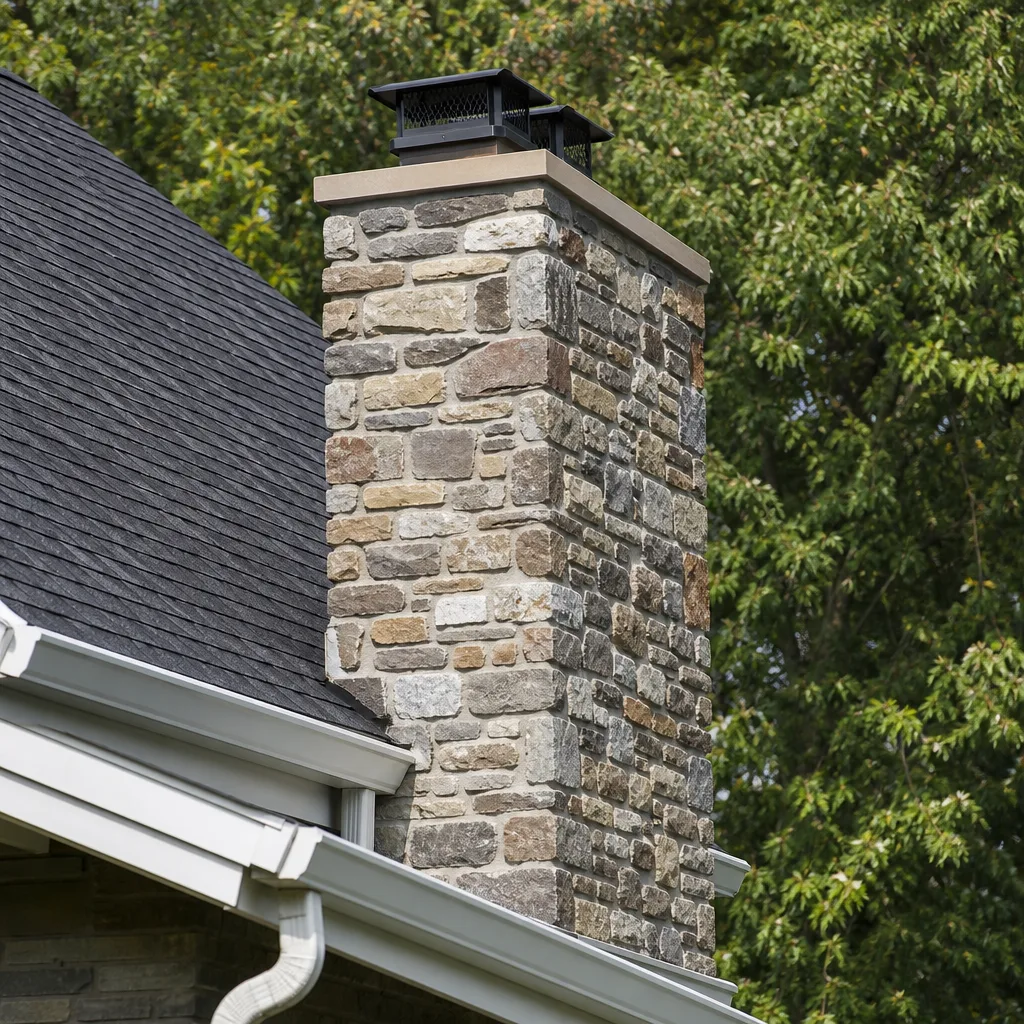
 Before
 After
After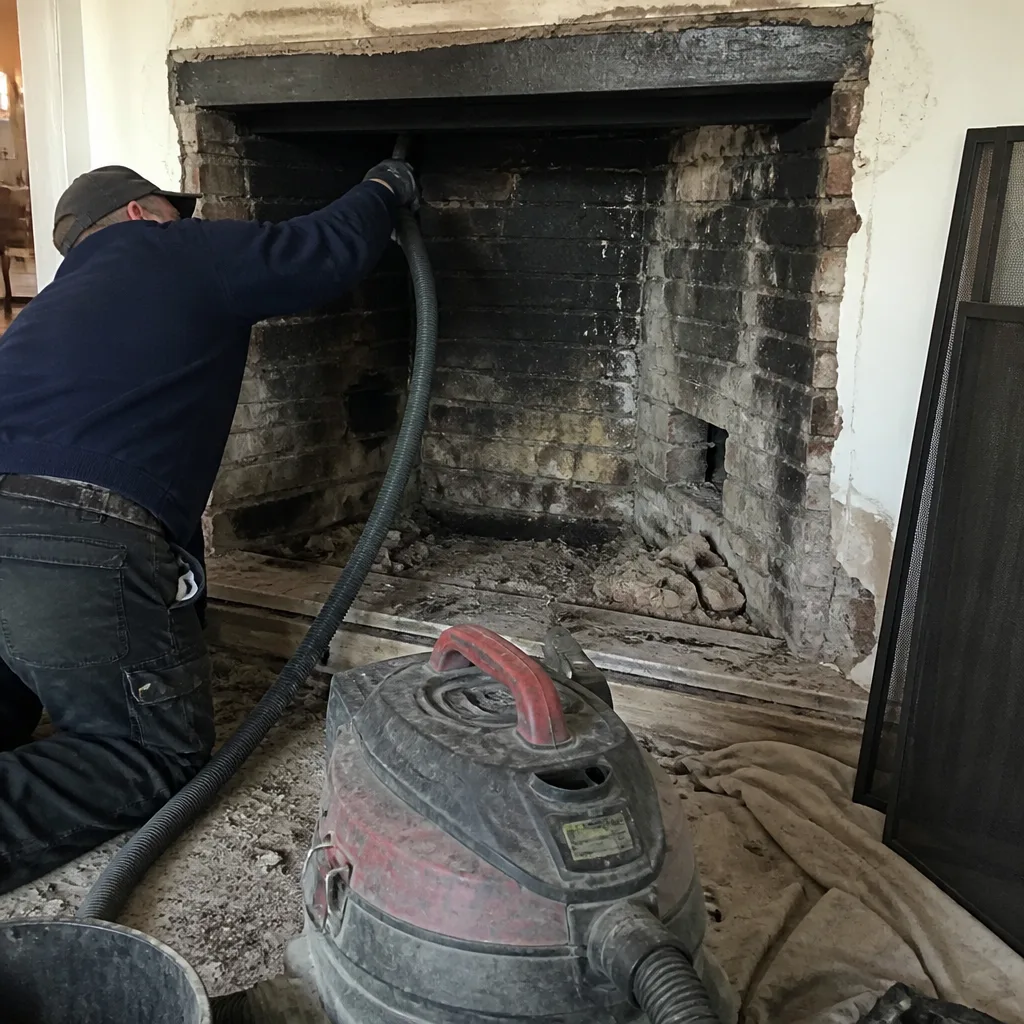 Before
 After
After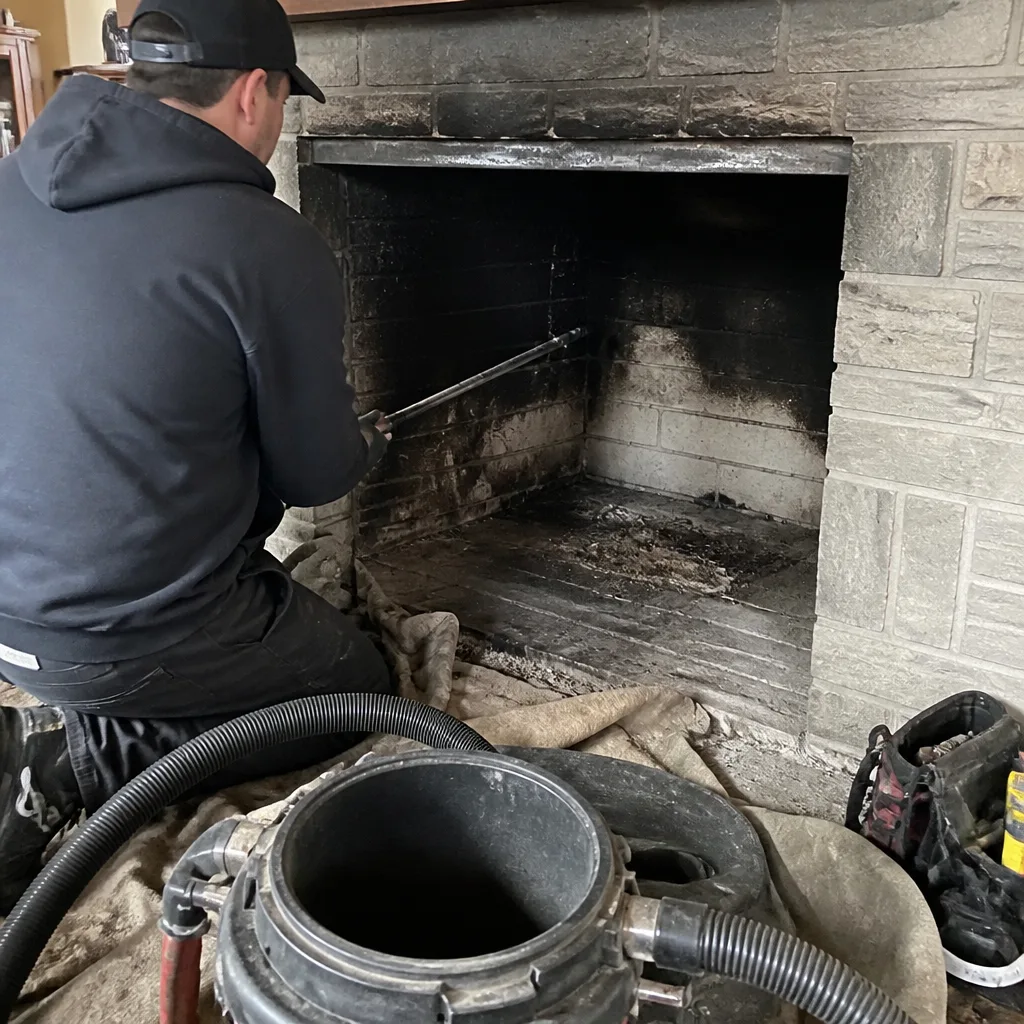 Before
 After
AfterHeatShield Chimney Repair in Reading: What to Know First
We repair HeatShield chimney systems throughout Reading, PA, as an independent HeatShield service provider. Most HeatShield repairs run between $350 and $2,400 depending on what’s actually wrong, and we’ll give you a written price before any tool comes off the truck. If the system doesn’t need work, we’ll tell you that too.
This page is for homeowners in Reading and the surrounding Berks County towns who own a home with a HeatShield liner or repair system and are seeing signs of trouble: water in the firebox, crumbling mortar, flaking brick faces, or a liner that’s showing its age. Call (484) 209-0837 and Wendell or a member of his crew will answer. That part isn’t a marketing line. It’s how we’ve run things since 1999.
How HeatShield Products Fail - and How We Fix Them
HeatShield makes a solid product, but nothing in a chimney lasts forever. Here’s what we actually see in Reading homes:
- Cerfractory flue sealant breakdown on HeatShield Eco-Panels. The Eco-Panel system uses a cerfractory material applied to the flue walls. In older Reading rowhouses where the flue runs through decades of thermal cycling, we see hairline cracks form where the panel meets the original clay tile. Moisture gets in, the freeze-thaw cycle does the rest. Our fix is a full inspection with camera footage, then targeted resealing or panel replacement depending on depth of the damage.
- Joint separation on HeatShield Joint Repair systems. The joint repair product is designed to seal gaps between clay tiles. But in chimneys that see heavy use, the material can pull away if the original mortar bed was already failing. We see this on wood-burning fireplaces in the Centre Park and College Heights neighborhoods where folks burn through cord after cord each winter. The repair is joint re-prep and reapplication, but only after we confirm the tile structure is sound.
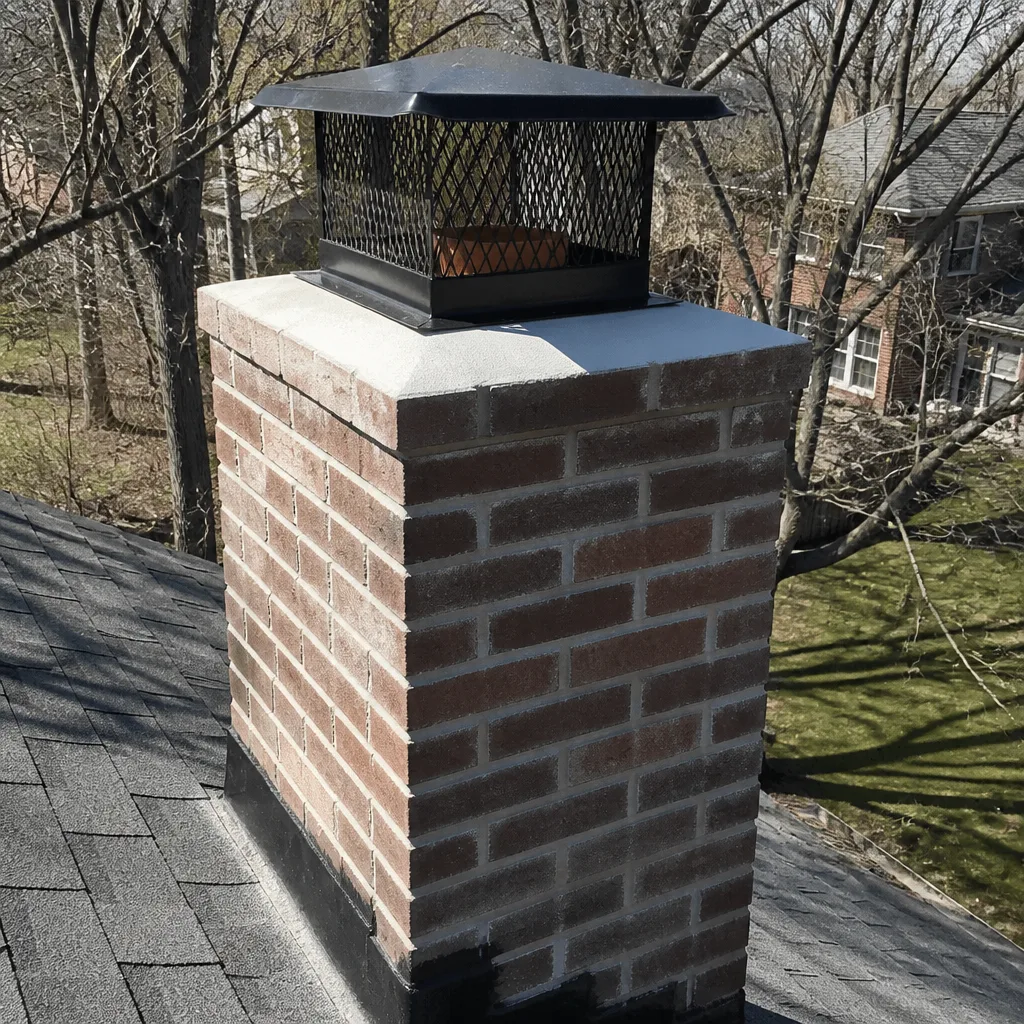
- Water intrusion at the cap-to-liner transition. This is true of any liner system, not just HeatShield, but we get calls about it enough to mention. The gap where the liner meets the chimney cap is the first place water sneaks in during a Reading nor’easter. We re-flash, re-seal, and replace the cap if the old one has rusted through.
- Spalling brick behind HeatShield panels. Here’s one most homeowners don’t know: if the brick behind a HeatShield liner system was already absorbing water before the liner went in, the liner hides the damage for years. By the time you notice, the brick faces are popping. We see this on homes near the Schuylkill where humidity runs high. The fix is pulling the affected panels, doing mortar repointing and brick replacement, then re-installing over dry, stable masonry.
- Improper installation from previous contractors. HeatShield is only as good as the sweep who put it in. We’ve been called out to Reading homes where the liner wasn’t sized to the appliance, or the panels were applied over un-cleaned clay tile. The cerfractory doesn’t bond, and the system fails early. We re-do it right: full cleaning, proper prep, and installation to manufacturer spec.
Our HeatShield Chimney Repair Process
Here’s how a HeatShield repair job goes with us, start to finish:
- 1
You call, a person answers. Day or night. We get your address, your chimney’s symptoms, and the brand of system if you know it. We book a time that works; we show up when we say we will.
- 2
Camera inspection. We run a camera down the flue and take photos of the HeatShield system. You see the footage. We don’t tell you what’s wrong without showing you.
- 3
Plain-English verdict. Wendell or a senior crew member walks you through what the camera found. If it’s a simple fix, we say so. If the system is beyond saving, we say that too, and we’ll show you why.
- 4
Written price before work. We hand you a number. That number doesn’t change. No surprise fees, no “found something else” upcharge at the end.
- 5
The repair. OEM HeatShield materials where it matters for warranty compliance; quality aftermarket only where it’s genuinely equivalent and doesn’t compromise the system. We protect your home, we keep the job clean, we leave it better than we found it.
- 6
Test and guarantee. We verify the repair, show you the results, and put the 90-Day Done Right Promise in writing. If it isn’t right, one call brings us back, no charge.
What HeatShield Chimney Repair Costs in Reading
Here’s what we charge for the common HeatShield repairs we do in Reading. These are real ranges from our pricing book, not guesses:
- Joint repair (minor, 1-3 joints): $350 - $650
- Eco-Panel section replacement (small flue section): $800 - $1,400
- Full flue reline with HeatShield system: $1,800 - $2,900
- Brick spalling repair behind panels (per section): $500 - $1,200
- Cap replacement with re-flashing at liner transition: $450 - $900
- Full chimney rebuild above the roofline (with HeatShield re-install): $2,400 - $5,000+
What moves the price: the height of your roof, the size of the flue, how much brickwork needs attention, and whether we can reuse existing HeatShield panels or need new material. We also take $40 off any repair over $200, and seniors and veterans always get 10% off. Call (484) 209-0837 for an exact quote. Estimates are free.
Why Reading Homeowners Call Top Hat Chimney for HeatShield Work
Wendell Pike has been working chimneys since 1999, and he’s spent years running crews through the neighborhoods of Reading, including plenty of jobs near the old brickwork up by Pagoda Hill. That matters because HeatShield repairs on a 1920s rowhouse flue are different from a 2005 suburban build. You want someone who’s seen both.
Beyond that, here’s the honest case: we back every HeatShield job with a written 90-Day Done Right Promise. If it’s not right, one call brings us back. We also work with DuraFlex and Gelco systems, so if your chimney has a mix of brands, we’re not going to shrug and walk away. And when you call, a live person picks up, 24 hours a day. Could be Wendell himself. Try that with a national chain.
FAQs
It can, if the repair is done with non-OEM materials or installed incorrectly. We use OEM HeatShield materials for any warranty-sensitive repair and document the work with photos. If your system is still under warranty, we’ll tell you what’s covered before we touch anything.
Most single-section repairs are done in one visit, typically 3 to 6 hours. A full flue reline with HeatShield can take a full day or two depending on roof access and weather. We’ll give you a time window when we book, and we’ll call if anything changes.
Yes, in most cases. HeatShield Eco-Panels come in standard flue sizes, and we can match what’s already in your chimney. If your system is older and the exact panel size is discontinued, we’ll tell you before we start and walk you through the options.
Patch jobs work when the damage is localized: a few failed joints, one cracked panel section, a bad cap transition. If the camera shows widespread material breakdown or water damage behind multiple panels, a repair will just buy you a season or two. We’ll show you the footage and let you decide. If it doesn’t need doing, I’ll be the first one to tell you.
The liner protects the flue, but water in the firebox usually comes from somewhere else: a cracked crown, failed flashing, or a chimney cap that’s rusted through. We’ll diagnose the actual source with a camera and a visual inspection, and fix that before we talk about the liner at all.
Written by Wendell Pike, Owner, Top Hat Chimney at Top Hat Chimney, serving Reading and nearby areas.