
Level 1 sweep and inspection to the NFPA 211 annual standard - flue, crown, cap, and flashing checked and photographed
Chimney sweep logs do not sweep chimneys. They loosen some creosote - which then falls where a brush and vacuum still have to collect it.
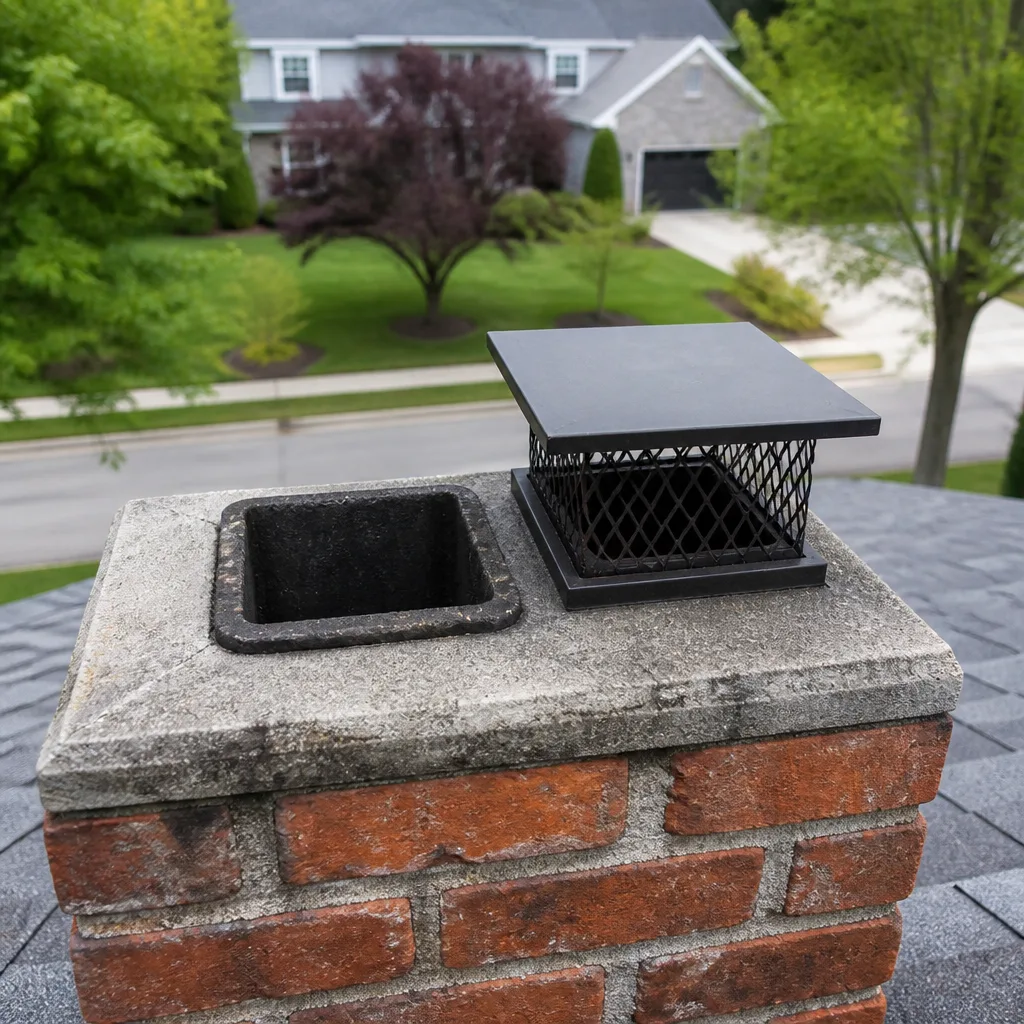
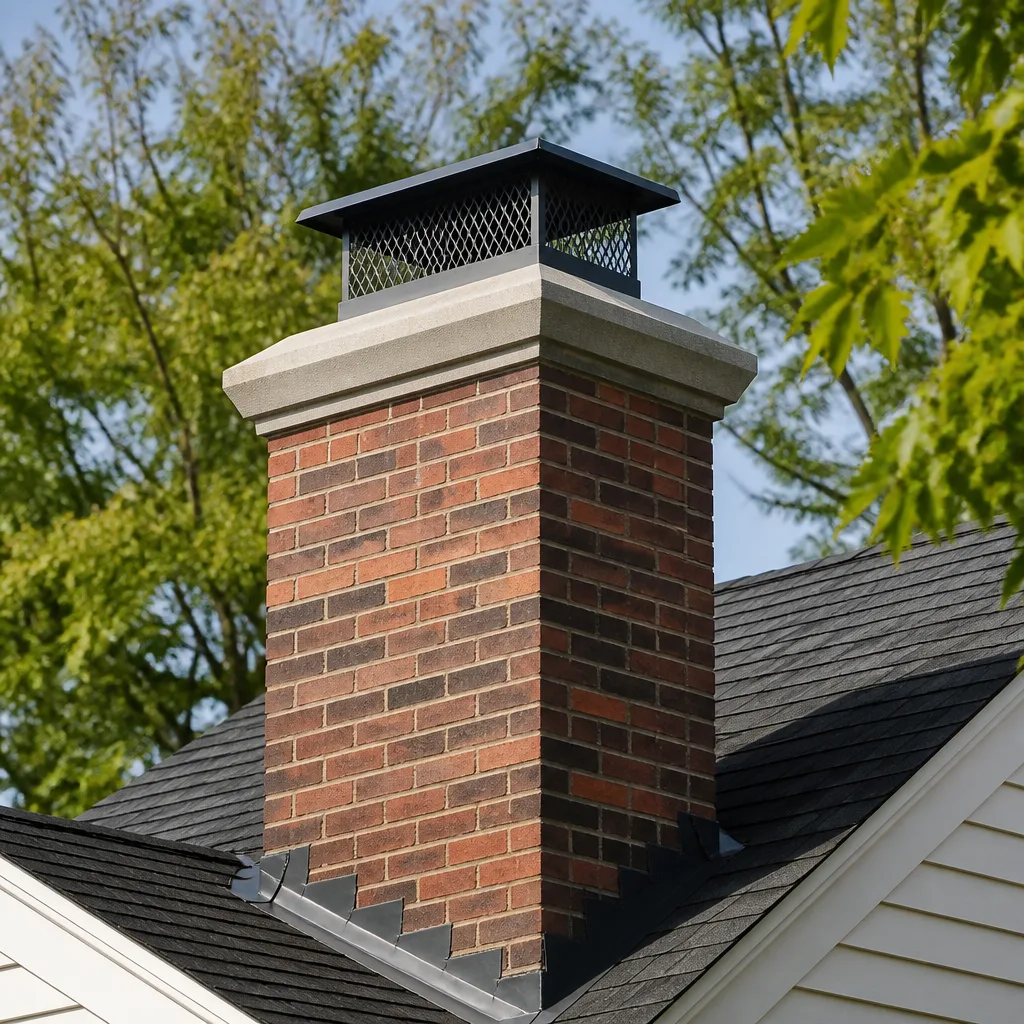
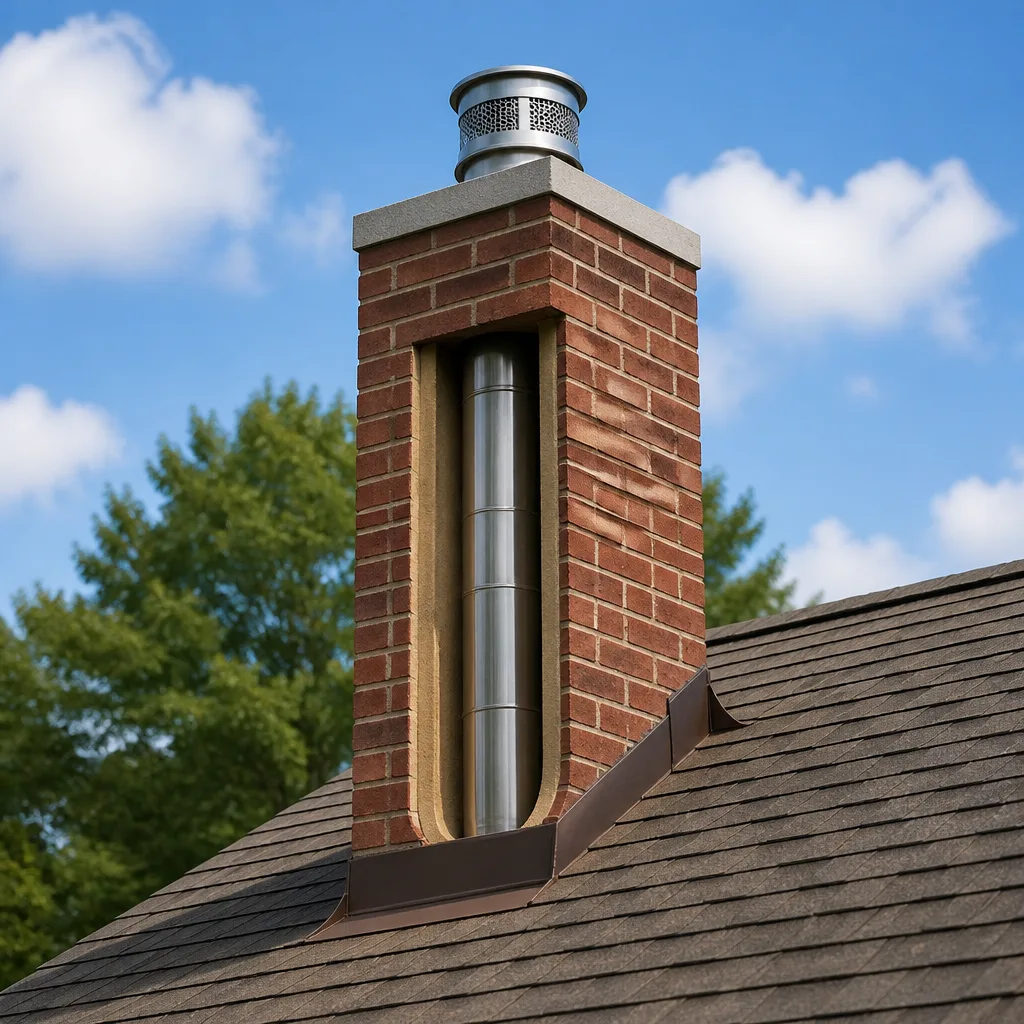
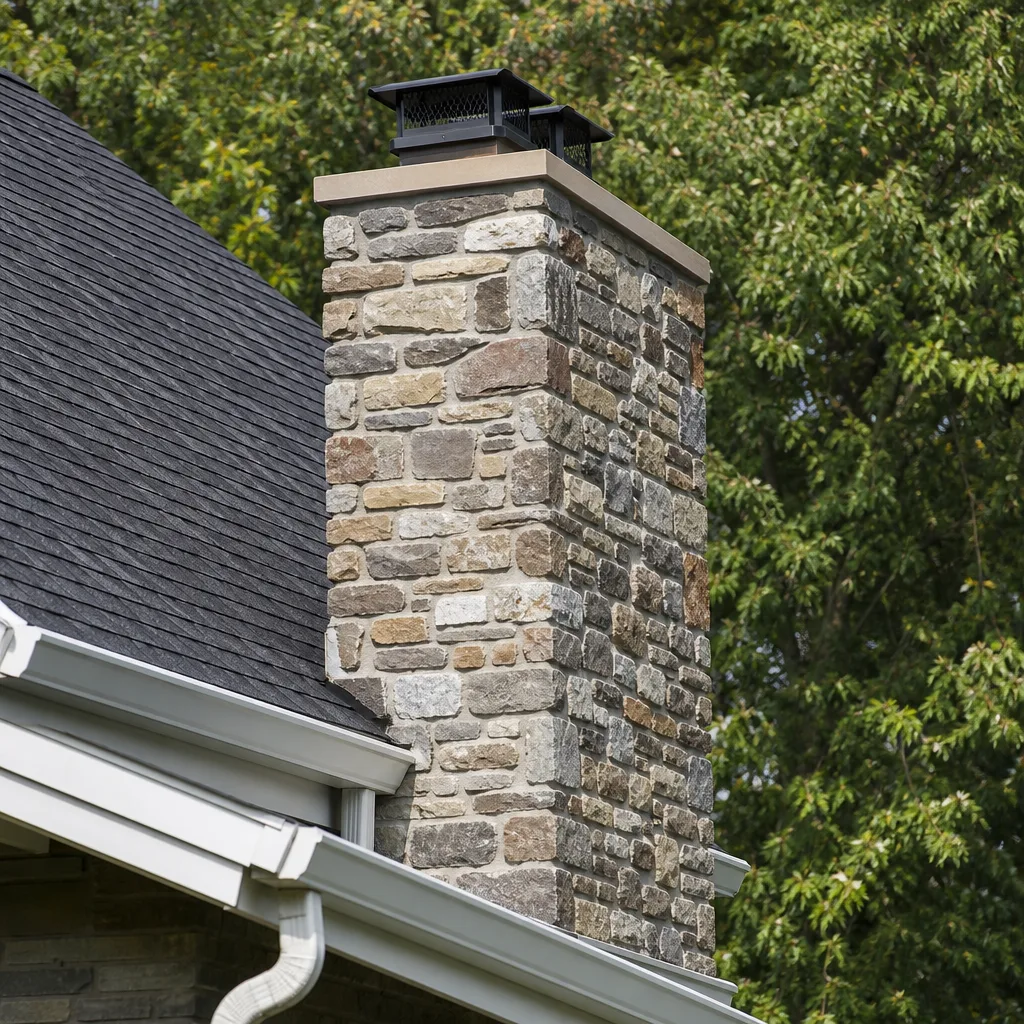
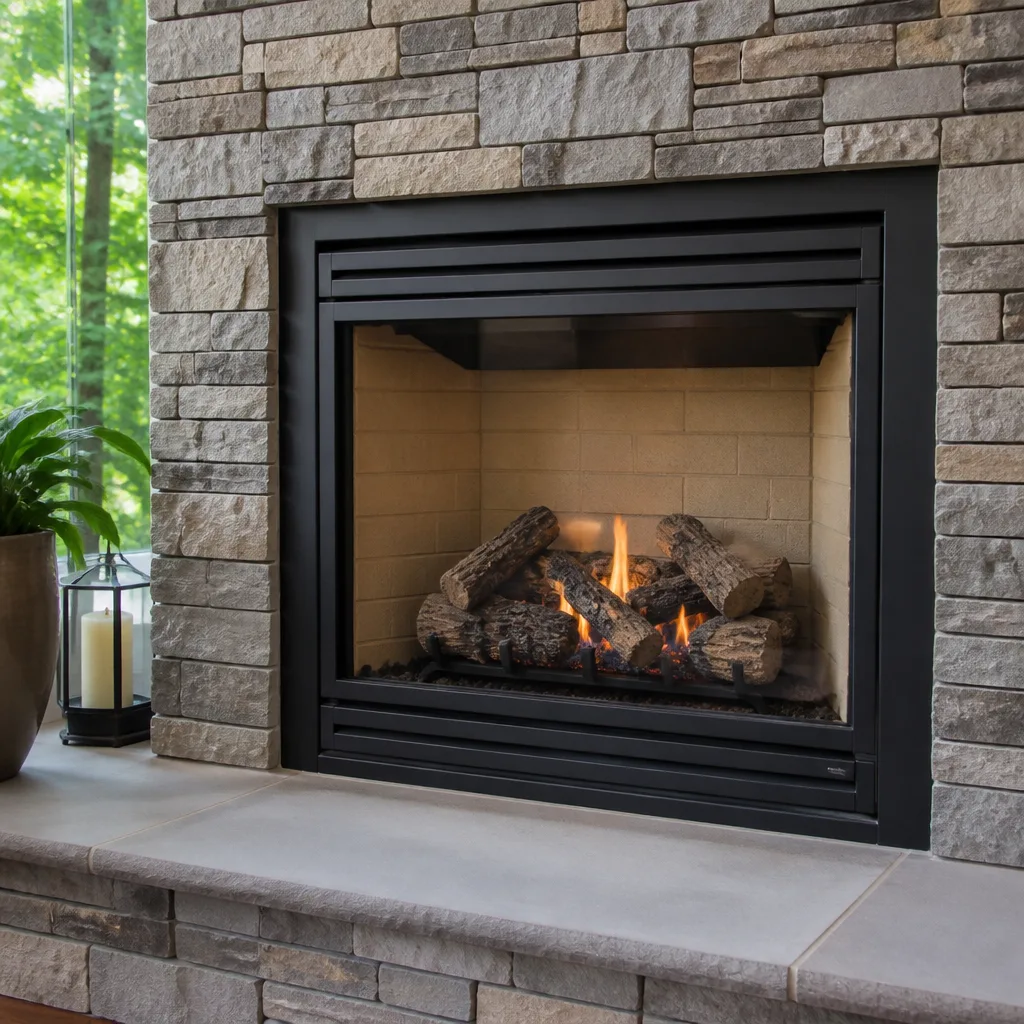
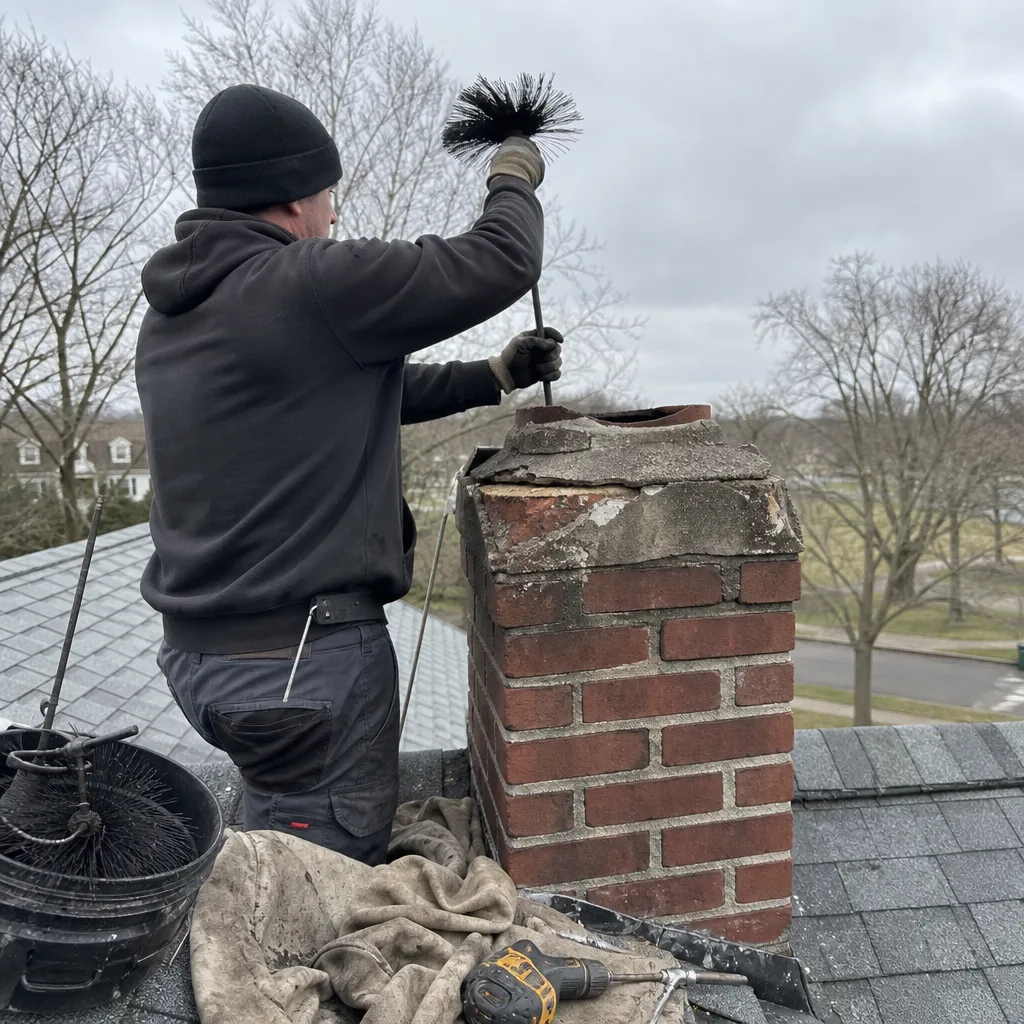 Before
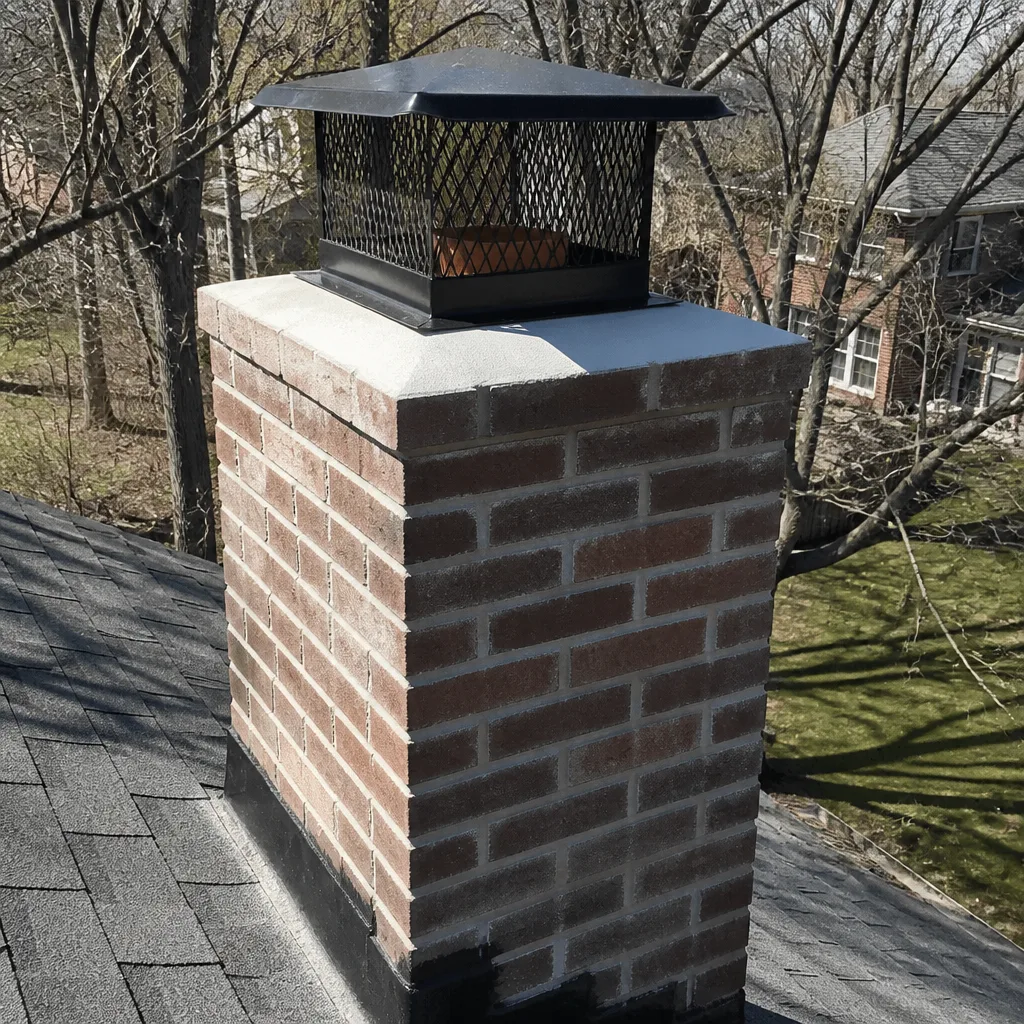 After
After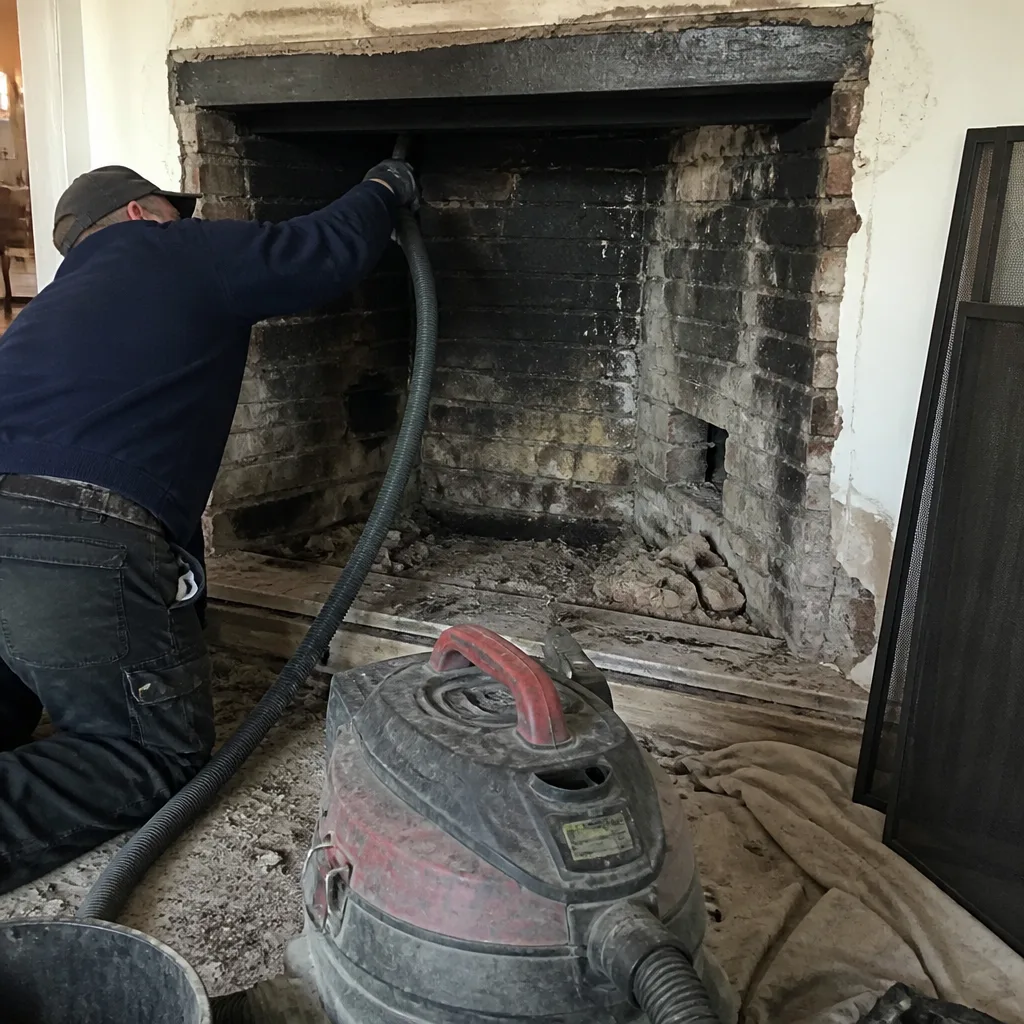 Before
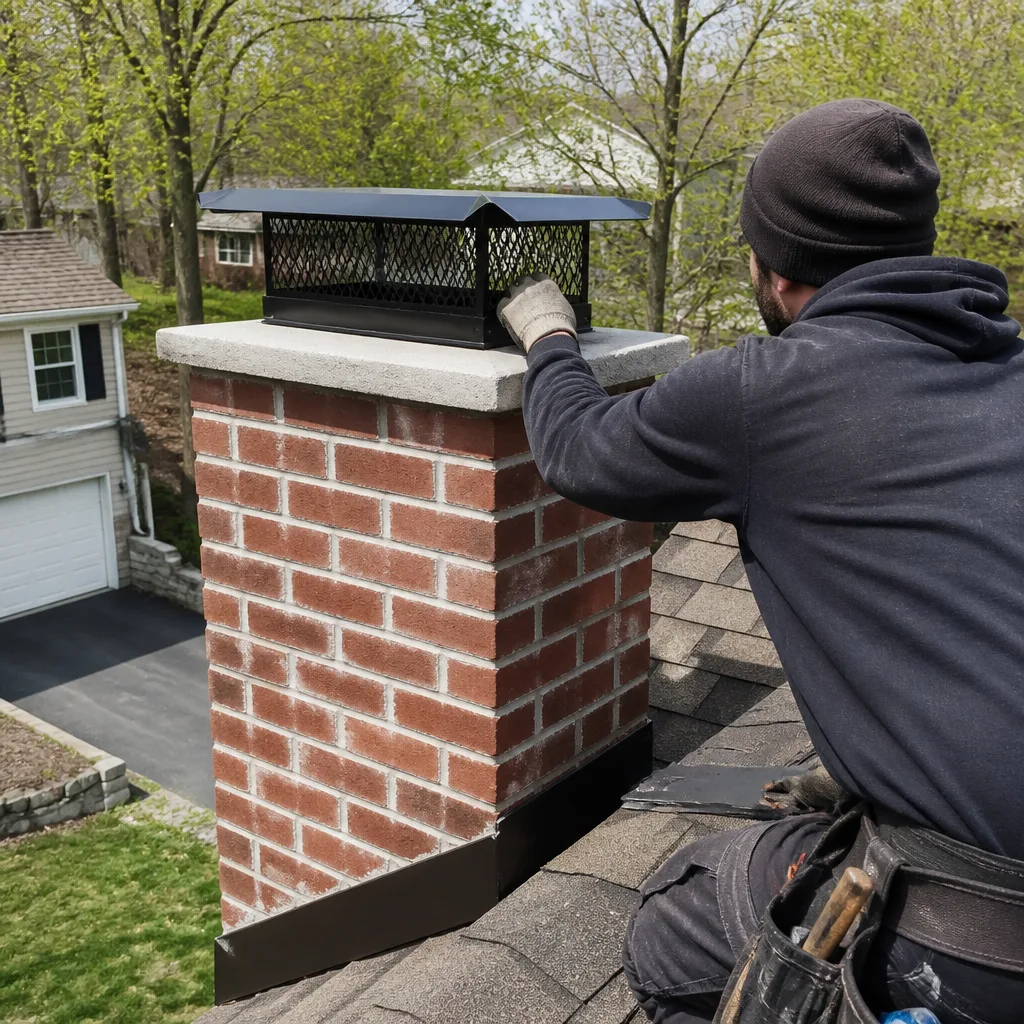 After
After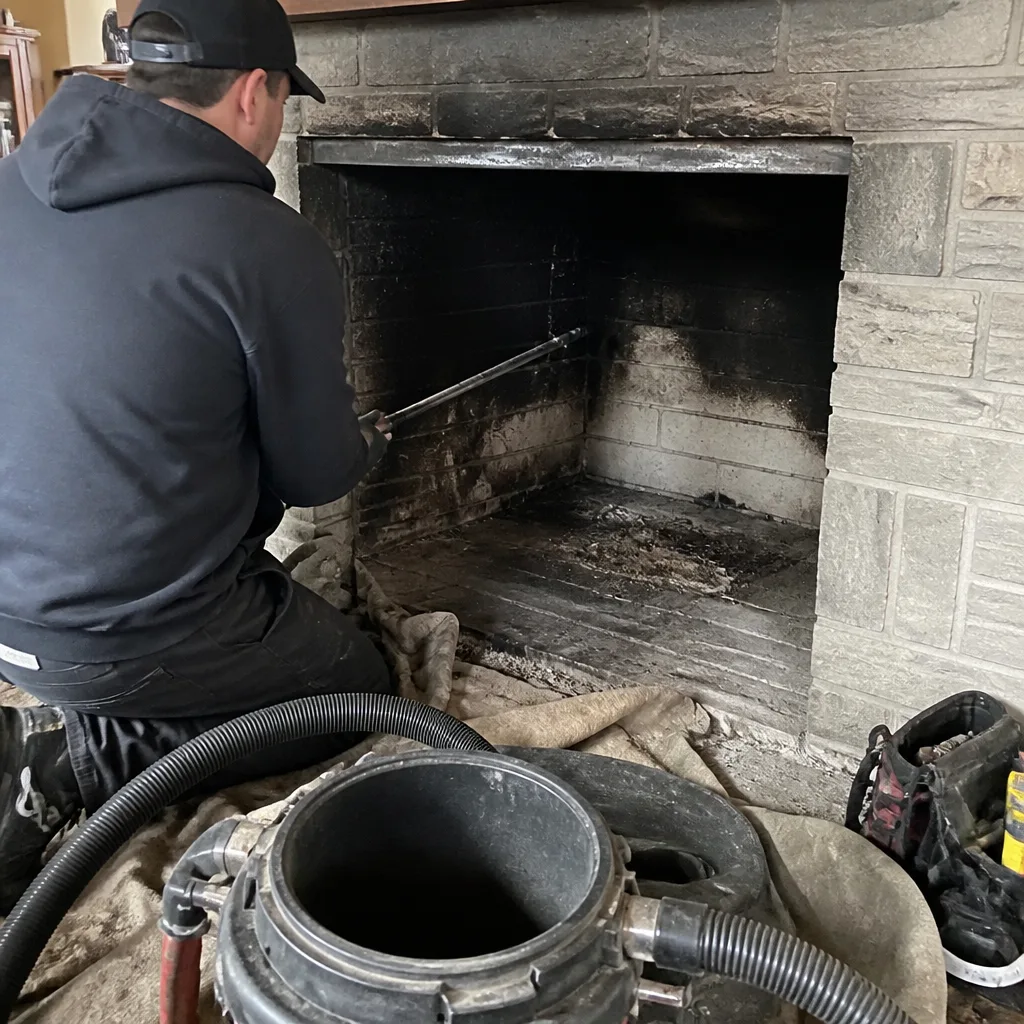 Before
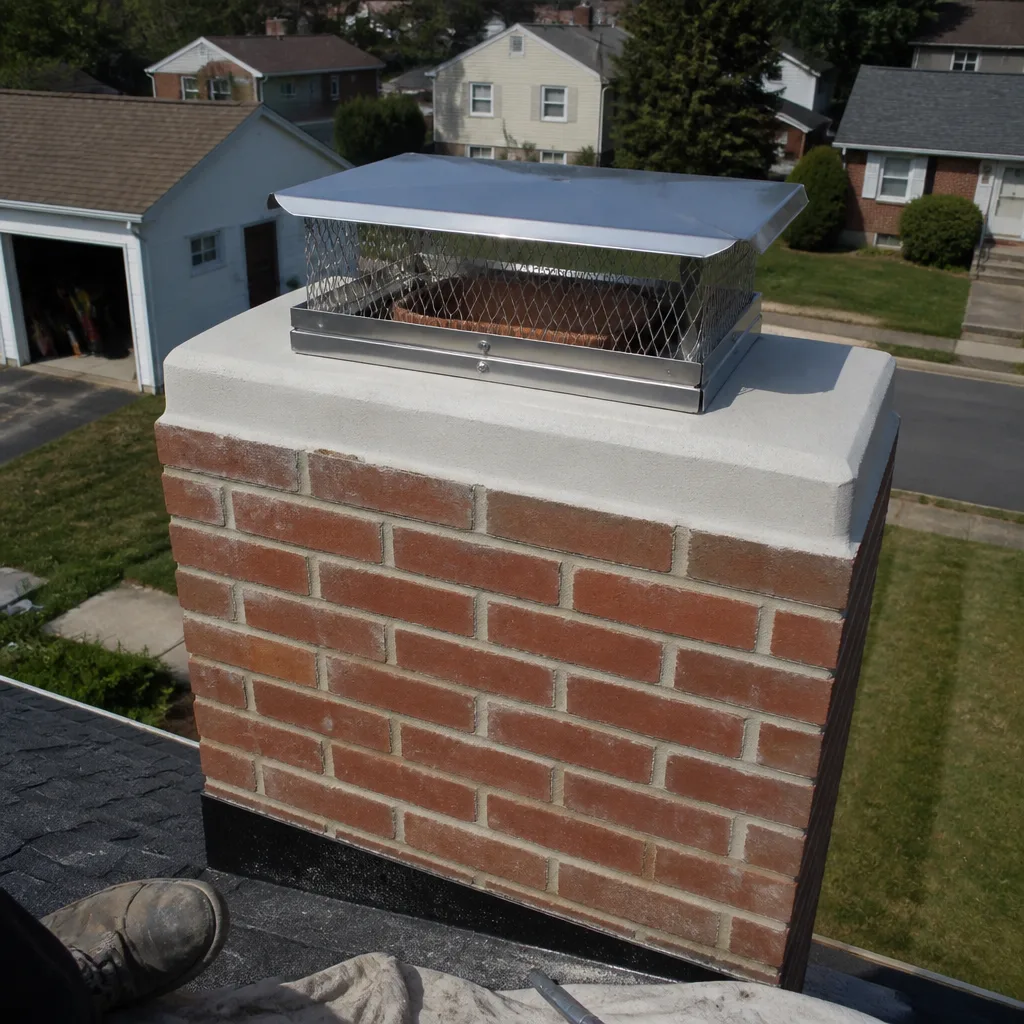 After
AfterHeatShield Chimney Liner & Rebuild in Reading: What to Know First
We repair and rebuild HeatShield chimney liners in Reading, and most jobs are done in one to two days once parts are on hand. An independent HeatShield service provider, we quote the job before a tool comes off the truck, and we never recommend liner work unless the camera footage shows you exactly why it’s needed. If you’re in Reading with a HeatShield liner that’s cracked, separating, or letting flue gas where it shouldn’t, call (484) 209-0837 and we’ll schedule a look.
This page is for homeowners who already own a HeatShield product and want to know what’s wrong with it, what it will take to fix, and what it should cost. No sales pitch. Just the straight answer.
How HeatShield Products Fail - and How We Fix Them
HeatShield makes a decent product, but like every liner system, it has patterns. Here’s what we actually see in Reading chimneys, not what the brochure says.
- CeCure sleeve joints separating at the seam. The HeatShield CeCure system uses a ceramic-fiber sleeve that gets mortared into the existing flue. In older Reading rowhouses, house settling and freeze-thaw cycles pull those sleeve joints apart, especially where the flue passes through the attic. You’ll notice a faint smoky smell upstairs even when the damper’s closed. Fix is usually a targeted sleeve repair or, if the joints have opened in multiple spots, a stainless liner dropped through instead. We’ll show you the separated joint on camera before we touch it.
- Joint repair compound delaminating on vertical mid-flue sections. HeatShield’s joint compound bonds well to clean clay tile, but it delaminates when condensation has been sitting on the tile for years. We see this a lot in uninsulated exterior chimneys in Reading where the flue runs cold. The compound lifts off in sheets, leaving pinhole gaps. The honest fix depends on how much of the flue is affected - sometimes it’s a re-application, sometimes the liner has done its last season.
- Factory-cast HeatShield panels cracking after a chimney fire. This one shows up over and over. A homeowner has a chimney fire, gets it checked, and the HeatShield panels now have hairline cracks that weren’t there before. Those cracks open and close as the flue heats and cools, and they’ll only get worse. We replace the cracked panel sections when the host tile is still sound. If the tile is compromised too, we talk rebuild.
- Improper original installation around the smoke chamber. HeatShield components fail early when the smoke chamber was never properly prepped. We find cement-based parging under HeatShield panels all the time, and it doesn’t bond. The liner moves, pulls away, and flue gas finds the gap. The repair is to remove what’s loose, re-parge with the right material, and re-set the HeatShield section. This is one of those jobs where the previous installer’s corner-cutting shows up five years later.
- Mortar wash cracking and letting water behind the HeatShield crown system. HeatShield’s crown repair materials hold up fine in dry climates, but Reading gets real freeze-thaw cycles. Water gets into the crown, freezes, and spalls the surface. That water then migrates down behind the liner top section. We fix the crown with the HeatShield crown coat where appropriate, or switch to a cast-in-place crown if the damage is past surface cracks. Either way, the water has to stop before the liner work matters.
Our HeatShield Chimney Liner & Rebuild Process
Every HeatShield job we do in Reading follows the same order of operations. No shortcuts, and you see the evidence before you spend a dollar.
- 1
Sweep and camera scan. We clean the flue first, because you can’t diagnose a dirty chimney. Then the camera goes down and we record everything.
- 2
Plain-English verdict. We sit down with you and look at the footage together. If it doesn’t need doing, we’ll be the first to tell you. If it does, you’ll see exactly why on the screen.
- 3
Written quote. One number, before work starts. That number is the invoice. No surprise line items.
- 4
Parts decision. For HeatShield jobs, we use HeatShield OEM components where the warranty or fit calls for it. Where a quality aftermarket part does the job better for less, we tell you and let you decide. DuraFlex and Gelco components are in the truck as backups when a liner replacement makes more sense than a repair.
- 5
The repair or rebuild. Most HeatShield repairs are done same day. Full liner replacements and partial rebuilds run one to two days depending on access and weather.
- 6
Test and guarantee. We run a draft test and a final camera pass so you see the finished flue. Then the 90-Day Done Right Promise goes in writing. If it’s not right, one call brings us back.
What HeatShield Chimney Liner & Rebuild Costs in Reading
Here are the ranges we’ve been quoting in Reading and Berks County this season. These are real numbers for real jobs, not national averages from a website.
- HeatShield CeCure sleeve repair (single section): $850-$1,400
- HeatShield joint compound re-application over existing liner: $600-$1,100
- HeatShield panel replacement after chimney fire (one to three panels): $1,200-$2,600
- Full stainless liner replacement with DuraFlex (when HeatShield repair isn’t viable): $2,800-$4,500
- Partial chimney rebuild (top 15-20 courses) with new crown: $3,500-$6,000
- Full chimney rebuild from roofline up: $7,000-$12,000+
What moves the price: roof pitch and access, whether staging is needed, how much of the old liner has to come out, and whether the host tile is still sound. A flue in a three-story Reading rowhouse costs more than a single-story ranch outside the city, and that’s just the truth of it. Call (484) 209-0837 for a free estimate. We’ll give you a number you can plan around.
Why Reading Homeowners Call Top Hat Chimney for HeatShield Work
We’re not a franchise that rotated in last spring. Wendell Pike started this company in 1999, and he’s been running crews through the neighborhoods and rowhouses of Reading since, including plenty of jobs along the old brickwork near Pagoda Hill. When you call, a live person answers - and it may well be Wendell himself. When you book a HeatShield repair, the sweep who shows up at your door has done these jobs before. We’ve worked with HeatShield components long enough to know what fails, what holds, and when an honest answer is to walk away from the HeatShield repair and drop in a DuraFlex liner instead. Every job gets the 90-Day Done Right Promise in writing. Ask anyone on your street.
FAQs
No, and we don’t claim to be. We’re an independent HeatShield service provider in Reading. That means we can repair and rebuild with HeatShield components, but we’re not bound by a corporate service agreement, and we’ll tell you when a non-HeatShield fix is the better call.
Most HeatShield liners we see in Reading can be repaired, not replaced. Joint separation, delaminated compound, and single-panel cracks are all repairable when the host clay tile is still sound. Replacement is a stainless liner decision, not a HeatShield decision, and we’ll only recommend it when the camera shows the flue has gone too far. Call (484) 209-0837 and we’ll give you an honest read.
Single-section sleeve repairs and joint work are usually done same day. Panel replacements and larger rebuilds run one to two days. The big variable is parts - we keep common HeatShield components stocked, but odd sizes have to be ordered, and that’s a few days in the mail. We’ll tell you the timeline before we schedule, not after.
It can, if the repair is done with non-OEM materials and the original warranty is still active. That’s why we use HeatShield OEM components on warranty-eligible work unless you tell us otherwise. If the warranty is long gone, we’ll price both options and let you choose. Either way, you’ll know before we start.
Flue gas finds the gap. That means carbon monoxide in the house and creosote accumulation behind the liner where it can’t be swept. In Reading’s older attached rowhouses, that’s not a risk worth taking. The camera footage doesn’t lie - if we show you a separated joint, getting it fixed before burning season is the move. Call (484) 209-0837 for a free estimate.
Written by Wendell Pike, Owner, Top Hat Chimney at Top Hat Chimney, serving Reading and nearby areas.