
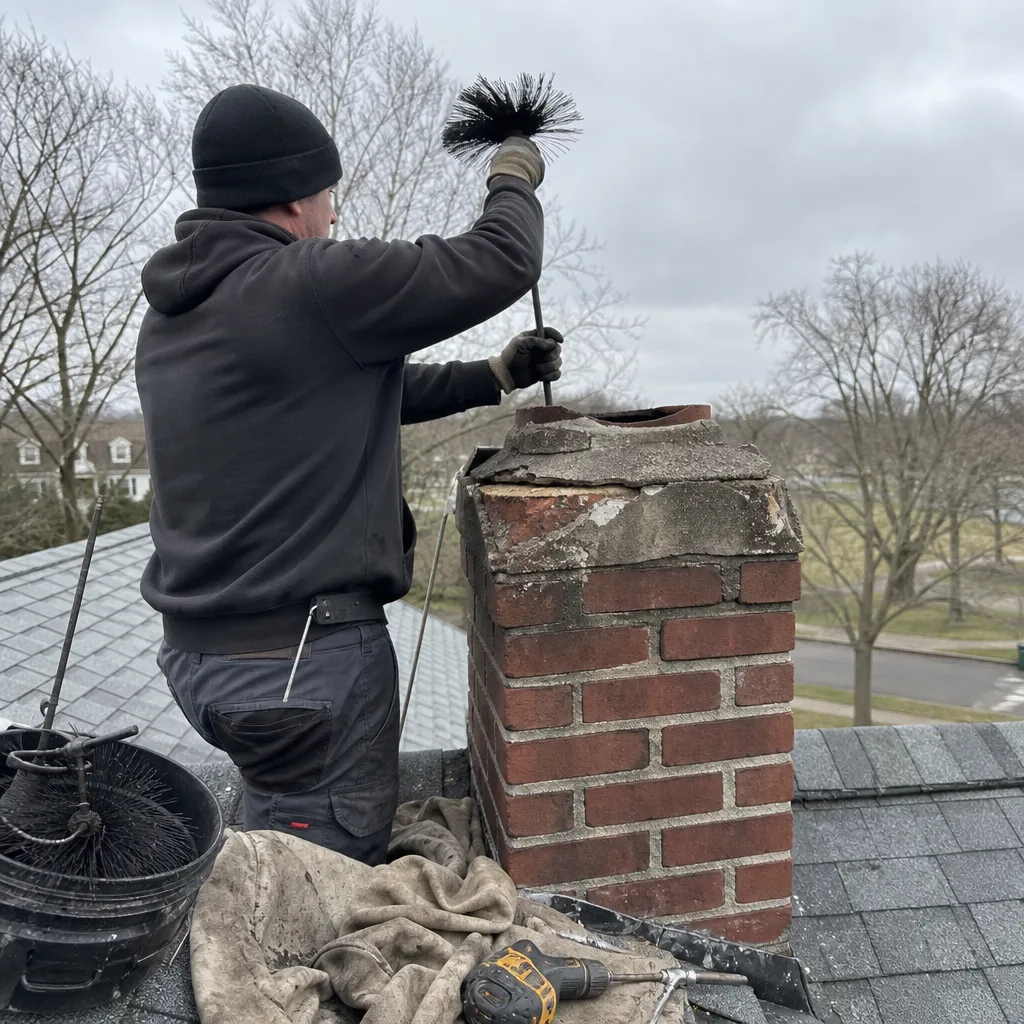
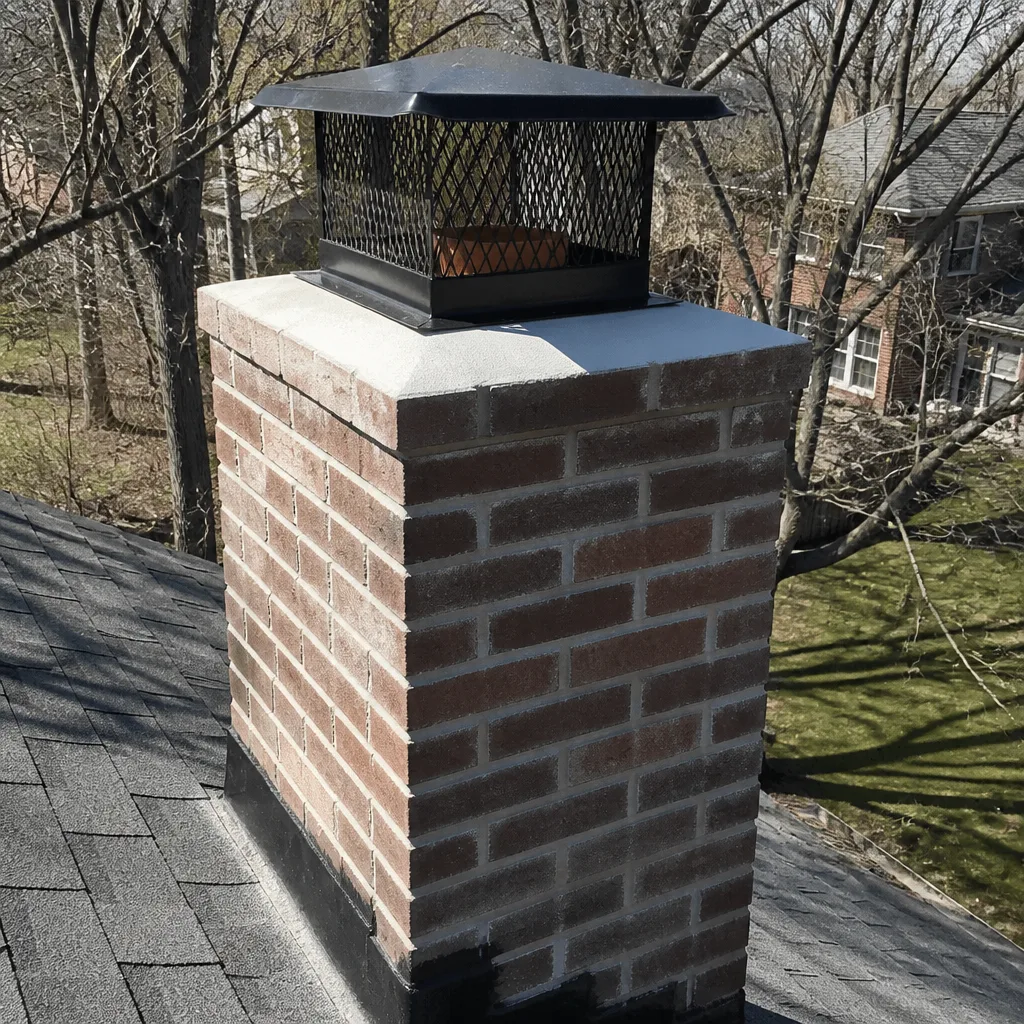
Level 1 sweep and inspection to the NFPA 211 annual standard - flue, crown, cap, and flashing checked and photographed
Chimney sweep logs do not sweep chimneys. They loosen some creosote - which then falls where a brush and vacuum still have to collect it.
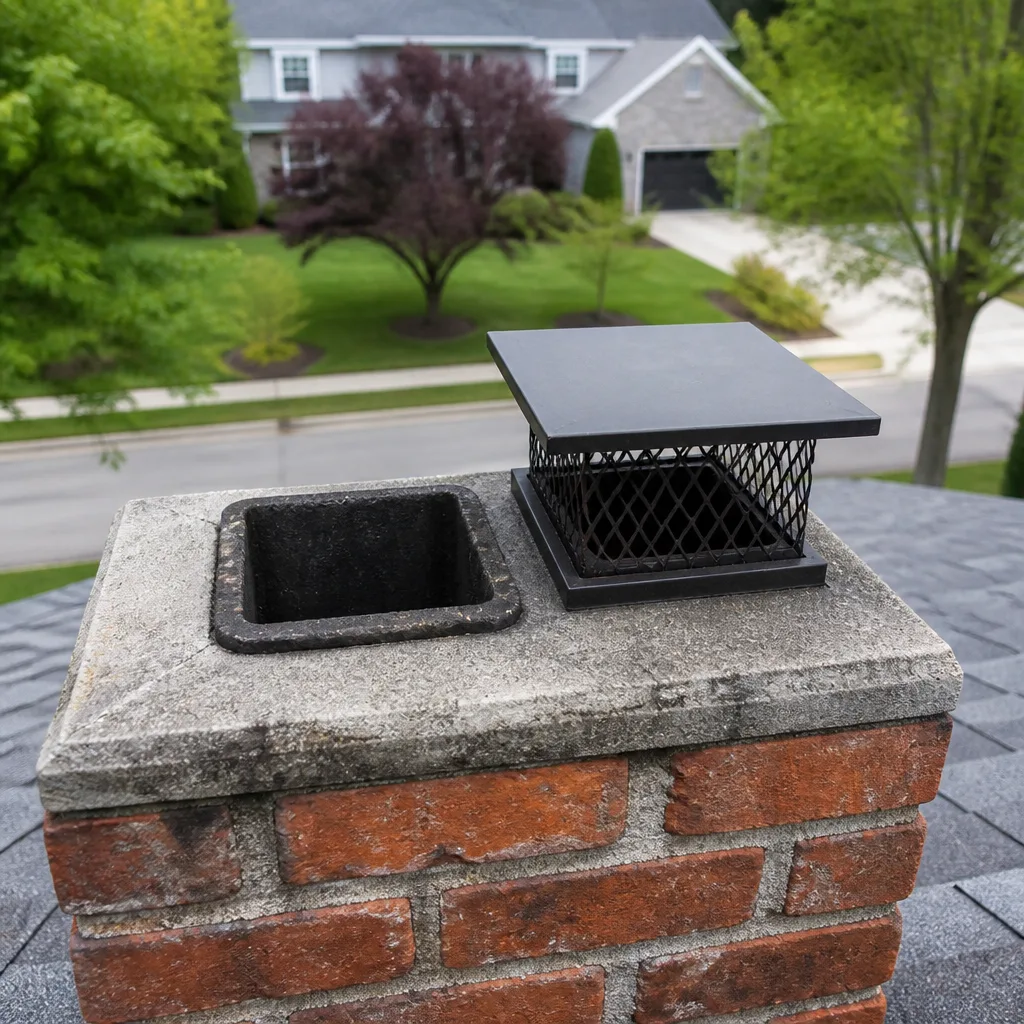
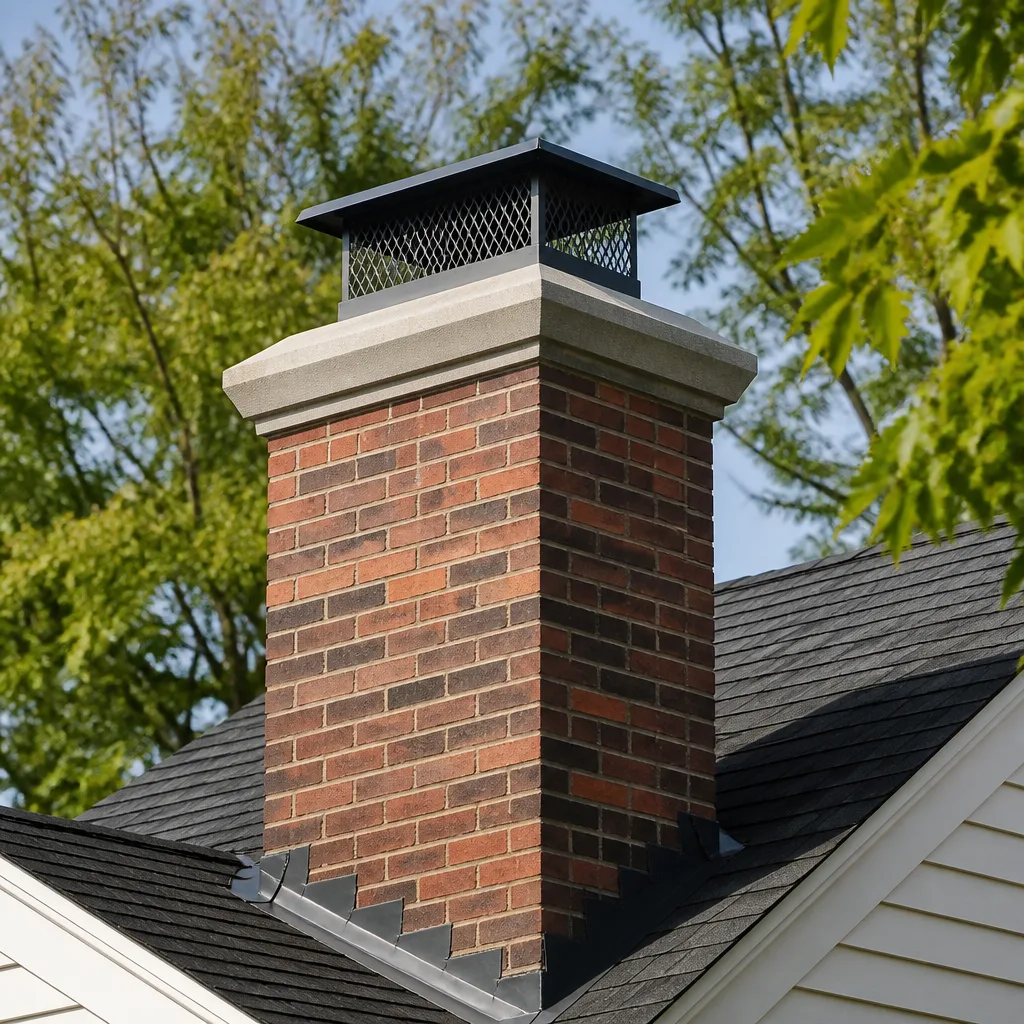
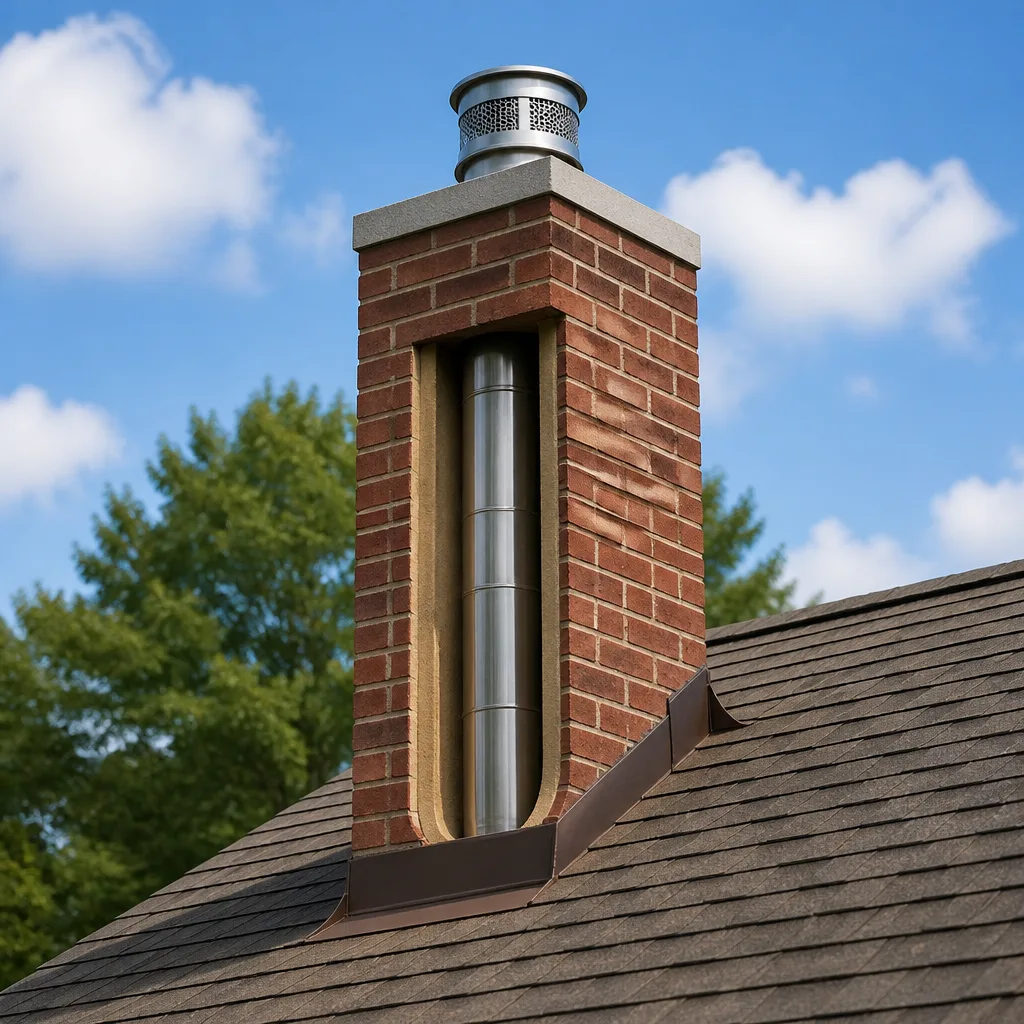
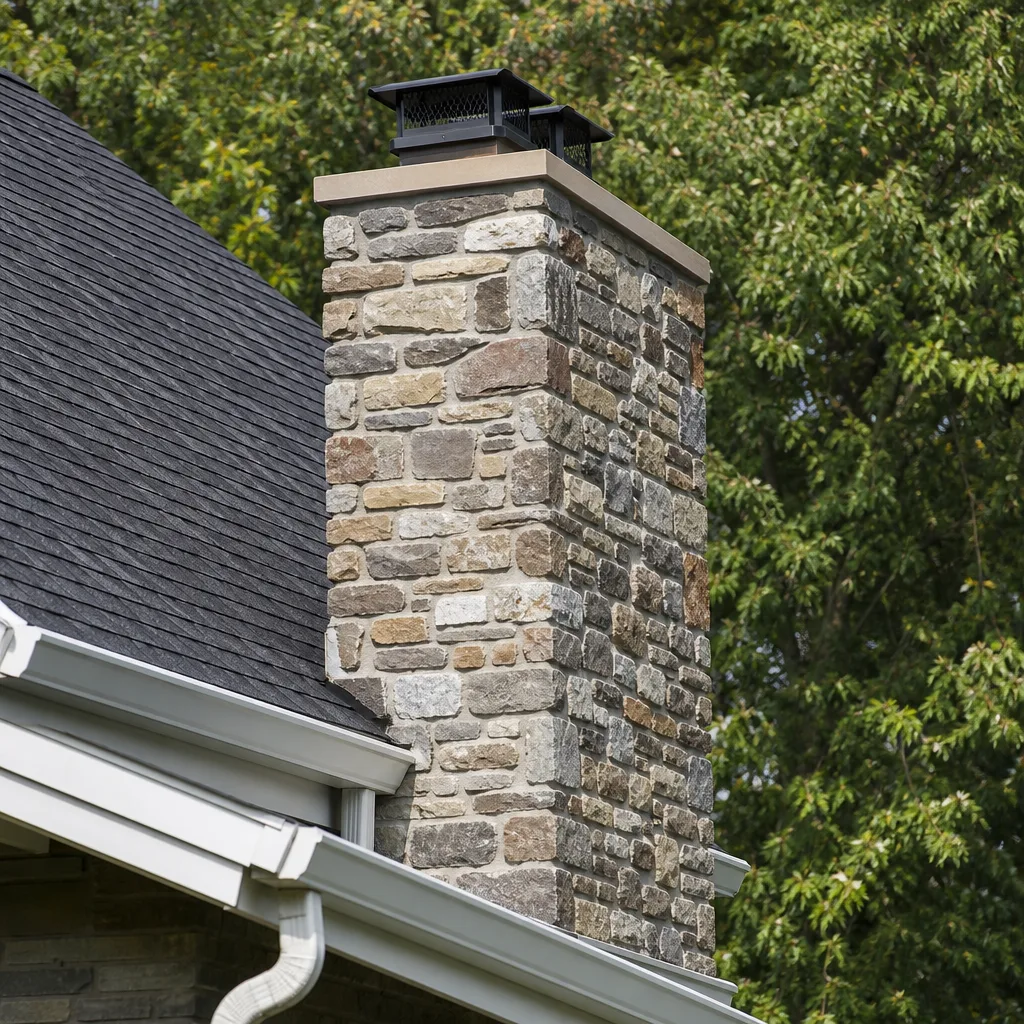
 Before
 After
After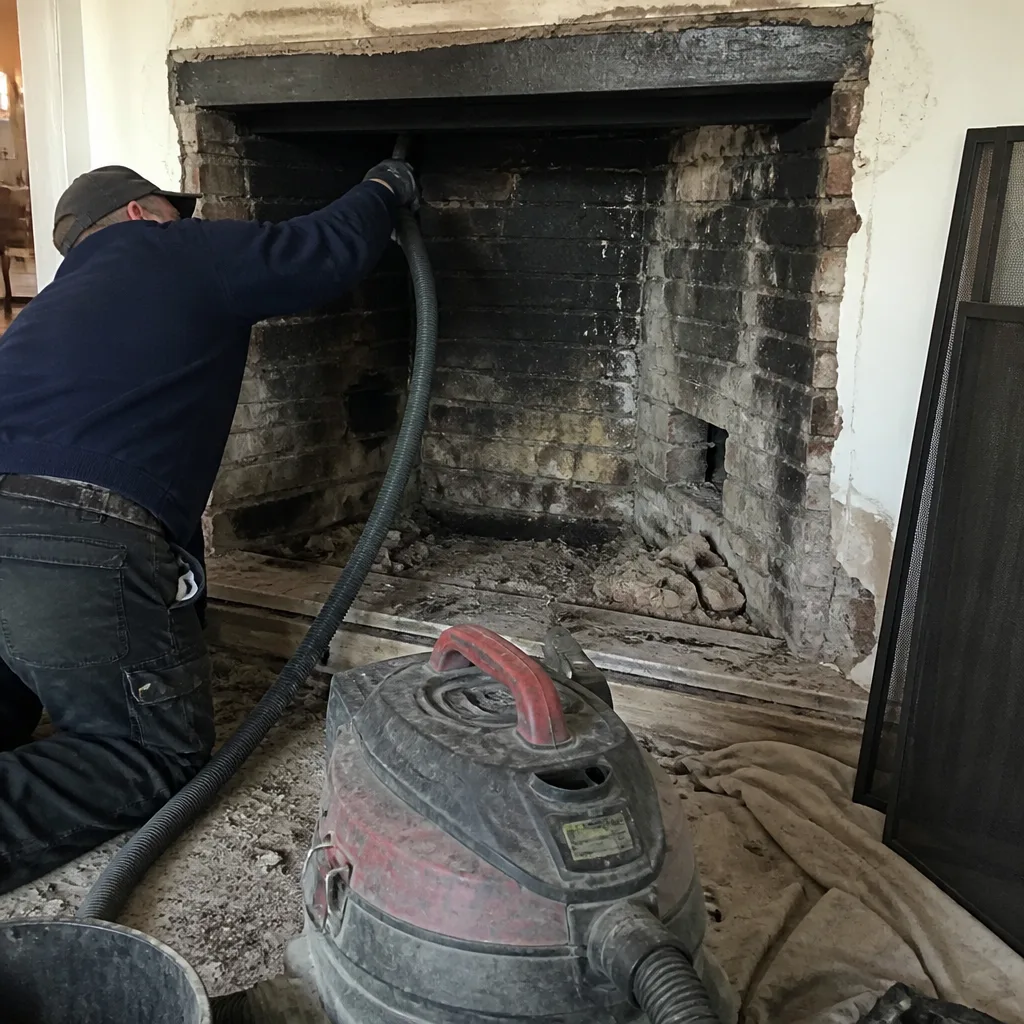 Before
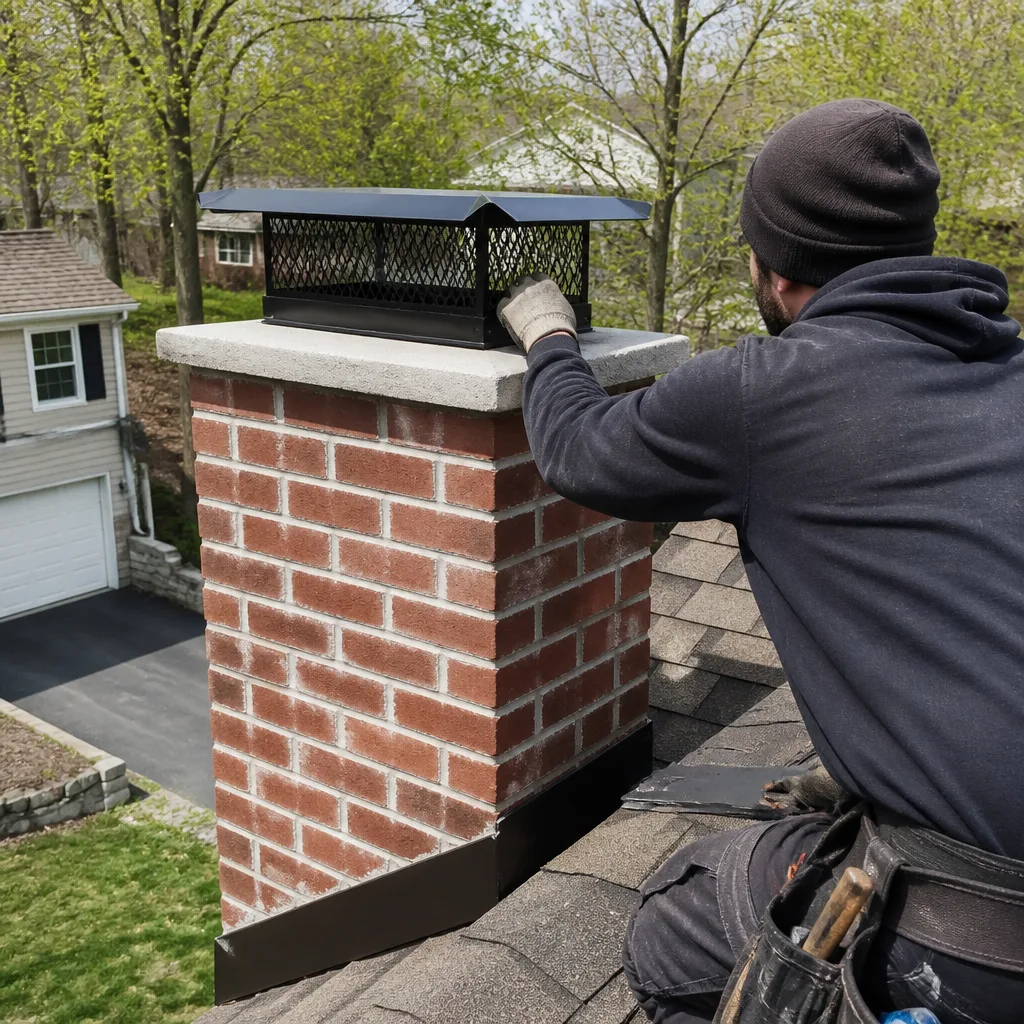 After
After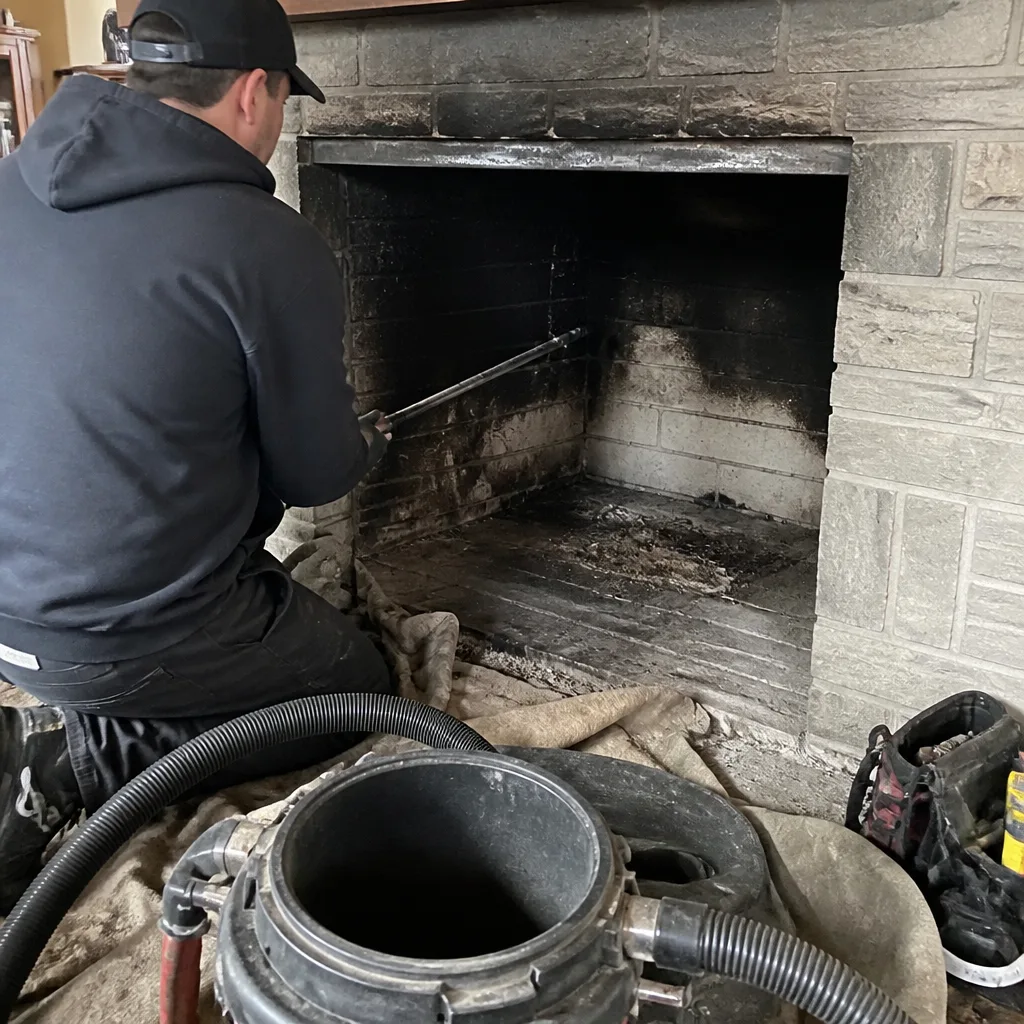 Before
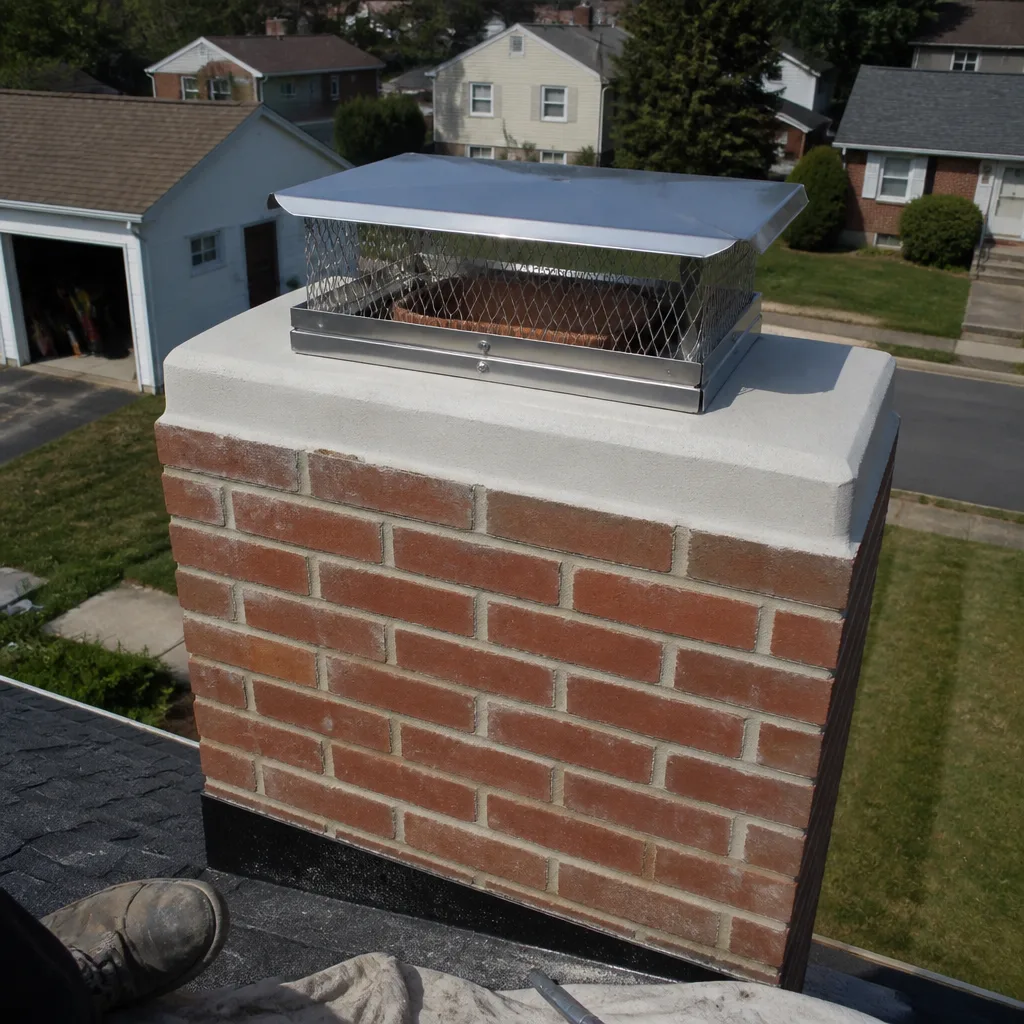 After
AfterHeatShield Flue Liner Replacement: The Reading Owner’s Guide
HeatShield flue liner replacement in Reading typically runs between $2,800 and $5,500 installed, depending on the liner length, the existing HeatShield system’s condition, and whether we’re doing a straight reline or a full tear-out. We keep common HeatShield-compatible liner components on the truck, so most jobs are a one-day affair once we’ve put eyes on the flue. Most homeowners find out their HeatShield liner has failed the hard way: they schedule a sweep, and the camera shows cracked panels, separated joints, or erosion at the mortar lines that a brush can’t fix.
Top Hat Chimney is an independent service provider. We install and service HeatShield systems, but we’re not affiliated with the manufacturer. What that means for you is simple: we’ll tell you if the liner actually needs replacing, or if it’s got a few more seasons in it. If it doesn’t need doing, I’ll be the first one to tell you.
Which HeatShield Models This Applies To
HeatShield’s CeCure and Joint Repair systems are the two liners we run into most often in Reading homes. The CeCure sleeve system uses a continuous ceramic foam liner that’s pumped in around an inflatable form, while Joint Repair addresses specific failed mortar joints between clay tile sections. Here’s the gotcha most folks don’t know: HeatShield isn’t a “one size fits all” product. The sleeve thickness ranges from ½-inch to 1½-inch depending on the flue diameter, and that affects everything from draft performance to how long the job takes.
When we show up, the first thing we do is check the liner’s identification label if it’s still visible, usually near the top of the flue or on the original installation paperwork. If that’s long gone, we measure the existing flue’s interior dimensions and take camera footage to determine the exact HeatShield profile. For OEM versus aftermarket decisions: HeatShield’s ceramic material is proprietary, so there’s no true drop-in aftermarket equivalent that we’d put our name on. When it comes to replacement, the right move is HeatShield’s own material, installed by someone who’s worked with it often enough to know how it cures. We’ve been using HeatShield products across Berks County for years, and Wendell Pike has seen just about every way an old liner can fail.
Signs Your HeatShield Flue Liner Replacement Is Failing
- Flue gas smell in the house on windy days. Wind can push exhaust back down a compromised liner, and if the HeatShield sleeve has cracked or separated, those gases find their way into the living space instead of up and out. This is a sign that’s easy to dismiss as “just the weather,” but it’s your chimney telling you something’s wrong.
- White or brown staining on the exterior brick near the flue. When the liner fails, moisture and creosote work through the mortar joints and show up as staining or spalling on the outside of the chimney. In Reading’s freeze-thaw cycles, that moisture expands and contracts, and the damage compounds fast.
- Draft problems that didn’t exist before. A HeatShield liner that’s cracked or partially collapsed doesn’t pull the same draft. You’ll notice smoke rolling back into the room when you open the stove door, or a fireplace that just won’t stay lit without constant fiddling.
- Crumbling material visible from the top of the flue. If you can see pieces of ceramic or clay tile debris at the bottom of your cleanout or in the firebox, the liner is actively deteriorating. This is one we don’t wait on.
- A sweep finds third-degree creosote or glaze bubbling behind the liner surface. HeatShield can hide problems behind its surface until they’re advanced. Our camera inspection shows what’s behind the sleeve, not just what’s on top of it. If the camera shows erosion behind the liner, sweeping alone won’t fix the problem.
Replacement Cost & What’s Included
For Reading homes, HeatShield flue liner replacement lands between $2,800 and $5,500 installed, and here’s what drives that spread. The number one factor is flue height: a single-story cap-to-appliance run might take 20 feet of liner, while a three-story Reading rowhouse along the old brickwork near Pagoda Hill could need 35 feet or more. The second factor is whether we’re doing a full tear-out of the old system or relining over a clean, stable base.
Every quote includes the full liner system, the installation labor, a camera inspection before and after, and a photo report you keep. You get the price before a single tool comes off the truck, and that number is the number on the invoice. No change orders because we “found something” we already should have known about. The work carries our 90-Day Done Right Promise, which means if it’s not right, one call brings Wendell and his crew back at no additional cost. We also honor the standing offers: $40 off any repair over $200, and 10% off always for seniors and veterans.
DIY or Call Us?
Here’s the honest split. You can check your flue from the outside: look for staining, crumbling brick, a rain cap that’s come loose, or animal nesting material around the top. You can also check the cleanout door at the base and see what’s collected there. What you can’t do is reline a chimney by yourself. It’s not like swapping a furnace filter. A HeatShield system is mixed on site, pumped under pressure, and cured to specific tolerances. Get the mix wrong or rush the cure and you’ve made the problem worse and spent real money doing it.
There’s also a safety angle. A failed flue liner is, at its core, an exhaust leak inside your house. Carbon monoxide is colorless and odorless, and it’s heavier than air. If you have any doubt about the liner’s condition, stop using the fireplace or stove and call us at (484) 209-0837. We’ll schedule the camera inspection and tell you straight what the liner needs. If it doesn’t need replacing, we’ll shake your hand and head out.
FAQs
A properly installed HeatShield liner typically lasts 15 to 25 years in Reading, but that span depends heavily on how often you burn, what you burn, and whether the chimney sees moisture from Pennsylvania freeze-thaw cycles. Yearly moisture intrusion shortens that horizon. A camera inspection every few years catches small failures before they become replacements.
Sometimes, yes. If the damage is confined to a single failed joint or a small section, HeatShield’s Joint Repair product can address the problem without a full reline. The camera footage tells us which path makes sense, and we’ll give you that verdict in plain English, every time, no exceptions.
Most HeatShield flue liner replacements are done in a single day. The mixing, pumping, and curing process takes several hours, and we’re usually cleaned up and gone by early evening. If a full tear-out is needed first, the job may run into a second day.
We stock common HeatShield-compatible materials on the truck for standard flue sizes. Specialized or unusually long runs sometimes require a supply run, which we’ll tell you about before the day of the job. We also work with DuraFlex and Gelco products when a different liner system is a better fit, and Wendell will tell you which one he’d put in his own house. Call (484) 209-0837 for a free estimate.
Written by Wendell Pike, Owner, Top Hat Chimney at Top Hat Chimney, serving Reading and nearby areas.