
Level 1 sweep and inspection to the NFPA 211 annual standard - flue, crown, cap, and flashing checked and photographed
Chimney sweep logs do not sweep chimneys. They loosen some creosote - which then falls where a brush and vacuum still have to collect it.
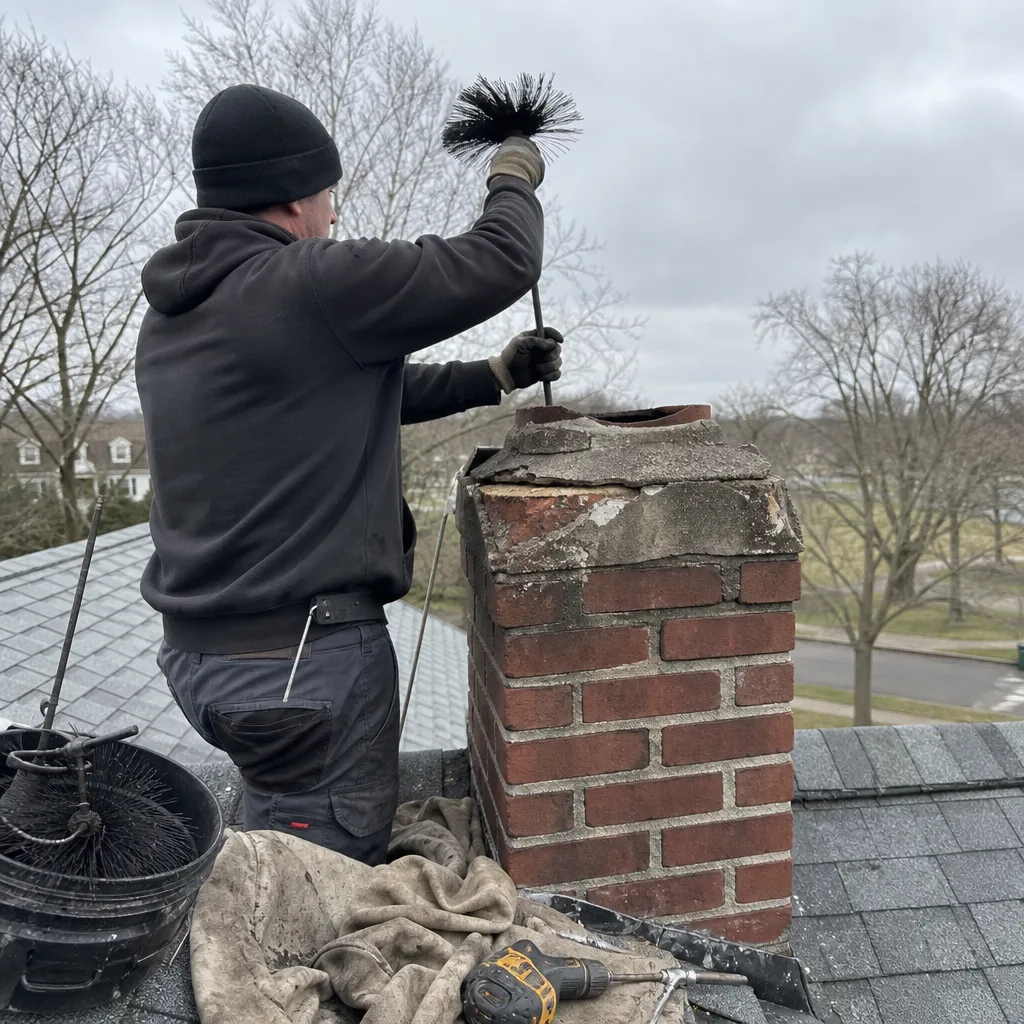 Before
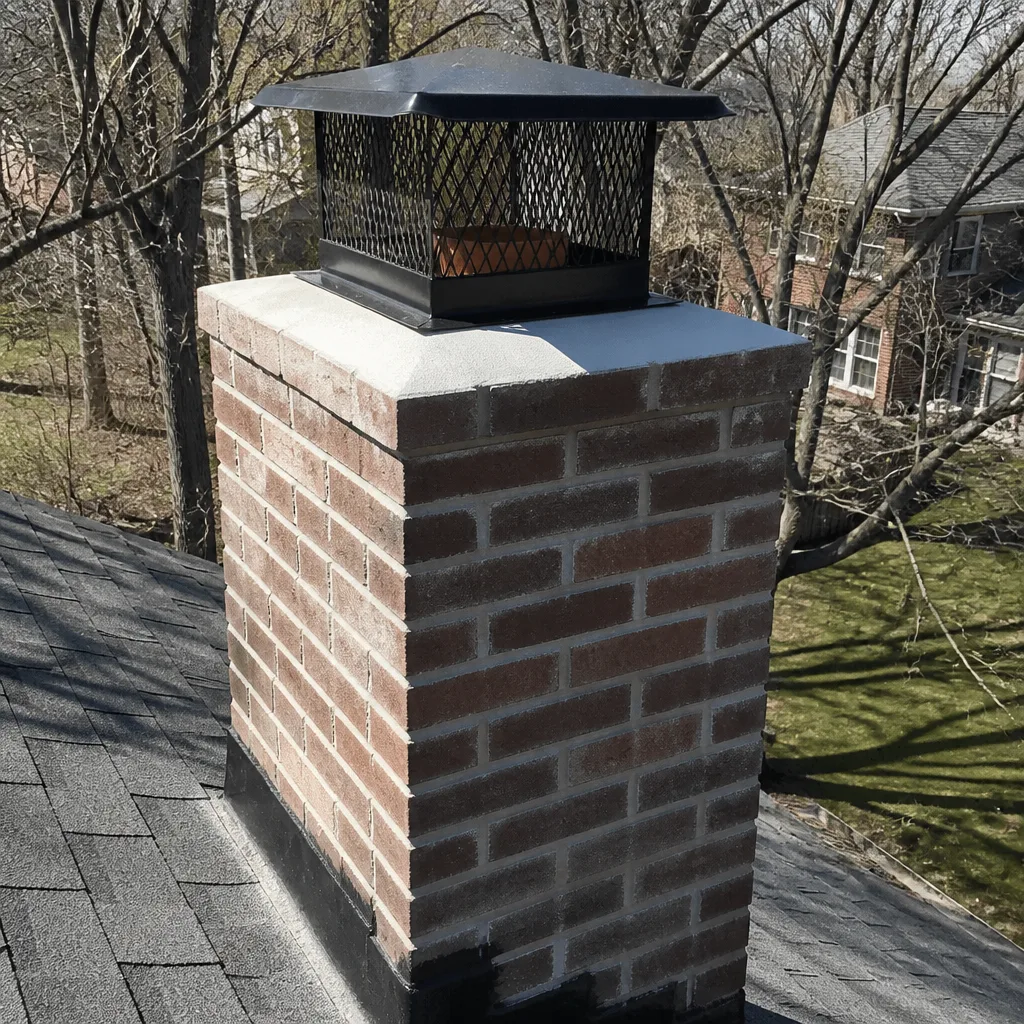 After
After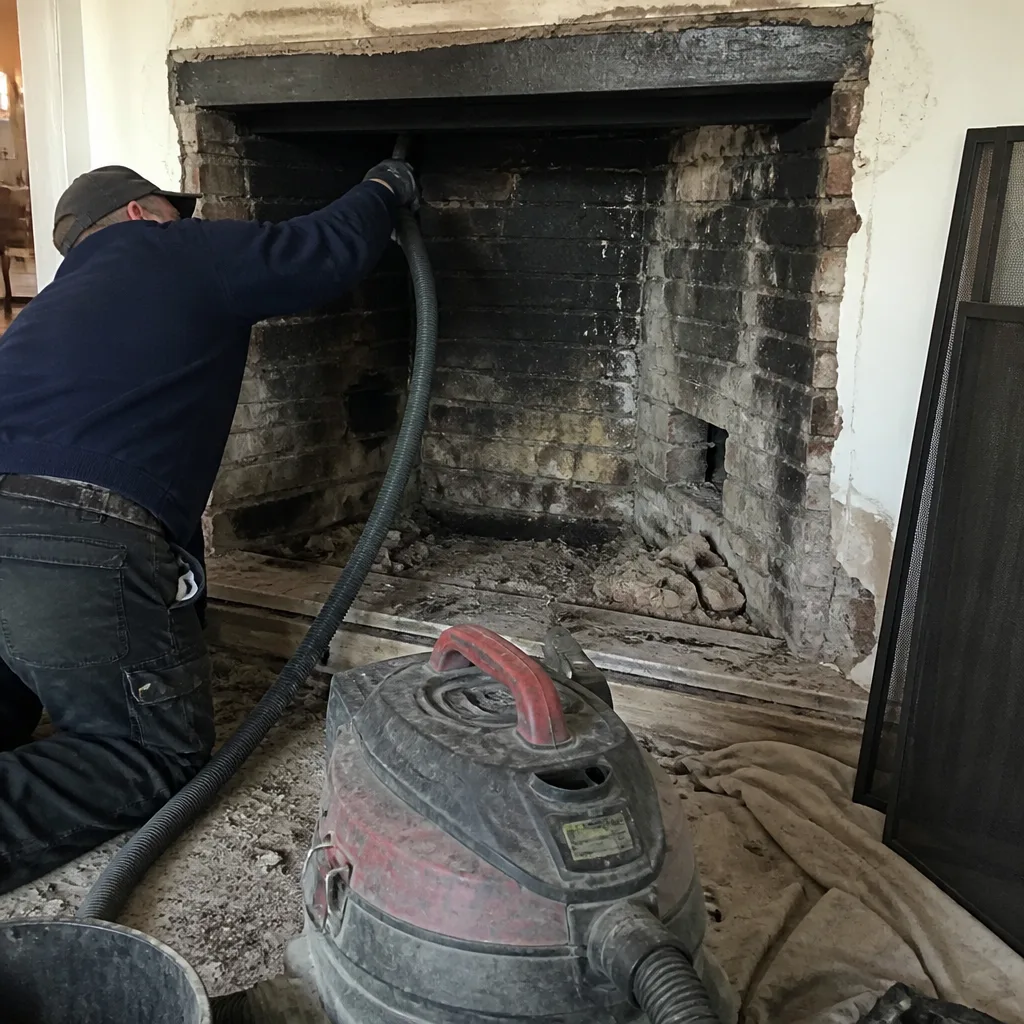 Before
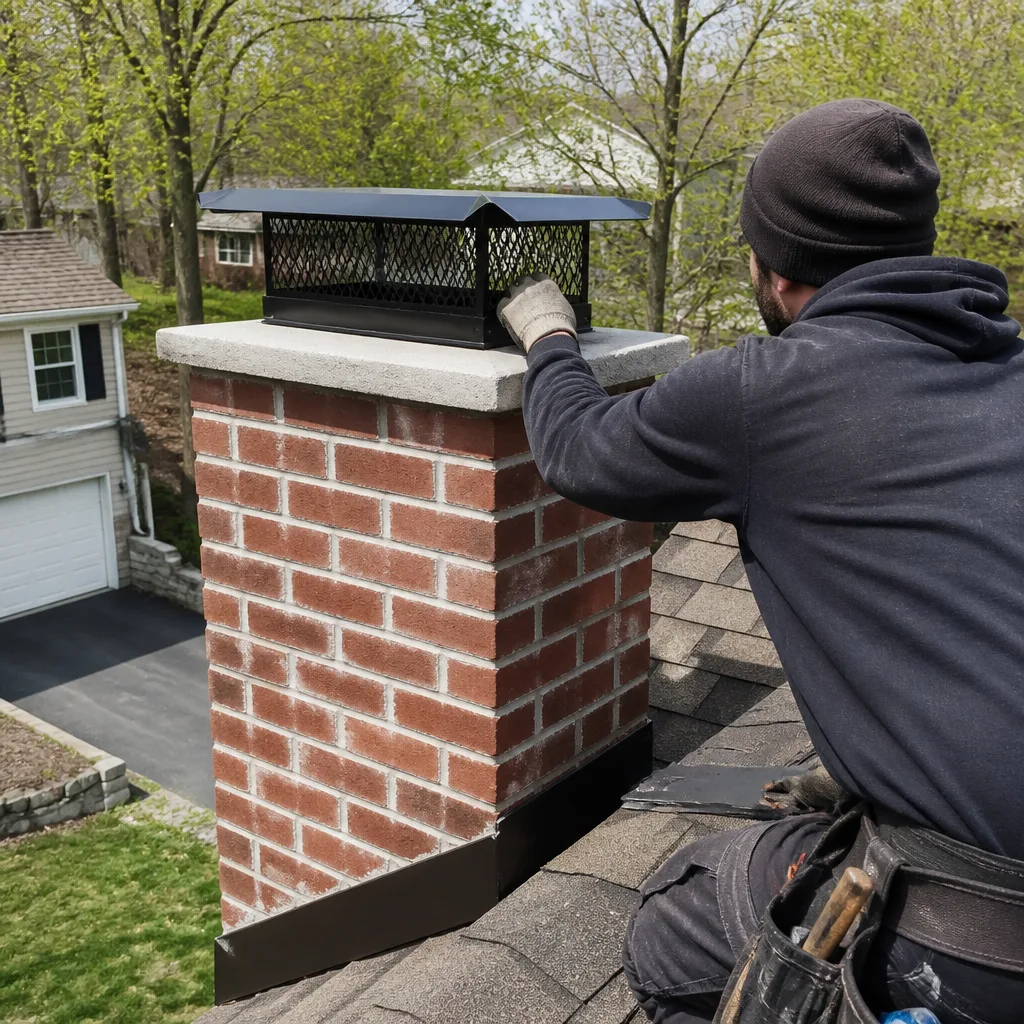 After
After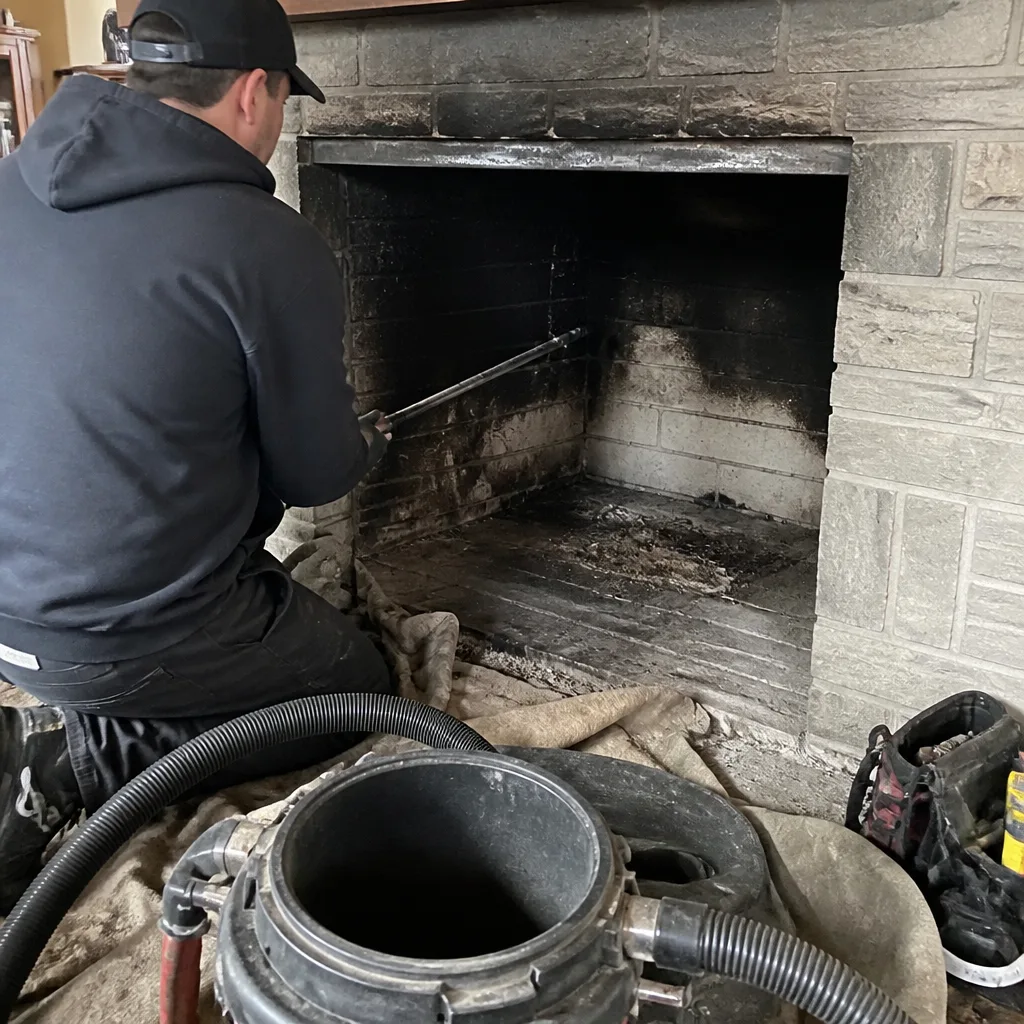 Before
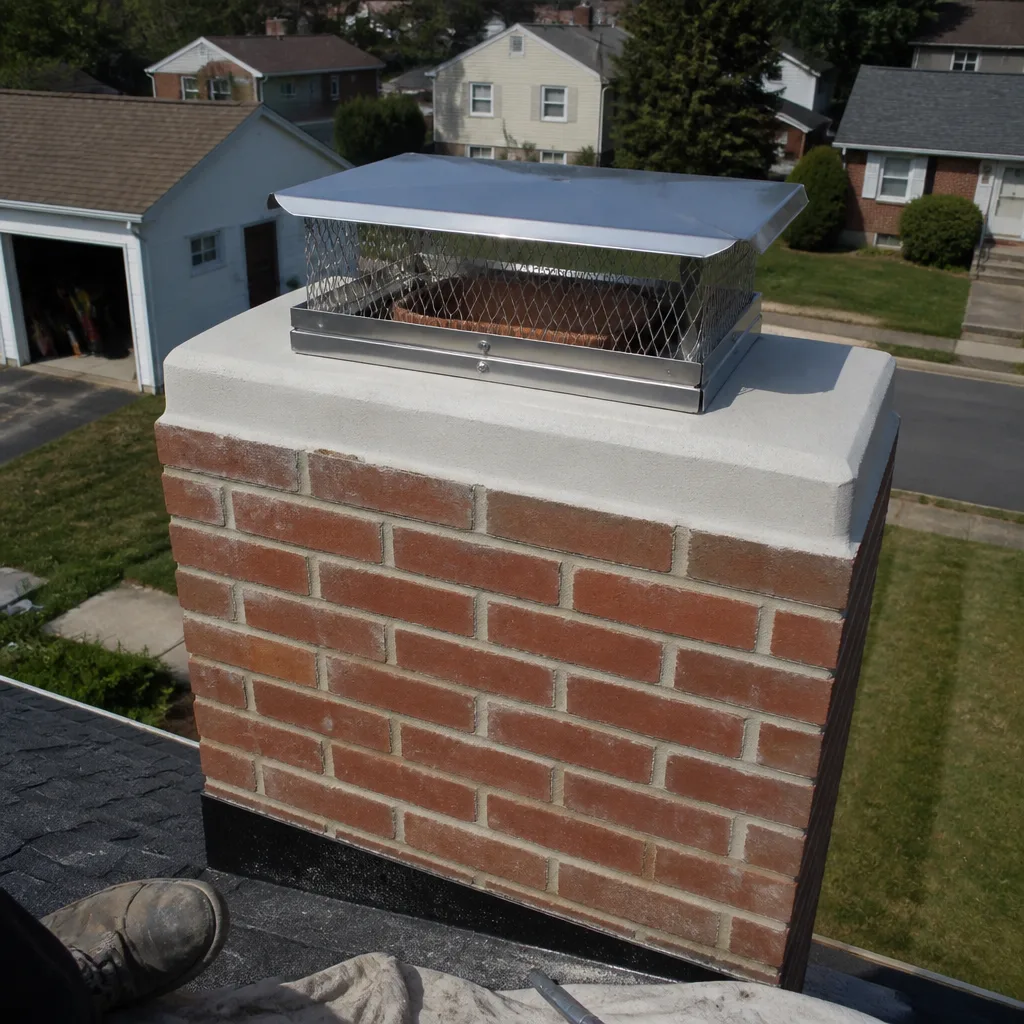 After
AfterGelco Chimney Cap Installation: The Reading Owner’s Guide
If you’re holding a Gelco chimney cap that’s rusted through, lifted off in a windstorm, or never fit quite right from the start, here’s the plain answer: we stock Gelco-compatible replacement caps on the truck, and an installed cap swap in Reading runs $225 to $475 depending on size, flue configuration, and roof access. Most jobs are done in a single visit so you’re not leaving the flue open while you wait on a backordered part. The way most folks find out their cap failed isn’t glamorous: they hear scratching in the firebox in March, smell damp masonry in the living room after a hard rain, or spot a cap lying in the yard after a nor’easter blows through Berks County. If any of that sounds familiar, this page will walk you through exactly what to do next, including whether you even need to be up on the roof at all.
Which Gelco Models This Applies To
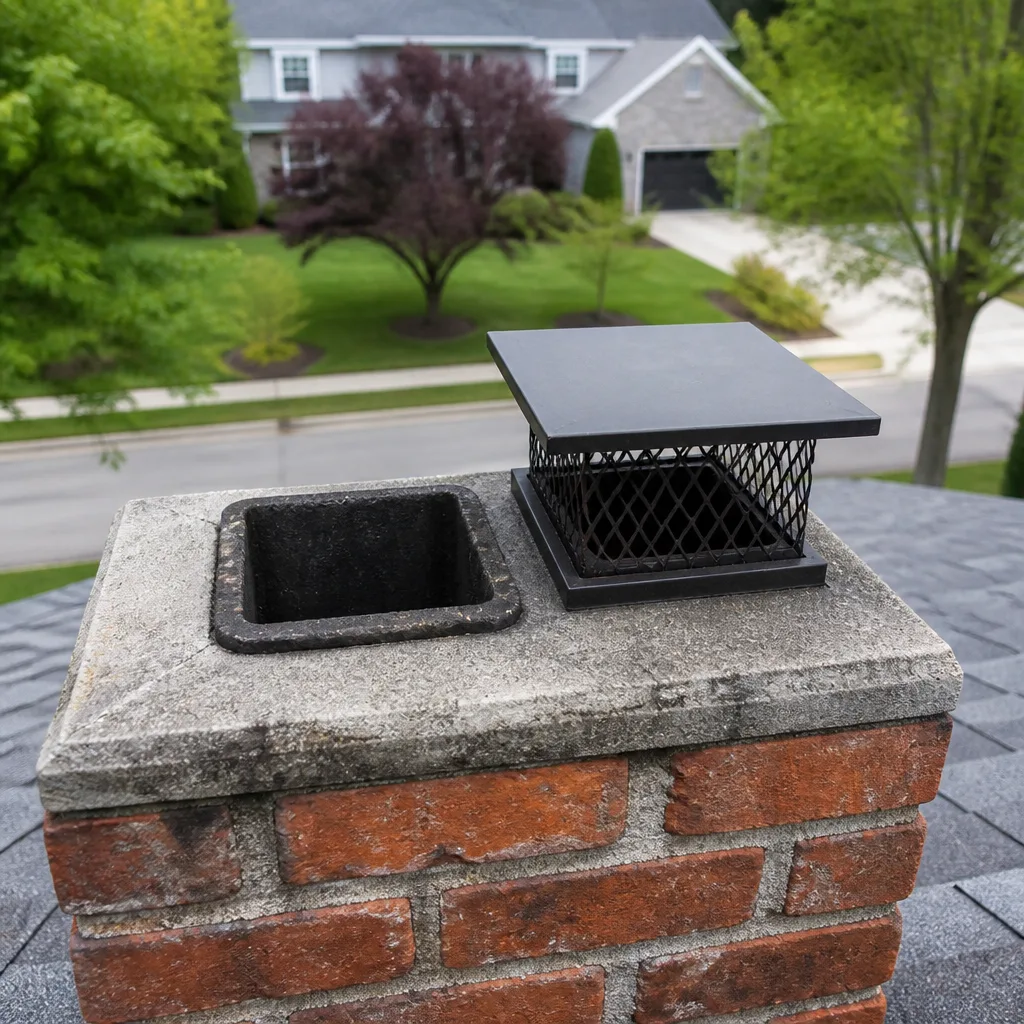
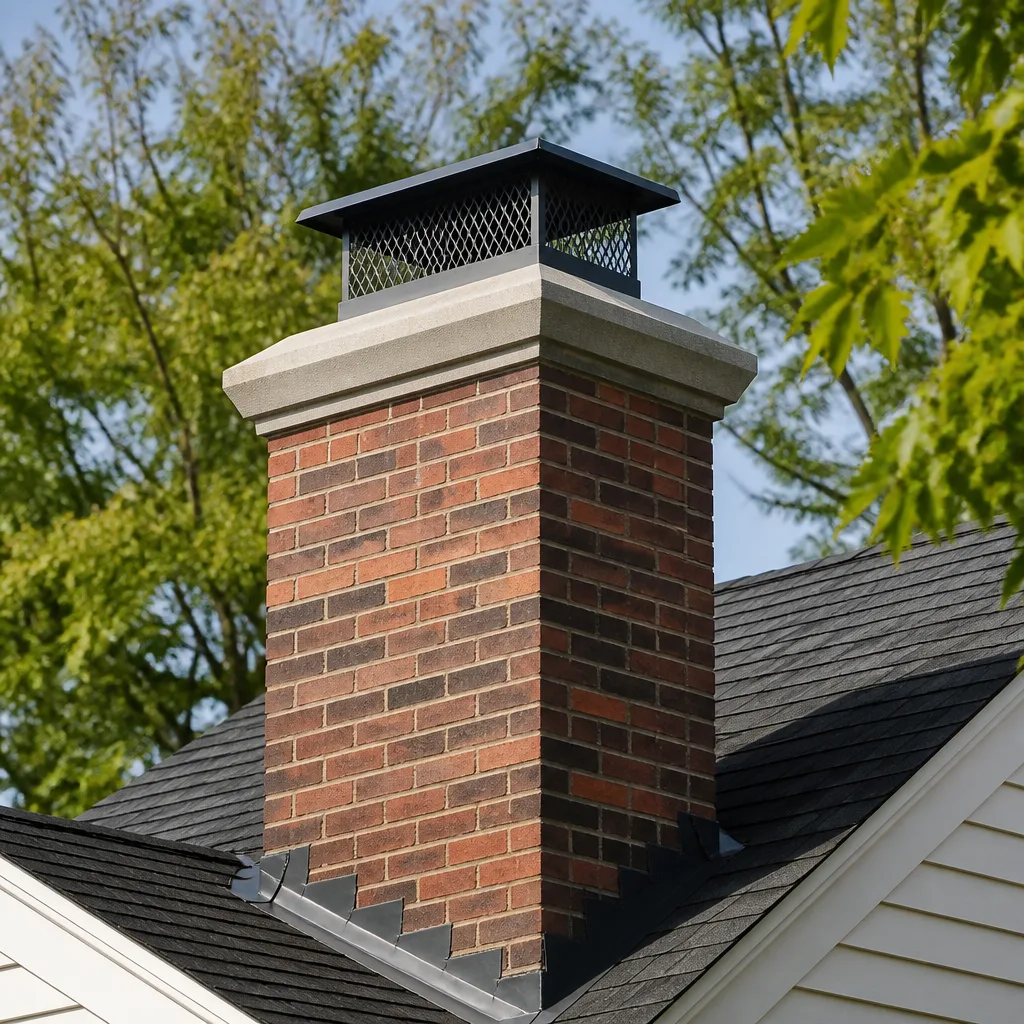
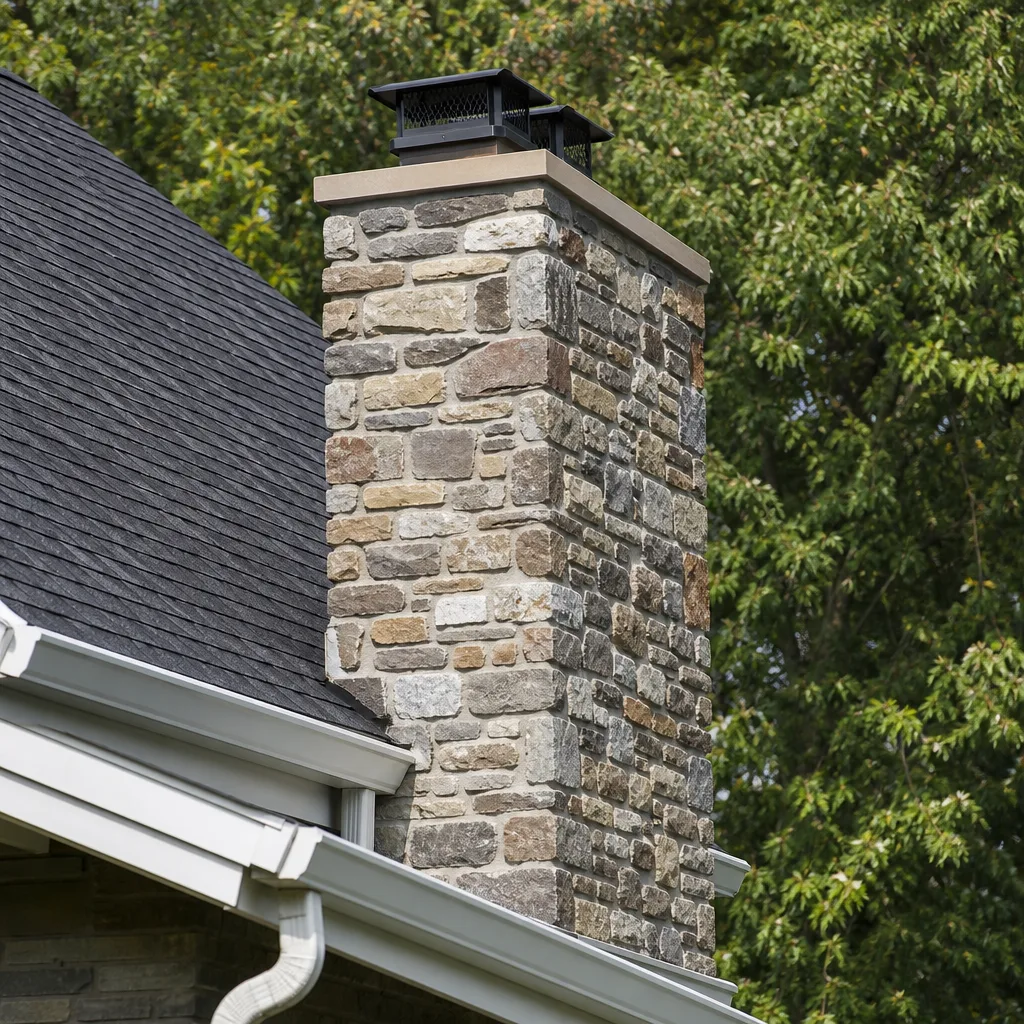
Gelco makes a handful of cap styles that show up most often on chimneys around Reading: the standard multi-flue cap, single-flue stainless caps, and the copper-top decorative models you see on older homes in the Centre Park Historic District. The critical thing with Gelco is matching the cap to your flue tile dimensions, not the outside dimensions of the chimney. Gelco caps are built to mount over the clay tile or the top of a stainless liner, and there’s a specific inside measurement that has to be right or the cap sits loose and rattles on windy days.
Here’s what actually matters: the width and length of the outside edge of your flue tile. Not the hole, the outside face. That number determines the Gelco size you need, and here’s the gotcha that trips up a lot of DIY buyers: single-flue and multi-flue caps are not interchangeable even if they look close at a glance. If you’ve got two flue tiles side by side and you order a single-flue Gelco based on one tile’s measurement, you’re going to have half the chimney top uncovered and a cap that doesn’t seat properly. The other thing to know is that Gelco’s stainless caps hold up better in our PA weather than the painted galvanized versions, and if the old cap rusted at the fastening points, that’s a sign it was a cheaper metal that had no business up there anyway.
Read off the model stamp on the underside of the cap if it hasn’t corroded away. It’ll say something like GC-13 or GC-17 or have a size code like 8×8, 9×13, 13×13. If the stamp is gone, measure the flue tile and we can cross-reference it. And for the record: Top Hat Chimney is an independent local service provider, not affiliated with Gelco. We install and service Gelco caps because they’re a solid product when matched correctly, but any warranty claims on the cap itself route back to Gelco, while our workmanship is covered by our own 90-Day Done Right Promise.
Signs Your Gelco Chimney Cap Installation Is Failing
- Rust streaks or pitting at the fastening points. The cap body might be fine, but the stainless screws or the bracketry on the underside corrodes from years of flue gasses and condensation. Once the fastening points weaken, the cap can shift or lift off entirely. We see this most on homes along the Schuylkill River where damp air works on the metal year-round.
- Water staining on the fireplace wall or a musty smell in the firebox after rain. A cap that’s lost its seal over the flue tile lets rain run straight down the chimney instead of hitting the cap crown. You’ll see it first as efflorescence, those white mineral streaks on the brick, before it becomes a real leak inside.
- Scratching, fluttering, or animal noise in the chimney. A Gelco cap with damaged or missing mesh screening is a rental unit for raccoons, starlings, and squirrels. Bats are the worst: they’ll roost in the flue and leave droppings that carry the exact musty odor that makes you assume the masonry is the problem when it’s really the cap mesh.
- The cap has shifted or sits visibly crooked from the ground. Wind, falling tree limbs, or ice dams along the roofline can knock a cap off-center. If it’s sitting at an angle, the wind can actually push rain and snow under the lid and into the flue, which defeats the whole point.
- The firebox draft feels different than it did last year. A cap with wind-directional lids, which Gelco does make, can bind up with soot or creosote around the hinge. The result is a flue that doesn’t draw the same way a hard puff of smoke hits the room on cold starts.
Replacement Cost & What’s Included
Here’s the honest range for a Gelco-compatible chimney cap swap in Reading: single-flue stainless caps installed run $225 to $325, multi-flue caps run $350 to $475, and copper-top or oversized decorative styles land at the top of that range or slightly above depending on flue size. The cap itself is usually 60 percent of the job, and the rest is roof work: getting a ladder on a two-story Reading rowhouse, securing the cap to the flue, sealing the fastening points with high-temp silicone, and confirming the draw after the install.
We give you an upfront price before a single tool comes off the truck. The number you hear on the phone is the number on the invoice. For what it’s worth, a $40 discount applies to any cap replacement over $200, and seniors and veterans always get 10 percent off. No trip charge if the home is inside our service county. If we’ve done a cap swap for a neighbor on your block, call the office and ask how it held up through the winter because that’s the best evidence there is.
DIY or Call Us?
You can safely check a few things yourself without tools, and you should. If you can see rust from the ground with a pair of binoculars, the cap is done. If you see daylight under one side of the cap, it has shifted. If you hear animals that you know you’d rather not meet, that’s a cap problem. All of that just confirms the diagnosis and saves you the cost of a needless visit.
But here’s where we stop encouraging the ladder: a chimney cap swap means working at the highest point of a roof, leaning over the flue, and using tools above your head while balancing on shingles that might be wet, mossy, or breaking down. Falls from single-story roofs injure plenty of people every year, and chimney falls are worse because of the height and the awkward reach. If your roof is steep or the flue is in the center of the house away from the edge, you’re also working in a spot where a misstep has no second chance. The cap itself isn’t spring-loaded or high-tension, so it’s not a mechanical hazard, but the workspace makes it a job for someone who does this every week. We’ll go up, check the flue while we’re there, and tell you if the liner inside is getting thin enough to warrant a camera look. If it doesn’t need doing, I’ll be the first one to tell you. Call the shop at (484) 209-0837 and we’ll give you a straight answer and a firm price.
FAQs
A stainless Gelco cap on a dry, properly flashed chimney in Reading should last 12 to 18 years before the fastening points or mesh start to show real wear. The painted galvanized versions live shorter lives, usually 5 to 8 years, because PA winters salt the air and wood smoke contains acids that eat at the metal. If yours rusted through in under a decade, it was most likely a galvanized cap, not a stainless one. Call (484) 209-0837 for a cap inspection and we’ll tell you what you actually have up there.
In most cases, no, and we won’t pretend otherwise to save you forty dollars. If the mesh is torn but the cap body and brackets are still sound, we can patch the mesh with a stainless section and seal it back up, and that buys you a couple of seasons. But if the fastening points are rusted or the cap has shifted off the flue more than once, the metal is fatigued and you’re better off replacing it than paying for roof visits. When you call, we’ll walk through the specifics of your Gelco model and give you the straight read.
Most single-flue Gelco cap swaps in Reading take 45 minutes to an hour from the time the ladder goes up to the time we do a draft check at the firebox. Multi-flue caps and larger decorative models take closer to 90 minutes because of the mounting brackets and extra sealing points. We book the whole visit as a single appointment, not a two-trip “assessment and then we’ll order” routine. If we stock the size, and we stock the common Gelco sizes on the truck every day, it’s done that day.
We keep the common Gelco single-flue and multi-flue sizes on the truck, the 8×8, 9×13, and 13×13 flue sizes that show up on most Reading homes. Oddball sizes or the copper-top decorative lines we order to match, and in this market that normally lands within two to three business days. We also work with caps and liners from DuraFlex and HeatShield if your setup calls for a different brand than what Gelco makes for that exact flue size. Call (484) 209-0837 with your flue measurements and we’ll tell you precisely what we can do this week.
Written by Wendell Pike, Owner, Top Hat Chimney at Top Hat Chimney, serving Reading and nearby areas.