
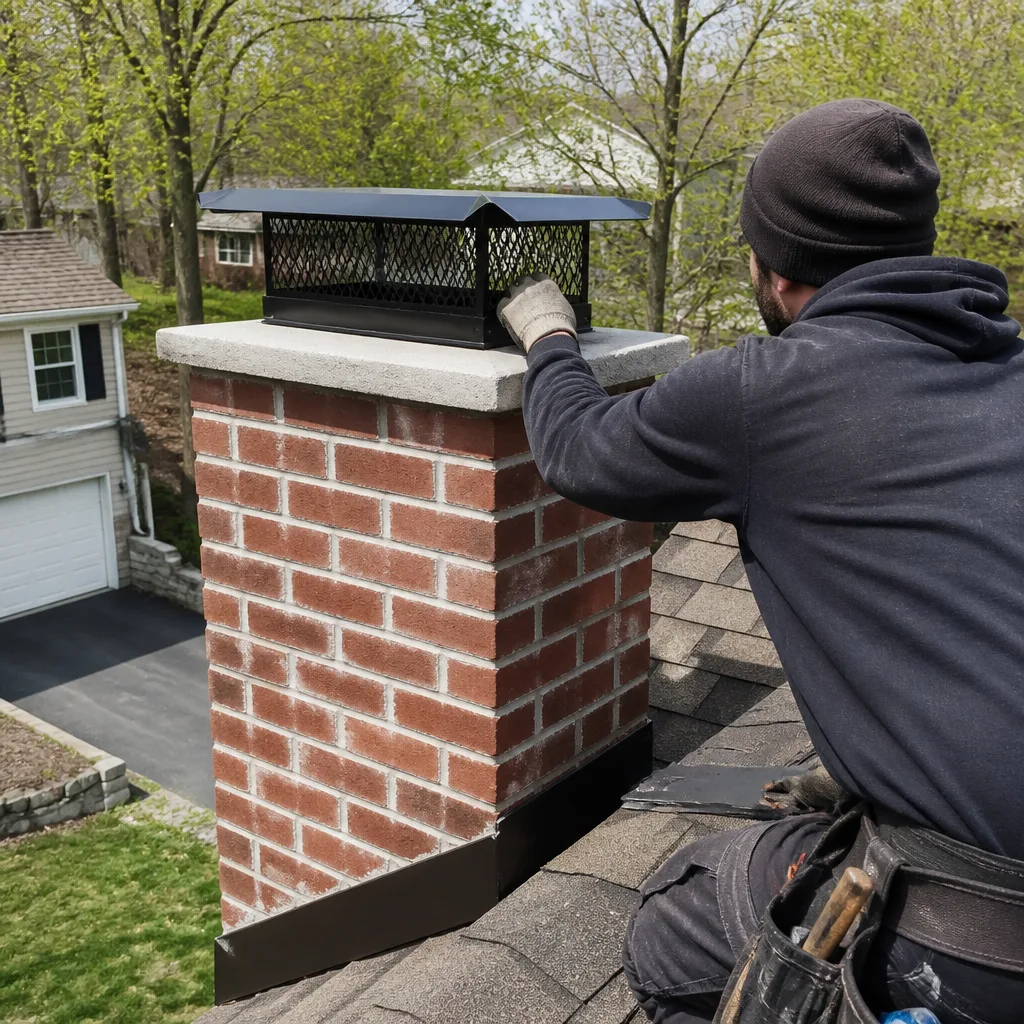
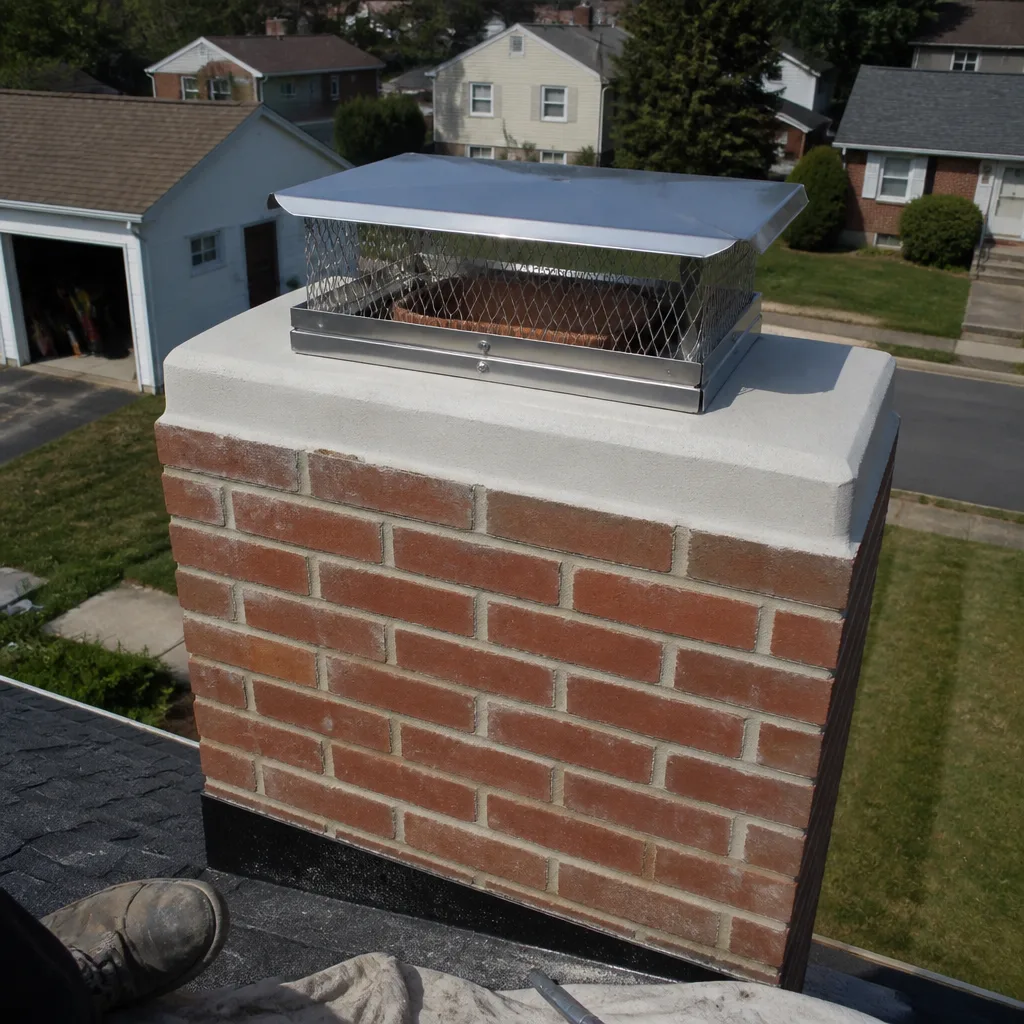
Level 1 sweep and inspection to the NFPA 211 annual standard - flue, crown, cap, and flashing checked and photographed
Chimney sweep logs do not sweep chimneys. They loosen some creosote - which then falls where a brush and vacuum still have to collect it.
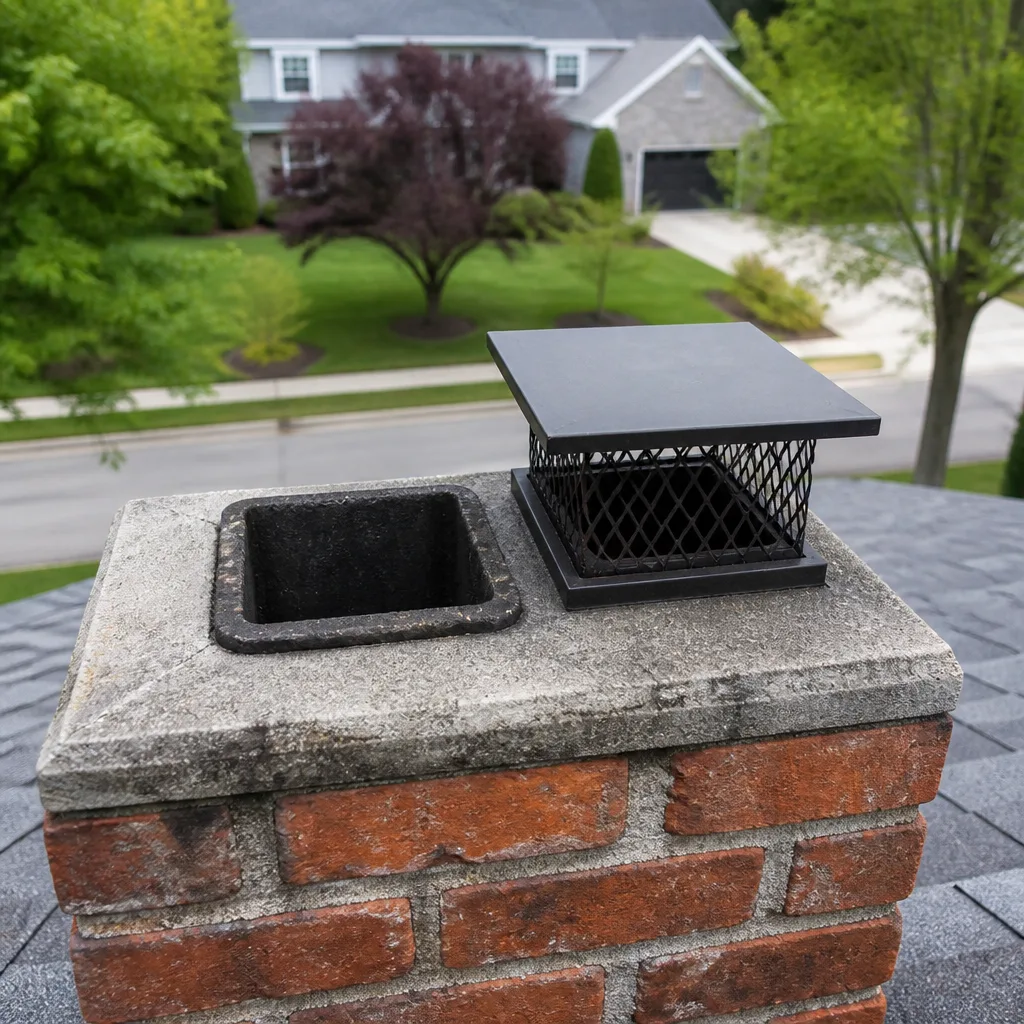
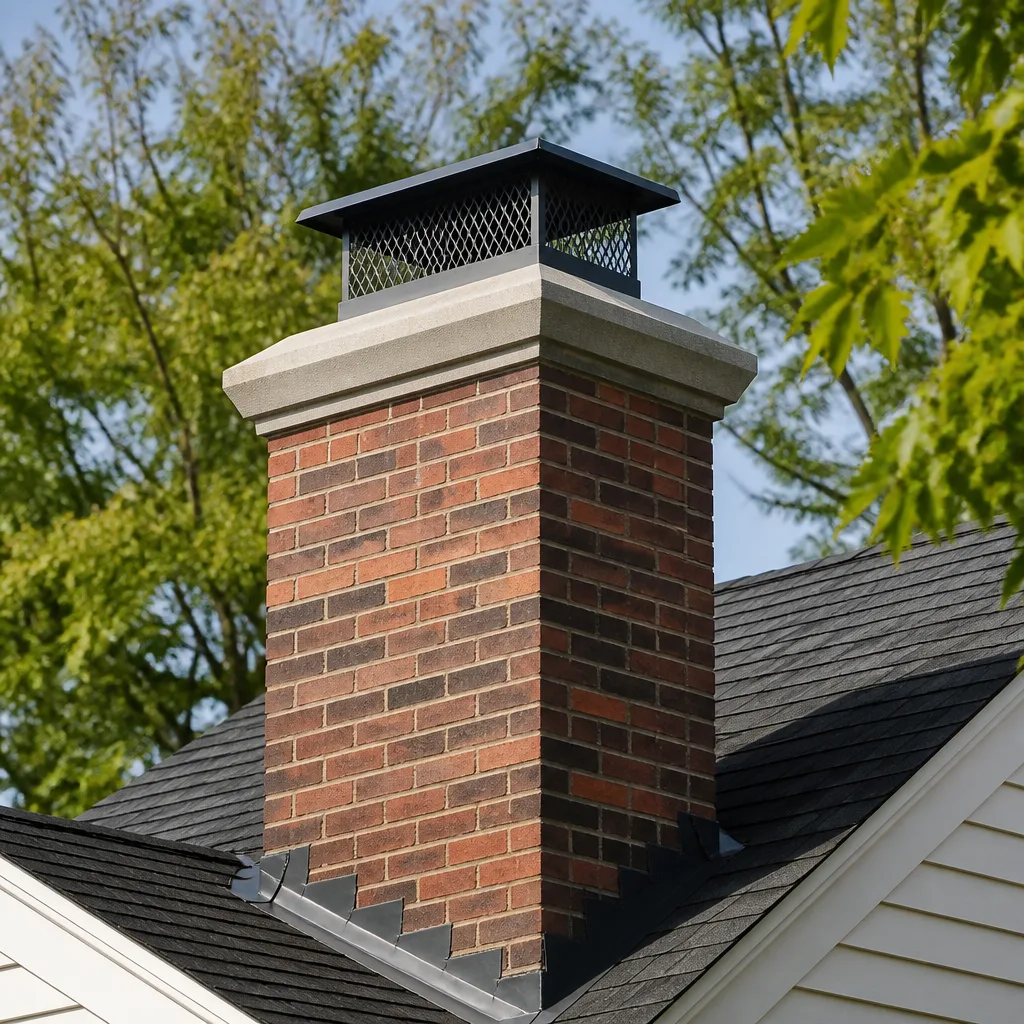
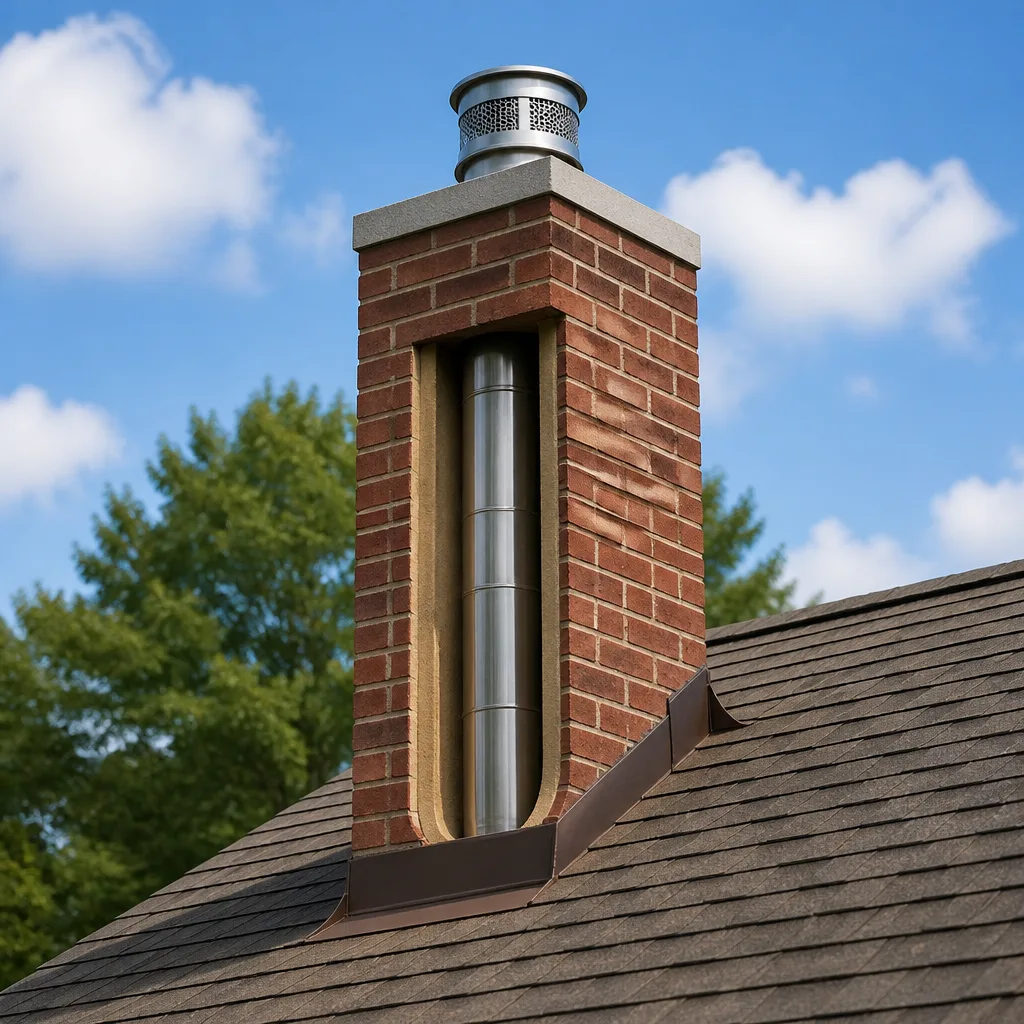
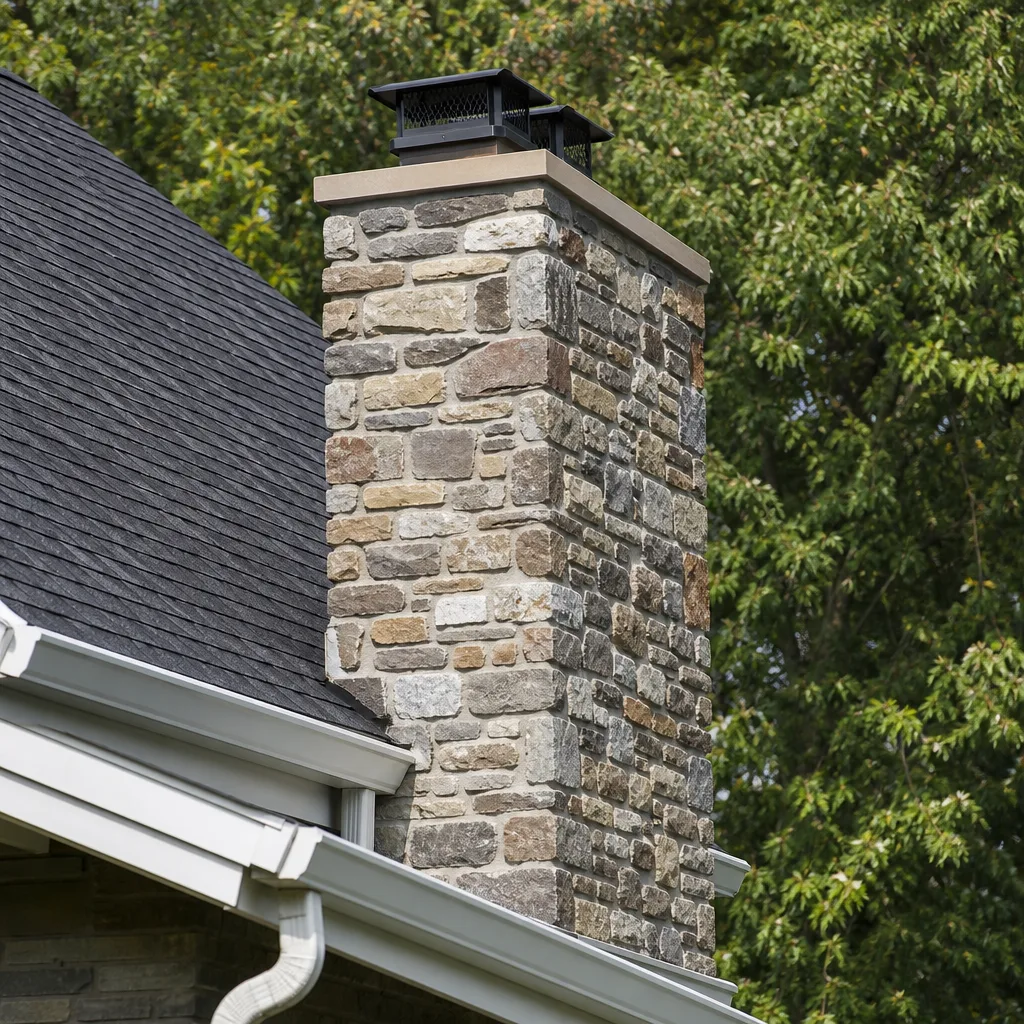
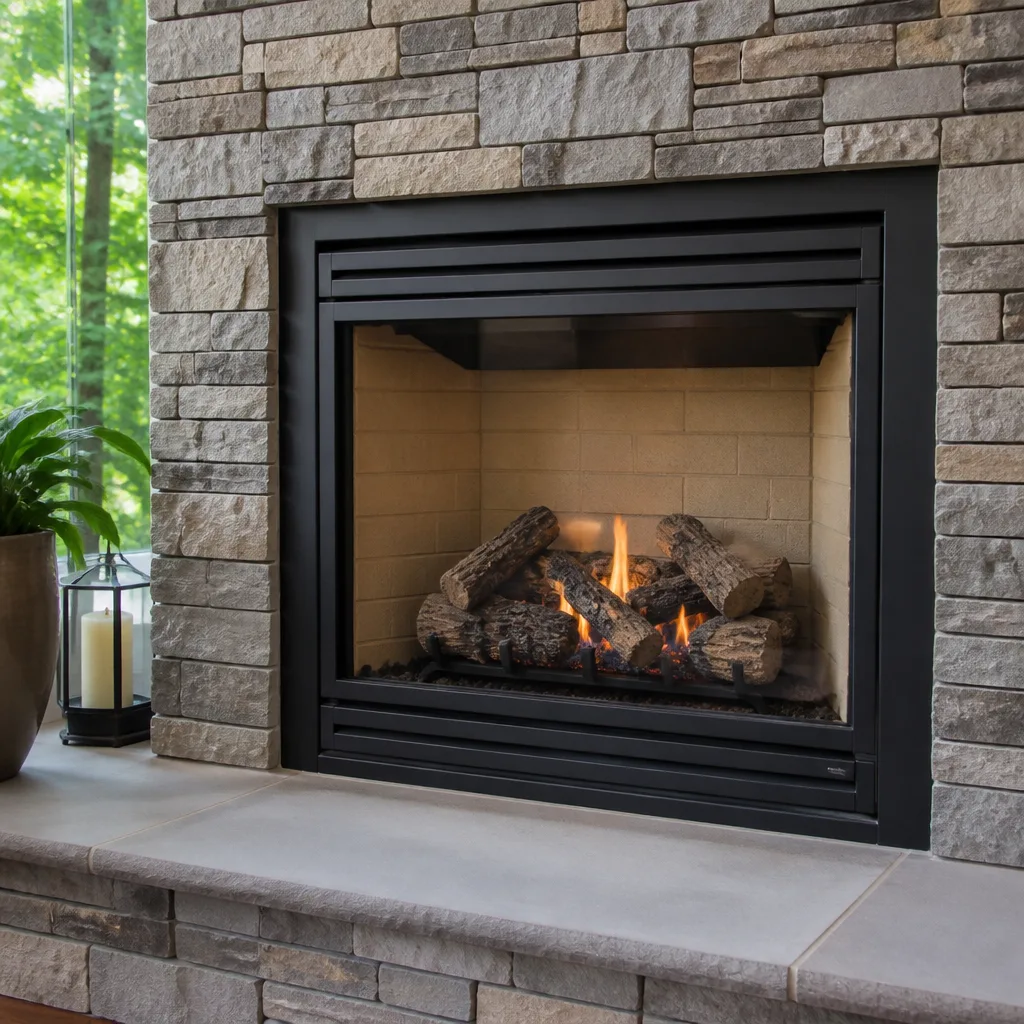
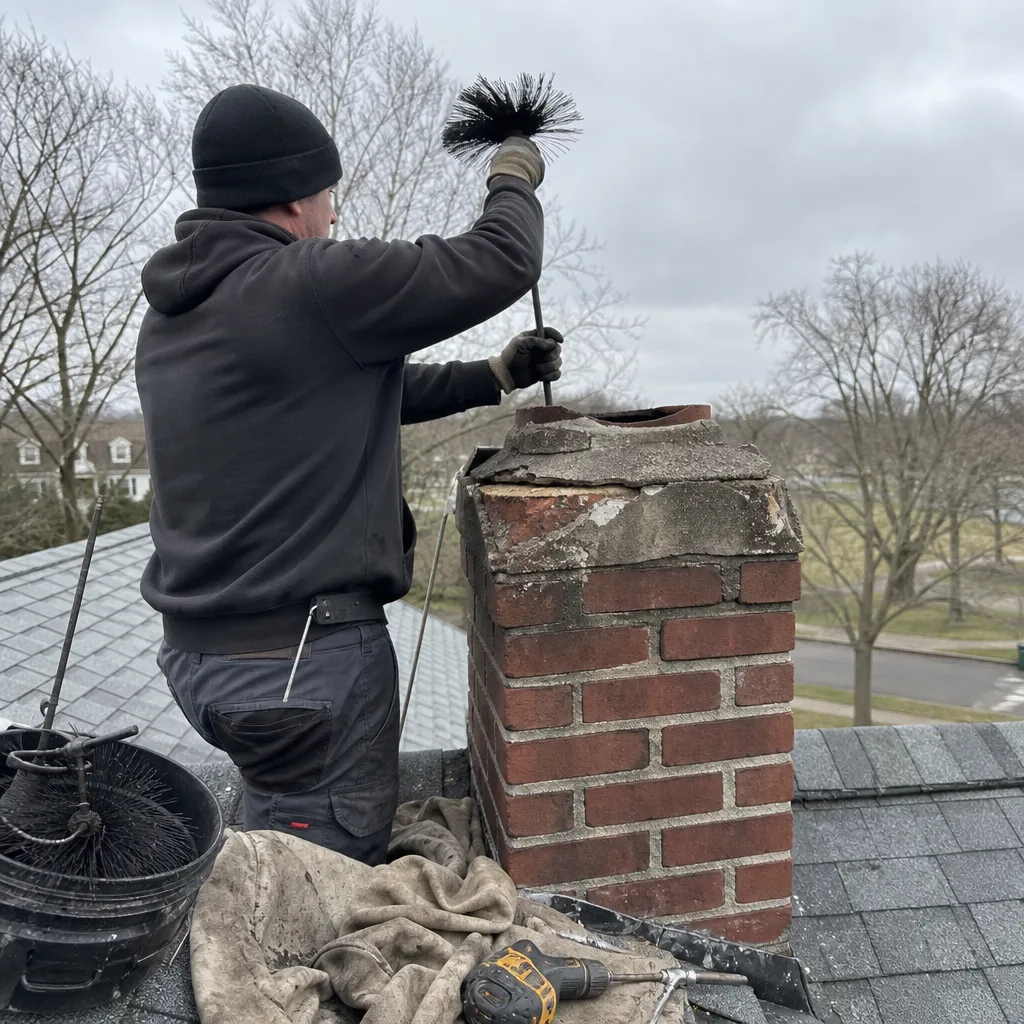 Before
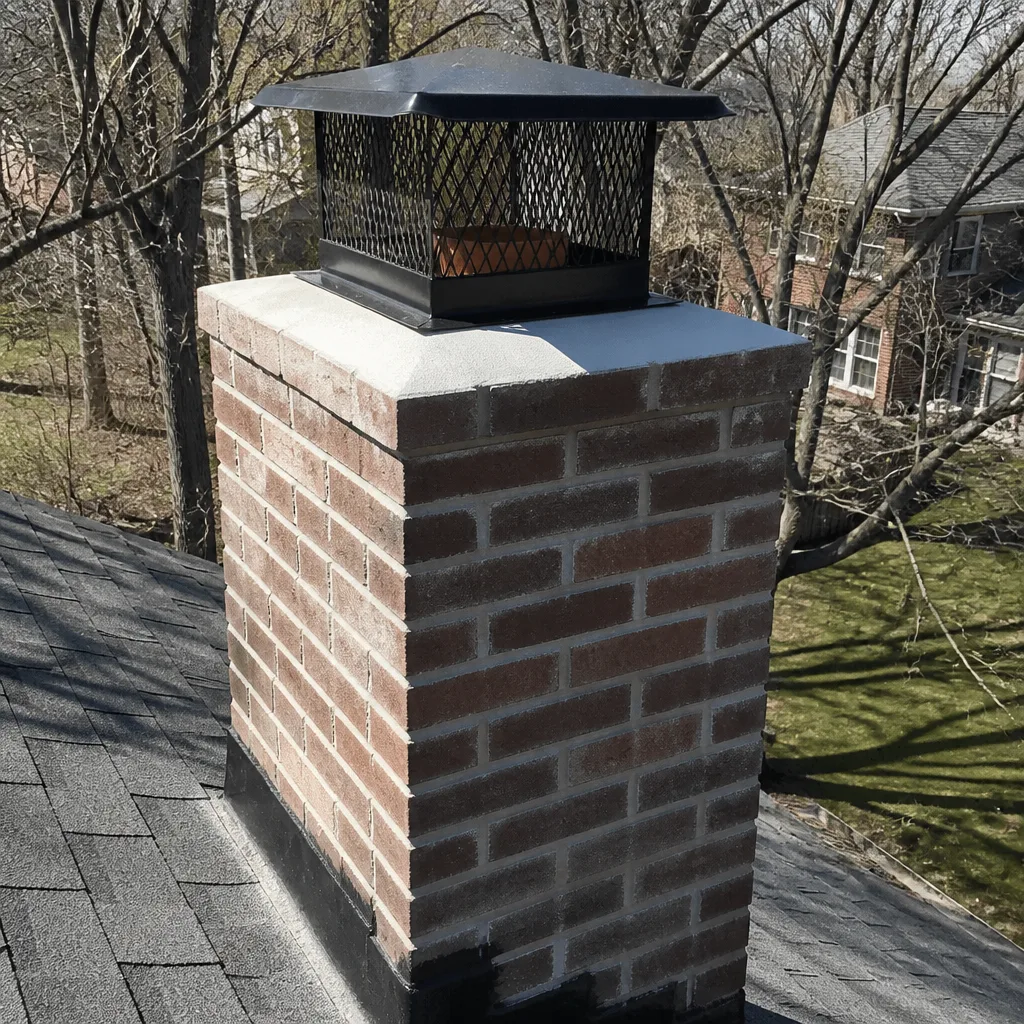 After
After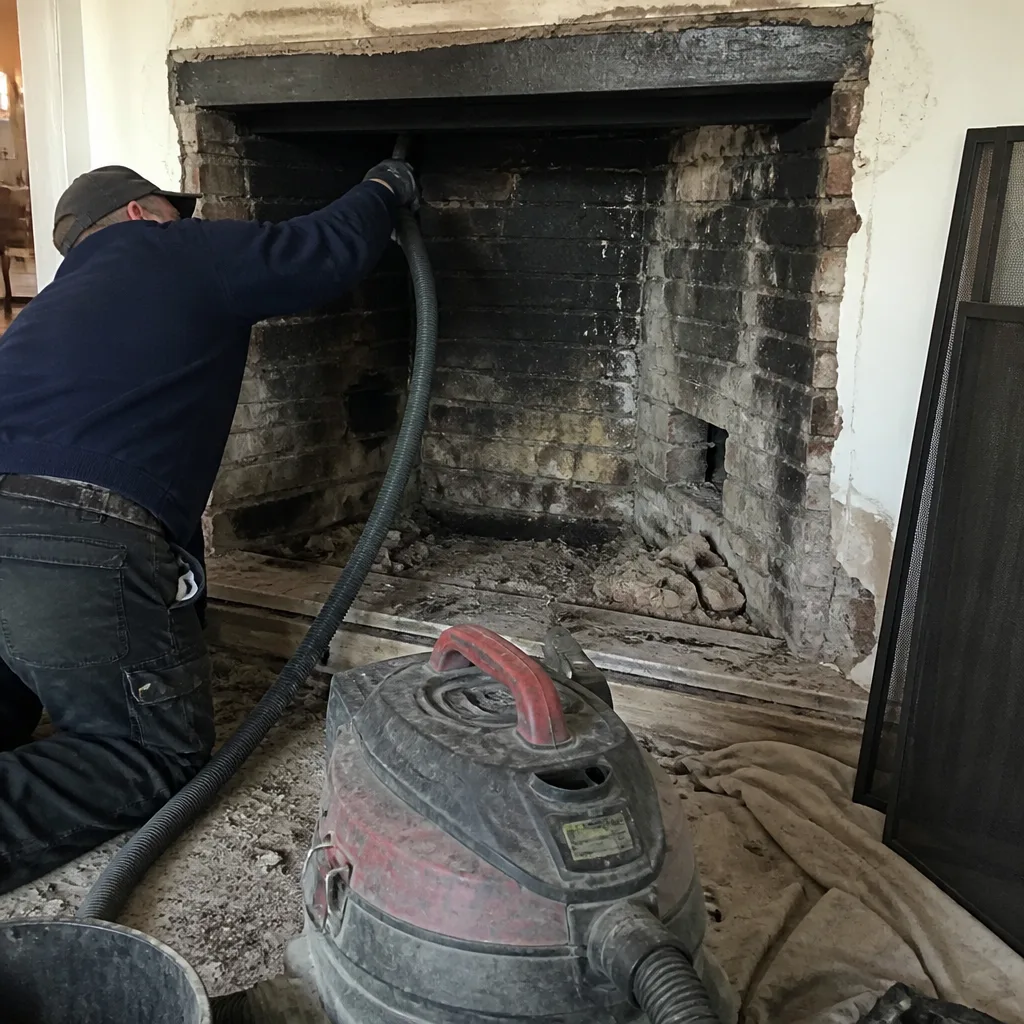 Before
 After
After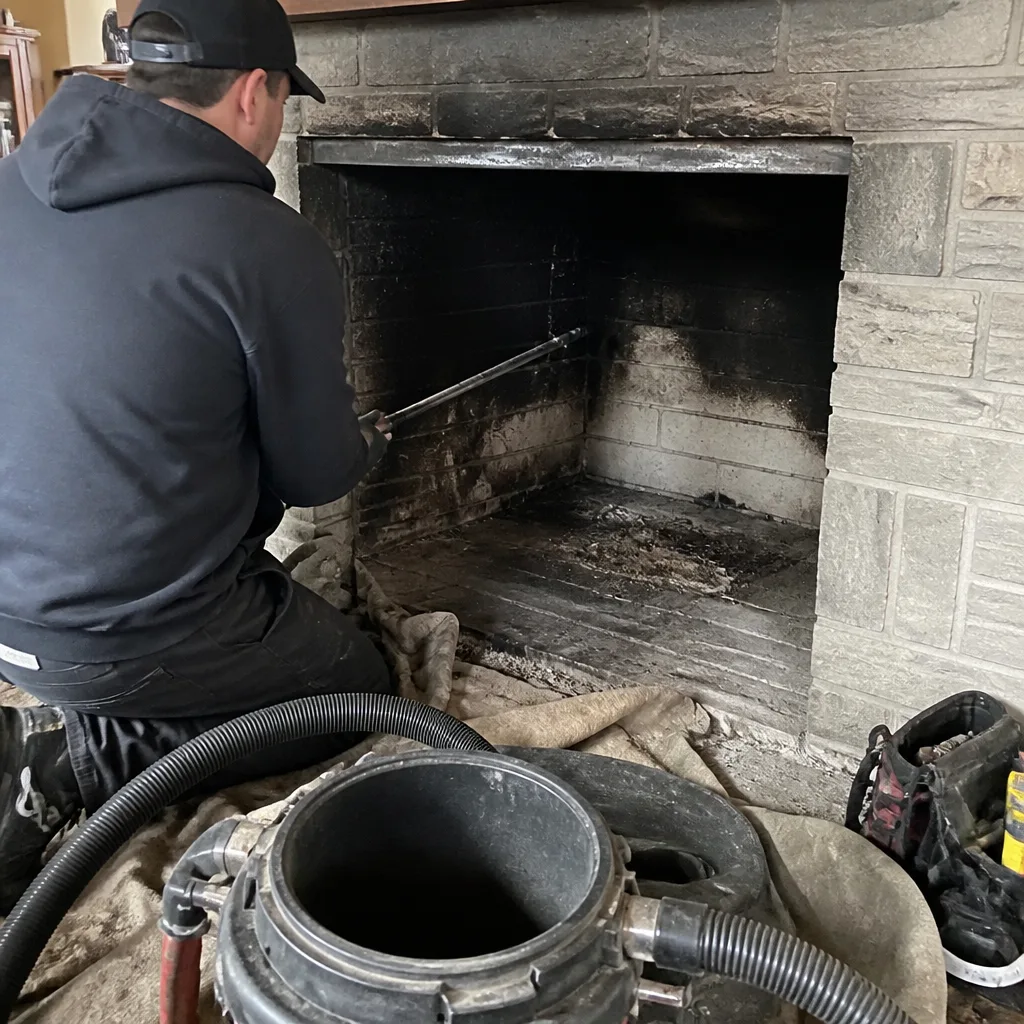 Before
 After
AfterOlympia Chimney Flue Liner Replacement: The Reading Owner’s Guide
We stock and install Olympia Chimney-compatible flue liner replacement systems throughout Reading, and a typical stainless steel liner swap runs $1,800 to $3,400 installed, depending on liner diameter and whether we’re relining the full height or just replacing a failed section. Most jobs are finished in one day from setup to cleanup. Owners usually find out their liner has failed one of two ways: a chimney sweep flags it during a routine cleaning, or they see flaky rust-colored bits collecting in the firebox and behind the damper.
Here’s the honest picture. An Olympia Chimney flue liner is a well-made product, but no liner lasts forever, especially in Berks County where we get hard freeze-thaw cycles every winter and humid summers that keep condensation sitting inside the flue. When the liner goes, the fix is not a patch job. You replace it, and you do it before you burn another season.
Which Olympia Chimney Models This Applies To
Olympia Chimney builds two main liner lines we see in Reading homes: their standard flexible stainless liners (typically the 316L alloy series) and the heavier 304 alloy for wood-burning appliances. The 316L is what goes into furnaces, boilers, and gas inserts. The 304 is for wood stoves and fireplaces. Getting that alloy match right matters more than most people realize, because a wood fire puts out acids that will eat through a gas-rated liner in a few seasons.
Identification is straightforward. If you can see the liner, look for a stamped tag near the top or bottom connection. If the tag’s gone, which happens more than you’d think after years of heat cycling, we measure the inner diameter and check the corrugation pattern against Olympia Chimney’s spec. Olympia Chimney liners run in standard diameters from 4 to 12 inches, and one thing we see often in Reading is an old 8-inch clay tile flue that really needs a 6-inch liner to match the appliance, but someone squeezed in a mis-sized liner because it was cheaper. That shortcut leads to draft problems and premature failure. We fix that properly.
On OEM versus aftermarket: Olympia Chimney makes a solid liner, but they’re not the only good option. For some Reading homes we’ll recommend DuraFlex or HeatShield products instead because the specific application calls for a different profile or insulation method. We stock parts from all three, and we’ll tell you plainly why we’re recommending one over the other for your setup. Top Hat Chimney is an independent service provider, not affiliated with Olympia Chimney, so our recommendation is based on what’s right for your chimney, not a brand loyalty card.
Signs Your Olympia Chimney Flue Liner Replacement Is Failing
- Rust flakes or sand-like grit in the firebox. This is oxidized metal shedding from inside the liner. Once you see it, the liner walls are thin enough that moisture is working through from the outside or the inside, and it will not get better on its own.
- A smell like wet campfire or sulfur when the wind shifts. That’s flue gases leaking through liner perforations and finding their way into the house instead of up and out. A failed liner stops being a sealed exhaust path.
- White or brown staining on exterior brick near the top of the chimney. Condensed flue gases are a byproduct of a liner that’s no longer keeping temperatures stable. The moisture pushes through the masonry, carries salts with it, and shows up as efflorescence or worse on the brick face.
- Draft problems that got worse over time, not suddenly. A stove that used to pull cleanly but now back-puffs on windy days often has a liner that’s lost its smooth interior surface. Creosote clings to the roughened metal, narrows the path, and kills the draft.
- Visible cracking or gaps at the liner seams during an inspection. This one you likely won’t see yourself without a camera. We run a camera up every flue we inspect in Reading, and seam separation is one of the most common failure points on older Olympia Chimney installations, especially where the liner passes through the smoke shelf.
Replacement Cost & What’s Included
In Reading and the surrounding county, expect to pay between $1,800 and $3,400 for a full Olympia Chimney-compatible flue liner replacement. The range comes down to liner length, diameter, whether the old liner comes out cleanly or has to be cut and pulled in sections, and whether you need insulation wrap to meet code for an exterior chimney. Parts typically account for 30 to 40 percent of the total; the rest is labor, and liner work is physically demanding. Two people, dirty conditions, careful fitting.
Our price includes removal of the failed liner, inspection of the flue cavity for damage the liner was hiding, installation of the new liner with proper top plate and cap, smoke test, and camera footage of the finished job. We show you the video before we pack up. If anything about the work isn’t right within 90 days, one call brings Wendell back at no charge. That’s the Done Right Promise, in writing, on every single job.
DIY or Call Us?
There is no safe way to DIY a flue liner replacement. This is not a brush-and-vacuum job. You’d be working at roof height, handling a stainless coil that weighs more than you expect, and making connections that have to be gas-tight or you’re inviting carbon monoxide into the house. We’ve seen the results of weekend attempts, and the repair bill always costs more than the original job would have.
What you can do yourself is keep an eye on the firebox between cleanings. Note any new rust flakes, any staining on the chimney exterior, any smell that wasn’t there last year. Those notes help us diagnose faster when we arrive. But when the liner’s gone, the right move is a call to (484) 209-0837. We’ll give you a straight number before a single tool comes off the truck.
FAQs
A properly sized 316L stainless liner in a wood-burning application around Reading typically lasts 15 to 25 years, though we’ve pulled liners at 10 years that were incorrectly sized or uninsulated and looked like lace. Gas liners usually go longer, 20 to 30 years, because the exhaust chemistry is gentler. Annual inspections are what tell you which side of that range you’re on. Call (484) 209-0837 and we’ll put a camera up there for you.
Generally, no. Small pinholes can sometimes be addressed with a resurfacing product like HeatShield, but if the metal is structurally compromised, rusted through, or the seams are separating, the only honest fix is a new liner. We do not patch failing liners and call it done. If it doesn’t need doing, Wendell will be the first one to tell you; if it does, we’ll show you the camera footage so you can see exactly why.
Most Olympia Chimney flue liner replacements in Reading are completed in one day, roughly four to seven hours depending on access and how stubborn the old liner is about coming out. We’ll give you a real arrival window and call if it slips. The crew shows up in uniform, background-checked, and we leave the hearth cleaner than we found it.
We keep the most common Olympia Chimney liner sizes on the truck: 6-inch and 8-inch in both 304 and 316L alloy, plus the standard top plates, caps, and connectors. Odd sizes or specialty applications may need a supply run, which we’ll tell you about upfront so you’re not surprised. We also carry DuraFlex, HeatShield, and Gelco parts when the job calls for something different.
Talk to Wendell About Your Olympia Chimney Liner
The fastest way to get an answer is to call (484) 209-0837. You’ll get a live person, day or night. Tell us what you’re seeing: rust flakes, smells, draft problems, or just an old liner you know has been in there since the house was built. We’ll set up a time to come out, run a camera through the flue, and give you a plain-English verdict with the footage to back it up. We’re also happy to give a free second opinion on any written estimate you’ve already received, and there’s no trip charge if you’re inside the county. If the liner is fine, we’ll tell you that and shake your hand on the way out. Ask anyone on your street: that’s how we’ve run this business since 1999.
Written by Wendell Pike, Owner, Top Hat Chimney at Top Hat Chimney, serving Reading and nearby areas.