
Level 1 sweep and inspection to the NFPA 211 annual standard - flue, crown, cap, and flashing checked and photographed
Chimney sweep logs do not sweep chimneys. They loosen some creosote - which then falls where a brush and vacuum still have to collect it.
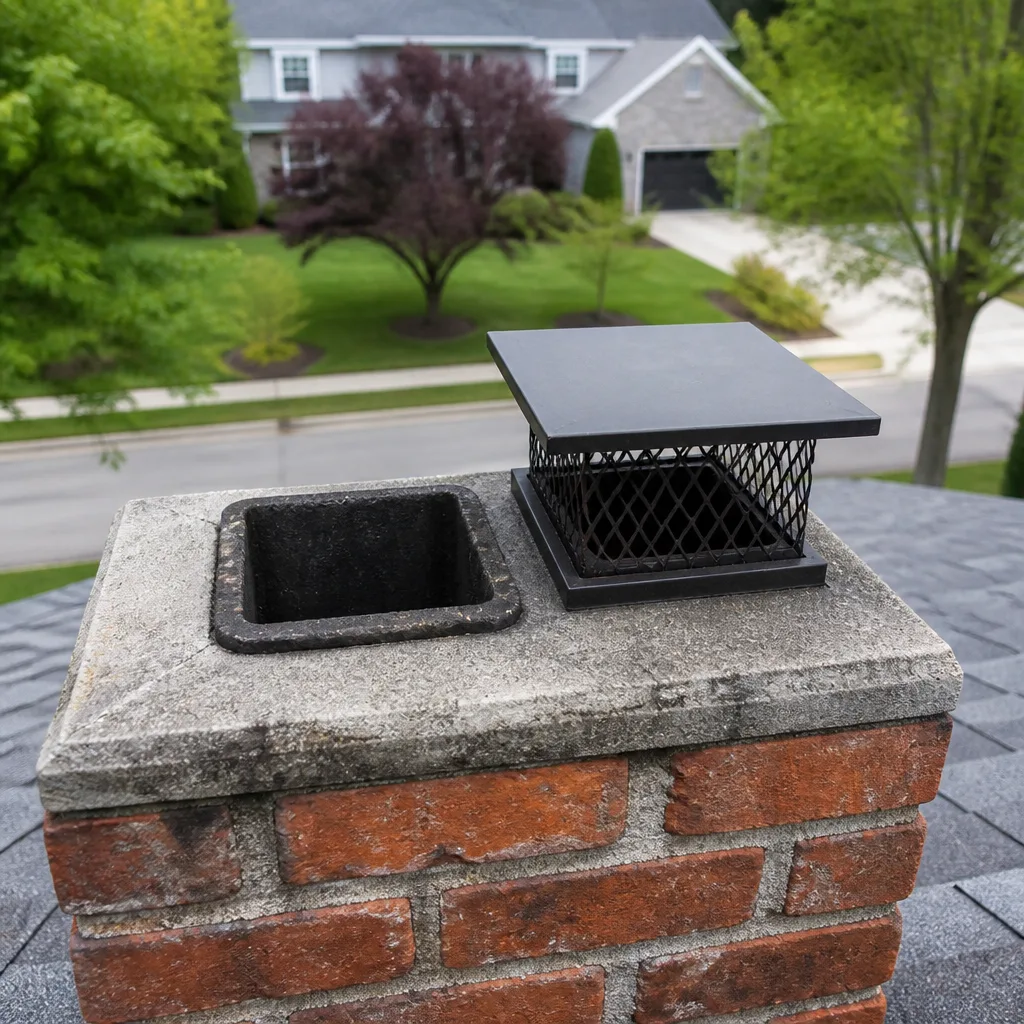
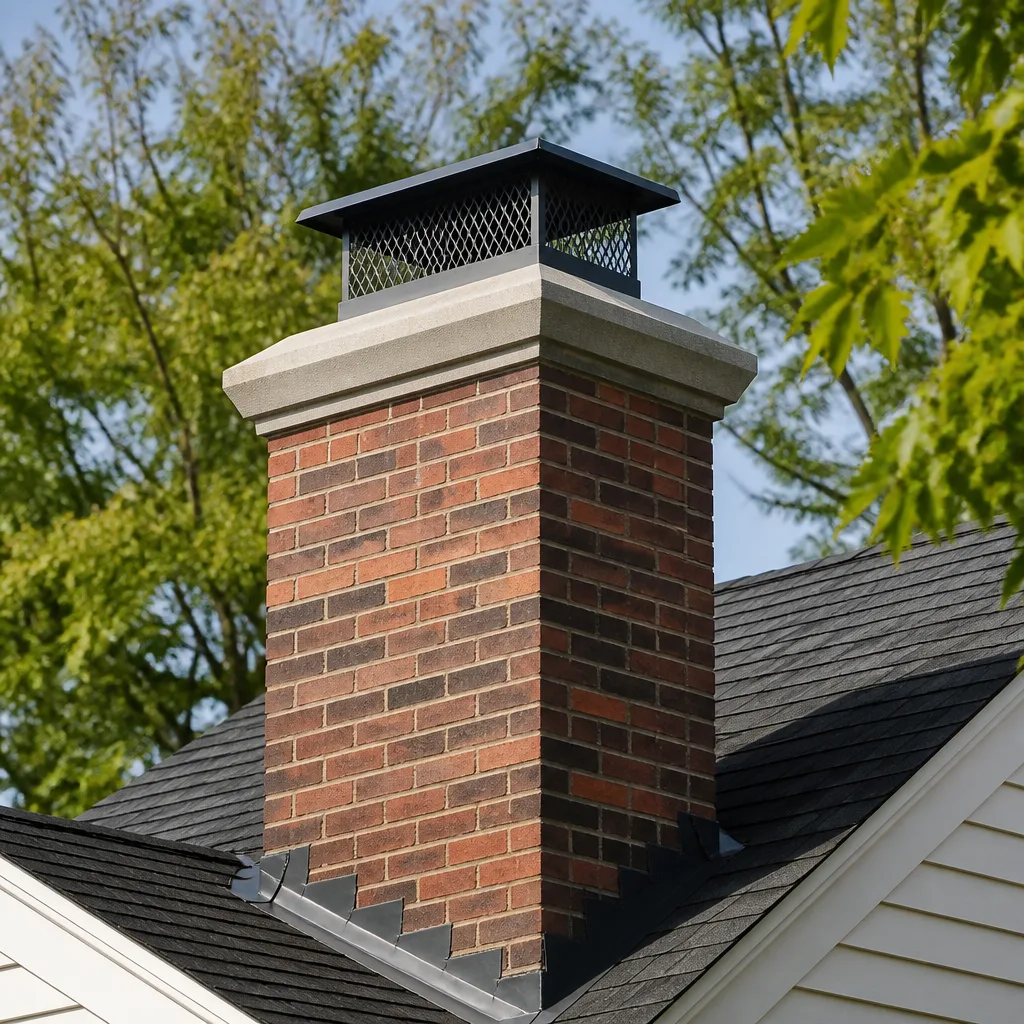
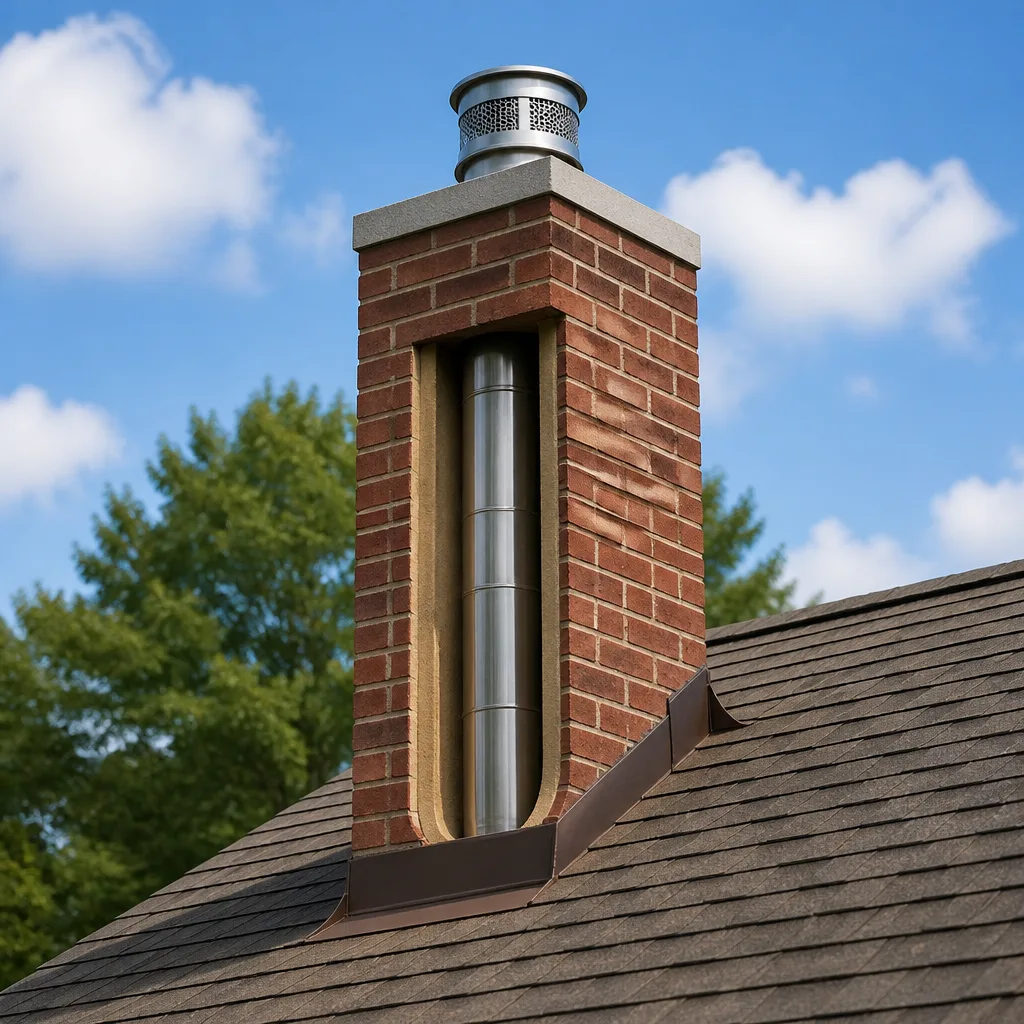
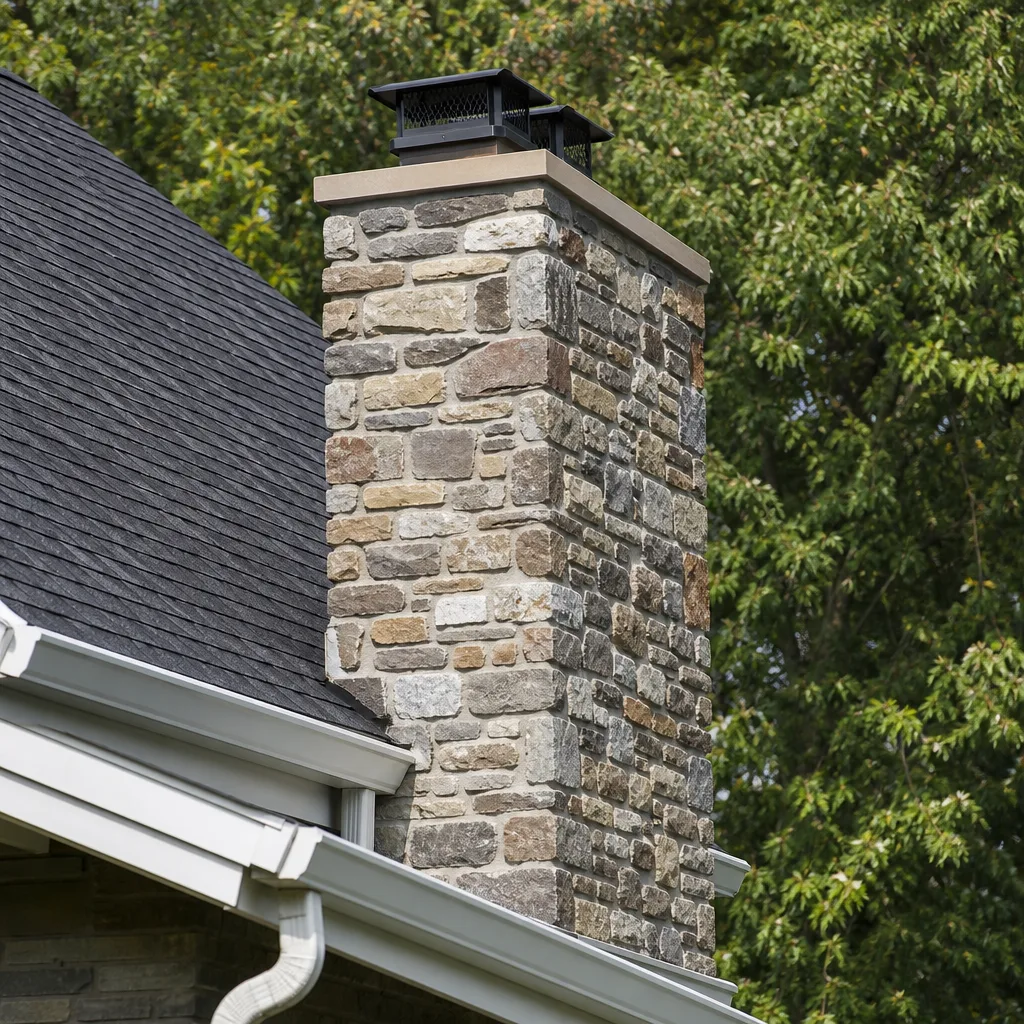
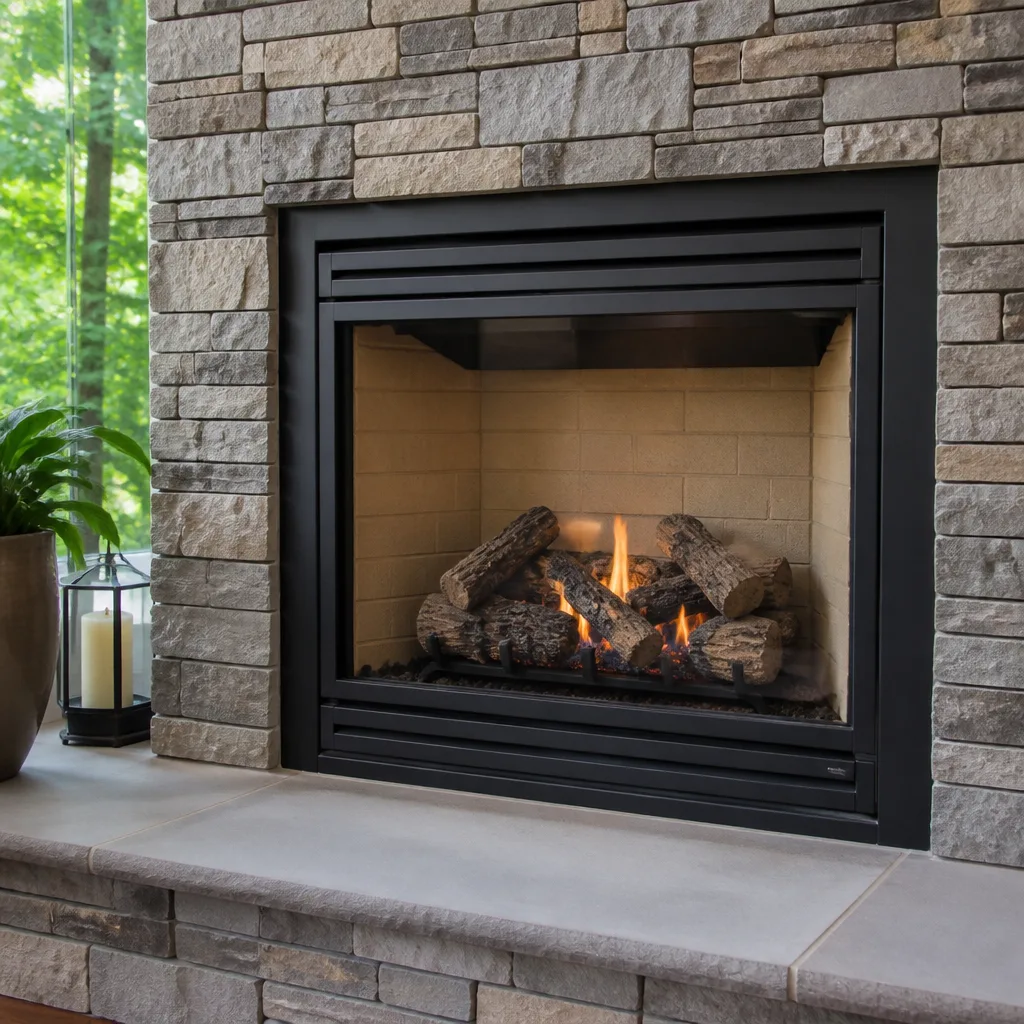
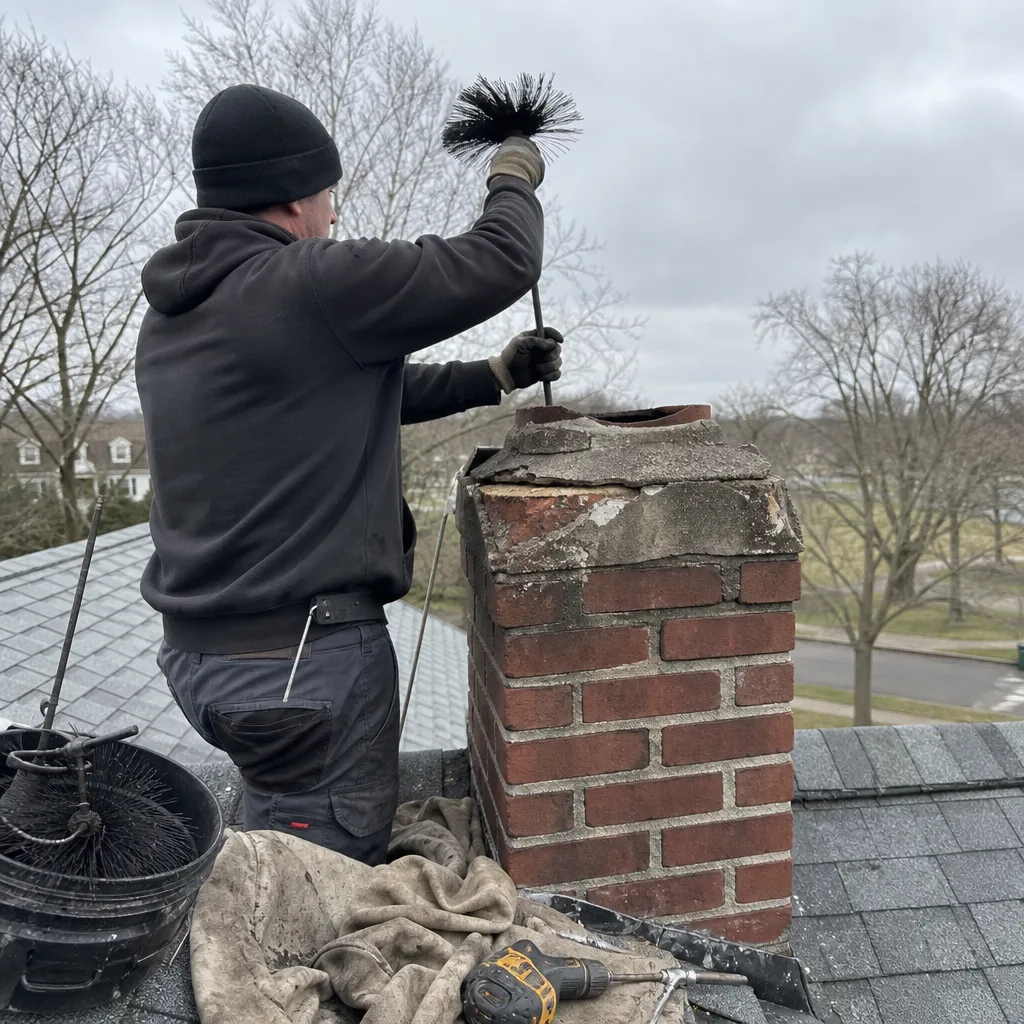 Before
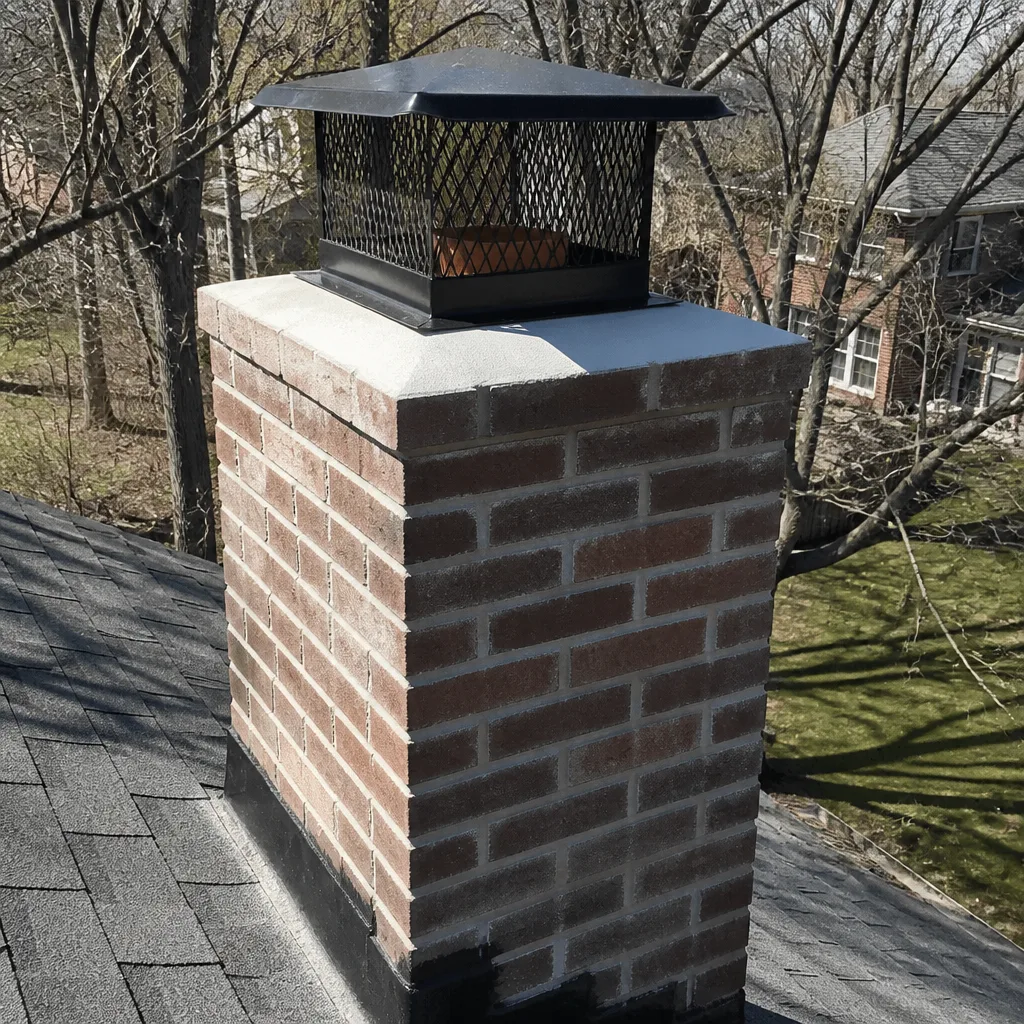 After
After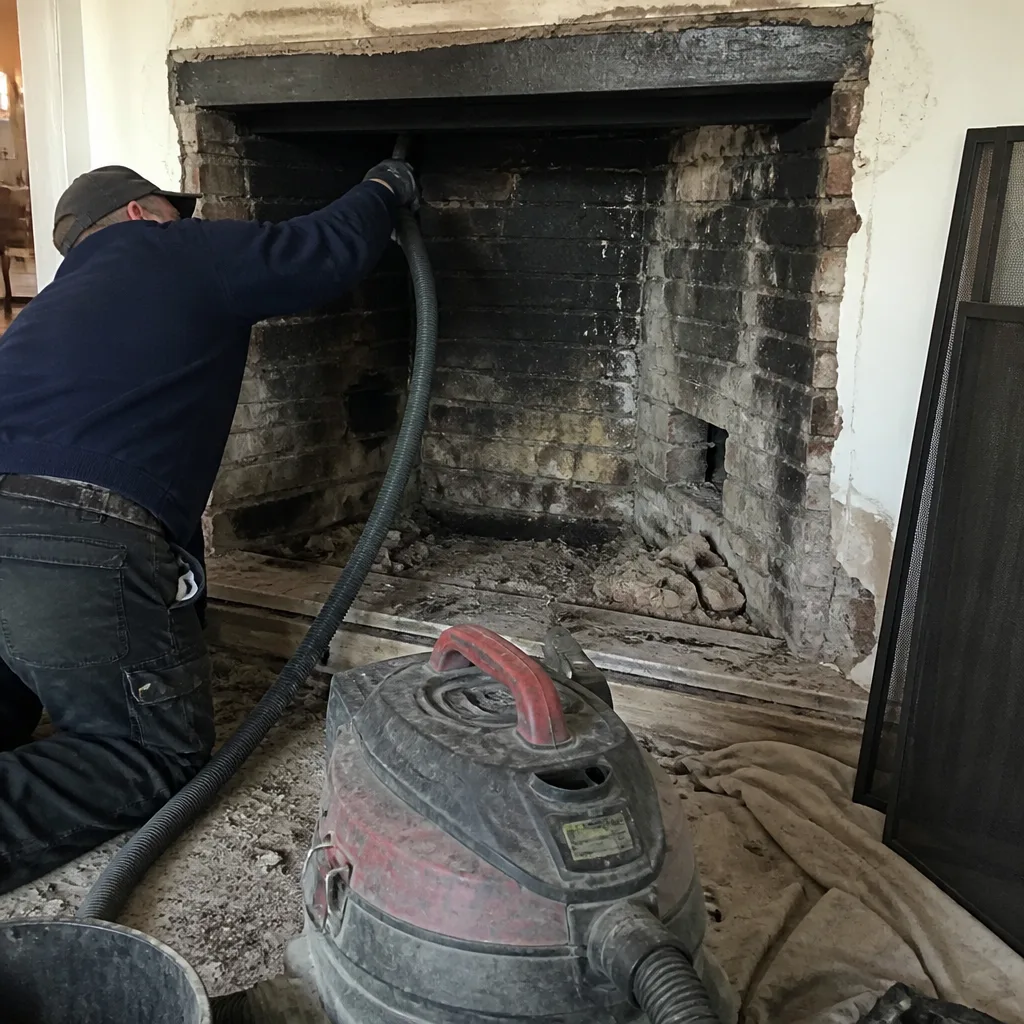 Before
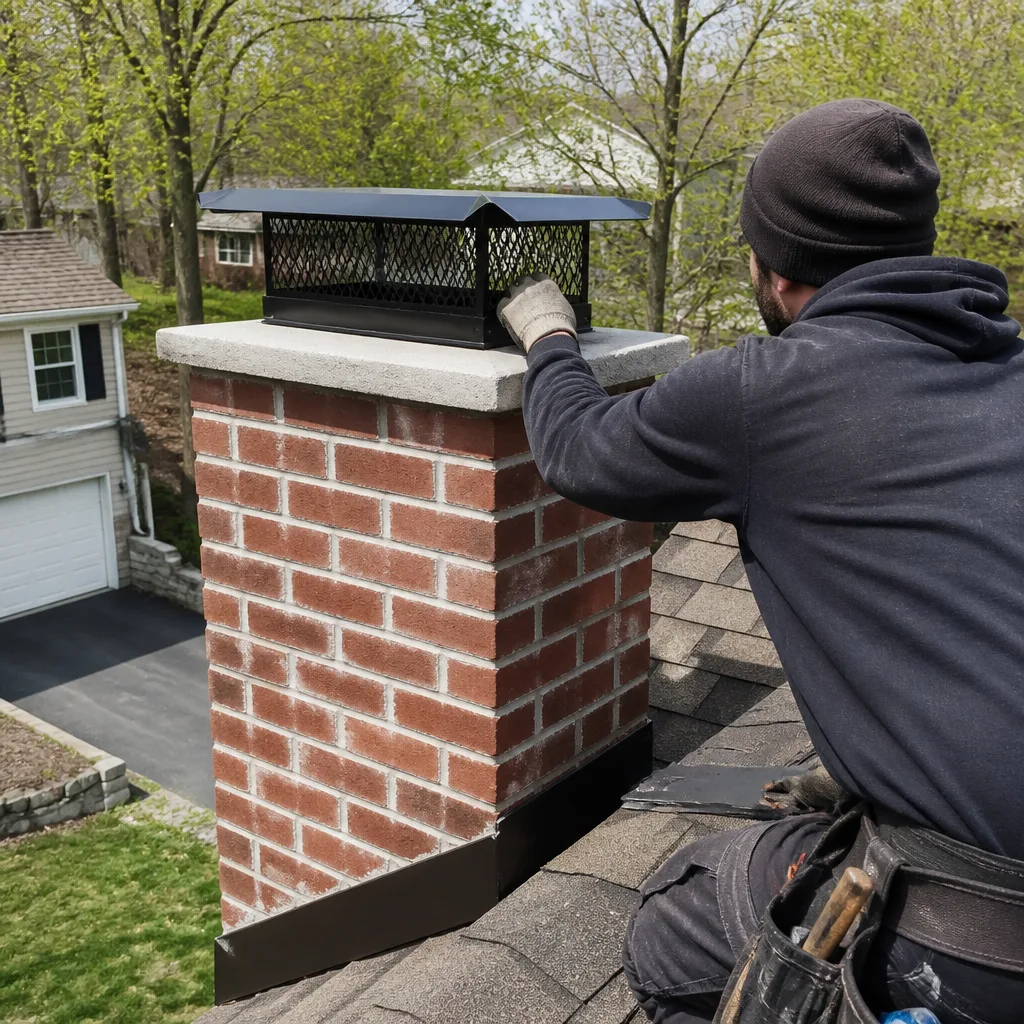 After
After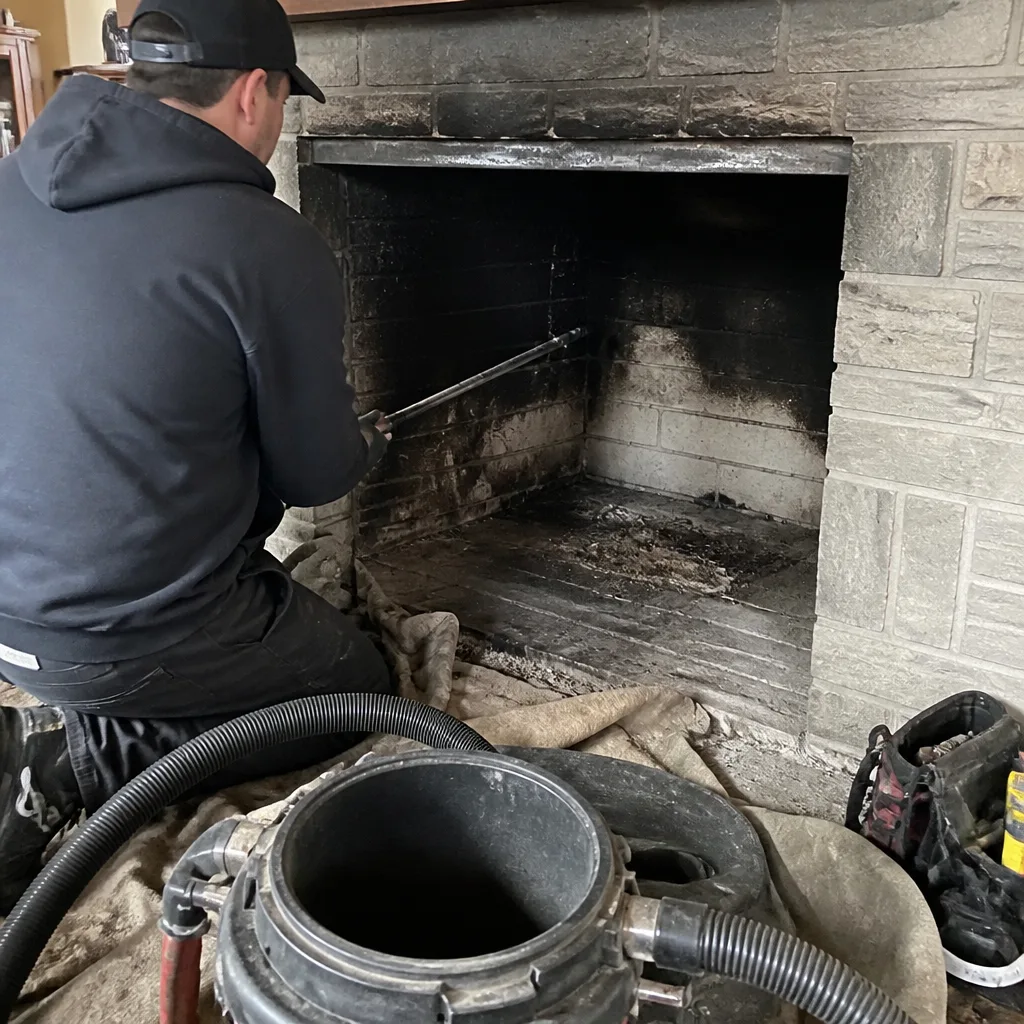 Before
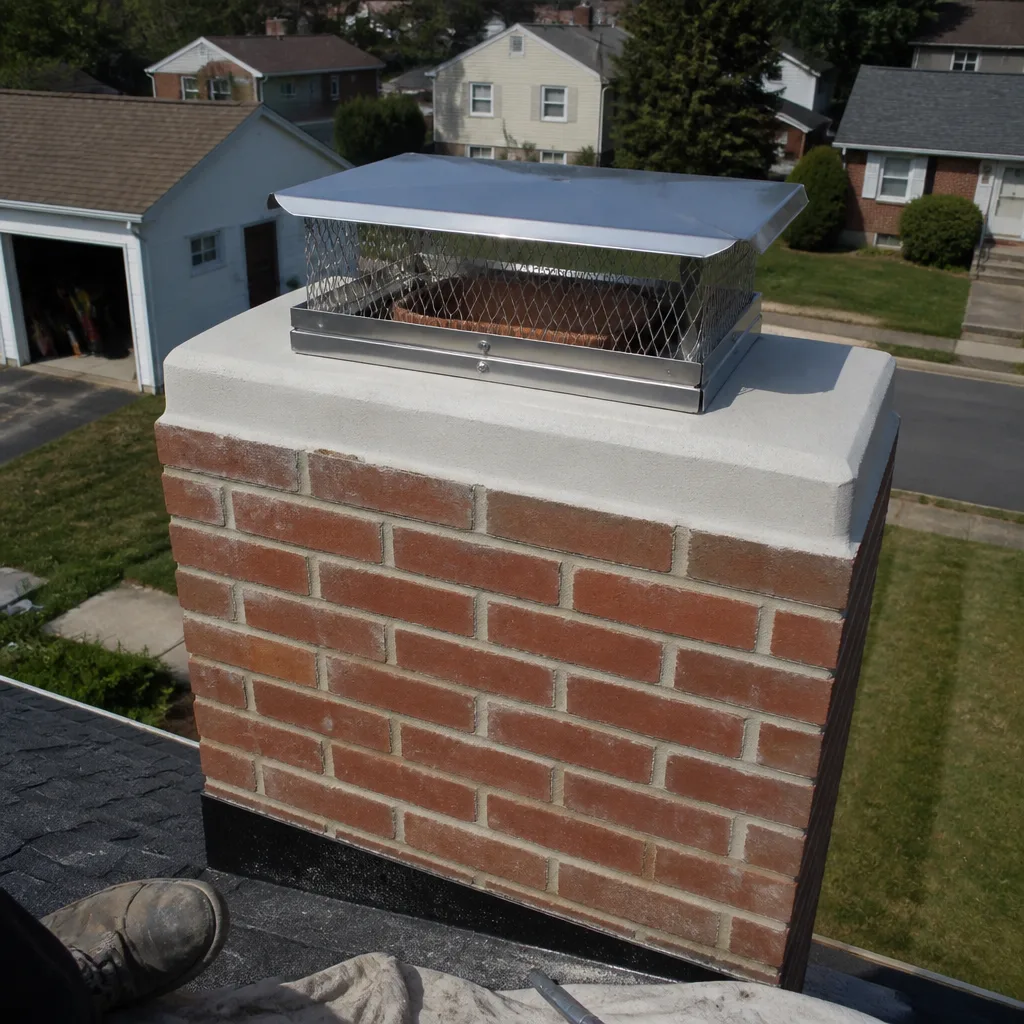 After
AfterSoot Removal in Reading, PA
Soot removal in Reading, PA typically runs $129 to $299 depending on how much has built up, how accessible your flue is, and whether the firebox needs attention too. Most jobs are finished in a single visit, and you’ll know the exact price before Wendell touches a single brush. If your fireplace has been sitting idle – or working hard all winter – and you’re noticing dark staining, a smoky smell, or restricted draw, soot buildup is almost always part of the picture.
At Top Hat Chimney, soot removal is part of every Chimney Cleaning & Sweep in Reading we do. Wendell Pike has been inside Reading-area chimneys since 1999, and he will tell you straight: a chimney caked in soot is not just dirty, it is a flue that cannot breathe the way it should. And a flue that cannot breathe is one your stove or fireplace fights against every time you light a fire. Call us at (484) 209-0837 – a live person picks up, any hour of the day.
We are locally owned and owner-operated. No franchise fees built into your bill, no stranger sent by a call center. Wendell runs into his customers at Boyer’s on Saturday morning, and that kind of accountability matters more than any slogan.
When You Need Soot Removal
- Black or gray staining around the firebox opening. If soot is migrating out of the firebox and onto your surrounding brick or mantel, the flue is not drawing cleanly. This is common in older Reading rowhouses where the damper has worn or warped over decades.
- A persistent smoky smell between fires. Soot that has accumulated on flue walls off-gasses even when you haven’t burned anything. Homes in West Reading and Wyomissing often see this after a long heating season, especially in houses with tighter insulation that changed the airflow dynamics.
- Visible black powder or flaking inside the firebox. Light, dry soot that brushes off easily is first-degree buildup – a standard cleaning handles it. But if you’re seeing granular or glazed material, that transitions into creosote territory and needs a professional eye before the next burn.
- A chimney that hasn’t been swept in more than a year. Once a year is the baseline, burn or no burn. Soot does not just appear when you use the fireplace; moisture and animal activity through the off-season can break down deposits and shift them into places that restrict airflow.
- After a fireplace insert or stove installation. If the previous owner burned green wood, or if a new insert was fitted into an older flue without a liner inspection, soot layers from prior use do not disappear on their own. We see this regularly in Muhlenberg Township and Mount Penn.
- Before a home sale or purchase inspection. A dirty chimney shows up in inspector reports and can stall a closing. A documented cleaning – with the inspection notes we provide – gives buyers confidence and removes a common negotiating chip.
Our Soot Removal Process
There is no mystery to how we work. Wendell or one of his crew will walk you through every step before they start, and the camera footage is yours to see when they finish.
- Visual inspection from the firebox up. Before a brush goes in, we look. We check the damper, the smoke shelf, and the lower flue sections for anything beyond standard soot – deteriorated mortar, cracked liner tiles, animal nesting material. If we find something that changes the scope or the price, we tell you right then, not after the work is done.
- Drop cloth and equipment staging. Soot removal is a messy job if it is not handled carefully. We lay drop cloths in front of the hearth and mask the firebox opening with a fitted cover to keep the room clean. The sweep who shows up at your door leaves your living room the way he found it.
- Rotary brush cleaning from the top down. Working from the roofline with professional-grade rotary equipment – including Copperfield brushes sized to your flue – we work the full length of the liner, loosening soot deposits and moving them down toward the firebox where we can capture and remove them. For most Reading-area chimneys, a single thorough pass is enough. Heavier buildup may need a second pass.
- Firebox and smoke shelf cleaning. The smoke shelf above the damper collects more soot than most homeowners expect – it is a ledge that catches everything that falls back from the flue. We vacuum it out with a HEPA-filtered vacuum so the material does not redistribute into your room.
- Camera inspection of the liner. After cleaning, we run a camera through the flue so you can see the condition of the liner yourself. We give you a plain-English verdict on what we found – not a pitch for the next job, just the honest picture. If the liner is in good shape, we tell you. If it is not, we show you why and give you a written estimate before we leave.
- Cleanup and documentation. All removed soot and debris is bagged and taken with us. You receive a written job summary noting the date, condition findings, and any recommendations – documentation that is useful for your records, your insurance carrier, and future buyers of the home. Every job is backed by the 90-Day Done Right Promise: if something is not right, one call brings us back at no additional cost.
Soot Removal Pricing in Reading
Soot removal in Reading costs $129 to $299 for a standard single-flue fireplace or wood stove. Here is how the ranges break out:
| Scope of Work | Typical Price Range |
|---|---|
| Basic soot removal, single flue (light buildup) | $129 – $179 |
| Standard soot removal with camera inspection | $179 – $229 |
| Heavy buildup or extended flue (two-story, offset) | $229 – $299 |
| Firebox cleaning added on | +$50 – $75 |
| Second flue (same visit) | +$99 – $149 |
What pushes a job toward the higher end: flue height (older Reading Victorian homes with three-story chimneys take more time), unusual offsets in the liner, or soot buildup that has begun to bond and requires a longer cleaning pass. We quote all of this upfront, on the phone, so the number you hear before we arrive is the number on the invoice.
Standing discounts: Seniors and veterans always receive 10% off. Any repair over $200 gets $40 off automatically. If you’ve received a written estimate from another chimney company and it doesn’t feel right, we’ll give you a free second opinion at no charge and no obligation.
There is no trip charge for calls inside Berks County. Call (484) 209-0837 to get an upfront estimate – estimates are free, and a live person picks up around the clock.
Why Reading Homes Collect Soot Faster Than You’d Expect
Reading’s housing stock is one of the older in Pennsylvania’s mid-sized cities. A large portion of homes in the city’s core – Glenside Avenue down through Hampden Heights, and east into Exeter Township – were built between 1890 and 1940 with masonry chimneys serving coal-fired boilers that were later converted to wood or gas. Those flues were designed for a different fuel profile, and the dimensional mismatch means soot and creosote collect at higher rates than in newer construction.
The winters here are legitimate. January and February routinely push homeowners to burn more, and more often, than they planned when they budgeted for firewood. Burning at lower temperatures – which happens when people try to stretch a cord of wood by damping the fire down – produces more soot per pound of wood than a properly hot, clean fire. Wendell sees this pattern every spring across the Reading metro: chimneys that burned all season on dampened fires that have a lot more to show for it than homeowners expect.
The Schuylkill River valley geography also plays a role. Temperature inversions in the valley can cause smoke to linger and draw back into the flue during certain weather conditions, which deposits soot at the upper sections of the liner in patterns that a brush from below doesn’t reach as well. That is one of the reasons we work top-down.
Soot vs. Creosote: What Is the Actual Difference?
Soot is the dry, powdery black residue left by incomplete combustion. It brushes off easily, it does not bond to the liner, and a professional cleaning removes it completely in one pass. First-degree soot is normal in any working fireplace – it is expected, and it is what a standard Annual Sweep addresses.
Creosote is what happens when soot is not removed and combustion byproducts continue to condense on top of it. It progresses in stages: first degree is still manageable with brushes. Second degree starts to tar and harden. Third-degree creosote is a glaze – dense, chemically bonded to the liner tiles, and one of the primary causes of chimney fires. Catch it at the first degree and you’re paying for a cleaning. Catch it at the third degree and you may be looking at a full liner assessment and a substantially larger project.
The honest answer is that most Reading homeowners who call us for soot removal have first or early second-degree buildup. We have never upsold a cleaning into a liner job without showing the customer the camera footage first. If your flue is clean, we tell you – and Wendell has told more than a few people over the years that they didn’t need any more work than what we’d already done.
Key Takeaways
- Soot removal in Reading runs $129 to $299 for a single flue, with the price set upfront before work begins.
- Annual cleaning is the baseline – once a year, regardless of how much you burned.
- Soot left too long transitions into creosote, which is harder to remove and carries real fire risk.
- Every job includes a camera inspection and a plain-English report on liner condition.
- Top Hat Chimney has worked Reading-area chimneys since 1999 – Wendell Pike puts his name on every job.
- The 90-Day Done Right Promise is in writing: one call brings the crew back if anything is not right.
- Seniors and veterans always receive 10% off. No trip charge inside Berks County.
FAQs – Soot Removal in Reading, PA
How much does soot removal cost in Reading, PA?
Soot removal in Reading costs between $129 and $299 for a standard single-flue chimney. The lower end covers a light, routine cleaning on an accessible flue. The higher end applies to heavier buildup, taller Victorian-era chimneys (common in Reading’s older neighborhoods), or chimneys with offsets that require more time to work through properly. You’ll get the exact number before we start – no phone price that turns into a doorstep surprise. Call (484) 209-0837 for a free upfront estimate.
Is soot removal different from a chimney sweep?
Soot removal is part of what a chimney sweep covers, but not always the whole job. A full Chimney Cleaning & Sweep in Reading also addresses creosote buildup at varying stages, inspects the damper and smoke shelf, checks the liner condition, and looks at the chimney cap and crown. If your main concern is a sooty firebox or a smoky-smelling house, we’ll tell you whether a targeted soot cleaning is what you need or whether there’s more going on – and we’ll show you the camera footage so you can see it yourself.
Is soot in a chimney dangerous?
First-degree soot is a maintenance issue, not an immediate danger – but it does not stay first-degree if it is not addressed. Soot that is left to accumulate combines with moisture and combustion gases to form creosote, which is flammable and bonds to the liner. A chimney fire from third-degree creosote buildup can reach temperatures over 2,000 degrees and cause structural damage to the flue and surrounding framing. The risk is real, and it builds up gradually, which is why homeowners often don’t notice until there’s a problem. Regular Chimney Cleaning & Sweep services are genuinely the cheapest form of chimney insurance you can buy.
Can I remove soot from my chimney myself?
You can clean light soot from the firebox interior with a stiff brush and a HEPA vacuum – that is reasonable DIY territory. Cleaning the flue itself is a different matter. The rotary equipment needed to properly clean a liner from the roofline down is not something you rent at a home center, and working on a roof or reaching deep into a flue without the right tools and training means you are likely to miss the sections where buildup is heaviest. Beyond the access issue, you also lose the camera inspection – which is where we catch cracked liner tiles, failing mortar joints, and early-stage problems that cost a lot less to fix when they are found early. For the firebox, a light DIY brush-down between annual sweeps is fine. For the flue itself, call us.
How long does soot removal take?
A standard single-flue soot removal in Reading takes about 60 to 90 minutes from setup to final cleanup. Larger systems – dual flues, three-story Victorian chimneys, or systems with heavier buildup – may run closer to two hours. We give you a real arrival window when you book, and if anything in the field changes the timeline, the sweep calls you before it affects your schedule.
Top Hat Chimney has been removing soot from Reading-area chimneys since 1999. If your firebox is overdue for a cleaning, or if you just want a straight answer on what your flue actually looks like, search Chimney Cleaning & Sweep Near Me in Reading, PA or call (484) 209-0837. A live person answers – and it may well be Wendell. Estimates are free, there is no trip charge inside Berks County, and seniors and veterans always receive 10% off.
Written by Wendell Pike, Owner at Top Hat Chimney, serving Reading since 1999.