
Level 1 sweep and inspection to the NFPA 211 annual standard - flue, crown, cap, and flashing checked and photographed
Chimney sweep logs do not sweep chimneys. They loosen some creosote - which then falls where a brush and vacuum still have to collect it.
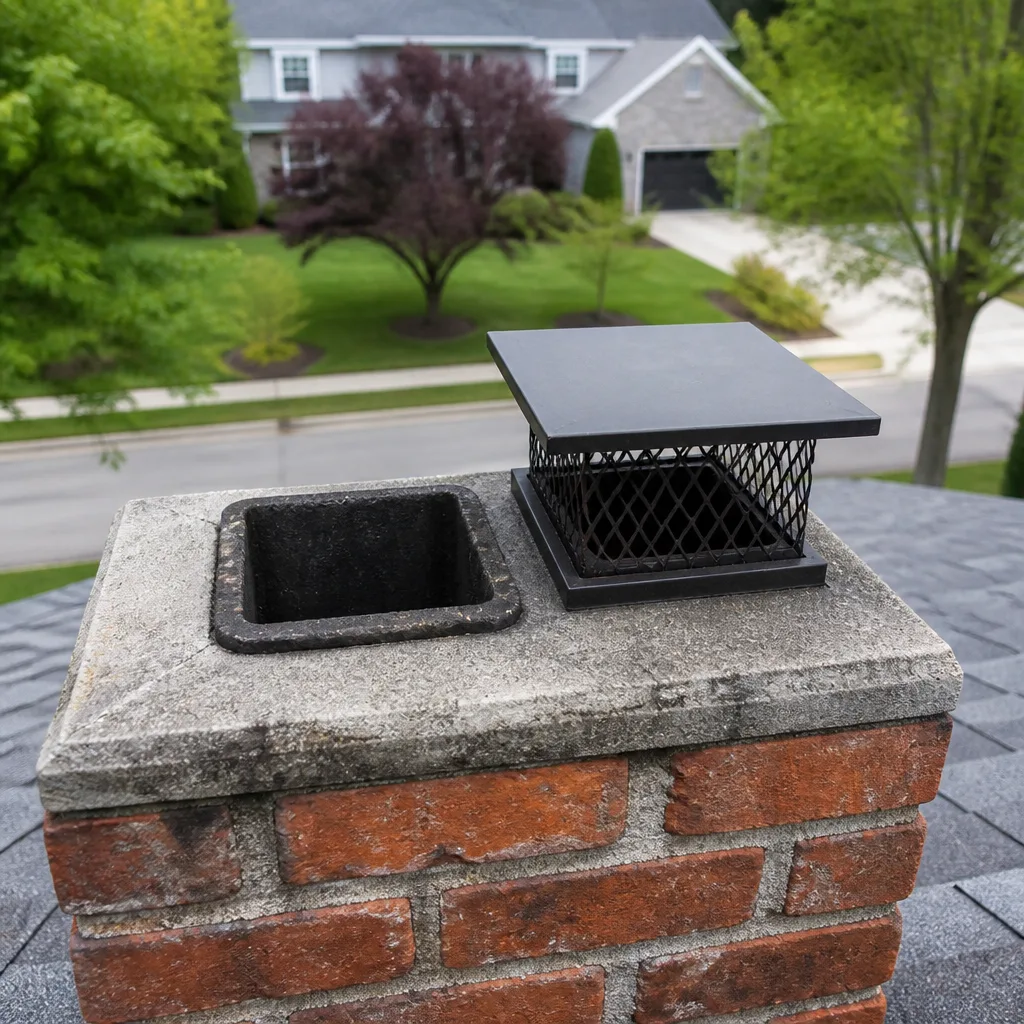
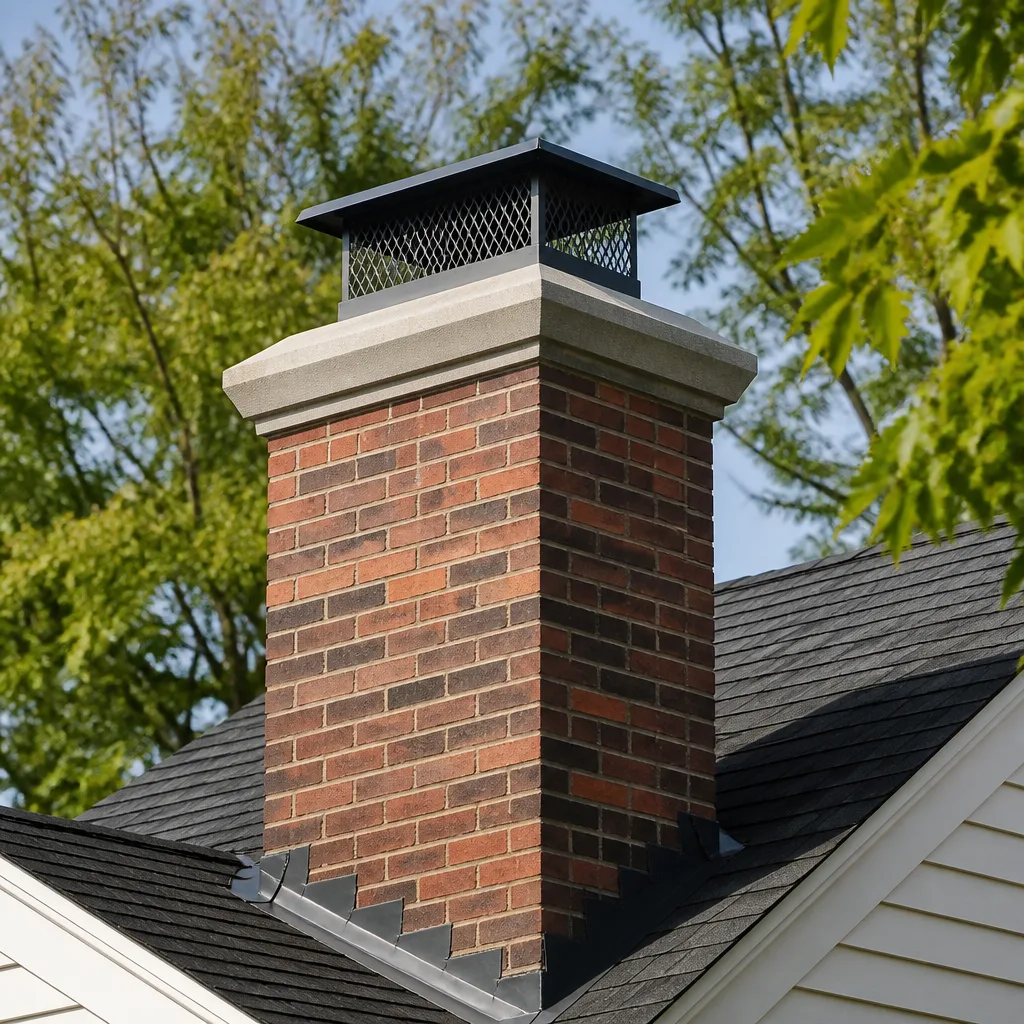
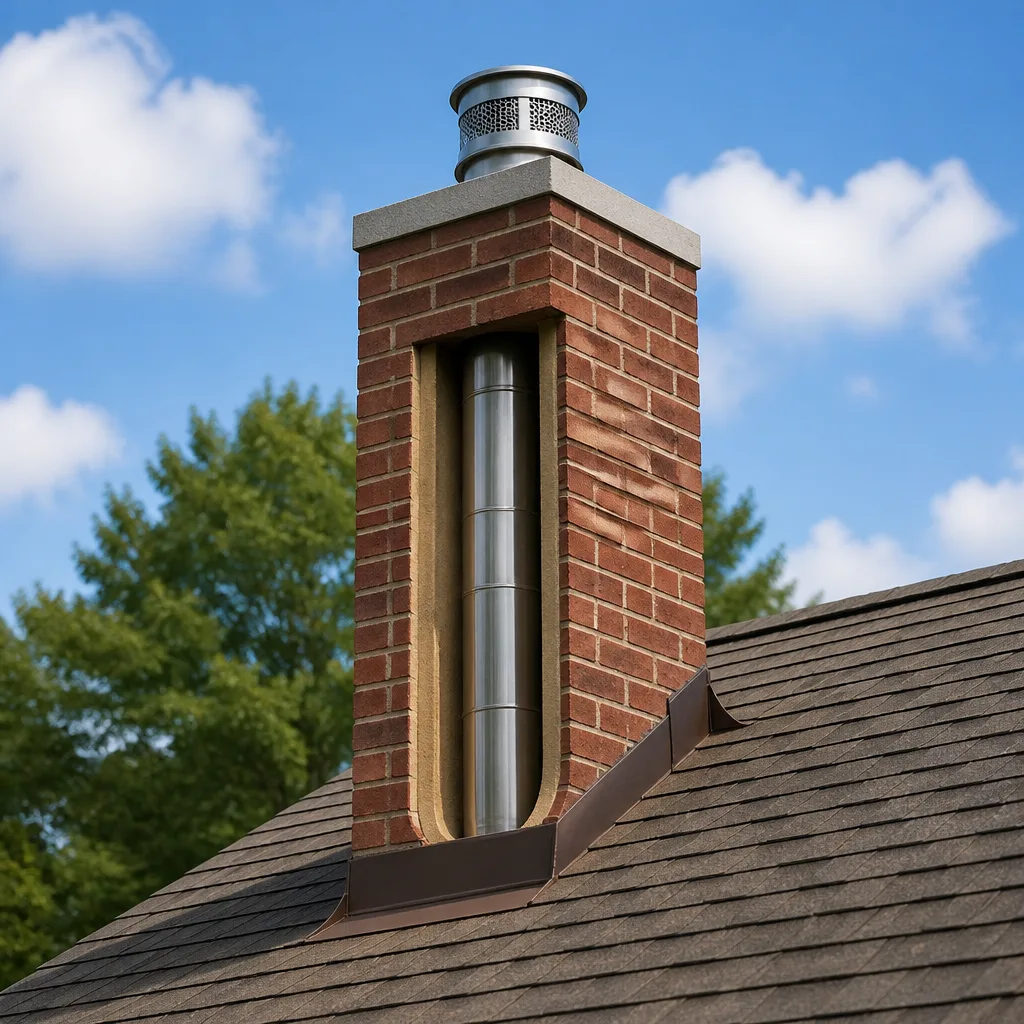
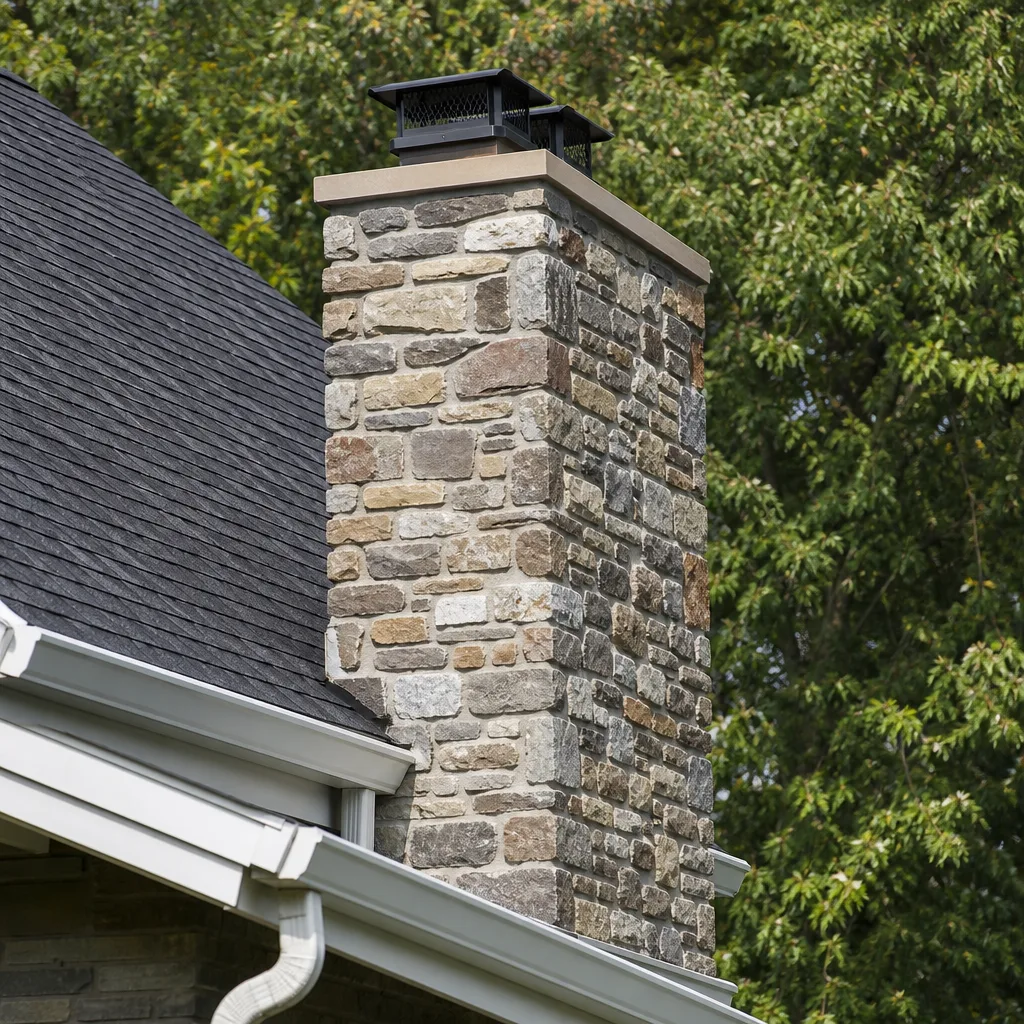
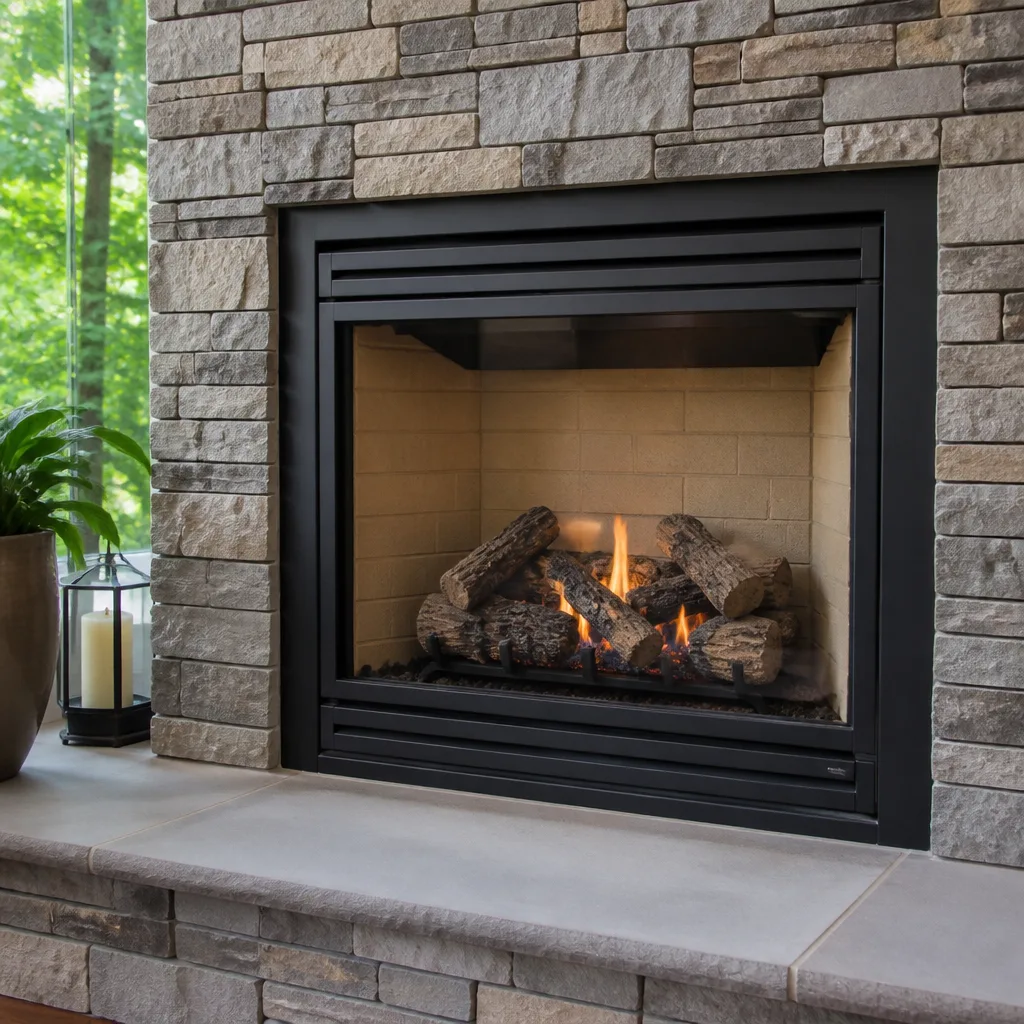
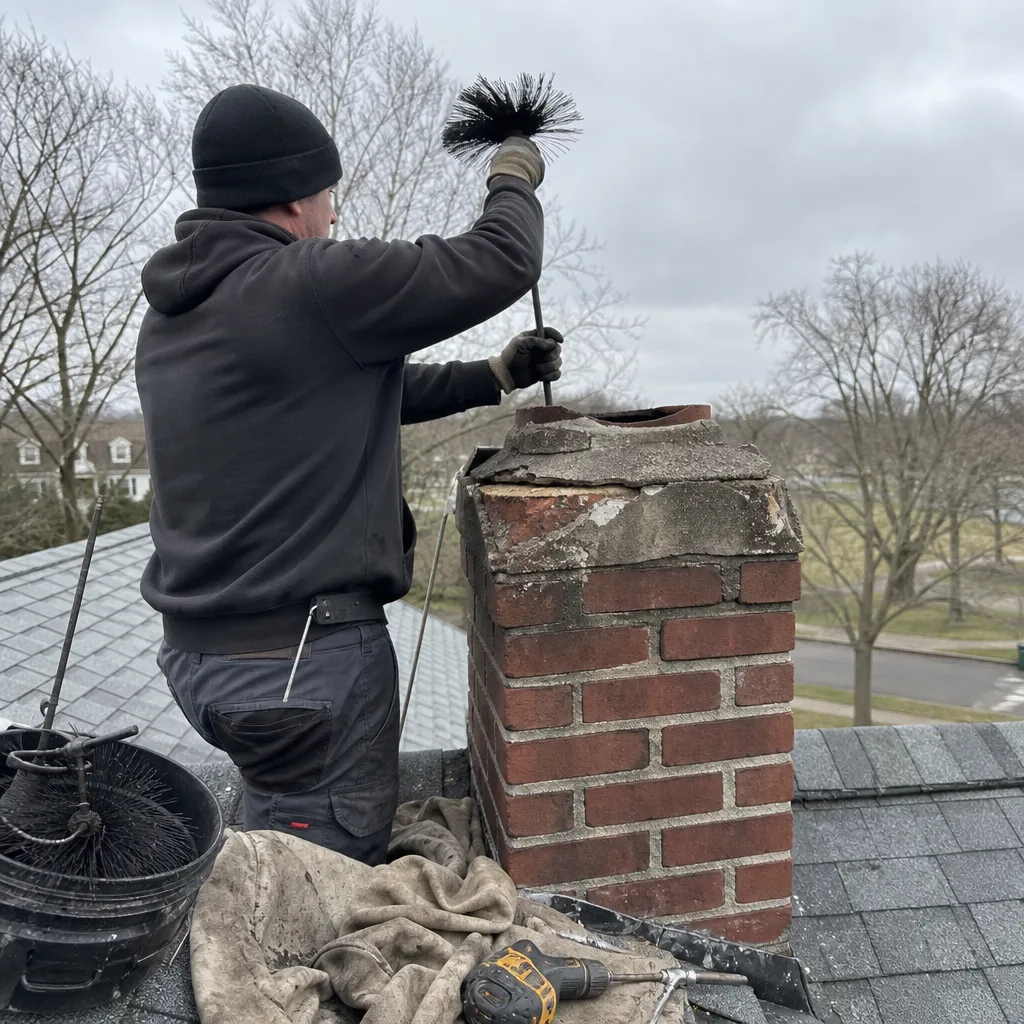 Before
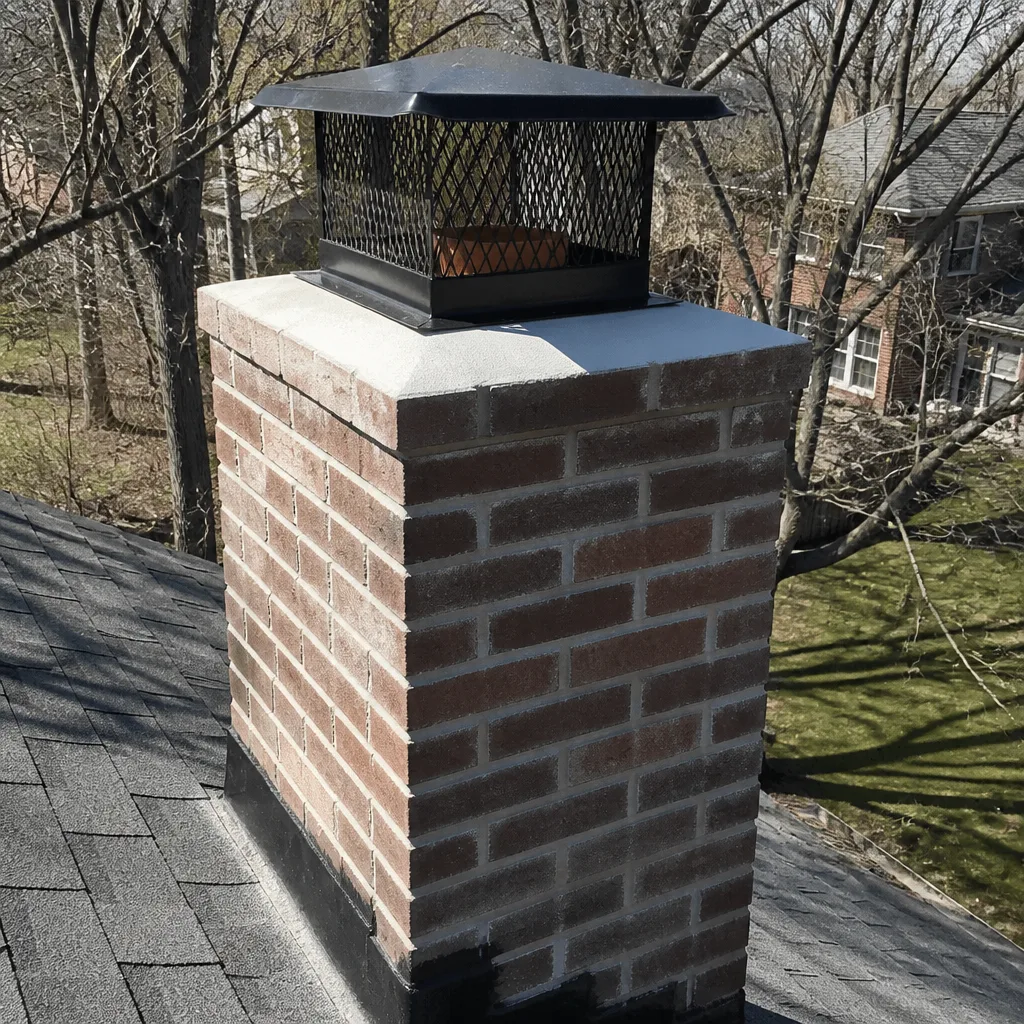 After
After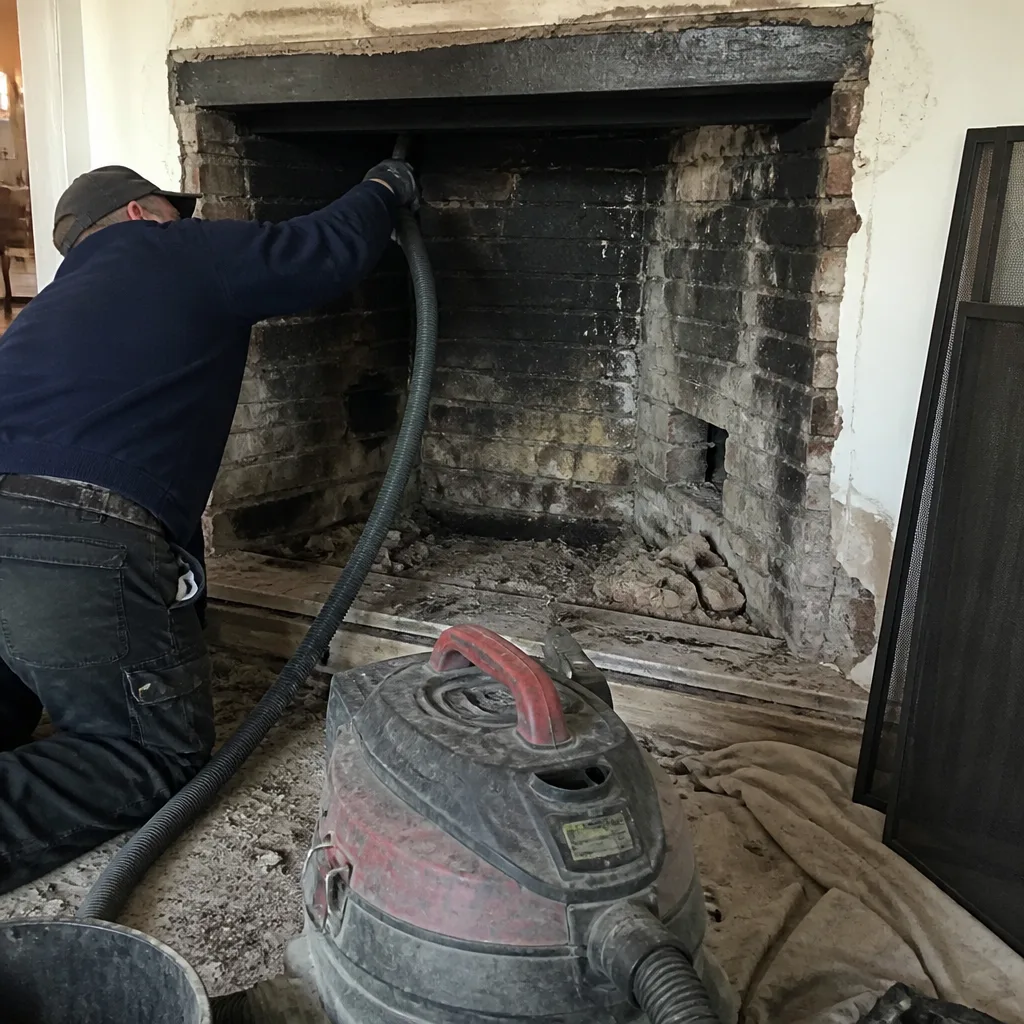 Before
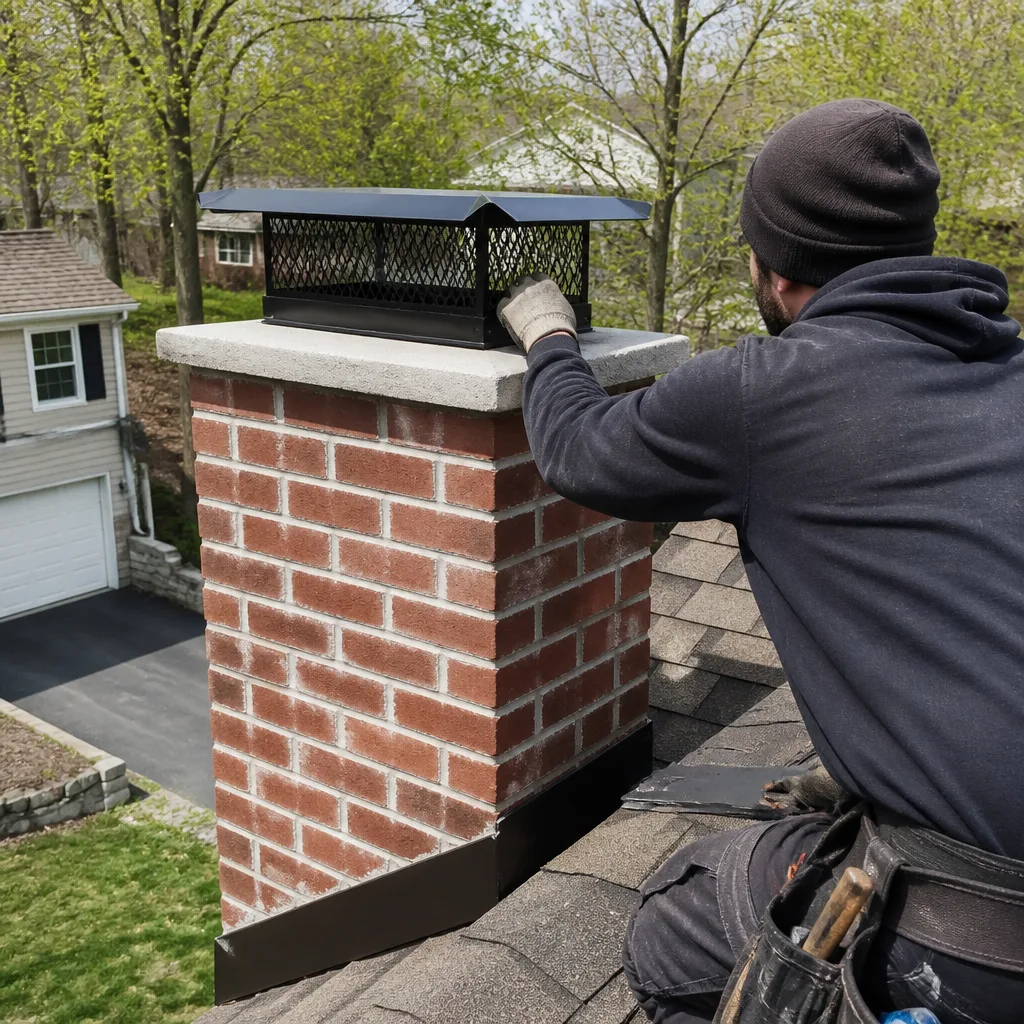 After
After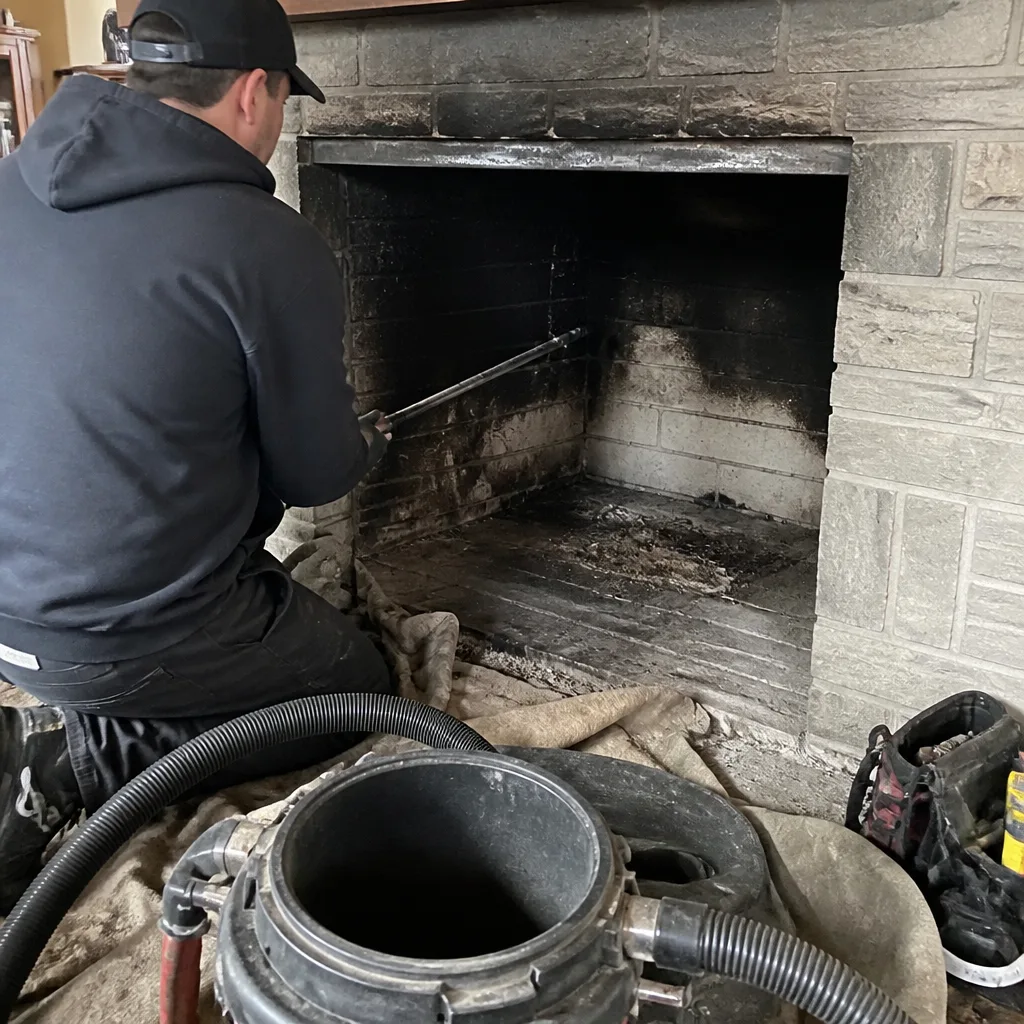 Before
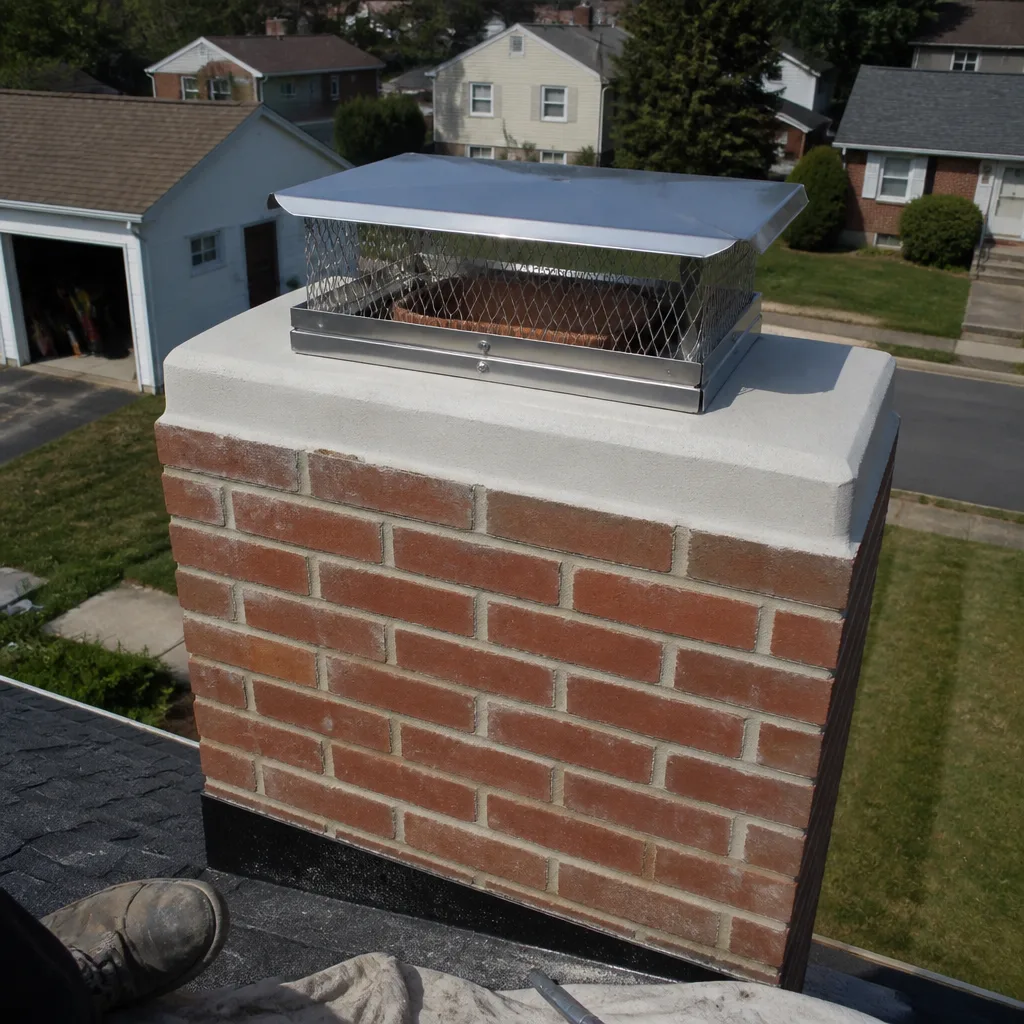 After
AfterSpalling Brick Repair in Reading, PA
Spalling brick repair in Reading, PA typically runs between $300 and $1,800 depending on how many courses are affected and whether the underlying mortar joints need Mortar Repointing at the same time. Most jobs on a single chimney face can be completed in one visit. If you’re seeing brick faces flaking off, chunks on the ground below the chimney, or a white powdery crust on the masonry, the damage is already underway – and it moves faster than most homeowners expect once freeze-thaw cycles get into it.
Wendell Pike has been working chimneys in Berks County since 1999, and spalling brick is one of the most common calls he gets out of the Reading area, especially after a hard winter. The Schuylkill Valley climate – wet springs, hard freezes from November through March, and the occasional ice storm nobody saw coming – is genuinely rough on brick. Water soaks into the face, the temperature drops overnight, and the ice expanding inside the pores simply pops the surface off. Left alone, a cosmetic problem becomes a structural one inside two or three seasons.
If you’ve spotted it, call us at (484) 209-0837. Live answer, any hour. Or read on to understand what you’re actually looking at and what fixing it involves. If you want the full picture of masonry work we handle, start with our Chimney Repair in Reading page, which covers everything from crown cracking to liner failures.
What Is Spalling, Exactly?
Brick is fired clay, and it’s more porous than it looks. A brick that’s doing its job has a hard outer “fireskin” – the dense outer layer created during the kiln process – that sheds water. When that fireskin is compromised, either by age, sandblasting during a renovation, or a sealer that trapped moisture instead of letting it escape, water gets in. Every freeze-thaw cycle after that is a small explosion happening inside the brick itself.
Spalling is what you see on the outside: the face of the brick flakes, pops, or crumbles away. In mild cases it looks like surface pitting. In serious cases whole sections of brick face are gone and you’re looking at the soft interior of the unit. At that point the brick no longer sheds water at all, and the damage accelerates dramatically.
Reading sits in a bowl surrounded by South Mountain and the surrounding ridges, and the humidity and moisture that pool in low-lying neighborhoods like Millmont, Glenside, and the West Reading corridor give brick chimneys less of a break than homeowners sometimes expect. Wendell sees more spalling on the north-facing and east-facing sides of chimneys here than anywhere else in the county – those faces dry slowly and stay damp longest.
When You Need Spalling Brick Repair
- Brick fragments on the ground near the chimney base. This is the most obvious signal. If you’re finding reddish chunks of brick on the roof flashing or in the gutters below the chimney, pieces are actively separating from the stack. Every fragment that falls is a void that now holds water.
- Visible pitting or scaling on the brick face. Run your hand across the chimney on a dry day. If the surface feels rough, flaky, or if small chips come away easily, the fireskin is gone and the interior of the brick is exposed. The window to make a minor repair is closing.
- White efflorescence streaking down the chimney. That white powdery residue is dissolved mineral salts being pushed to the surface by water moving through the masonry. It’s not just cosmetic – it’s evidence that water is actively traveling through the brick.
- Mortar joints that are recessed, crumbling, or dark with moisture. Spalling and mortar deterioration usually travel together. When the joints go soft, water follows them straight into the brick. In older Reading-area homes – particularly the 1920s and 1930s brick colonials common in Wyomissing and the Hampden Boulevard neighborhoods – the original soft lime mortar is often at or past its useful life.
- Interior water stains on the ceiling or firebox walls. Moisture that gets into spalled brick doesn’t always drain outward. Sometimes it works its way into the flue system and shows up as staining inside. If your firebox walls are damp or your living room ceiling near the chimney is spotting, spalling on the exterior stack may be the entry point.
- A chimney inspection report flagging “active masonry deterioration.” If another sweep or a home inspector has flagged this in a report, don’t sit on it. “Active” means it’s getting worse right now.
Our Spalling Brick Repair Process
- Inspection and scope assessment. Before any material touches the chimney, Wendell or one of his crew walks the full stack – from the firebox throat up through the flue to the crown and cap. We’re looking at how many brick units are affected, whether the damage is confined to the face or has gone deeper into the unit, and whether the surrounding mortar joints need attention at the same time. There’s no point patching spalled brick if the joints next to it are already failing; the water will just find the next path in. You’ll have a plain-English report and upfront pricing before any work starts.
- Removing deteriorated material. Spalled brick that’s already separated or is actively flaking gets removed cleanly. We don’t chase the problem by patching over compromised material – that’s a shortcut that creates a bigger job eighteen months later. Any mortar that’s cracked, hollow, or recessed more than a quarter-inch comes out too.
- Repointing and tuckpointing where needed. Fresh mortar is packed into the joints at the correct profile for the application. We match the mortar composition to the age of the chimney. Older chimneys with soft original lime mortar get a lime-based mix, not modern portland cement, which is too hard for historic brick and causes more spalling over time. This is a detail a lot of general contractors miss – and it matters in neighborhoods like Centre Park or the row-house blocks closer to the downtown Reading core where the masonry is over a hundred years old.
- Brick replacement where required. Where a unit is too far gone to hold a repair, we replace it with a matching brick. We source through Olympia Chimney supply when possible, which gives us access to a wide range of face brick that blends well with regional stock. Full replacement of a brick unit is stronger than any patch job when the core is compromised.
- Crown and cap check. Spalling on a chimney stack is often fed by water that enters from the top – a cracked crown or a missing or undersized cap can funnel gallons of rainwater directly into the flue and the surrounding masonry. We always check both while we’re up there, and we’ll tell you honestly if the crown needs attention before we call the job done.
- Water repellent application. On completed repairs, and often on the surrounding sound brick, we apply a vapor-permeable water repellent – the type that lets moisture escape from inside the brick while blocking rain penetration from outside. We do not use film-forming sealers here. Film-formers trap interior moisture and are a leading cause of new spalling on chimneys that were recently “sealed” by someone who meant well. The repellent we use lets brick breathe while reducing new water uptake by a significant margin.
Spalling Brick Repair Pricing in Reading
Spalling brick repair in Reading, PA costs between $300 and $1,800 for most residential chimney jobs. The range is wide because scope varies a lot – a handful of spalled brick faces on one side of the stack is a very different job from a chimney where all four faces have active deterioration across multiple courses. Here’s a general breakdown:
- Minor surface repair (1-5 brick units, face spalling only): $300 – $550
- Moderate repair (6-15 brick units, with repointing of adjacent joints): $550 – $950
- Significant repair (15+ brick units or full face of chimney, possible brick replacement): $950 – $1,800
- Water repellent application (full chimney exterior, after repairs): $150 – $300 added to repair cost
- Crown repair if needed at same visit: $200 – $600 depending on extent of cracking
What moves the number: how many brick units are involved, how deep the damage goes (face only versus full-unit compromise), whether mortar joints need repointing across a wider area, scaffolding or ladder setup for taller chimneys, and whether we find a cracked crown that needs addressing before the repair will hold. Multi-story homes in the Alsace Township and Muhlenberg Township areas, where chimney heights run taller, tend to land toward the higher end of the range simply because of access time.
Every estimate is upfront and in writing before any work begins. The number you hear on the phone is the number on the invoice – no revisions at the door. If you’re comparing us to another written estimate, bring it along: we offer a free second opinion on any competing written quote. And if your repair clears $200, your $40 discount applies automatically – no coupon required. Seniors and veterans always get 10% off the total.
Call (484) 209-0837 for a free estimate. If you’re inside our service county, there’s no trip charge.
Why Reading Brick Takes a Harder Hit Than Most
Berks County sits in a climate band that’s genuinely hard on masonry. Reading gets around 45 inches of precipitation per year, spread fairly evenly, but the problem for chimneys is less the total rainfall and more the freeze-thaw cycle count. Most winters the Reading area will see temperatures swing above and below freezing dozens of times between November and March. Each crossing is one more small expansion event inside any water that has soaked into the brick.
Add to that the age of the housing stock. A large share of Reading’s residential chimneys were built between 1900 and 1960, when construction standards for chimneys were less rigorous than today’s codes require – no cap required, thinner crowns, and original mortar that has been patched and re-patched by various hands over the decades. Wendell sees a lot of chimneys in Oakbrook, the Mount Penn area, and the older neighborhoods along Perkiomen Avenue where the crown is cracked and has been that way for years, quietly funneling water into the brick below every time it rains.
This is part of why we do not approach spalling brick as a cosmetic patch job in our Chimney Repair services. In Reading’s conditions, a repair that doesn’t address the water entry point – whether that’s a cracked crown, missing cap, or failed mortar joints – will be back in your driveway for an estimate inside two winters. We’ve seen it happen with work that other crews left behind.
A Note on Safety and Structural Integrity
Spalling brick that’s confined to the exterior face of a chimney stack is not an immediate fire hazard in most cases. But as the deterioration progresses toward the flue liner and the inner wythe of the chimney wall, it starts to matter for fire safety as well as structure. If you’re actively using the fireplace and the interior masonry is compromised, there’s a real path for heat and combustion gases to reach framing material inside the walls. That’s a conversation worth having with a qualified sweep before the next burning season, not after.
Wendell will tell you straight whether what he’s looking at is a watch-and-wait situation, a repair that should happen before you light another fire, or something in between. He won’t manufacture urgency. But he also won’t minimize something that genuinely needs attention.
FAQs – Spalling Brick Repair in Reading
How much does spalling brick repair cost in Reading, PA?
Most spalling brick repairs on a Reading-area chimney run between $300 and $1,800, with the majority of single-face residential jobs falling in the $450 to $900 range. The biggest variables are how many brick units are involved, whether the mortar joints adjacent to the damage also need repointing, and access – a taller chimney on a two-story colonial takes more setup time. Every estimate from Top Hat Chimney is free and in writing before we touch anything. Call (484) 209-0837 to schedule one.
Can spalling brick be repaired, or does the whole chimney need to be rebuilt?
In most cases, yes – spalling brick can be repaired without a full rebuild. If the damage is limited to the face of the brick units and the structural courses beneath are still sound, targeted brick replacement and repointing will do the job. A full rebuild becomes necessary only when the inner wythe has deteriorated significantly or the stack has structural movement – and that’s relatively rare on chimneys that have been used and maintained. Wendell will tell you which category you’re in before any money changes hands.
What causes spalling brick on chimneys in Reading?
The primary cause is water penetrating the brick face and then freezing. Reading’s climate delivers dozens of freeze-thaw cycles each winter, and each one expands water inside the brick’s pores, eventually popping the surface off. Common entry points are cracked or missing chimney crowns, absent or undersized caps, failed mortar joints, and in some cases sealers that weren’t vapor-permeable and trapped moisture inside the brick. Older homes in Reading – particularly those built before 1960 – are more vulnerable because the original brick and mortar have been working for six or seven decades already.
Is spalling brick a fire hazard?
It depends on how far the deterioration has progressed. Surface spalling on the exterior face of the chimney doesn’t immediately threaten your flue. But if the damage has reached the inner courses of the chimney wall, or if you’re seeing spalling on bricks inside the firebox itself, that’s a different situation – compromised interior masonry can allow heat and combustion gases to reach adjacent framing. If you’re uncertain, stop using the fireplace until someone with a camera has looked at the flue liner and the firebox walls. Continuing to burn with a structurally compromised chimney is one of those situations where the cost of not checking is much higher than the cost of the inspection.
Top Hat Chimney in Reading: The Short Version
Wendell Pike started Top Hat Chimney in 1999. That’s over 29 years of working Berks County chimneys, which means he’s fixed a fair number of the same chimneys twice – once himself and once after someone else’s work didn’t hold. He knows the housing stock here, the climate, and what lasts. Every job comes with the 90-Day Done Right Promise: if the repair isn’t right, one call brings the crew back at no added cost, and that’s in writing on every invoice.
The phone at Top Hat gets answered by a real person around the clock – quite possibly Wendell himself if you’re calling after hours. No voicemail, no answering service that takes a message and hopes for the best. If you’ve got a question about what you’re seeing on your chimney, call and ask. It costs nothing, and the answer you get will be straight.
We handle the full range of home chimney services in Reading – cleaning, inspection, liner work, cap and crown repair, and the full scope of masonry work including what you’ve been reading about here. If you found us because you’re looking at a chimney with flaking brick faces and you’re not sure how serious it is, that’s exactly the right time to call, before another winter gets at it.
Reach us at (484) 209-0837 for a free estimate. If you want to understand how spalling fits into the bigger picture of chimney masonry, our Chimney Repair in Reading page covers the full range of what we do.
Written by Wendell Pike, Owner at Top Hat Chimney, serving Reading.