
Level 1 sweep and inspection to the NFPA 211 annual standard - flue, crown, cap, and flashing checked and photographed
Chimney sweep logs do not sweep chimneys. They loosen some creosote - which then falls where a brush and vacuum still have to collect it.
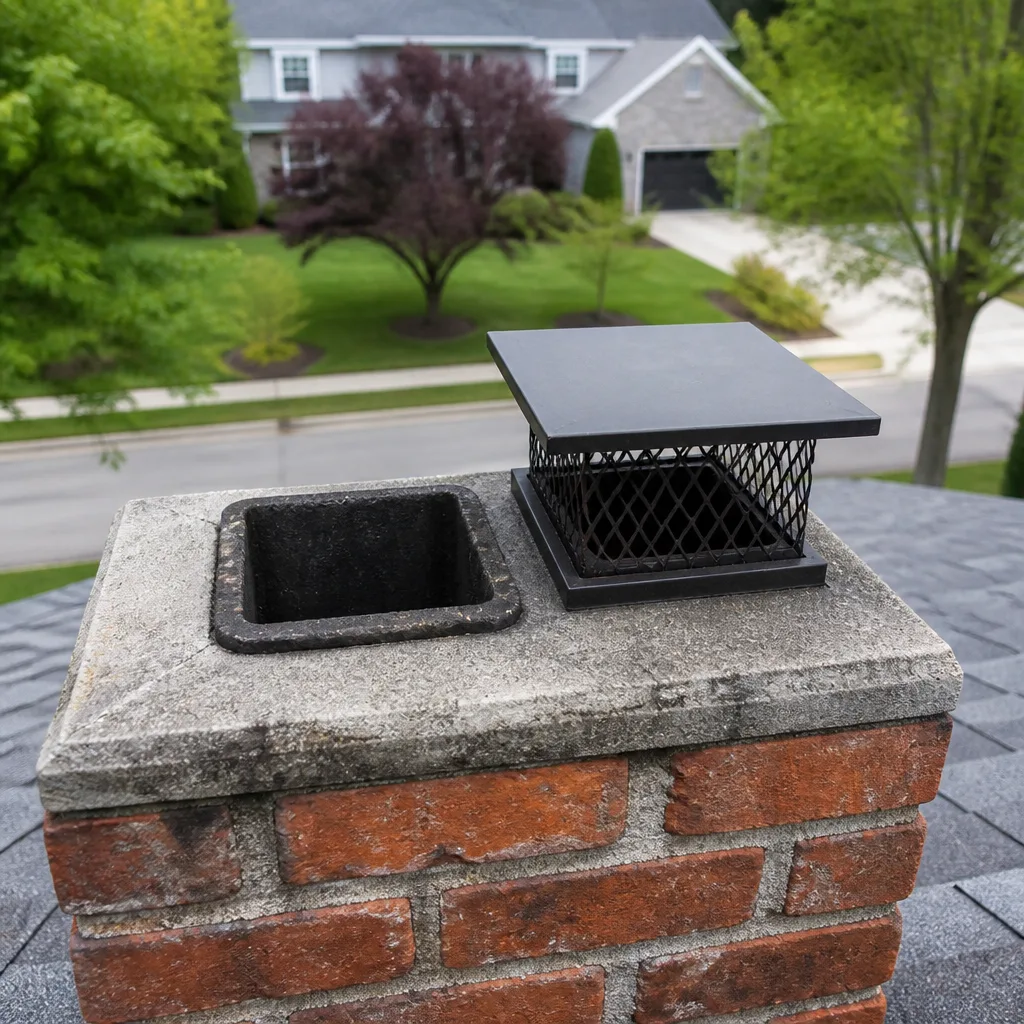
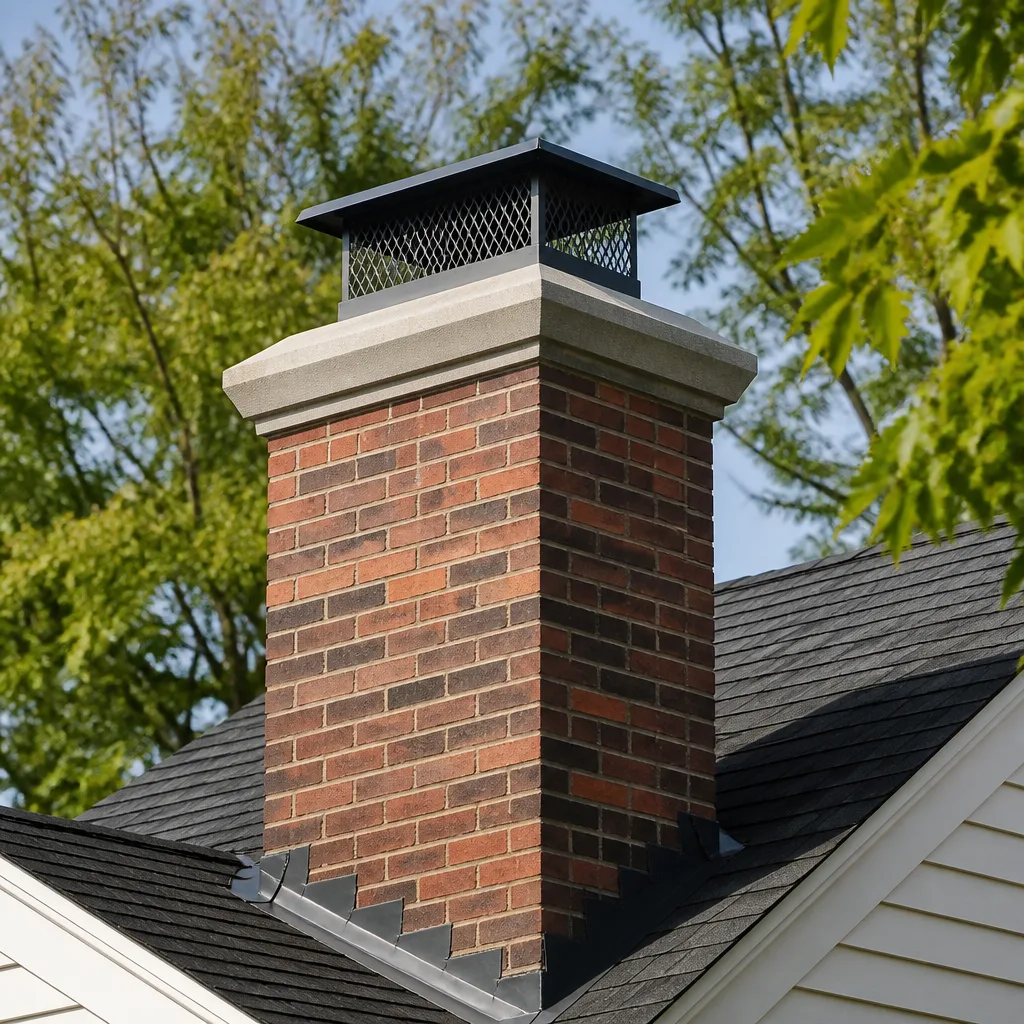
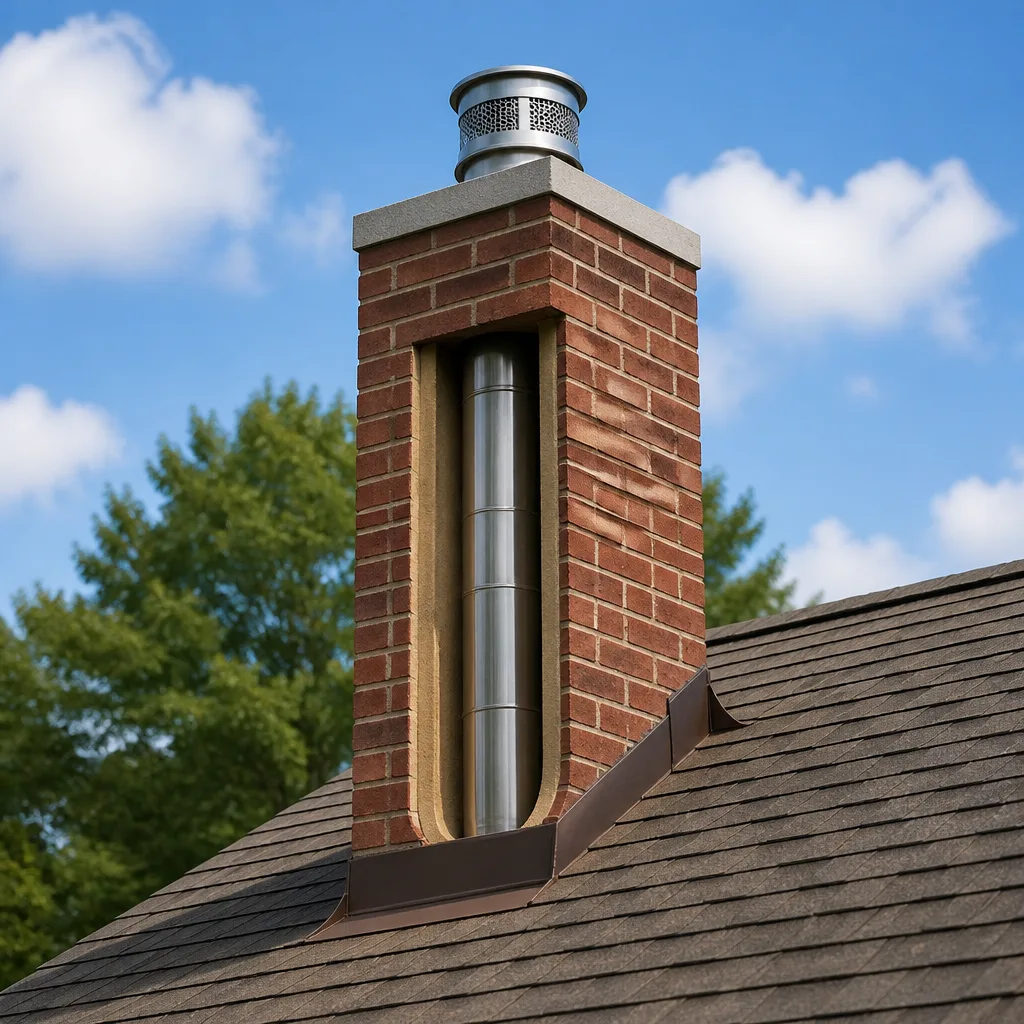
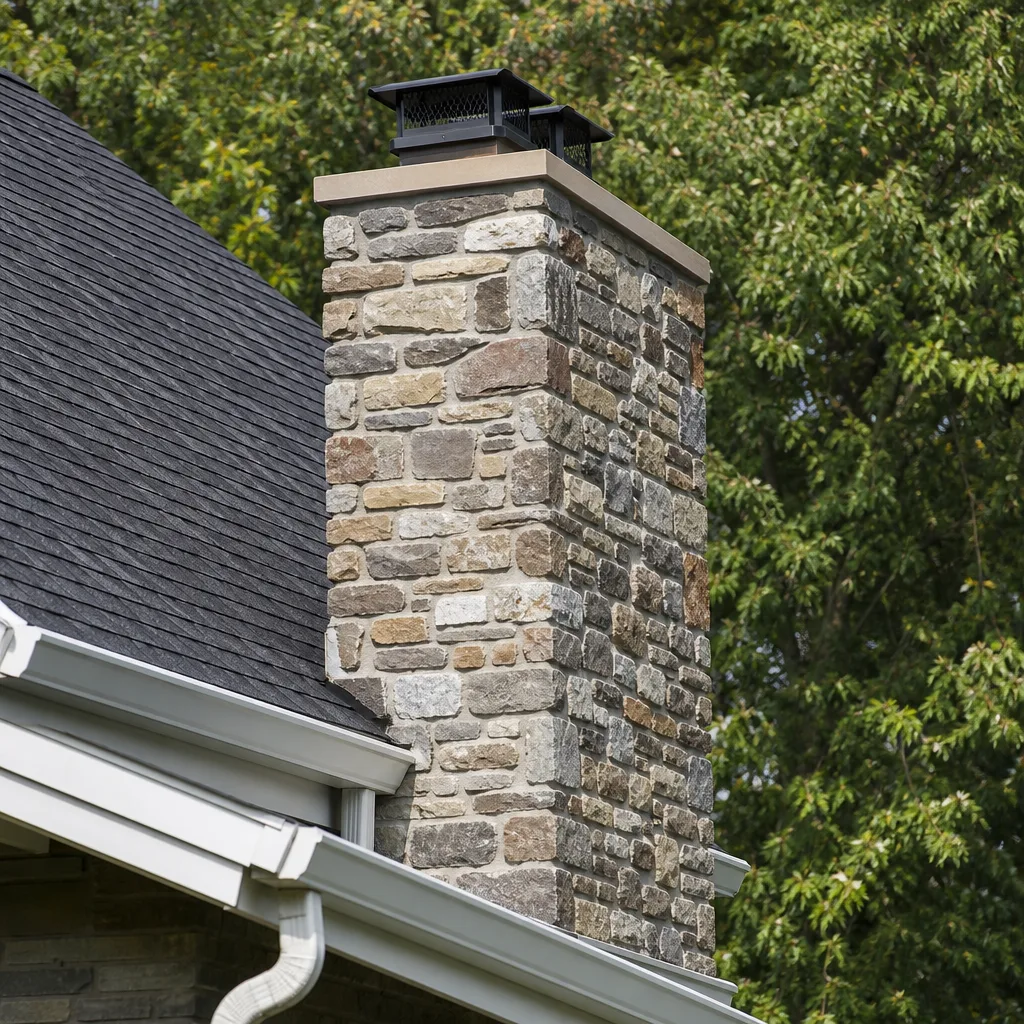
 Before
 After
After Before
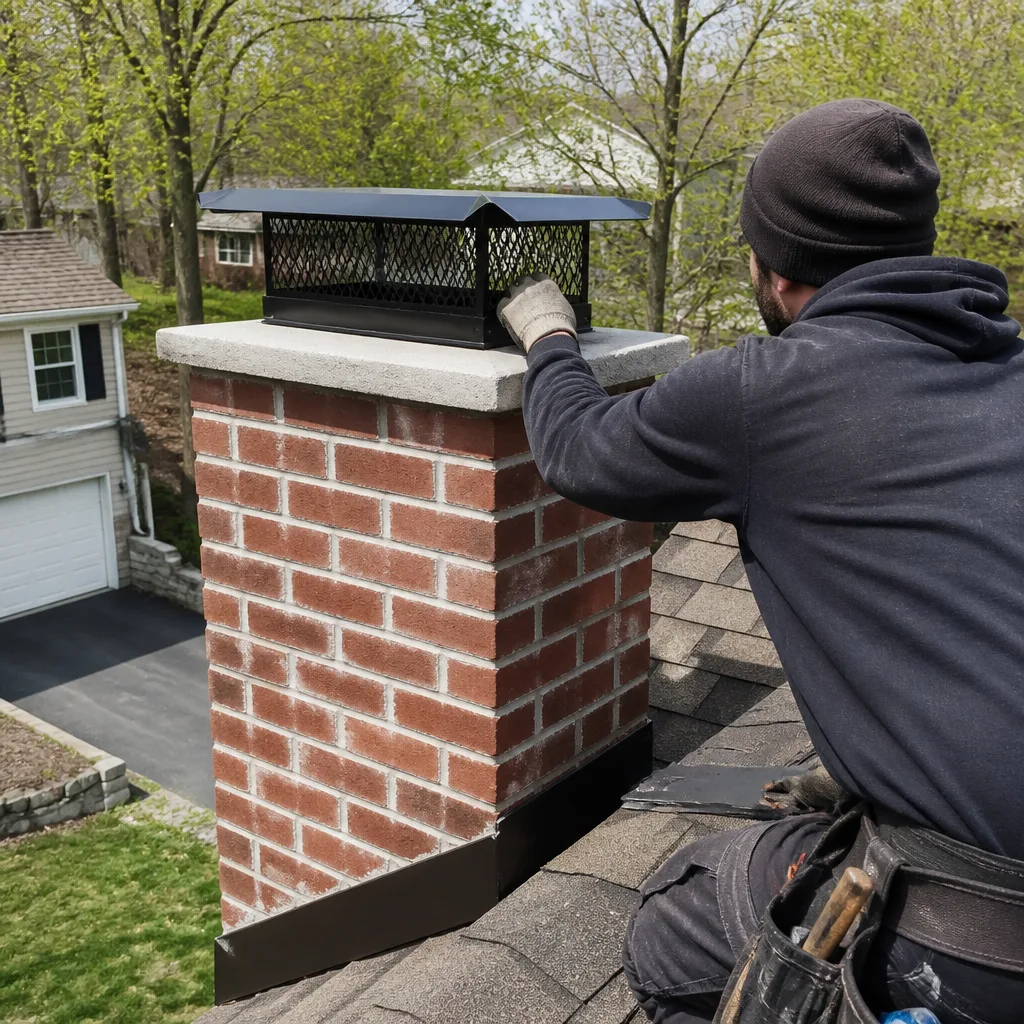 After
After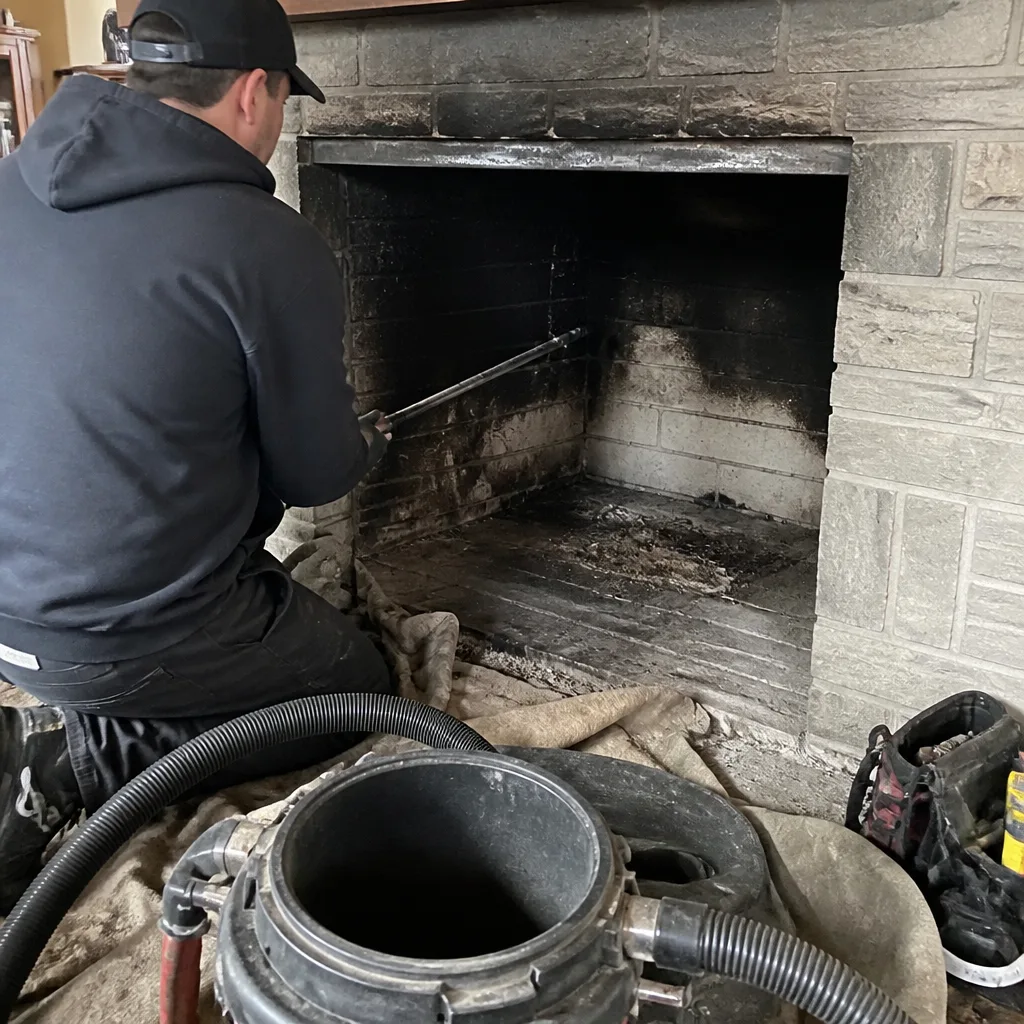 Before
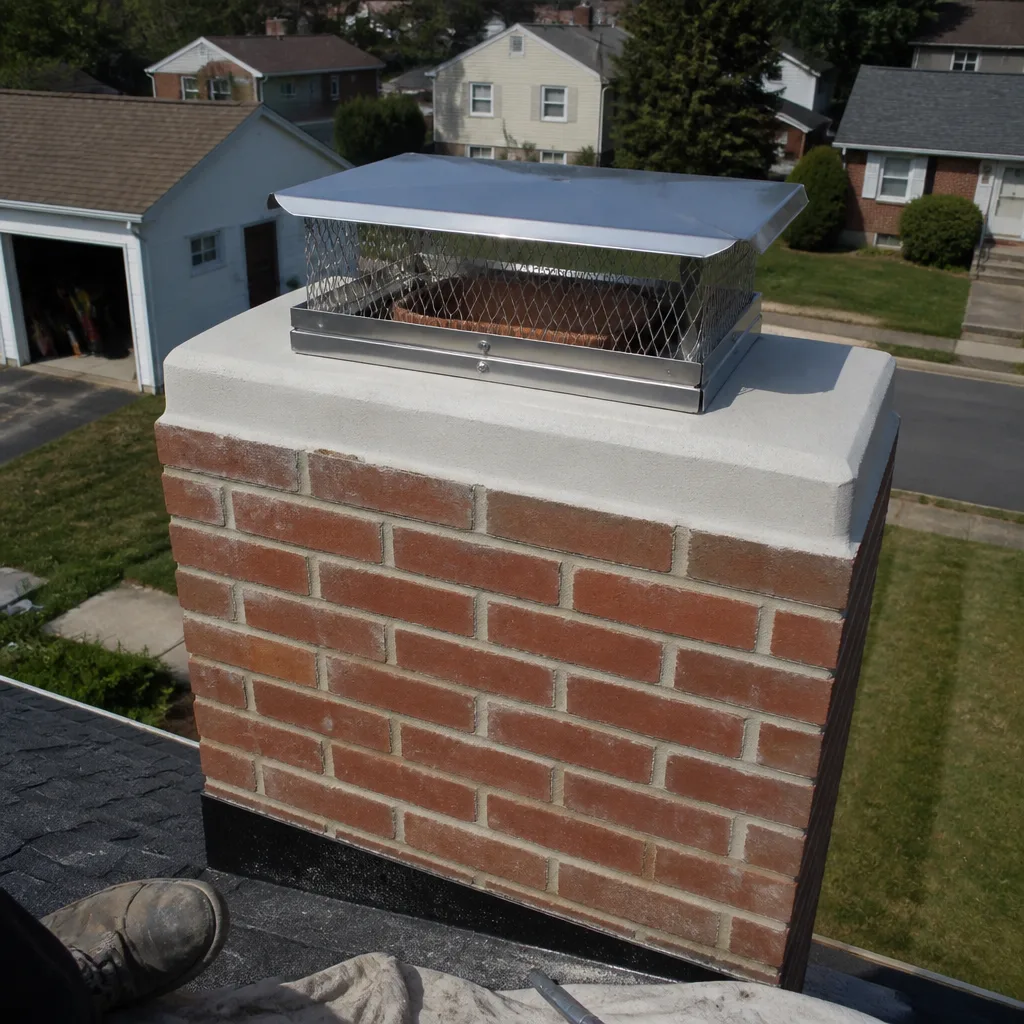 After
AfterCopperfield Damper Repair: The Reading Owner’s Guide
Copperfield damper repair in Reading typically runs $185 to $420 installed, depending on whether we’re rebuilding the existing frame or replacing the damper plate assembly outright. Most Copperfield dampers we see are top-sealing models, and the good news is we stock the common replacement parts on the truck, so the job usually gets done in one visit. The way most Reading homeowners find out their damper has failed is simple: a draft that won’t quit, even with the damper lever pushed all the way shut. Or they look up one evening and see daylight where there shouldn’t be any.
Here’s the thing about Copperfield dampers that doesn’t show up in a brochure: the cable-and-pulley mechanism on their top-sealing units is the first thing to go, and it almost always fails the same way. The cable stretches with heat cycles, the pulley gets gritty with soot, and one day you pull the lever and nothing happens. It’s not dramatic. It’s just done. Wendell Pike has pulled enough of these apart in Berks County chimneys to know exactly what he’s walking into before he’s even on the roof.
Which Copperfield Models This Applies To
Copperfield has made two damper lines that show up consistently in Reading homes: the original throat-mount cast iron dampers and the newer top-sealing cable-operated units, which most people just call “Copperfield top seals.” They don’t share parts. The throat mount uses a simple pivot rod and cast plate; the top seal uses a spring-loaded plate, a stainless cable, and a control lever or handle assembly mounted at the firebox. If you’re not sure which one you have, look for a cable running up the flue or a lever that pulls rather than pivots. That’s your tell.
Here’s a compatibility gotcha worth knowing: Copperfield changed their cable termination fitting around 2011. The older top-seal dampers use a barrel-style collar where the cable meets the plate. The newer ones use a swaged bead fitting. They are not interchangeable, and if someone tries to make the wrong one work by clamping or crimping, you’ll be back in the same spot inside two seasons. We carry both styles and match them on the roof so you’re not paying for a part that fights the frame.
On the OEM question: for the plate and frame itself, Copperfield’s castings are worth the money. For the cable and pulley hardware, we’ve had better long-term results with the aftermarket stainless kits made for Pennsylvania’s wet winters and coal-region soot. We’ll tell you which one applies to your chimney and why, and we won’t mark up a part just because it came in a branded bag.
One note so we’re all straight: Top Hat Chimney is an independent shop. We install and service Copperfield dampers every season, but we’re not a Copperfield dealer and we don’t speak for the company. We just know the parts well enough to tell you when they’re worth fixing.
Signs Your Copperfield Damper Repair Is Failing
- The lever moves but the plate doesn’t. This is a snapped or slipped cable, usually right at the pulley. The cable’s still attached at the handle, which is why it feels like it’s doing something, but up top nothing’s actually moving.
- A cold draft comes down the chimney even with the damper closed. The plate has warped from years of direct heat or the gasket has flattened out. Top-seal dampers depend on a clean seat to seal; once that edge gets pitted or rusted, air finds its way through no matter how hard you crank the lever.
- Water stains inside the firebox after a storm. If the damper plate isn’t seating fully, rain runs past it and straight down the flue. In Reading, with our freeze-thaw cycles from November through March, a leaking top seal will also freeze the cable inside the flue, which makes the next open-and-close cycle worse.
- The cable feels gritty or binds partway through the pull. Soot and creosote have worked into the conduit. Over time, that abrasion wears the cable strands until they snap, usually on a cold night when you actually need the damper open for a fire.
- You hear a small rattle at the top of the chimney when the wind picks up. That’s the plate bouncing in its frame because the tension spring has lost its hold. It’s more than an annoyance; every bounce works the mounting hardware looser.
Replacement Cost & What’s Included
In Reading, a Copperfield damper repair lands between $185 and $420 installed. A cable-and-pulley replacement with hardware runs the lower end. Replacing the full plate assembly with a new top-sealing unit pushes toward the higher end, and adding a new mounting frame or repairing spalled brick at the flue top adds from there. You’ll know the number before any work starts. That’s how we’ve done it since 1999, and we don’t change it at the door.
Every damper repair includes the part, the labor, cleaning the seat and plate surface so the new seal actually holds, and a quick camera check down the flue while we’re set up. The work is covered by our 90-Day Done Right Promise in writing. If the damper doesn’t operate smooth and seal tight, one call gets Wendell back to make it right, no charge. And for this job, bring in any written estimate from another Reading chimney company and we’ll give you a free second opinion on it, even if you don’t hire us.
DIY or Call Us?
The honest split is this: you can check whether your damper is actually moving by pulling the lever while a second person watches the plate from outside, and you can feel for cable resistance that tells you something’s bound or snapped. Those observations help us quote the job accurately over the phone. But actually replacing the cable, spring, or plate means working at the flue top, which for most Reading homes means a roof pitch you don’t want to wrestle, plus a damper under spring tension. If you release that tension the wrong way, you’ll know it fast. This is one of those parts where the repair looks simple on paper and isn’t, so we’d rather have you on the ground while we handle the ladder work. Call us at (484) 209-0837 and we’ll get you a straight answer and a real price before anyone climbs up.
FAQs
A top-sealing Copperfield damper in Berks County generally gives you 8 to 14 years before the cable or spring needs work, and the plate itself can go twice that if the flue is capped and the chimney is swept every year. Pennsylvania weather is rough on the exposed hardware; the freeze-thaw cycle is what kills the seat and gasket more than fire heat. Call (484) 209-0837 and we can tell you in one visit exactly where yours stands.
Yes, if the plate and frame are still sound, the cable, pulley, and hardware can be replaced on their own and the damper will work like it should. If the plate is warped or the frame is rusted through, no repair will hold a seal, and we’ll show you that on camera before recommending replacement. The camera footage comes with a plain-English verdict, every time, no exceptions.
Most Copperfield damper repairs in Reading are done in about an hour to an hour and a half once the crew is on-site, including cleaning the seat and testing the full open-close cycle twice. If we find brick damage at the flue top, that adds time and we’ll tell you before we start the extra work. You’ll get a real arrival window and a call if anything slips.
We stock the common Copperfield cables, pulleys, springs, and replacement plates for both the throat-mount and top-sealing lines, along with the aftermarket stainless hardware we’ve had better luck with in PA winters. If you have an odd-sized top plate, we can order it and have it in within a couple of days. We also keep parts for DuraFlex, HeatShield, and Gelco systems, so if your damper issue turns out to be part of a bigger liner problem, we’ve already got what we need in the truck. Call (484) 209-0837 for free estimate.
If your Copperfield damper doesn’t need doing, we’ll be the first ones to tell you. Otherwise, we’ll fix it so it seals like it should.
Written by Wendell Pike, Owner, Top Hat Chimney at Top Hat Chimney, serving Reading and nearby areas.