
Level 1 sweep and inspection to the NFPA 211 annual standard - flue, crown, cap, and flashing checked and photographed
Chimney sweep logs do not sweep chimneys. They loosen some creosote - which then falls where a brush and vacuum still have to collect it.
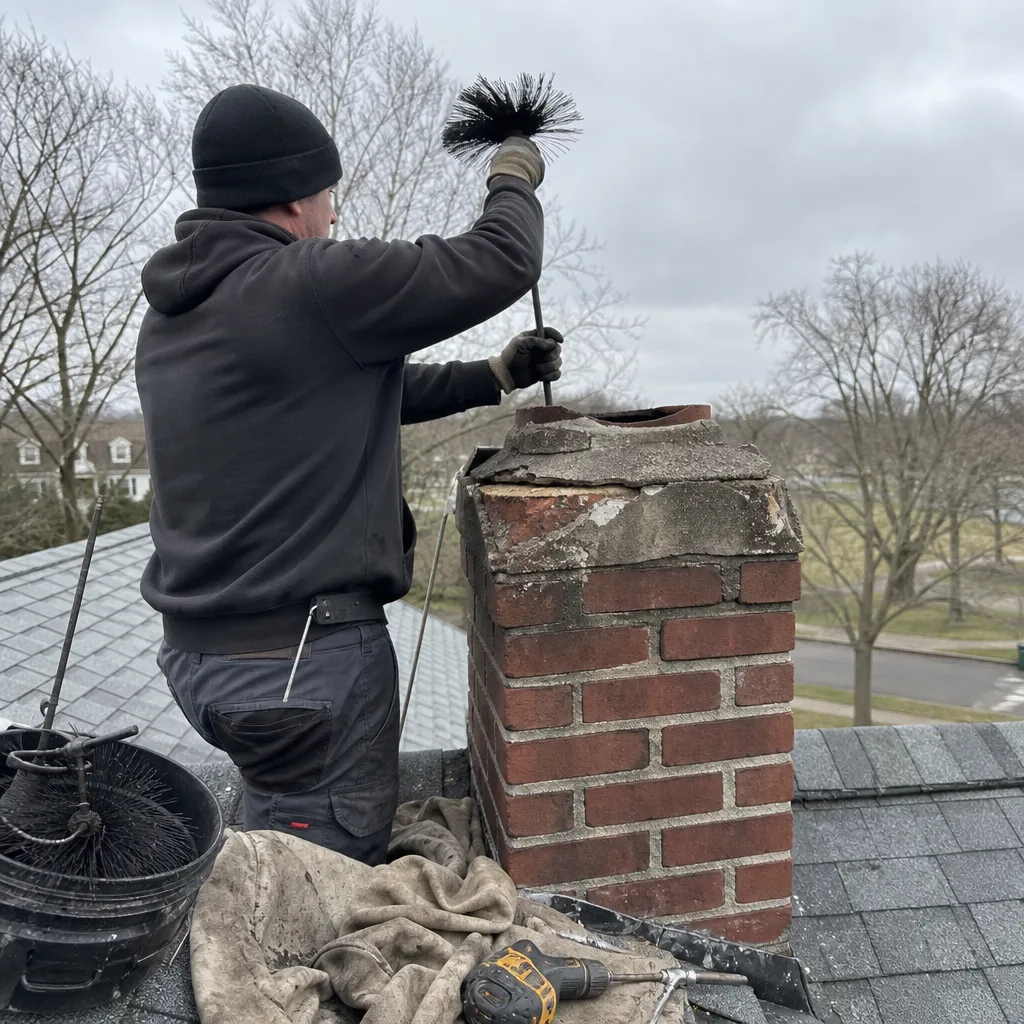 Before
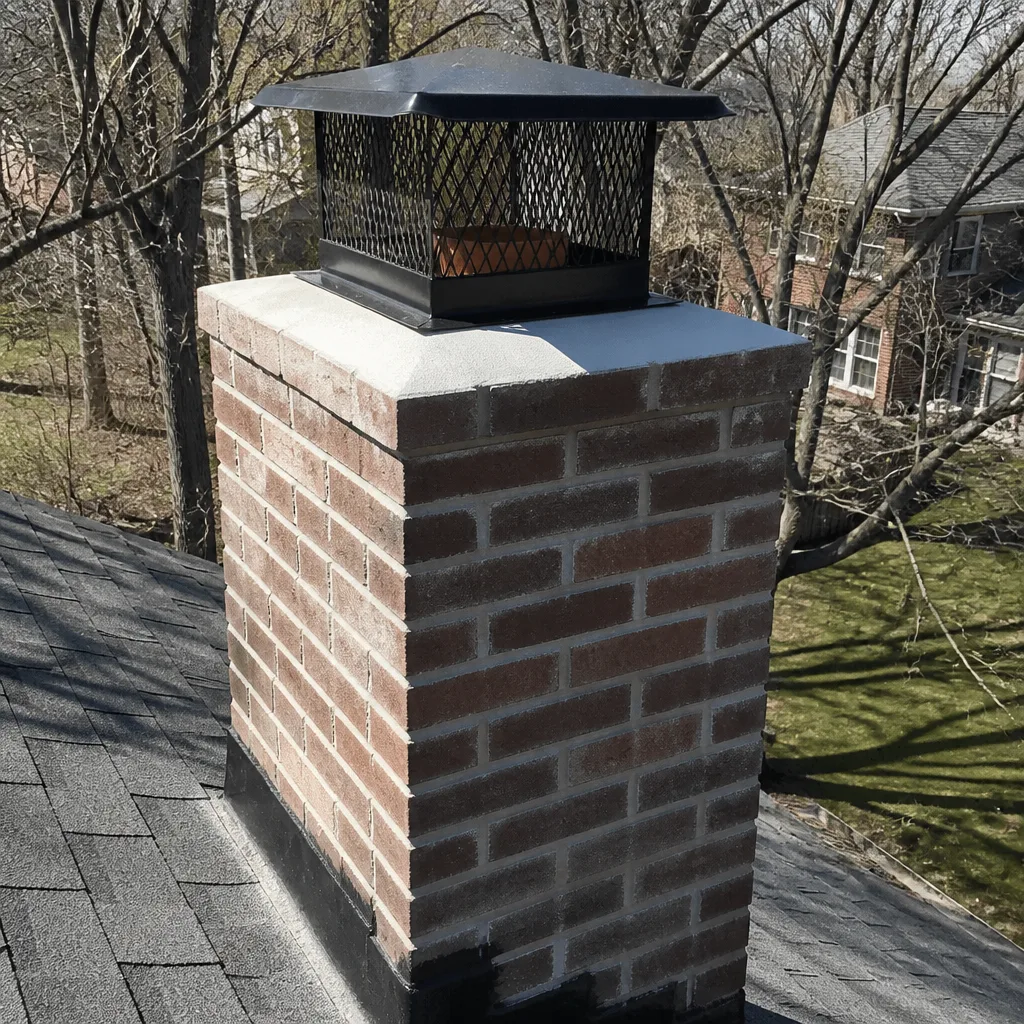 After
After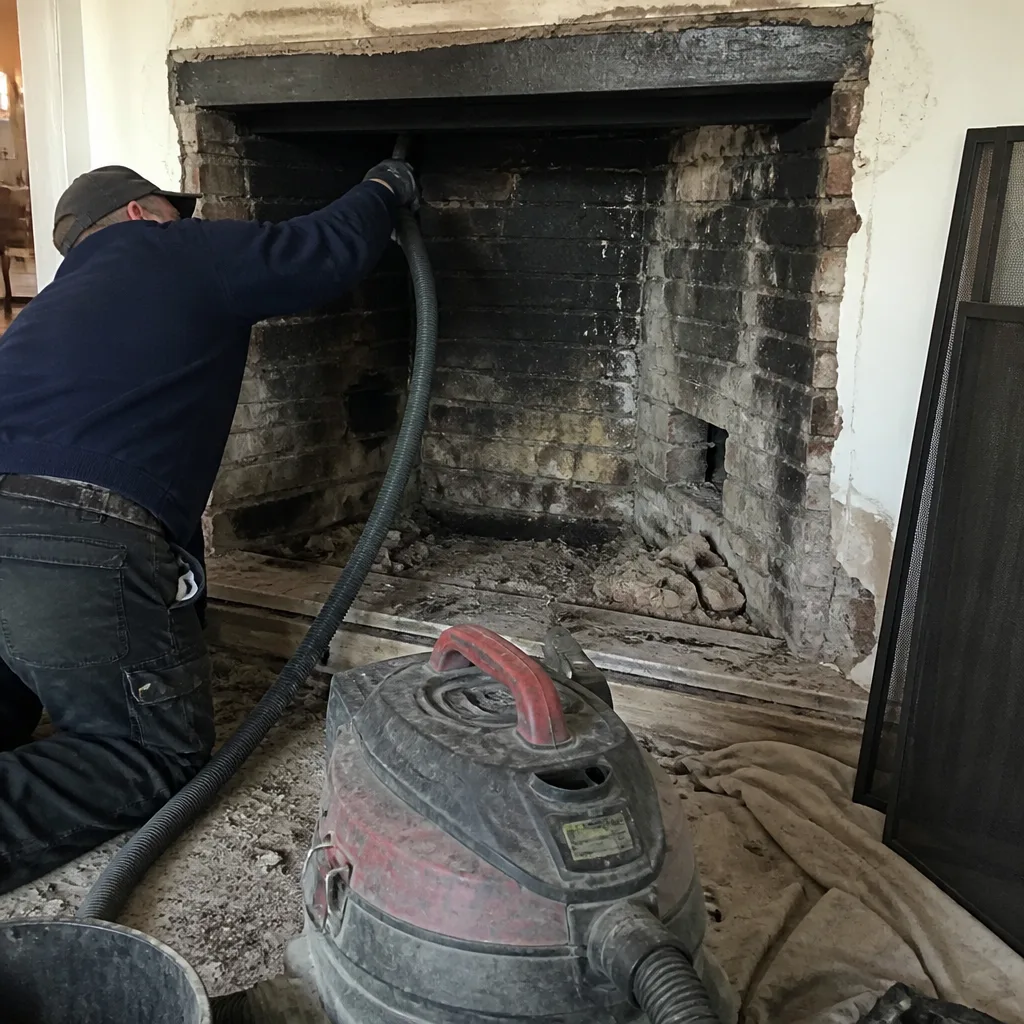 Before
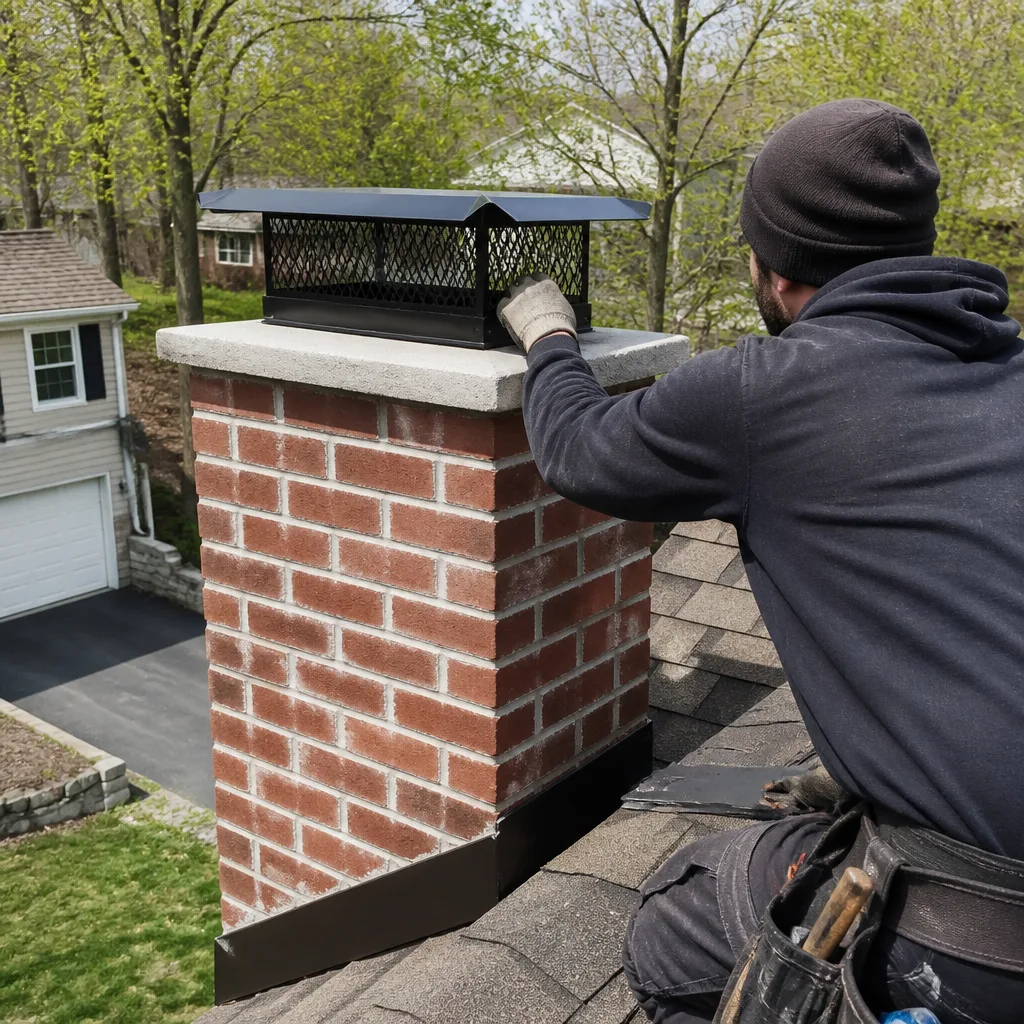 After
After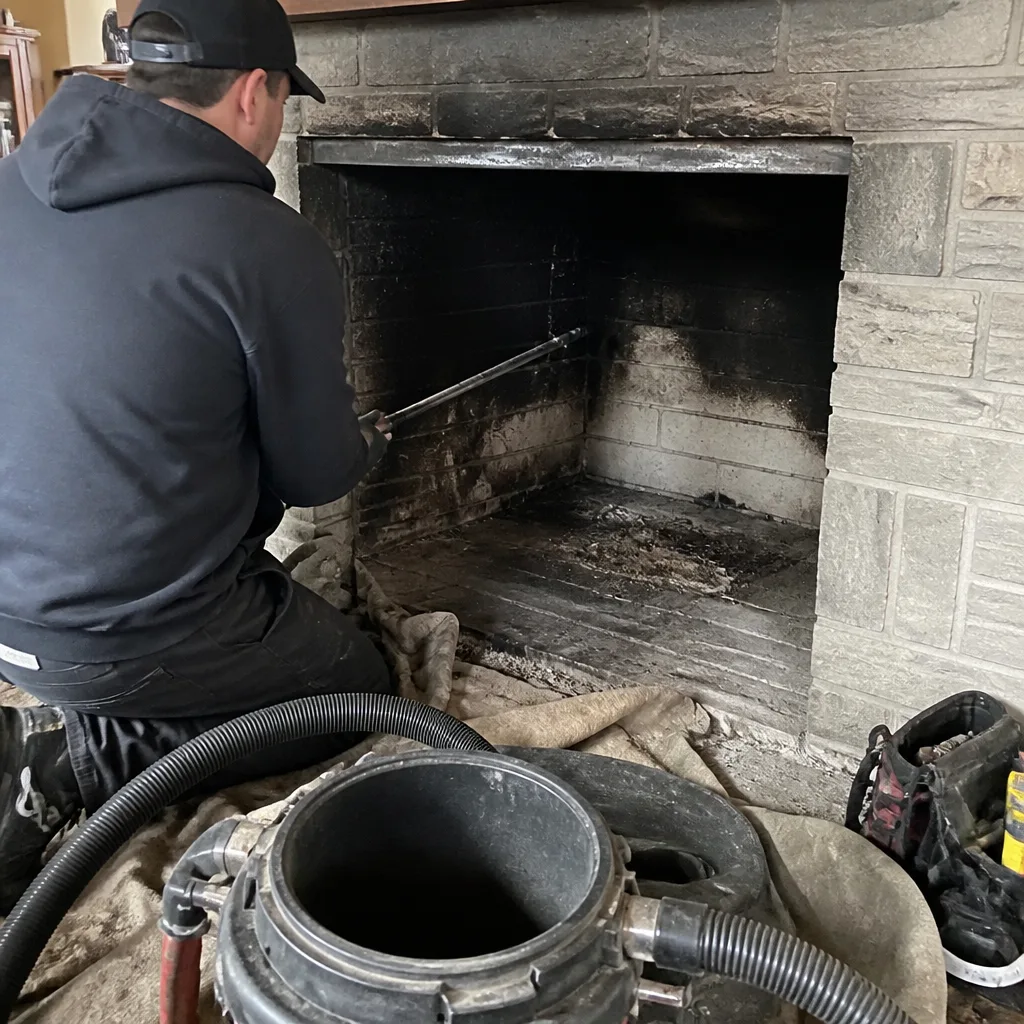 Before
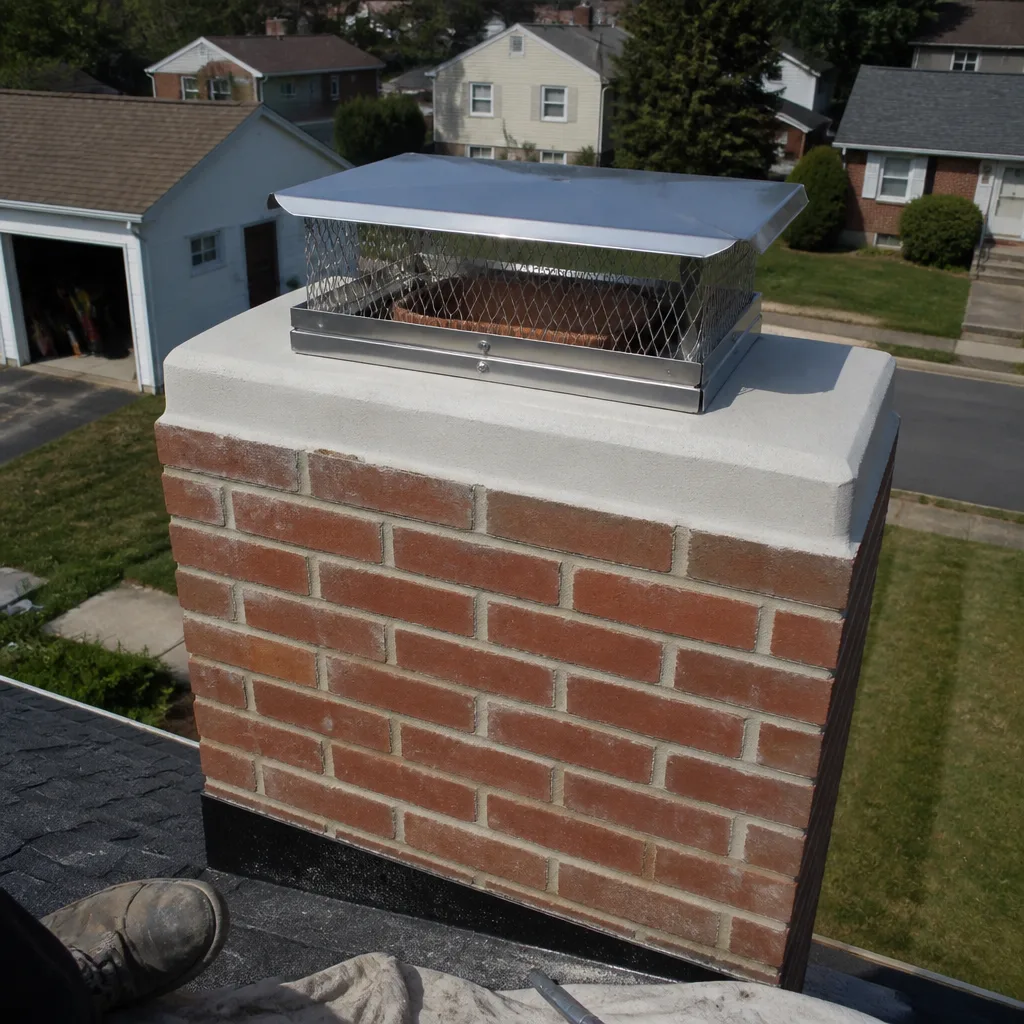 After
AfterCopperfield Flue Liner Replacement: The Reading Owner’s Guide
If your Copperfield chimney liner has failed, we stock Copperfield-compatible flue liners on the truck and can typically complete a replacement in Reading for $1,850 to $3,400 installed, depending on liner length, diameter, and chimney access. Most Copperfield replacements we do are finished in a single day. Owners usually discover the problem one of two ways: a chimney sweep flags it on camera during a routine cleaning, or they notice flaking metal, rust staining, or a faint smoky smell in the house even when the damper is closed.
Here’s the honest truth Wendell tells folks in Reading every week: a failed Copperfield liner isn’t always an emergency, but it’s never something to ignore. The liner is the only thing standing between hot flue gases and the wood framing around your chimney chase. Once it’s compromised, you’re on borrowed time.
Which Copperfield Models This Applies To
Copperfield has made liners for their wood stoves, fireplaces, and inserts across a few different product generations, and the replacement approach depends on which one you have. Most Copperfield units we see in Reading homes use either a 6-inch or 8-inch diameter stainless steel liner, though a handful of older fireplace models run 5.5-inch flex. Before we quote anything, we confirm the diameter from the appliance collar or the existing liner’s data tag. Guessing here is how you end up with a liner that doesn’t seat properly at the stove connection.
There’s an OEM-versus-aftermarket decision for Copperfield specifically. Copperfield-branded replacement liners do exist, but they’re not always faster to source than a quality equivalent from a brand we trust, like DuraFlex or Olympia. For most Copperfield units, the liner is a standard 316L stainless flex component, not a proprietary oddity. We’ll tell you plainly if the Copperfield-branded part is worth the wait or if an equivalent gets you back to burning sooner at a better price. Top Hat Chimney is an independent service provider, not affiliated with Copperfield, so our only loyalty is to what works.
One compatibility gotcha we run into regularly in Reading: some Copperfield inserts made after about 2010 use a slightly oversized liner connection that takes a 6-inch liner with a flared adapter, not a straight 6-inch flex. If someone sells you straight flex without the adapter, it’ll leak at the joint. We keep those adapters on the truck. It’s a ten-dollar part that saves a two-hour callback.
Signs Your Copperfield Flue Liner Replacement Is Failing
- Flaking metal or rust particles in the firebox. When stainless liner walls start to pit and corrode, tiny flakes drop down into the firebox or collect on the smoke shelf. In Pennsylvania’s freeze-thaw winters, condensation inside the flue accelerates this corrosion faster than you’d see in a drier climate. This is usually the first visible sign.
- A smoky smell in the house, even days after the last fire. A cracked or separated liner seam lets flue gas drift into the chimney cavity and seep through interior walls. If you catch a campfire smell near the fireplace in July, that’s not nostalgia. That’s a liner breach.
- White or brown staining on the chimney exterior. When flue gases escape a failed liner, the moisture in them condenses inside the masonry and eventually wicks to the surface. In Reading’s brick rowhouses especially, this shows up as efflorescence or dark streaks you can’t wash off permanently.
- The sweep’s camera shows separated seams or rust-through. This is the one that settles the argument. No guesswork. We run a camera up the flue and you see exactly what we see. A Copperfield liner with separated seams or visible perforation is done, and you’ll see it with your own eyes before any recommendation is made.
- Difficulty starting or maintaining a draft. As a liner deteriorates, the flue gets smaller and rougher inside. That means weaker draft, smoke rolling back into the room when you open the stove door, and a fire that never seems to burn as hot as it used to.
Replacement Cost & What’s Included
For a typical Copperfield liner replacement in Reading, you’re looking at $1,850 to $3,400 installed. Here’s what drives the range:
- Liner length: A single-story chimney might need 15 feet of liner. A three-story rowhouse on the north side of Reading with a tall chase could need 35 feet. Every extra foot is material and time.
- Diameter: 6-inch liners cost less than 8-inch. It’s simple math on material.
- Access: Roof pitch, chimney height, and whether we need a lift all affect labor. Some of the steep rooflines near Pagoda Hill make for slow, careful work.
- Connector work: If the stove collar or thimble needs repair at the same time, that’s additional but we’ll show you why before anything moves forward.
Every quote includes the liner, all connectors and adapters, removal of the old liner where possible, a camera inspection after the install, and the 90-Day Done Right Promise in writing. If it’s not right, one call brings Wendell back at no additional cost. You get the number before the first tool comes off the truck, and it’s the same number on the invoice. No surprises.
DIY or Call Us?
You can safely do some groundwork: check for visible rust flakes in the firebox, look for staining on the chimney exterior, and note whether smells linger after fires. That’s useful information on the phone. What you shouldn’t do is drop a new liner down a chimney from a ladder on a Reading roofline in November. Wendell and his crew use proper fall protection, and more importantly, they can see whether the flue is straight enough, whether the old liner is still in place, and whether the chase needs attention. Half the Copperfield replacements we do start because a DIY liner install didn’t seat right at the stove connection and leaked from day one. If it doesn’t need doing, Wendell will be the first one to tell you. If it does need doing, one phone call gets it handled. Call (484) 209-0837 and we’ll give you a straight answer, whether that’s a service call or a suggestion you don’t spend anything yet.
FAQs
A properly sized 316L stainless liner with regular annual sweeps should give you 15 to 20 years in Reading’s climate, though wet, cold winters and the occasional chimney fire can cut that shorter. The biggest factor is always whether creosote gets cleaned before it becomes a problem. Once a year, burn or no burn. Call (484) 209-0837 to schedule a camera-check if your liner is past ten years and you want a real answer instead of a guess.
Sometimes yes, if the damage is limited to a separated seam near the top or a small section of pitting. We’ll often use a coupler or a short patch section in those cases. But if the camera shows rust-through along a long run or multiple separated seams, patching pushes the problem down the road and costs more in the long run. We’ll show you the footage and let you decide with your own eyes.
Most Copperfield liner replacements are a single-day job. We arrive with the liner, connectors, adapters, and camera on the truck, and we’re usually cleaned up by mid-afternoon. If access is difficult or the old liner is wrapped around itself inside the flue, it can stretch into a second short visit.
We stock Copperfield-compatible liners in the most common diameters, plus the flared adapters that some Copperfield models need. If your unit needs a Copperfield-branded part we don’t have on hand, we’ll tell you the honest lead time and whether a quality equivalent from DuraFlex or Olympia will do the job just as well for less money.
Written by Wendell Pike, Owner, Top Hat Chimney at Top Hat Chimney, serving Reading and nearby areas.