
Level 1 sweep and inspection to the NFPA 211 annual standard - flue, crown, cap, and flashing checked and photographed
Chimney sweep logs do not sweep chimneys. They loosen some creosote - which then falls where a brush and vacuum still have to collect it.
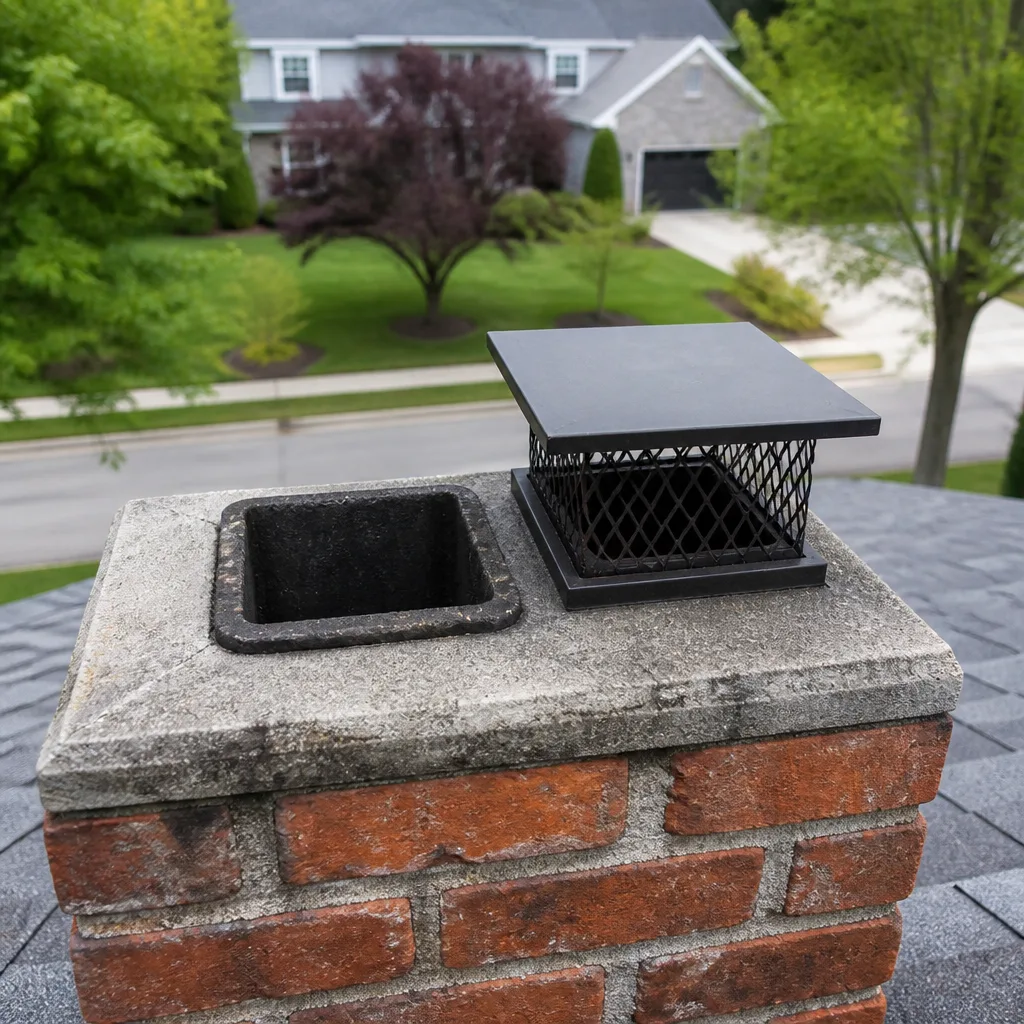
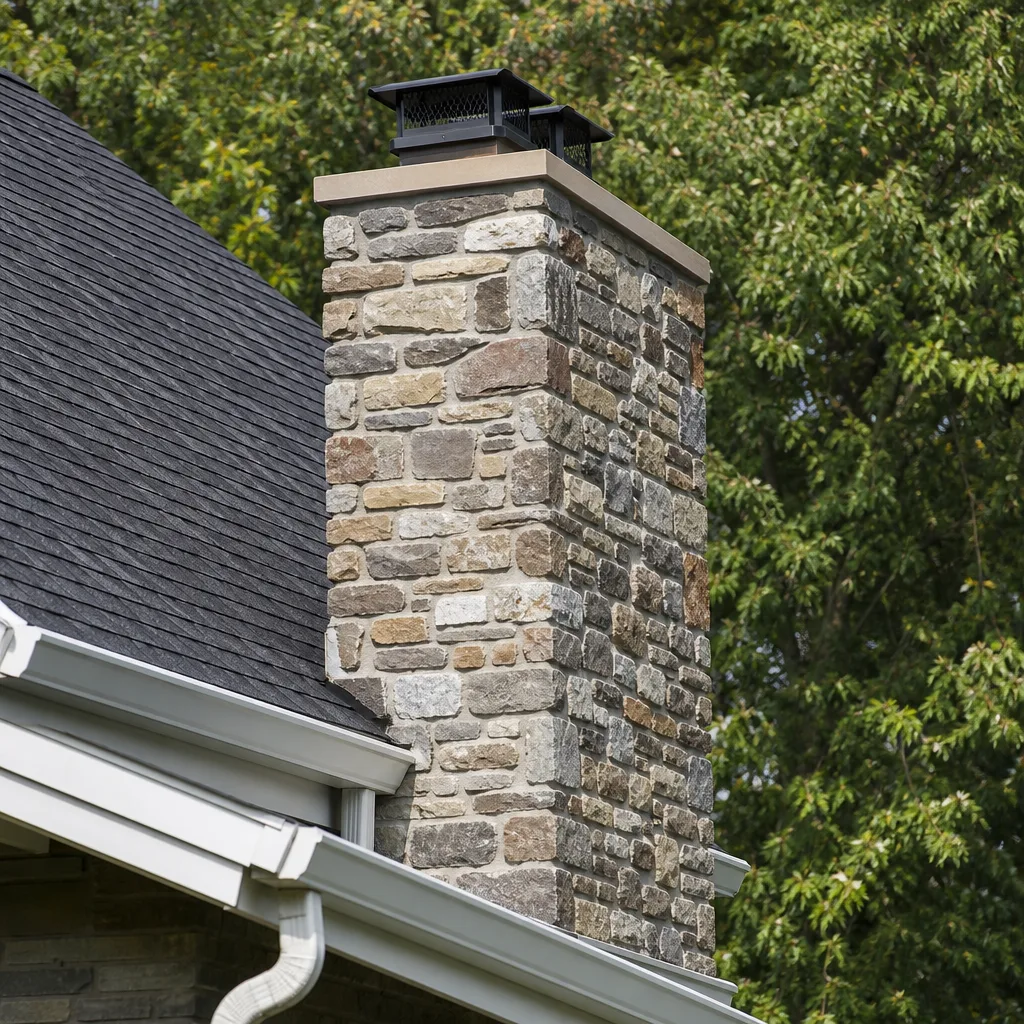
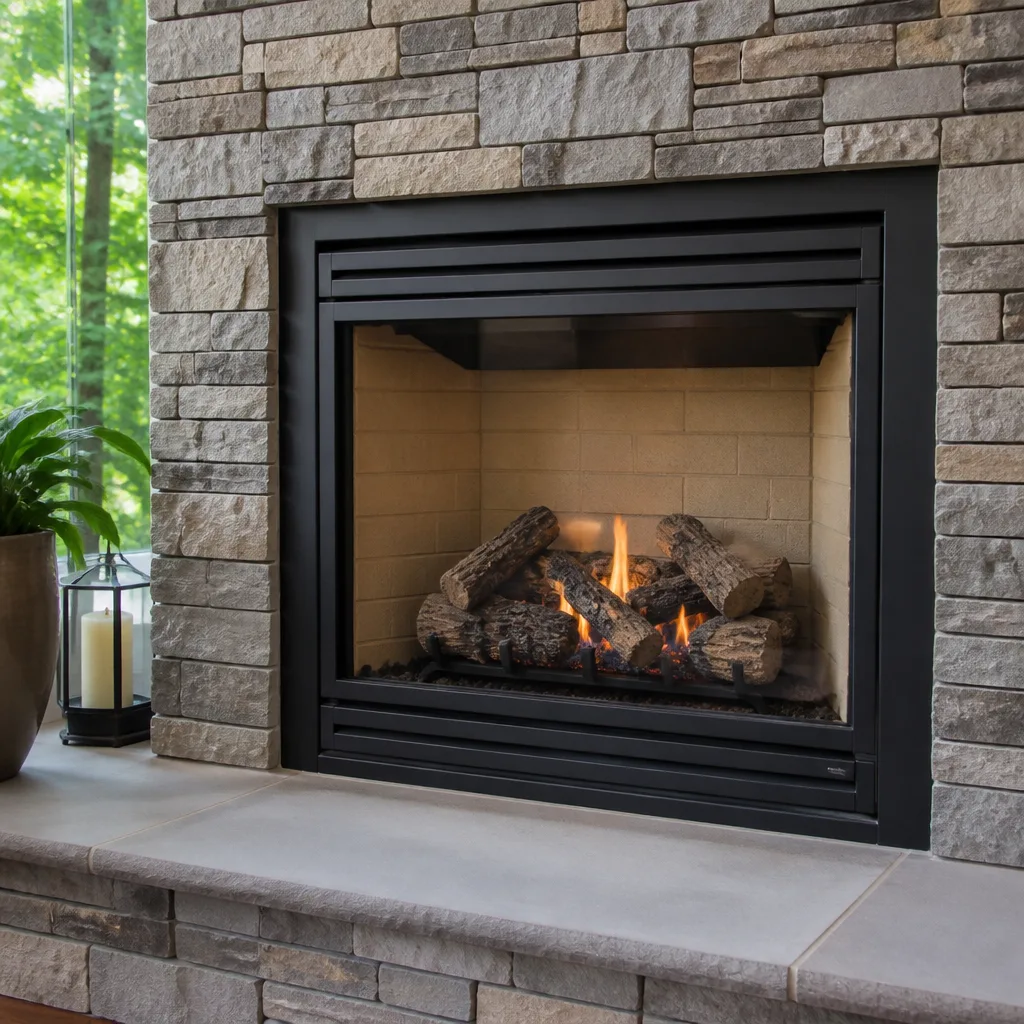
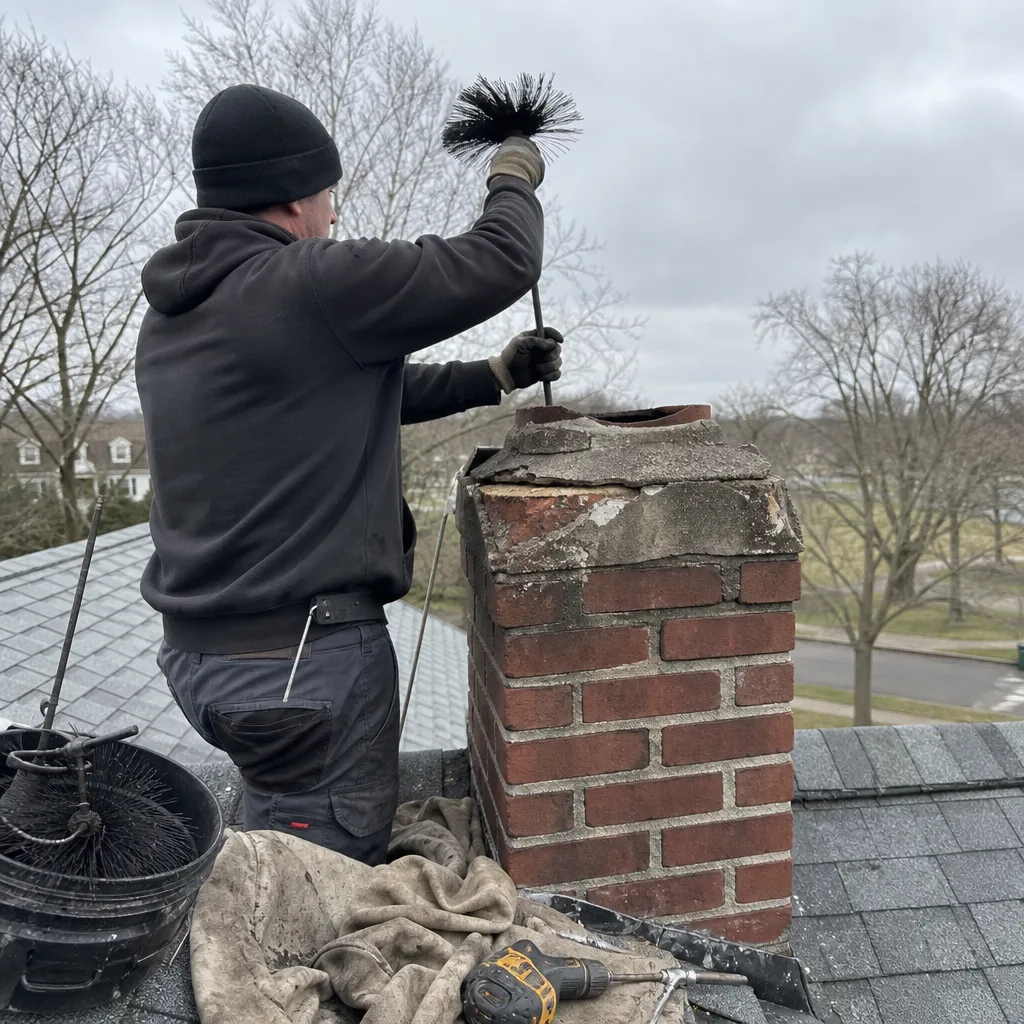 Before
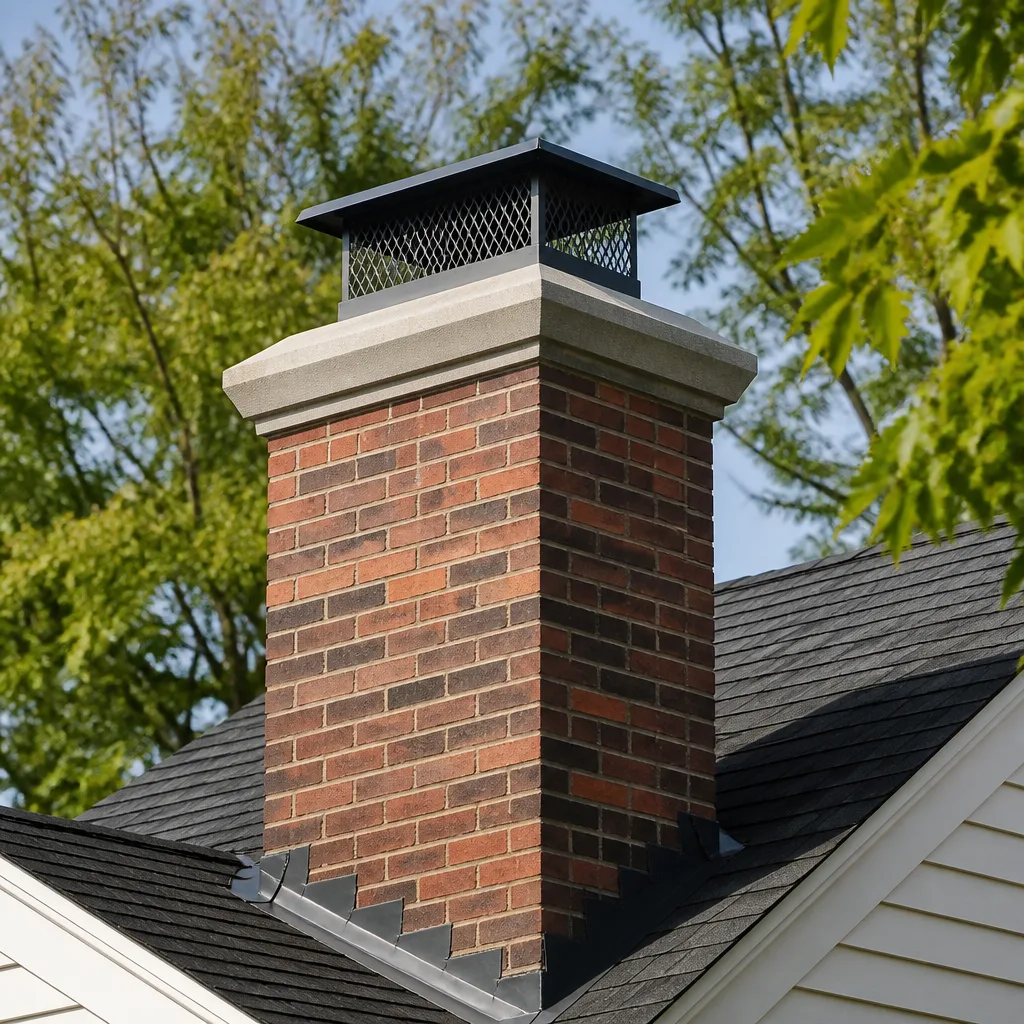
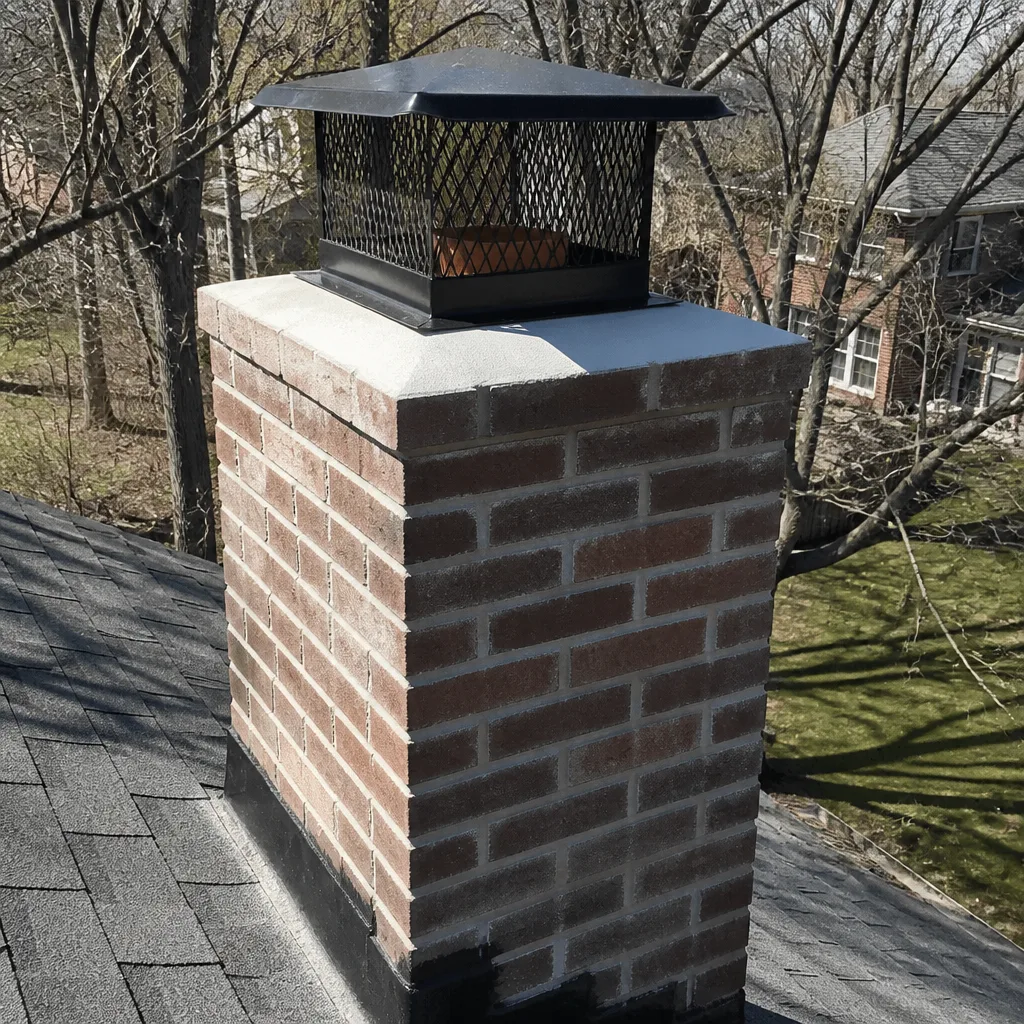 After
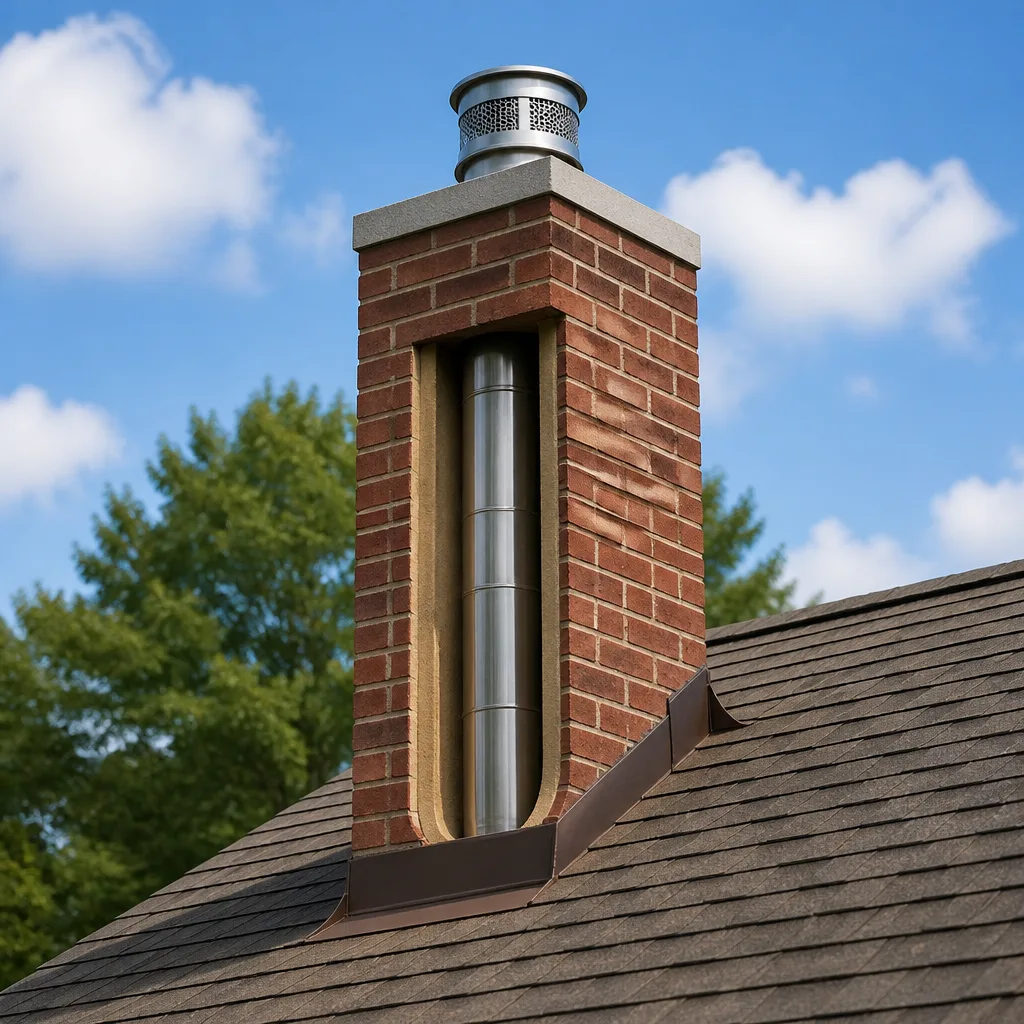
After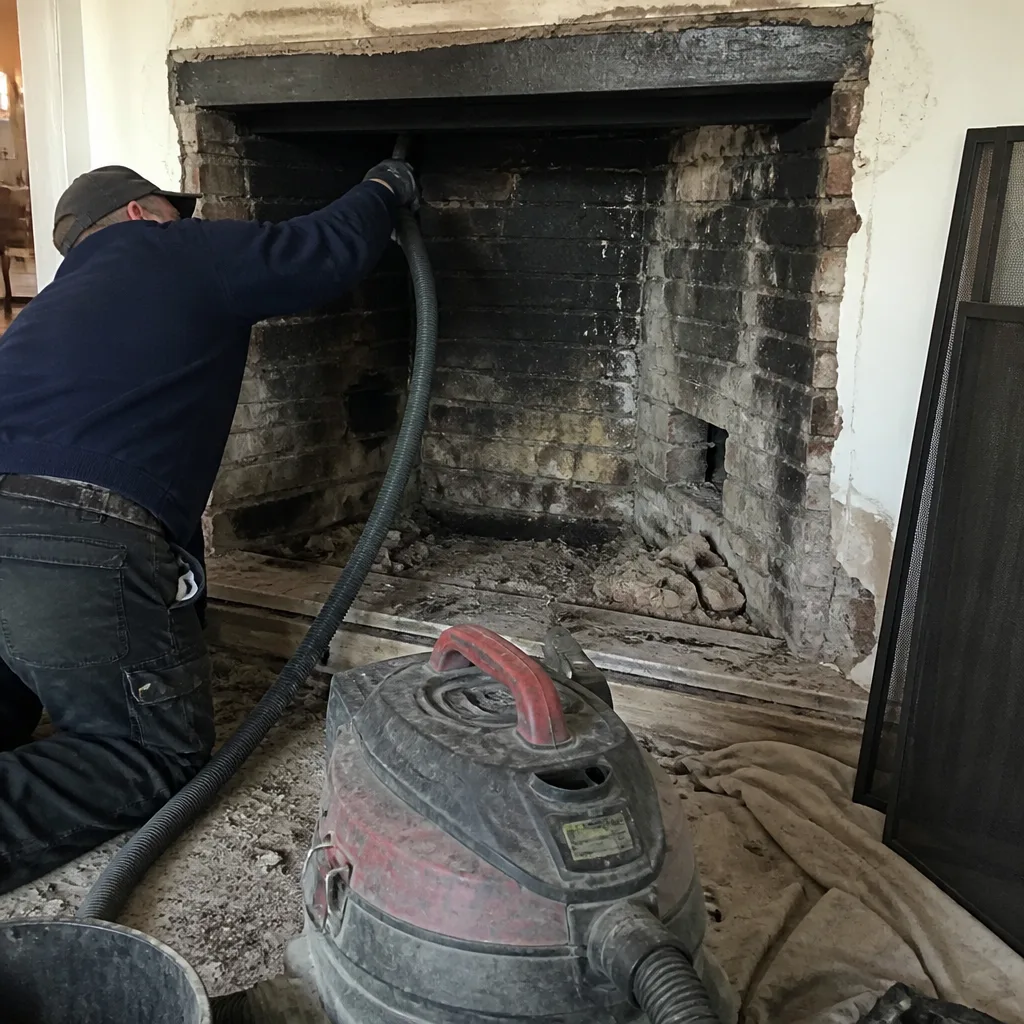 Before
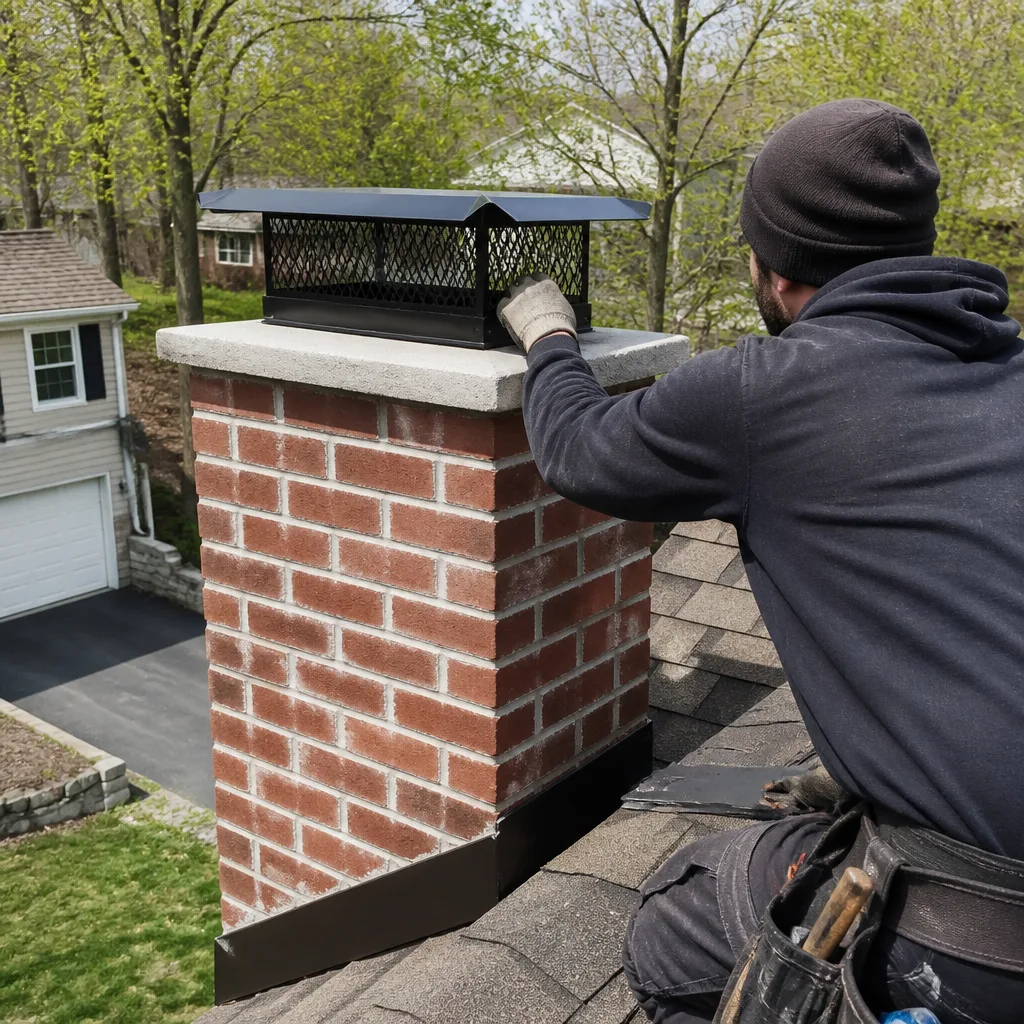 After
After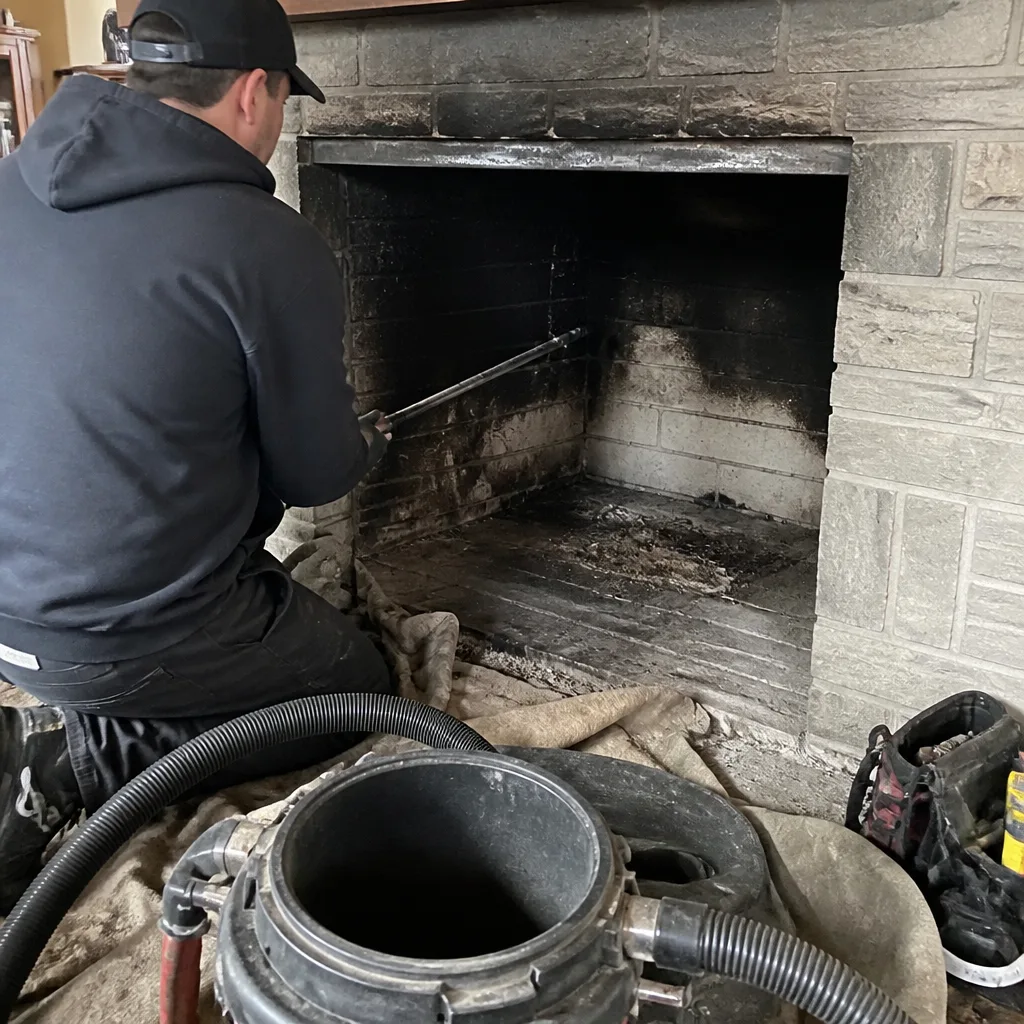 Before
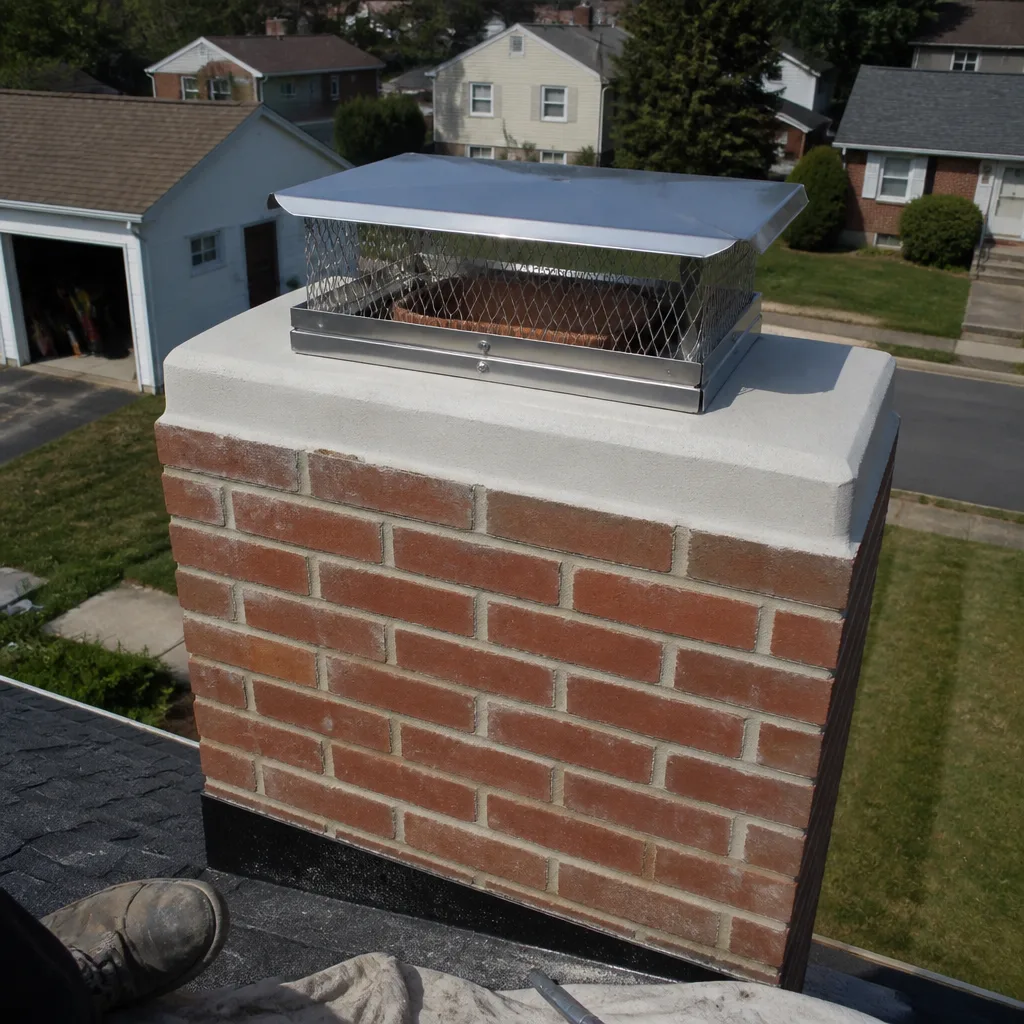 After
AfterDuraFlex Chimney Cleaning in Reading, PA | Top Hat Chimney
Our Reading Chimney Cleaning & Sweep team services DuraFlex chimney liners all over the city, and the work here looks different than it does in the suburbs. Most DuraFlex liners we pull out of Reading rowhouses were installed years ago into clay-tile flues built for coal, not gas, and they’re dealing with a century of mixed-fuel residue that a generic sweep won’t recognize. Our crew works on DuraFlex liners in dozens of Reading rowhomes each year, so we know how the original DuraFlex installs react to century-old flues and mixed-fuel history, and we service them as an independent contractor, not a factory rep. Call (484) 209-0837 for a straight answer and a free estimate.
Why Reading Residents Choose Us for DuraFlex Service
Wendell Pike has been running crews through the neighborhoods and rowhouses of Reading long enough to know which blocks still carry original coal chases and which ones were relined properly back in the 1990s. He learned the fundamentals of the trade at Southwestern College in Chula Vista before planting roots in the chimney business full time, and these days he is known around Berks County for giving people a straight answer. If it doesn’t need doing, he will be the first one to tell you.
We keep genuine DuraFlex 316L and AL 29-4C components on the truck, sourced through commercial distributors, never unauthorized offshore copies. That matters in Reading because liner failure in a shared rowhouse stack is a fire risk for the whole block. The sweep who shows up at your door will be background-checked, uniformed, and will give you a real arrival window. The number you hear on the phone is the number on the invoice, every time. For more on our DuraFlex sales & service work, we cover the full product line across Berks County.
Common DuraFlex Chimney Cleaning Problems We Solve in Reading
- Pitted 316L liners from gas condensate. Reading’s pre-1940 rowhouses converted from coal to gas decades ago, and the original flues were never insulated. Condensate from a converted gas furnace sits in that uninsulated coal flue and eats at the 316L alloy until pinholes form. We see pitting and perforation on liners that are only ten or twelve years old.
- Kinked Pro sections at the 90-degree elbows. Tight basement mechanical rooms in Reading rowhouses force DuraFlex Pro flexible sections into sharp bends where the vertical flue meets the horizontal appliance connector. Those kinks tear over time, and the tear lets flue gas leak into the basement instead of going up the stack.
- Rain cap-to-liner joints corroded by valley fog. Reading sits in a valley corridor between Blue Mountain and South Mountain, and that traps moisture against the metal. The joint where the rain cap meets the liner corrodes and separates faster here than in flatter towns, letting water run down the liner and dissolve creosote into an acidic slurry that eats the metal from the inside.
- Oversized or undersized liners from coal-era clay tiles. The original 8×8 clay tiles in Reading’s coal chimneys were sized for anthracite, not a modern gas furnace. A 4-inch DuraFlex liner forced into that oversized chase over-fires and warps under the long heating season the valley’s cold-air drainage creates. You can’t just drop any liner in and call it done.
- Multiple appliances on one liner with no labeling. In Reading’s rowhouse blocks it is common to find a single exterior chimney stack venting three or four appliances, a furnace, a water heater, a first-floor fireplace, and a second-floor fireplace all sharing one cap and one crumbling chase. Homeowners routinely have no idea which flue serves which appliance, a legacy of piecemeal coal-to-gas conversions done cheaply over the mid-20th century.
DuraFlex Service in Reading: What Local Conditions Mean for Your Equipment
Because so many Reading rowhouse blocks still carry the old anthracite coal flue chase, with a single stack venting three or four appliances and no original labeling, a DuraFlex liner job here almost always starts with a camera-and-smoke test to map which appliance connects to which flue before we ever drop a liner. We often find a still-active furnace venting into a sealed-off coal port. That is not something a generic chimney company will catch, because it is not something they look for. It is a Reading problem, born of the Reading Railroad hauling anthracite down from Schuylkill and Carbon counties, and the piecemeal gas conversions that followed. If you live in one of those pre-1920 brick rows near Pagoda Hill or up toward the Buttonwood Street corridor, your chimney carries that history whether you know it or not. We do know it, and we check for it on every single service call in Reading. The Reading service area we cover includes every neighborhood in the city, from Centre Park to the blocks east of 13th Street.
On a row along Buttonwood Street, our tech pulled a rusted 316L DuraFlex liner that had been jammed into a coal-era chase serving a gas furnace and a water heater. The liner was pitted through in three places from roof runoff leaking past a failing top plate, and the original clay tile behind it was cracked and spalling. We rebuilt the crown, set a new genuine DuraFlex Pro 316L liner with a multi-flue rain cap, and rerouted the water heater connector so both appliances vented cleanly. That is the kind of job a factory rep will not catch, because the factory rep has never stood on a Reading rowhouse roof in February doing Chimney Repair in Reading.
DuraFlex Models & Products We Service in Reading
We work on the full DuraFlex line that shows up in Reading homes. That includes the 316L Stainless Steel Chimney Liner, the AL 29-4C Stainless Steel Liner for high-efficiency gas, the Pro 316L with Rain Cap and Top Plate, and the 304L Flexible Liner with Mortar Guard. When a liner shows pitting or tearing, we quote replacement in kind. But we repair repairable damage, re-terminating caps or swapping one connector section, only when the alloy is intact. We install genuine DuraFlex components drawn from the same 316L and AL 29-4C alloy families as the factory. No generic elbows, no offshore knockoffs. The parts we stock are the parts that fail most often in Reading’s specific conditions, so turnaround is usually same-week, not same month.
DuraFlex Service Pricing in Reading
A DuraFlex chimney cleaning in Reading typically runs between $180 and $340, depending on the liner’s condition and how many appliances share the flue. A Level 2 camera inspection adds $150 to $250, and we recommend it on any liner that has been in place more than five years, especially in rowhouse stacks. Creosote removal runs $200 to $400 for a standard sweep, more if it is third-degree glaze. Multi-flue cap replacement starts around $350 and goes up with the number of flues. We always deliver upfront pricing before a single tool comes off the truck, and the estimate is free. Call (484) 209-0837 and Wendell or one of the crew will tell you exactly what you are looking at.
Serving Reading, PA - Our Local Coverage Area
We’re based in the Reading area and know this community well. Use the map below to see our service coverage - if you’re nearby, we can almost certainly help.
FAQs - DuraFlex Chimney Cleaning in Reading
We measure the flue and the appliance, then check the liner’s diameter against both. If the original 8×8 clay tile is still behind the liner, and the liner is a 4-inch pipe, it was almost certainly sized for the old coal setup, not your gas furnace. That mismatch over-fires the liner and shortens its life. Call (484) 209-0837 and we will camera the flue and tell you exactly what is in there.
Almost always, yes. The rain cap-to-liner joint is the first thing to corrode in Reading’s valley fog and moisture, and reusing a pitted cap on a new liner wastes the new liner. We quote the cap as part of the replacement so there are no surprises later.
Yes, we can rotary-brush the liner in place and then camera it to see what is left. Coal soot and gas condensate residue is stubborn, but a proper mechanical cleaning gets most of it. If the camera shows pitting or perforation after cleaning, we will tell you plainly whether the liner needs replacement or can safely wait another season. Call (484) 209-0837 for a free estimate, and we will show you the footage ourselves.
Only the flues that are damaged or improperly sized need relining. In Reading party-wall stacks, that is often the furnace flue and sometimes the water heater flue, while the fireplace flue may be fine. We map each flue with a camera and smoke test first, then quote only the relining that is actually necessary. Nothing gets recommended without camera evidence you can see for yourself.
Reading sits in a valley corridor between Blue Mountain and South Mountain, which traps cold air and extends the heating season. That longer burn cycle stresses the liner with more thermal cycling, and the valley fog adds moisture that accelerates corrosion at the cap joint and inside uninsulated coal chases. Your cousin in Lancaster burns less and deals with less fog. Same liner, different climate. Call (484) 209-0837 for a straight answer on yours.
Service Areas Near Reading
From our base serving Reading, we take DuraFlex calls throughout the surrounding towns. We handle DuraFlex service in Spring, DuraFlex service in Amity, plus Wyomissing, Shillington, and Birdsboro. If you are within the county, there is no trip charge, and we will give you a real arrival window when you book.
Book Your DuraFlex Service in Reading Today
Call (484) 209-0837 and you will get a live person, not a voicemail box, even at odd hours. We will schedule your DuraFlex inspection or cleaning, quote the price before we arrive, and put the 90-Day Done Right Promise on the invoice in writing. Wendell stands behind the work, and you will run into him at the hardware store on Saturday.
Written by Wendell Pike, Owner at Top Hat Chimney, serving Reading since 1999.