
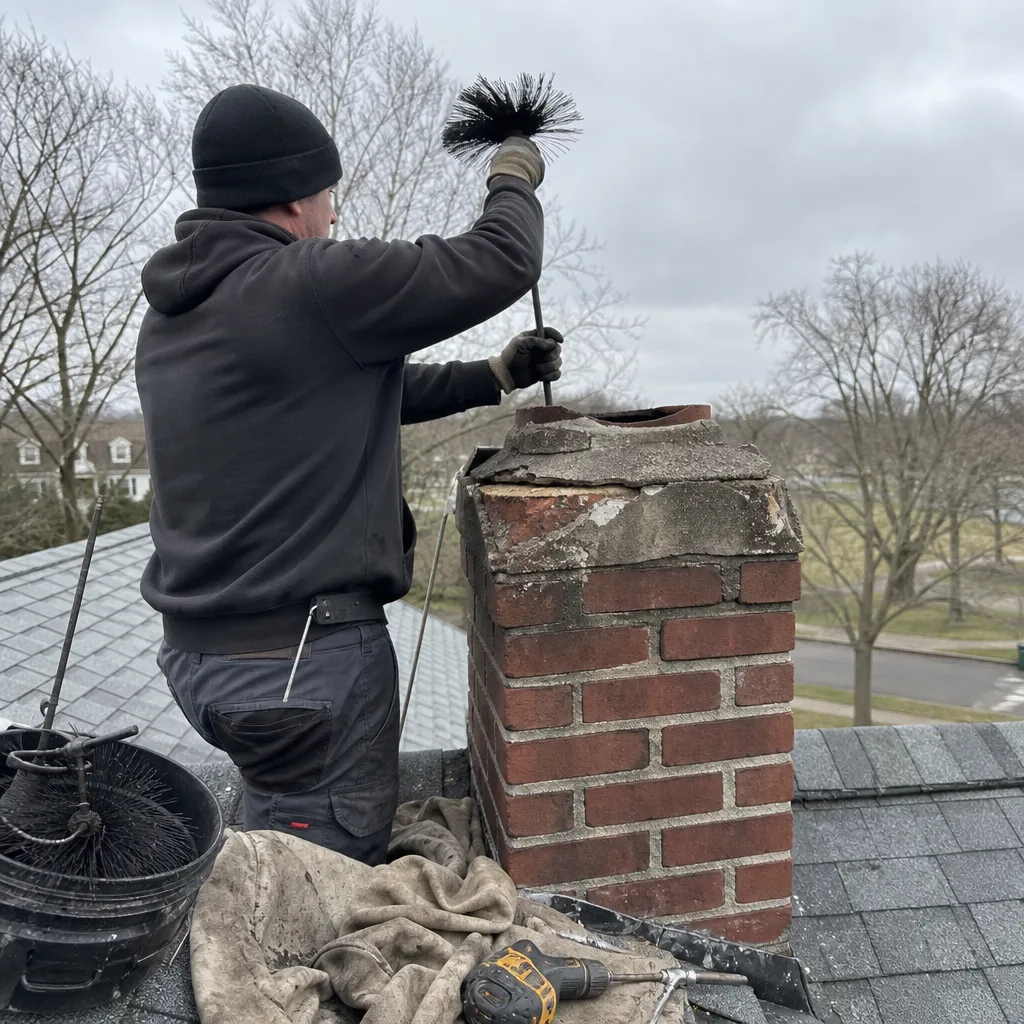
Level 1 sweep and inspection to the NFPA 211 annual standard - flue, crown, cap, and flashing checked and photographed
Chimney sweep logs do not sweep chimneys. They loosen some creosote - which then falls where a brush and vacuum still have to collect it.
 Before
 After
After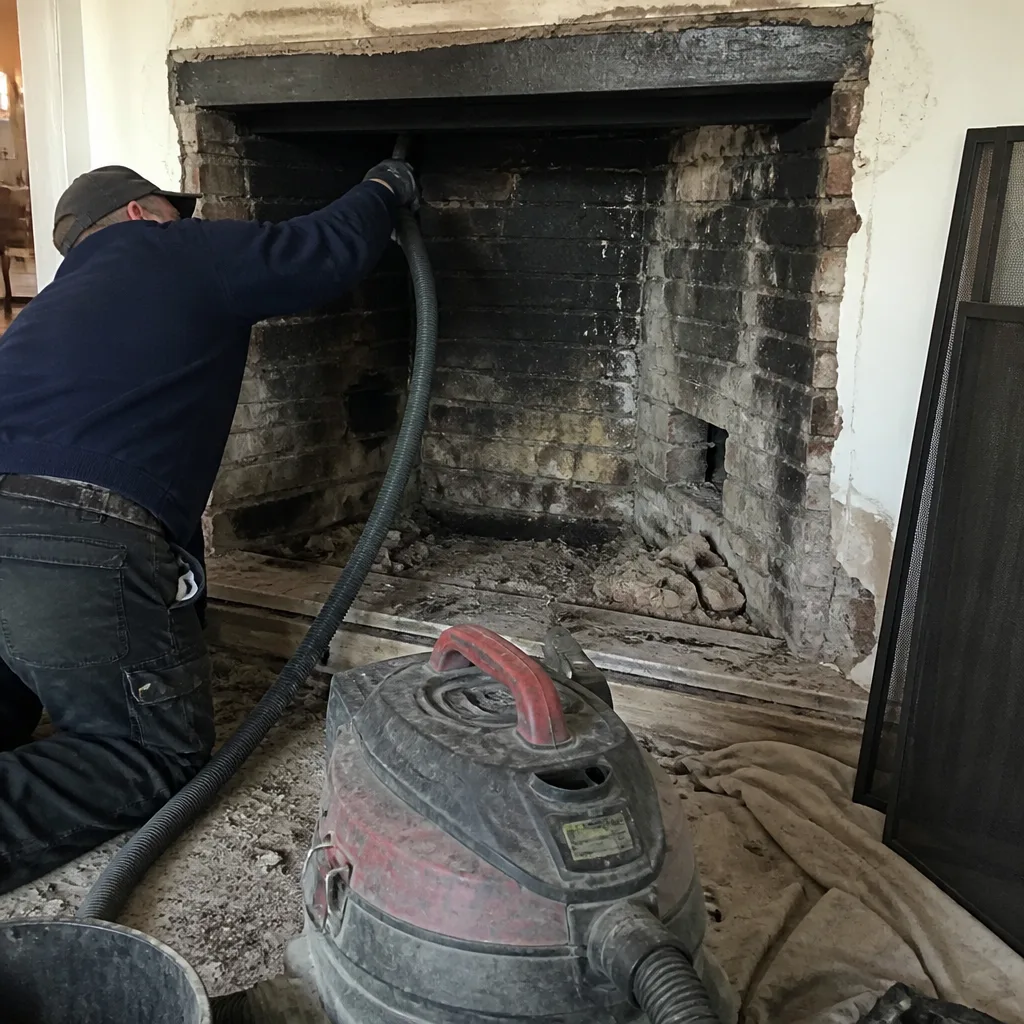 Before
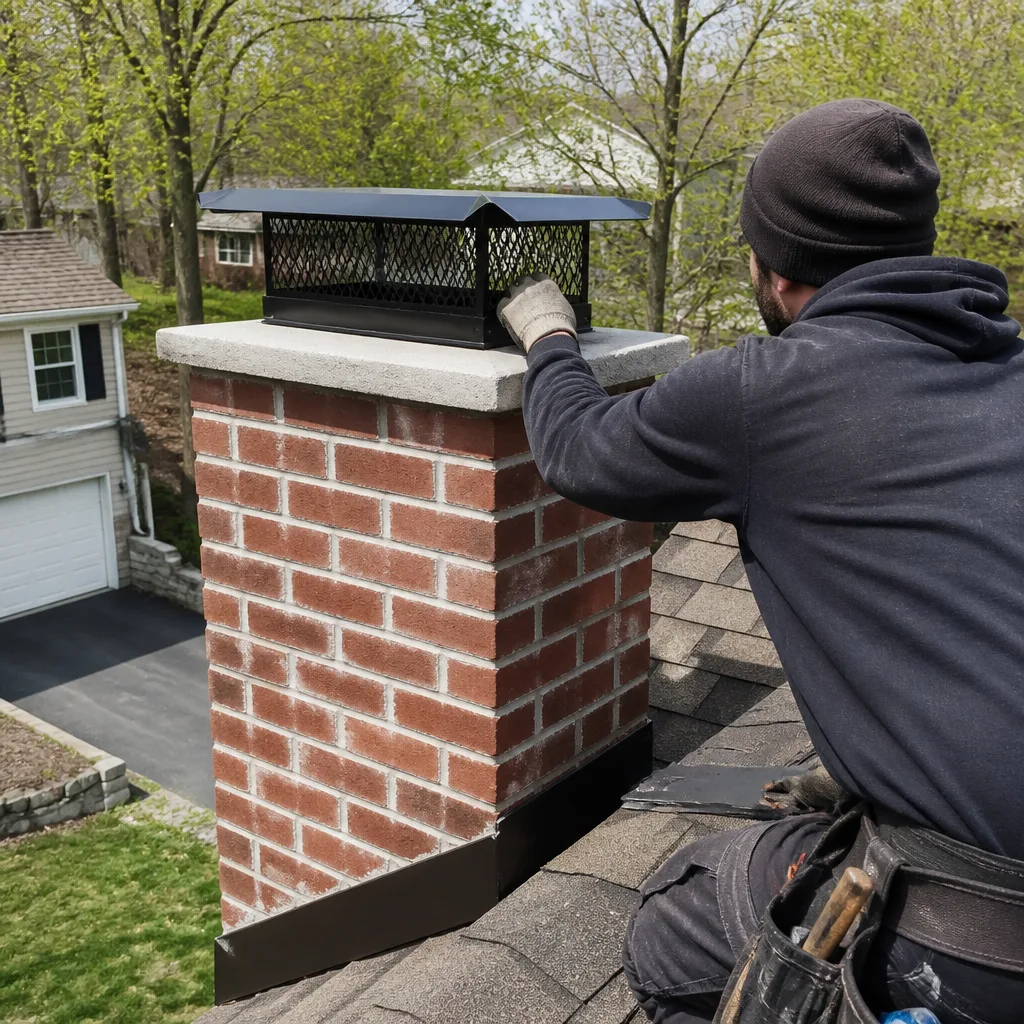 After
After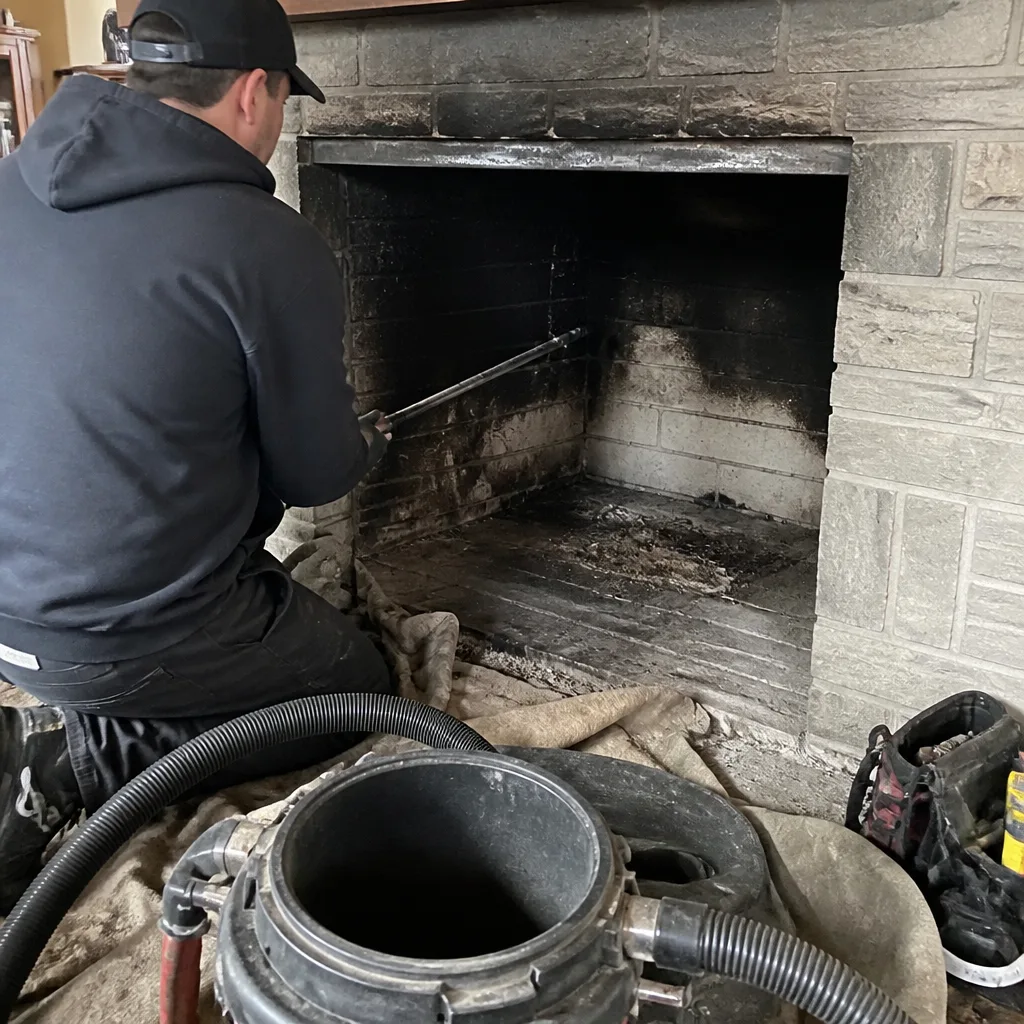 Before
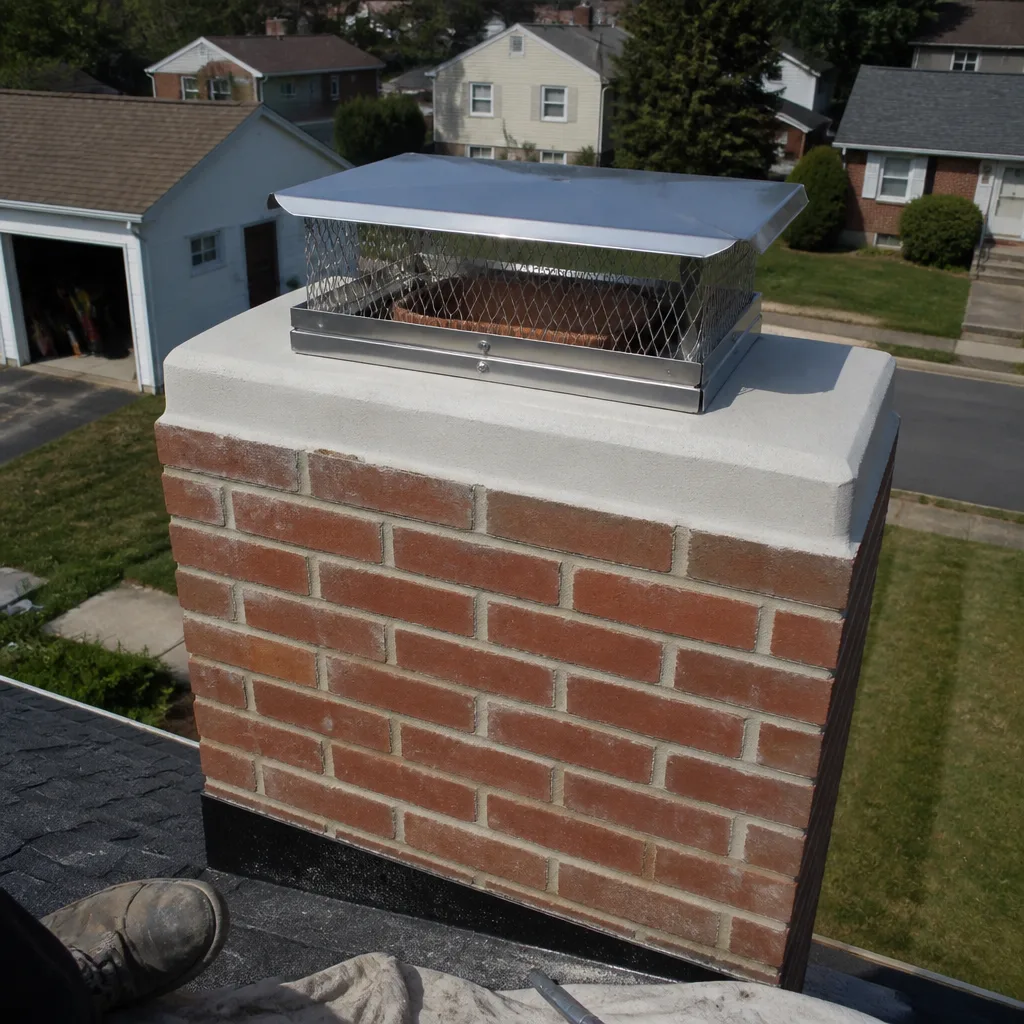 After
AfterFamco Chimney Cap Installation: The Reading Owner’s Guide
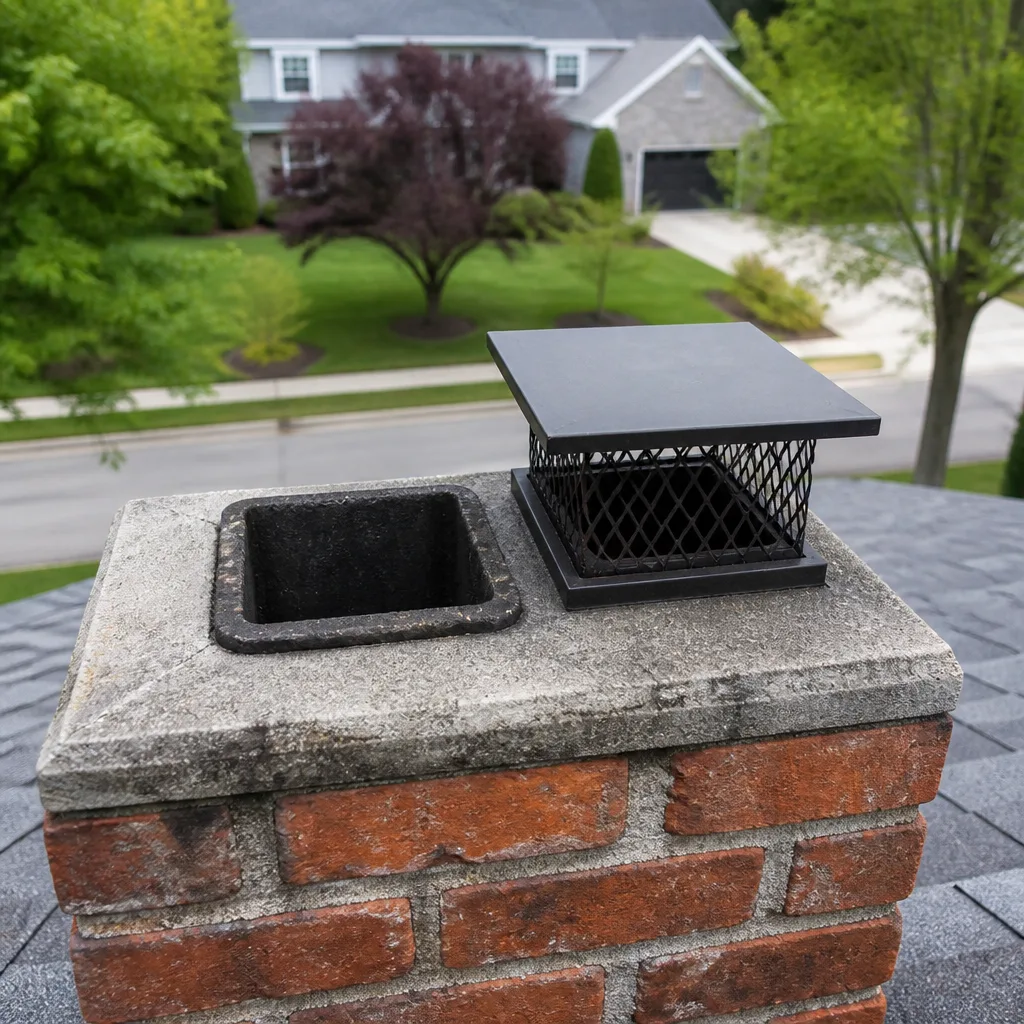
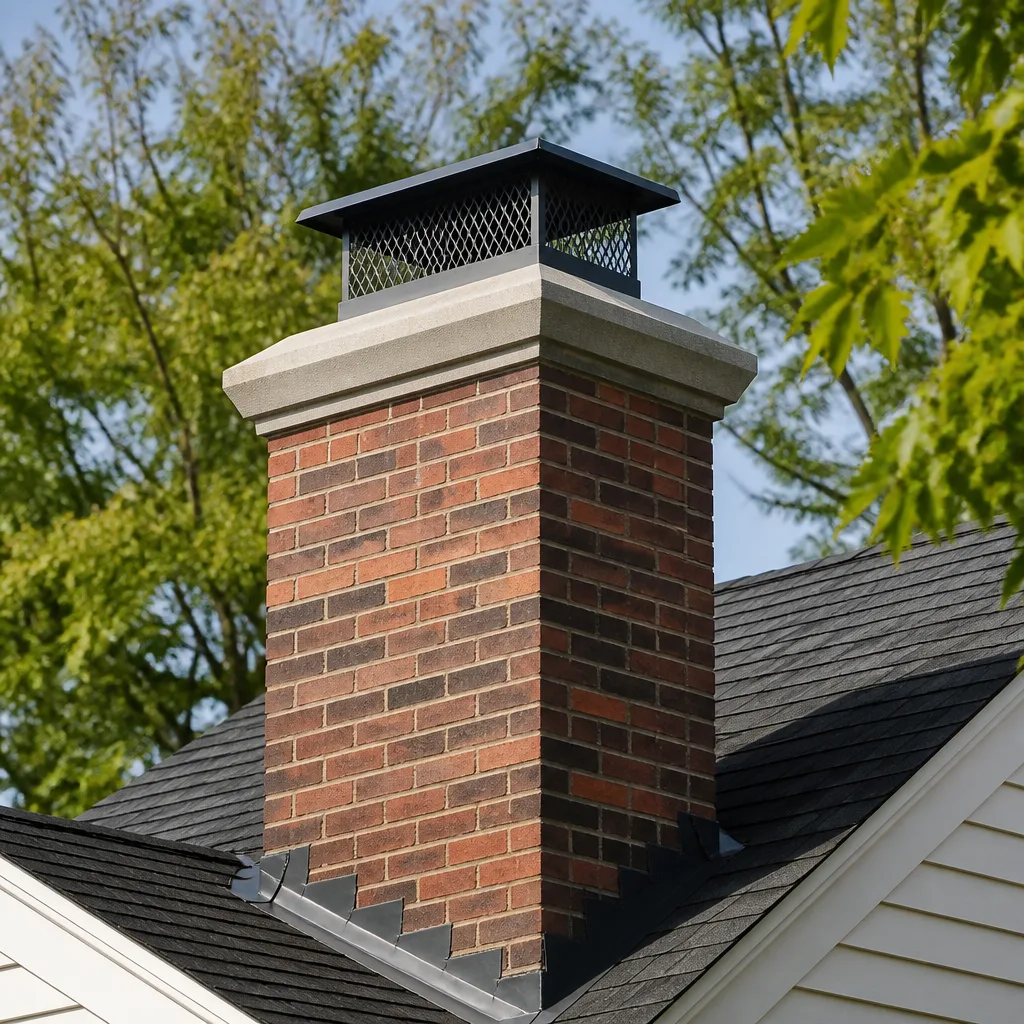
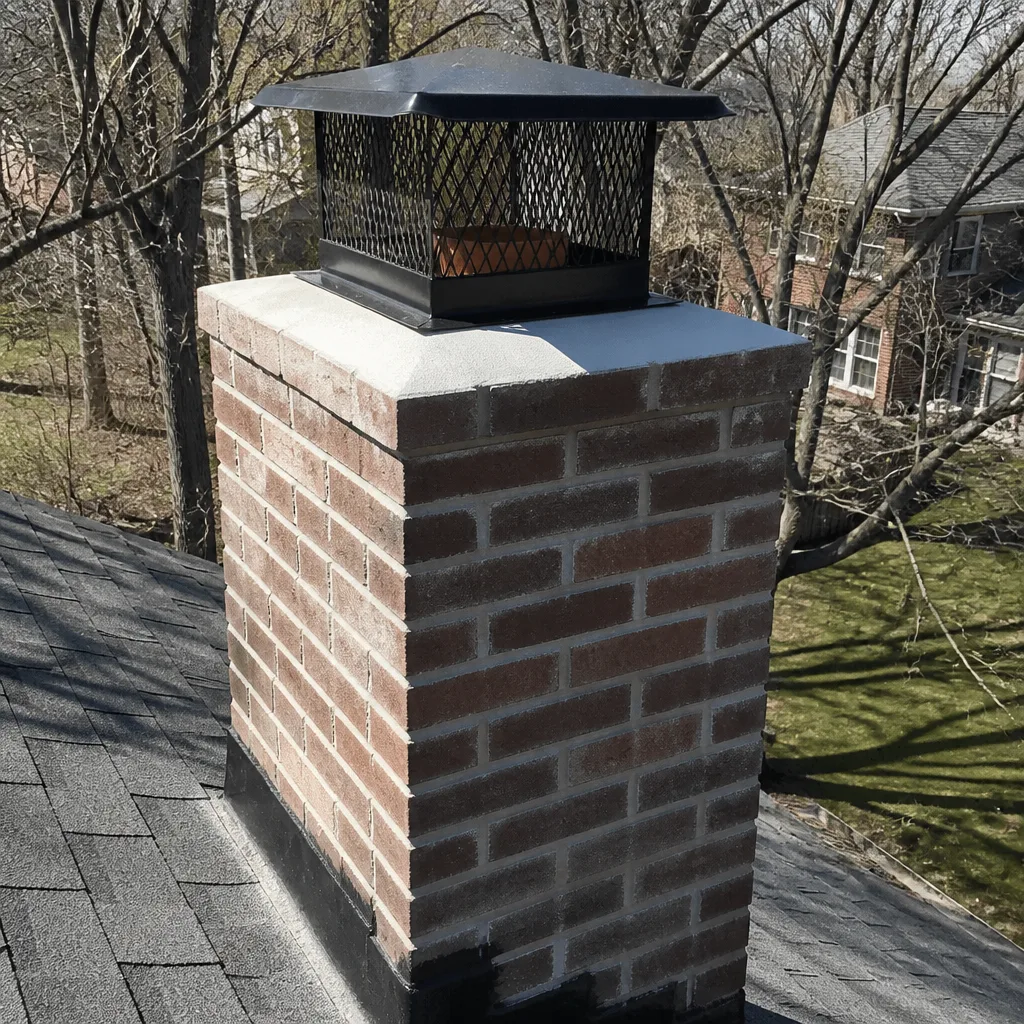
A Famco chimney cap installation in Reading typically runs $185 to $420 installed, depending on the cap model, the flue size, and whether we’re doing a straight swap or replacing a rusted-out mounting bracket. We stock Famco caps and the matching hardware on the truck, so most of these jobs are one visit, start to finish. The way most folks find out they need this page: they’re on the roof cleaning gutters, they look over at the chimney, and they see a cap that’s leaning like a drunk uncle or missing a leg entirely.
Here’s the thing about Famco caps in this part of Pennsylvania. They’re not a luxury add-on. They’re the difference between a dry flue and a flue that’s quietly taking on water every time it rains. And around Reading, between the March thaw and the November leaf drop, it rains plenty. A failed cap means water gets down into the flue tile, freezes, expands, and starts cracking things that cost a lot more than a cap to fix. Wendell and his crew have pulled caps off chimneys along Centre Park and out toward Exeter Township that were barely hanging on, and the owners had no idea until the water stain showed up on the living room ceiling.
If the cap doesn’t need replacing, we’ll say so. That’s how we’ve done it since 1999, and it’s why folks around Berks County keep calling Top Hat Chimney instead of the outfit that shows up with a pitch book.
Which Famco Models This Applies To
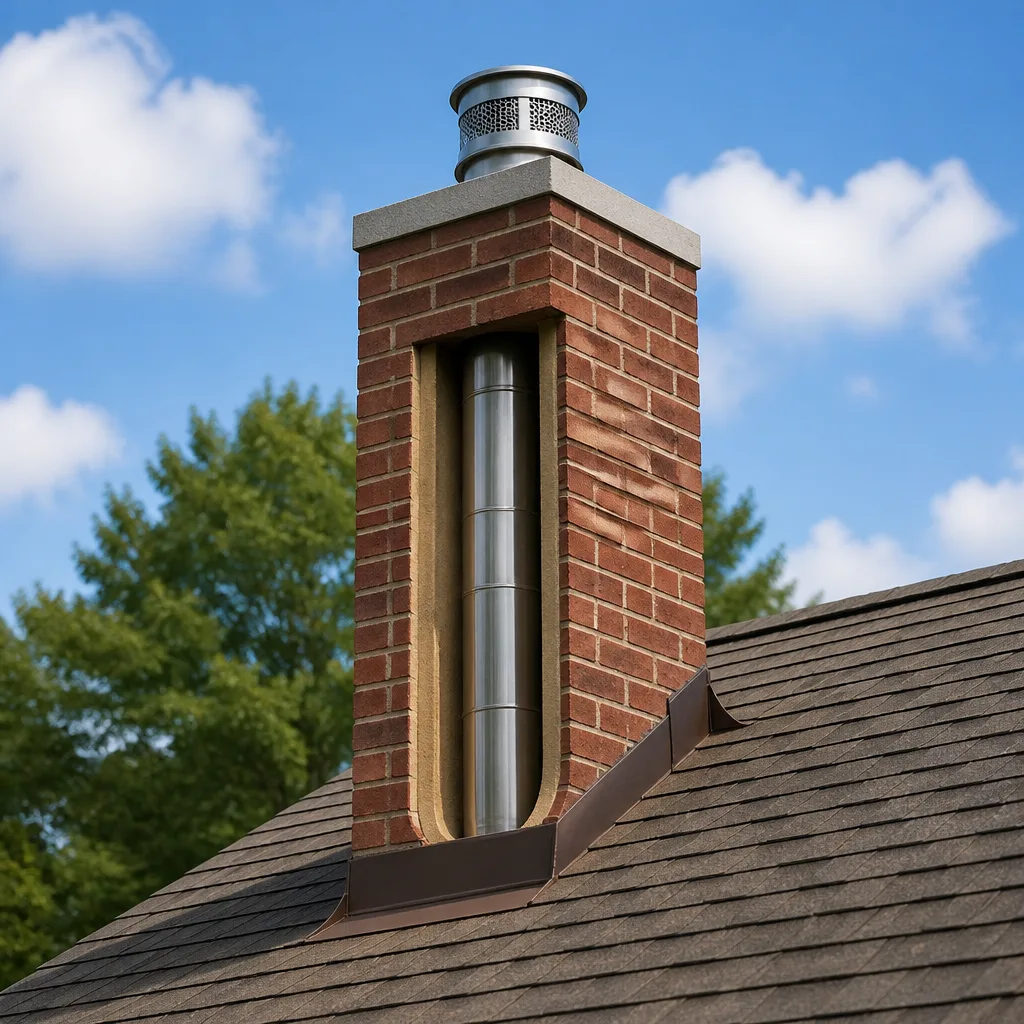
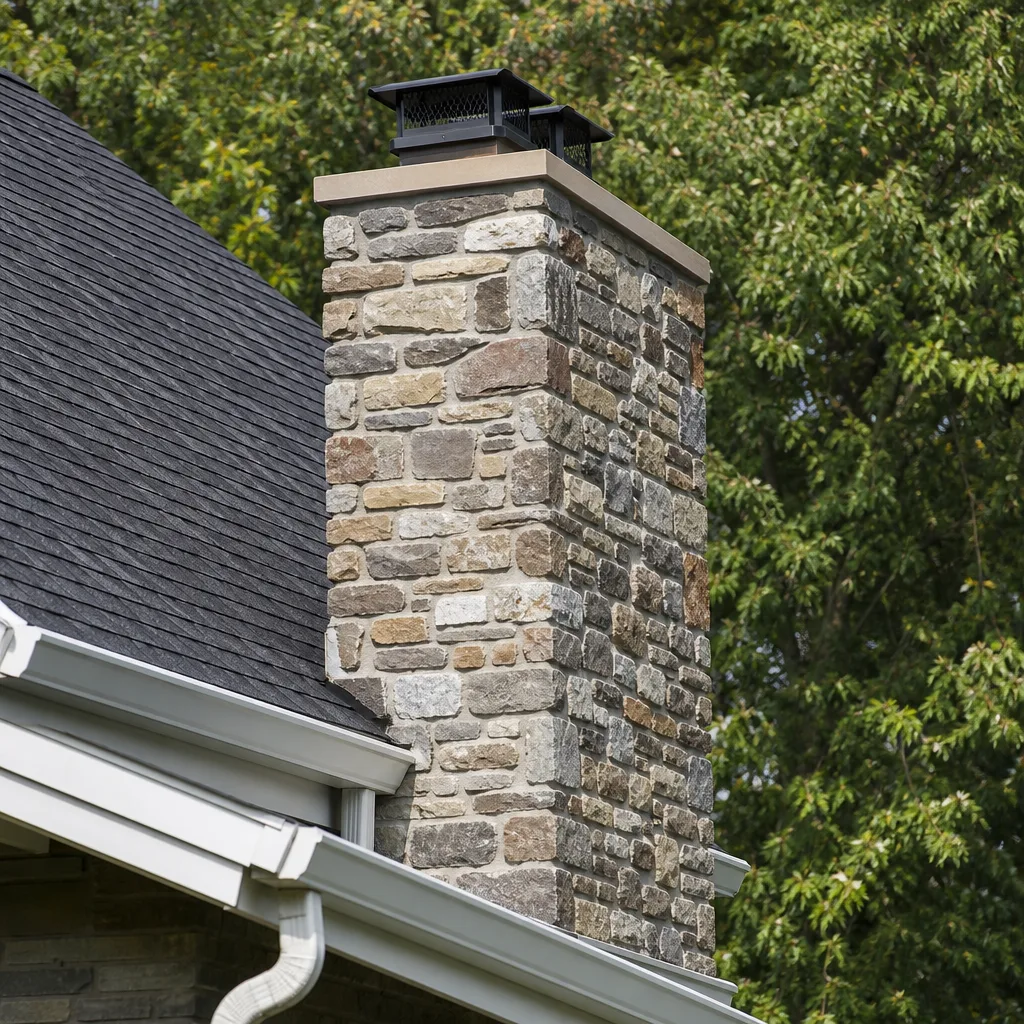
Famco makes a few lines of chimney caps, and they are not all the same animal. The most common ones we see on Reading homes are the Famco A-series single-flue caps, the multi-flue models for older chimneys with two or three clay tile liners side by side, and the Famco top-mount dampers that pull double duty as a cap and an energy saver. Each one mounts a little differently, and each one has its own size range. Single-flue caps typically fit tile outside dimensions from 8 by 8 up to 13 by 13. Multi-flue caps run wider, and the leg kit matters more than the cap itself.
Here’s the compatibility gotcha that trips people up: a Famco cap is sized to the outside dimension of your flue tile or your chase top, not the inside opening. Measure the outside, not the hole. If you order a cap based on the flue’s inner diameter, you will get one that sits inside the tile instead of over it, and the first windstorm in the Schuylkill Valley will send it into the neighbor’s yard. We’ve seen it. More than once.
On the OEM versus aftermarket question: Famco’s own caps are solid galvanized steel or stainless, and the mounting hardware is specific to the series. There are aftermarket leg kits and universal brackets that promise to fit anything. In our experience, the universals work fine for a season or two on a sheltered flue, but on an open roof in Reading with winter ice and summer thunderstorms, they loosen up. We’d rather put a proper Famco leg kit on a Famco cap and be done with it. We are an independent chimney company, not a Famco dealer, so our interest is in what holds up, not what moves inventory. Alongside Famco, we also keep parts on hand from DuraFlex, HeatShield, and Gelco, so if the conversation turns to liners or a heat-shield resurfacing, we can handle that on the same visit.
Signs Your Famco Chimney Cap Installation Is Failing
You don’t need to be a chimney sweep to spot trouble. These are the five things Wendell looks for when a homeowner in Reading calls and says the cap “doesn’t look right”:
- Rust streaks on the cap or down the brick. Galvanized caps eventually rust, especially where the legs meet the cap body. That rust means the protective coating is gone and the steel underneath is thinning. In Reading’s humid summers and wet winters, a rusting leg can snap within two seasons.
- The cap sits cockeyed or wobbles when you touch it. Loose or broken mounting brackets are the usual cause. Wind catches the cap, the bracket works against the masonry, and the screws or masonry anchors pull free. A leaning cap is no longer sealing the flue, and it’s one good storm away from becoming a projectile.
- You see daylight around the base where it should be flush. That gap is where rain, leaves, and the occasional curious bird get in. It usually means the flue tile isn’t perfectly square and the original installer shimmed it with whatever was in the truck. Eventually the shim rots or shifts and the seal breaks.
- Water stains on the ceiling near the chimney or a damp smell in the firebox after rain. This one shows up later than the rest. By the time water is inside the house, it has already been working on the flue liner and the smoke chamber. The cap may look fine from the ground but have a crack at a seam or along a weld.
- You find pieces of metal on the roof or in the gutter below the chimney. Cap legs, screws, and occasionally whole sections will shear off and land on the shingles. If you find small galvanized parts in the gutter on the chimney side of the house, get up there or call us. It’s a parts page, but it’s also a warning: a missing leg means the cap is now hanging on by habit, not hardware.
None of these are dramatic failures on day one. They’re slow. And that’s exactly why they get missed until the real damage is done.
Replacement Cost & What’s Included
In Reading, a Famco chimney cap installation from Top Hat Chimney runs between $185 and $420 for most single-flue and standard multi-flue residential setups. The cap itself is usually $65 to $180 depending on size and material. The rest is labor and hardware: removing the old cap, checking the flue tile and the crown, installing the new bracket system, and sealing any gaps.
What pushes the price toward the top of that range: a flue tile that’s chipped and needs a custom leg kit, a chase cover that’s rotted and needs replacement before a new cap can sit square, or a roof that requires special ladder setup. What keeps it at the low end: a straight swap on a well-maintained chimney with good access.
Here’s how we do the number: you get the price before the first tool comes off the truck. The figure you hear on the phone or when Wendell steps off the ladder is the figure on the invoice. No surprise line items. And every cap install carries the 90-Day Done Right Promise in writing. If the cap shifts, loosens, or leaks within 90 days, one call brings the crew back at no charge. That’s not a marketing line. It’s stamped on every job we do, and it’s why people in Reading who have been burned by the bait-and-switch outfits call us back for the next chimney.
DIY or Call Us?
If you’re comfortable on a ladder and you just want to measure the flue tile so you know what you’re dealing with, have at it. Get the outside measurement, take a photo of the existing cap, and text or email it over. We’ll tell you straight what you need and what it’ll cost.
But here’s the honest split on doing the install yourself: the legs on a Famco cap anchor into the flue tile or the crown, and if that tile is brittle or the crown is cracked, you’ll chip it and create a bigger job than the cap was ever going to be. Also, working on a chimney means working at height, usually with a ladder on uneven ground or against a roofline. That’s not a spot to learn on the fly. We’ve been up on more Reading roofs than we can count, from the old brick rowhouses off Penn Street to the newer builds out near the Antietam Valley. We bring the right ladder, the right fall protection, and the right anchors. And if the cap doesn’t need replacing, we’ll be the first to tell you. Call (484) 209-0837 and we’ll get you squared away.
FAQs
A galvanized Famco cap in the Reading area typically lasts 8 to 12 years before rust or bracket failure sets in, and a stainless steel model will usually go 15 to 20. The freeze-thaw cycle is what kills them here, not just the rain. Water gets under the bracket or into a seam, freezes, expands, and walks the cap loose over time. Call (484) 209-0837 if you want an honest inspection and a straight answer on what’s left in yours.
Sometimes. A loose leg can often be re-anchored, and a bent section can be straightened if the metal hasn’t thinned. Rusted-through steel or a failed weld is a replacement situation. The plain-English verdict comes with camera footage every time, so you’ll see exactly why we’re recommending what we are.
Most single-flue cap installations take 45 to 90 minutes once we’re on the roof. Multi-flue caps and jobs with rotted chase covers or damaged crowns can run a couple of hours. We stock the common Famco parts on the truck, so it’s usually one visit, done.
We keep the common Famco sizes and leg kits on the truck, and we can get the unusual ones within a few days. If you already bought a cap and just need it installed, we’ll install it, but we’ll also check that it’s sized right before we drill anything. A wrong-sized cap is a roof ornament, not a chimney cap.
Written by Wendell Pike, Owner, Top Hat Chimney at Top Hat Chimney, serving Reading and nearby areas.