
Level 1 sweep and inspection to the NFPA 211 annual standard - flue, crown, cap, and flashing checked and photographed
Chimney sweep logs do not sweep chimneys. They loosen some creosote - which then falls where a brush and vacuum still have to collect it.
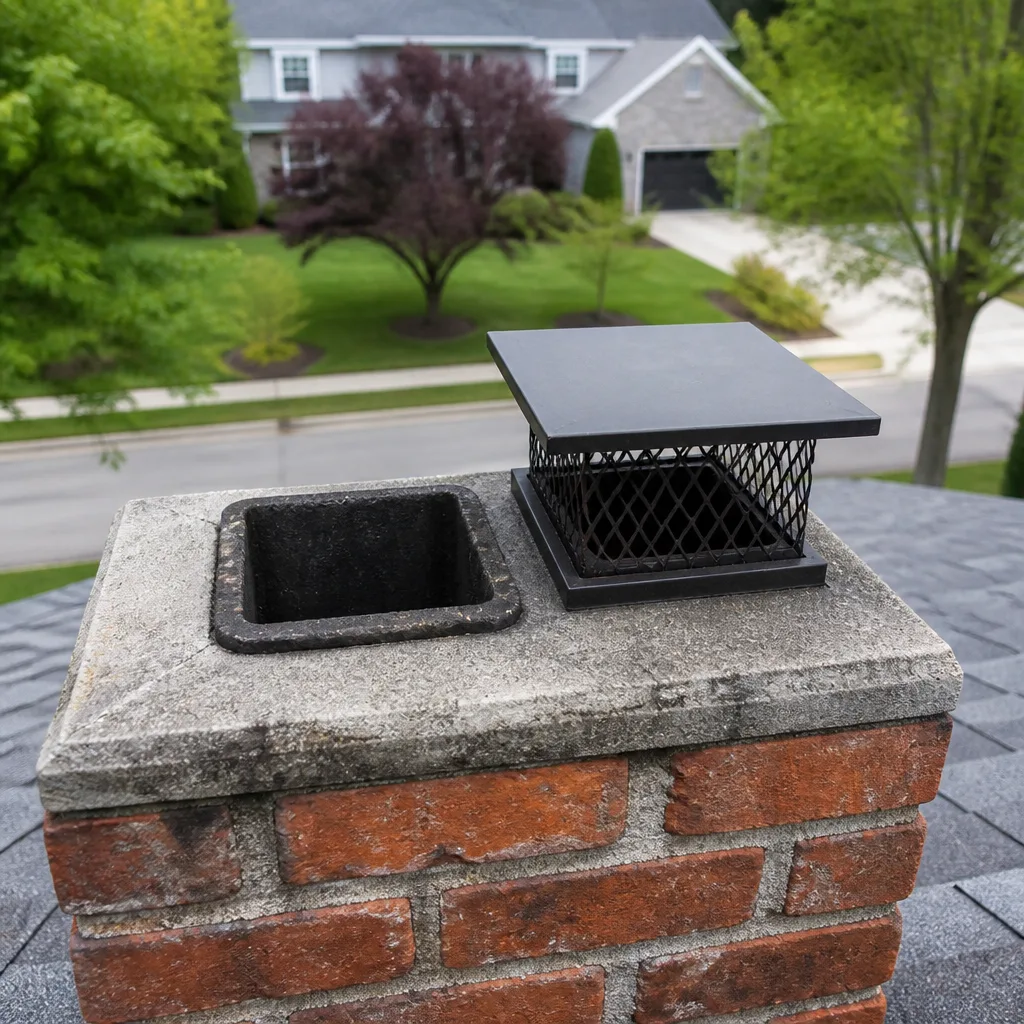
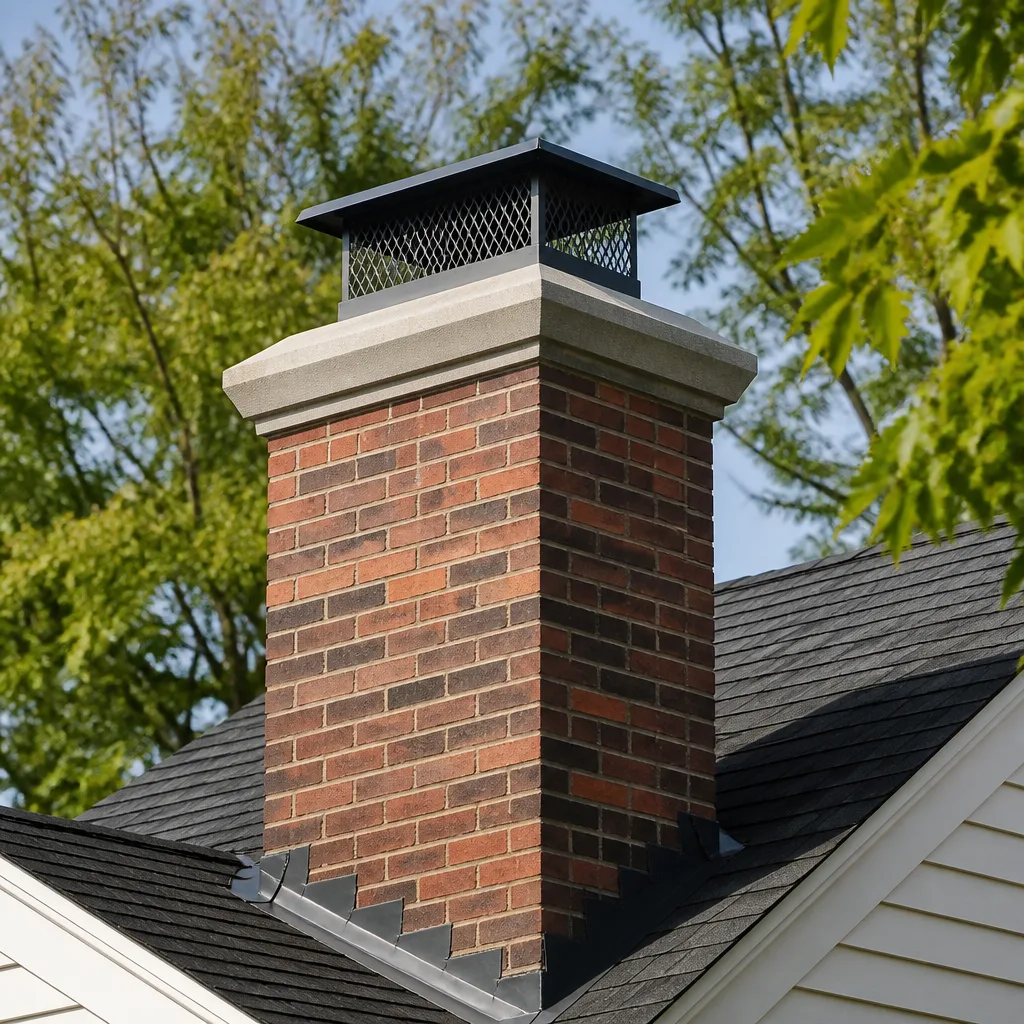
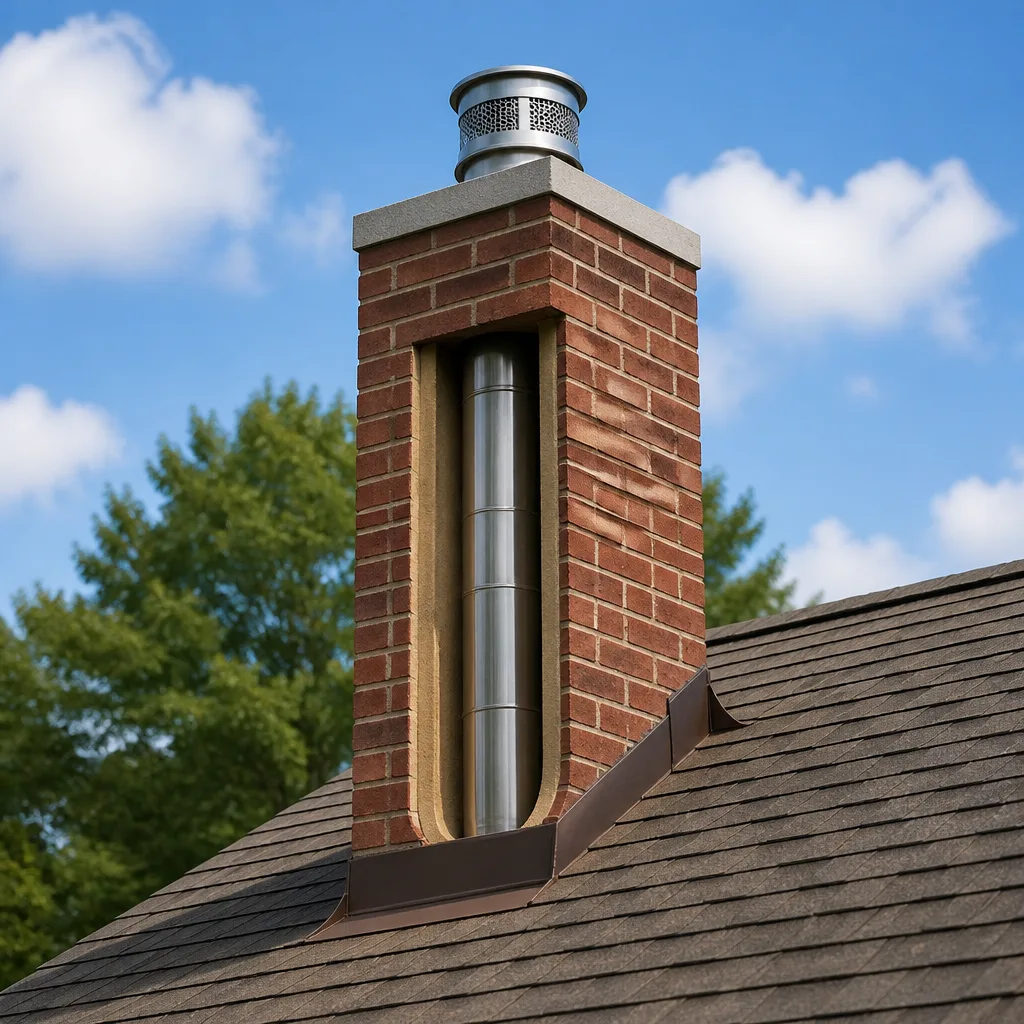
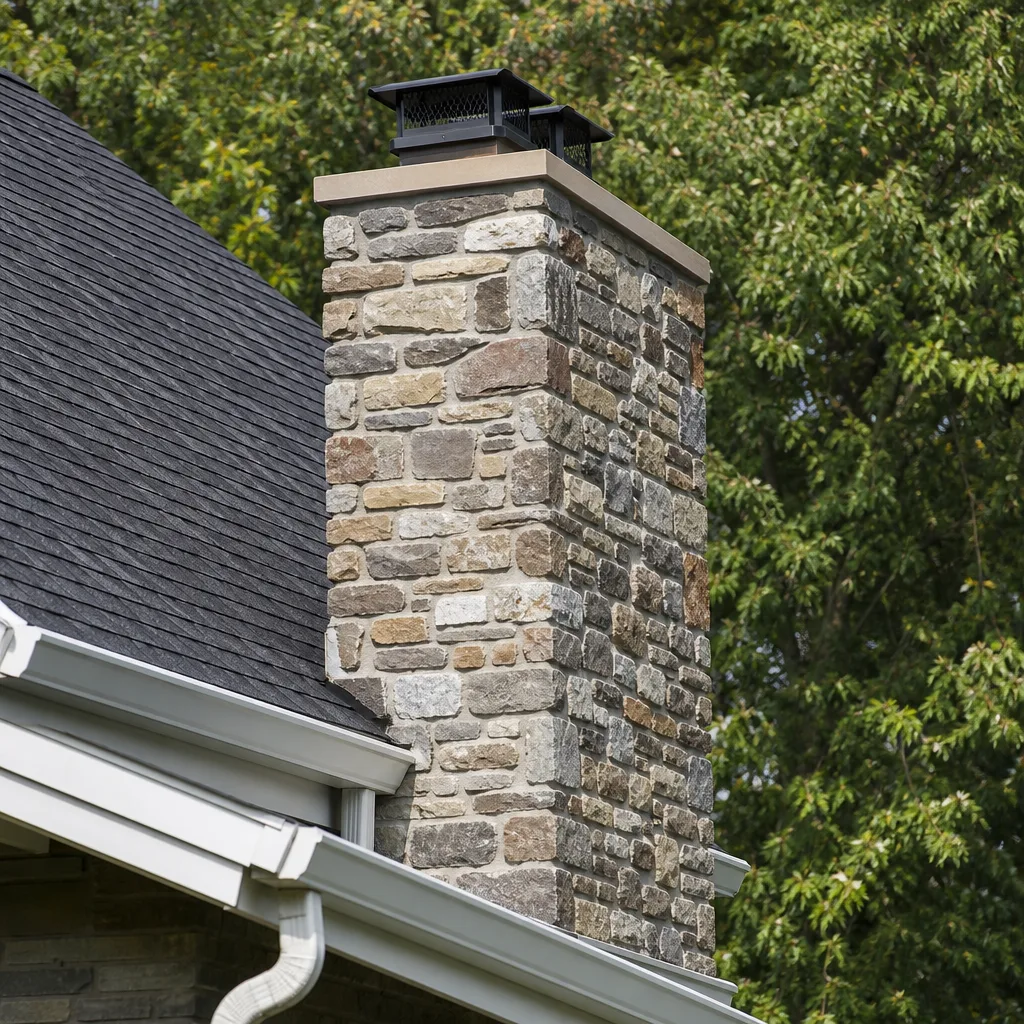
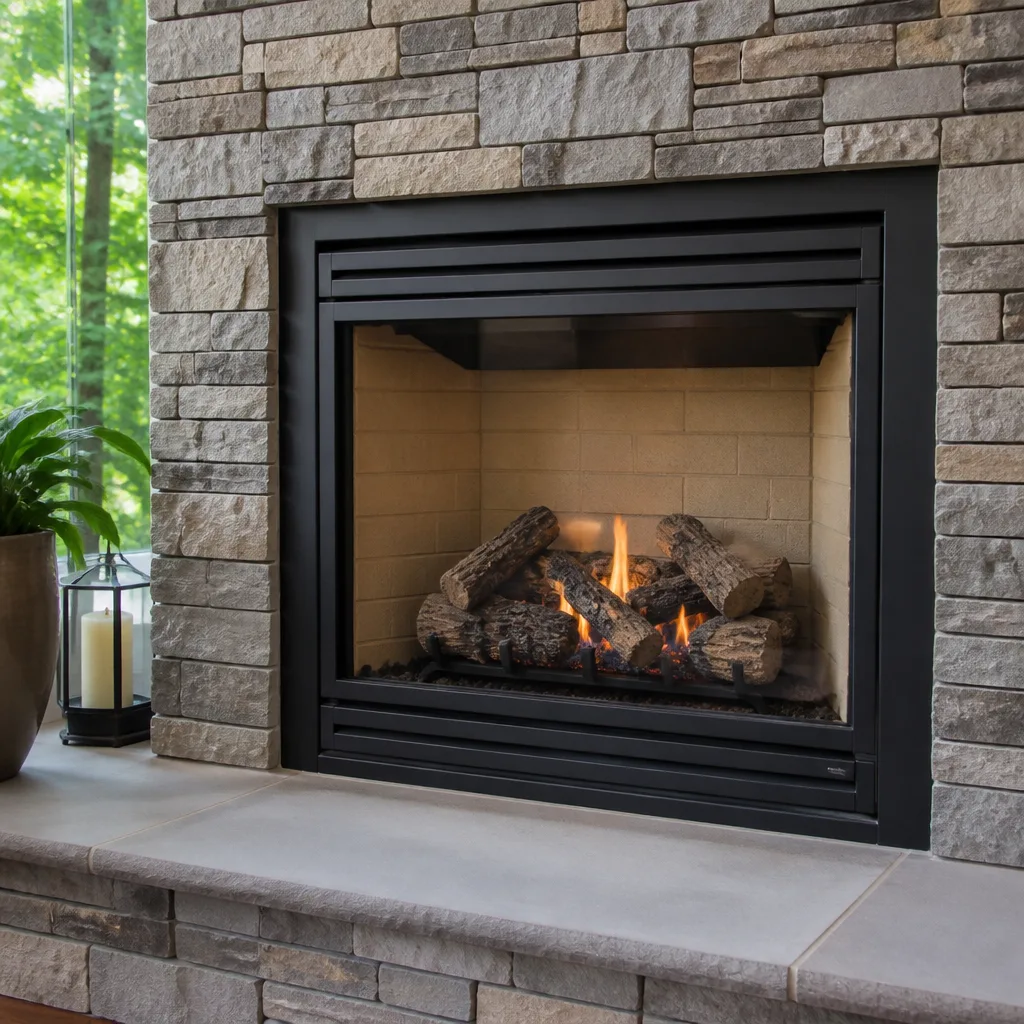
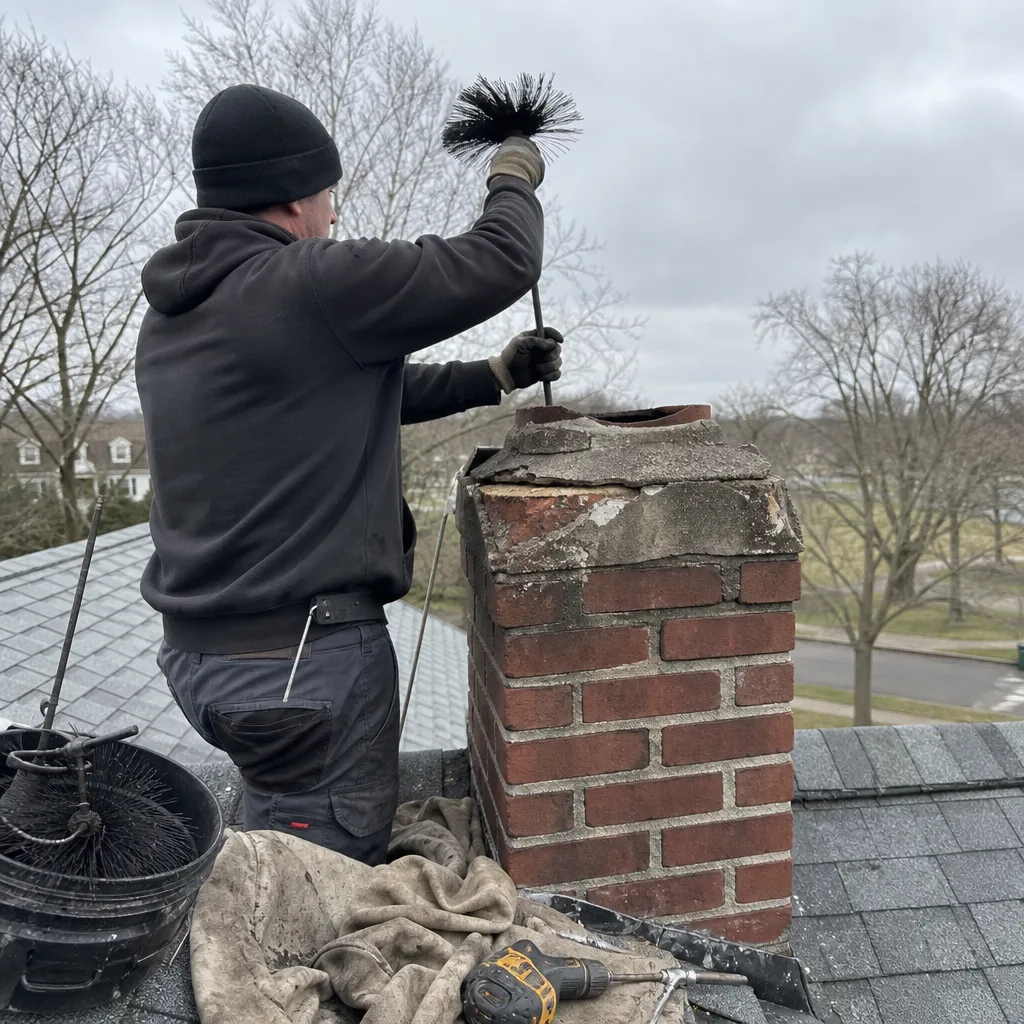 Before
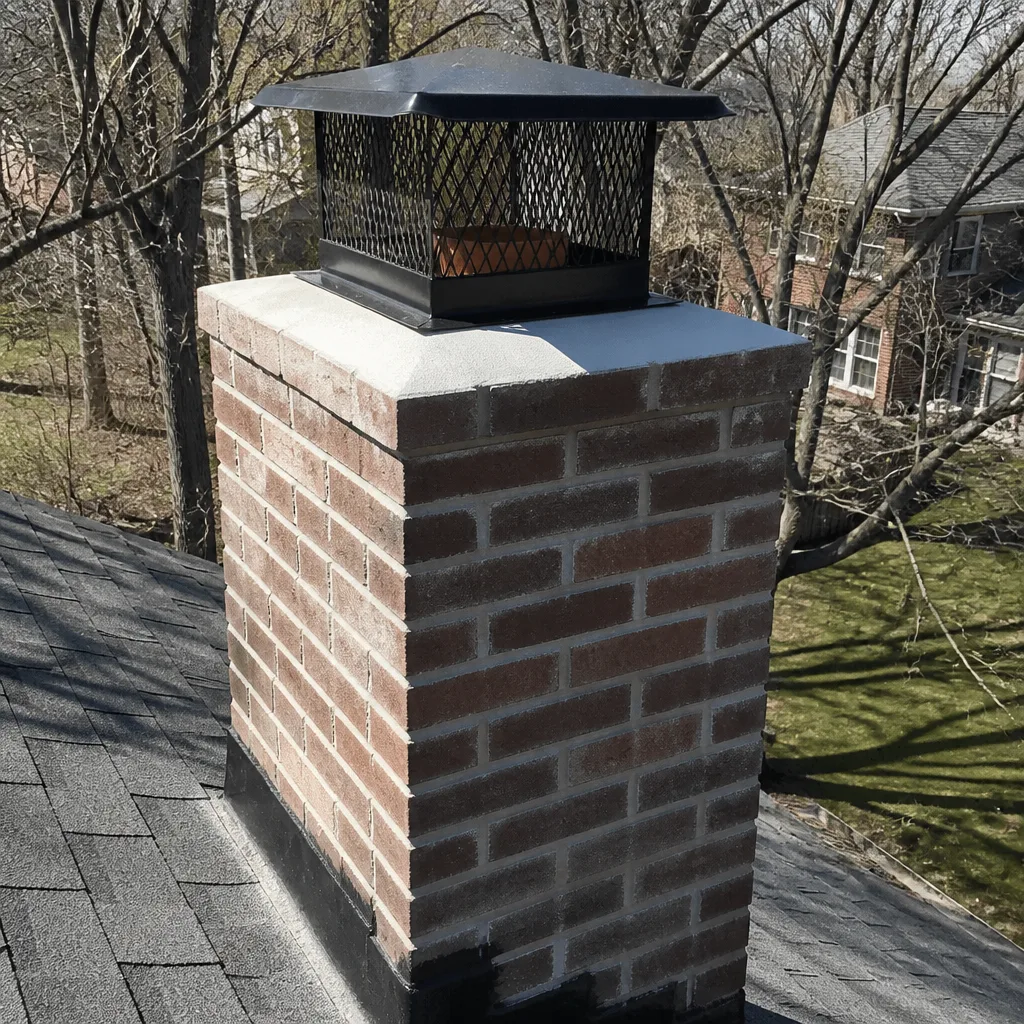 After
After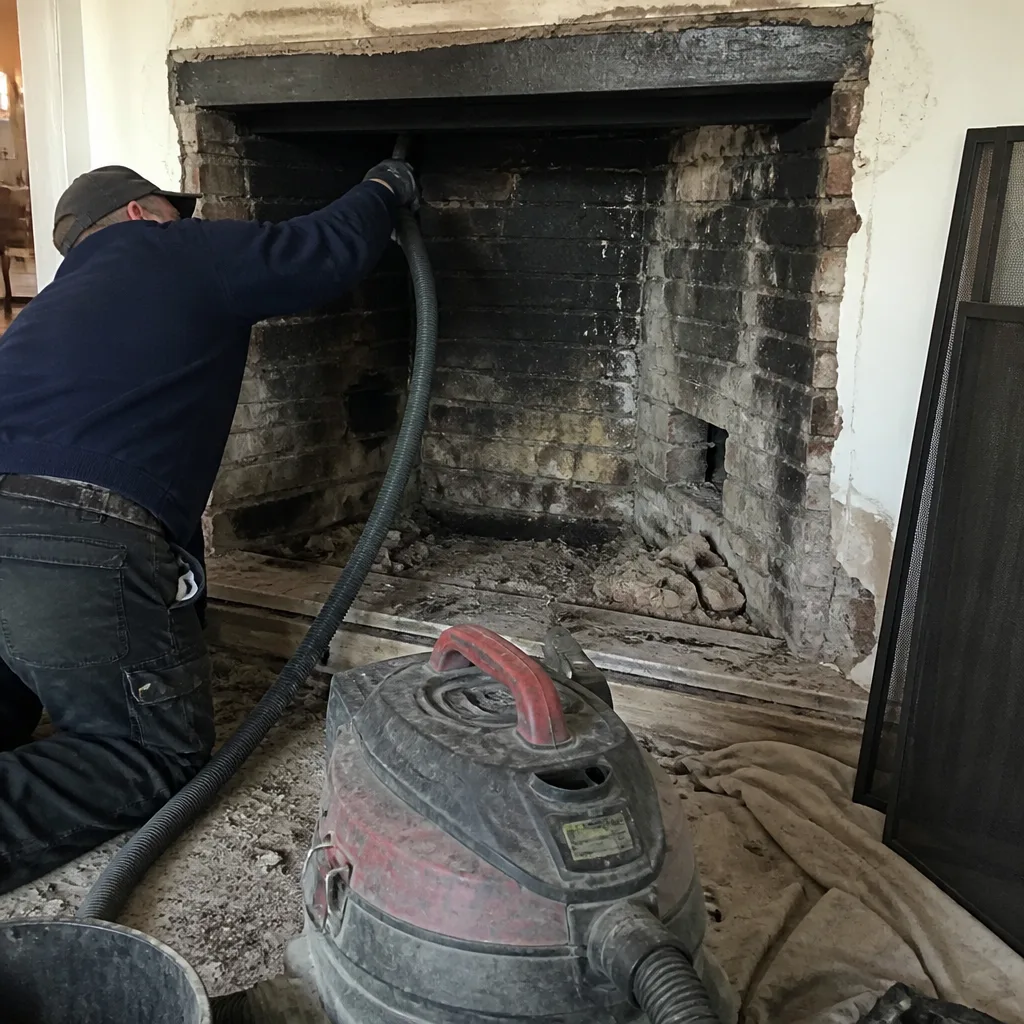 Before
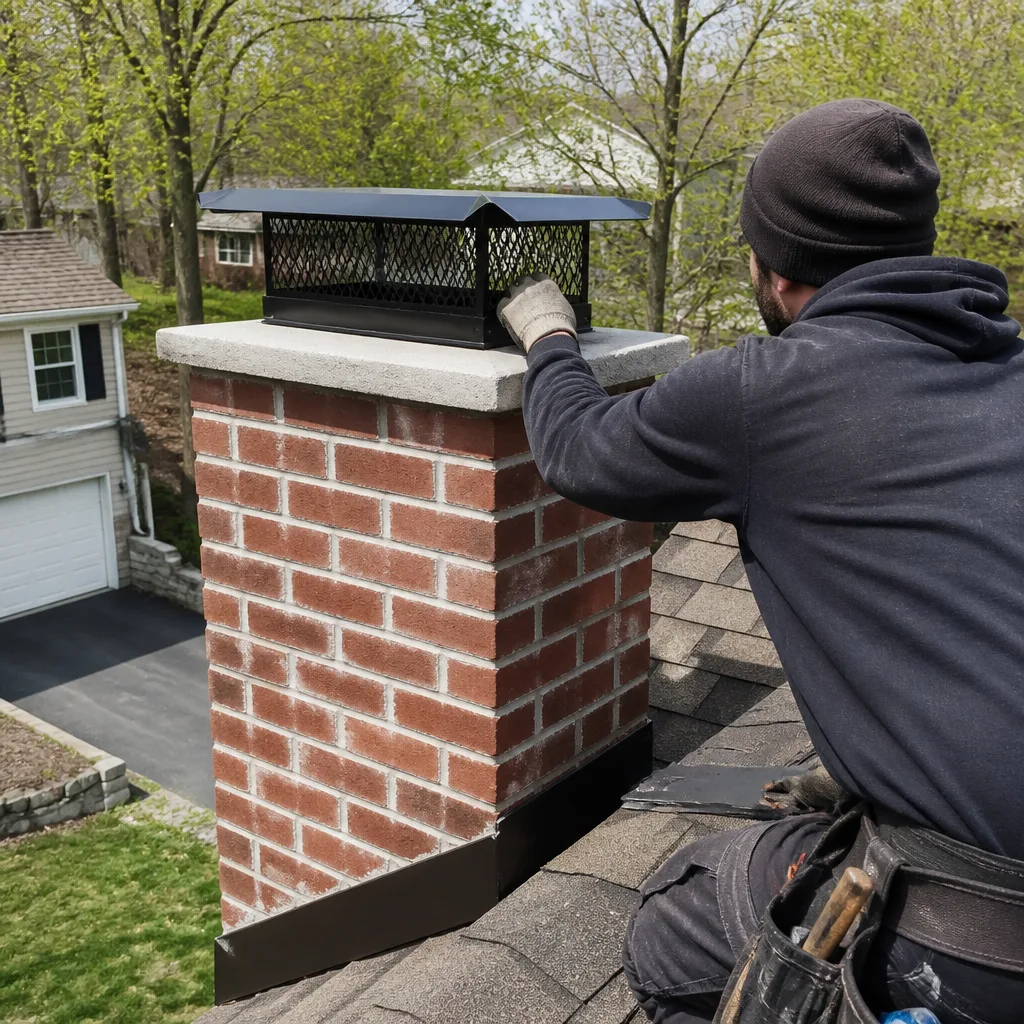 After
After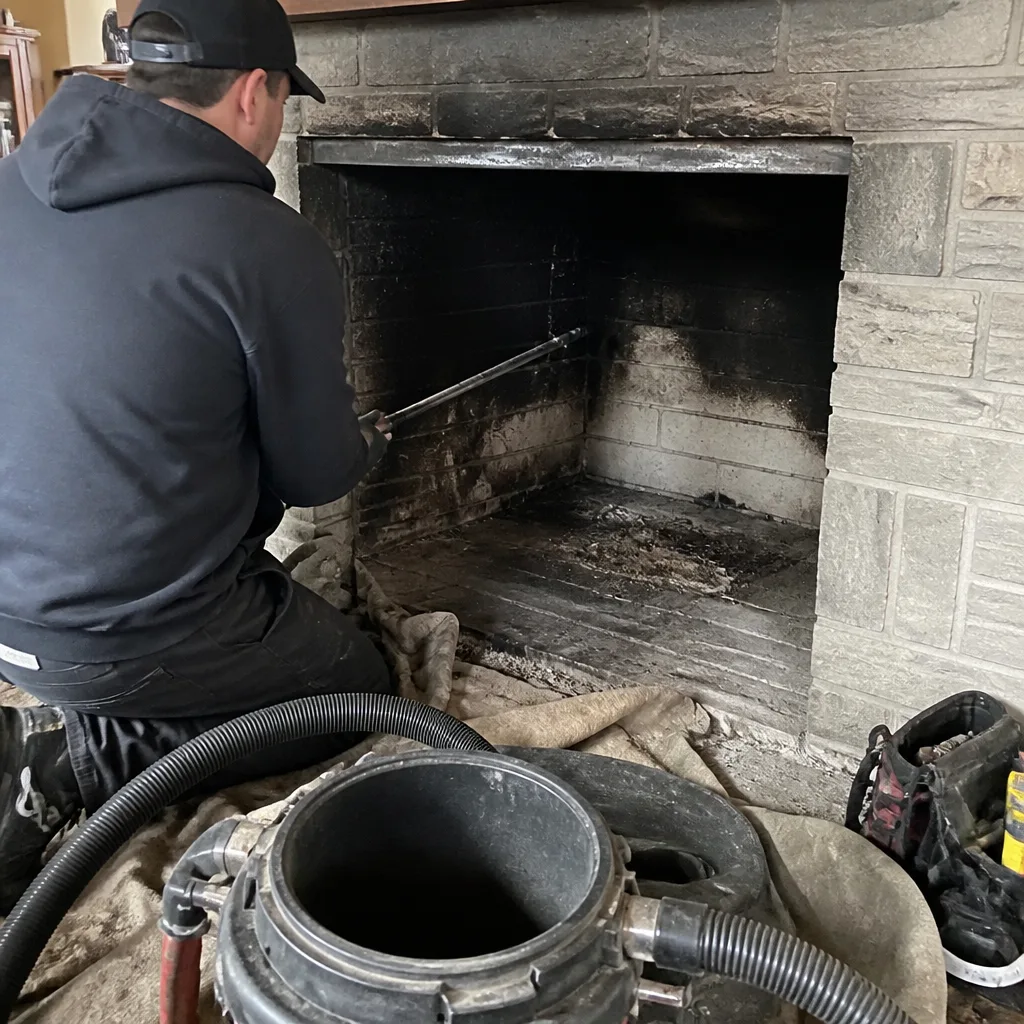 Before
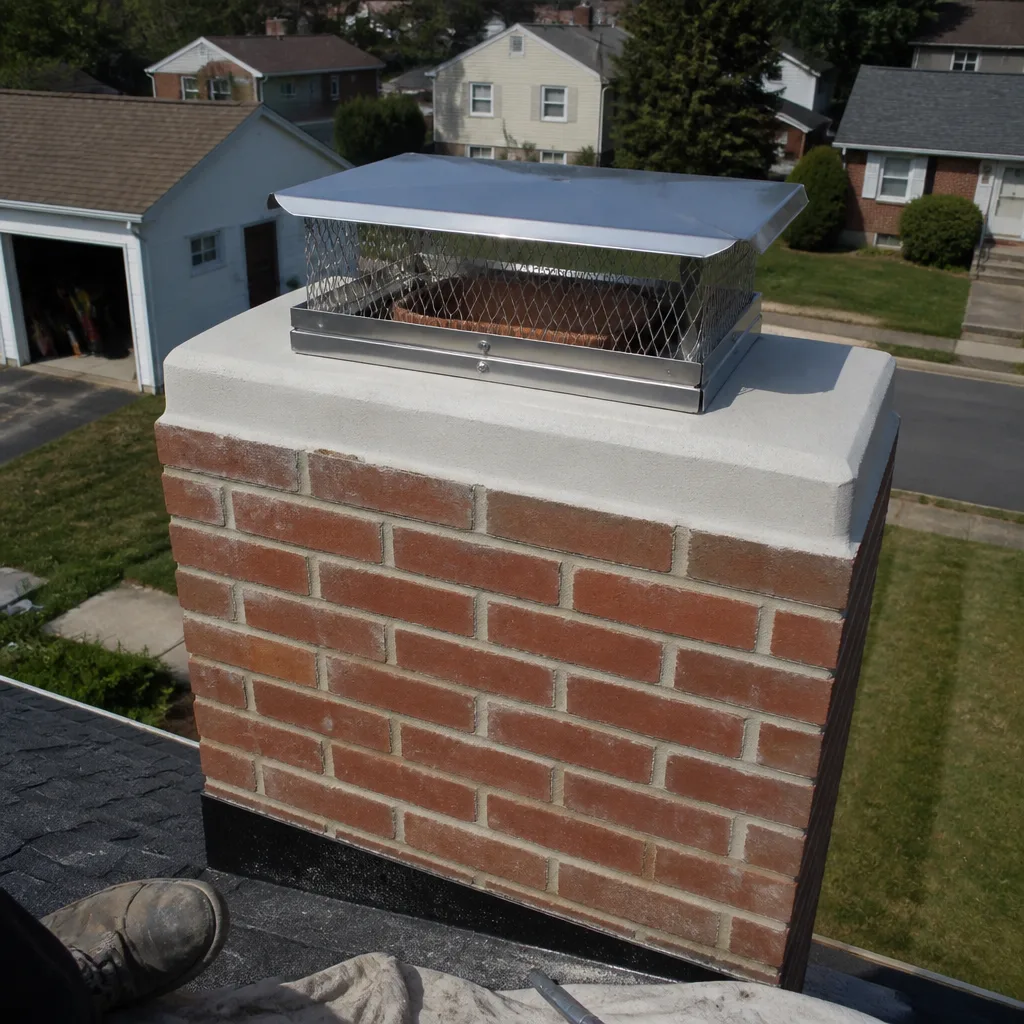 After
AfterFamco Flue Liner Replacement: The Reading Owner’s Guide
We stock and install Famco-compatible flue liner replacement sections for most residential models, with installed pricing in Reading typically running $1,400 to $3,200 depending on liner length and accessibility. If your liner has visible cracking, flaking, or you’re seeing tile pieces in the firebox, we can usually get it assessed within a few days, not weeks. Most Reading homeowners discover the problem during an annual sweep, after a chimney fire scare, or when the furnace starts drafting poorly and nobody can figure out why.
Here’s the thing about Famco liners specifically: they were a solid mid-range product, and plenty of homes across Berks County still have them. But the liner is the hardest-working part of your chimney. It takes the heat, the acidic condensate, and the weather cycle Pennsylvania throws at it. After enough Reading winters, even a good liner gives up.
Key takeaways:
- We match Famco replacement liner sections by diameter and material, not just by brand label.
- Installed pricing in Reading runs $1,400 to $3,200 for typical residential jobs, parts and labor included.
- Camera inspection before any recommendation. If it doesn’t need replacing, Wendell Pike will tell you that to your face.
- 90-Day Done Right Promise on every liner job, in writing.
Which Famco Models This Applies To
Famco manufactured flexible stainless steel chimney liners and rigid liner systems under several model lines over the years, and the replacement path depends on which one you’ve got. We most often see Famco universal flex kits in 4″, 5″, 5.5″, and 6″ diameters around Reading, along with the occasional 7″ and 8″ on older wood stoves and oil furnace flues. The brand also produced a smooth-wall flexible liner and a hybrid system with rigid sections for taller runs, and the compatibility question is rarely as simple as “Famco parts are Famco parts.”
Here’s the gotcha most people don’t know: a Famco liner stamped for a 6″ appliance doesn’t automatically take any 6″ replacement section. The liner’s wall thickness, alloy grade, and even the crimp pattern changed across production years. If you’ve got the original box or manual, look for the model code, usually something like “FF” for flexible or “RIG” for rigid, plus the diameter. If you don’t have documentation, we measure the old section and match it to current stock or a quality aftermarket equivalent from DuraFlex or Olympia that meets the same spec. Top Hat Chimney is an independent service provider, not a Famco dealer, so we’ll be straight with you: sometimes the aftermarket liner is actually the better product for the money, and we’ll say so.
Signs Your Famco Flue Liner Replacement Is Failing
- Flaking or bubbling on the liner surface. This is the stainless steel or the old clay tile spalling from years of thermal cycling. Once it starts, water and acidic creosote get behind the surface and the damage accelerates.
- Chunks of tile or metal in the firebox or at the cleanout. When you’re seeing delivery of broken pieces after a burn, the liner has already lost structural sections. This isn’t cosmetic. Gas and heat are finding paths they shouldn’t.
- Draft problems that got worse, not better, after a good cleaning. A healthy flue drafts. A compromised liner disrupts the air column, especially on cold Reading mornings when the temperature differential is working against you.
- A smell like a damp fireplace in summer, or worse, faint fuel exhaust when the furnace runs. A cracked liner lets combustion byproducts seep into the house, including carbon monoxide. This is the one that matters.
- Visible rust streaks or staining on exterior brick near the chimney. Moisture plus liner failure equals rust migration through masonry. In Reading’s freeze-thaw cycles, that moisture also spalls brick faces over time.
Replacement Cost & What’s Included
Replacing a Famco flue liner in Reading generally runs $1,400 to $3,200 installed, and that’s the number on the invoice, not a starting point. A short, straight 15-foot run on a single-story home sits at the lower end. A two-story chimney, an offset flue, or a liner that’s bonded to the old tile and fights you on the way out pushes toward the top. We price by the foot for the liner material, plus a flat labor rate, and you’ll see both numbers broken out before we start.
Every replacement includes removal of the failed section, camera verification of the full flue length, installation of the new liner or the matched section, and a final draft test. You get the camera footage and a plain-English verdict, every time, no exceptions. And because it’s Top Hat Chimney, the 90-Day Done Right Promise applies: if the liner isn’t right, one call brings Wendell and his crew back at no additional cost. We’ve been doing this in Berks County since 1999, and that promise isn’t marketing language. It’s stamped on the job sheet.
DIY or Call Us?
Let’s be honest about what this job is. Replacing a flue liner means working from the roof, handling stainless sections that can be razor-sharp on the cut edge, and pulling a liner that’s fighting you the whole way. If your roof is steep or you’re not comfortable on a ladder with tools in hand, this is not the weekend project to learn on. A dropped liner section or a slip on a Reading roof in November is a hospital trip or worse.
That said, there are things you can do before calling. Check the cleanout door at the base of the chimney for debris. Look for visible cracking at the flue tile from the top, if you have a safe, flat roof and a proper ladder. If you see damage, you’ve confirmed the problem. But the diagnosis and the fix belong to someone who’s been in a few hundred flues. We’re at (484) 209-0837, and we’ll give you an honest assessment before recommending whether this even needs replacing right now.
FAQs
A properly installed Famco stainless liner typically lasts 15 to 20 years in Berks County’s climate, though oil and coal flues run hotter and more acidic, which can shorten that to 10 to 15 years. Call (484) 209-0837 for a camera inspection and we’ll tell you how much life yours has left.
Small gaps or minor separation at joints can sometimes be resecured if the liner itself is intact, but once the metal has thinned, cracked, or begun spalling, patching buys you a season, not a solution. If it doesn’t need doing, Wendell Pike will be the first one to tell you.
Most single-family replacements in Reading are done in a day, usually four to six hours including setup, removal, camera verification, installation, and cleanup. Taller chimneys or stubborn old sections can push it to a second morning.
We keep common Famco-compatible liner sections, connectors, and top plates on the truck when we come out, and we also stock DuraFlex, HeatShield, and Gelco products for when a different brand matches the job better. If your size isn’t on hand, we’ll have it within a few days and confirm before we schedule.
Written by Wendell Pike, Owner, Top Hat Chimney at Top Hat Chimney, serving Reading and nearby areas.