
Level 1 sweep and inspection to the NFPA 211 annual standard - flue, crown, cap, and flashing checked and photographed
Chimney sweep logs do not sweep chimneys. They loosen some creosote - which then falls where a brush and vacuum still have to collect it.
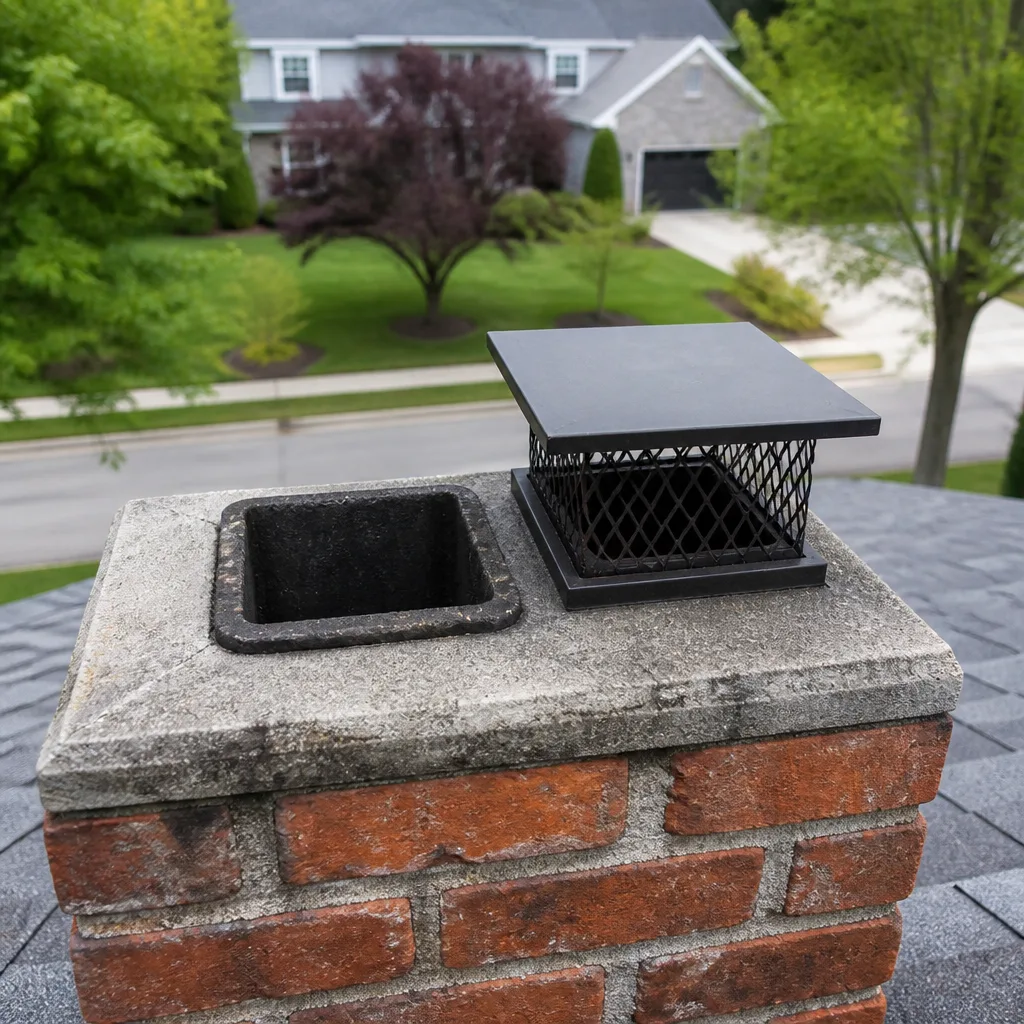
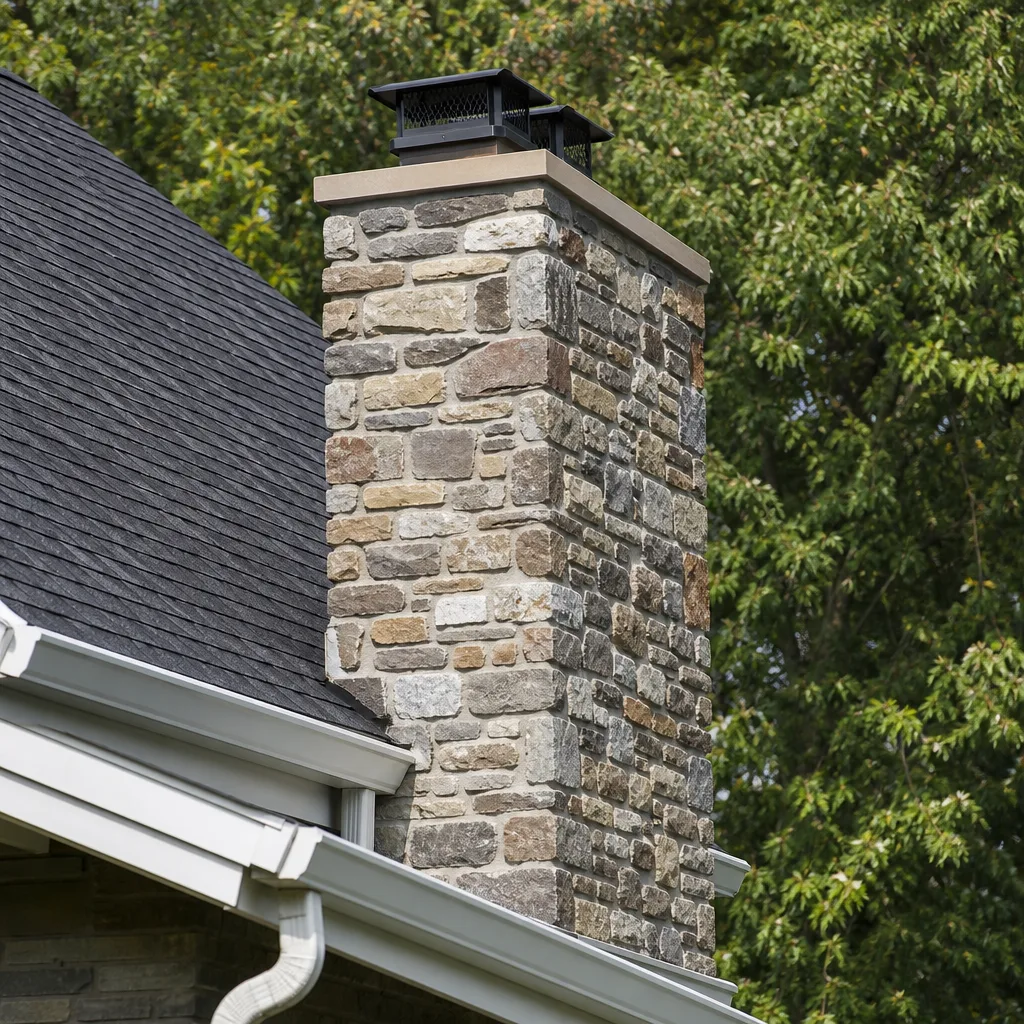
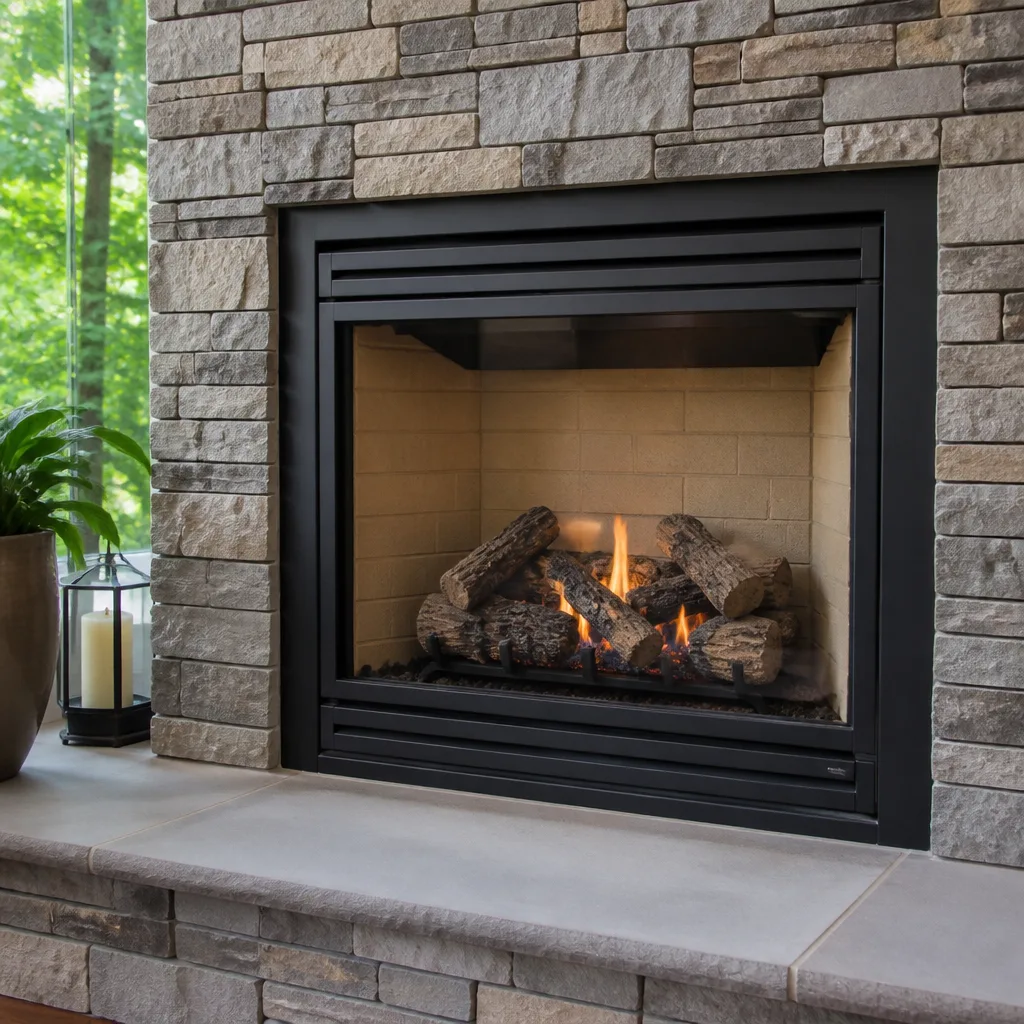
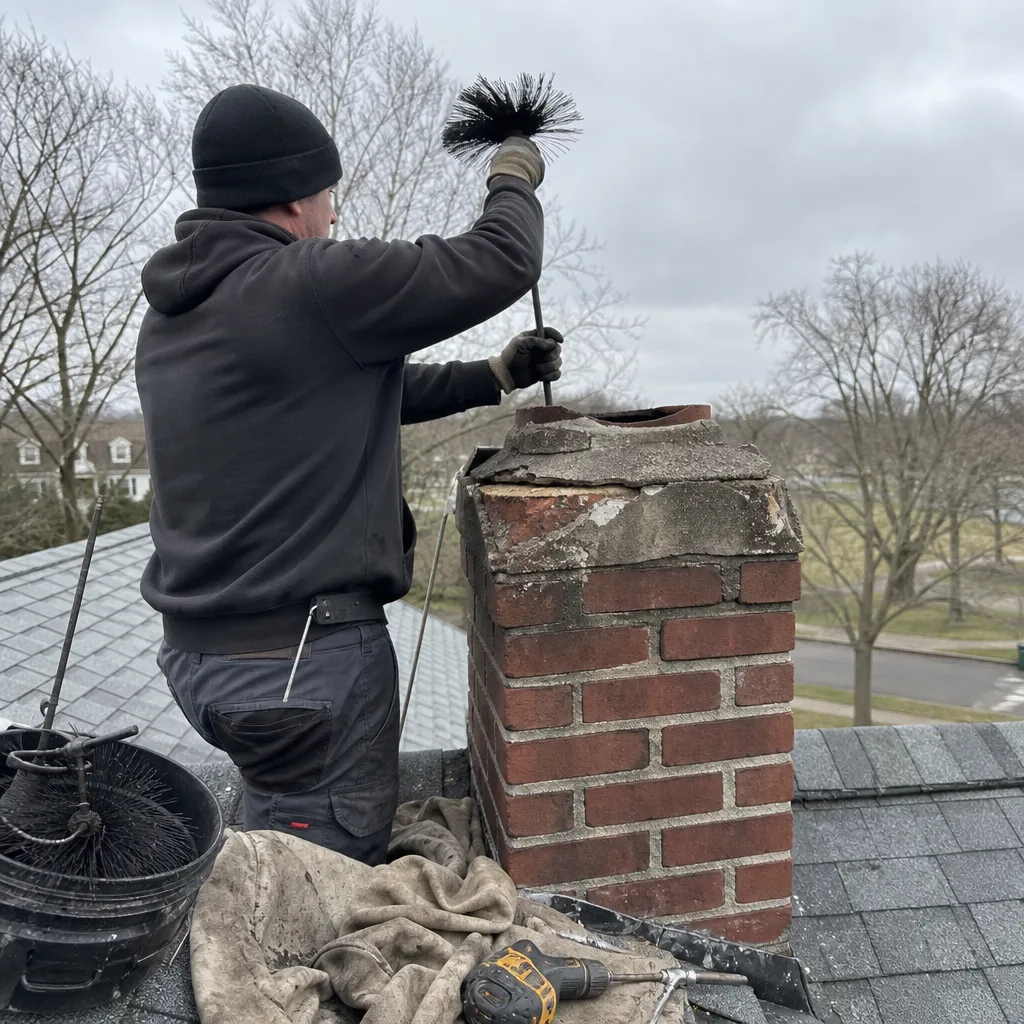 Before
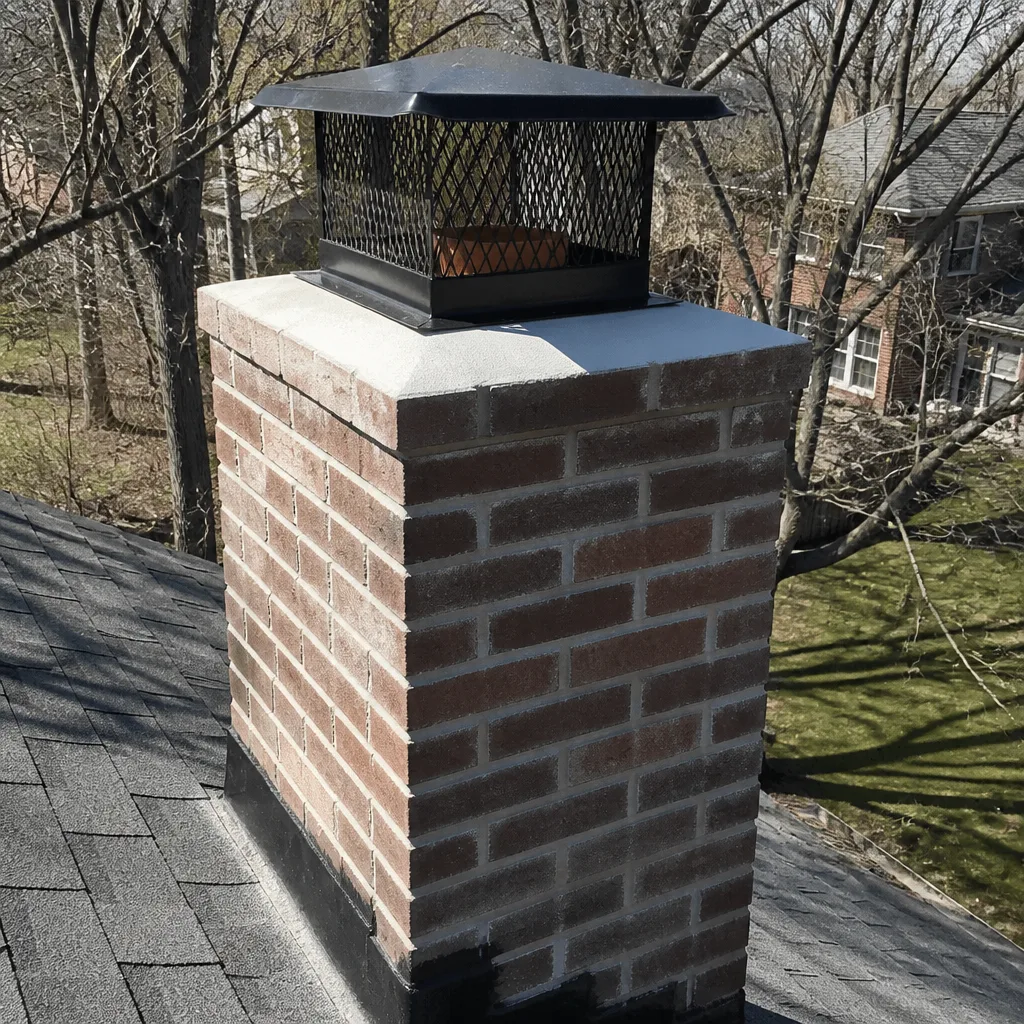 After
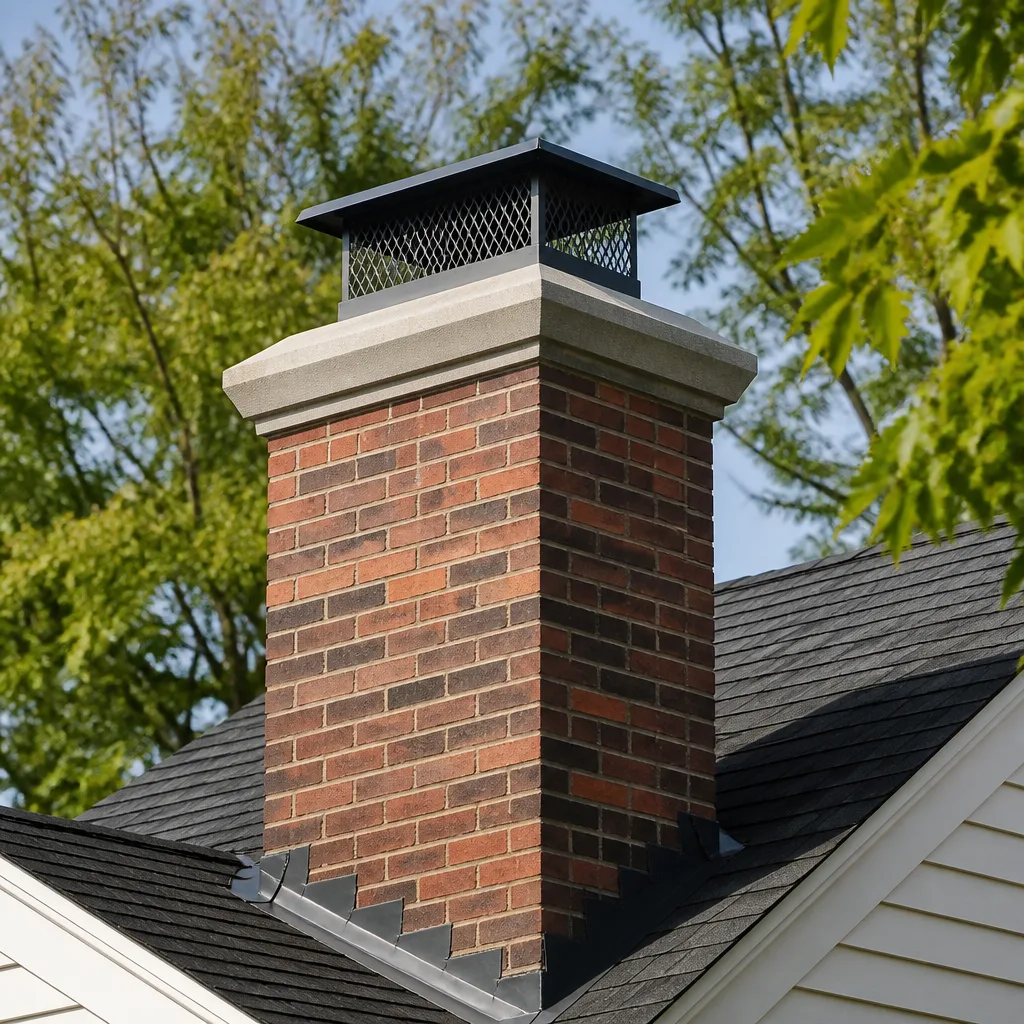
After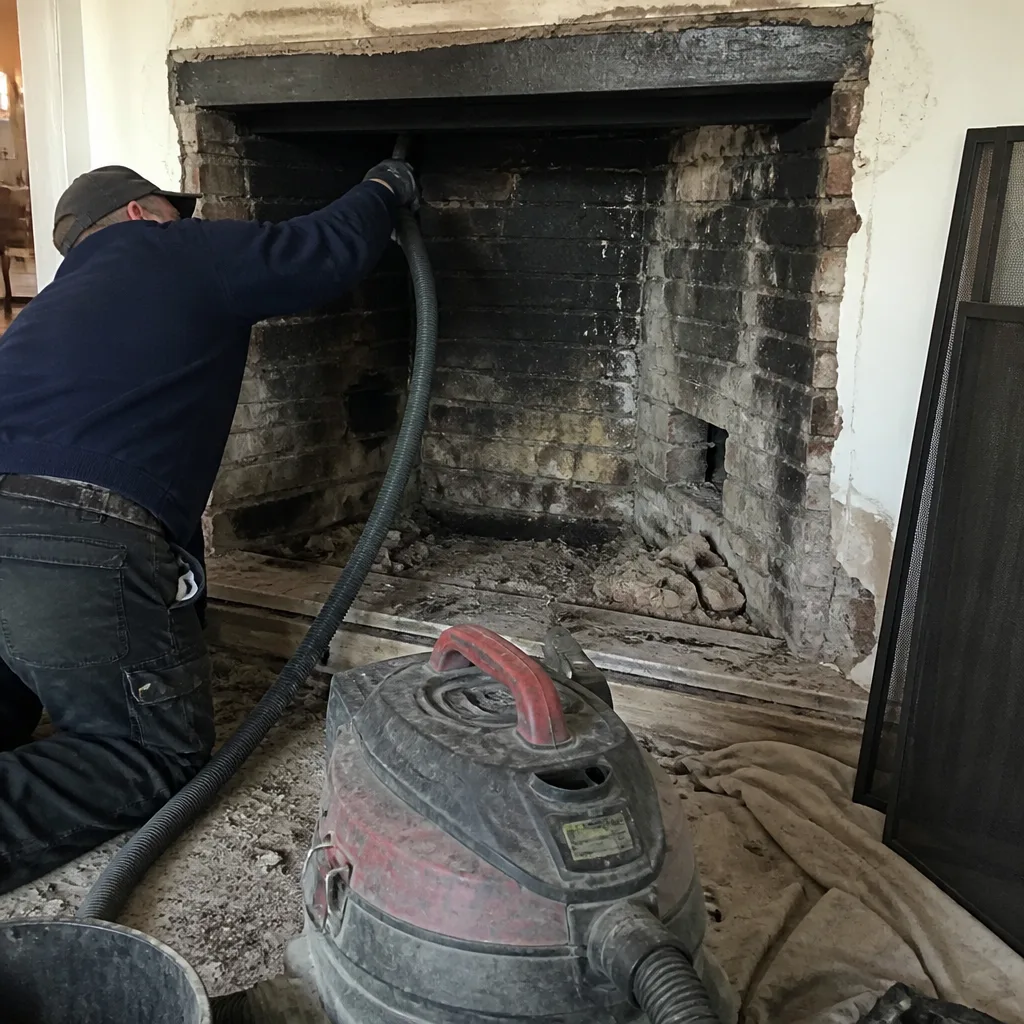 Before
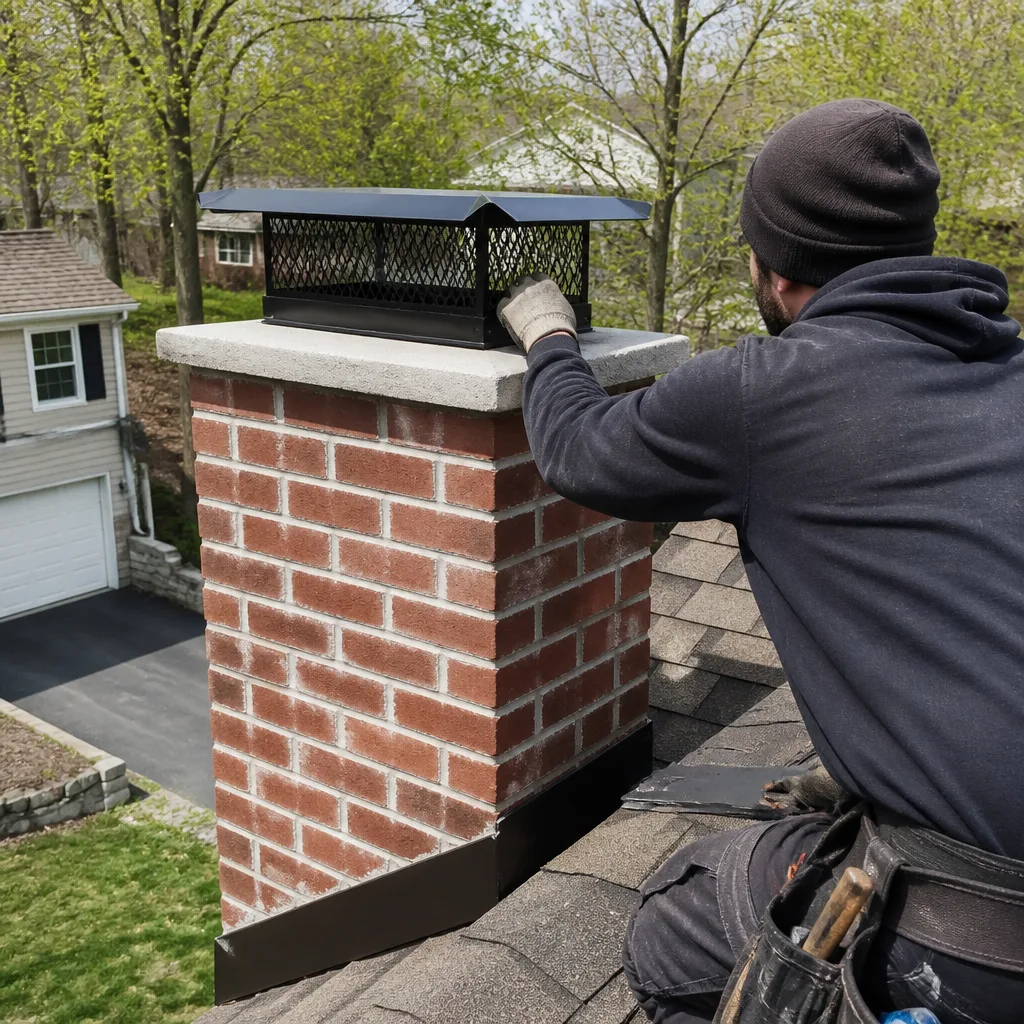 After
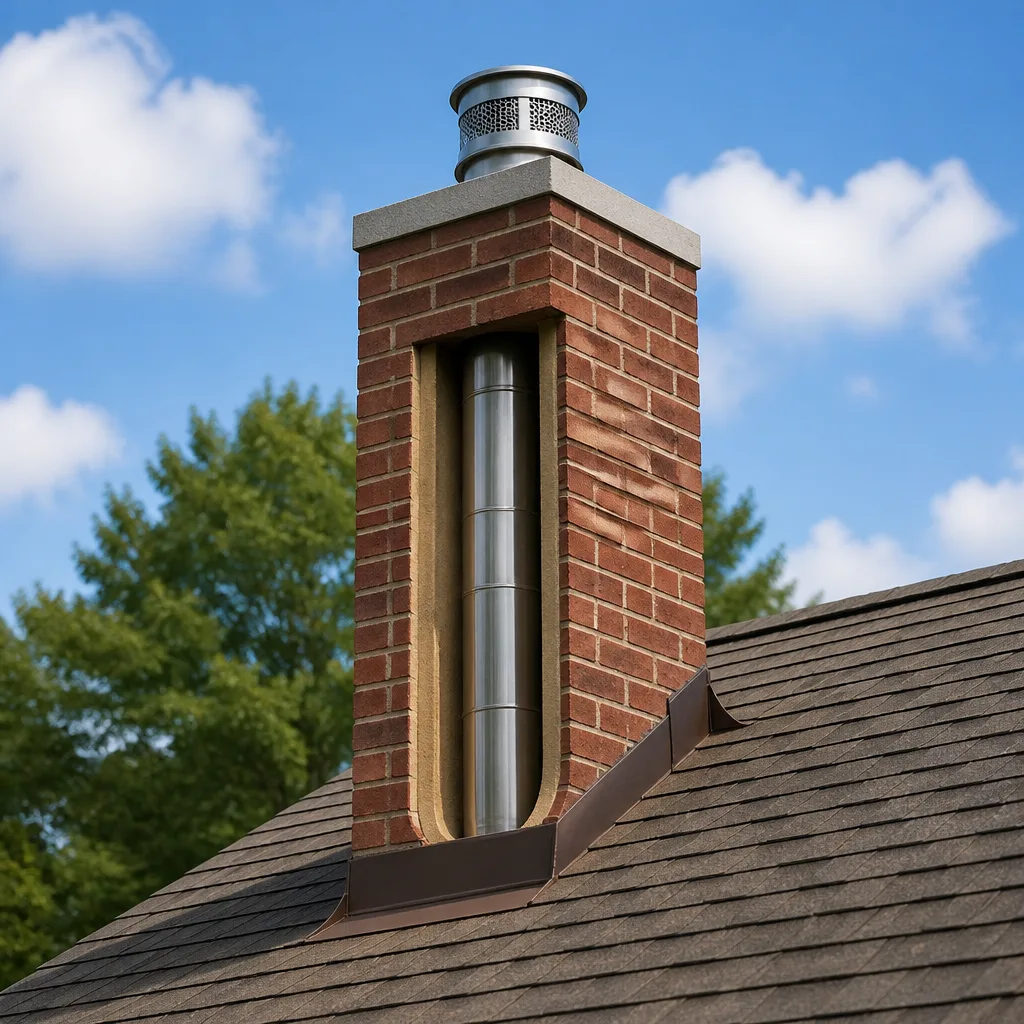
After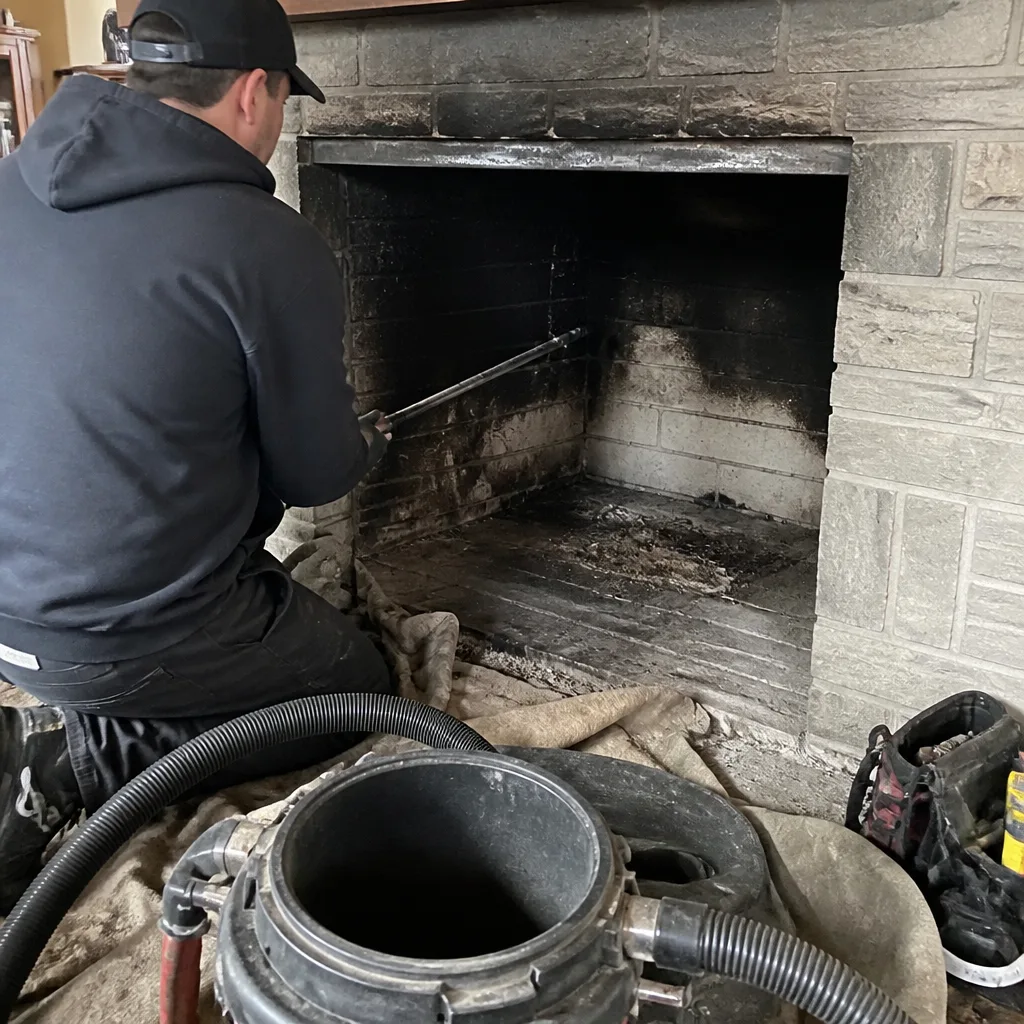 Before
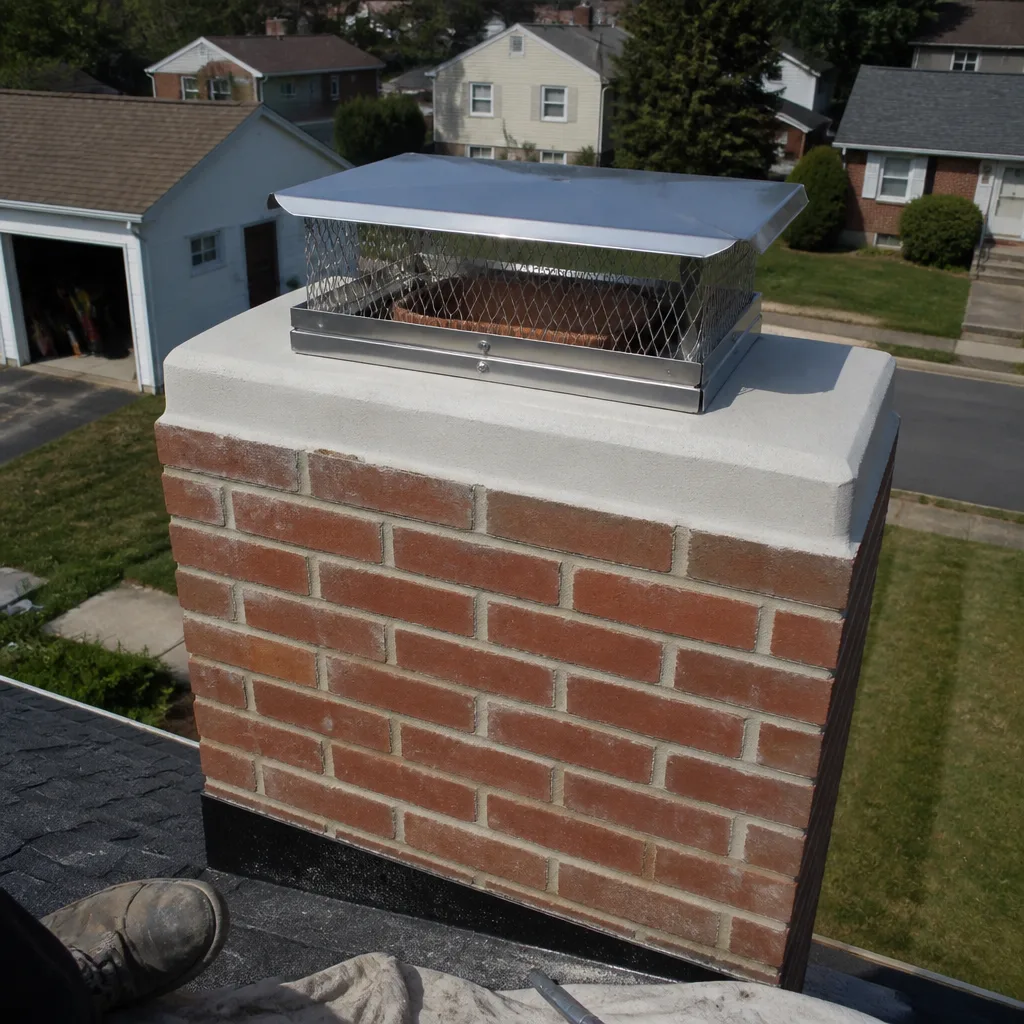 After
AfterFast, Reliable Chimney Cap & Crown Across Sinking Spring
A chimney cap and crown in Sinking Spring work together to keep water, animals, and debris out of your flue, and failing ones let all three in. Most cap replacements on the ranch homes and split-levels around Penn Avenue and Columbia Avenue run $180 to $425 depending on flue size and whether we’re capping one flue or a shared stack. Crown repairs typically land between $300 and $750, while a full crown rebuild on a heavily spalled 1960s chimney runs $850 to $1,500. If you’re seeing white crust, crumbling brick shoulders, or missing mortar around the top, call (484) 209-0837 and Wendell will take a look before the next freeze.
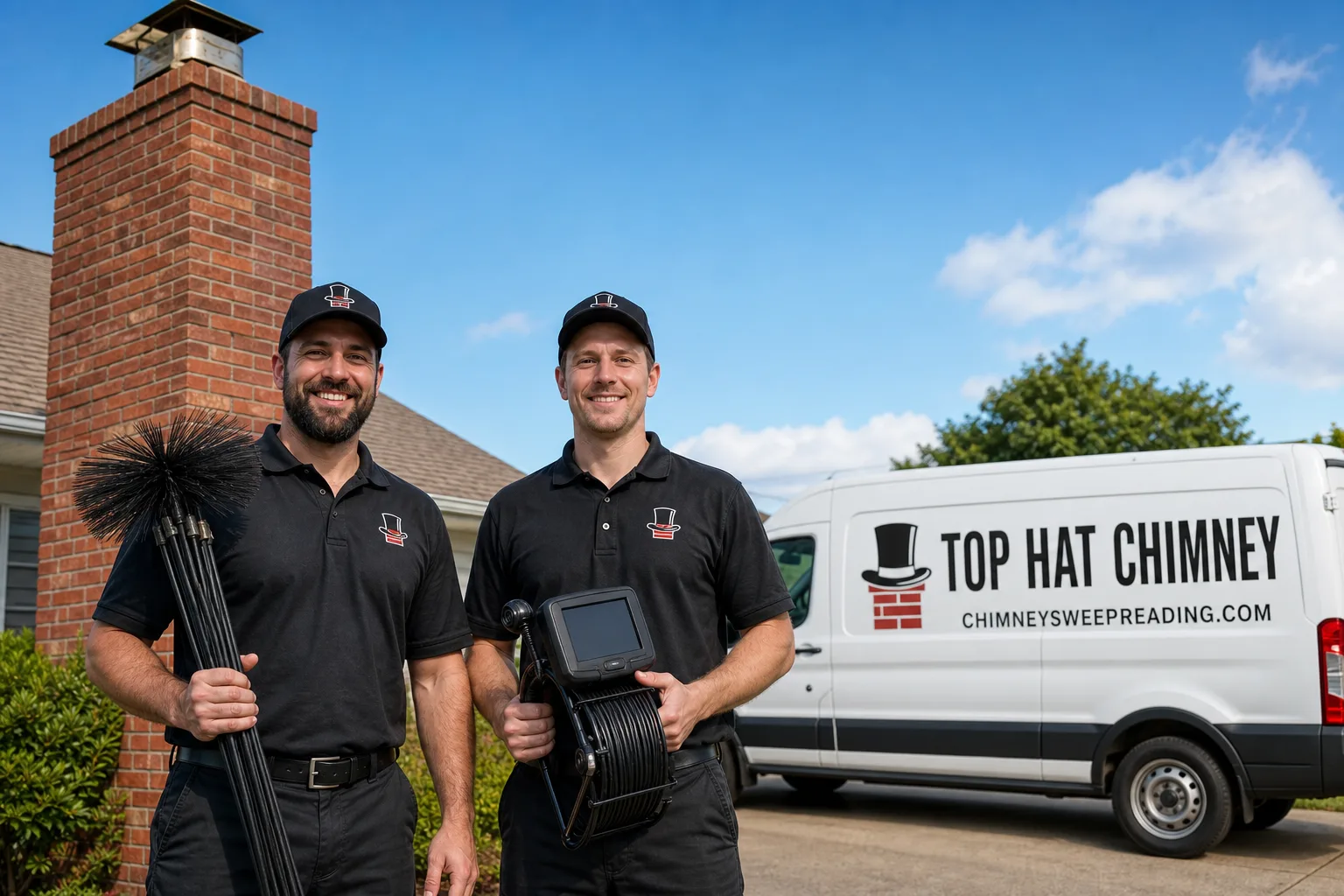
We’re not a national call center. Top Hat Chimney is run by Wendell Pike, who has swept, capped, and rebuilt chimneys across Berks County since 1999. You’ll get a straight answer, a printed price before work starts, and the 90-Day Done Right Promise in writing. Every job.
Why Top Hat Chimney Is Sinking Spring’s Preferred Chimney Cap & Crown Company
Ask anyone on your street. Wendell has been working chimneys in this part of Berks County longer than most of the houses on Route 422 have had their current roofs. The work is the same kind you’d expect from a Chimney Cap & Crown specialist who lives with the same freeze-thaw cycles you do, and the crew shows up in uniform with a real arrival window. If the window slips, the phone rings. That’s the whole system.
Sinking Spring homeowners call us because the national outfits quote one number on the phone and another at the door. Wendell gives a written estimate before a single tool comes off the truck. The number you hear is the number on the invoice. Live person answers the phone around the clock, and it may well be Wendell himself picking up at midnight when a storm rips a cap off a shared stack near the Cacoosing Creek side of town.
And for every Sinking Spring job, the 90-Day Done Right Promise applies. If the cap isn’t seated right or the crown coat fails, one call brings Wendell back. No argument, no charge.
We hold a published license number. Wendell puts his name on the work and runs into you again on Saturday at the hardware store. That’s the difference.
Our Chimney Cap & Crown Services in Sinking Spring
Here’s what we do most often for Sinking Spring homes, and what each one actually involves.
Cap Installation
A new multi-flue cap on a 1960s split-level off Hill Road keeps rain, birds, and falling leaves out while still letting draft move. We measure the flue, match the cap to the clay tile or stainless liner, and set it with proper mortar bedding so it doesn’t rattle in a winter gale. Most Sinking Spring installs take under two hours, and we stock common sizes to avoid a second trip.

Cap Replacement
When the old cap has rusted through or the mesh is torn wide enough for a squirrel to squeeze through, replacement beats patchwork. We carry Galco and Copperfield caps in standard Sinking Spring flue sizes and can order custom copper or stainless for oddball openings on older ranch homes. A replacement usually runs $150 to $350 installed, depending on flue size and roof access.

Crown Repair
The concrete or mortar crown shoulders the weather, and after 30-plus freeze-thaw cycles a year on the ridge above Sinking Spring, hairline fractures widen into water entry paths. We repair spalled edges, fill cracks with a flexible crown coat, and restore the drip edge so water sheds away from the flue tile instead of running down the chimney face. Crown repair in Sinking Spring typically runs $300 to $750.

Crown Coating
When the crown is structurally sound but starting to micro-crack, a coating job stops it from becoming a rebuild. We apply an elastomeric crown coat that bridges hairline cracks and moves with the freeze-thaw cycles rather than splitting. This is the most common prevention job on Sinking Spring chimneys, and it’s cheaper than waiting until the crown needs full replacement.

What happens when you call
- 1
A real person answersNo phone trees - you reach a local pro.
- 2
You get an upfront price rangeHonest numbers before anyone is dispatched.
- 3
A background-checked tech heads outLicensed & insured, dispatched right away.
- 4
You approve before work beginsNothing starts until you say go.
Trusted Brands We Service in Sinking Spring
We install and stand behind caps and crowns from Gelco, Olympia Chimney, and Famco. These are the brands we stock for Sinking Spring jobs because we have seen what holds up after a Berks County winter and what doesn’t. If your existing cap is an Olympia or Gelco unit that’s rusted out at the seam, we can source the direct replacement and have it on the truck before we ring your bell. Same brand, better install.
Common Chimney Cap & Crown Problems We See in Sinking Spring Homes
- Freeze-thaw spalling on exposed ridge-side crowns. Sinking Spring sits in Berks County’s ridge-and-valley terrain, and the crown on the windward side of the chimney takes more than 30 freeze-thaw cycles per winter. The concrete spalls first at the drip edge, then water gets behind the crown and into the flue tile.
- Shared flue stacks without individual caps. Ranch homes and split-levels from the 1950s through 1970s often share a chimney stack between attached or closely spaced units. A missing cap on one flue allows wind-driven rain into both flues, and can pull exhaust from a neighboring gas appliance into a dormant fireplace flue.
- Oversized clay tile liners after gas conversion. Many Sinking Spring homes originally burned wood or coal, then converted to gas in the 1970s or 80s. The original 6-to-8-inch clay tile liner is now too big for the gas appliance, and acidic condensate collects on the tile and eats it from the inside. That internal deterioration shows up at the top as crown cracks and dislodged cap mortar.
- Old caps that were never rated for attic-dwelling wildlife. Sinking Spring has a healthy squirrel and raccoon population, and a rotted cap mesh is an open invitation. Once they nest, you get odor, blockage, and a chimney that drafts backward into the living room.
Pricing for Chimney Cap & Crown in Sinking Spring, PA
Here’s what we typically see on Sinking Spring jobs.
- Standard single-flue cap installation: $180 to $350 installed, depending on flue size and roof access.
- Multi-flue cap for shared stacks: $350 to $625, including measurement and proper seating over both or all flues.
- Crown repair with crack fill and drip edge restoration: $300 to $550.
- Full crown rebuild on a heavily spalled chimney: $850 to $1,500, including form work and new pour.
- Crown coating as preventative maintenance: $200 to $350 when the crown is structurally sound.
Roof pitch matters. A steep split-level roof off North Brobst Street takes more setup than a simple ranch with a walkable pitch, and that shows up in the estimate honestly, not as a surprise at the end. We’ll give you the number before work begins, and the 90-Day Done Right Promise covers the whole job. Seniors and veterans get 10% off always. There’s $40 off any repair over $200. Call (484) 209-0837 for a free estimate.
We Also Serve Cities Near Sinking Spring
Top Hat Chimney covers Sinking Spring and the surrounding communities, including Reading, Spring, Amity, and Wyomissing. The freeze-thaw conditions change slightly as you move off the ridges, but the same cap and crown standards apply. For faster scheduling in Reading’s rowhouse districts or Spring’s newer construction, call us directly and we’ll get you on the board.
Serving Sinking Spring, PA - Our Local Coverage Area
We’re based in the Sinking Spring area and know this community well. Use the map below to see our service coverage - if you’re nearby, we can almost certainly help.
FAQs - Chimney Cap & Crown in Sinking Spring
Each flue needs its own cap, even when they share a stack. A single multi-flue cap that covers both openings is an option, but each flue must be individually capped or properly divided so that exhaust from your neighbor’s gas furnace can’t be drawn backward into your open or dormant fireplace flue. On shared stacks in post-WWII Sinking Spring ranch homes, this cross-contamination is a real issue when one cap fails and dampers are left open. Call (484) 209-0837 and we’ll assess both flues and quote a proper multi-flue cap setup.
White crust and crumbling crown edges usually mean water has been getting into the crown mortar for years, and the damage has already worked downward into the flue tile. That white efflorescence is mineral salts being pushed out of the masonry, not just surface wear. On Sinking Spring split-levels with original 60s chimneys, a crumbling crown often goes hand-in-hand with an offset or cracked clay tile liner below the roofline. We won’t know until we drop a camera down the flue and look. Call (484) 209-0837 for a free assessment.
Almost certainly, yes. The original cap on a 1950s-to-70s Sinking Spring chimney was sized for open fireplace draft, not the lower-volume exhaust of a modern gas furnace. When gas appliances vent into an oversized flue, acidic condensate forms and corrodes the inside of the clay tile. Reopening the fireplace means the cap, the flue size, and the crown all need to be evaluated together. We see collapsed or severely offset tile sections on exactly this scenario, discovered during the first cleaning after decades of dormancy. The cap is the least of it. Call (484) 209-0837 to schedule a camera inspection first.
Ridge-side exposure is the difference. Sinking Spring sits in the ridge-and-valley terrain west of Reading, and chimneys on the windward side of the ridge take more direct winter weather: driving rain, sleet, and repeated freeze-thaw that expands water in the crown’s hairline cracks. A cap anchored on a Reading rowhouse sees less wind load and less spalling at the drip edge. That’s why we coat Sinking Spring crowns more aggressively and will often recommend a heavier-gauge cap base than we would for a protected in-town chimney. The cap itself isn’t the failure point; it’s the crown it sits on that takes the beating.
Only if the crown is in good enough shape to support it. A custom copper cap from Famco or Copperfield adds weight and wind profile, and if the crown is already spalled or cracked from decades of Sinking Spring winters, the added stress will accelerate the failure. We can install the copper cap and repair the crown in one visit, and the combination often makes sense on a prominent split-level. The copper ages to a dull patina that fits older homes well. Call (484) 209-0837 and we’ll give you a straight answer on whether your crown is up to it.
Wendell has been inside more chimneys in this part of Berks County than he can count, and the camera footage and a plain-English verdict come with every job, no exceptions. For Sinking Spring cap and crown work, call (484) 209-0837 or stop one of us in town and just ask.
Written by Wendell Pike, Owner at Top Hat Chimney, serving Sinking Spring since 1999.