
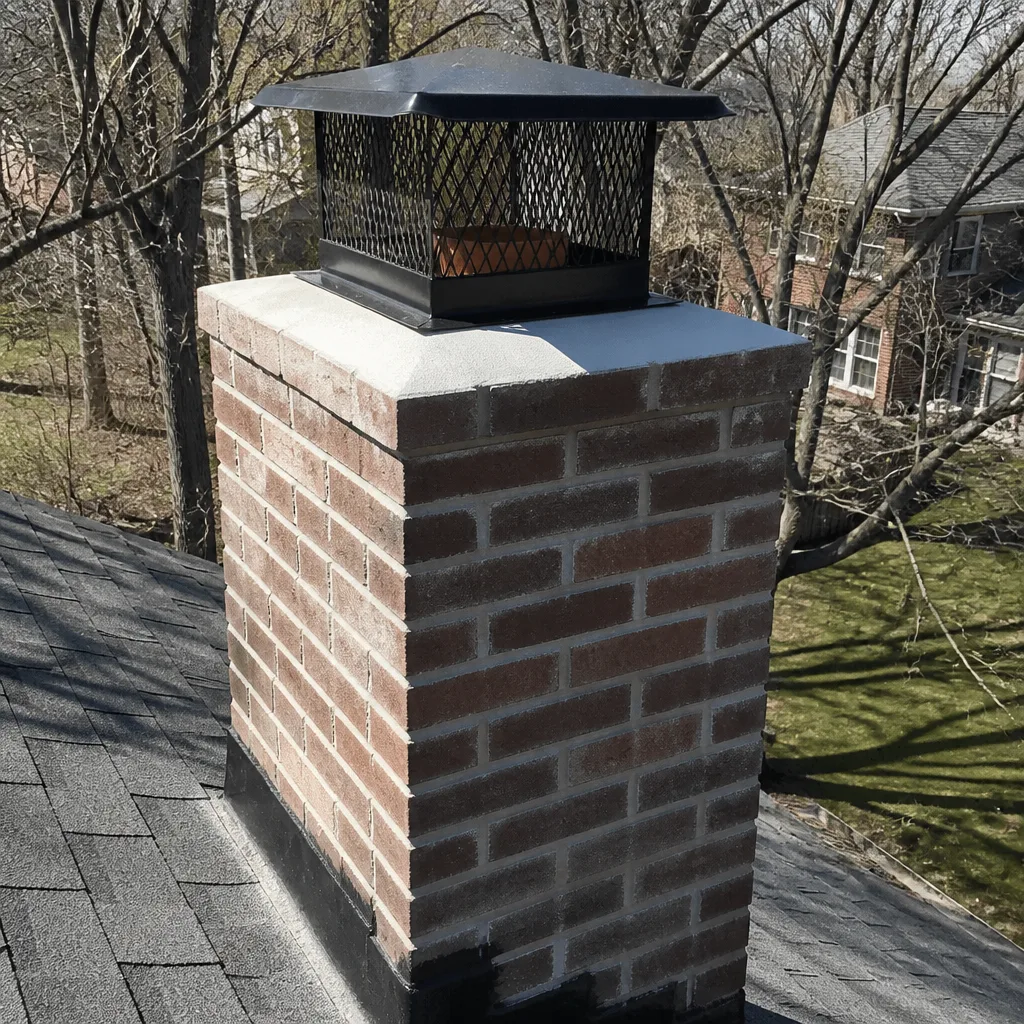
Level 1 sweep and inspection to the NFPA 211 annual standard - flue, crown, cap, and flashing checked and photographed
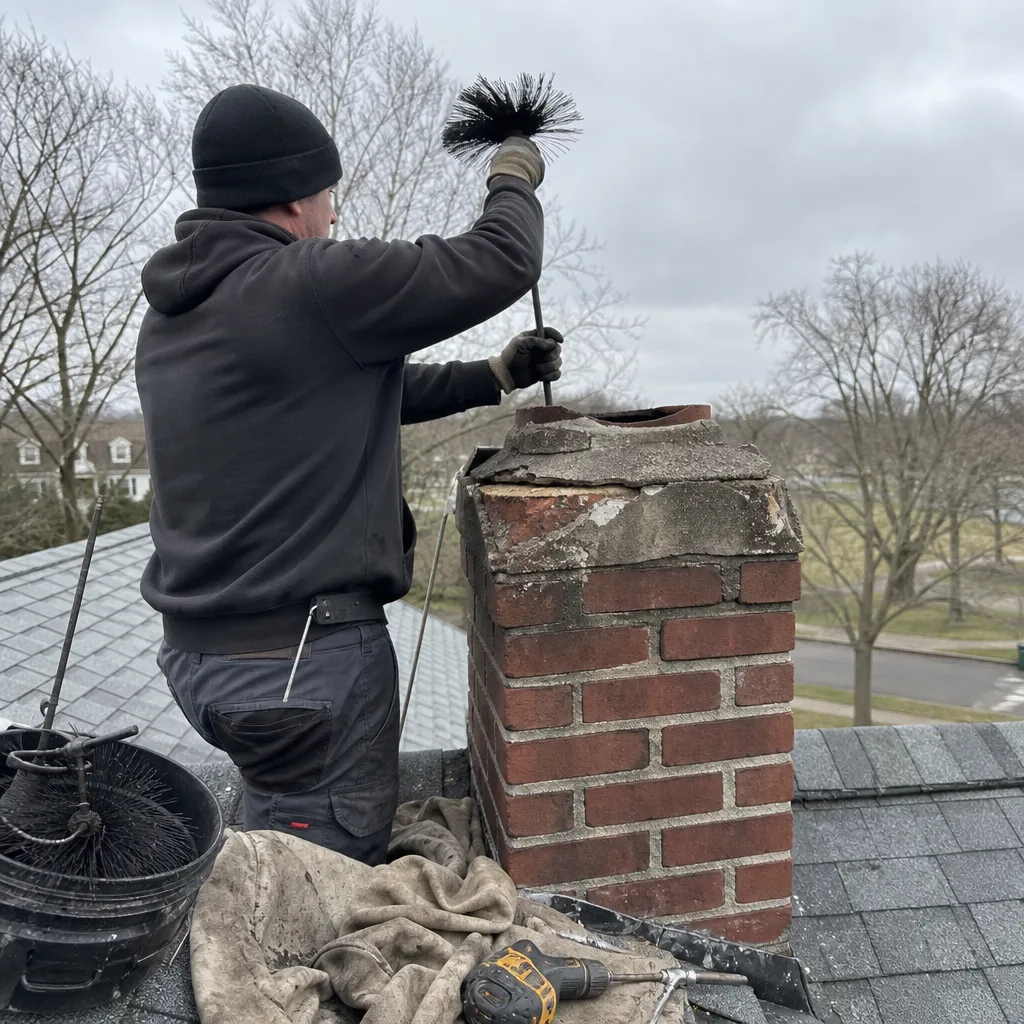
Chimney sweep logs do not sweep chimneys. They loosen some creosote - which then falls where a brush and vacuum still have to collect it.
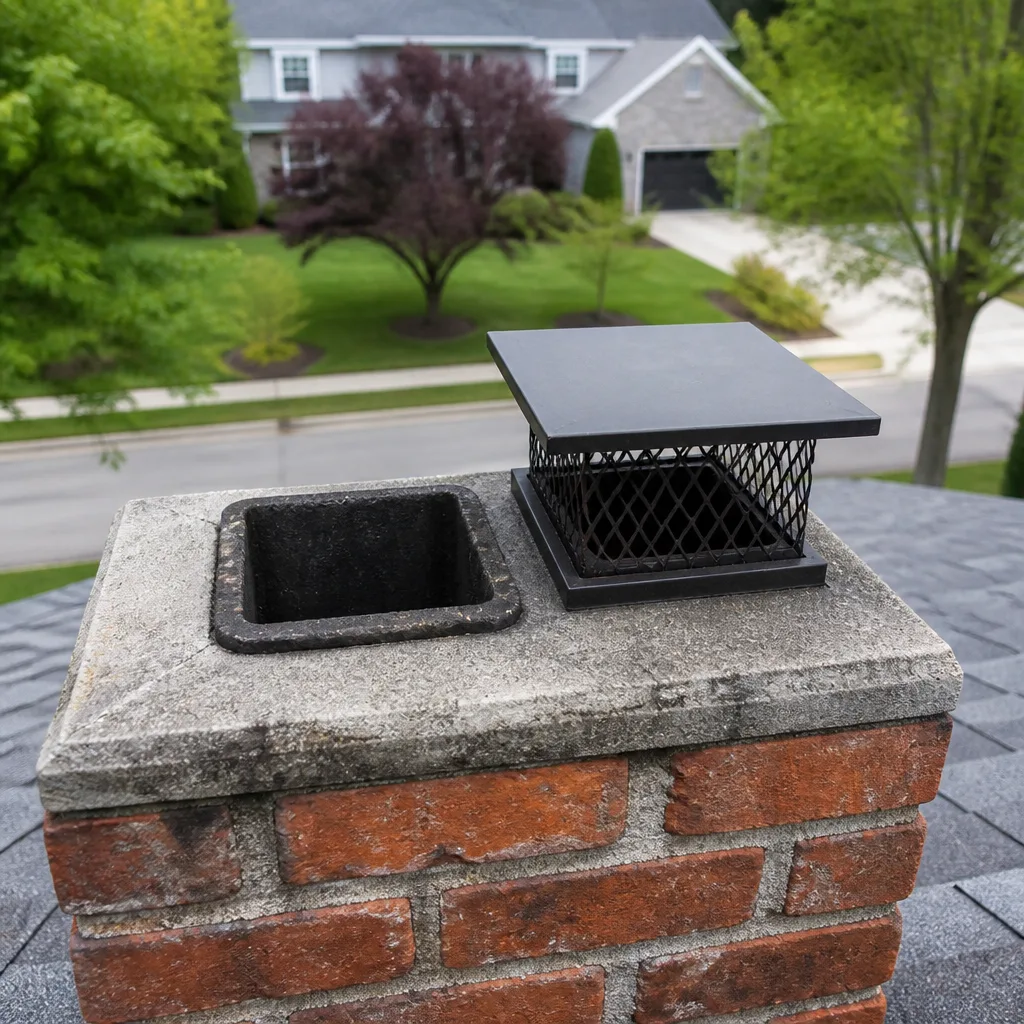
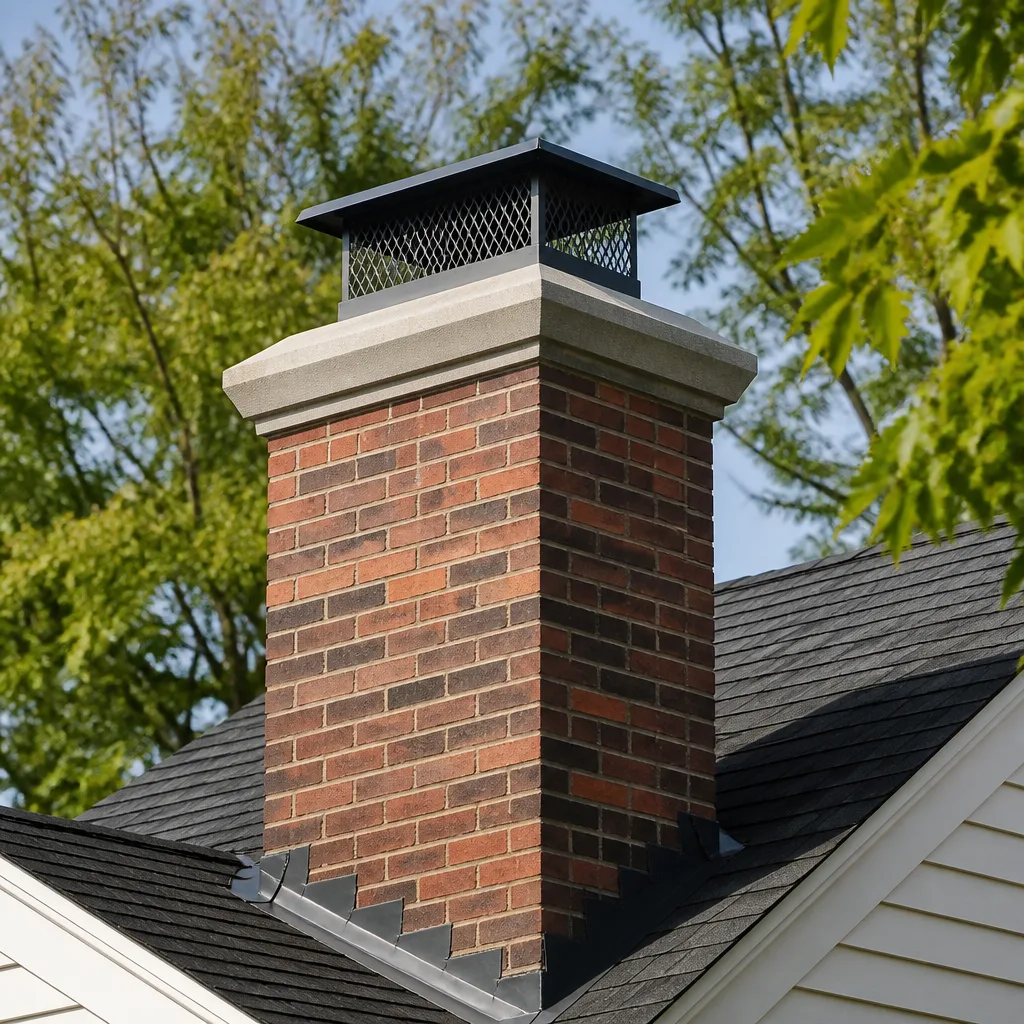
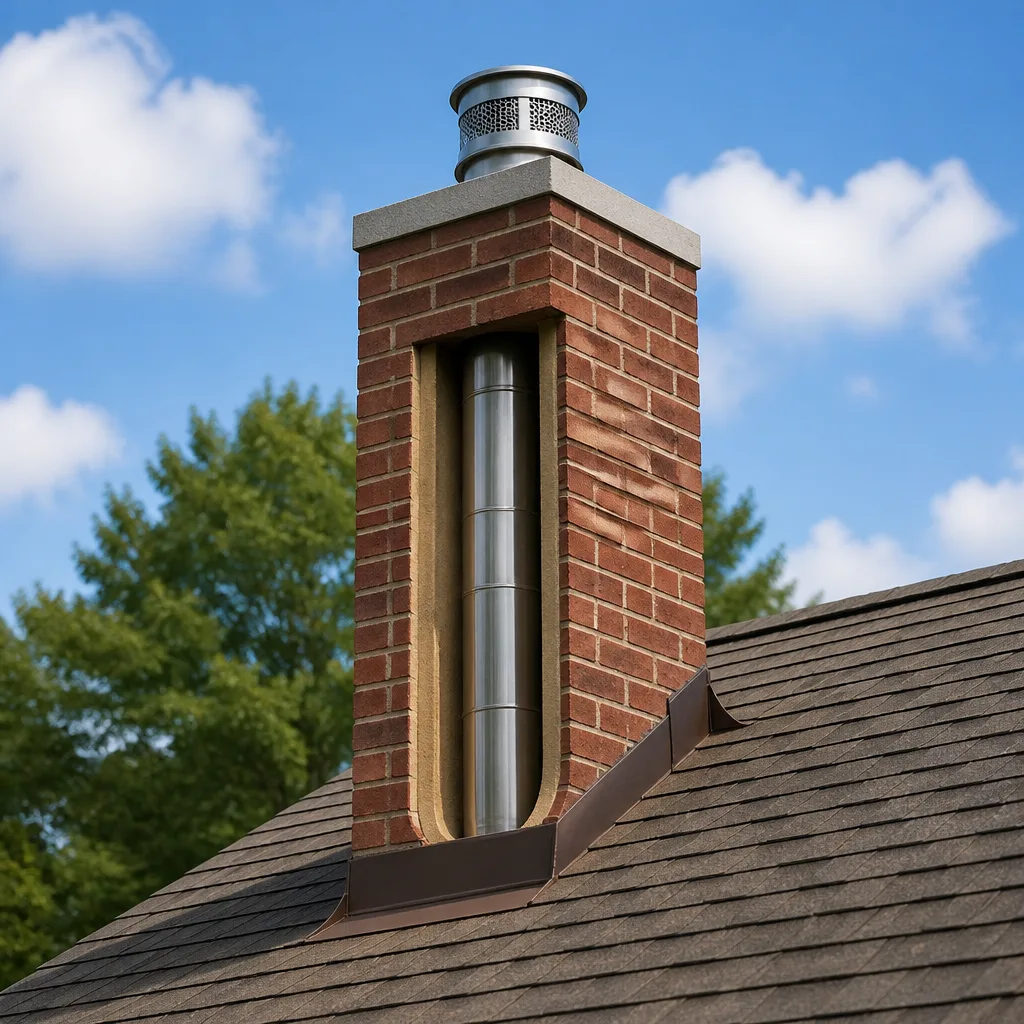
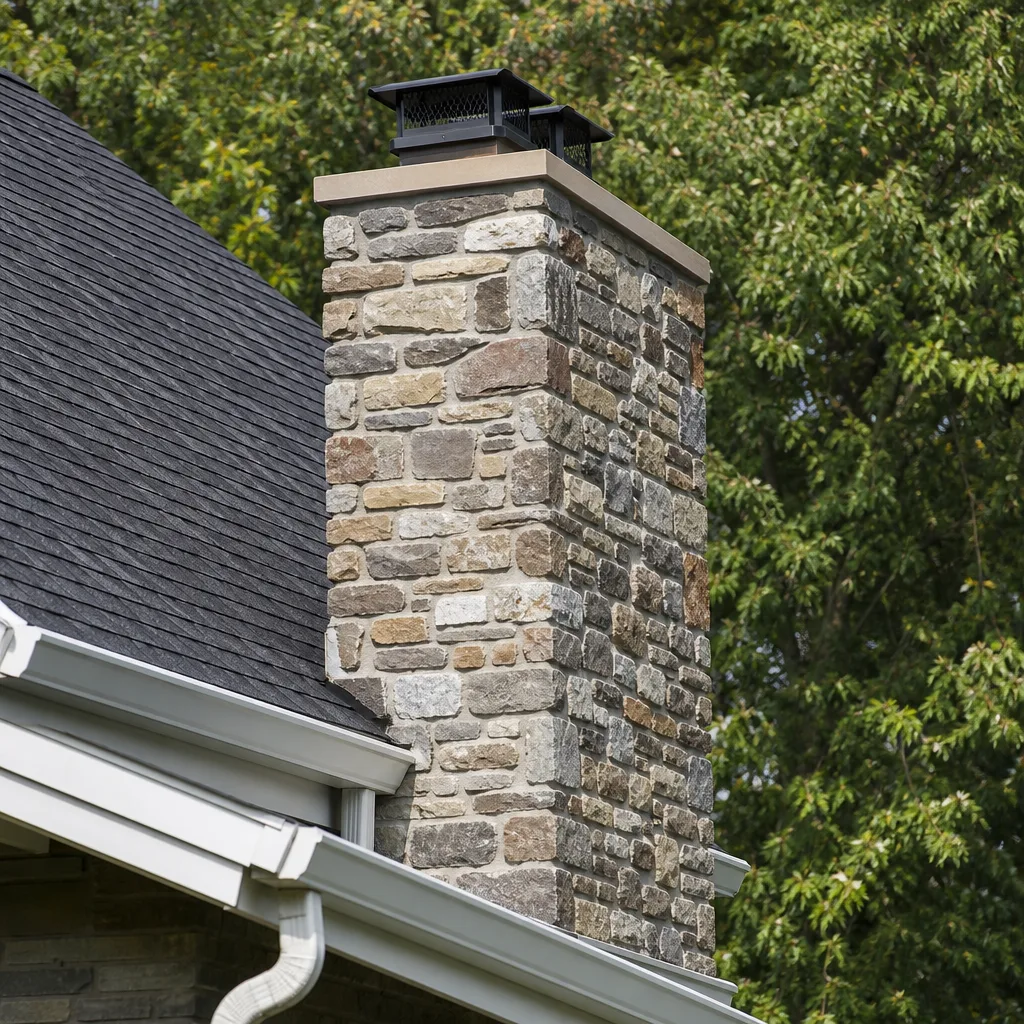
 Before
 After
After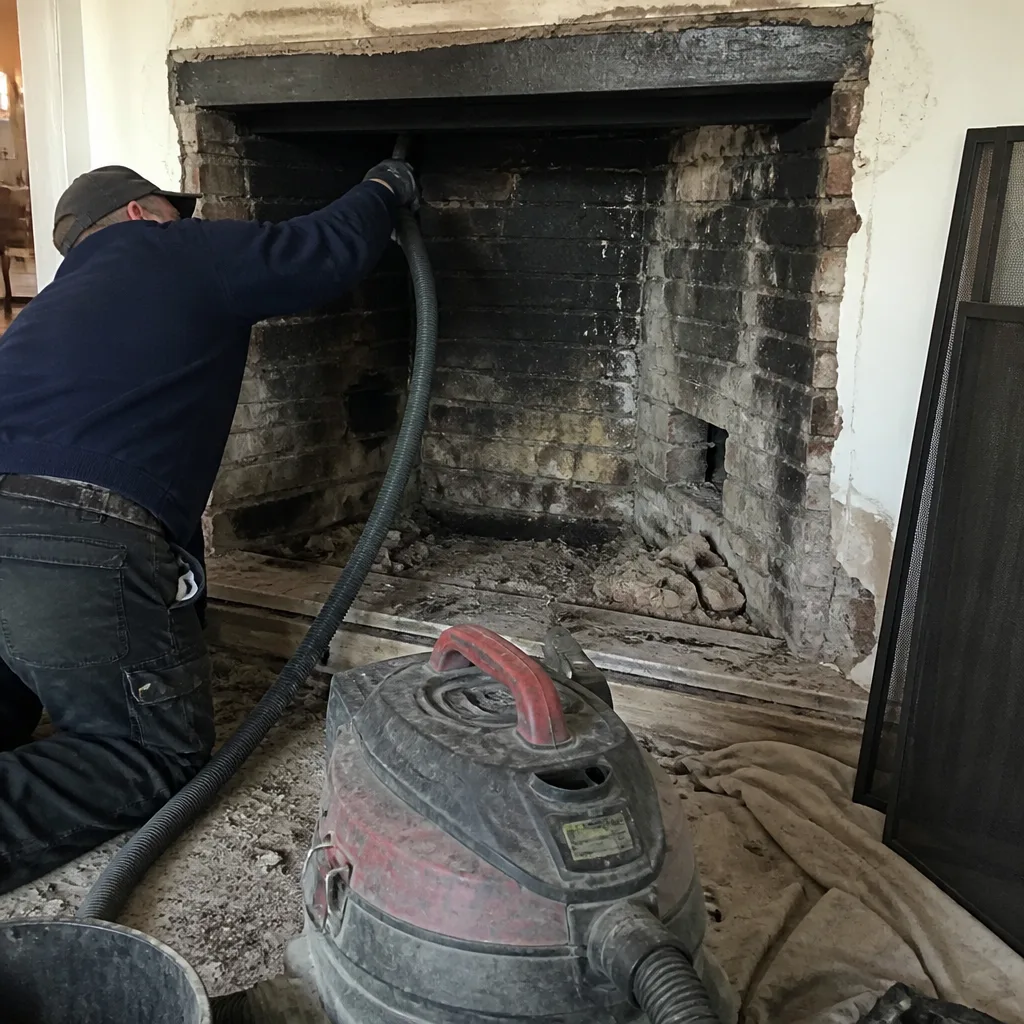 Before
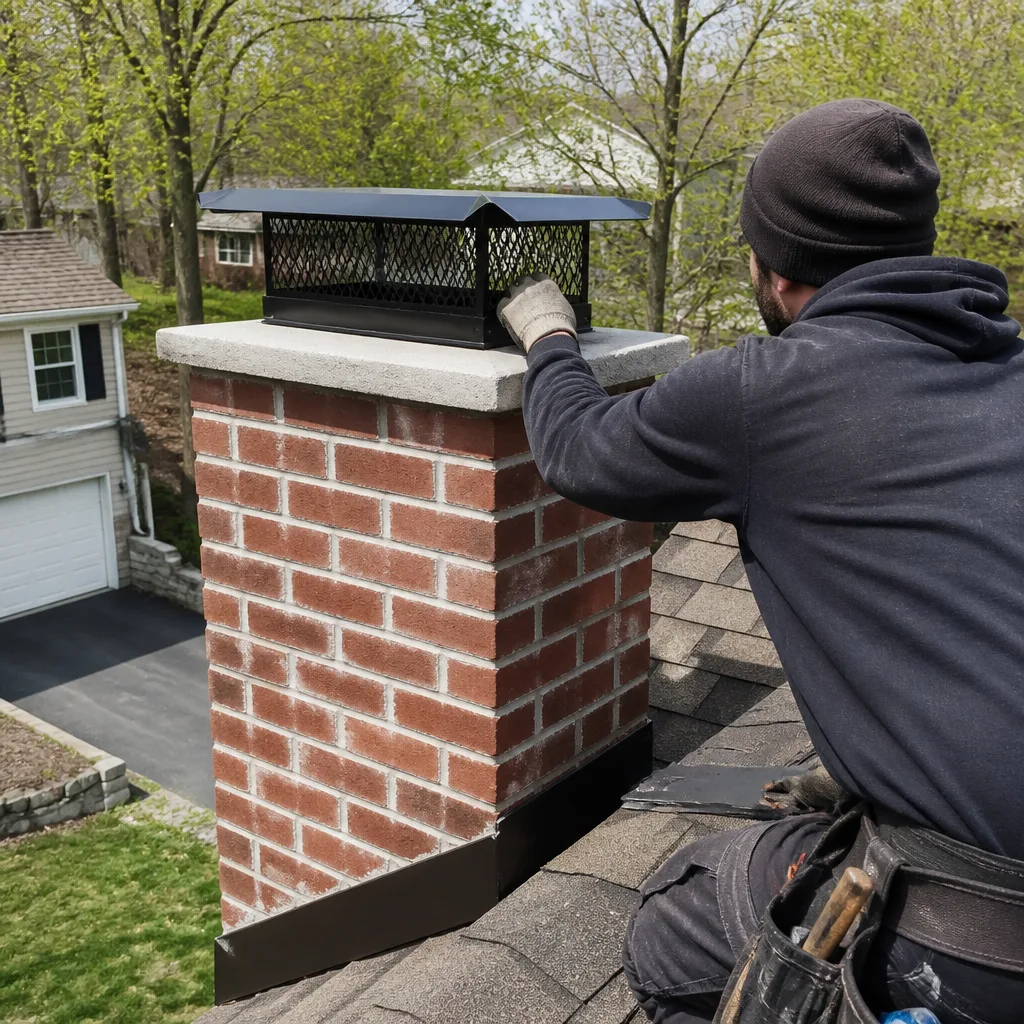 After
After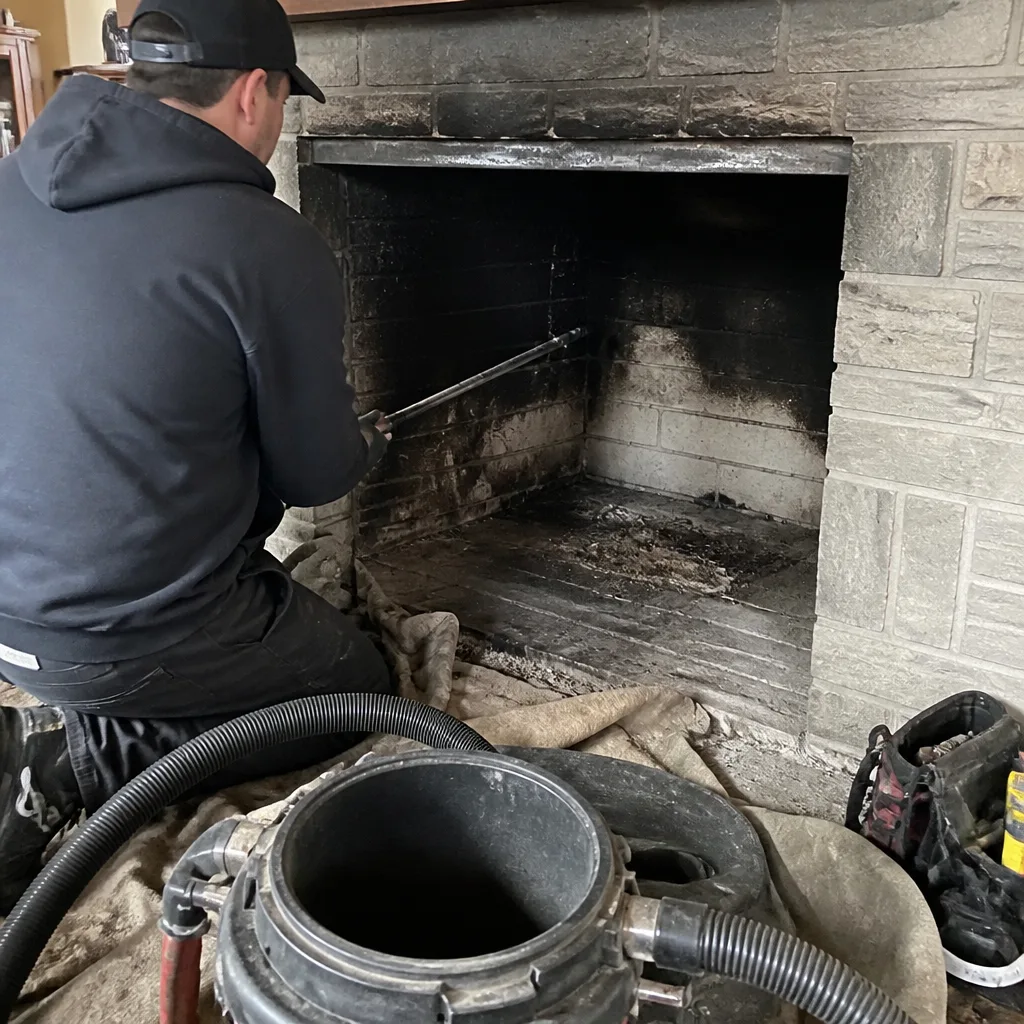 Before
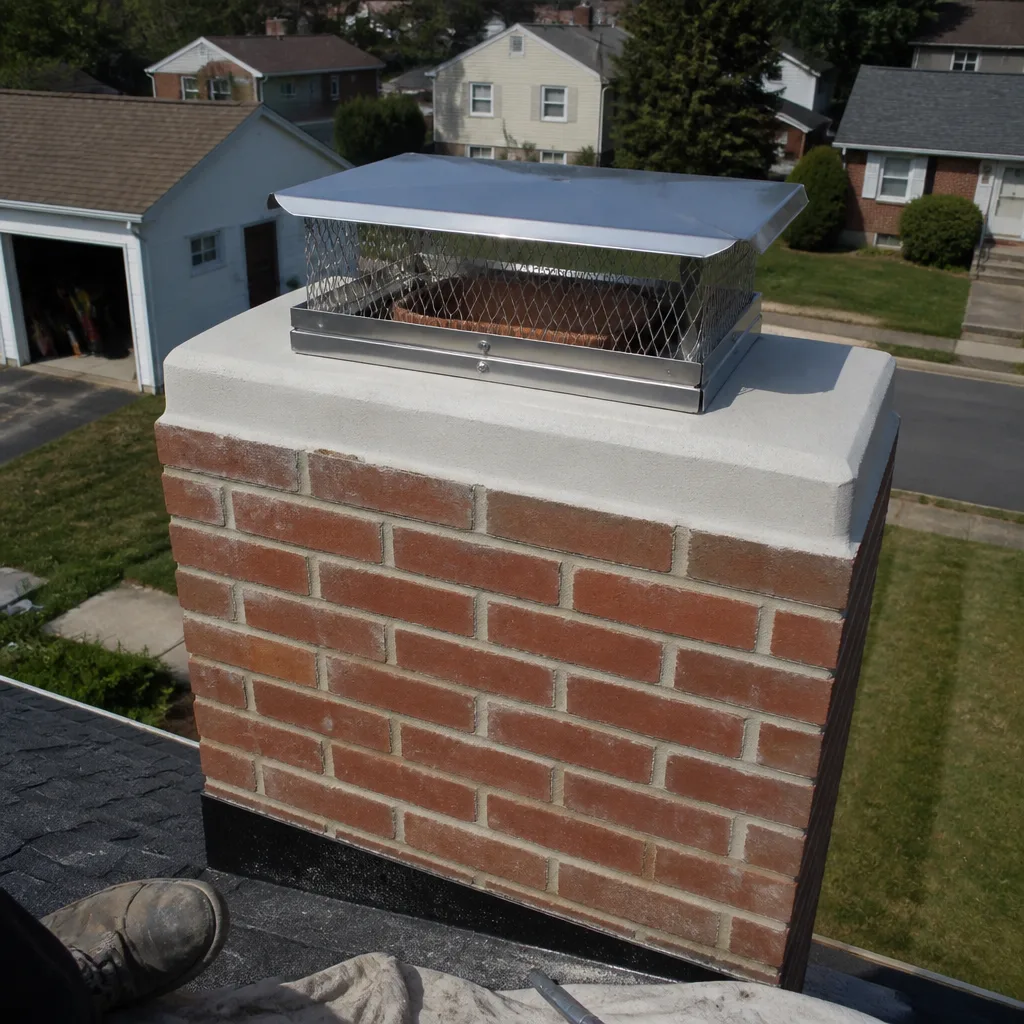 After
AfterFireplace Cleaning in Reading, PA
Our Chimney Cleaning & Sweep services in Reading, PA cover the removal of creosote, soot, ash, and debris from your firebox, smoke shelf, and damper assembly – the parts of your system you actually see and touch every time you build a fire. A standard cleaning takes most crews 60 to 90 minutes and costs between $149 and $279 depending on what we find inside. If you want it done right without a price change at the door, call Top Hat Chimney at (484) 209-0837 and Wendell or someone on his crew will walk you through exactly what to expect before a single tool comes off the truck.
Most homeowners in Reading think of a fireplace cleaning as something you schedule once and forget about. In reality, the firebox and smoke shelf collect residue faster than the flue above them, because that’s where the combustion gases first slow down and begin to cool. Creosote and soot settle there first. By the time you smell something off, or notice your fire doesn’t draw the way it used to, buildup has usually been working on your smoke shelf and damper for at least a season. We have been catching that kind of early-stage buildup in Reading homes since 1999, and catching it early is always cheaper than waiting.
Top Hat Chimney is locally owned and operated by Wendell Pike, not a franchise that rotated in last spring. You can verify the name, the license, and the address. When you call, a live person answers – around the clock, every day of the week. That’s not a policy we invented; it’s just how Wendell runs things. For the full picture on what we do from the firebox up through the flue, visit our Chimney Cleaning & Sweep in Reading page.
When You Need Fireplace Cleaning
A few clear signs tell you the firebox is overdue. If any of these match what you’re seeing at home in Reading, it’s time to call:
- Soot accumulation on the firebox walls or glass doors. A thin gray film is normal after a fire. A thick black crust that won’t wipe off is first-degree creosote turning into second – the kind that needs a rotary brush, not a paper towel.
- Smoke pushing back into the room during a fire. In Reading’s older housing stock – particularly the row homes in Hampden Heights and the colonials in Berkshire Hills – undersized or partially blocked dampers are a common culprit. A dirty smoke shelf makes it worse.
- A persistent smoky smell even when the fireplace isn’t in use. Creosote absorbs humidity, and Berks County summers are humid enough that a dirty firebox will off-gas that smell straight into your living room on the warmest days.
- Visible ash or debris spilling from the firebox onto the hearth. This usually means the ash pit is overfull or the damper is not seating properly, both of which we check and correct during a cleaning.
- White staining (efflorescence) on the firebox interior. This is moisture working through the masonry. It shows up on a lot of Reading properties near the Schuylkill, where ground moisture and older brick construction meet. Left alone, it accelerates mortar joint deterioration.
- It’s been more than 12 months since the last professional cleaning. Once a year is the minimum, burn or no burn. Chimneys and fireboxes develop problems in the off-season too – from animals nesting, from freeze-thaw cycles cracking the firebox liner, from moisture getting in through a damaged crown or cap.
Our Fireplace Cleaning Process
Here is what happens from the time Wendell or one of his crew members knocks on your door to the time the truck pulls away.
- Drop cloths and containment setup. Before anything else, we lay drop cloths on your hearth and the surrounding flooring and seal the firebox opening with a cleaning shroud. The goal is zero soot tracked through your home. We use shroud systems sourced through Copperfield supply lines, which are designed specifically for residential firebox work and hold a better seal than the generic poly sheet most outfits use.
- Visual inspection of the firebox and damper. We look at the firebox floor, the back wall, the side jambs, and the smoke shelf before we start brushing. Cracks in the firebox liner, failing mortar joints, and a warped or corroded damper plate all need to be noted before we disturb anything. If there’s a problem worth knowing about, you’ll hear it now – with the camera footage and a plain-English verdict, not a vague suggestion to “consider repairs.”
- Smoke shelf cleaning. The smoke shelf sits just behind and above the damper, and it collects more debris than any other part of the firebox assembly. We clear it by hand and with a vacuum rated for fine particulate. This step alone makes a measurable difference in draft performance – something we see regularly in the two-story fireplace systems common in the older Reading neighborhoods around Centre Park.
- Firebox brushing and vacuuming. We brush all firebox surfaces with a wire brush sized for the masonry, then vacuum. For light to moderate soot, this is sufficient. For heavier creosote glazing, we apply a chemical treatment before brushing – typically a product from the Gelco line, which breaks down hardened deposits without damaging the refractory panels or original firebrick.
- Damper inspection and operation check. A damper that doesn’t fully open costs you draft; one that doesn’t fully close costs you heat all winter. We test the travel, check the seating, and note any corrosion or warping. If the damper needs attention beyond cleaning, we tell you what it will cost before we do anything.
- Final walkthrough and written report. Every job ends with a clear summary of what we found, what we cleaned, and what, if anything, needs follow-up. This report is the foundation of the 90-Day Done Right Promise: if something we touched isn’t working right within 90 days, one call brings us back at no additional cost. That commitment is in writing on every invoice, not a verbal promise that evaporates after the truck leaves.
Fireplace Cleaning Pricing in Reading
Fireplace cleaning in Reading typically runs between $149 and $279 for a standard residential job. Here’s how those numbers break down by scope:
| Service Scope | Typical Price Range |
|---|---|
| Basic firebox and damper cleaning (light soot, first-degree creosote) | $149 – $179 |
| Standard cleaning with smoke shelf clearing and damper inspection | $179 – $229 |
| Heavy creosote removal (second-degree, chemical treatment required) | $229 – $279 |
| Add-on: firebox camera documentation | $40 – $60 |
| Add-on: damper replacement (throat damper, standard sizing) | $175 – $325 depending on unit |
What pushes a job toward the higher end: heavy glazed creosote (second or third degree), a smoke shelf that hasn’t been touched in several years, a damper with significant corrosion, or a firebox with damaged refractory panels that require careful cleaning around loose material. Third-degree creosote – the glazed, tar-like kind – is a different animal entirely. It requires Soot Removal with chemical treatment, specialized brushes, and sometimes a follow-up visit. If we find it, we’ll tell you clearly what it means and what it will cost. We won’t pad the estimate; we also won’t pretend it’s a simple brush job when it isn’t.
Every estimate is upfront, delivered before work begins. The number you hear on the phone is the number on the invoice. No surprises at the door, no scope changes after we’ve already started – that’s how we’ve operated since 1999 and it’s not changing.
Standing offers you can use:
- $40 off any repair over $200
- Free second opinion on any competing written estimate
- No trip charge for homes inside our service county
- 10% off, always, for seniors and veterans
For an exact quote on your Reading home, call (484) 209-0837. Estimates are free, and there’s a live person on the other end every time you call.
Why Reading Homeowners Call Top Hat Chimney
Wendell Pike has been inside Reading fireboxes for over 29 years. That’s not a marketing line – it means he has cleaned and repaired fireboxes in the row homes on North 5th, the older masonry construction in the West Reading historic district, and the bigger woodburning setups out toward Muhlenberg Township. Different houses, different problems, and he’s seen most of them more than once.
The national outfits that advertise in Reading have a pattern: low introductory price, stranger at the door, a different number once they’re inside. We hear that story from new customers regularly. What we do instead is simple: you get the price before the truck unloads, the sweep calls if the arrival window slips, and Wendell’s name is on the work. If something’s off within 90 days, you make one call and we’re back. That’s the 90-Day Done Right Promise, and it’s stamped on every invoice.
Wendell and his crew also work with products they actually trust – including Gelco chemical treatments for creosote and Olympia Chimney supply for replacement components when damper or liner work is part of the job. No upselling products that aren’t needed, no steering you toward repairs that can wait. If it can wait safely, we’ll tell you. If it can’t, we’ll tell you that too.
We’re part of the Top Hat Chimney family of services, which means if a cleaning reveals something bigger – a cracked liner, a damaged crown, a failed flashing – you don’t need to find another contractor. We handle it, and the same 90-day guarantee applies.
A Note on Safety
Fireplace cleaning is one of the safer home maintenance jobs when the firebox is cool and the work is limited to the firebox itself. That said, damper and smoke shelf work does require putting hands into the throat of the chimney, and the smoke shelf in particular holds decomposed creosote that is a genuine fire risk if disturbed without proper containment. Third-degree creosote, specifically, is classified as a serious fire hazard – not something to brush out casually. If your firebox smells strongly of tar, or if you see a thick, shiny black glaze on the firebox walls or damper plate, stop using the fireplace and call a professional before the next fire. The risk is real and the consequences of a chimney fire in a residential neighborhood are serious. We’ve seen it in Reading. It’s not worth the shortcut.
Key Takeaways
- Fireplace cleaning in Reading costs $149 to $279 for most residential jobs, depending on creosote level and scope.
- The smoke shelf is the most commonly overlooked part of the firebox – and the one most likely to affect draft performance when dirty.
- First-degree creosote is a brush job; second-degree needs chemical treatment; third-degree is a fire hazard that requires professional intervention before the fireplace is used again.
- Every Top Hat Chimney job comes with a written 90-Day Done Right Promise – one call brings Wendell back at no added cost if anything isn’t right.
- Seniors and veterans receive 10% off. Repairs over $200 qualify for $40 off. No trip charge inside the county.
- Calls are answered live, any time of day or night – and it may well be Wendell himself picking up.
FAQs – Fireplace Cleaning in Reading, PA
How often should I have my fireplace cleaned in Reading?
Once a year is the minimum, regardless of how often you burn. The Chimney Safety Institute of America recommends annual Level 1 Inspections for all solid-fuel burning fireplaces, and that guideline applies in Reading just as it does anywhere else. Berks County winters run long enough that most homeowners who use their fireplace at all will hit the usage threshold that warrants a cleaning before spring anyway. If you burn three cords of wood a season or more, twice a year is worth considering. Call (484) 209-0837 and we’ll tell you honestly where your fireplace stands based on what we see.
What’s the difference between a fireplace cleaning and a chimney sweep?
A fireplace cleaning focuses on the firebox, smoke shelf, and damper – the components below the flue. A full chimney sweep includes all of that plus the flue liner, smoke chamber, and chimney crown above the roofline. They’re not the same job, and they don’t always cost the same. Some Reading homes only need the firebox cleaned because the flue is in good shape; others need the full sweep. We’ll tell you which one you actually need after we look, not before. If you want to understand the full scope of what a chimney sweep covers, see our Chimney Cleaning & Sweep in Reading page for a detailed breakdown.
Can I clean my own fireplace between professional visits?
You can – and for light ash removal after a fire, a fireplace shovel and a HEPA vacuum handle it fine. What you can’t do safely at home is clear the smoke shelf, inspect the damper for hidden corrosion, or treat glazed creosote on the firebox walls. Those tasks require either reaching into the throat of the chimney or applying chemical treatments that need to be handled with proper respiratory protection and containment. Stick to ash removal between visits, and let a professional handle the smoke shelf and damper annually. A missed second-degree creosote deposit behind the damper is where chimney fires tend to start.
Is it cheaper to skip a year and clean every two years instead?
Usually no, and here’s the math: a second-degree creosote job in Reading runs $229 to $279. A first-degree job – the kind that results from a yearly cleaning schedule – runs $149 to $179. The difference in cleaning cost roughly equals skipping a year, and that’s before factoring in any repair costs that come from catching a problem late rather than early. Creosote does not stay first-degree if you leave it alone. It hardens, glazes, and becomes significantly more expensive to remove. Call (484) 209-0837 for a free estimate – there’s no charge just to find out where you stand.
Written by Wendell Pike, Owner at Top Hat Chimney, serving Reading.