
Level 1 sweep and inspection to the NFPA 211 annual standard - flue, crown, cap, and flashing checked and photographed
Chimney sweep logs do not sweep chimneys. They loosen some creosote - which then falls where a brush and vacuum still have to collect it.
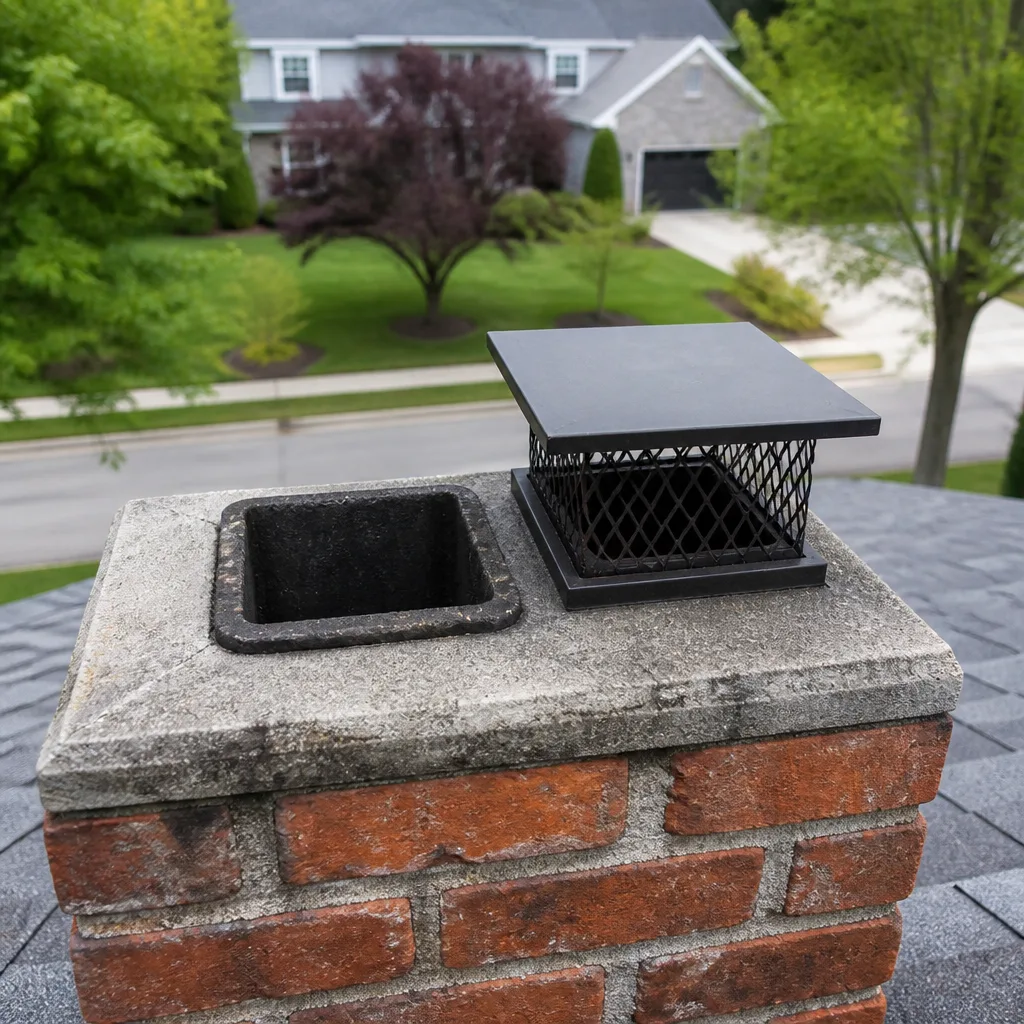
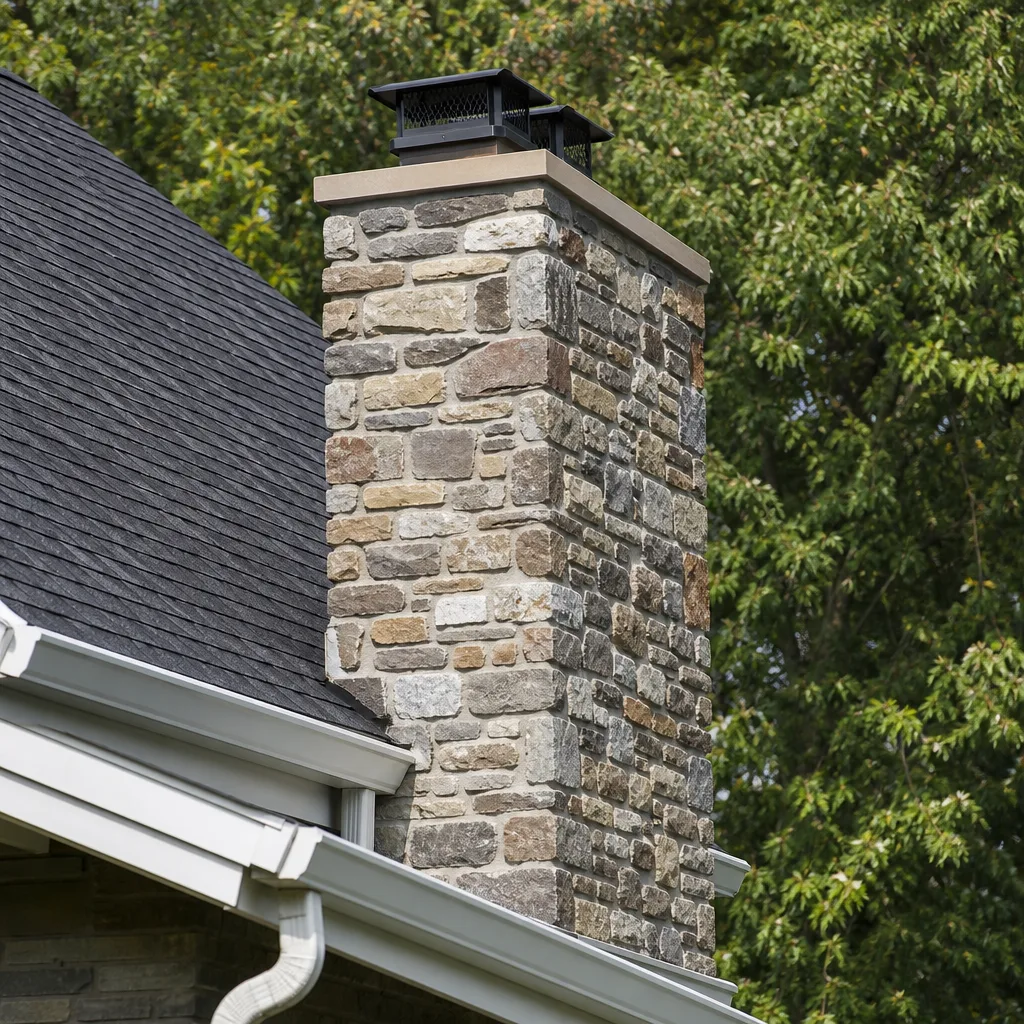
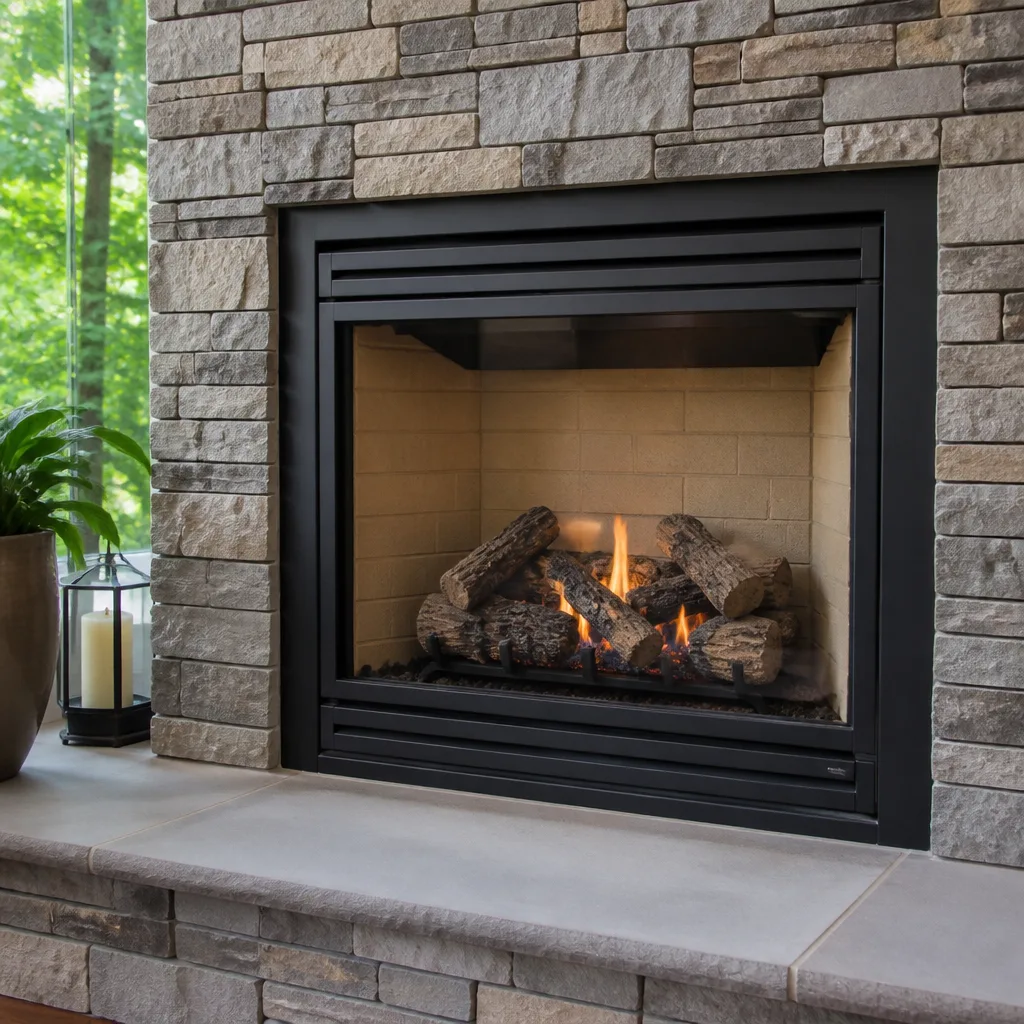
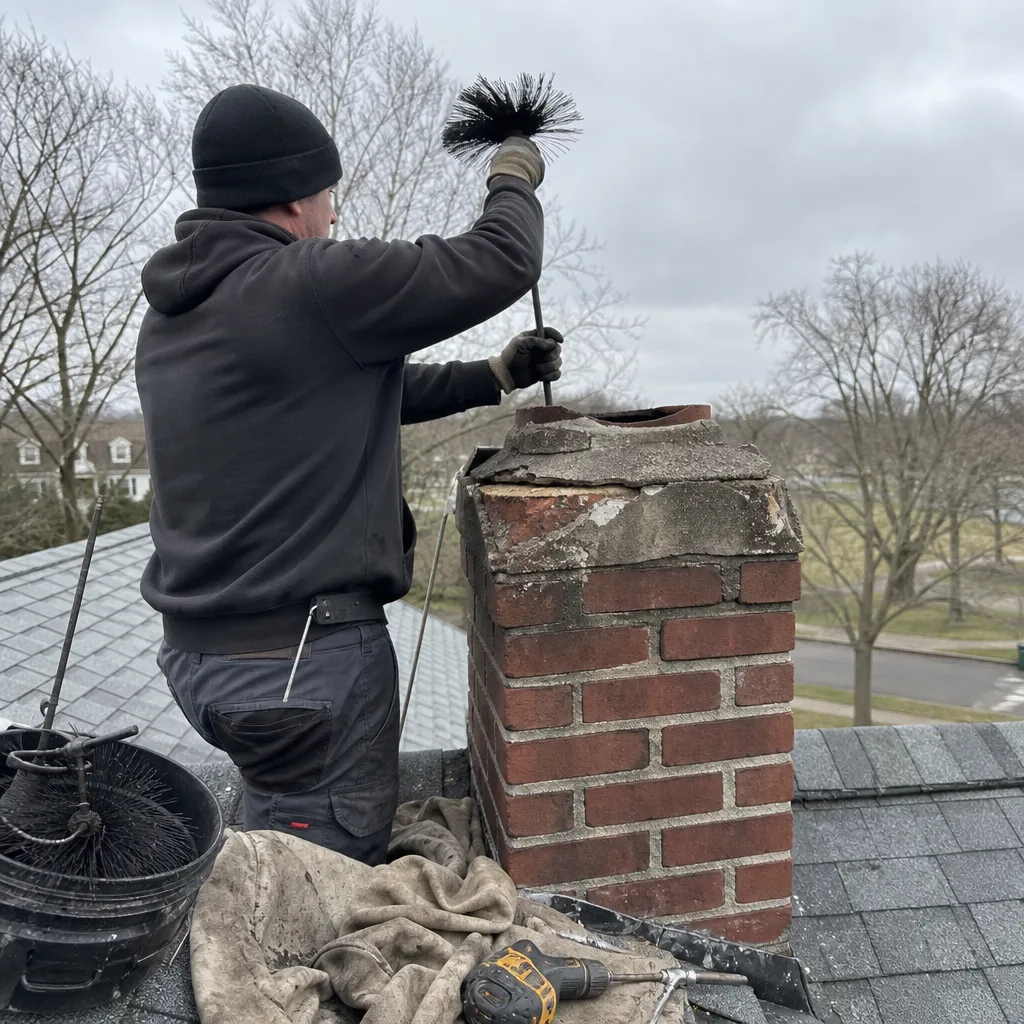 Before
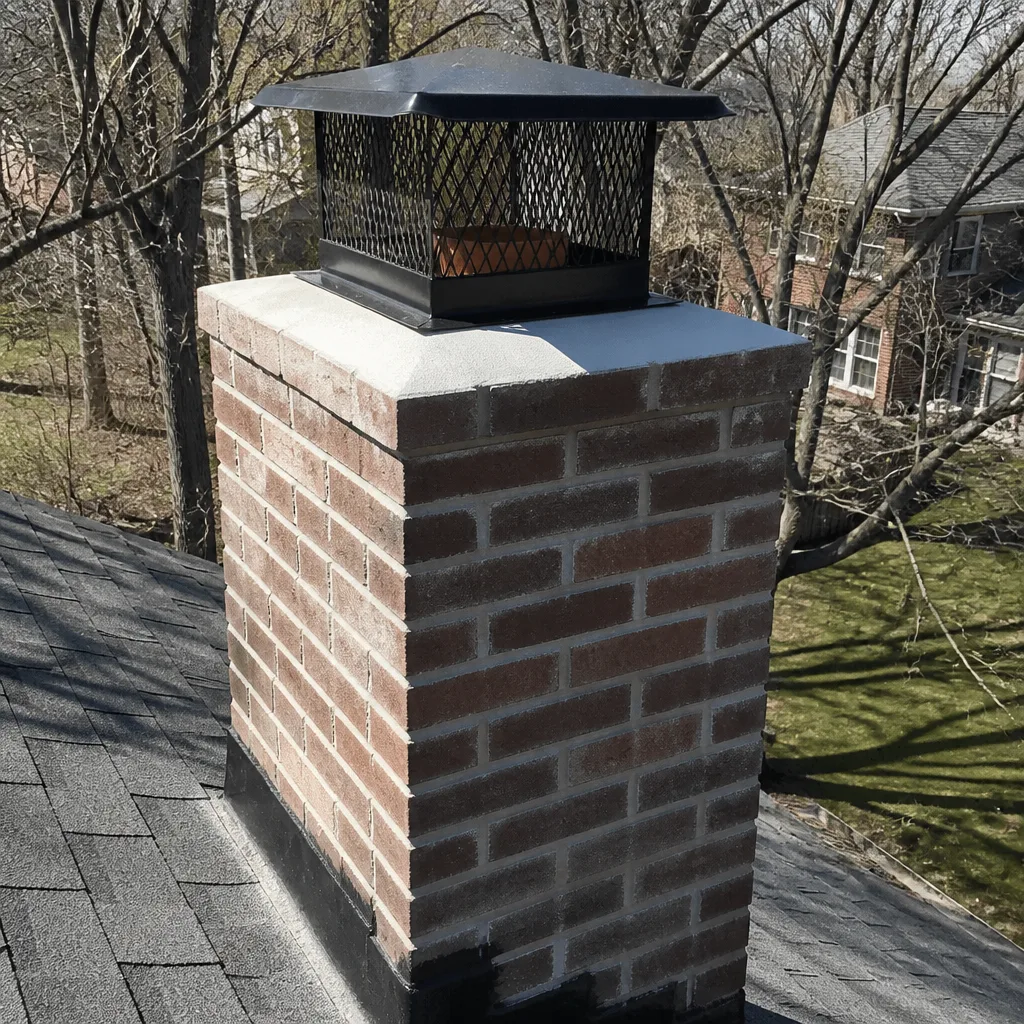 After
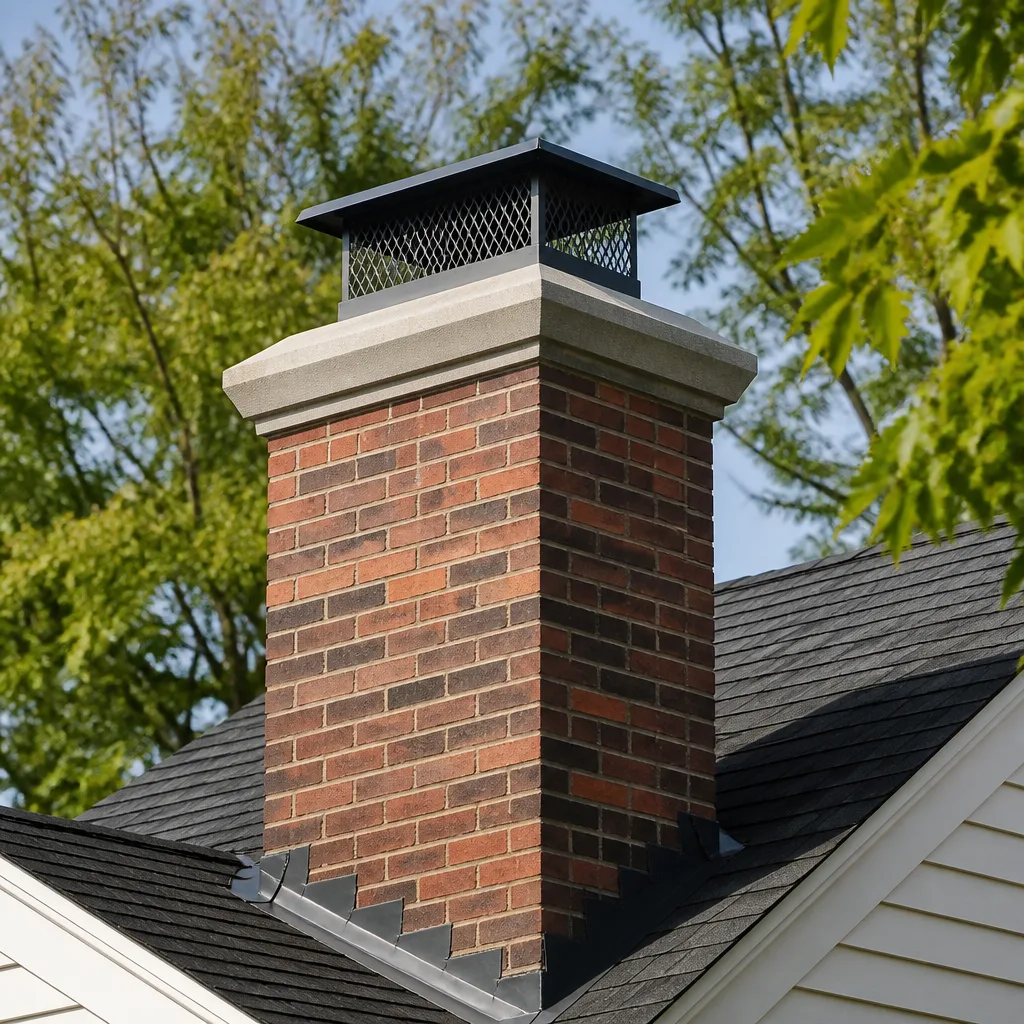
After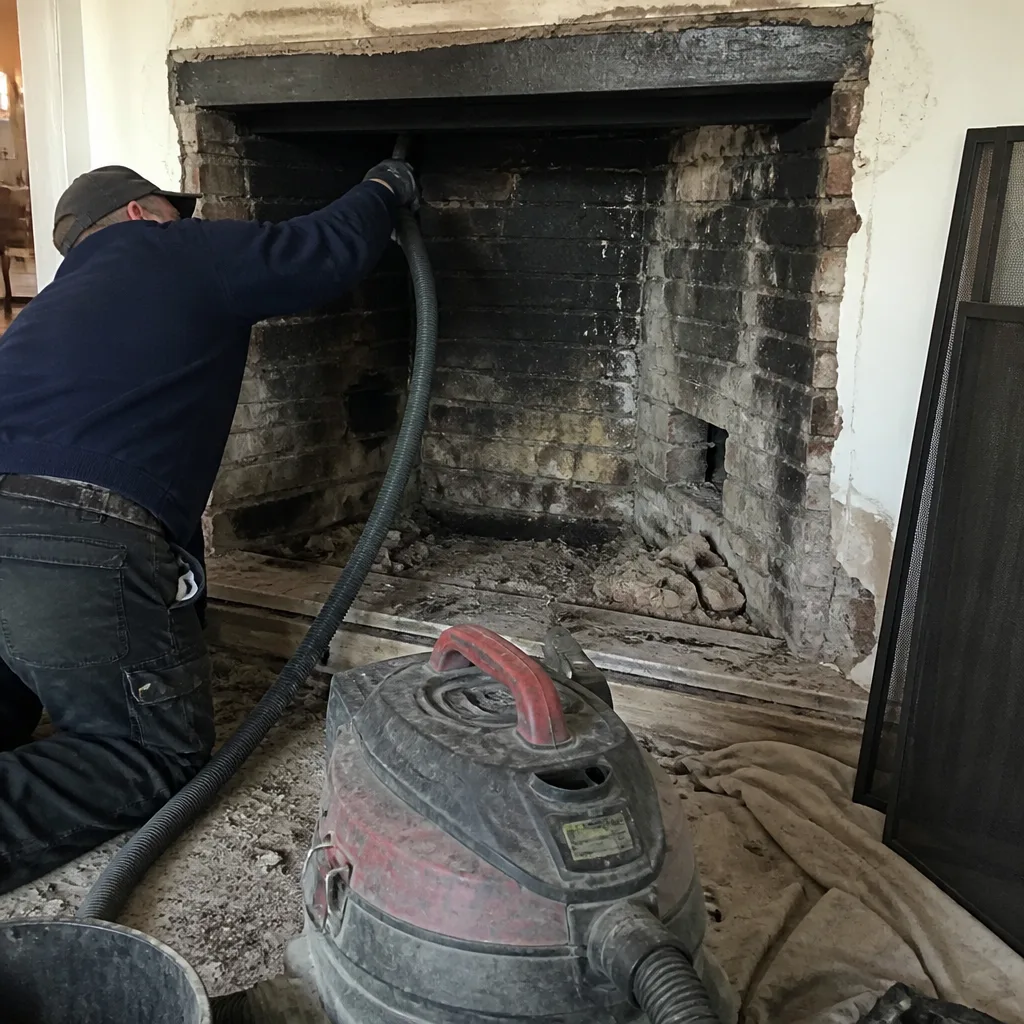 Before
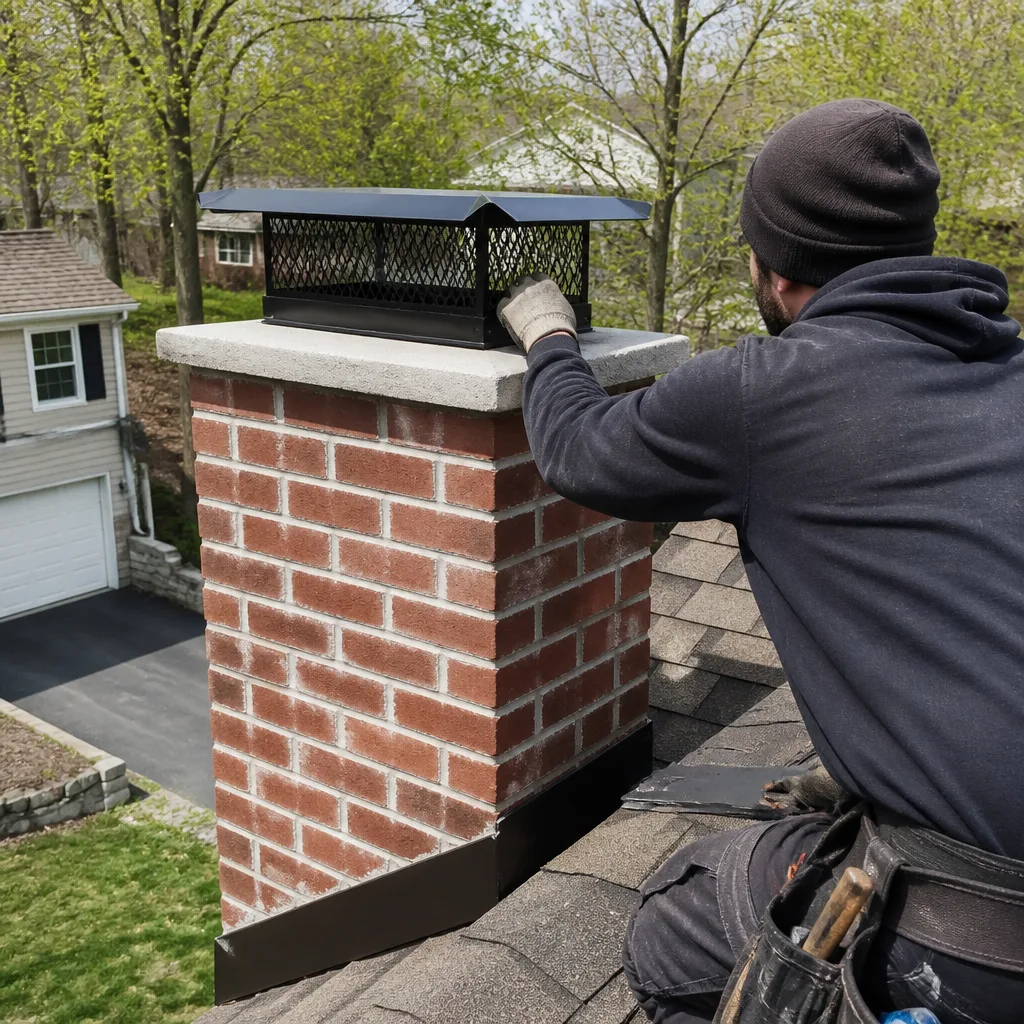 After
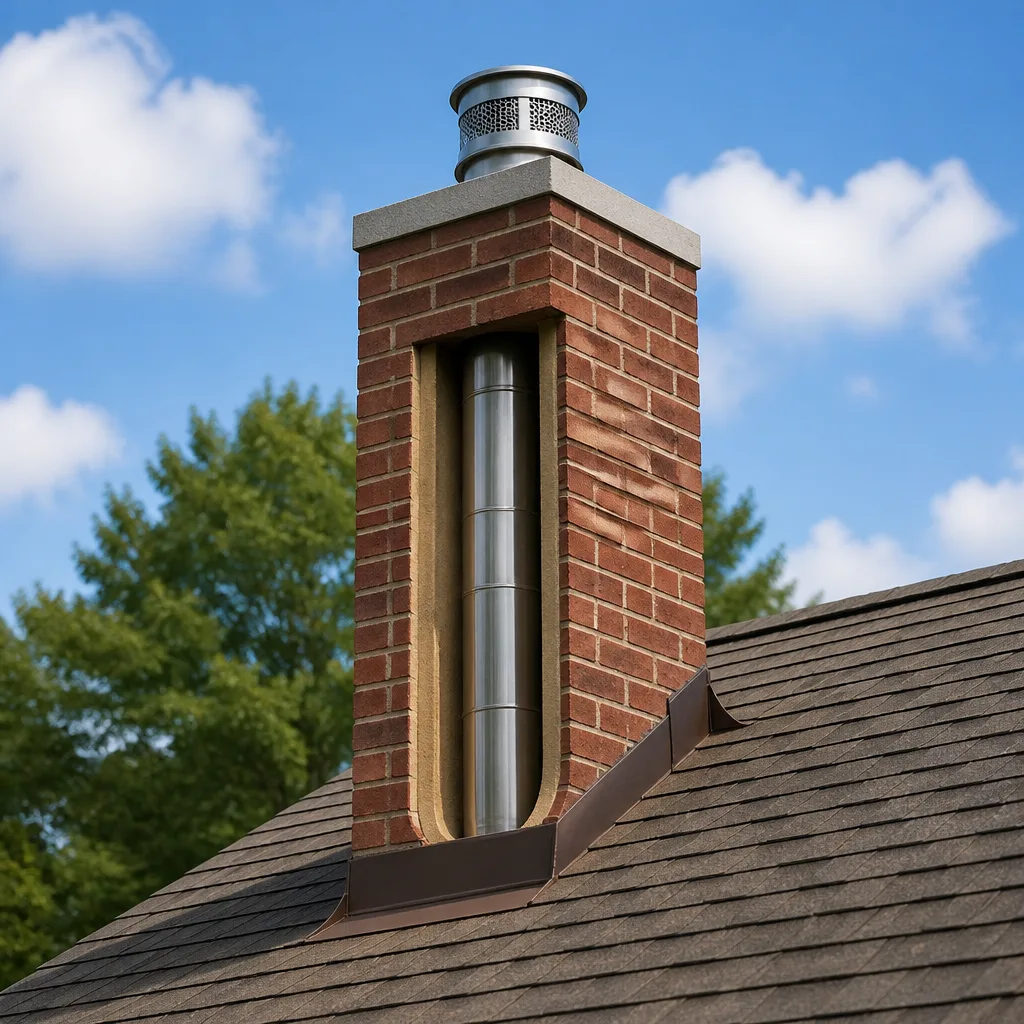
After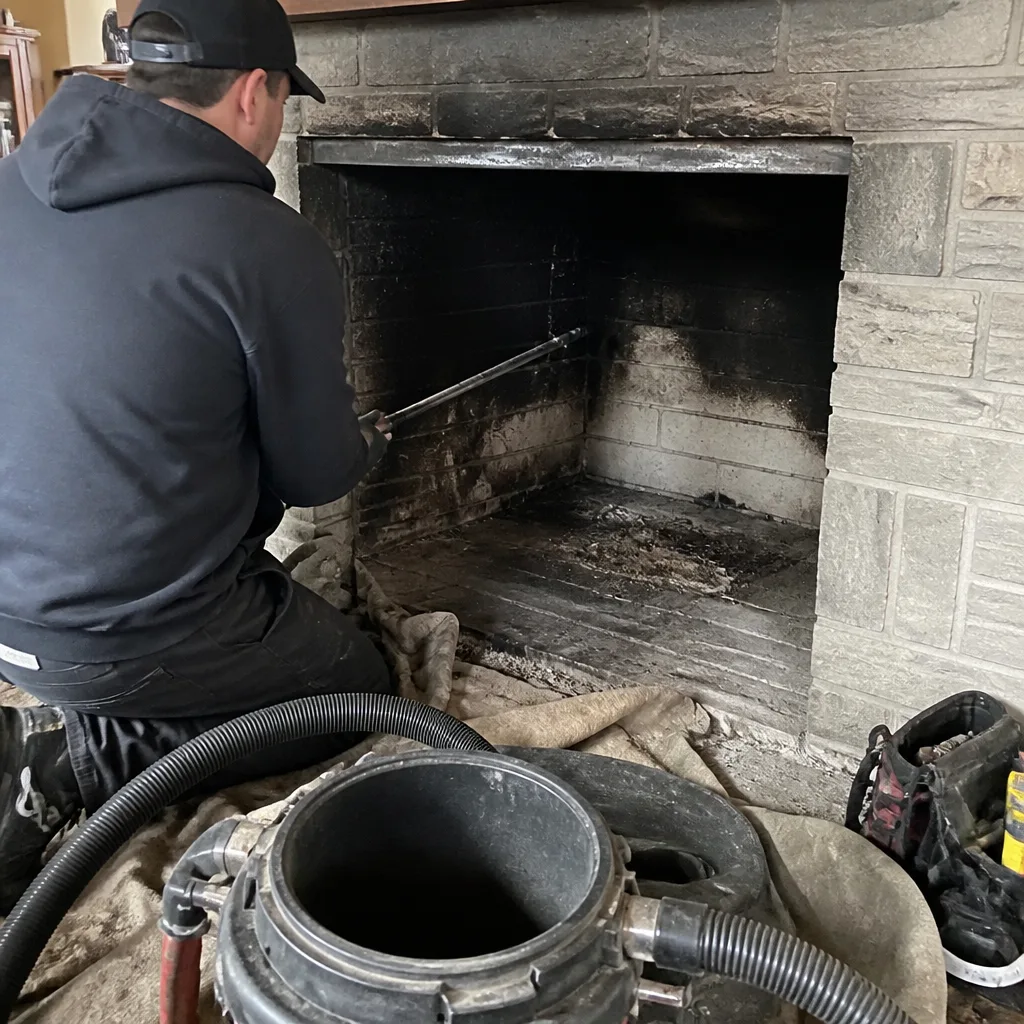 Before
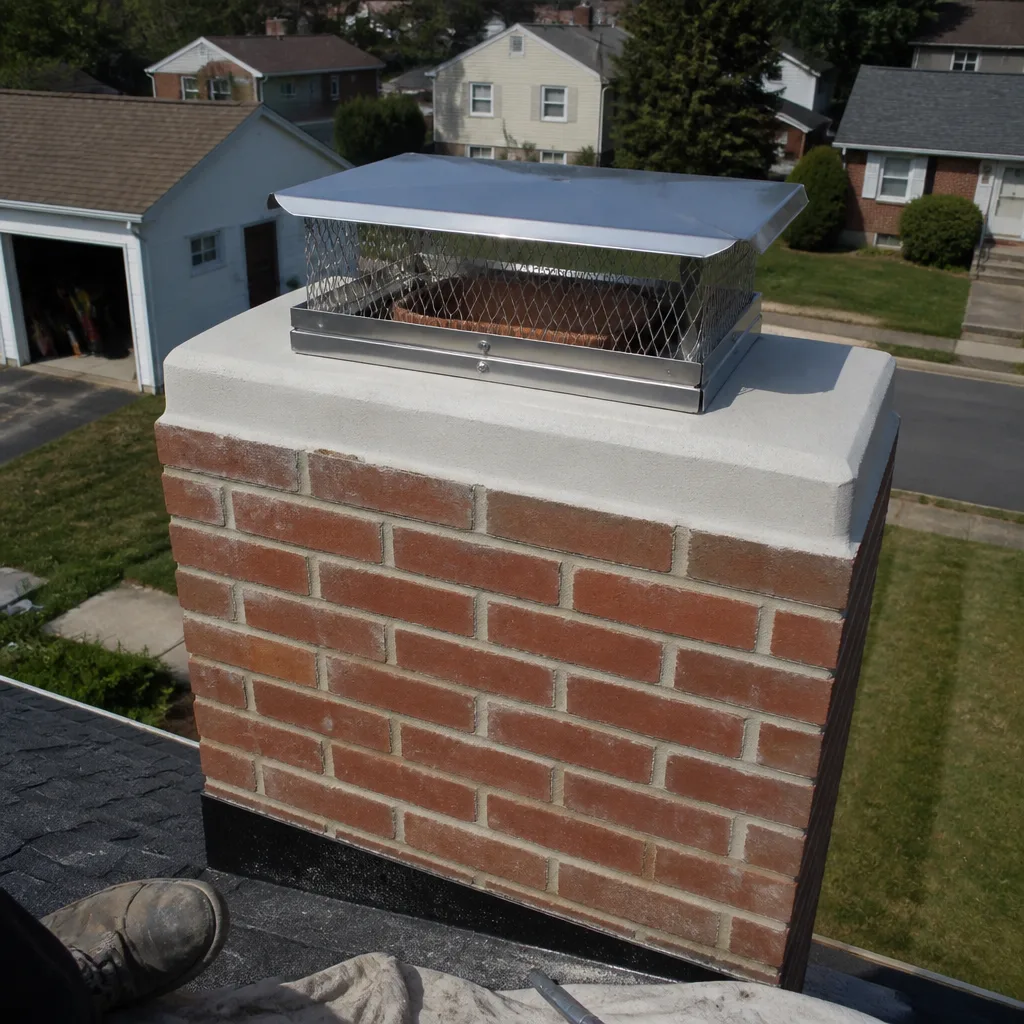 After
AfterFast, Reliable Chimney Cleaning & Sweep Across Sinking Spring
Chimney cleaning in Sinking Spring typically runs $189-$329 for a standard sweep with a Level 1 inspection, and most jobs are completed in under two hours. If you live in a 1950s-1970s ranch or split-level west of Reading, that sweep should also include a close look at your original clay tile liner, because freeze-thaw damage here is real and it does not announce itself. Wendell Pike and his crew at Top Hat Chimney have worked these neighborhoods for over 29 years, and we will tell you plainly whether your flue is safe to burn or needs work before you strike a match. Call (484) 209-0837 and a live person answers, day or night.
Why Top Hat Chimney Is Sinking Spring’s Preferred Chimney Cleaning & Sweep Company
We are not a franchise that rotated in last spring. Wendell founded Top Hat Chimney in 1999, publishes his name and license number, and still runs into customers at the hardware store on Saturdays. That changes how we work. Our Chimney Cleaning & Sweep team shows up in uniform, background-checked, and we give you a real arrival window before we head your way.
Sinking Spring homeowners call us because the national outfits burned them once already. A phone quote that doubled at the door, a sweep who could not answer a basic question about clay tile liners, a voicemail box when the work fell short. We do the opposite. The price Wendell gives you on the phone is the price on the invoice, every time. And every job we finish in Sinking Spring, from a ranch off Penn Avenue to a split-level near the high school, carries our 90-Day Done Right Promise in writing. If it is not right, one call brings us back at no charge.
Ask anyone on your street. We have swept chimneys across Sinking Spring long enough that word gets around.
Our Chimney Cleaning & Sweep Services in Sinking Spring
Most Sinking Spring homes need more than a brush through the flue. Here is what we actually do when we pull up.
Level 1 Inspection
A Level 1 is the standard inspection that accompanies every routine sweep. We check the accessible portions of the flue, the firebox, the damper, and the exterior chimney structure from the ground or roof. For a Sinking Spring ranch that burns regularly through the October-to-April season, this is your annual baseline. It confirms the chimney is clear and functioning for continued use under the same conditions.

Level 2 Inspection
This is the one we recommend before you light a fireplace that has been dormant for years, and it matters more in Sinking Spring than almost anywhere else in Berks County. A Level 2 inspection uses camera equipment to see the entire flue interior, including sections you cannot reach with a flashlight. Given how many local ranches sealed their fireplaces during 1970s gas conversions, we run a Level 2 on nearly every reopened hearth. The camera footage and a plain-English verdict, every time, no exceptions.

Creosote Removal
Creosote is the flammable residue your fires leave behind, and it builds faster during a long heating season. First-degree creosote is a brush job. Third-degree is a glaze. Catch it early. Burning unseasoned wood from ridge-and-valley lots accelerates the buildup, and in Sinking Spring’s oversized clay tile flues, second-degree creosote can force an emergency sweep mid-winter. We remove what is there and tell you how to slow what comes back.

Soot Removal
Soot is softer than creosote but still coats your flue and smoke chamber after repeated fires. For gas and oil venting, soot buildup signals incomplete combustion and can restrict draft. We remove it, show you what came out, and note whether the volume suggests a problem with the appliance itself rather than just normal use.

What happens when you call
- 1
A real person answersNo phone trees - you reach a local pro.
- 2
You get an upfront price rangeHonest numbers before anyone is dispatched.
- 3
A background-checked tech heads outLicensed & insured, dispatched right away.
- 4
You approve before work beginsNothing starts until you say go.
Trusted Brands We Service in Sinking Spring
When a Sinking Spring chimney needs parts, we stock and install what we trust. That means Famco caps and Copperfield dampers on most service calls, and HeatShield resurfacing when a liner can be saved rather than replaced. For full relines, we work with DuraFlex stainless systems sized to the appliance, not the old clay tile. Because we service these brands regularly across Berks County, turnaround on parts for Sinking Spring customers is usually days, not weeks.
Common Chimney Cleaning & Sweep Problems We See in Sinking Spring Homes
- Reopened fireplaces with collapsed clay tile liners. A ranch homeowner unseals a hearth that has been closed since the 1980s gas conversion, lights a fire, and smoke backs up because the original 8-inch tile cracked and offset from decades of freeze-thaw. We find this pattern repeatedly along the Route 422 corridor.
- Heavy creosote from unseasoned wood. Rural properties outside Sinking Spring often burn wood as primary heat. Green wood from local lots smolders at low temperatures and layers second-degree creosote inside the flue within a single season. A shorter sweeping interval is the only fix.
- Spalling mortar and face brick on exposed chimneys. Berks County’s ridge-and-valley position gives Sinking Spring 30+ freeze-thaw cycles every winter. Water seeps into hairline cracks, freezes, and pops mortar joints loose. Left alone, the flashing leaks into the attic.
- Deteriorated crowns and missing caps on ranch chimneys. A low-pitch ranch roof exposes the chimney crown to weather from all sides. When the crown cracks or the cap goes missing, water gets behind the brick and accelerates everything else.
Pricing for Chimney Cleaning & Sweep in Sinking Spring, PA
A standard chimney sweep with a Level 1 inspection in Sinking Spring runs $189-$329. If we add a Level 2 camera inspection, expect $149-$249 on top of the sweep, depending on flue access and roof pitch. Creosote glaze removal, when third-degree buildup is present, adds $75-$150 for the chemical treatment and extra labor. A full reline with HeatShield resurfacing runs $2,500-$4,500 for a typical single-story ranch, while a DuraFlex stainless liner install starts around $1,800 and depends on flue height and appliance type. You will have the exact number before a single tool comes off the truck. No trip charge inside the county, and seniors and veterans always get 10% off. Call (484) 209-0837 for a free estimate.
We Also Serve Cities Near Sinking Spring
Our crews work throughout Berks County. Besides Chimney Cleaning & Sweep in Sinking Spring, you will find us in Reading, Spring, Amity, and Wyomissing on a regular basis. Same pricing, same 90-Day Done Right Promise, same live person on the phone.
Serving Sinking Spring, PA - Our Local Coverage Area
We’re based in the Sinking Spring area and know this community well. Use the map below to see our service coverage - if you’re nearby, we can almost certainly help.
FAQs - Chimney Cleaning & Sweep in Sinking Spring
The first thing we check is the condition of the original clay tile liner, because that is where Sinking Spring ranches fail most often. A fireplace sealed since the 1970s gas conversion has had decades of freeze-thaw cycles working on those tiles with no annual maintenance. We run a Level 2 camera inspection during the sweep, and the footage tells us whether the flue is sound or has offset, cracked, or collapsed sections. On a ranch off Route 422, we recently found a liner that had collapsed in two sections; the homeowner was days from lighting a fire that would have pushed smoke, and possibly sparks, into the wall cavity. We quoted HeatShield resurfacing and removed the first-degree creosote from the accessible firebox before anything was burned. Call (484) 209-0837 and we will schedule the inspection before your first fire.
Once a year, burn or no burn. Chimneys break in the off-season too. A Sinking Spring heating season runs roughly October through April, which means your fireplace accumulates creosote over seven months of use, not the four or five you would see in a milder climate. The National Fire Protection Association standard is an annual sweep, and we agree. If you burn unseasoned wood or use a wood stove as primary heat on a rural property outside Sinking Spring, sweep every 50 to 70 burns, which for most families means twice a season. Wendell will tell you if your burning habits justify a shorter interval, and he will not upsell you a sweep you do not need. Call (484) 209-0837 to book.
No. That black, shiny glaze is third-degree creosote, and a standard brush will not remove it. It has baked onto the flue wall and hardened into a tar-like coating. Removing it requires chemical treatment, often a product applied and left to work overnight, followed by mechanical removal with specialized tools. Trying to brush it off just scrapes the surface. The bigger issue is that glazed creosote is highly flammable. In Sinking Spring’s oversized clay tile flues, where draft is already sluggish from the 8-inch liner venting a small fireplace, glaze buildup puts you one hot fire from a chimney fire. We treat it properly and then talk about why it formed, which usually comes back to burning unseasoned wood. Call (484) 209-0837 and we will take a look.
That flaking is spalling, and it comes from water freezing inside the masonry. Sinking Spring gets more than 30 freeze-thaw cycles a typical winter. Water enters through hairline cracks in the crown, missing mortar joints, or a deteriorated cap, then freezes and expands. The expansion pops small pieces of mortar and brick face off the chimney. Every spring, the debris ends up on your roof. The fix is not just sweeping up the pieces; it is repairing the crown, repointing the joints, and installing a proper cap so water stops getting in. Once a ranch chimney starts spalling, it accelerates year over year, and ignoring it eventually lets water into the attic through the flashing. Call (484) 209-0837 and we will document the damage with photos before quoting any repair.
Yes, significantly. A wood stove burning as primary heat runs daily for months, not occasionally on weekends. That means creosote accumulates far faster, especially if your wood has not been split and stacked for a full year. Most rural Sinking Spring wood stove owners need sweeping every 50 to 70 burns, which often works out to twice per heating season. The risk is also different: a stove burning 12 hours a day builds second-degree creosote deep in the flue where a chimney fire can smolder undetected. We recommend sweeping once before the season starts and once mid-season if you burn continuously from October through April. Wendell will give you an honest recommendation based on your stove, your wood, and your burn rate. Call (484) 209-0837 to schedule.
Written by Wendell Pike, Owner at Top Hat Chimney, serving Sinking Spring and Berks County since 1999.