
Level 1 sweep and inspection to the NFPA 211 annual standard - flue, crown, cap, and flashing checked and photographed
Chimney sweep logs do not sweep chimneys. They loosen some creosote - which then falls where a brush and vacuum still have to collect it.
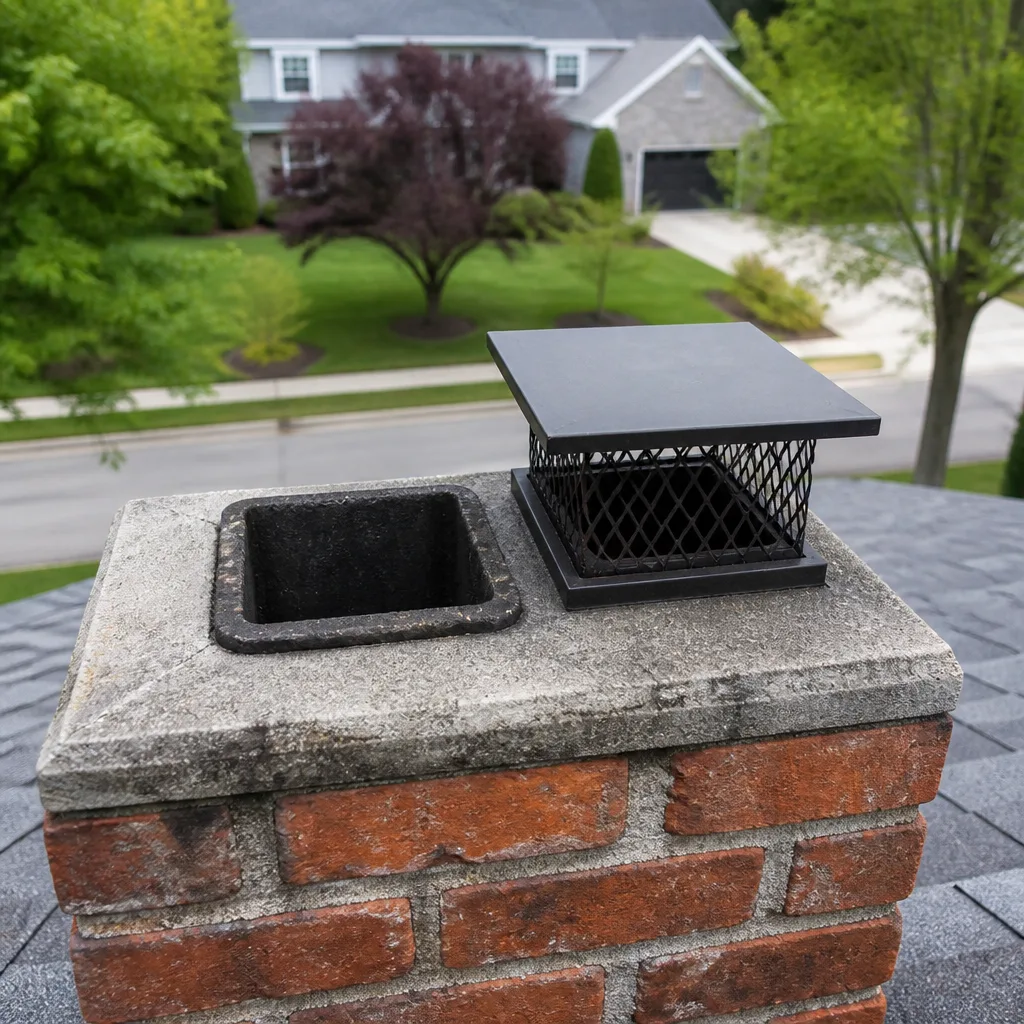
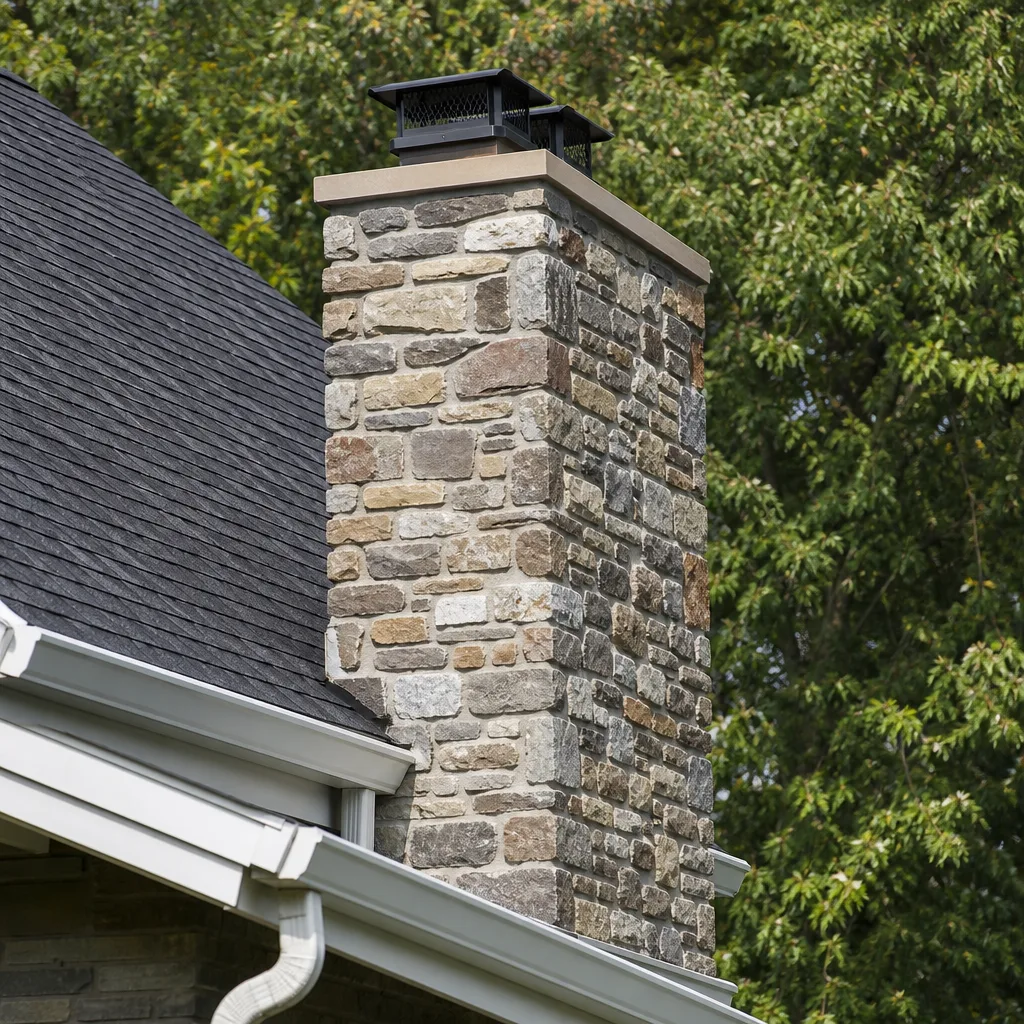
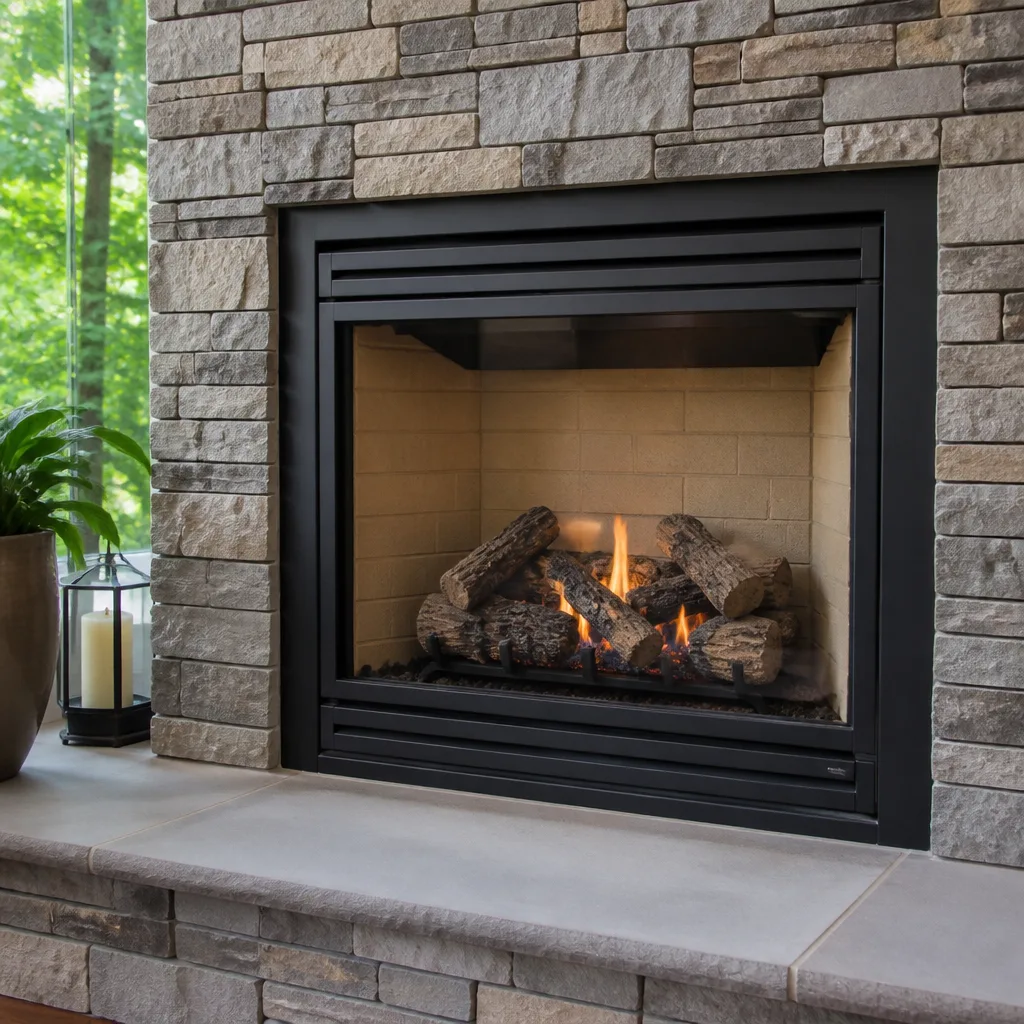
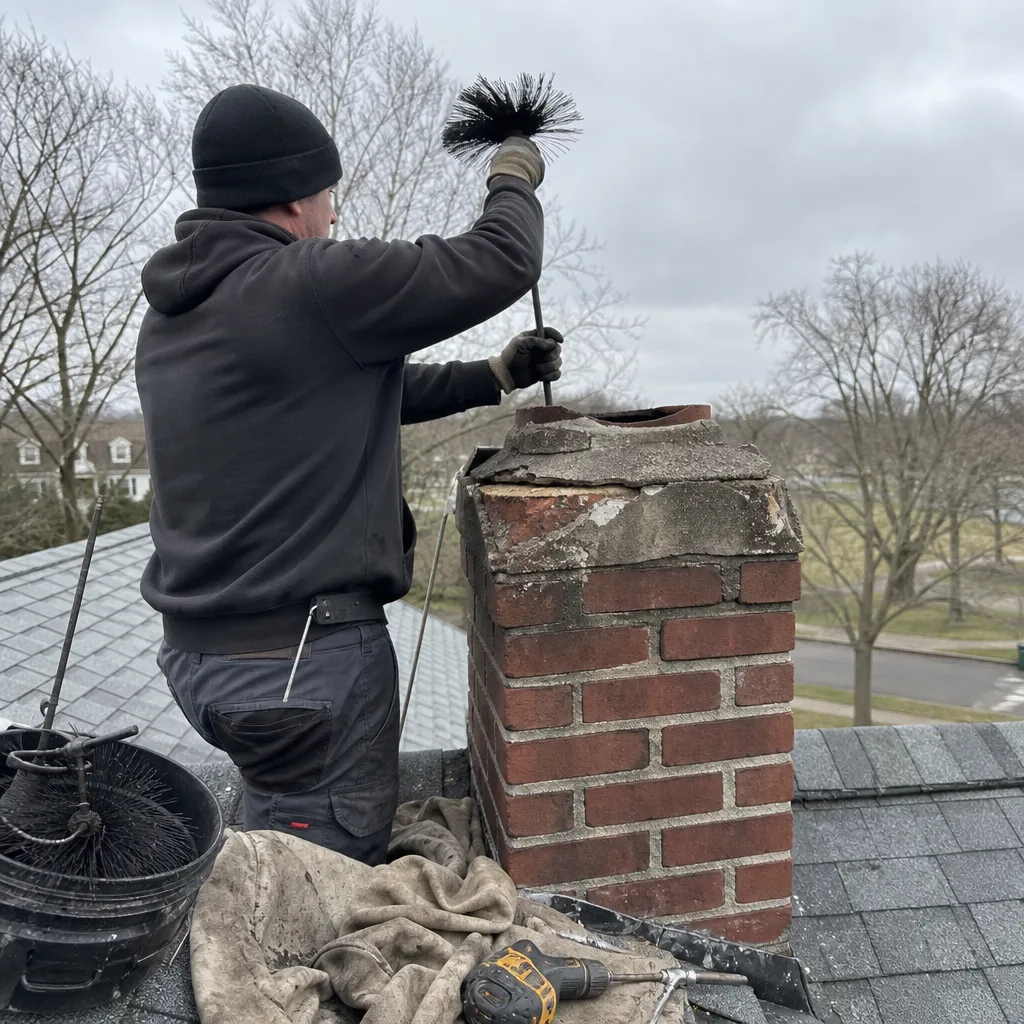 Before
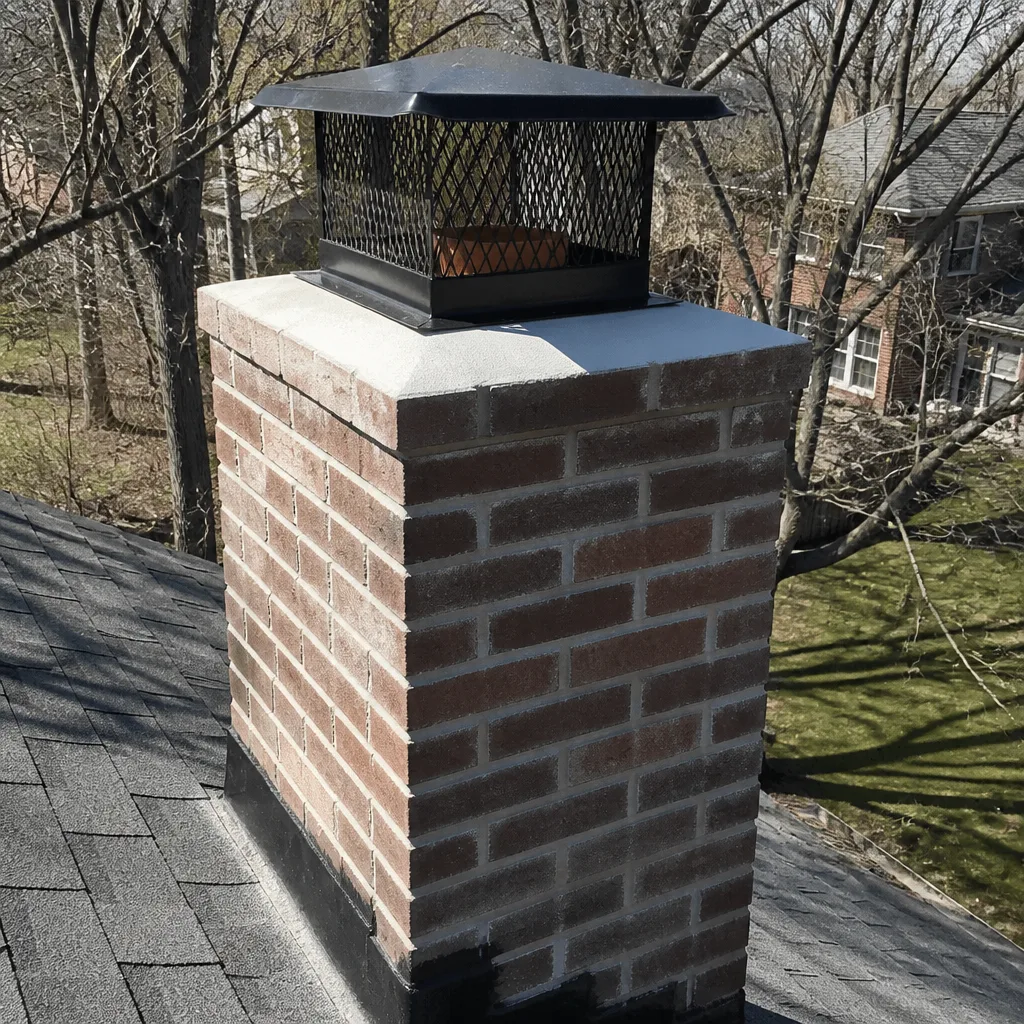 After
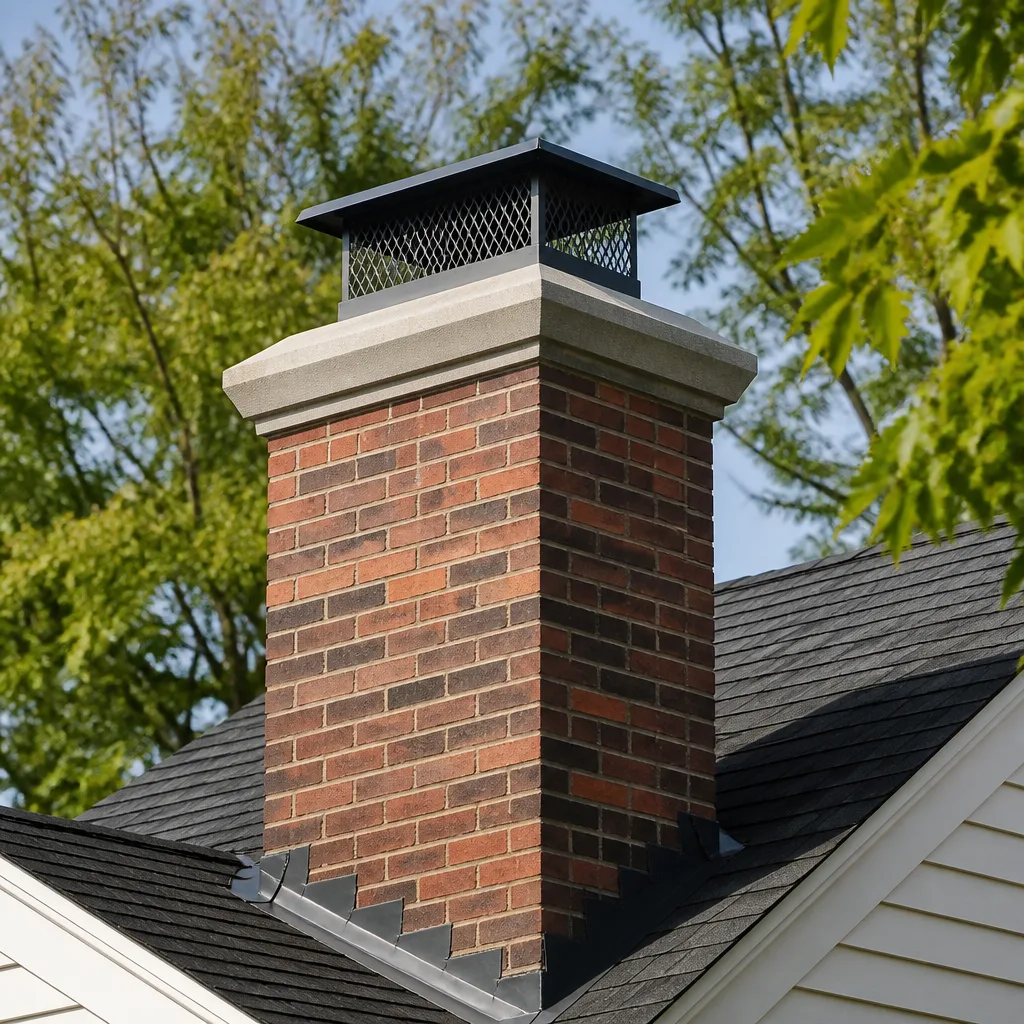
After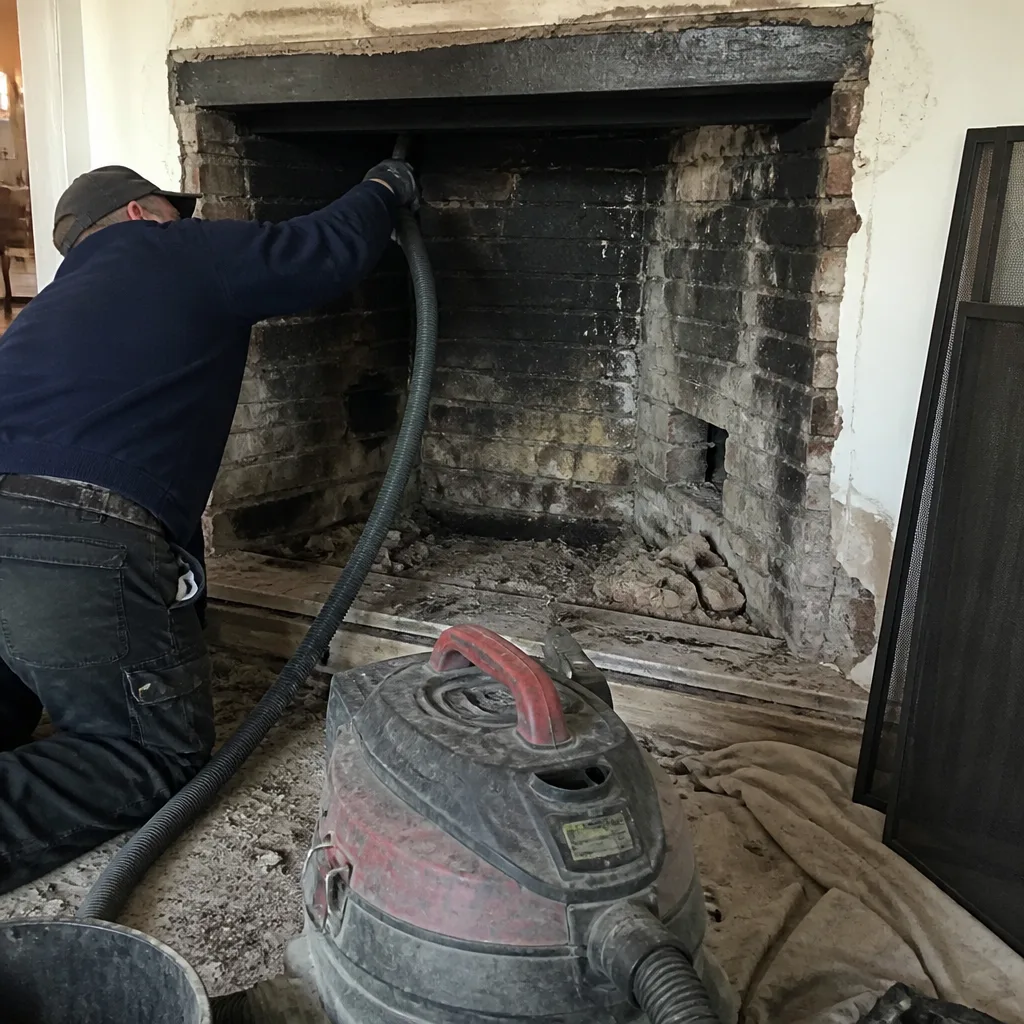 Before
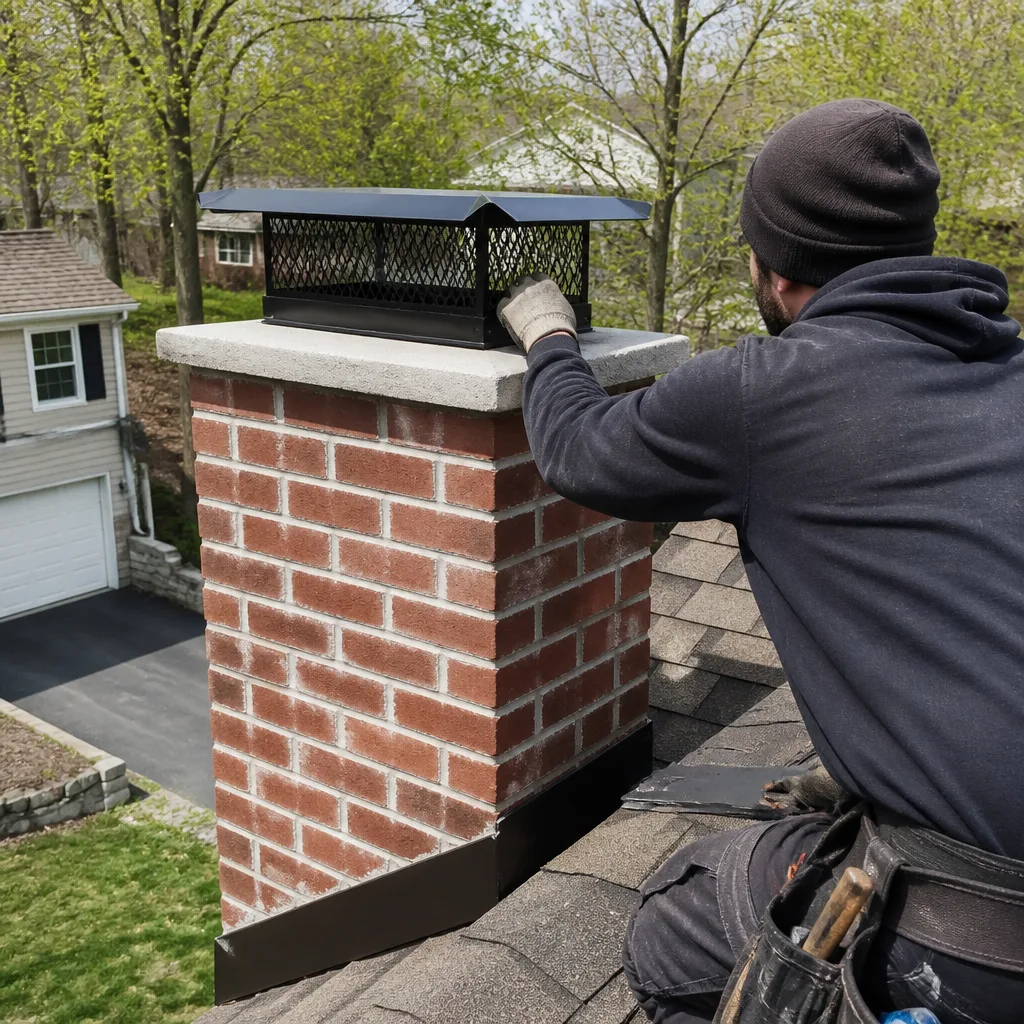 After
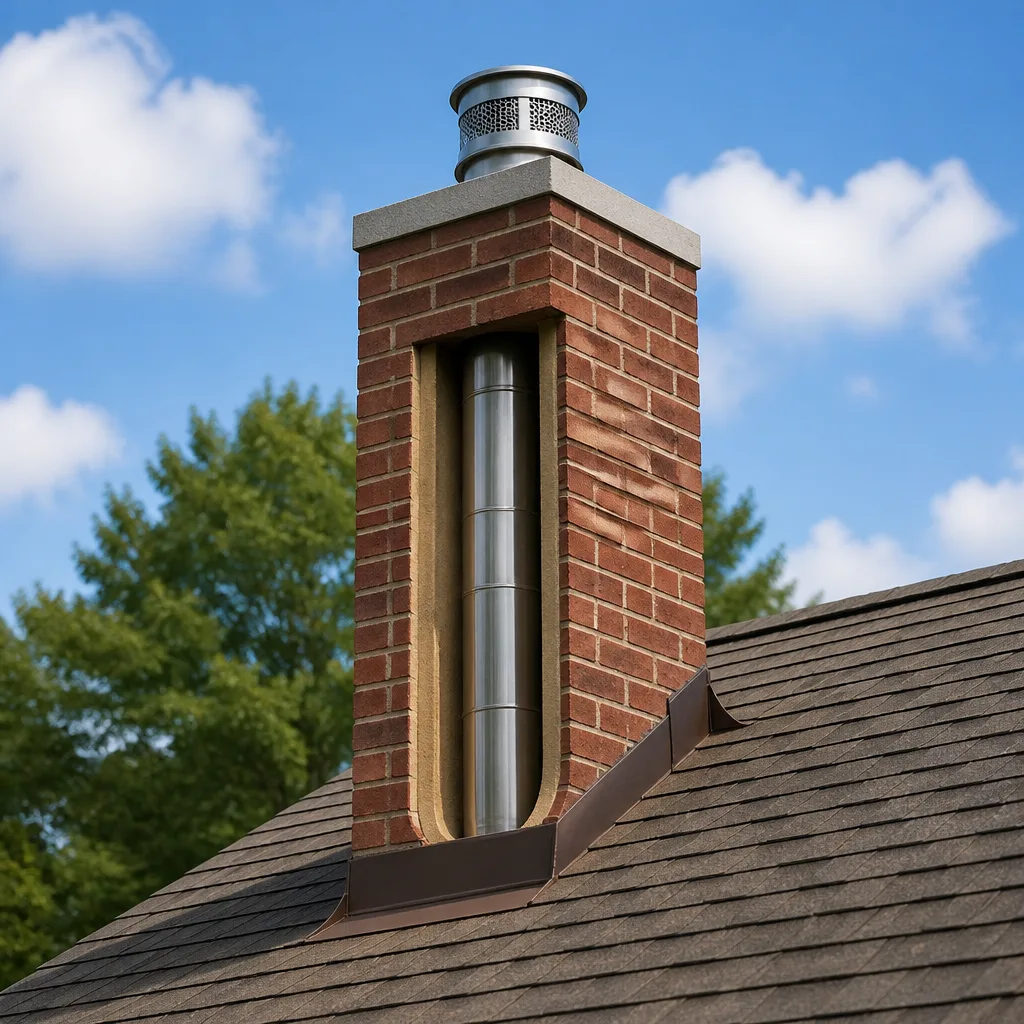
After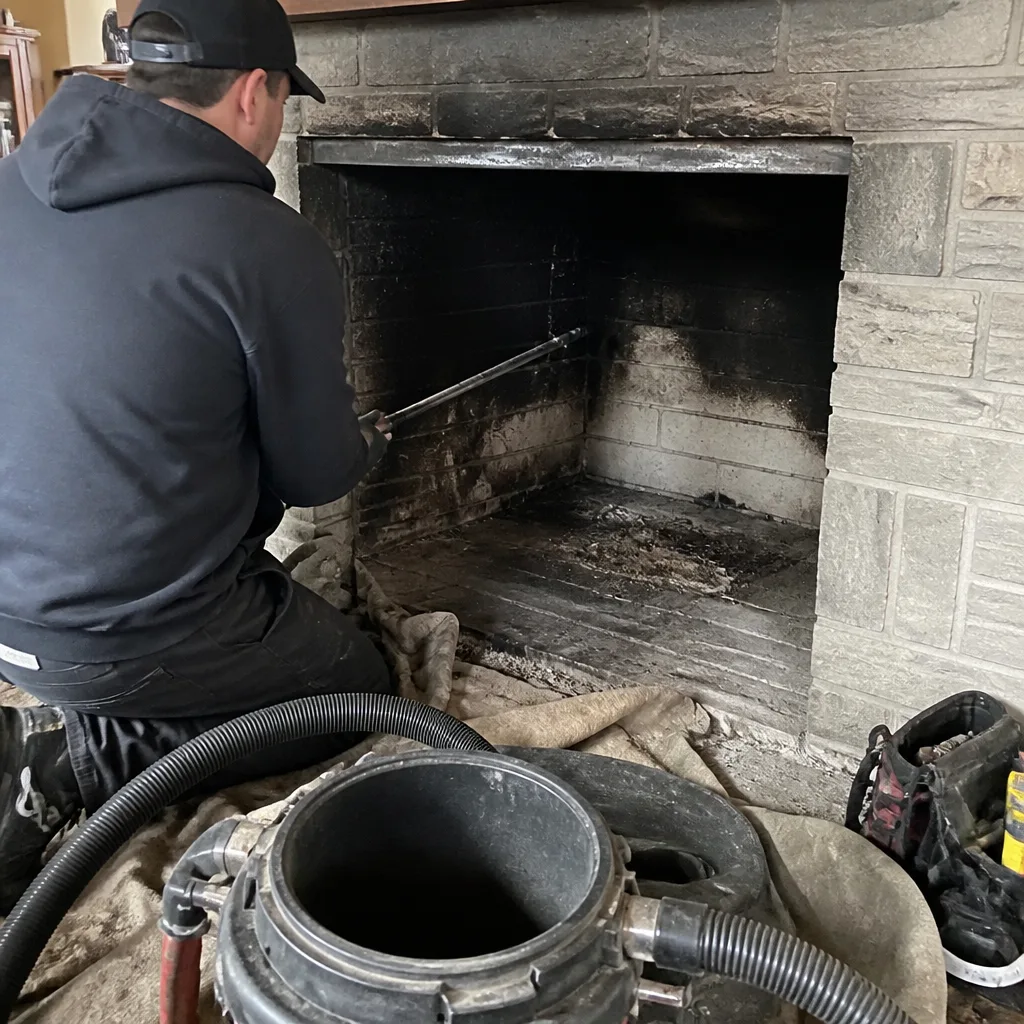 Before
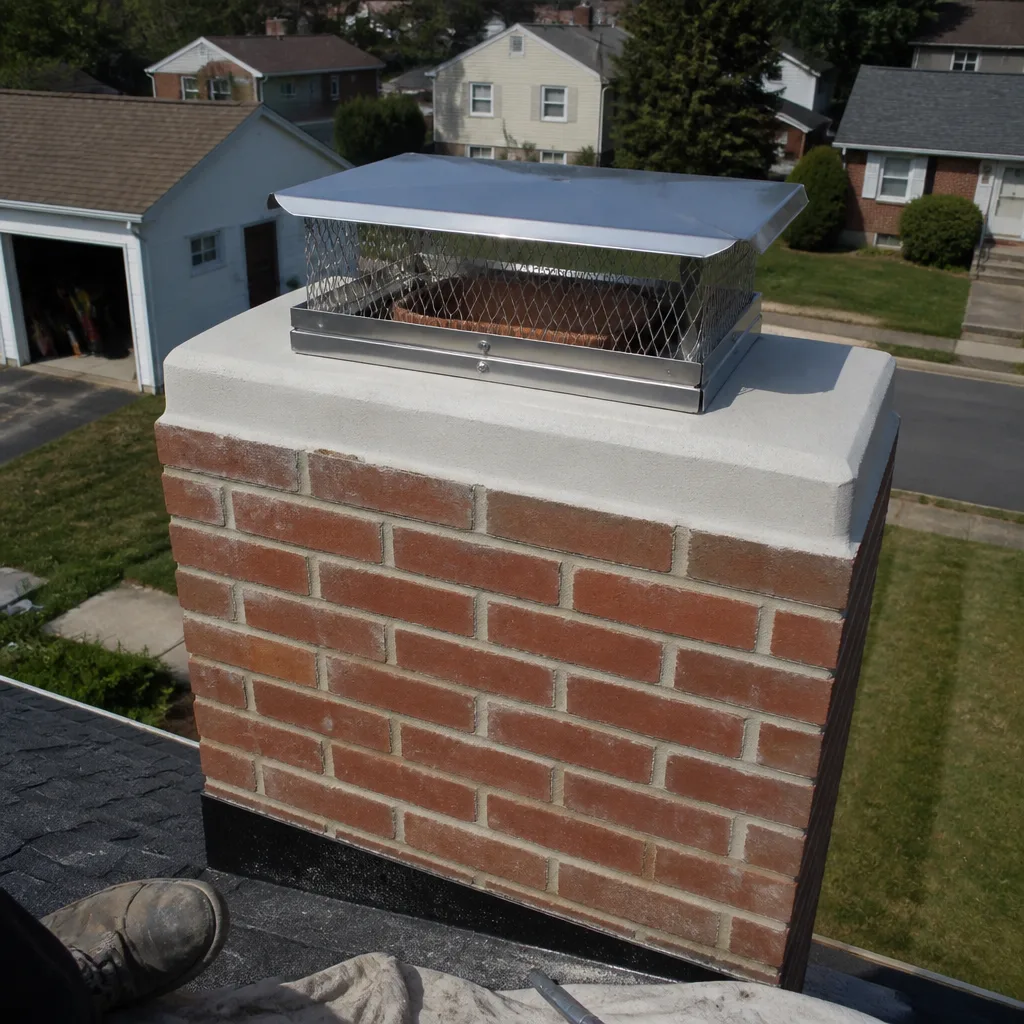 After
AfterFast, Reliable Chimney Liner & Rebuild Across Sinking Spring
Chimney liner and rebuild work in Sinking Spring typically runs $1,800 to $4,200 for a stainless steel liner installation and $3,500 to $9,000 for a partial or full rebuild, depending on flue height and access. Most jobs are completed in one to two days once we’ve done the camera inspection and you’ve approved the plan. We work throughout Sinking Spring, from the ranch homes off Penn Avenue to the split-levels near the high school, and we know exactly what these 50-to-70-year-old chimneys look like on the inside. Call (484) 209-0837 and Wendell or one of the crew will walk you through what you’re likely dealing with before we ever schedule the truck.
Why Top Hat Chimney Is Sinking Spring’s Preferred Chimney Liner & Rebuild Company
Wendell Pike started Top Hat Chimney in 1999 and has been crawling into Berks County flues ever since. The difference with us is simple: we show you the camera footage before we recommend anything. In Sinking Spring, where so many chimneys were built for wood or coal and later converted to gas, that distinction matters more than anywhere else. A national outfit will quote you a liner over the phone. We’ll put a camera up the flue and show you exactly what’s there, then give you a price you can hold us to. And when the job is done, the 90-Day Done Right Promise is yours in writing. If something isn’t right, one call brings us back.
We answer our phones with a live person, day or night. That’s not a call center in another state. It’s often Wendell himself, and if it isn’t, it’s someone who knows the Sinking Spring area and can tell you when the crew will be there. We give real arrival windows, and we call if we’re running behind. Homeowners around here have dealt with too many anonymous crews that show up late and leave a mess. That’s not how we work.
Our Chimney Liner & Rebuild Services in Sinking Spring
Stainless Steel Liner
When a Sinking Spring chimney’s original clay tile liner has cracked or eroded, we install rigid or flexible stainless steel liners sized correctly for whatever is venting through them. That last part matters. A liner sized for an open fireplace is wrong for a gas furnace. We see that mismatch constantly in the ranch homes along Route 422, where fuel conversions happened decades ago and nobody ever touched the flue. Our Chimney Liner & Rebuild team works primarily with DuraFlex and Copperfield stainless systems, chosen for how they handle Berks County’s acidic condensate problem.

Flexible Liner
Older Sinking Spring flues are rarely perfectly straight. The split-levels and ranches built in the 1950s through 1970s often have slight offsets or mortar squeeze-out that make rigid pipe impossible without demolition. A flexible stainless liner snakes through those turns and gets the flue back to spec without tearing out walls. We install Gelco and Olympia Chimney flexible liners regularly in Sinking Spring, and we’ll show you the video of the old clay tile damage before we start. No liner goes in without camera evidence first.

Liner Replacement
If your Sinking Spring home already has a liner but it’s the wrong size, the wrong material, or it’s corroded through, we remove and replace it. This is common when a house switched from oil to gas and someone installed an aluminum liner as a temporary fix. Aluminum does not hold up to gas condensate. It pin-holes within a few years. We pull it, inspect the surrounding masonry, and install a stainless replacement that actually matches the appliance venting into it.

Partial Rebuild
Sometimes the liner is fine but the chimney above the roofline is not. Freeze-thaw cycles in Sinking Spring, and there are 30-plus of those every winter, spall mortar joints and shift bricks on exposed crowns and shoulders. A partial rebuild addresses the top courses, the crown, and the flue tile above the roofline without tearing down the whole stack. We’re serving Sinking Spring homeowners who need exactly this kind of targeted work every fall, right before burning season starts.

What happens when you call
- 1
A real person answersNo phone trees - you reach a local pro.
- 2
You get an upfront price rangeHonest numbers before anyone is dispatched.
- 3
A background-checked tech heads outLicensed & insured, dispatched right away.
- 4
You approve before work beginsNothing starts until you say go.
Trusted Brands We Service in Sinking Spring
We stock and install liners and components from Gelco, Olympia Chimney, and Copperfield, and we keep common sizes on the truck so most Sinking Spring jobs don’t need a second visit for parts. When a homeowner off Penn Avenue needs a 6-inch flex liner for a gas insert, we usually have it ready to go. We also service Famco caps and dampers, which show up on a lot of the older ranch chimneys around here. You don’t pay for us to drive back and forth to a supplier across the county. The truck is stocked for the houses we know we’ll see.
Common Chimney Liner & Rebuild Problems We See in Sinking Spring Homes
- Cracked clay tile from fuel conversion. Sinking Spring’s post-WWII ranches and split-levels were built with 6-to-8-inch clay tile liners sized for open fireplaces. When those homes converted to oil or gas heat in the 70s and 80s, the oversized liner created low draft and trapped acidic condensate, which eats the tile from the inside. The chimney looks fine from the ground. It is not fine.
- Sealed-off fireplaces hiding collapsed flues. We regularly meet Sinking Spring homeowners who are reopening a fireplace that’s been sealed since the Carter administration. The first camera inspection reveals offset or collapsed clay tile sections that were never maintained because nobody was using the fireplace. The flue is condemned before the first fire gets lit.
- Deteriorated mortar joints above the roofline. Berks County’s freeze-thaw cycling hits exposed chimney crowns hard. Mortar crumbles, bricks spall, and water works its way down into the flue. By the time you see staining inside the house, the liner is usually compromised too.
- Gas appliances venting into unlined or oversized flues. A furnace or water heater venting into a 8×8 clay flue built for a coal fireplace is a recipe for condensation and corrosion. The acid byproducts don’t just rust the liner, they’ve been known to eat through mortar and seep into surrounding framing.
Pricing for Chimney Liner & Rebuild in Sinking Spring, PA
A stainless steel liner installation in Sinking Spring usually runs $1,800 to $4,200, including the liner, insulation where needed, top plate, and rain cap. Flexible liners for gas inserts fall in the $2,200 to $3,800 range depending on flue height and whether we’re connecting to an existing crown or building a new one. Partial rebuilds, where we address damaged courses above the roofline and re-pour the crown, typically cost $3,500 to $6,500. Full rebuilds run $6,000 to $9,000 or more if significant scaffolding or structural repair is involved. We give you the exact number after the camera inspection, not before, and that number does not change when the crew arrives. Standing offers apply in Sinking Spring: $40 off any repair over $200, and 10% off always for seniors and veterans. Call (484) 209-0837 for a free estimate.
We Also Serve Cities Near Sinking Spring
Top Hat Chimney works throughout Berks County and the surrounding area. You’ll find us regularly in Reading, Spring, Amity, and Wyomissing, handling the same liner and rebuild work we do here in Sinking Spring. If you’re just outside the borough, give us a call and we’ll tell you straight whether we can get to you and when.
Serving Sinking Spring, PA - Our Local Coverage Area
We’re based in the Sinking Spring area and know this community well. Use the map below to see our service coverage - if you’re nearby, we can almost certainly help.
FAQs - Chimney Liner & Rebuild in Sinking Spring
Sinking Spring’s post-WWII housing boom produced hundreds of ranch and split-level homes with oversized clay tile liners built for open fireplaces. When those homes converted to gas heat, the smaller gas appliance venting into a large flue produced low draft and acidic condensate that sat on the clay tile and eroded it from the inside. The damage is invisible from the outside and only shows up on a camera inspection. If your home converted fuels decades ago and the liner was never changed, it’s worth a look. Call (484) 209-0837 and we’ll schedule the camera.
You don’t, until a camera goes up the flue. We recently serviced a 1960s split-level on Penn Avenue where the homeowner switched from oil to gas in the 1980s but never had the chimney relined. Our Level 2 camera inspection showed the original 8-inch clay tile liner was cracked in three places with eroded mortar joints from years of acidic condensate. We installed a flexible stainless steel DuraFlex liner sized for the gas appliance, restoring proper draft and preventing further corrosion. The customer was relieved we could show them the camera footage before any work was recommended. If your fireplace has been sealed for decades, treat it as unknown until proven otherwise.
Yes, in most cases. A stainless steel liner, either rigid or flexible, slips down through the existing flue and creates a new, correctly sized passage without touching the surrounding masonry. As long as the structural brick and mortar are sound, a reline is faster, less invasive, and significantly cheaper than a rebuild. We’ll tell you plainly if the masonry itself is too far gone and a partial rebuild is the honest call.
Expect spalled brick faces, crumbling mortar joints, and a crown that looks pitted or cracked. Sinking Spring gets 30-plus freeze-thaw cycles every winter, which is rough on any masonry exposed above the roofline. Once the crown cracks, water enters the flue system and accelerates liner damage. If you see pieces of mortar or brick in your gutters or on the ground near the chimney, that’s the smoke signal. Get it looked at before the next heating season.
Yes. The camera captures cracked tile sections, eroded mortar joints, and the flaky white deposits left by acidic condensate. You’ll see exactly what we see. That’s the whole point. Nothing gets recommended in Sinking Spring without footage you can watch yourself, and nothing gets installed without your sign-off on the plan and the price. Call (484) 209-0837 to schedule the inspection.
Contact Top Hat Chimney for Chimney Liner & Rebuild in Sinking Spring
If your Sinking Spring chimney is original to the house and has never been relined, there’s a decent chance the clay tile inside is not what it used to be. The only way to know is to look. We’ll put a camera up there, show you the footage, and give you a straight answer about whether you need a liner, a partial rebuild, or nothing at all. No pressure, no invented problems, and no number that changes when the truck shows up. Call (484) 209-0837 and talk to Wendell or one of the crew. You’ll get a live person, a real appointment window, and a price in writing before any work begins.
Written by Wendell Pike, Owner at Top Hat Chimney, serving Sinking Spring and surrounding Berks County communities.