
Level 1 sweep and inspection to the NFPA 211 annual standard - flue, crown, cap, and flashing checked and photographed
Chimney sweep logs do not sweep chimneys. They loosen some creosote - which then falls where a brush and vacuum still have to collect it.
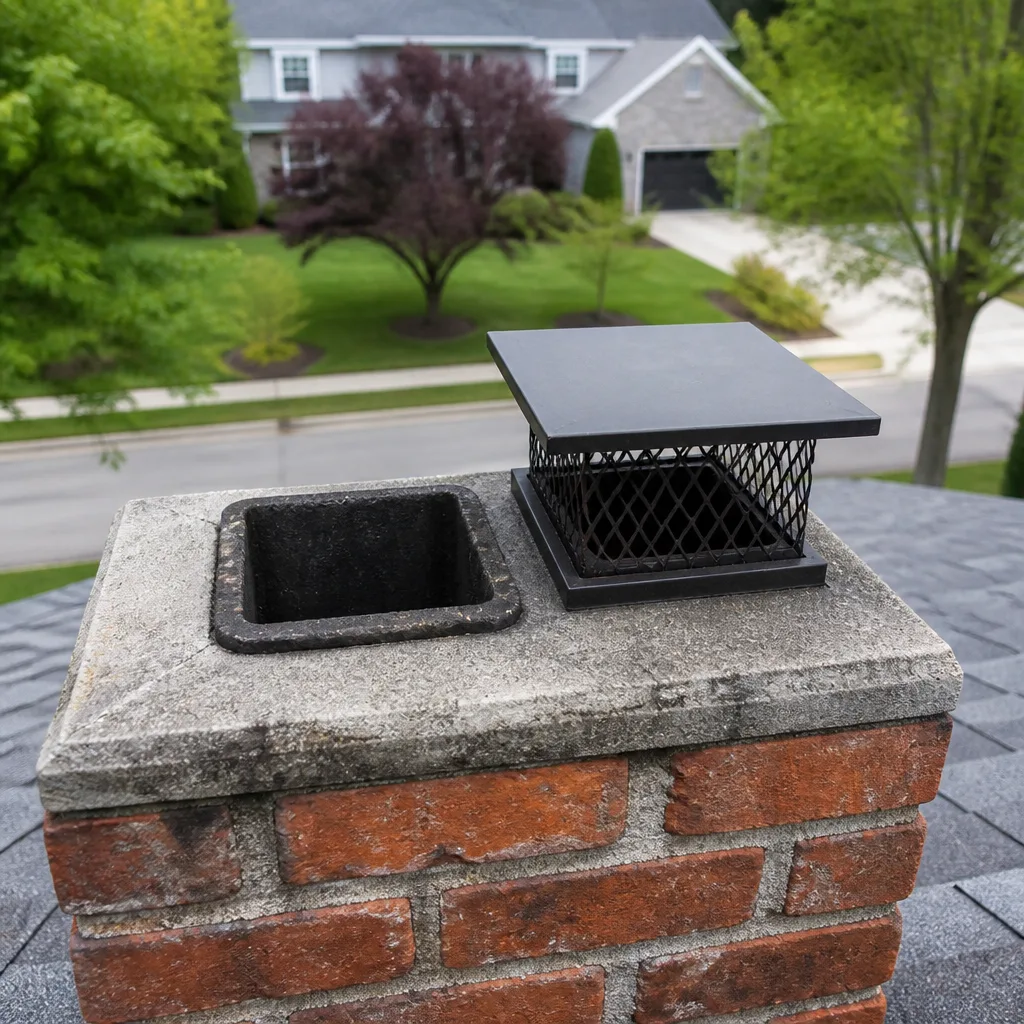
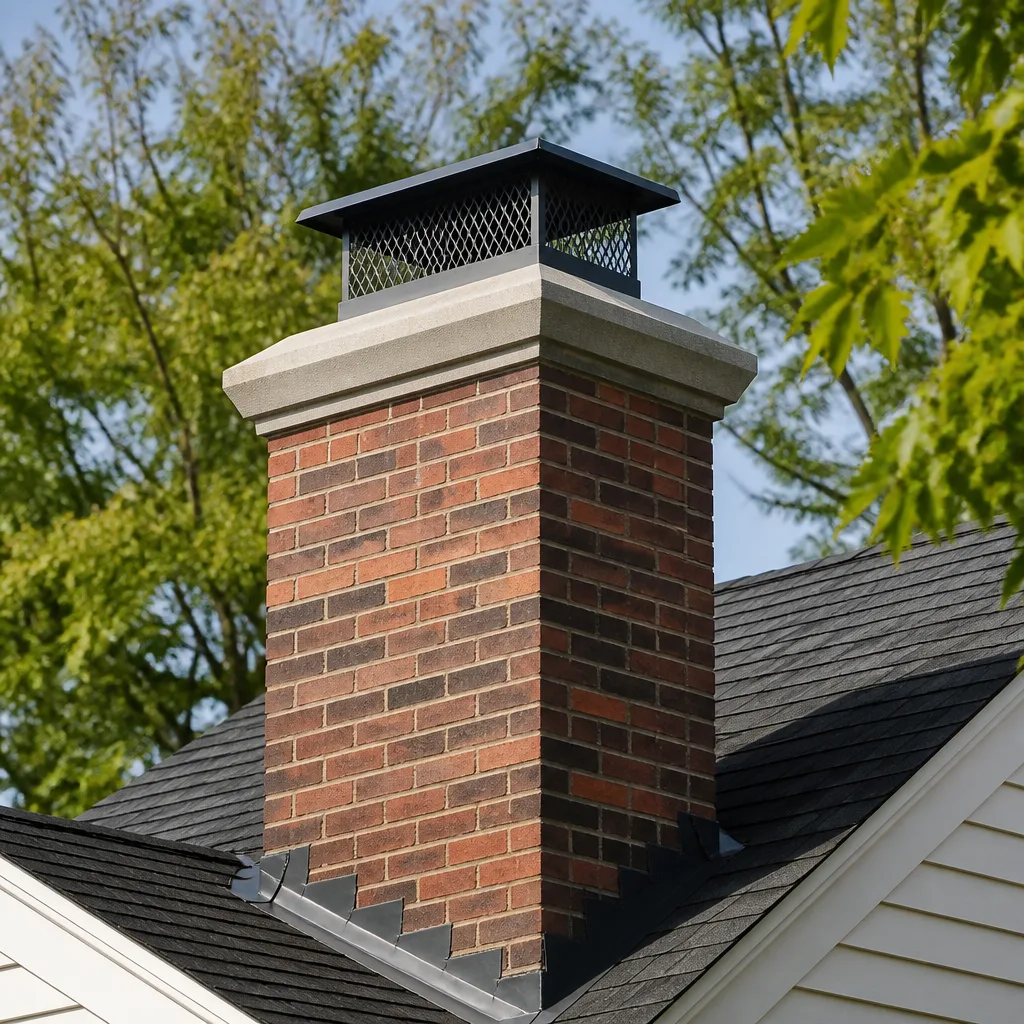
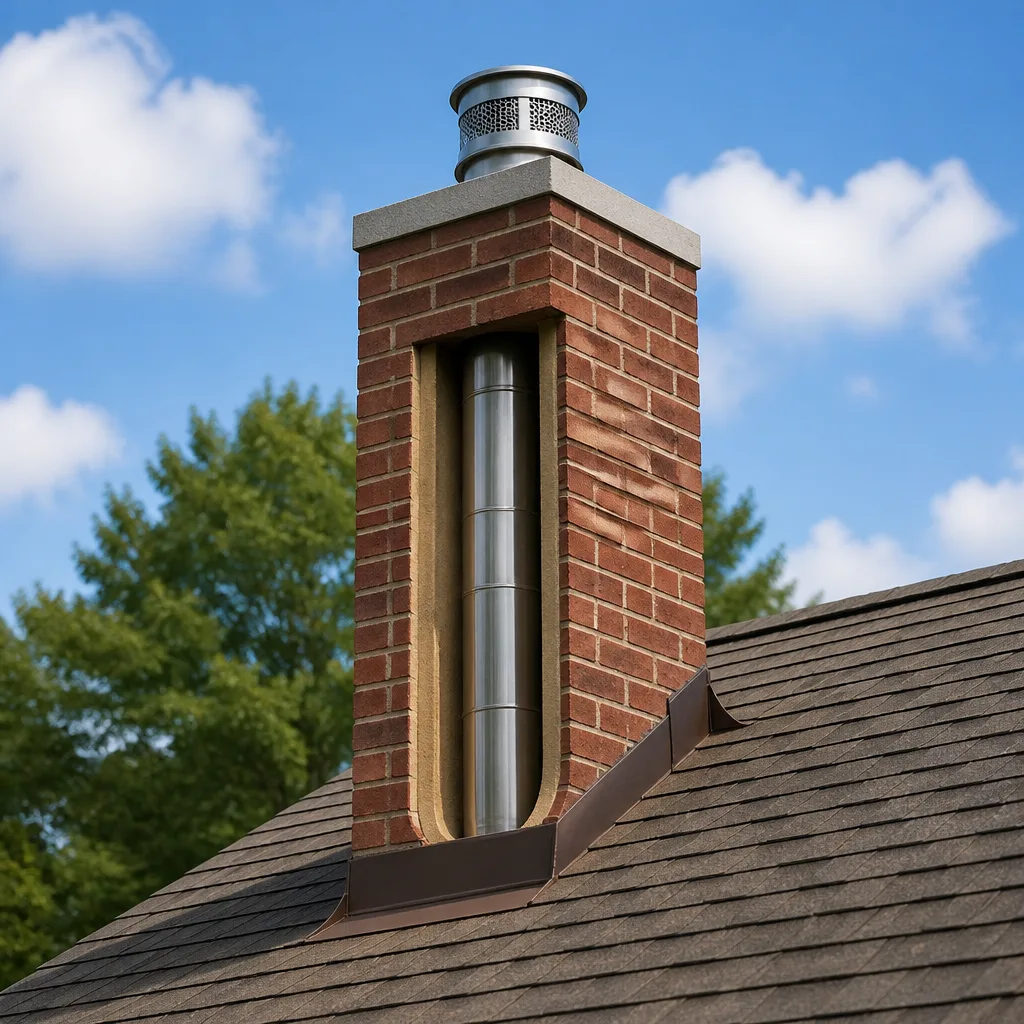
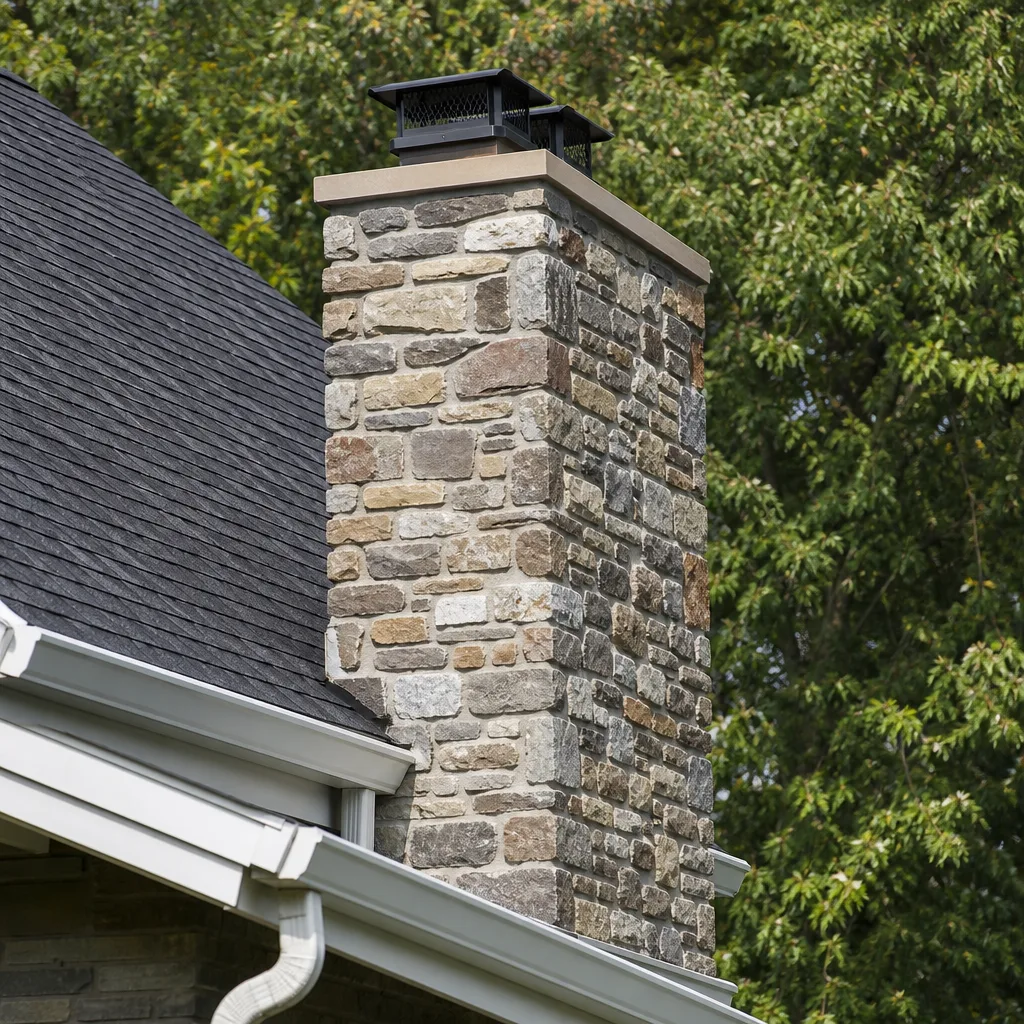
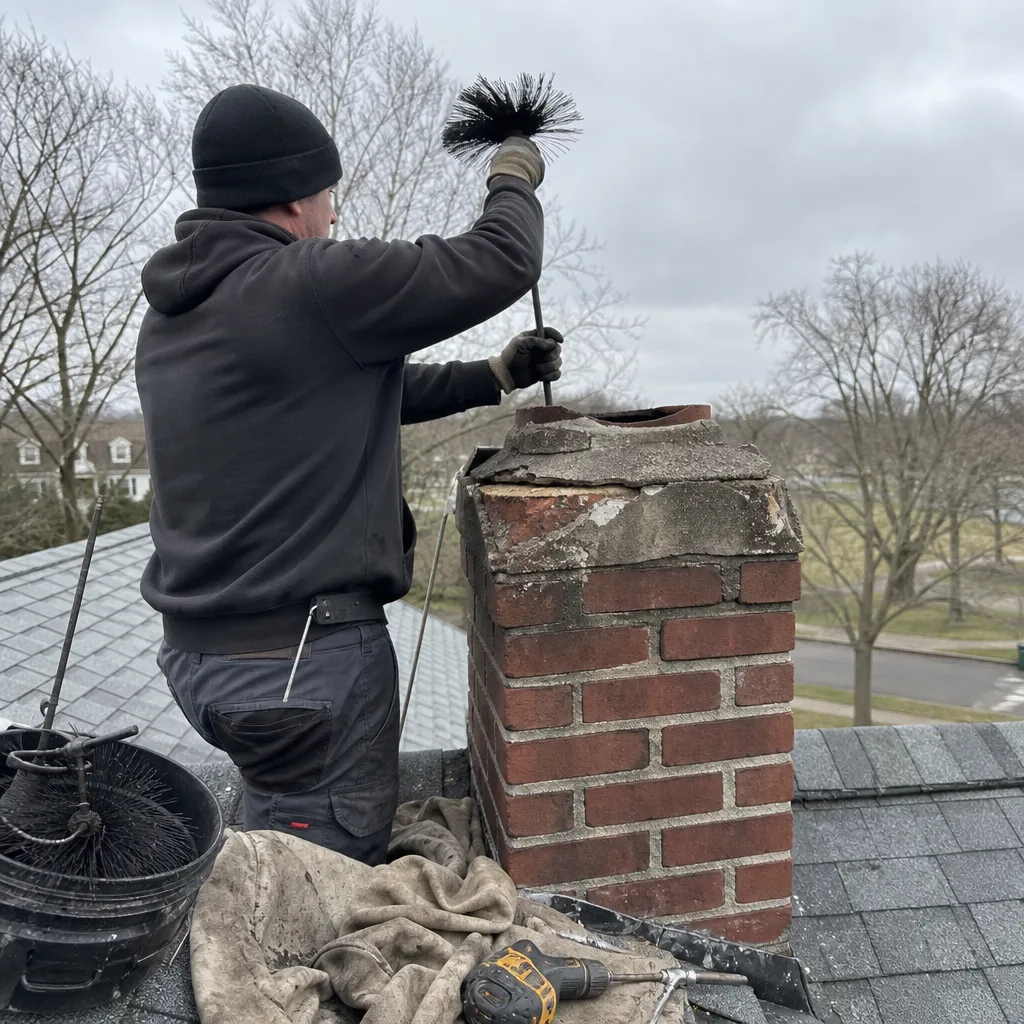 Before
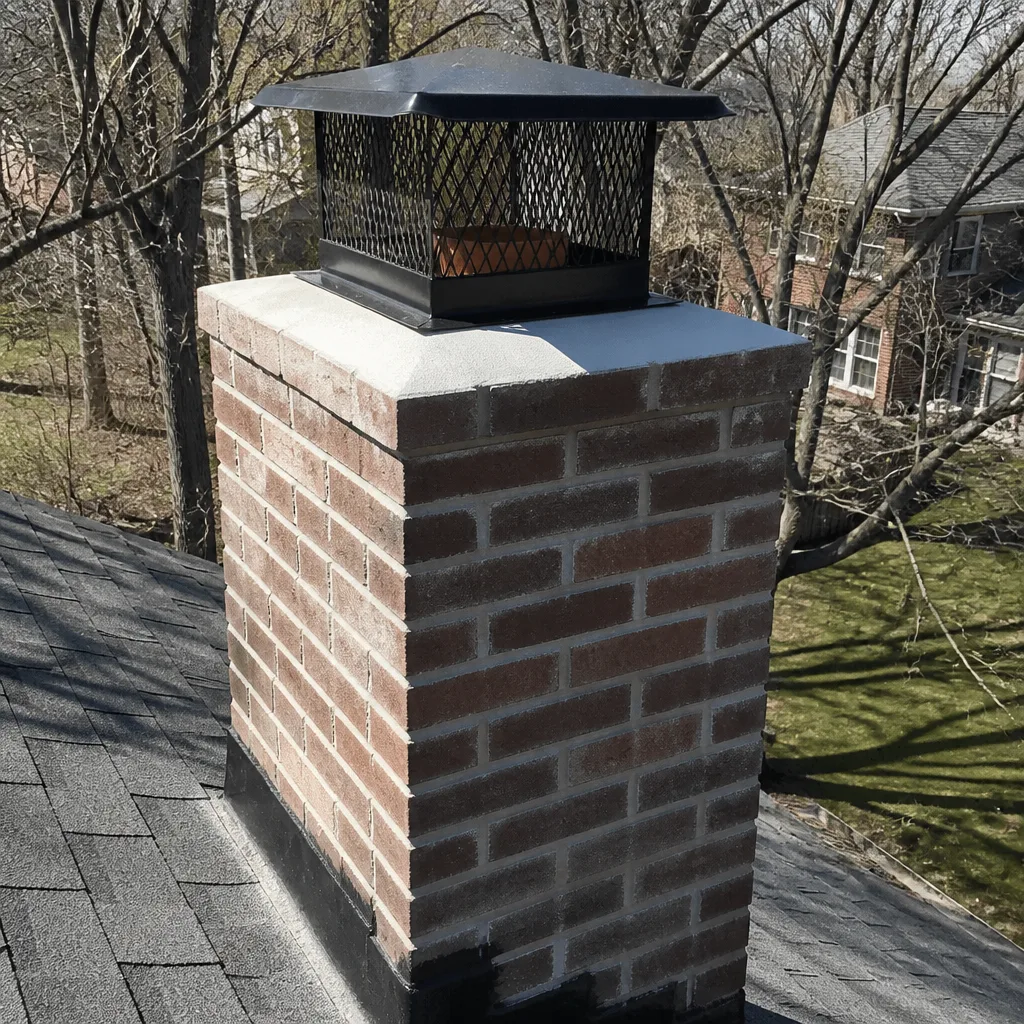 After
After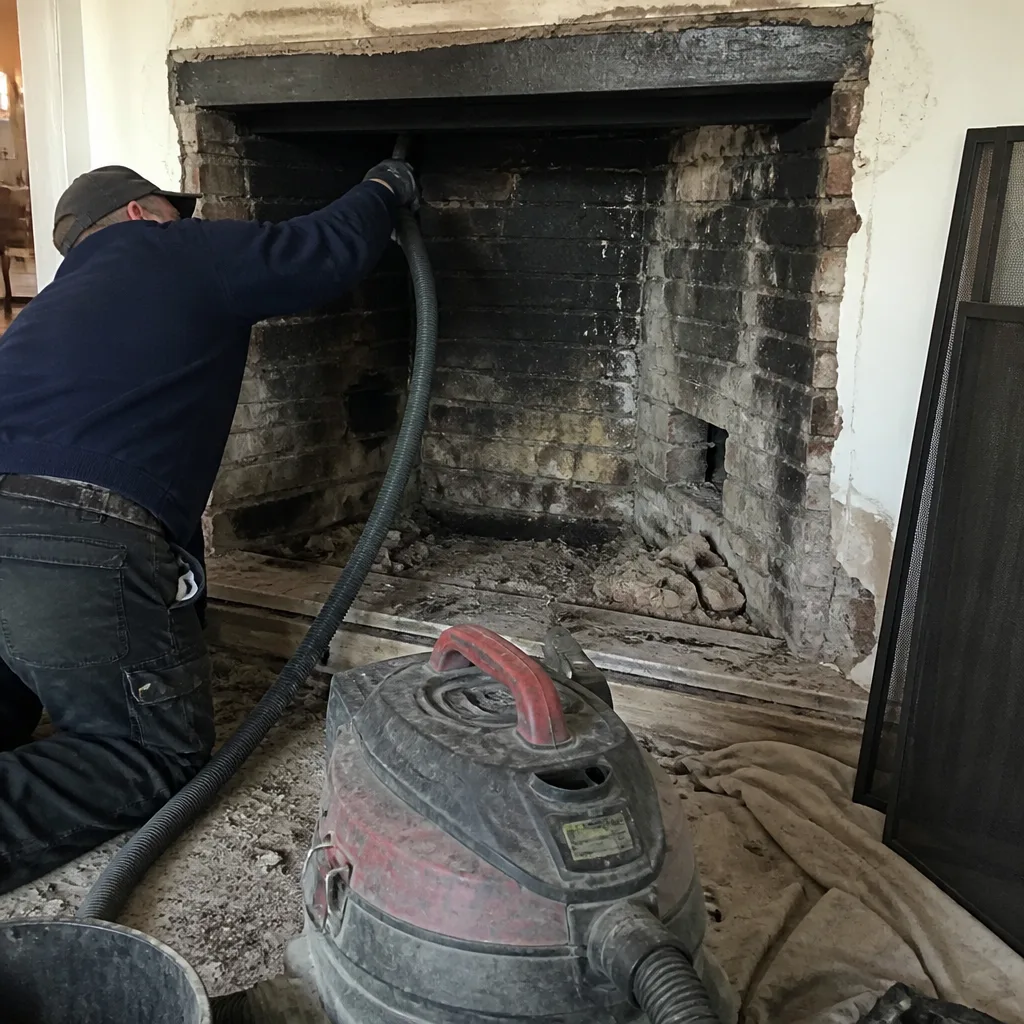 Before
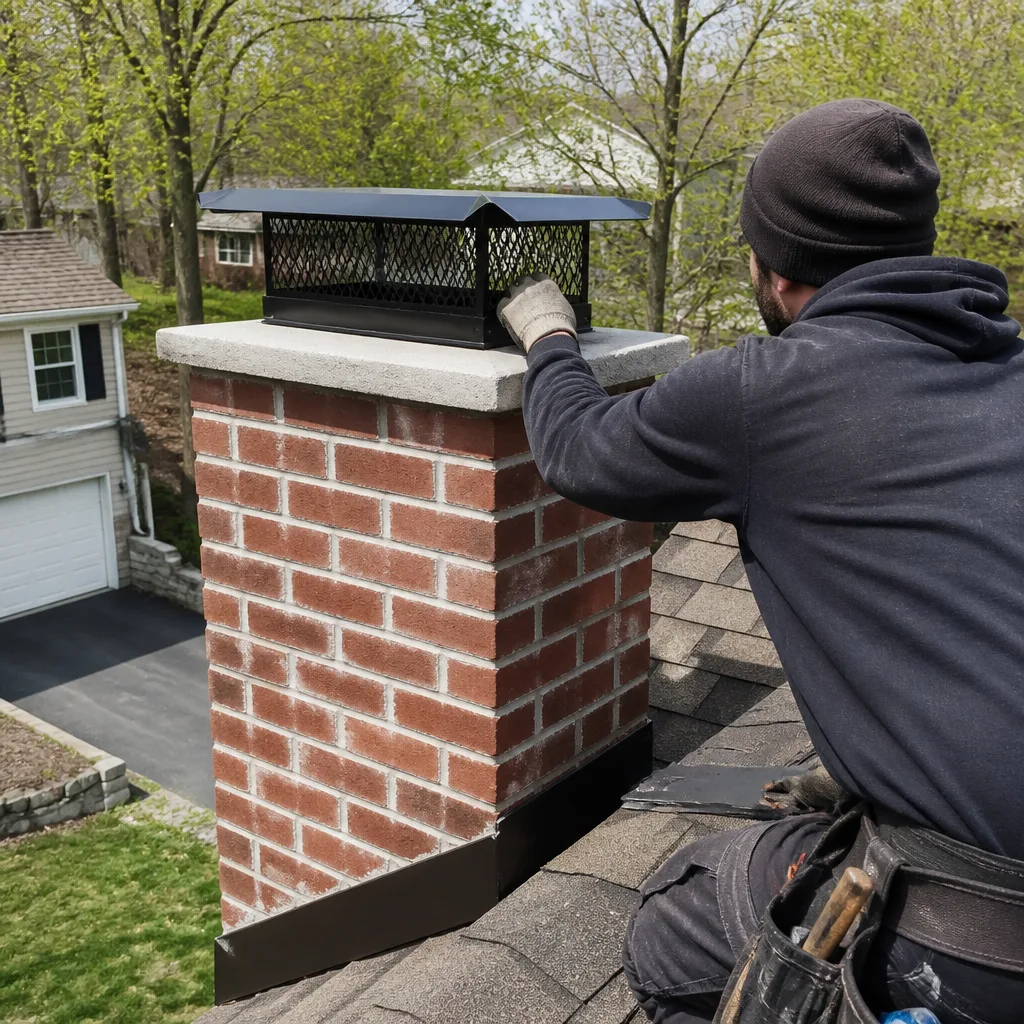 After
After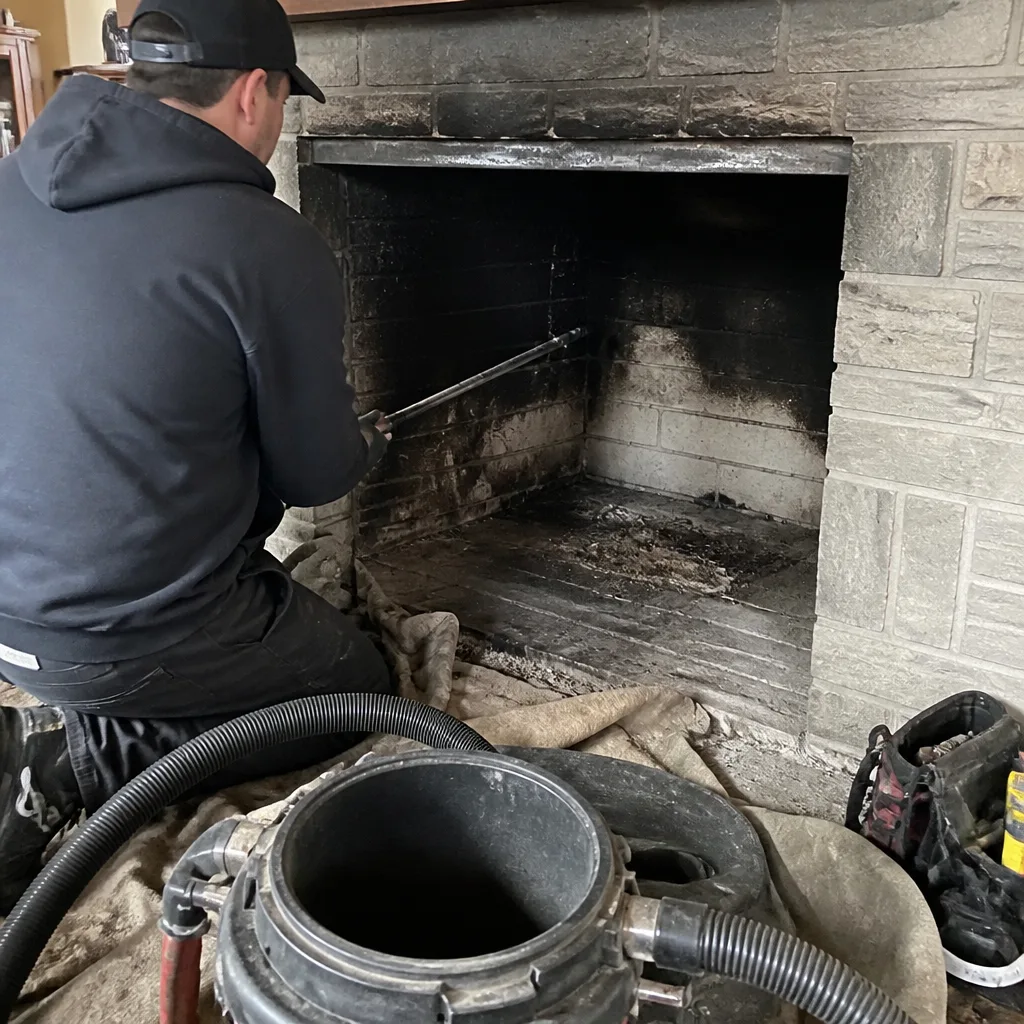 Before
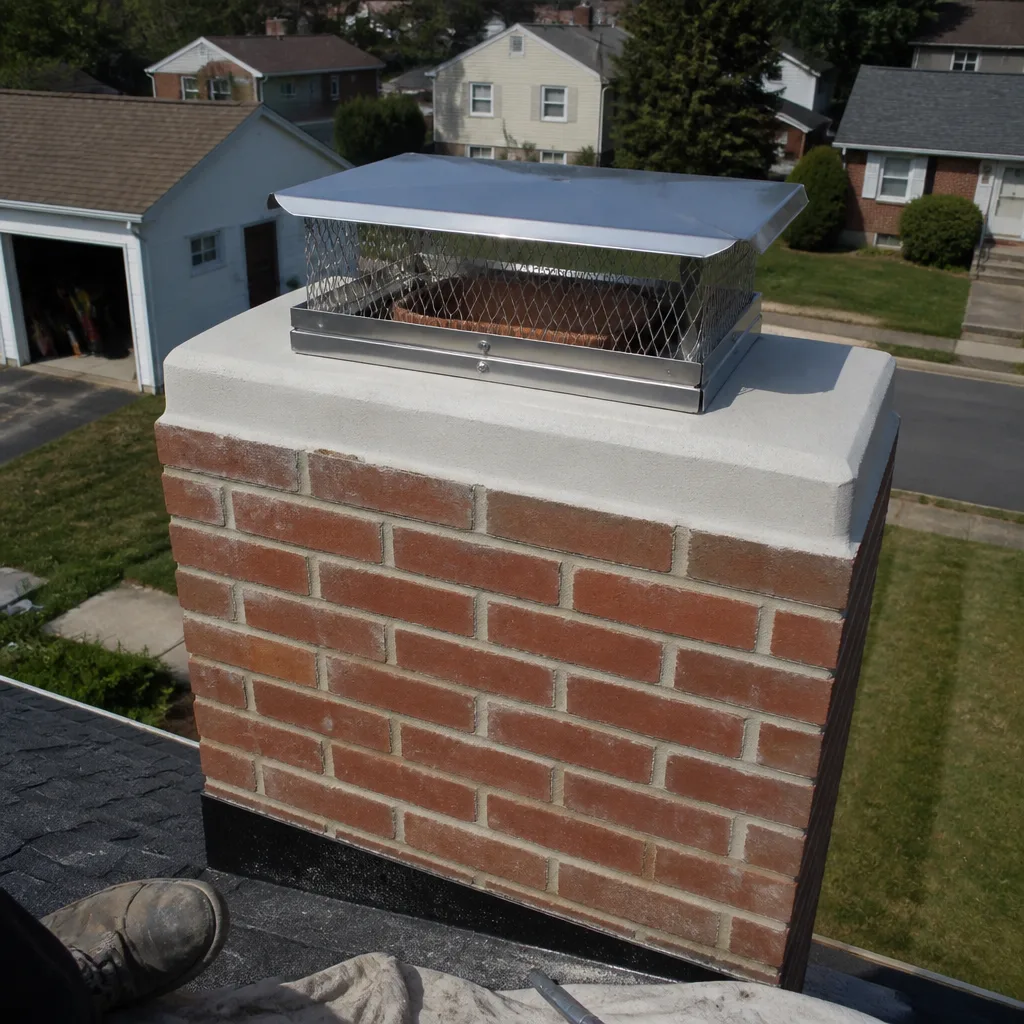 After
AfterCreosote Removal in Reading, PA
Creosote removal in Reading, PA typically runs between $150 and $800 depending on how far the buildup has progressed – a routine first-degree cleaning is on the low end, while third-degree glaze removal requires chemical treatments and multiple visits. Most jobs are completed the same day Wendell shows up.
If your fireplace has been burning wood regularly and it’s been more than a year since a sweep looked inside, you’ve almost certainly got creosote building up somewhere in that flue. That’s not a scare tactic – it’s just how wood fires work. Incomplete combustion leaves behind a residue that clings to the liner walls, and the longer it sits, the harder it gets to remove and the more dangerous it becomes. A chimney fire in Berks County doesn’t care whether you burned hardwood or pine, or whether you had a good draft. It cares how much fuel is coating the inside of that flue.
Wendell Pike has been clearing creosote out of Reading-area chimneys since 1999. If you’ve got a buildup problem – or you simply want to know what’s in there – call (484) 209-0837. A live person picks up every time, around the clock. Our Chimney Cleaning & Sweep in Reading service covers the full inspection and sweep, but if creosote is the specific concern, this page explains exactly what we do and what it costs.
What Creosote Actually Is – and Why It Matters in Reading
Creosote forms every time wood burns. Smoke rises, hits the cooler upper sections of the flue, and some of it condenses onto the liner walls. What sticks behind is a mix of tar, carbon, and combustion byproducts – collectively called creosote. It comes in three forms, and the difference between them is significant.
First-degree creosote is the dusty, flaky stuff. It brushes off cleanly with a standard chimney brush and is exactly what Wendell expects to find during routine Chimney Cleaning & Sweep services on a well-maintained flue.
Second-degree creosote looks like dried tar – darker, harder, and often layered in thick deposits along the smoke shelf or at bends in the flue. It takes more than a brush to clear. You need rotary tools and sometimes chemical aids to break it down.
Third-degree creosote is the one that keeps chimney sweeps up at night. It looks like a shiny black glaze, sometimes almost dripping, and it has a flash point that makes it genuinely dangerous. When this stage ignites, temperatures inside the flue can reach 2,000 degrees Fahrenheit – hot enough to crack terracotta liners, breach masonry, and spread fire into the wood framing of your home. Removal at this stage requires chemical treatments (we use products from the Copperfield line when appropriate), controlled re-burning protocols under strict supervision, and often a full liner inspection before we call the flue safe.
Reading sits in a river valley, and the homes in neighborhoods like Hampden Heights, Millmont, and West Reading often run their fireplaces hard through a Berks County winter. Cold starts, green wood from local suppliers, and older clay tile liners that have seen 50-plus years of use – these are the conditions that accelerate creosote buildup. We see it every season.
When You Need Creosote Removal
- You haven’t had a sweep in over a year. Once a year is the minimum, burn season or not. Creosote doesn’t take a summer off – it just sits there getting harder and more difficult to remove the longer it waits.
- You notice a thick, smoky smell in the house even when the fireplace isn’t running. That odor in Reading homes – especially on humid summer days – is often third-degree creosote off-gassing through the flue. It means the buildup is heavy enough to smell from the living room.
- Your fires are burning sluggishly or you’re seeing more smoke than usual. Heavy creosote narrows the effective diameter of your flue and restricts airflow. What looks like a draft problem often turns out to be a buildup problem.
- You’ve recently bought an older home in Reading. Properties in Oakbrook, Glenside Park, and other established Reading neighborhoods frequently come with fireplaces that haven’t been swept in years. We find some of the worst third-degree buildup in homes that had “decorative” fires for a decade – low, smoldering burns are the fastest way to produce glaze.
- You burned a lot of green or wet wood last season. Unseasoned wood burns cooler and produces significantly more condensation in the flue. If your wood came from a local tree service or was cut within the last year, the creosote load is likely higher than you’d expect.
- You’ve had a chimney fire – even a small one. Many chimney fires burn fast and quiet; homeowners sometimes don’t realize one happened. If you heard a low roar from the flue or noticed a smell like something burning inside the walls, call us before you light another fire. We’ll put a camera in the flue and tell you exactly what we see.
Our Creosote Removal Process
- Visual and camera inspection first. Before a single brush goes into the flue, Wendell or one of his crew takes a look – often with a camera run through the liner from the firebox to the cap. You see the footage on a screen, and you get a plain-English verdict on what’s there and what degree of buildup we’re dealing with. No guessing. No upsell based on something you can’t see yourself.
- Drop cloths and containment setup. We protect your hearth, floors, and furniture before any tools come out. Creosote debris is oily and dark – it stains. We take thirty minutes of setup seriously so we’re not leaving a mess behind us.
- Mechanical removal with rotary or brush equipment. First and second-degree deposits come out with chimney brushes and rotary power tools designed for the liner diameter. For second-degree buildup, we may run multiple passes from both the firebox and the top of the chimney to clear the full column.
- Chemical treatment for third-degree glaze. When we encounter hardened glaze, a brush alone won’t get it. We apply a chemical treatment from our Copperfield supply line that converts the glaze into a porous, brittle form that can be mechanically cleared in a follow-up visit. This sometimes takes two appointments spaced a few days apart – we’ll tell you upfront if that’s the case, and the price we quote covers both visits.
- Final debris removal and vacuum. Everything that comes off the flue walls gets vacuumed from the firebox with industrial HEPA equipment. We don’t leave a pile of creosote flakes in your fireplace for you to deal with.
- Post-removal camera check and written summary. After the flue is clear, we do a second camera pass to confirm the liner is clean and to check for any cracks or damage that were hidden under the buildup. You get a written summary of what we found and what we did – useful for your homeowner’s insurance file and for the next sweep.
Creosote Removal Pricing in Reading
Creosote removal in Reading costs more the further the buildup has progressed – that’s just the reality of the work. A first-degree cleaning takes under an hour. Third-degree glaze removal can take most of a day across two visits. Here’s an honest breakdown of what you can expect to pay.
| Creosote Level | Typical Scope | Estimated Cost Range |
|---|---|---|
| First-degree (light/dusty) | Standard sweep, one visit | $150 – $250 |
| Second-degree (tar/hard deposits) | Rotary tools, extended sweep, one visit | $250 – $450 |
| Third-degree (glazed/shiny) | Chemical treatment + mechanical removal, often two visits | $500 – $800+ |
| Post-chimney-fire inspection + removal | Full camera inspection, cleaning, liner assessment | $300 – $600 |
A few things affect where your job lands in those ranges: the height and accessibility of your chimney, the liner material (metal flex liners and older clay tile behave differently), and whether the cap or damper needs to come off to get proper access.
You’ll know the price before Wendell picks up a tool. That’s not a marketing line – it’s how every job works here. The number on the phone is the number on the invoice. If we open up the flue and find something that genuinely changes the scope, we’ll show it to you on the camera screen and talk through it before we proceed.
If your total repair work runs over $200, $40 comes off the bill – that offer is standing and never expires. Seniors and veterans always get 10% off, no paperwork required. And if you’ve already got a written estimate from another company, we’ll give you a free second opinion – bring the estimate, we’ll compare it against what we actually find in your flue.
Call (484) 209-0837 for a free estimate on your Reading home’s creosote situation. No trip charge for calls inside our county.
Key Takeaways
- First-degree creosote is a routine brush job; third-degree glaze is a multi-step chemical and mechanical removal process – the degree determines both the risk and the cost.
- Creosote removal in Reading runs roughly $150 to $800+ depending on buildup severity, liner type, and chimney height.
- You get a camera inspection before and after – you see what Wendell sees, and you get a written summary every time.
- The price quoted before work starts is the price on the invoice. Period.
- Top Hat Chimney has been working Reading flues since 1999. Wendell’s name is on the truck, the invoice, and the 90-Day Done Right Promise.
FAQs – Creosote Removal in Reading, PA
How often does creosote need to be removed in Reading?
Once a year is the baseline – the Chimney Safety Institute of America recommends a Level 1 Inspection and cleaning for any chimney in active use. In Reading, where a lot of homeowners run wood fires from October through March, annual sweeping generally keeps first-degree buildup from progressing to second or third degree. If you’re burning more than three cords of wood a season or using your fireplace as a primary heat source, twice a year is smarter. Call (484) 209-0837 and Wendell can give you an honest recommendation based on what he finds in your specific flue.
Is creosote removal dangerous – can I do it myself?
First-degree creosote can technically be brushed by a homeowner with the right equipment, but we’d caution against it for most people. You can’t see what’s inside the upper flue sections without a camera, and you won’t know whether you’re dealing with first or third degree until you’re in there. Third-degree glaze absolutely requires a trained sweep – the chemical treatments involved are not consumer products, and disturbing a heavy glaze deposit incorrectly can trigger the very chimney fire you’re trying to prevent. Beyond the chemical risk, working on a rooftop with chimney equipment carries real fall hazards. Wendell’s crew handles this routinely; most homeowners should leave this one to a professional.
What does third-degree creosote look like and how do I know if I have it?
Third-degree creosote looks like a shiny black glaze on the inside of the liner – sometimes almost like a poured coating, sometimes in thick bubbly deposits. From the firebox opening, you can sometimes see it at the bottom of the smoke chamber or on the damper, but the worst buildup is usually higher up where it’s out of sight. If your flue has a sharp smoky smell even in summer, or if you noticed a roaring sound during a past fire, those are signs worth taking seriously. A Level 2 Inspection with a camera tells you definitively what’s there – call us at (484) 209-0837 and we’ll get eyes inside the flue before you light another fire.
Will creosote removal fix my smoky fireplace?
Sometimes, yes. Heavy second or third-degree buildup narrows the flue diameter enough to choke the draft, and removing it often restores proper airflow on its own. But a smoky fireplace can also come from a damaged liner, a poorly sized firebox opening, negative air pressure in the house, or a blocked cap – creosote buildup is one cause, not the only one. After removal, Wendell does a camera pass and a draft check to confirm whether the issue is resolved or whether there’s something else going on. You’ll know before he leaves the driveway. Free estimate when you call (484) 209-0837.
Creosote Problems Don’t Get Easier With Time
Here’s the honest truth about creosote in Reading: the longer it sits, the more expensive and difficult the removal becomes, and the closer you get to the conditions that cause a chimney fire. A first-degree cleaning you put off this fall is a second-degree problem next spring and potentially a third-degree glaze problem the year after that.
Wendell has been inside more Reading-area chimneys than he can count since founding Top Hat Chimney in 1999. He’s worked flues in Hampden Heights and West Reading and out into the Berks County countryside. He knows what the local burn season does to a flue, and he will tell you flat-out if the job doesn’t need doing yet. That’s the kind of straight answer you get from a sweep who plans to run into you at the hardware store on Saturday.
Every job comes with the 90-Day Done Right Promise: if anything isn’t right after we’ve worked on your chimney, one call brings us back at no additional cost. That guarantee is in writing on every invoice. Our part of the home services you can actually count on.
For a free, no-pressure estimate on creosote removal at your Reading home, call (484) 209-0837. A live person answers every call – day or night – and it may well be Wendell himself. We’ll tell you exactly what’s in your flue, what it costs to clear it, and when we can be there.
Written by Wendell Pike, Owner at Top Hat Chimney, serving Reading since 1999.