
Last updated September 10, 2026
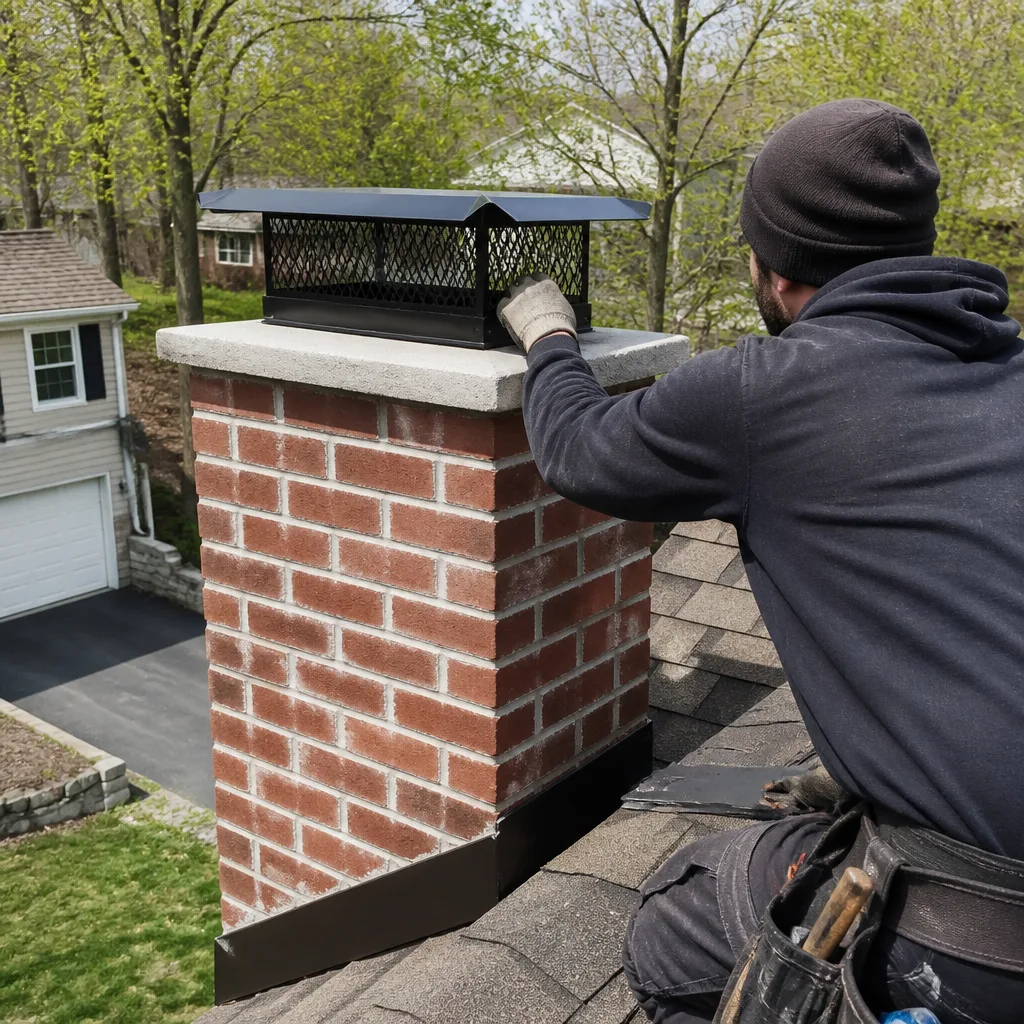
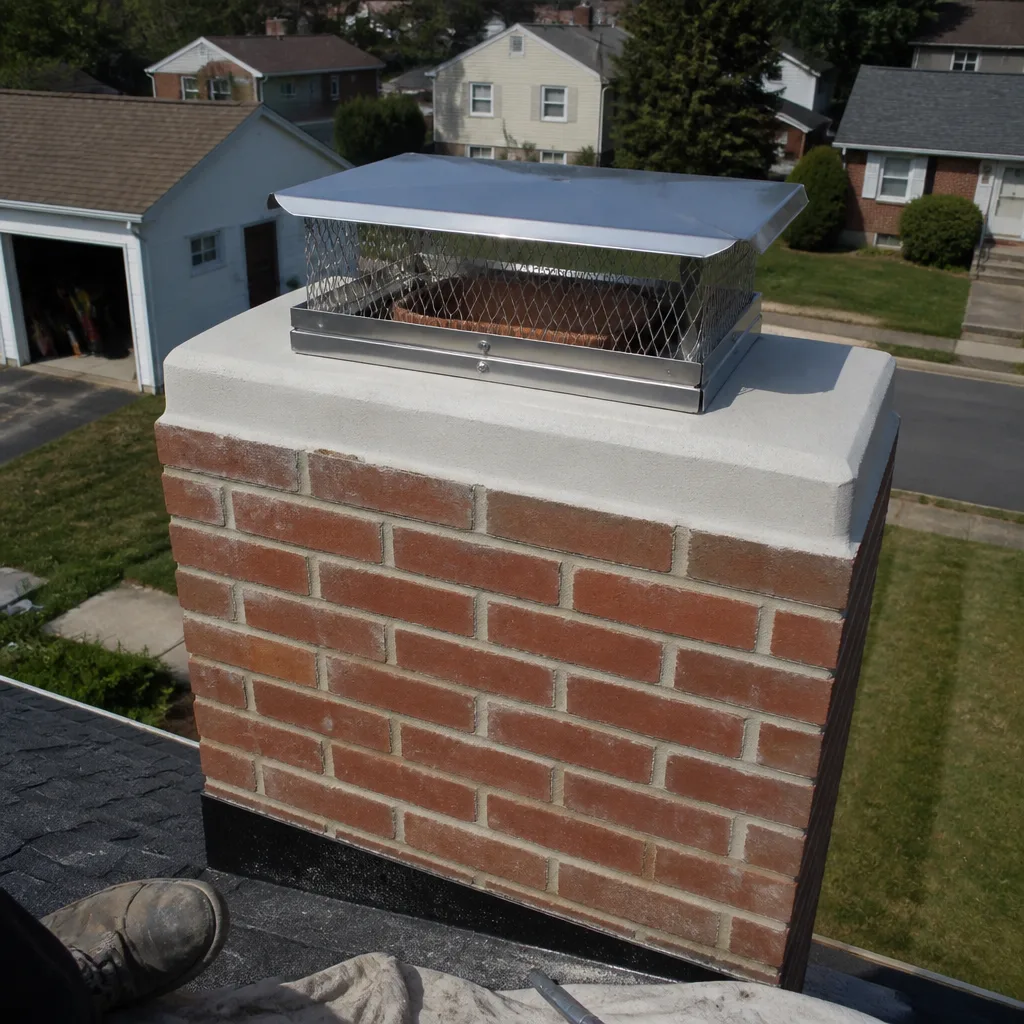
Level 1 sweep and inspection to the NFPA 211 annual standard - flue, crown, cap, and flashing checked and photographed
Chimney sweep logs do not sweep chimneys. They loosen some creosote - which then falls where a brush and vacuum still have to collect it.
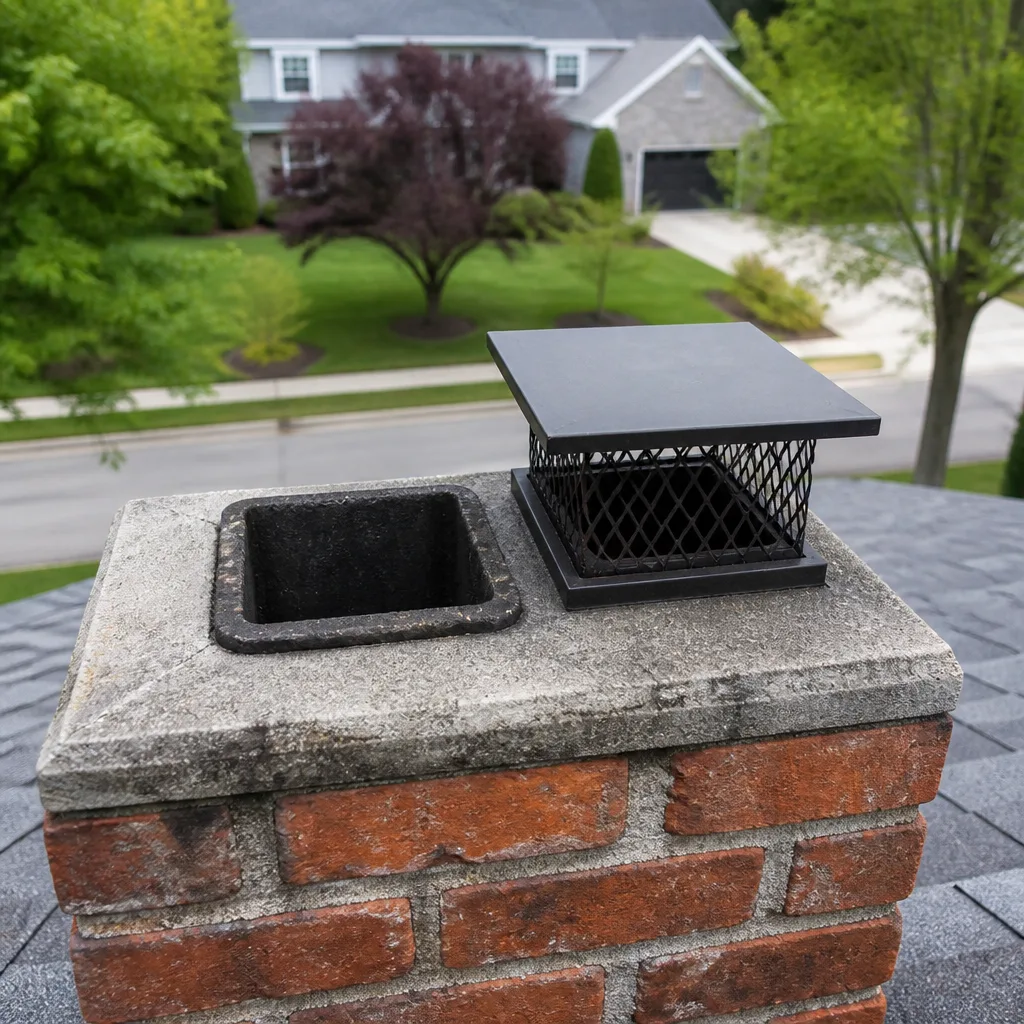
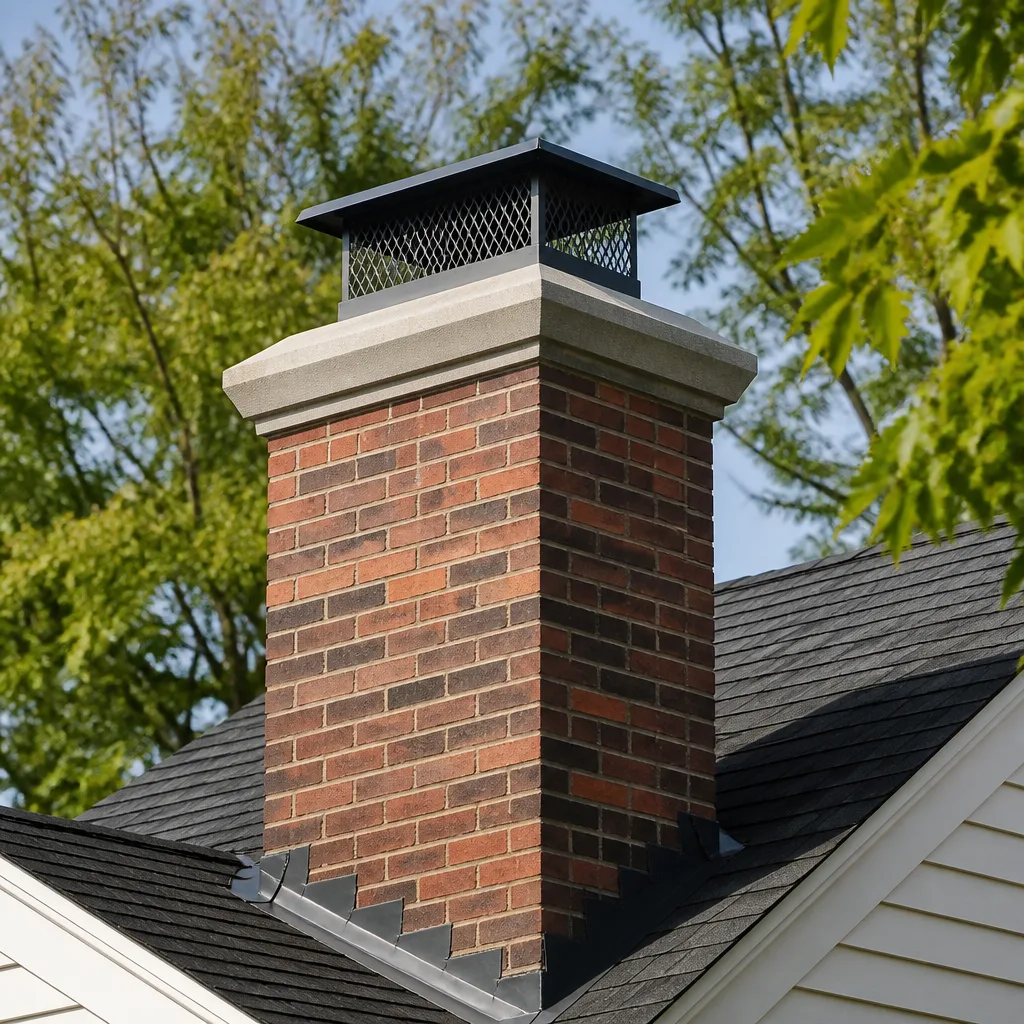
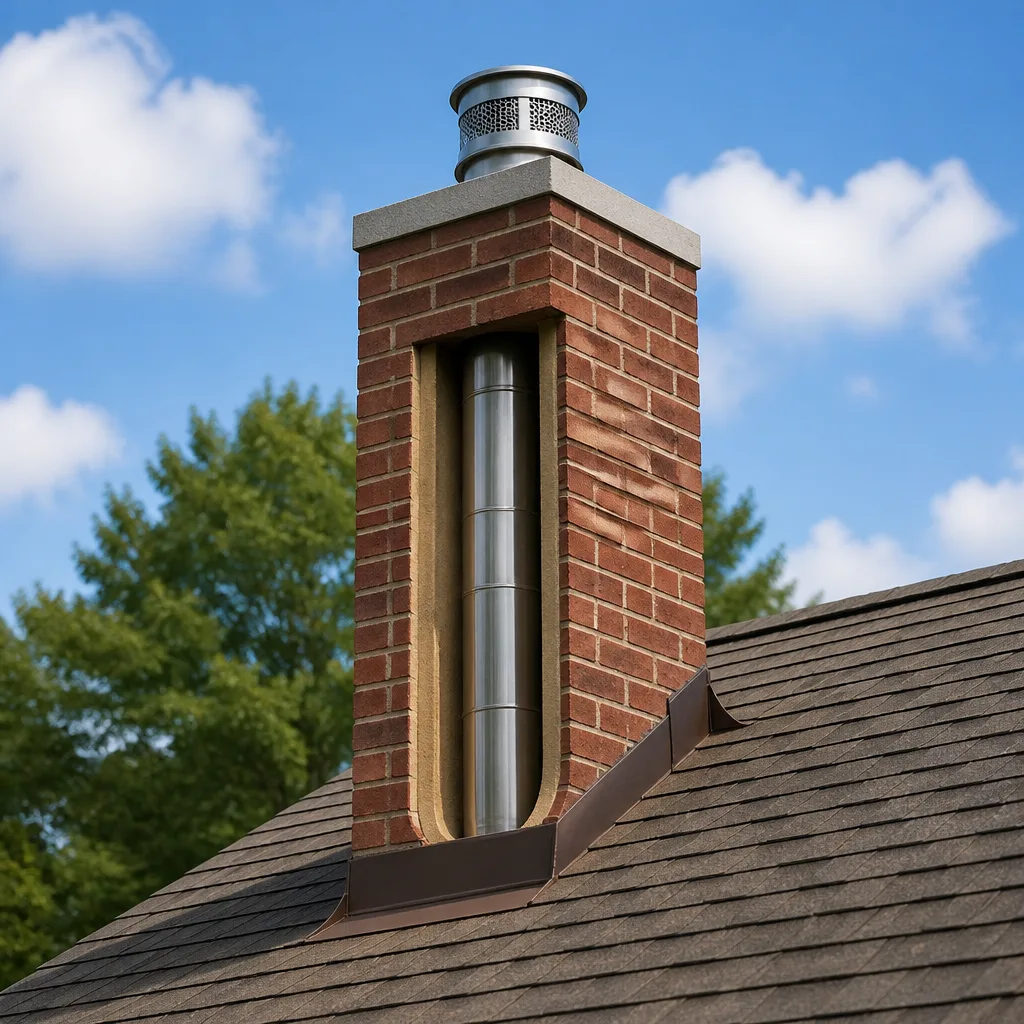
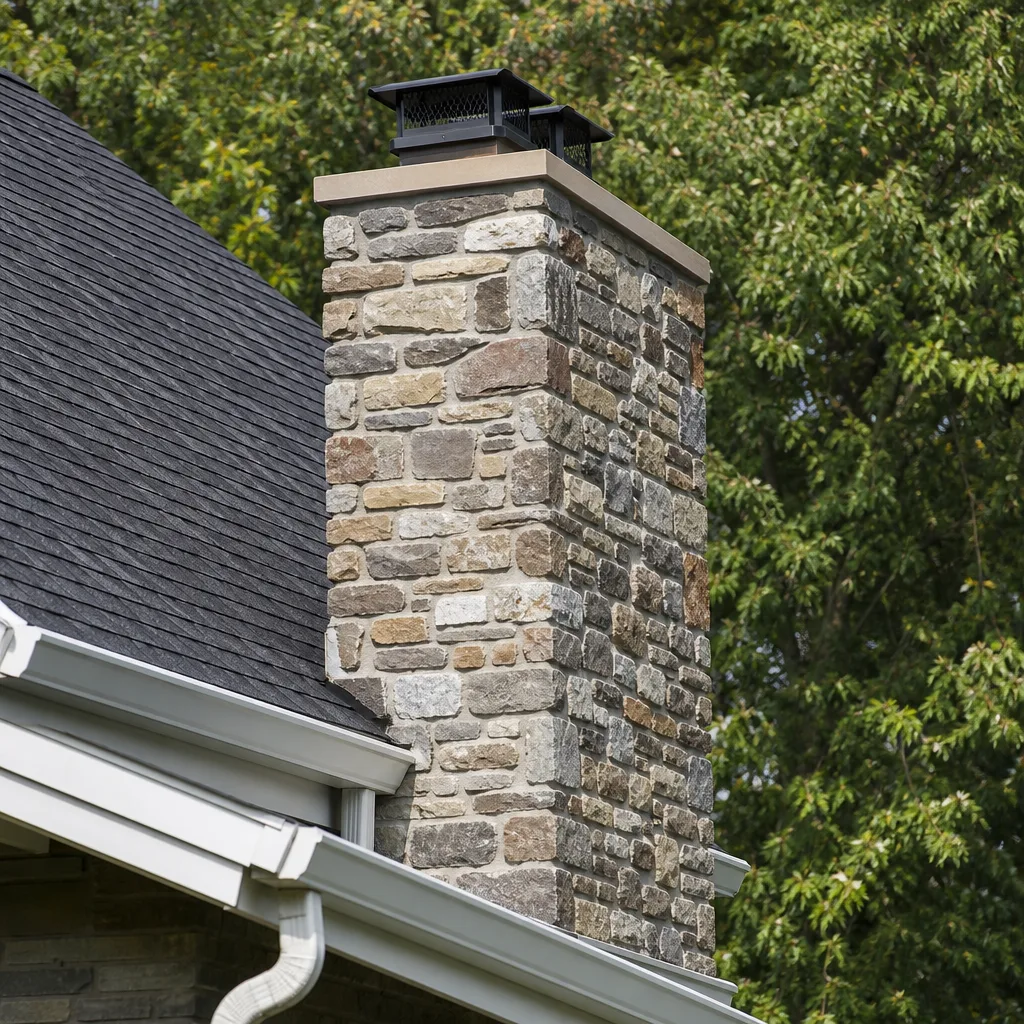
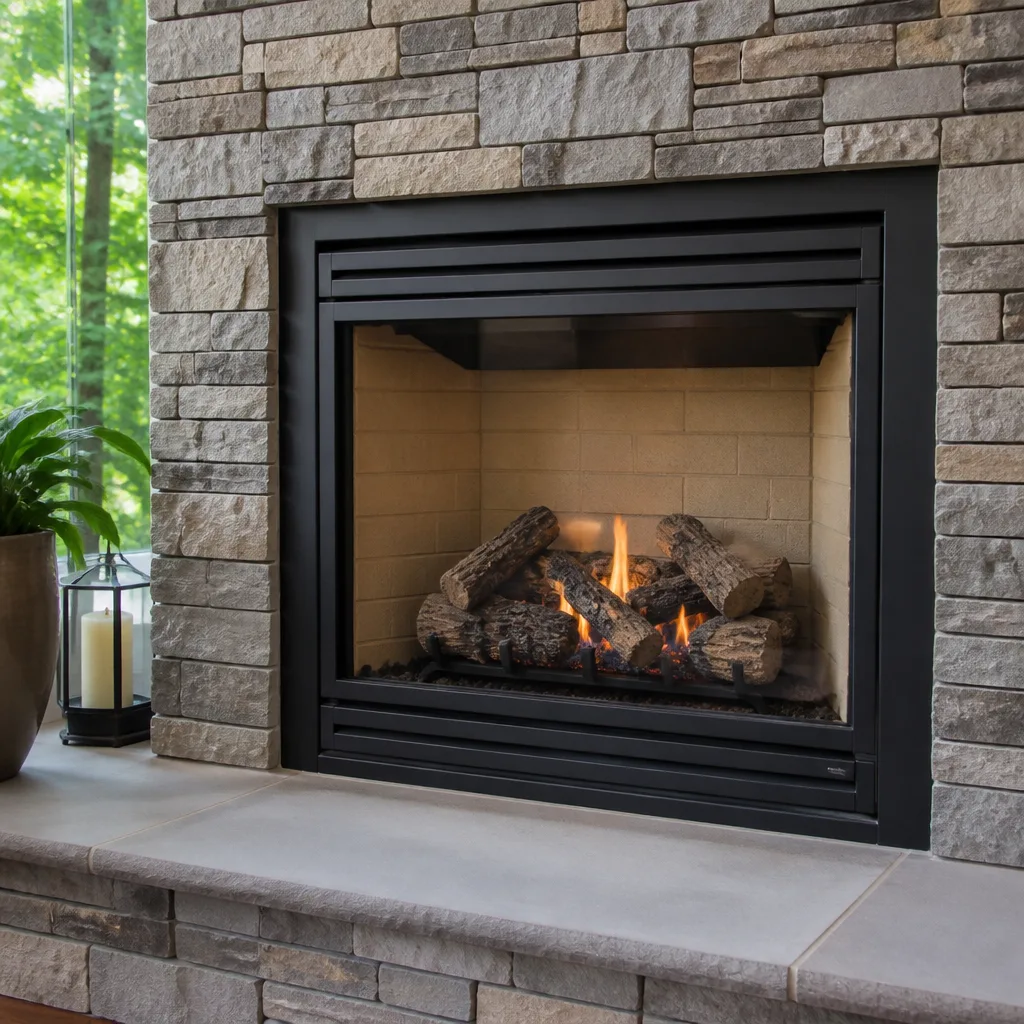
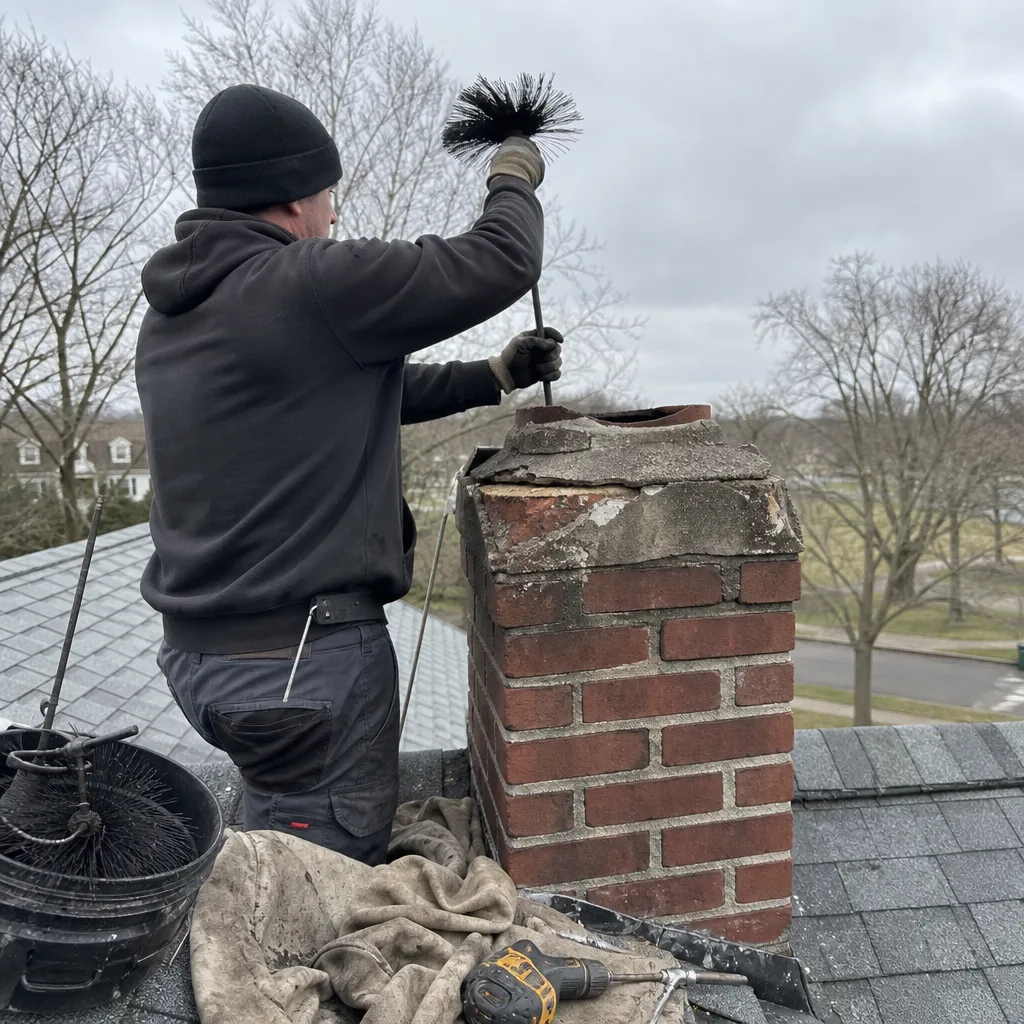 Before
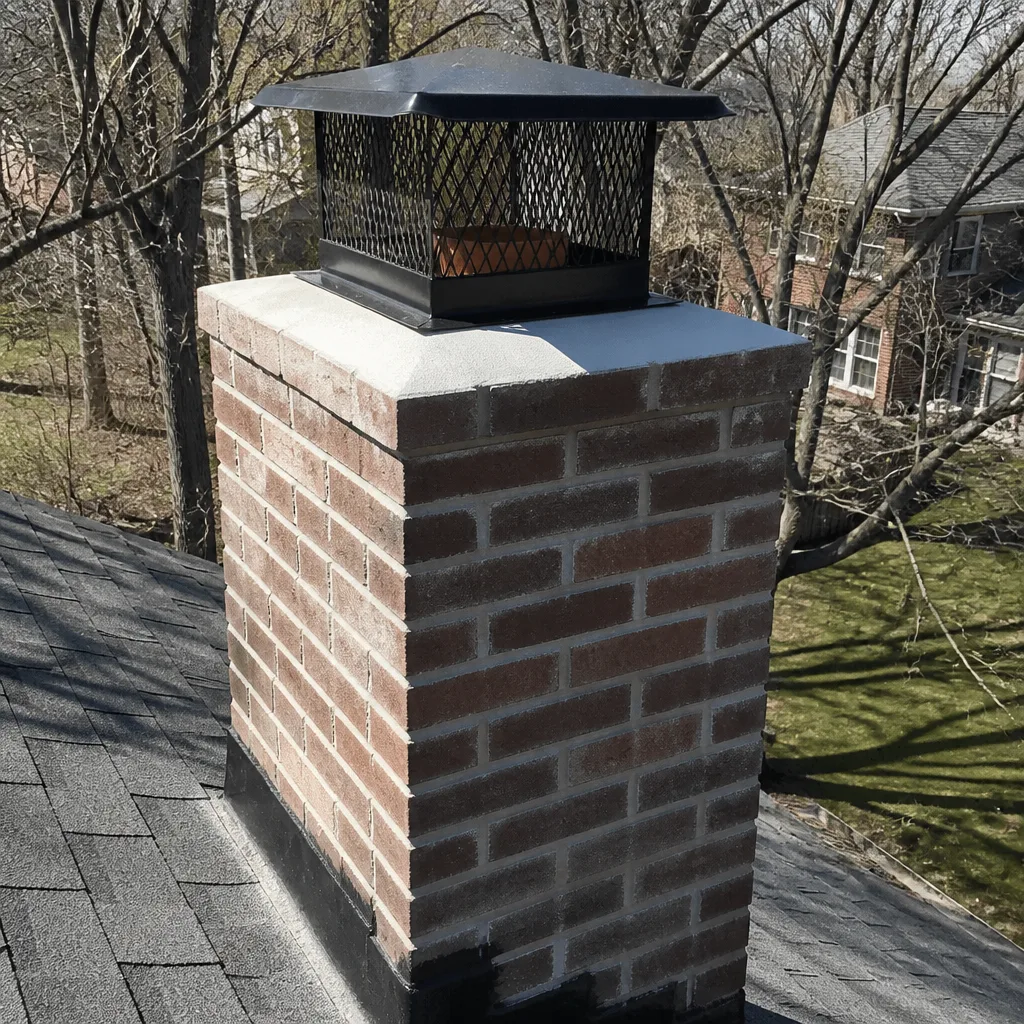 After
After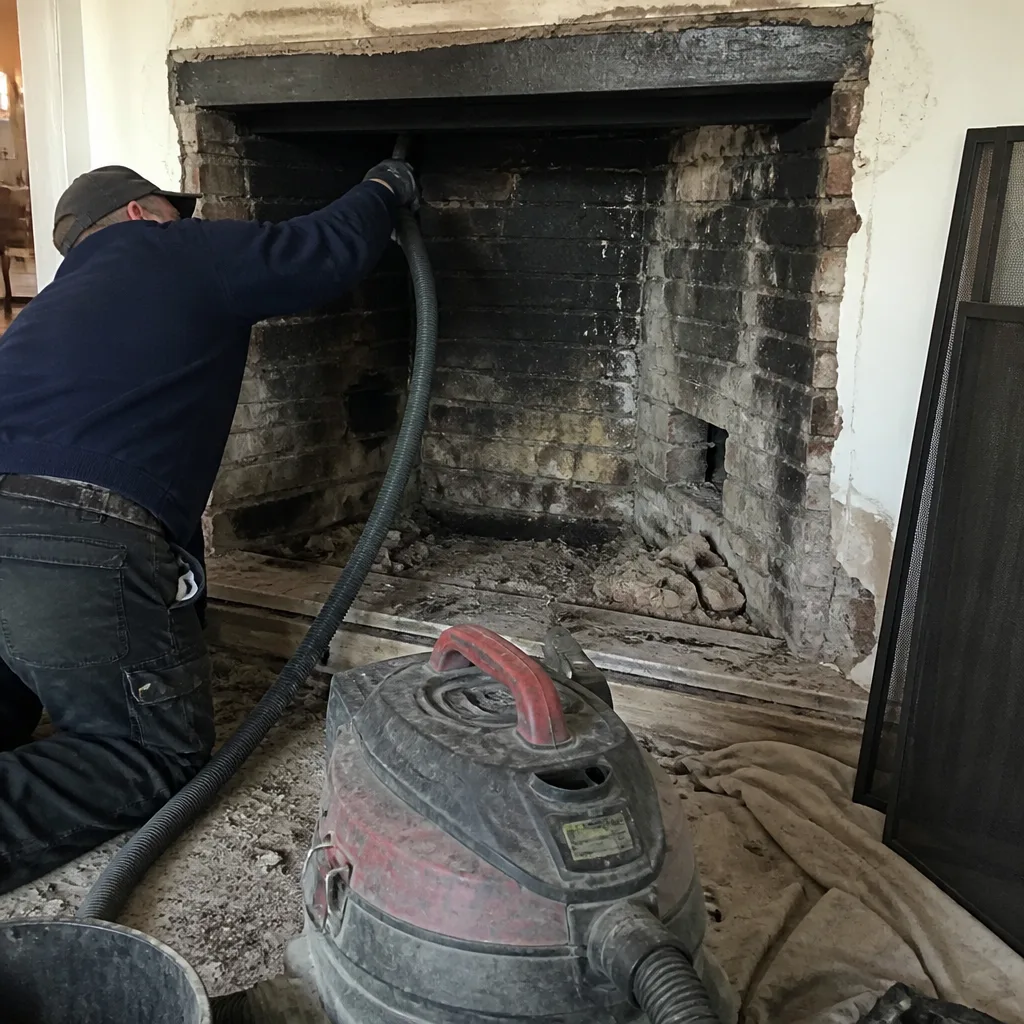 Before
 After
After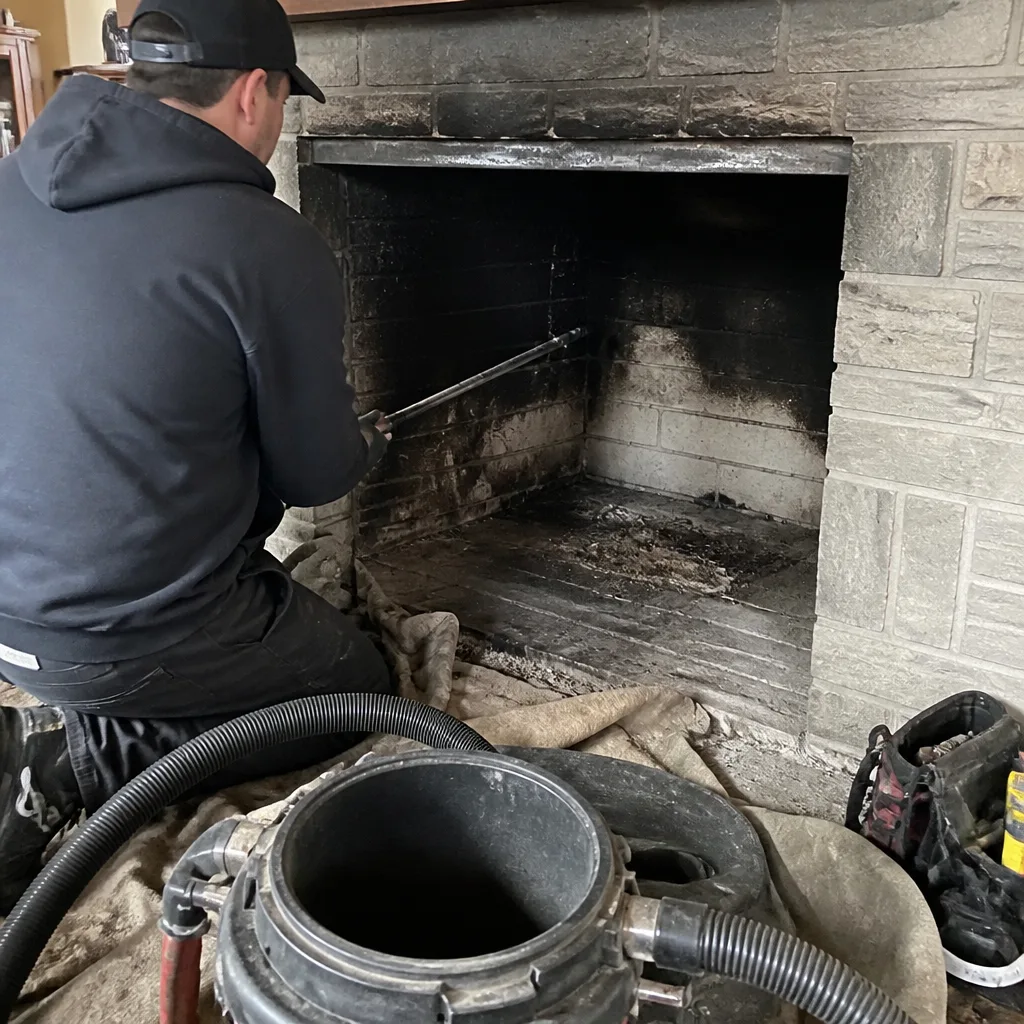 Before
 After
AfterChimney Cleaning & Sweep Maintenance Checklist for Reading Homeowners
There are exactly four things a homeowner can check from inside the house that a sweep will also check from the roof. Knowing those four things before anyone shows up means you stop guessing and start having an informed conversation. Most Reading homeowners we talk to have never been told what they can actually see for themselves. This guide fixes that. It is a working checklist, not a brochure: what to look at, what to write down, what to ignore, and what should make you pick up the phone.
Quick Answer
A chimney in Reading needs our Chimney Cleaning & Sweep services at least once a year, whether you burn wood or not, because Berks County’s damp winters and freeze-thaw cycles crack masonry and accelerate creosote buildup even in unused flues. Your own pre-sweep inspection covers four things: damper feel, odor after rain, visible cracking above the firebox, and white staining on exterior brick. Write those observations down before your sweep arrives and you’ll get a better inspection at a better price.
Table of Contents
- The Four Things You Can Check From Inside the House
- What the Sweep Checks That You Cannot
- Reading-Specific Red Flags on Older Berks County Masonry
- What to Write Down Before Your Sweep Arrives
- The One Cord of Wood Rule and Why Reading’s Weather Breaks It
- How to Document and Store Your Sweep’s Findings Year Over Year
- Common Mistakes to Avoid
- When to Call a Professional
- Frequently Asked Questions
- The Bottom Line
The Four Things You Can Check From Inside the House
Before anyone climbs a ladder in Reading, you can gather real information from your living room. Not guesswork. Actual observations a sweep will ask about anyway. Here are the four, in order of importance.
1. Damper Feel
Open and close your damper. It should move smoothly through its full range without grinding, sticking, or falling shut on its own. A damper that fights you usually means rust, warping, or built-up creosote on the mechanism. If you have to force it, note that. If it will not close all the way, note that too. A damper that will not seal is a slow heat leak all winter, and it is also how animals get in.
2. Odor After Rain
Wait for a Reading rainstorm, then go stand near the fireplace with the damper closed. Smell anything like wet ash, damp campfire, or mildew? That smell is moisture getting into the flue and saturating old creosote. In our experience with homes across Berks County, a rainy-day odor is one of the Chimney Cleaning Warning Signs: A Reading Homeowner’s Reference Guide points out as a failing cap or crown. Homeowners ignore it for years because it comes and goes. Do not.
3. Visible Cracking Above the Firebox
Look at the wall directly above the fireplace opening. In older Reading homes, this is often a plaster or brick face. Hairline cracks that run diagonally from the upper corners of the firebox toward the ceiling are worth noting. So is any gap between the firebox and the surrounding wall. These can indicate heat-related expansion stress or, in some cases, settling. Your sweep will want to know if the cracks appeared recently or have been there since you bought the house.
4. White Staining on Exterior Brick
This one requires stepping outside, but you can do it from the ground. Walk around your house and look at the chimney from below. White, chalky staining on the brick or stone is called efflorescence. It means water is being absorbed into the masonry and pulling mineral salts to the surface as it evaporates. In Reading’s freeze-thaw climate, that water freezes inside the brick, expands, and slowly turns the face of the brick to powder. What starts as a cosmetic stain becomes spalling brick and eventually a structural repair.
Those four observations take fifteen minutes. Write them down. They are the difference between calling a sweep and saying “my chimney seems fine” versus saying “the damper sticks about halfway, I smell damp after rain, and there is a hairline crack running up from the left corner of the firebox.” The second homeowner gets a better inspection. Guaranteed.
What the Sweep Checks That You Cannot
A professional sweep in Reading is looking at the flue from the top down and the bottom up. You cannot see any of this from inside the house, which is why the annual visit matters. Here is what we are actually looking at when we arrive, in the order we look at it.
- The cap and crown. The concrete or metal crown at the top of the chimney is the first line of defense against Berks County rain and snow. We check for cracks, gaps, and whether the cap is still attached. A missing or damaged cap is the number one cause of water damage we find in Reading homes.
- The flue liner. Using a camera, we look at the inside of the flue from top to bottom. We are checking for cracks, gaps between liner sections, and creosote buildup. A cracked flue liner is a fire hazard and a carbon monoxide risk. Liners from trusted brands like DuraFlex and HeatShield are what we install when replacement is necessary, but first we document what is actually there.
- Creosote type and thickness. Creosote comes in three stages. First-degree is flaky and brushes off. Second-degree is crunchy and tar-like. Third-degree is a hard glaze that no brush will remove. The difference matters because it changes the cleaning method and the price. First-degree creosote is a brush job. Third-degree is a glaze. Catch it early and you save real money.
- The damper assembly. We inspect the damper from inside the firebox and from the flue above. Rust, warping, missing pieces, and blockage all matter. A damper that will not fully close is a year-round energy leak.
- The firebox and smoke chamber. Cracked firebrick, missing mortar joints, and gaps in the smoke chamber walls are all things we document. These are safety issues, not cosmetic ones. Heat escapes through gaps and finds wood framing.
- Clearances and connectors. For wood stoves and inserts, we check the stovepipe, the connector, and the clearance to combustible materials. Pennsylvania code specifies minimum clearances. A stove installed in 1992 may not meet current standards.
Every one of these findings gets documented. Not from memory. We run a camera and we show you the footage. If we tell you a liner needs replacing, you will see the crack on screen. If we tell you the mortar is failing, you will see the gap. Nothing gets recommended without camera evidence you can see for yourself. That is how it should work, and that is how we have done it since 1999.
Reading-Specific Red Flags on Older Berks County Masonry
Reading’s housing stock is older than most of Pennsylvania’s. Large portions of the city and the surrounding townships were built between 1880 and 1960. That means brick chimneys with lime-based mortar, not modern Portland cement. It matters because the two behave differently in a freeze-thaw climate like ours.
Older lime mortar is softer and more porous. It is designed to let moisture escape. When someone repoints an old chimney with modern hard cement, the moisture gets trapped behind the new mortar and destroys the brick from the inside. We see this constantly in neighborhoods like Centre Park, College Heights, and the older streets around Albright College. If you own a home built before 1960, ask your sweep whether any previous repairs used the wrong mortar.
Here are the specific red flags we look for on Reading’s older chimneys:
- Spalling brick. The face of the brick flakes off in sheets, leaving a recessed, crumbly surface. This is freeze-thaw damage. In Reading, it is the single most common masonry failure on older chimneys. Once spalling starts, it accelerates.
- White efflorescence staining. As covered in the four-things section, this means water is migrating through the masonry. On older chimneys with soft brick, efflorescence is often the first visible sign that the crown has failed and water is getting into the brick itself.
- Mortar that powders when you press it. Take a key or a screwdriver and gently press it against a mortar joint on the chimney below the roofline. If the mortar crumbles, powders, or falls out in grains, the joints need repointing. On older Reading homes, this is routine maintenance, not a catastrophic failure. But it should be done with the correct lime-based mortar by someone who knows the difference.
- Bulging or leaning. Any visible bow or lean in the chimney above the roofline is a structural red flag. In older homes, this can mean the internal brick wythes have separated. Do not ignore a leaning chimney in Reading. Snow loads and wind will make it worse.
- Missing or rusted flashing. The metal flashing where the chimney meets the roof is not masonry, but its failure causes masonry damage. Rusted, lifted, or missing flashing lets water run down the chimney and into the roof deck. In Reading’s wet springs, that becomes a roof repair and a chimney repair at the same time.
The older your home, the more carefully you should look at the exterior masonry. One thing we have learned in our years serving this area: chimneys in Reading do not fail suddenly. They fail slowly, visibly, and predictably. The people who catch it early are the ones who spend a few hundred dollars on repointing instead of several thousand on a rebuild.
What to Write Down Before Your Sweep Arrives
Here is what most people do not realize: the homeowner knows things about their chimney that no sweep can determine from an inspection alone. That information saves time, saves money, and often changes the diagnosis. Write these four things down before your sweep pulls up.
- Last service date. If you know when the chimney was last swept or inspected, write it down. If you do not know, say so. A chim chimney that has not been touched in fifteen years gets a different level of scrutiny than one swept last winter.
- Fuel type. Are you burning seasoned hardwood, green wood, manufactured logs, coal, or a mix? Creosote accumulates differently depending on fuel. Green or unseasoned wood produces dramatically more creosote. If you burn whatever is cheap, be honest about it. Your sweep is not judging you. They are diagnosing your flue.
- Frequency of use. Roughly how many fires per season, or how many cords per year? A fireplace that gets lit three times a year has different needs than a wood stove that runs every night from October through March.
- Any odor or draft complaints. Smoke in the house when the fire is lit? A smell of wet ash after rain? Cold air pouring out of the fireplace in winter? Write each one down, with as much detail as you can remember. Draft problems have specific causes, and the details you provide narrow it down fast.
One more thing worth writing down: any work done on the chimney by a previous owner or contractor, even if you are not sure of the details. “The seller mentioned something about repointing in 2018” is useful information. “I had a handyman look at the cap last year” is useful information. Every clue helps.
If you have a previous sweep report, keep it. We will get to that in the documentation section, but for now: having that old report in hand when we arrive means we can compare year-over-year changes instead of starting from zero. That comparison is where real problems get caught early.
The One Cord of Wood Rule and Why Reading’s Weather Breaks It
The old rule of thumb, which The Complete Guide to Chimney Cleaning in Reading explains in depth, is that a chimney should be swept after every cord of wood burned. For a moderately used fireplace, that works out to roughly once a year. It is a useful starting point. But Reading’s damp winters make that number unreliable in both directions.
Here is why. Creosote forms fastest when the flue is cool and the wood is not burning hot enough. That happens in two situations: burning unseasoned or wet wood, and burning at low temperatures for long periods. Reading gets both. Our winters are damp, our springs are wet, and a lot of firewood in Berks County sits out in weather where it never fully seasons. If you buy wood from a roadside pile and burn it that same season, you are burning wet wood, and wet wood makes creosote fast. A single cord of half-seasoned wood can produce more creosote than two cords of properly dried oak.
Meanwhile, a household in Reading that burns manufactured logs occasionally, or only uses the fireplace on holidays, might go two years between cleanings without issue. The one-cord rule is not a law. It is a starting point.
The more useful version for Reading homeowners is this: sweep annually in the fall, before burning season, regardless of how much you burned last year. That timing catches two things. First, it clears out whatever accumulated during the previous winter. Second, it catches water damage from summer storms before the freeze-thaw cycle of winter makes it worse. Once a year, burn or no burn. Chimneys break in the off-season too.
If you burn a full cord or more each winter, you may need a second cleaning mid-season, especially if you burn softwoods or less-than-perfectly-seasoned wood. We tell our Reading customers to call us in January if they have been burning heavily and notice the fire is not drawing as well as it did in November. That decline in draft is often early creosote buildup in the flue.
The honest answer: there is no universal number of fires or cords that triggers a cleaning. The variables are wood quality, fire temperature, flue temperature, and chimney condition. A homeowner who understands those variables knows more than most. That is the whole point.
How to Document and Store Your Sweep’s Findings Year Over Year
Most homeowners in Reading get their chimney swept, pay the bill, and never think about the report again until next year. That is a mistake. A good sweep produces documentation: a written report, camera footage, measurements, and recommendations. If you keep that documentation, you own it. If you lose it, every new sweep starts from scratch, and you have no way to verify whether the problems they find are new or were there three years ago.
Here is how to keep a simple, useful chimney file.
- Request a written report. Every sweep should provide one. If yours does not, ask for it. The report should state what was found, what was done, what was left alone, and what needs monitoring.
- Keep the camera footage. If your sweep runs a camera, ask for the footage or at least the key still images. Most of us can provide this. A two-minute video of your flue from inside is worth more than a hundred words of written description when you are comparing year to year.
- Record the date and the sweep’s name. Seems obvious, but most homeowners cannot tell you who swept their chimney last year, let alone when. A simple note in your phone or a file folder works fine.
- Store photos of any problem areas. If the sweep points out a crack in the firebox or spalling brick on the exterior, take a photo of it. Next year, take the same photo from the same angle. You will see immediately whether it is getting worse.
- Keep all records in one place. A physical folder, a notes app, a Dropbox folder, whatever you actually use. The location matters less than the habit of adding to it every year.
This documentation matters for a reason most homeowners do not think about until it is too late: when you sell your home. A buyer in Reading who sees four years of clean sweep reports with no red flags is a buyer who does not ask for a chimney credit at closing. A buyer who sees no records at all is a buyer who pays for their own inspection and negotiates from whatever that inspector finds. The file is worth money.
It also protects you from being told something is wrong that is not actually wrong. If your documented reports show the same hairline crack in the firebox for six consecutive years with no change, you know it is stable and was noted before. That is leverage in a conversation with any contractor, and it keeps honest ones honest.
Common Mistakes to Avoid
- Ignoring the chimney because you do not use the fireplace. Reading’s freeze-thaw winters and damp springs damage unused chimneys just as fast. The flue still gets wet, the masonry still cycles through freezing and thawing, and animals still move in. Once a year, burn or no burn.
- Using the wrong mortar for repointing. If you have an older Reading home and someone repointed with hard Portland cement, the trapped moisture will eventually destroy your brick. Make sure whoever does the work knows the difference.
- Burning wet or unseasoned wood. It produces dramatically more creosote, and Ber Berks County’s damp climate makes properly seasoned wood harder to find than most people think. Buy early, store it covered, and let it cure.
- Not documenting each sweep. Without a running record, every new sweep starts from zero. You lose the ability to track changes, and you lose negotiating power when someone tells you something is wrong.
- Waiting until fall to schedule. Every sweep in Reading is booked solid from September through December. Call in July or August and you will get the appointment time you want, not the one that is left.
- Hiring on price alone. The cheapest sweep may not run a camera, may not provide a written report, and may disappear when you have a follow-up question. Ask anyone on your street. The name you can verify beats the lowest bid.
- Ignoring a small leak because it seems minor. A small water stain on the ceiling near the chimney is never minor. It means water is getting in, and water in a Reading chimney causes freeze-thaw damage that compounds every single winter.
When to Call a Professional
Some things on this checklist you can handle yourself: looking, smelling, writing things down. But the moment you find a red flag, stop and call someone who does this for a living. Specifically, call a sweep if you see spalling brick or crumbling mortar on the exterior, if you smell wet ash after rain, if the damper will not operate, if smoke enters the room when you light a fire, or if it has been more than a year since anyone inspected the flue. Water-damaged chimneys in Reading do not improve on their own. They get worse every freeze-thaw cycle. Top Hat Chimney offers free estimates in Reading, and Wendell himself will give you a plain-English verdict based on camera footage, not guesswork. Call (484) 209-0837 to schedule. No high-pressure recommendations. If the work can wait, we will tell you it can wait.
Frequently Asked Questions
A standard chimney cleaning and inspection in Reading typically ranges from $150 to $300, depending on the flue size, accessibility, and the amount of creosote buildup. The price you hear on the phone should be the price on the invoice. Top Hat Chimney gives upfront pricing before a single tool comes off the truck, with no trip charge inside our county. Call (484) 209-0837 for a free estimate and an exact number for your chimney.
At least once a year, ideally in late summer or early fall before burning season. Reading’s damp climate means creosote and moisture accumulate whether you burn or not. If you burn more than a cord per winter, or burn softwood or unseasoned wood, consider a second cleaning mid-season. Once a year, burn or no burn.
Maybe. A cracked or deteriorated flue liner is a genuine fire and carbon monoxide hazard, not an upsell. But you should never take anyone’s word for it without seeing the evidence. Your sweep should show you clear camera footage of the damage and explain exactly what they are seeing. At Top Hat Chimney, nothing gets recommended without camera evidence you can see for yourself. We install DuraFlex and HeatShield liners when replacement is genuinely needed, and we will tell you plainly when it can wait.
Creosote builds up and can ignite, causing a chimney fire that damages the flue and can spread to the house. Water enters through failed crowns and flashing, and Reading’s freeze-thaw cycles crack masonry from the inside. A neglected chimney goes from a $200 sweep to a $3,000 liner to a $10,000 rebuild. The sequence is predictable and avoidable. Call (484) 209-0837 for an honest assessment before small problems become big ones.
A Level 1 inspection is a visual check of the accessible parts of the chimney and flue with the standard sweeping. A Level 2 inspection adds camera scanning of the interior flue and is typically recommended when you buy a home, change fuel type, or suspect damage. Most Reading homeowners getting an annual cleaning receive a Level 1 or a camera-assisted Level 2 depending on the chimney’s history. Top Hat Chimney runs a camera on every job, so you get visual proof of what is inside your flue regardless of the inspection level.
Pennsylvania does not require a specific state chimney sweep license, which means it is on the homeowner to verify experience, insurance, and reputation. Ask for proof of insurance, ask how long the company has been in business, and ask for references in your area. Top Hat Chimney has served Reading and the surrounding communities since 1999. Wendell Pike puts his name and license number on every job, and he runs into you again on Saturday. That accountability is the standard you should hold any contractor to.
The Bottom Line
Chimney maintenance in Reading comes down to four things: look at what you can see, document what you find, sweep once a year whether you burn or not, and hire someone who shows you the evidence. The homeowner checklist in this guide takes fifteen minutes and costs nothing, and you can find more guides & resources on our site. The annual sweep costs less than a dinner out. What it prevents costs thousands. If you have not had your chimney looked at in the last twelve months, now is the time. If something on your checklist turned up a red flag, do not wait for fall. Call Top Hat Chimney at (484) 209-0837. Wendell will answer, and he will tell you straight whether you need him or not.
Written by Wendell Pike, Owner at Top Hat Chimney, serving Reading since 1999.