
Last updated September 10, 2026
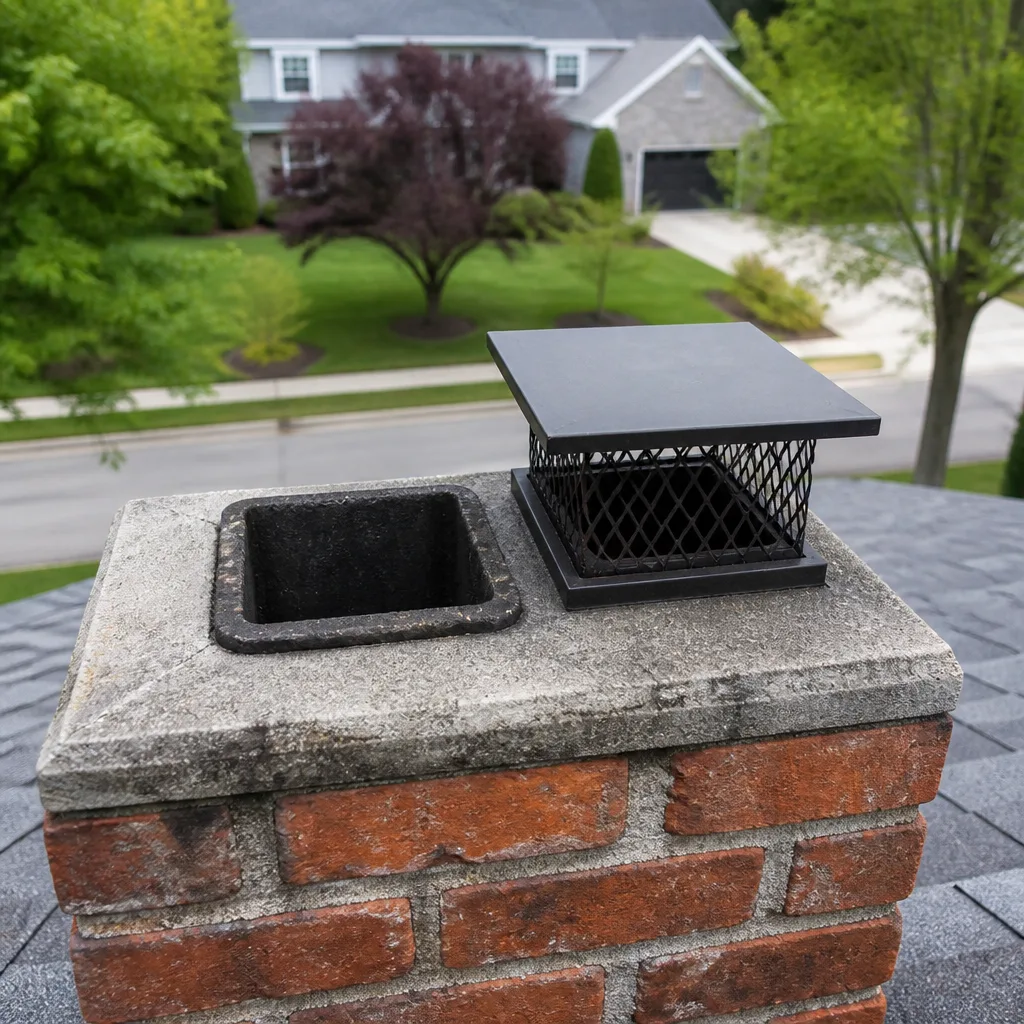
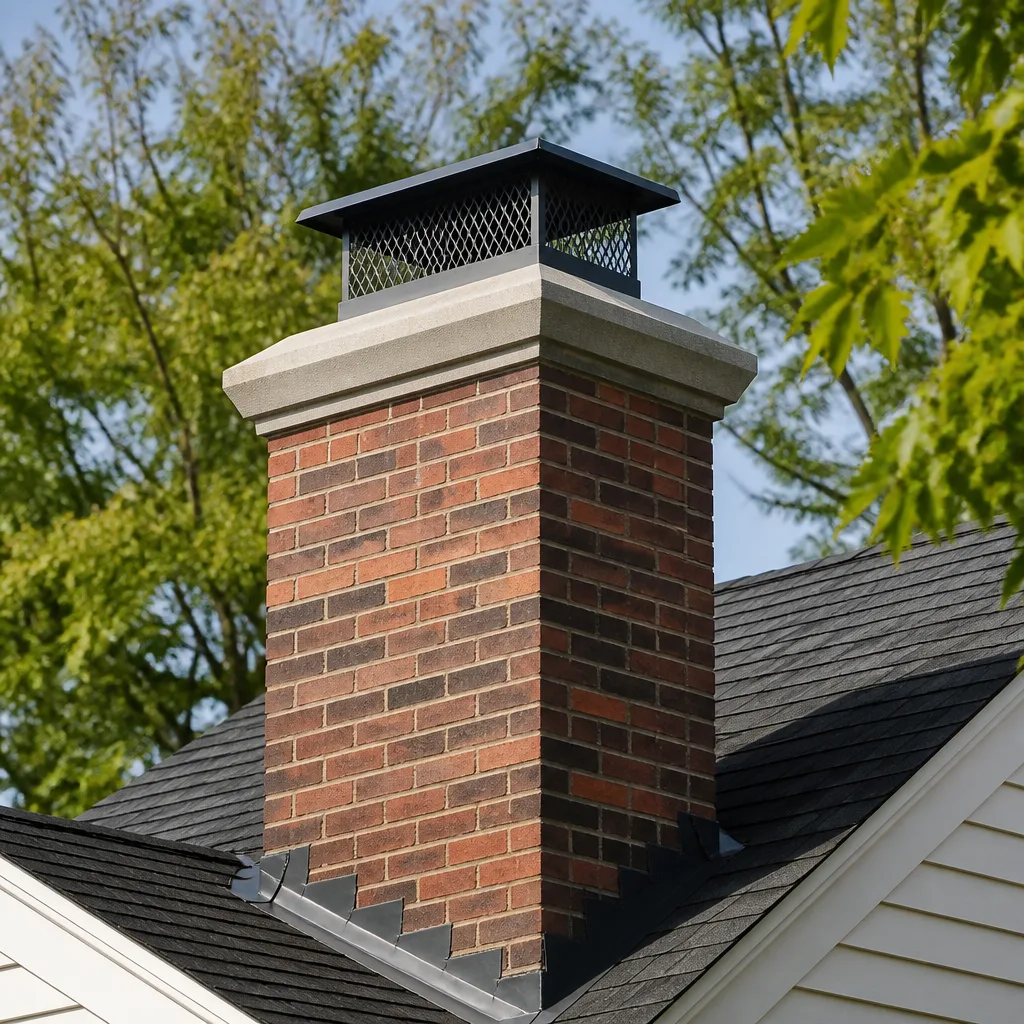
Level 1 sweep and inspection to the NFPA 211 annual standard - flue, crown, cap, and flashing checked and photographed
Chimney sweep logs do not sweep chimneys. They loosen some creosote - which then falls where a brush and vacuum still have to collect it.
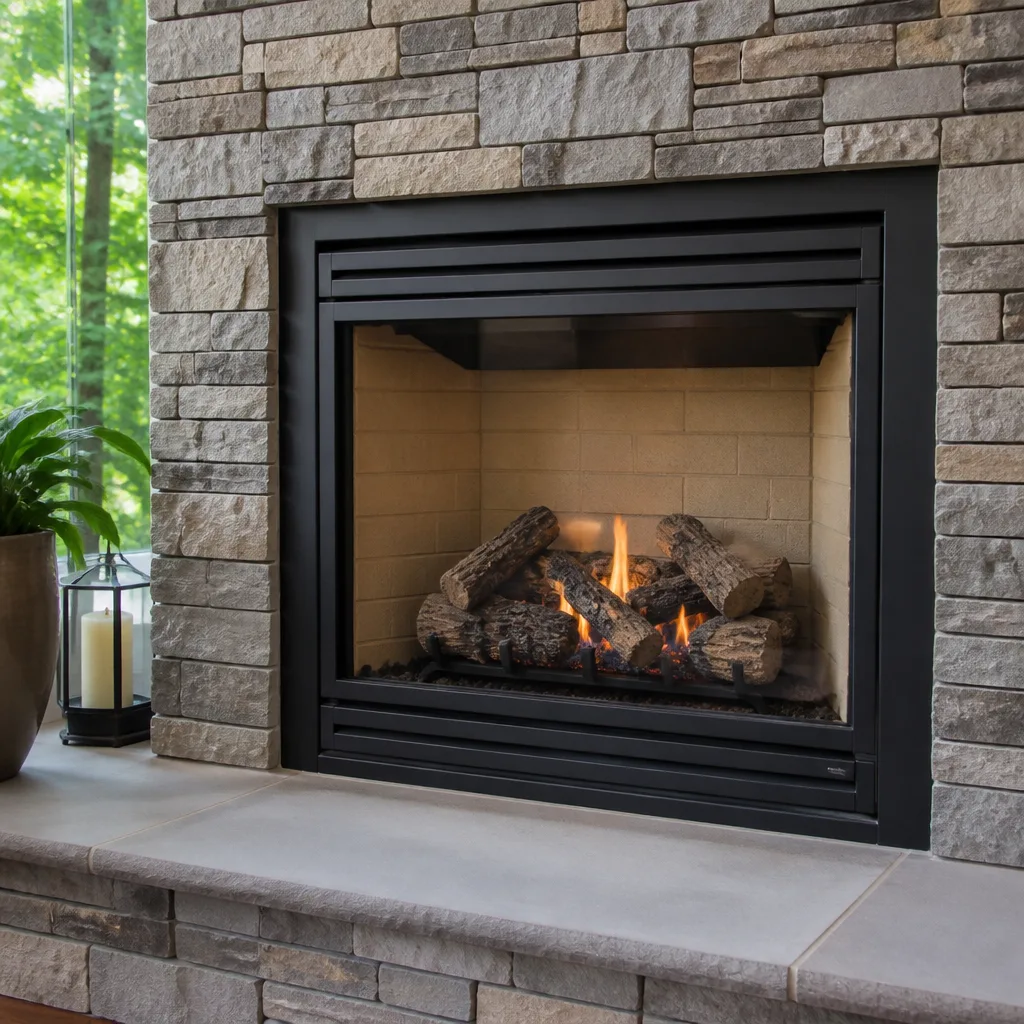
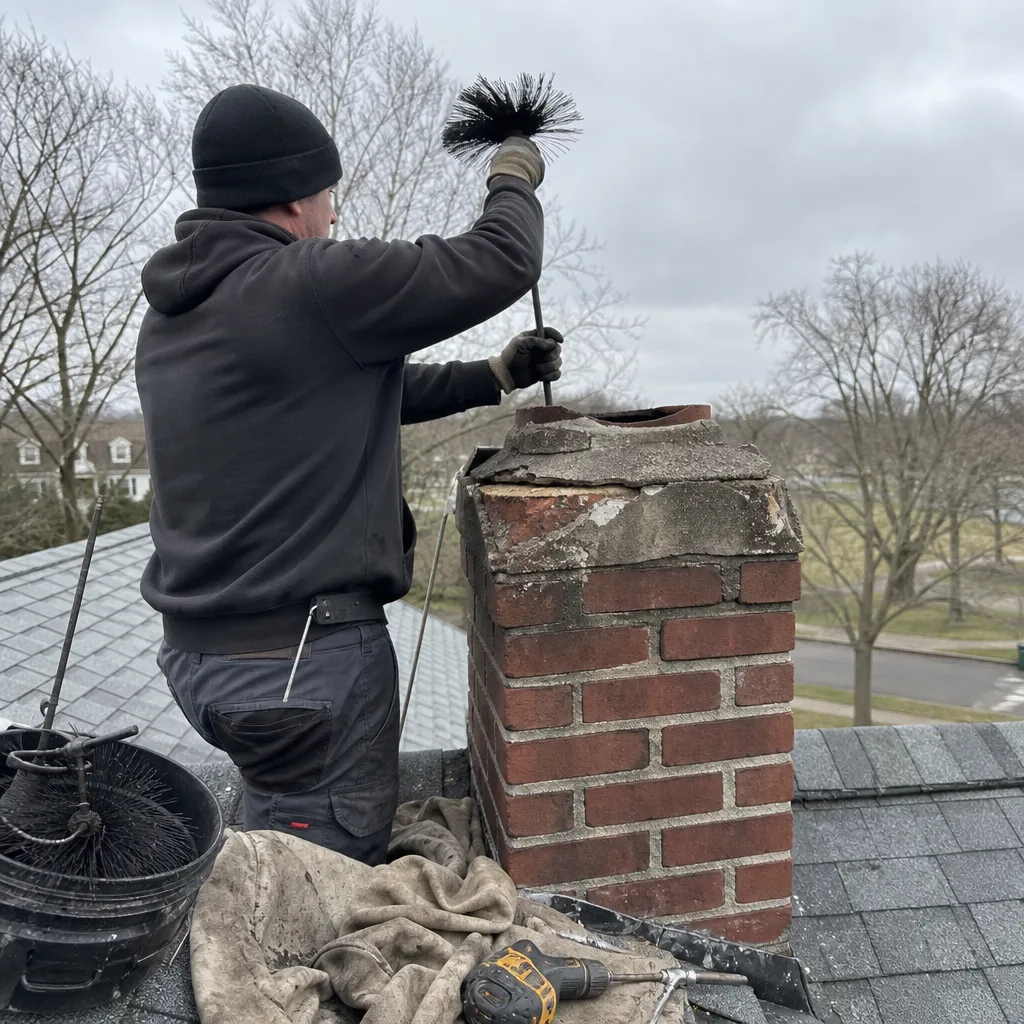 Before
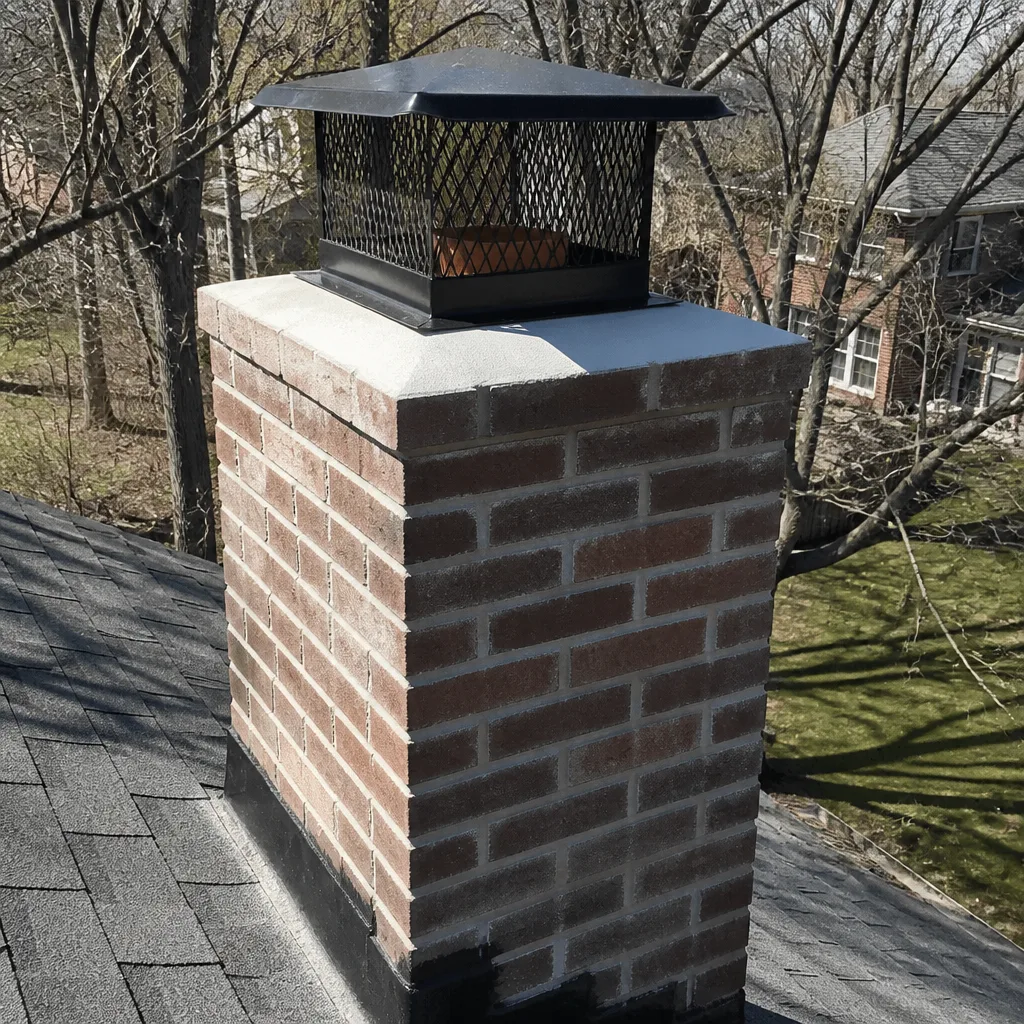 After
After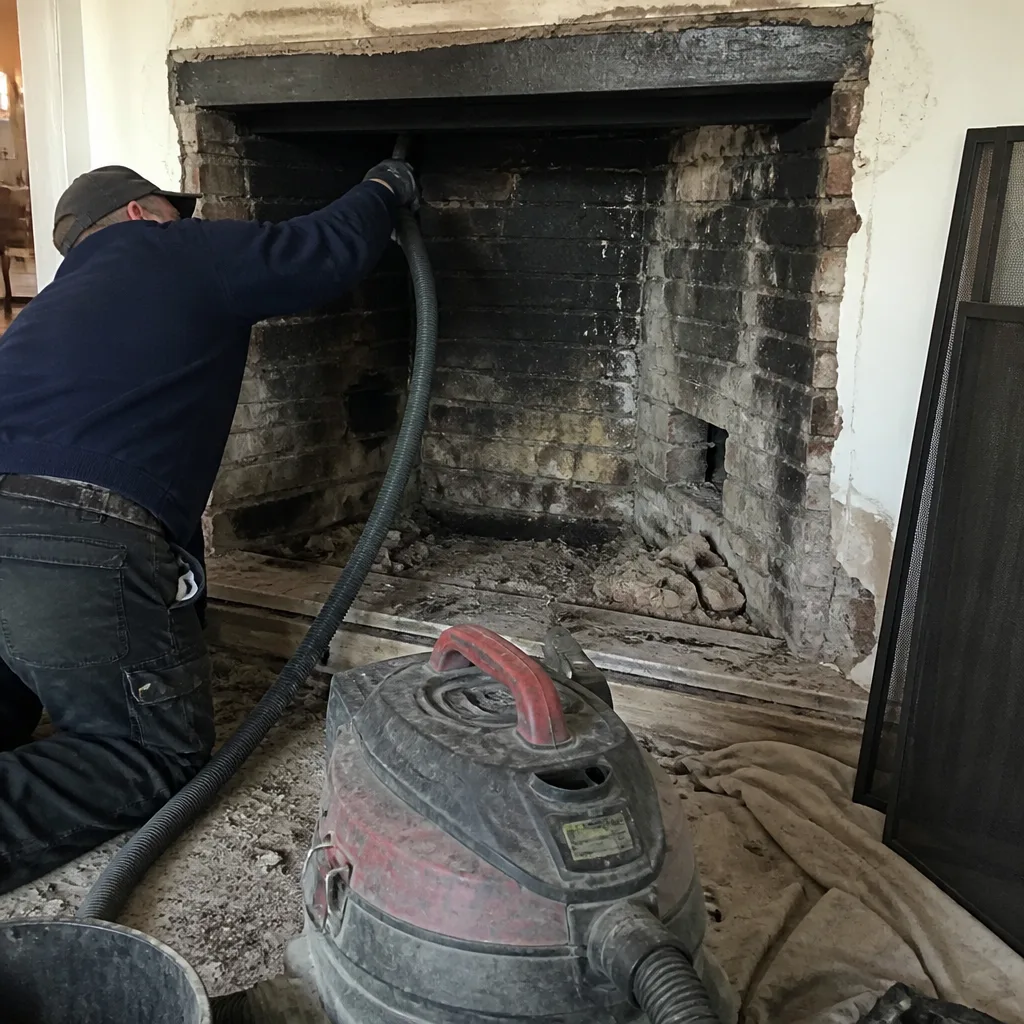 Before
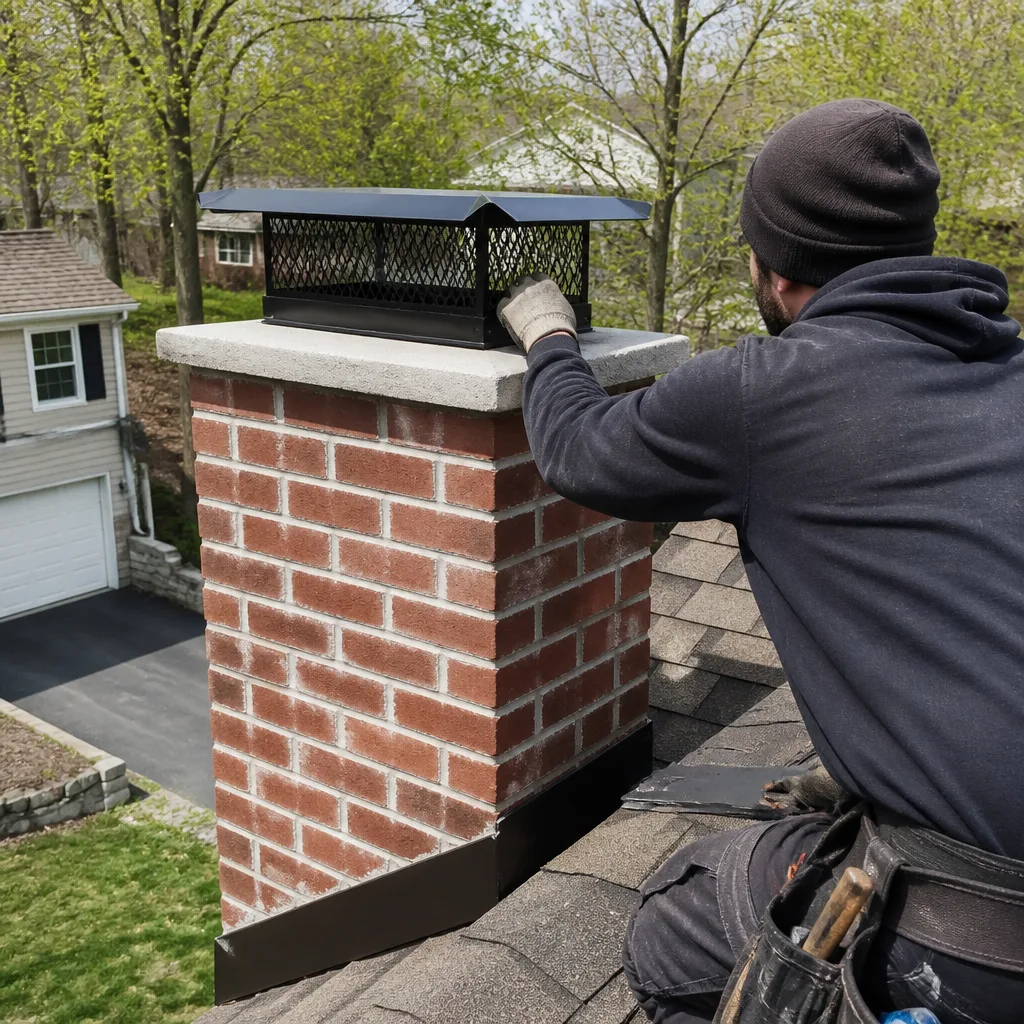 After
After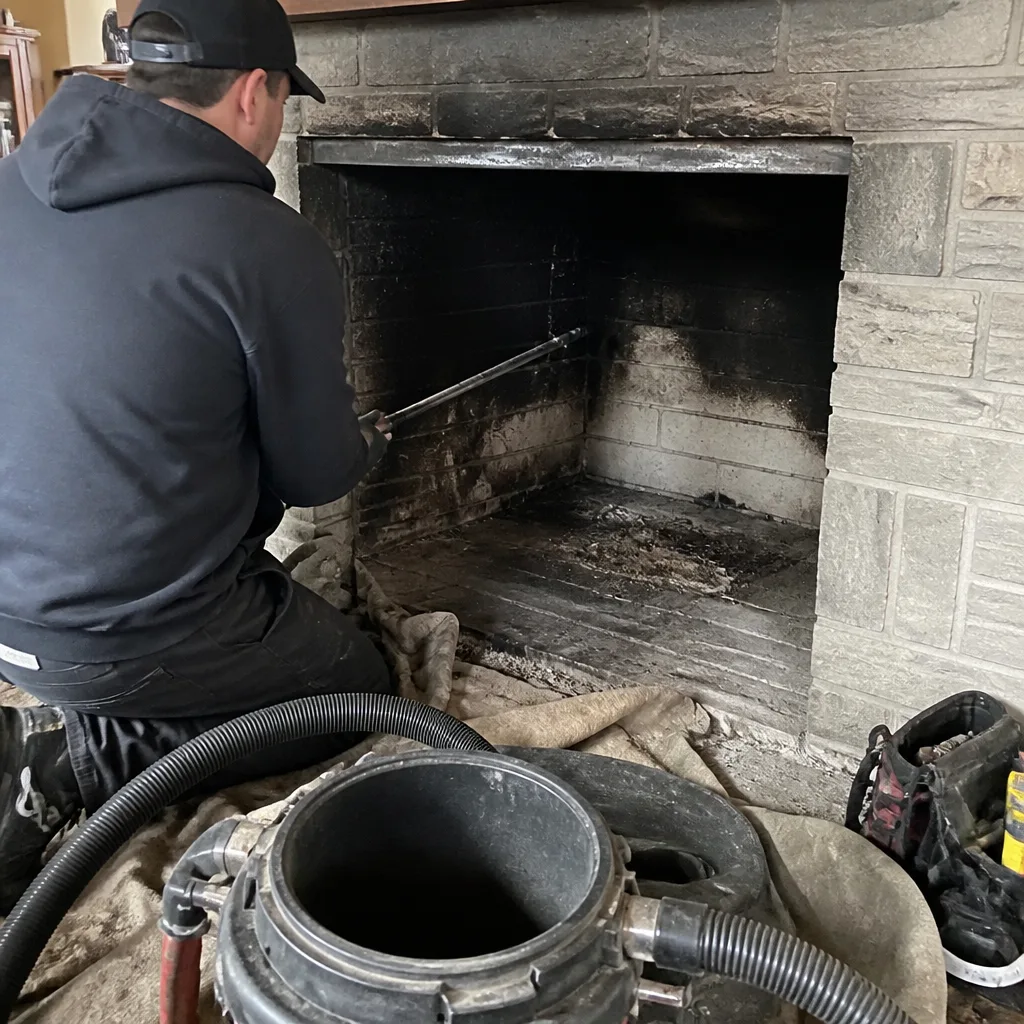 Before
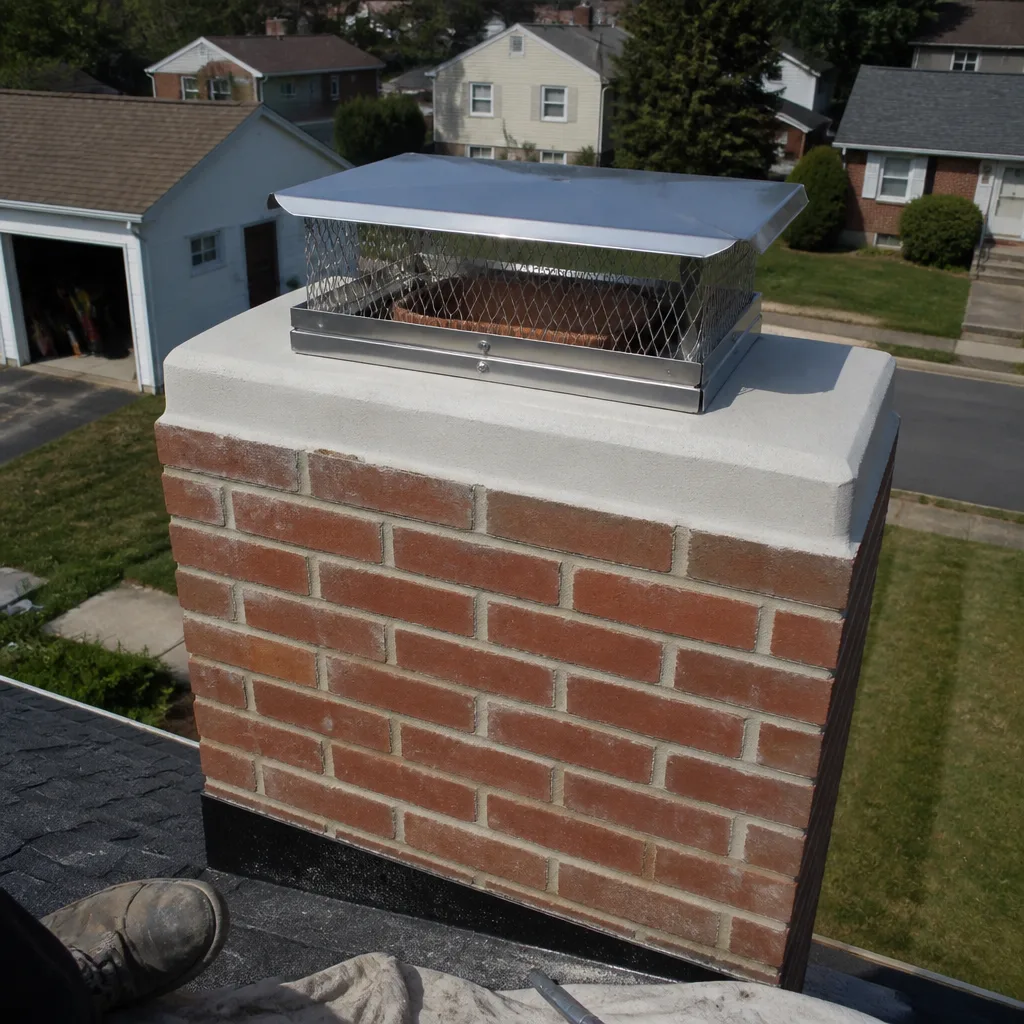 After
AfterHow to Hire a Chimney Cleaning Contractor in Reading: A Step-by-Step Guide
Three national chimney companies operate in the Reading market under local-sounding names. They’re not local. The price quoted on the phone and the price on the invoice after the inspection are rarely the same number. This guide is not a directory. It’s a set of filters. You’ll learn how to verify a license before anyone steps inside your home, which phone questions separate a sweep who actually sweeps from one who simply sells, and how to read a written estimate as a legal document, not a suggestion. If you live in Reading, the stakes are specific: older homes, a long burning season, and a market where out-of-state companies have learned to sound like neighbors.
Quick Answer
To hire a chimney cleaning contractor in Reading, verify the company’s Pennsylvania Home Improvement Contractor (HIC) license at the state’s online registry before scheduling, then ask five specific phone questions covering their physical Berks County address, written warranty policy, who actually performs the work, CSIA certification holder name, and how they price repairs. A legitimate Reading chimney sweep will give you a written estimate with line items before work begins, never pressure you into same-day repair decisions, and will hand you camera footage of anything they recommend, not just a verbal warning.
Table of Contents
- Verify the Pennsylvania HIC License First
- The Five Phone Questions That Separate a Real Sweep from a Pitch
- What CSIA Certification Actually Means (and Doesn’t)
- How to Read a Written Estimate Like a Legal Document
- Red Flags Specific to the Reading Market
- What Actually Happens During a Proper Chimney Cleaning
- What a Chimney Cleaning Should Cost in Reading
- How Often You Should Actually Schedule a Cleaning
Verify the Pennsylvania HIC License First
Before you even pick up the phone to schedule, you should know that Pennsylvania requires any contractor performing home improvements, including chimney work, to hold an active Home Improvement Contractor (HIC) registration with the state Attorney General’s office. This is not a suggestion. Anyone doing chimney sweeping and repair work in Reading for money without one is operating outside state law. For details on permits and legal requirements, see Chimney Cleaning Permits, Codes & Inspections in PA: What You Need to Know.
The state database is the PA Attorney General’s HIC Registration Search, available at attorneygeneral.gov. It’s a free lookup. You enter the business name or registration number and the system returns the current status. What a valid entry looks like: an active registration number beginning with “PA” followed by six digits, a business name that matches who you’re actually talking to, a physical street address (not a P.O. box), the owner or principal’s name, and an active status with no “expired” or “revoked” notation.
- Do the lookup before you call. If the number isn’t active, the conversation is over before it starts.
- Match the name. The business name in the state database should match the name on the invoice and the truck. If the phone rep says “we operate under three names,” that’s a red flag, not a clarification. In Reading, some national operations route through multiple LLCs specifically to keep negative reviews and complaints fragmented.
- Note the street address. A legitimate entry shows a real street address in Pennsylvania. A registered agent address in Delaware or a UPS Store number should make you pause.
- Keep the number. Write down the HIC number when you verify it, and compare it to what appears on your written estimate. In Pennsylvania, the HIC number is legally required to appear on all contracts and estimates.
We publish our license number on our website and on every estimate. If a company won’t give you the number over the phone, or tells you “we’re insured, that’s what matters,” you have your answer. Insurance and licensing are different things. One covers accidents. The other establishes that the state knows who you are dealing with, which matters a great deal if the job goes sideways.
The Five Phone Questions That Separate a Real Sweep from a Pitch
Before this guide gets further into process, here are the five questions to ask on the phone. This is the filter that eliminates most of the bait-and-switch operations working the Reading metro area. You ask. You listen. You don’t argue or negotiate. You compare the answers to what a local, established Reading sweep would say.
- “What is your physical business address in Berks County?” Not a service area. Not “we cover all of eastern Pennsylvania.” A street address. If the person on the phone hesitates, gives a P.O. box, or names an address that maps to a co-working space in King of Prussia, you’re talking to a booking center, not a chimney company. The sweep who has worked in Reading since 1999 can name his cross street.
- “Will you put the warranty in writing before any work begins?” The answer should be yes, with specifics. Not “we stand behind our work.” Namely: who is covered, what is covered, for how long, and what happens if the work fails. At Top Hat Chimney, every job carries a 90-Day Done Right Promise in writing. If the work isn’t right, one call brings Wendell back. No escalation queue. No corporate approval process.
- “Who is actually coming to my house?” Will the person performing the cleaning be an employee, a subcontractor, or a rotating crew from another county? National chains often run subcontracted crews. Ask for the name of the person who will show up, and whether the company performs background checks. In Reading, the company names on the big franchises change. The person at your door might be employed by a different legal entity than the one on your estimate.
- “Does the person doing the inspection hold the CSIA certification, or does the company?” This question trips more operations than any other. Certification needs to attach to the person who will actually perform the work, not merely someone in the company’s marketing materials. Ask for the name on the certification, then verify it independently. More on this below.
- “How do you price repairs?” If the answer is “we’ll see what we find,” that’s honest. If the answer is “our technician will show you options,” that’s fine too. But if the answer is a flat “starting at $99” and they refuse to say what the $99 actually covers, something is wrong. A legitimate sweep quotes cleaning as a fixed service and repairs as a separate, scoped estimate. The “bait” price is the tool that gets a stranger into your living room with a tablet and a high-pressure sales deck.
Ask these questions in order. Do not volunteer your own situation until you’ve heard the answers. You are not interviewing for compatibility. You are verifying facts.
What CSIA Certification Actually Means (and Doesn’t)
The Chimney Safety Institute of America (CSIA) is the largest, oldest, and most recognized credentialing body for chimney sweeps in the United States. When someone says “we’re CSIA certified,” the specific meaning is that a named individual has passed the CSIA Certified Chimney Sweep exam, which covers inspection, cleaning methods, code compliance, and safety practice. The certification belongs to the person, not the company.
That distinction matters more in Reading than the industry likes to admit. A national firm will tout the certification prominently on its website and in its telemarketing. But the person who rings your doorbell might be a newly hired sub who has never sat for the exam. The company has a certified chimney sweep. The person at your house does not.
What should you do with this information? Three things:
- Ask for the name on the certification. Then go to csia.org, run the public certification lookup, and confirm that the name is active. It takes about ninety seconds.
- Ask the sweep who arrives to state their name and show their CSIA card. A legitimate Reading chimney professional will not be offended. Wendell carries his. You should not have to argue for this.
- Understand what certification does not cover. It does not mean the person is honest. It does not mean the company has fair pricing. It does not cover masonry competence, which is a separate skill from sweeping. CSIA certification establishes that the individual understands chimney systems and safe cleaning methods. It is a baseline, not proof of integrity.
Also worth knowing: certification alone does not authorize someone to work on your home in Pennsylvania. The HIC registration and the CSIA card are two separate pieces of paper. You want both. A HIC license means the state knows the business. A CSIA card means the person knows the craft. In our experience across Berks County, the operations that routinely upsell $6,000 liner rebuilds to people who don’t need them tend to be missing exactly one of these two documents when you look carefully.
If you want to understand the mechanics of a proper chimney cleaning and what an inspection should cover, our chimney cleaning service page walks through the process in detail.
How to Read a Written Estimate Like a Legal Document
In Pennsylvania, a written estimate is not a courtesy. Under the state’s Home Improvement Consumer Protection Act, any home improvement contract exceeding $500 must be in writing, signed, and include specific elements including the HIC registration number, the total price, a description of the work, a start and completion date, and a notice of your right to cancel within three business days. For chimney work, much of which is priced under $500, the line is still simple: if a company won’t put it in writing, don’t let them do the work.
What a legitimate written estimate includes:
- The company’s full legal name as registered with the state, not a marketing alias.
- The HIC registration number printed on the document itself.
- A line-by-line breakdown of the work. Not “chimney cleaning - $299.” Rather: level of inspection, number of flues, cleaning method, access method (roof, bottom-up, both), and any additional services such as cap inspection or camera scan.
- Separate line items for repairs. If the sweep recommends a new cap, a crown repair, or a liner, each should be its own line item with its own price and its own scope. This is the difference between a specific proposal and a vague “starting at” number attached to a picture of rust.
- The terms. Payment schedule, warranty language, expected duration, and who is responsible for what if something changes during the work.
What a vague estimate looks like: “Chimney sweep and safety inspection - $189 and up.” “Repair options as needed - estimate provided after teardown.” “Liner work - starting at $2,400.” These phrases are designed to create a legal gray area in which the final price can float upward. The contract says one thing. The invoice says another. And in Reading, the customer who calls later about the difference is often routed to a national call center in another state.
Here is the guiding rule. If the work cannot be described in writing before the work begins, it is not ready to be performed. That goes for $150 cleanings and $8,000 rebuilds. The number on the phone should be the number on the invoice. If it isn’t, you didn’t receive an estimate. You received a pitch.
We follow a simple practice at Top Hat Chimney: the price is fixed before a single tool comes off the truck, and the written estimate includes the line items you’ll actually see on the final bill. If anything changes mid-job, we stop and explain in person. The work doesn’t continue until the new scope is clear.
Red Flags Specific to the Reading Market
Every city has a handful of local quirks showing up in the chimney trade, and Reading’s market has five that come up again and again in our experience. These are not hypothetical possibilities. They’re patterns.
- Out-of-area phone numbers with local area codes. 484 and 610 area codes can be bought by anyone with a VoIP account. A “Reading” number that routes to a call center in Phoenix or Tampa is increasingly common. Ask for a callback from the actual owner or the person who will arrive at your house. If no one can call you back from a local exchange, you’re not working with a local company.
- No physical address in Berks County. If the company’s website lists “Serving Eastern PA” as its location, it’s a service-area shell. Legitimate local businesses in Reading have an address. They’re not hiding it.
- Same-day pressure tactics. The classic line: “I’m in your neighborhood this afternoon, and I can save you the trip charge if you book today.” Or after the inspection: “If you sign the liner replacement now, we can apply the ‘today-only’ discount.” High pressure in the chimney trade is a fairly reliable sign that the recommendation itself won’t hold up to scrutiny. Legitimate repairs can wait a few days while you get a second opinion. In our experience, a company that won’t let you think is a company whose work won’t survive the thinking.
- “Free inspection” paired with a service you didn’t ask for. The bait is the free or $49 inspection. The switch comes when the “inspection” uncovers an urgent, dangerous condition that just happens to need a $4,000 repair. In Reading’s older housing stock, genuine issues do exist. But the legitimate way to handle one is with camera footage and a plain-English verdict, not a scare lecture about a house fire.
- The franchise rebrand. National chimney brands rotate through local markets under a rotating series of local-sounding names. One year it’s “Berks Chimney Pros.” Two years later it’s “Reading Fireplace Specialists.” The phone number, the call center, and the pricing model remain the same. If you search for the company’s legal name on the PA HIC database and find three name changes in five years, that’s a pattern worth avoiding.
The single most effective hedge against every one of these red flags is simple: work with a sweep whose name you can say. Not a brand name. A person’s name. Wendell has been inside more chimneys in Reading than he can count, and he lives here. He runs into you again on Saturday at the grocery store. That kind of accountability changes how work gets done.
What Actually Happens During a Proper Chimney Cleaning
Understanding what a legitimate cleaning involves helps you understand what you’re paying for, and it helps you recognize a superficial job before it becomes a problem. A proper chimney sweep in Reading is not just running a brush up the flue. It’s a systematic inspection that happens to include cleaning.
Here is what should occur, in order, during a professional chimney cleaning:
- Arrival and walkthrough. The sweep introduces himself, asks about the appliance and its history, and takes a look at the fireplace or stove, the surrounding hearth, and the chimney’s exterior where visible from the ground. You should know who is in your home. He should know the house.
- Protection setup. Drop cloths go down. A high-suction vacuum designed for fine soot runs during the entire cleaning. If the sweep is not running a vacuum, you’re paying for a dust redistribution service.
- Mechanical cleaning. Properly sized brushes, rods, and a whip system remove built-up soot and creosote from the flue walls. The method differs depending on the flue type. A properly done cleaning addresses the entire length of the flue, not just the first few feet from the top of the firebox.
- Inspection of the flue and components. With the flue clear, the sweep evaluates the liner surface, the mortar joints, the damper, the smoke chamber, and the crown where accessible. In a Reading home with a clay tile liner, the inspector is looking for cracks, gaps, and spalling. In a home with a stainless liner connected to a wood stove, the sweep is checking for warping or corrosion.
- Camera scan where warranted. If the sweep flags something, you should see it. The camera footage and a plain-English verdict, every time, no exceptions. If there’s a crack in the liner, you should be able to watch the camera pass over it. If a repair recommendation doesn’t come with visual evidence, that recommendation is carrying a heavier load than it can support.
- Washdown and final report. The work area is cleaned, the hearth is left as it was found, and the sweep provides a written summary of what was done, what was seen, and what, if anything, needs attention. Not a verbal summary. Not a text message. A written record.
First-degree creosote is a brush job. Third-degree is a glaze. Catch it early. The annual cleaning is not just about removing what’s already there. It’s about seeing the flue clearly enough to know what’s coming. If you want to know more about how the cleaning varies by fireplace type, see our page on fireplace services in Reading.
What a Chimney Cleaning Should Cost in Reading
In the Reading and Berks County market as of 2025, a standard chimney sweeping and inspection for a single-story masonry fireplace runs $180 to $310. For a two-story home requiring roof access, expect $230 to $350. A wood stove with a connector pipe is in the $200 to $330 range depending on access. An oil furnace flue cleaning runs slightly lower, typically $160 to $250. For a full breakdown, see our Chimney Cleaning Cost Breakdown: The Reading Homeowner’s Reference for 2026.
| Service | Typical Range | What It Should Include |
|---|---|---|
| Chimney sweep, single-story | $180 - $250 | Mechanical cleaning, Level 1 inspection, access from roof or hearth |
| Chimney sweep, two-story | $230 - $350 | Roof access, extension equipment, full flue cleaning |
| Wood stove with connector pipe | $200 - $330 | Stovepipe removal, flue brush, reassembly |
| Oil flue cleaning | $160 - $250 | Flue brush, soot removal, inspection |
| Level 2 camera inspection | $120 - $250 | Video scan of flue interior, written report |
| Chimney cap installation | $180 - $400 | Cap, mounting hardware, installation |
| Crown repair (minor) | $300 - $700 | Crack repair, waterproofing, small patches |
These are market ranges, not quotes. Prices vary with roof pitch, chimney height, and whether the flue has been cleaned recently. What should not vary with any legitimate Reading chimney company is the relationship between the phone quote and the final invoice. Anyone who gives you a fixed cleaning price over the phone and then asks for more after the “inspection” is not selling you a cleaning. They’re financing their marketing budget with your confusion.
If a repair recommendation comes back significantly outside these ranges, ask for the camera footage and a second opinion. You are entitled to both. At Top Hat Chimney, we offer a free second opinion on any written estimate from another company. Bring us the paperwork. We’ll show you what’s real and what isn’t.
Our Top Hat Chimney home page has pricing details and the current offers, including $40 off any repair over $200.
How Often You Should Actually Schedule a Cleaning
The old rule is once a year. The old rule is correct. Once a year, burn or no burn. Chimneys break in the off-season too. We see it regularly in Reading: homeowners skip a cleaning because they didn’t burn much the previous winter, and during the next fall’s inspection we find a cracked crown that leaked through three freeze-thaw cycles, or a birds’ nest that blocked the flue entirely.
For most homes in Berks County burning seasoned hardwood for maybe two cords per winter, an annual sweep is the right interval. The cleaning itself takes about an hour. The inspection that happens alongside it is the actual value. Catching a small crown crack in March costs a few hundred dollars. Catching it in December when the freeze-thaw cycle has widened it into a structural problem costs several times that.
If you burn unseasoned wood, burn frequently, or have an older home with a clay tile flue (which includes a substantial portion of Reading’s housing stock, particularly in the neighborhoods around Centre Park and College Heights), you may need a cleaning twice per season. If you’re burning pine or construction scrap, you’re building creosote fast and you’re probably outside the range of what an annual schedule can handle.
Here is the practical rule: schedule the cleaning before burning season begins, not after. In Reading, that means calling in August or September. For a deeper look at timing, see our Seasonal Chimney Cleaning Care for Reading: Year-Round Homeowner’s Guide. Most local companies book out weeks in advance once the first cold snap hits in late October. Waiting until November means your choices narrow to whoever has an opening, which is often the exact company you were trying to avoid on this guide’s first section.
Common Mistakes to Avoid
- Hiring over the phone without a license check. You’ve read the state registry section. Anyone who won’t give you a HIC number before you schedule is telling you something about how they handle paperwork. Listen.
- Accepting a verbal quote and then paying a different invoice. In Reading, the “price changed after inspection” pattern is a known quantity. The phone number that quoted you is not always the number on the final bill. Demand that the phone quote be confirmed in writing before you book.
- Assuming the CSIA certification covers everyone who shows up. It covers the named individual. Ask who is coming. Ask for their name. Verify it. Ninety seconds on the CSIA website will tell you more than a corporate customer-service line ever will.
- Signing a same-day repair contract under pressure. Legitimate chimney repairs are rarely true emergencies. In our experience, a written estimate is good for a reasonable window. Any “today-only” discount on a liner replacement is a sales tactic, not a market condition. The flue has been there for decades. It can wait until tomorrow.
- Hiring a company with no face. You should know the name of the person who owns the company and the name of the person coming to your door. In a small city like Reading, those names matter. The franchises rotate and rebrand. The local owner stays and answers for the work.
- Skipping the cleaning because the fire burns fine. Your flue doesn’t care how the fire looks. It cares how it breathes. Restricted airflow, creosote buildup, and a blocked cap don’t announce themselves with a bad fire. They announce themselves with a chimney fire or a smoke-filled living room. In the off-season, they announce themselves with nothing at all, until the next burn.
When to Call a Professional
You need a professional chimney sweep in Reading when any of the following applies: it has been more than 12 months since the last cleaning; you notice a strong smell from the fireplace even in summer; smoke enters the living space instead of drafting upward; you see visible soot or creosote accumulation in the firebox; you hear animals or debris falling inside the chimney; or you’ve recently bought a home and have no record of the last cleaning. Any of these signals means the flue needs eyes on it, not guesswork from the ground. The work involves roof access and a system that moves fire byproducts out of your home. If you’re climbing onto a Reading roof in October with a hardware store brush and no harness, you’re trading a $200 cleaning for a very expensive trip to the ER. Top Hat Chimney offers free estimates in Reading. Call (484) 209-0837, and a live person answers, not a voicemail tree. If we can inspect and tell you nothing needs doing, that’s the answer you’ll get.
Frequently Asked Questions
A standard chimney sweep in Reading typically costs $180 to $310 for a single-story fireplace and $230 to $350 for a two-story home requiring roof access. The price should include mechanical cleaning and a Level 1 inspection. If you get a lower phone quote and a higher invoice after the inspection, that’s not a price adjustment. That’s a pattern. Call (484) 209-0837 for a fixed quote before you book.
Run the business name or HIC number through the PA Attorney General’s Home Improvement Contractor database at attorneygeneral.gov. A valid entry will show an active registration number beginning with “PA,” a real street address, and the owner’s name. Compare the name on the database to the name on your estimate. If they don’t match, find a different sweep.
No, CSIA certification is not required by state law, but the HIC registration is. A legitimate Reading chimney company should have both. The CSIA certification establishes that the named individual understands the technical work. The HIC registration establishes that the state knows who you’re doing business with. Don’t accept one as a substitute for the other.
Once a year, burn or no burn. In Reading’s climate, the freeze-thaw cycle is hard on crowns and masonry, and an annual inspection catches small problems before they become winter emergencies. If you burn more than two cords of wood per season or burn less-than-seasoned wood, clean twice. Schedule in late summer or early fall, before the cold snap books everyone’s schedule.
Both models exist. The national franchises that operate in Berks County often subcontract to rotating crews. The local operations, including Top Hat Chimney, are owner-operated with background-checked employees who wear the same uniform and answer to the same person. Ask directly: “Who is coming to my house, and who employs them?” If the answer is vague, the work will be too.
Ask for the camera footage. Not a verbal summary. Not a picture of someone else’s chimney. The actual video of your flue. A legitimate sweep will show you the interior of your liner and explain in plain English what he’s seeing. Then get a second opinion on any written estimate before you sign. We offer a free second opinion on any estimate your bring us from another company. The liner was there this morning. It will be there next week. Take the time to verify.
The Bottom Line
For more guides & resources on protecting your home, visit our blog. Hiring a chimney cleaning contractor in Reading is not about finding someone with an opening on Tuesday. It’s about filtering for the things that can’t be faked: a verifiable HIC license, a named individual with an active CSIA certification who actually arrives at your door, a written estimate that matches the final invoice, and a physical address in Berks County. Ask the five questions. Run the license check. Demand the camera footage. Get it in writing. The right sweep passes every filter without friction. Top Hat Chimney has been serving Reading since 1999, with a live person answering every call, pricing fixed before work begins, and a 90-Day Done Right Promise stamped on every job. If you need a sweep or a second opinion, call (484) 209-0837.
Written by Wendell Pike, Owner at Top Hat Chimney, serving Reading since 1999.