
Last updated September 10, 2026
Level 1 sweep and inspection to the NFPA 211 annual standard - flue, crown, cap, and flashing checked and photographed
Chimney sweep logs do not sweep chimneys. They loosen some creosote - which then falls where a brush and vacuum still have to collect it.
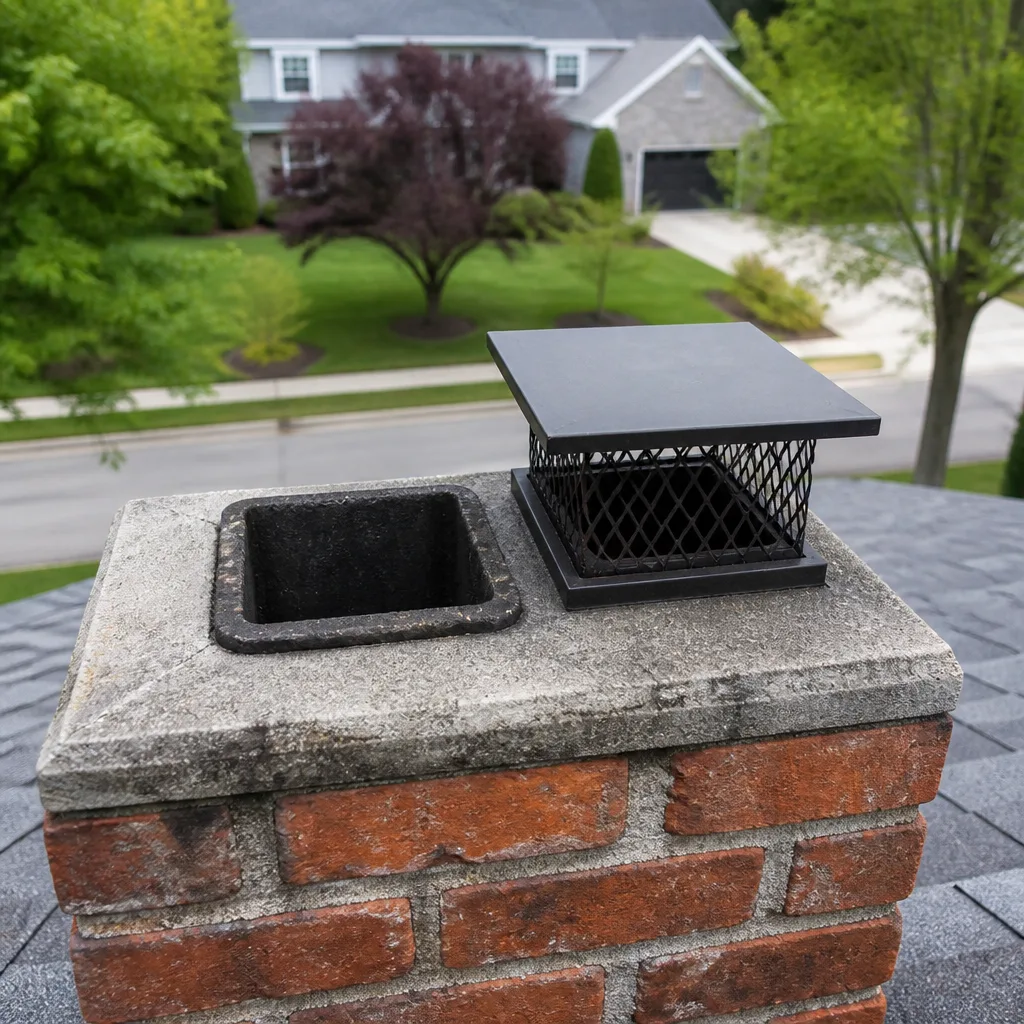
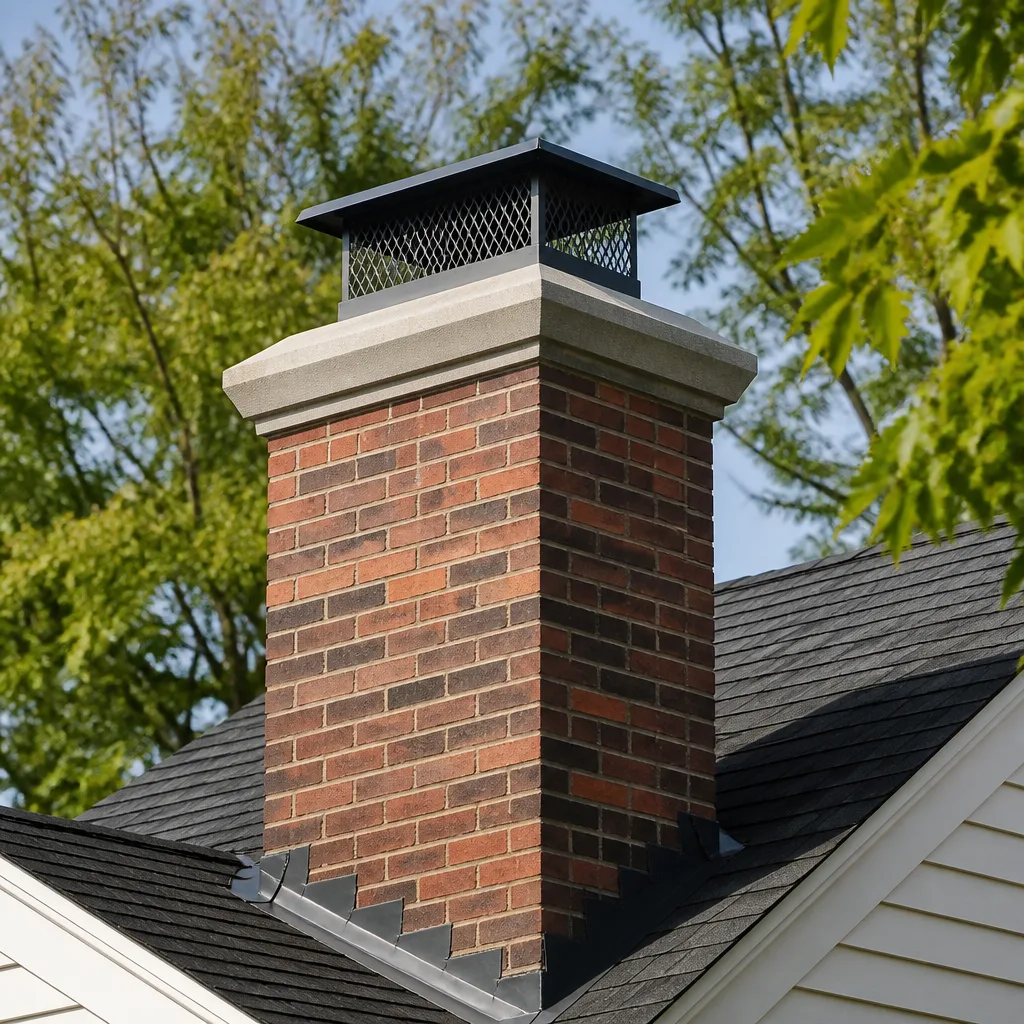
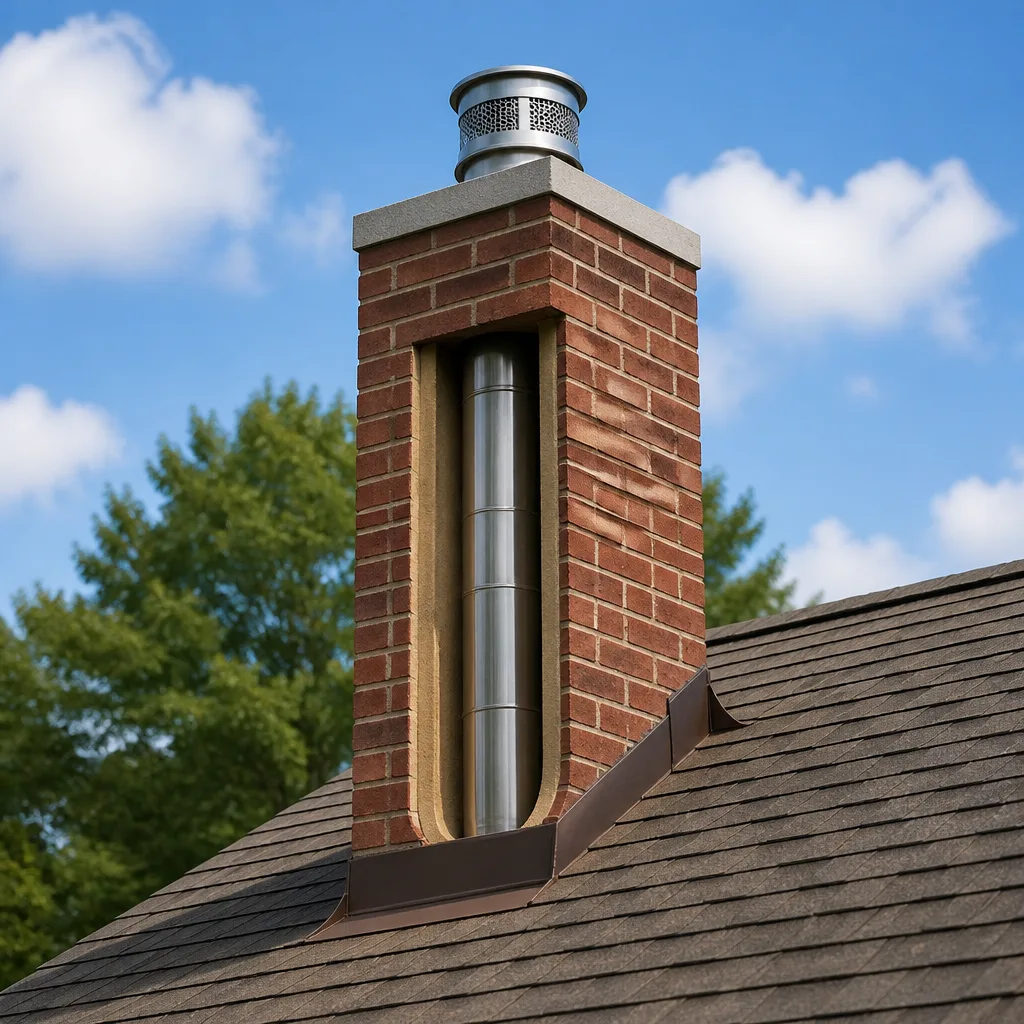
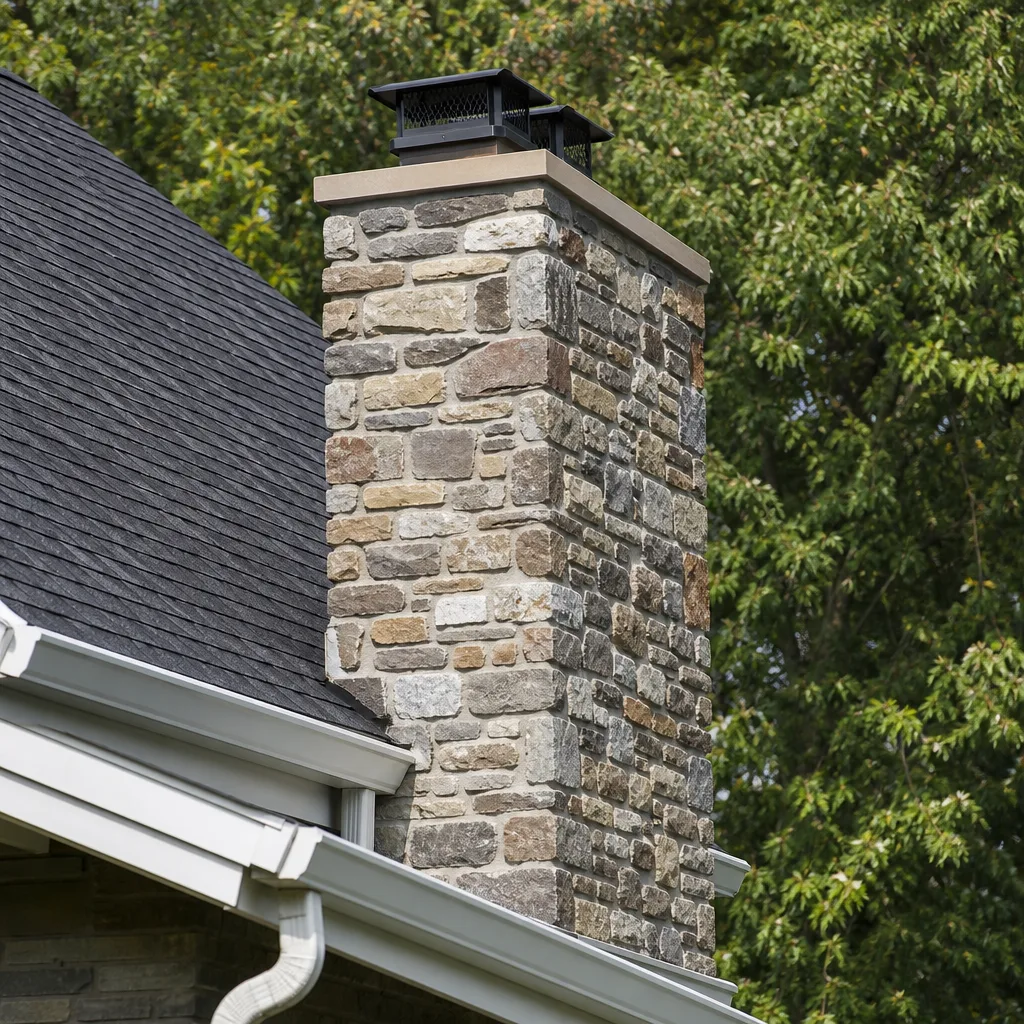
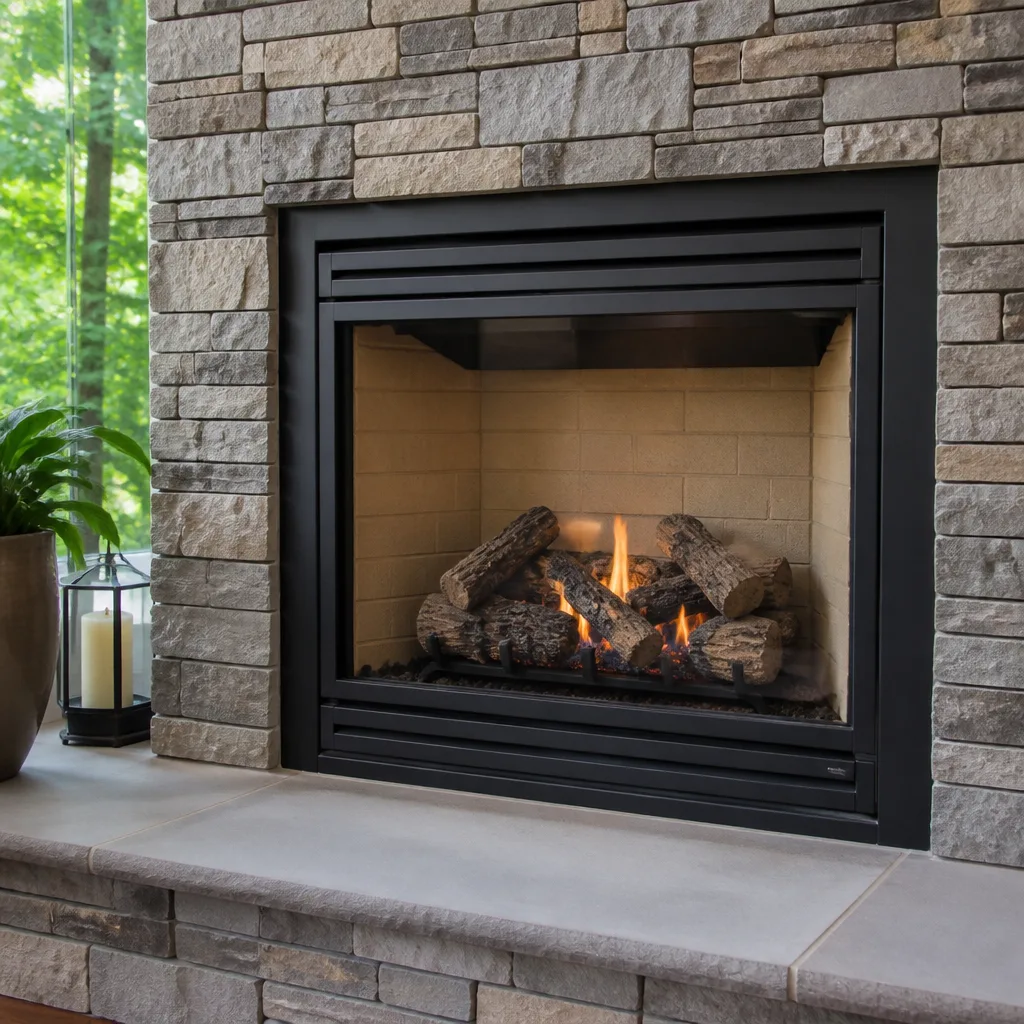
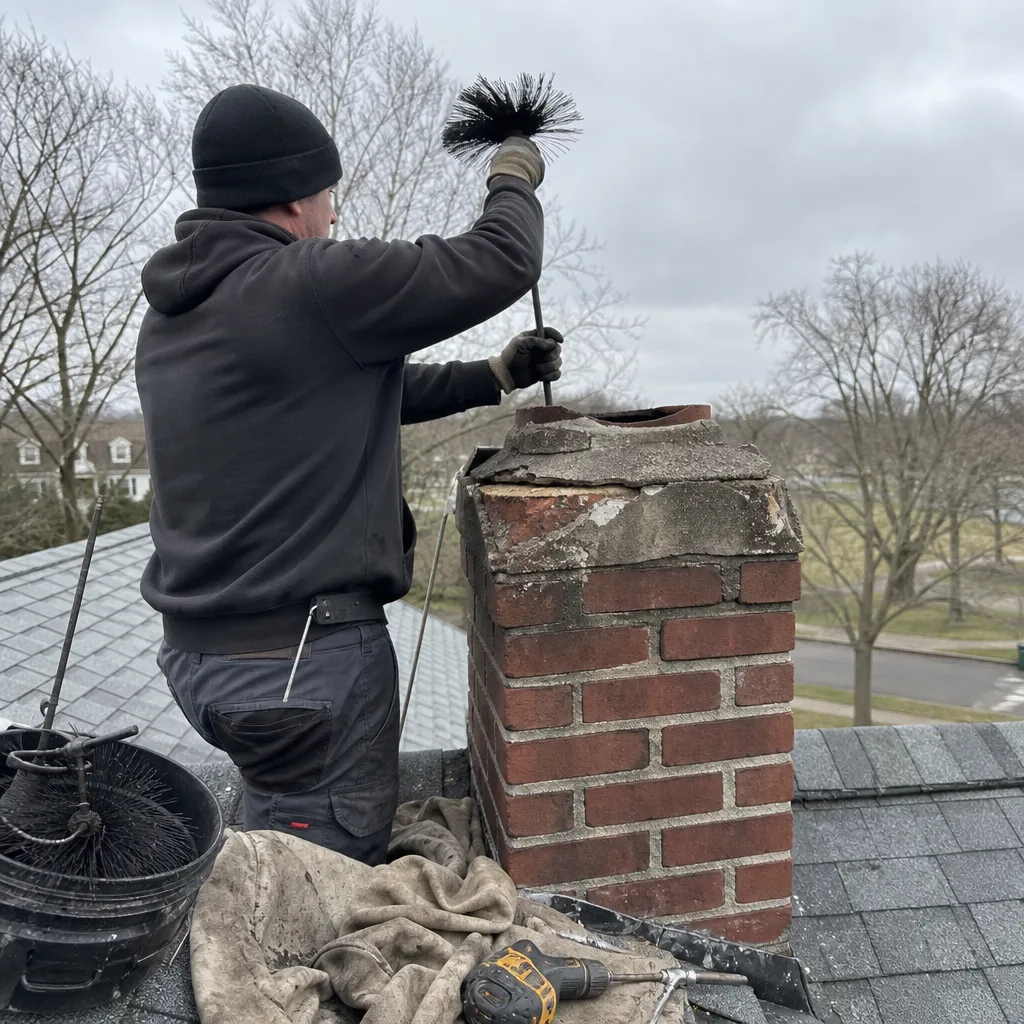 Before
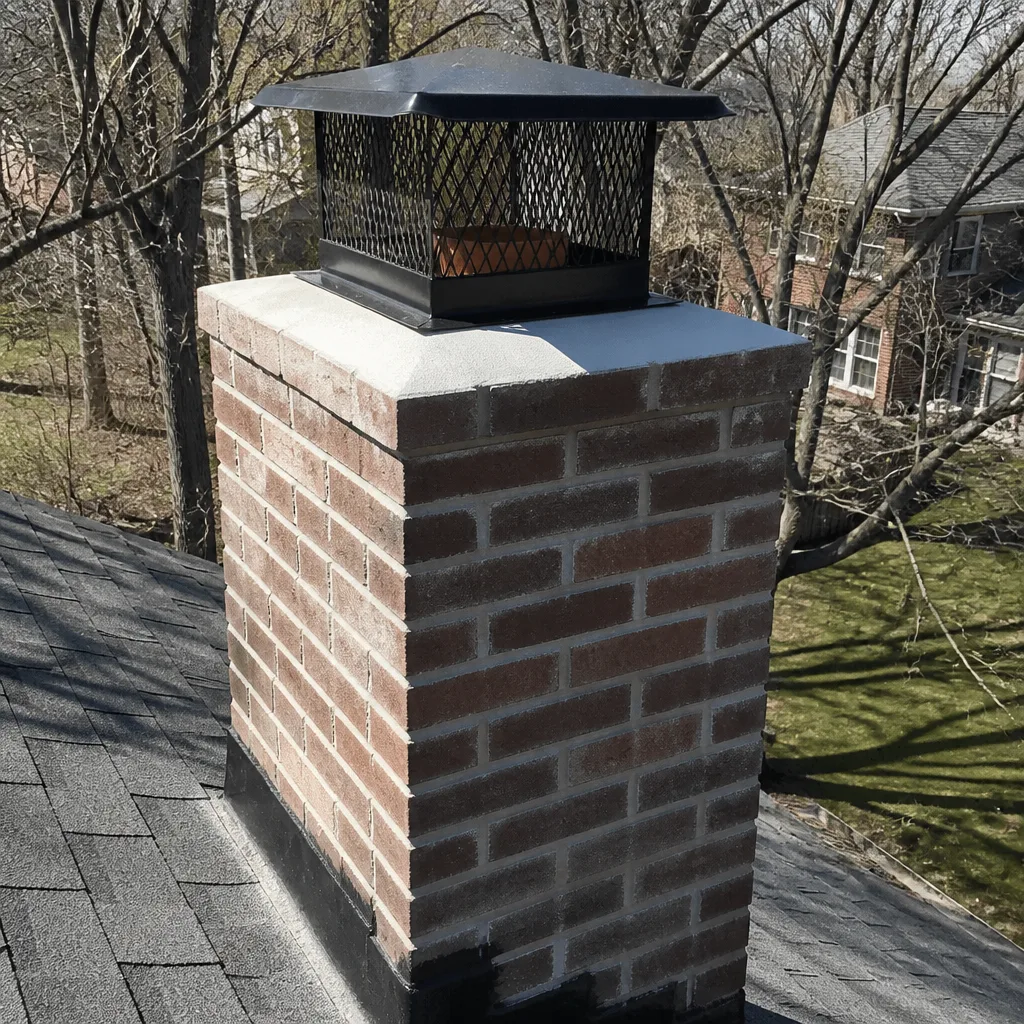 After
After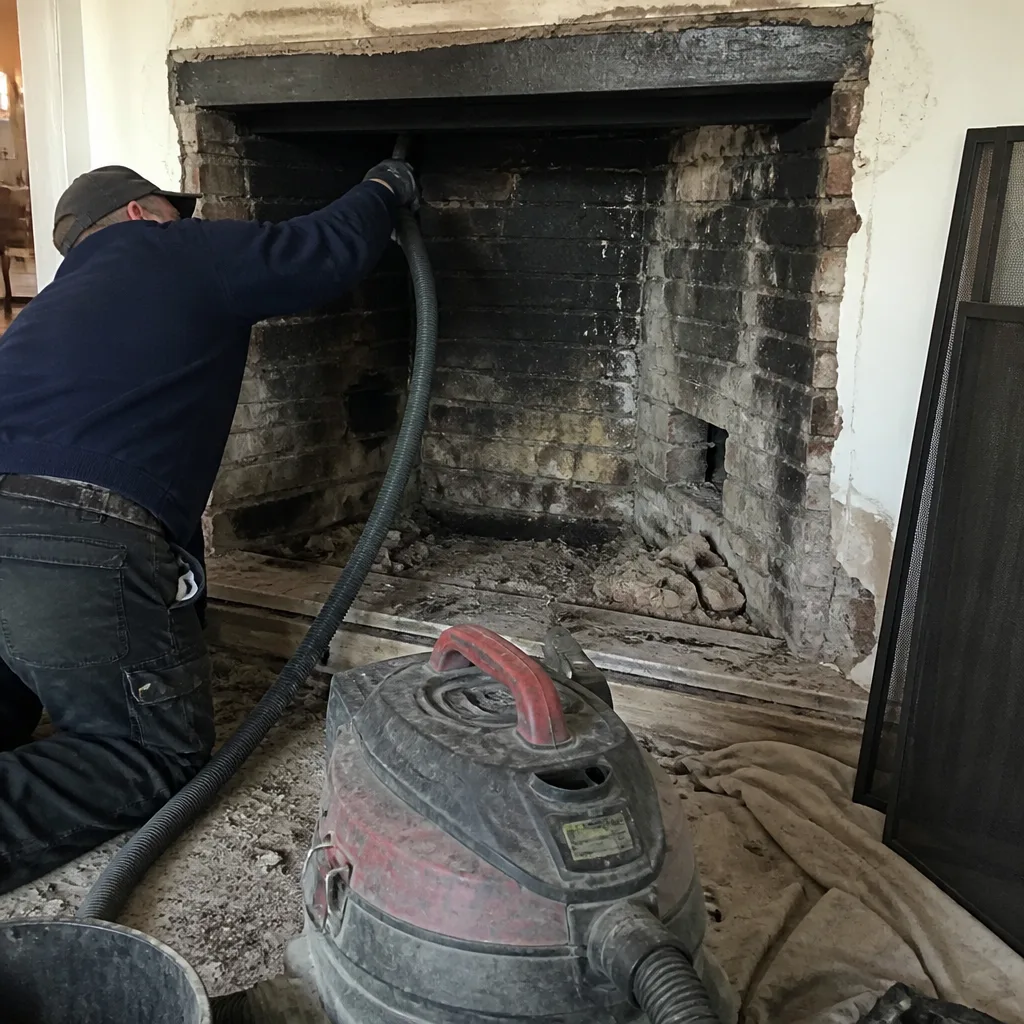 Before
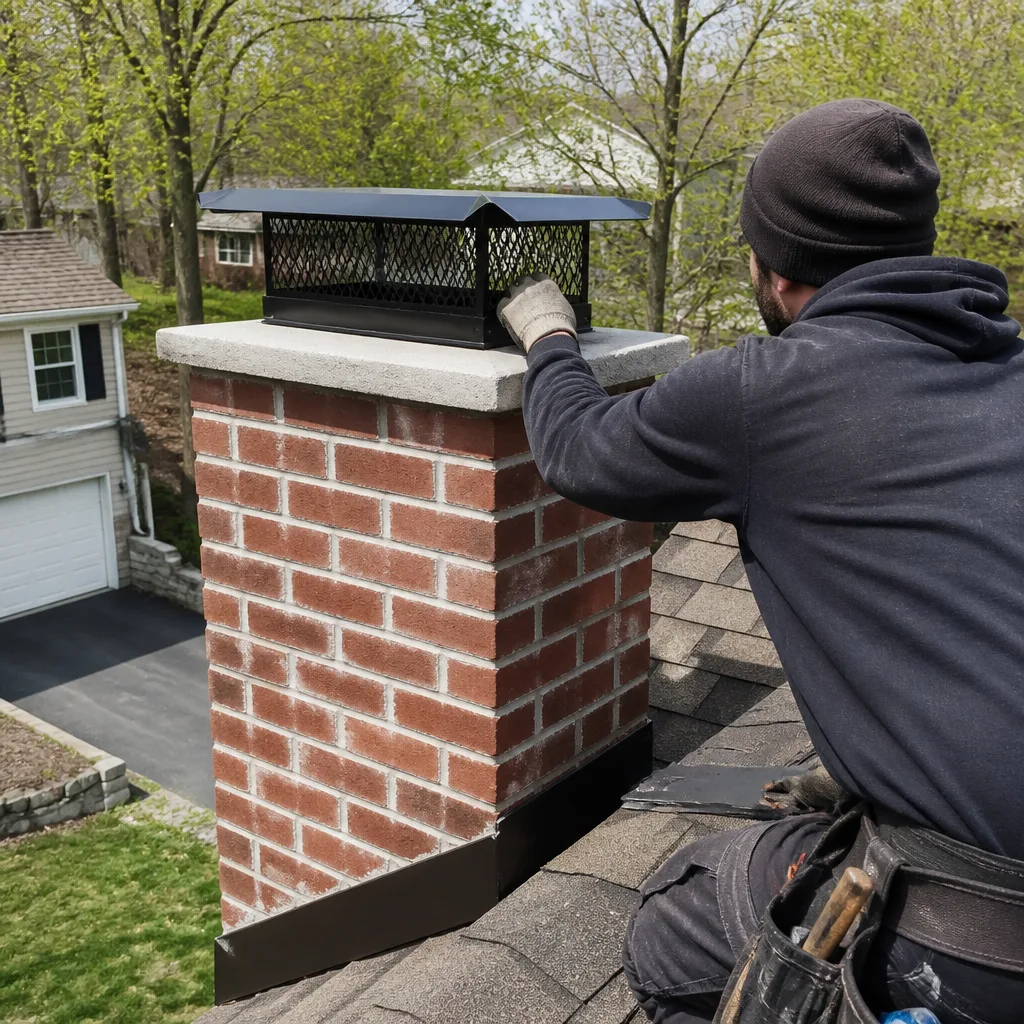 After
After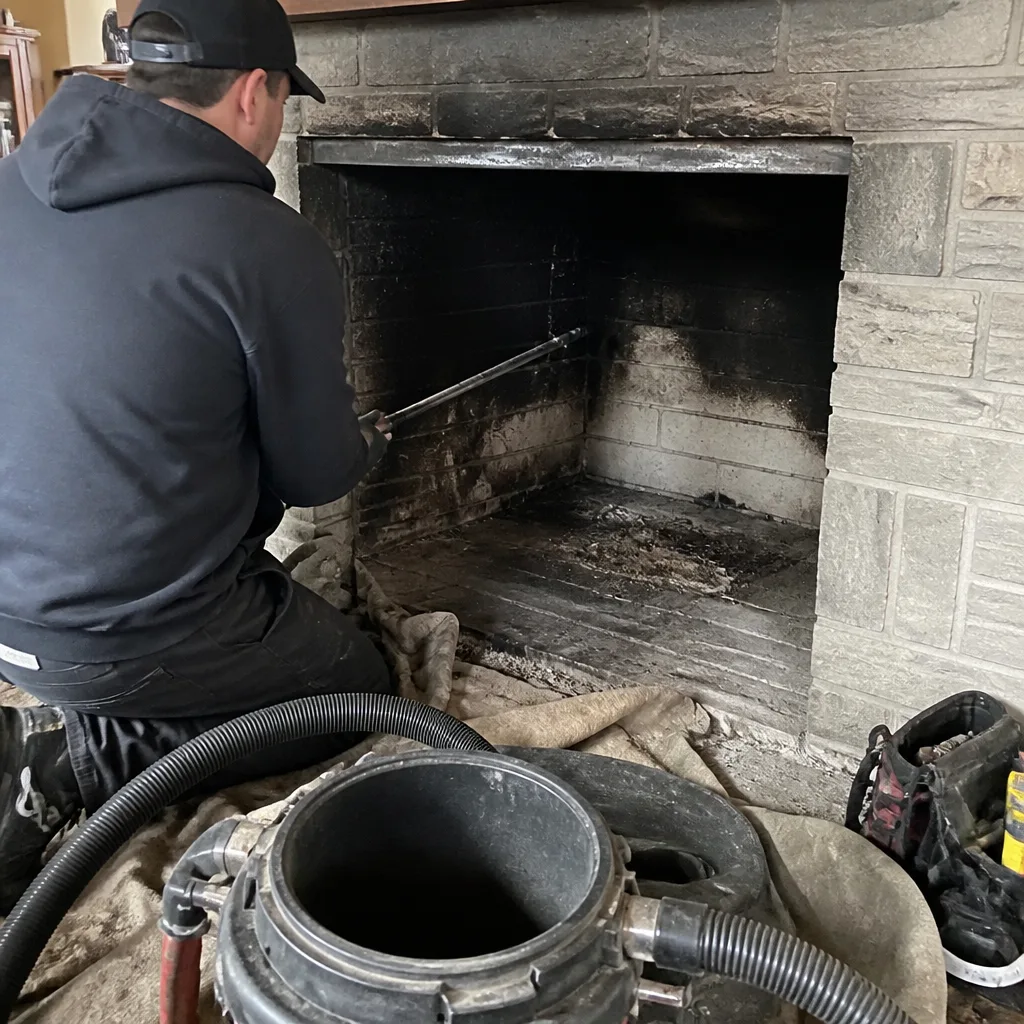 Before
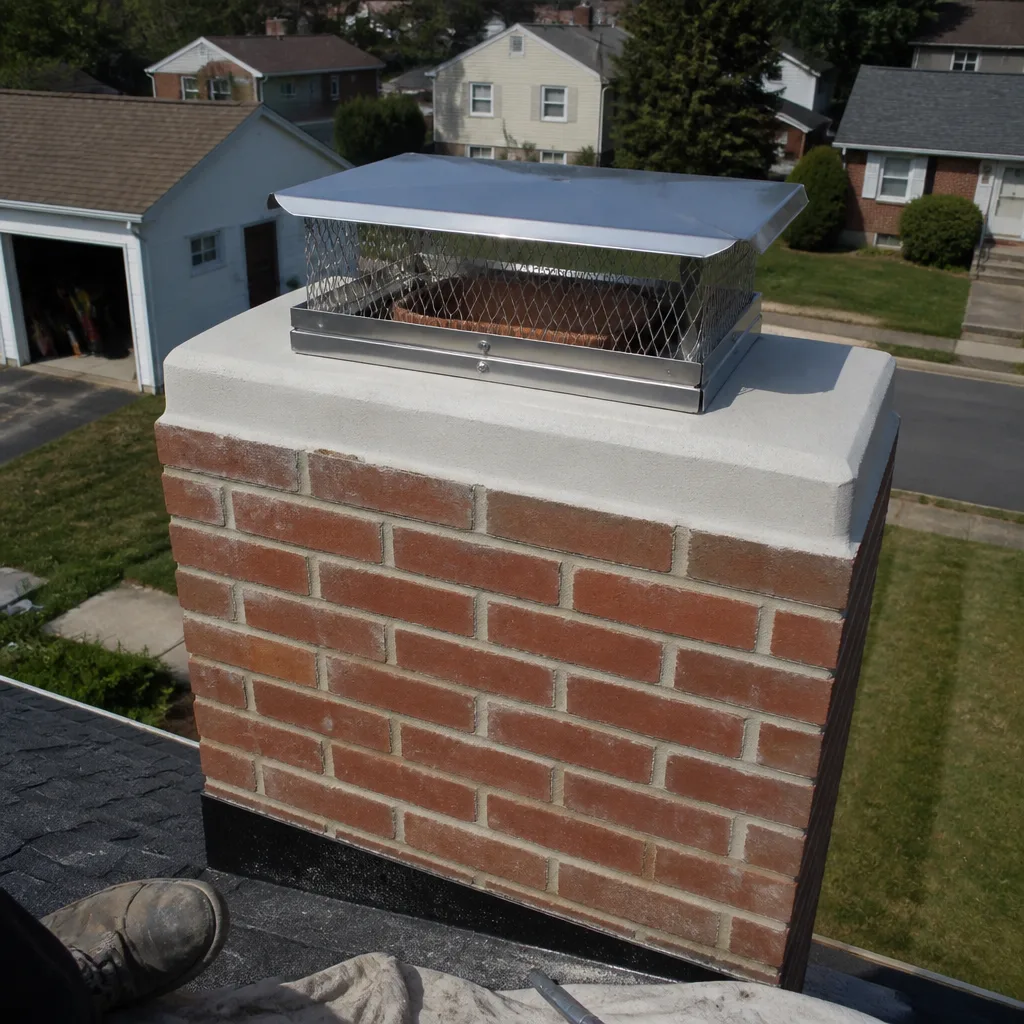 After
AfterChimney Cleaning Cost Breakdown: The Reading Homeowner’s Reference for 2026
The $79 chimney cleaning ad that lands in your mailbox every September is not a price. It’s a door opener. The company behind it plans to make its real money on the inspection report that follows, and in Reading, that report averages about $340 in add-ons whether your flue actually needs the work or not. This guide walks you through what a fair sweep costs in Berks County in 2026, which line items belong on an honest estimate, and how to spot the difference between a chimney that needs work and a sales script that needs a commission. For Chimney Cleaning Warning Signs: A Reading Homeowner’s Reference Guide, see our earlier breakdown. You’ll learn the numbers, the vocabulary, and the questions that send the bait-and-switch crews packing.
Quick Answer
A standard Level 1 chimney cleaning and inspection in Reading, PA costs between $180 and $340 in 2026, with most single-flue masonry chimneys landing around $220 to $260. Add-ons like a Level 2 camera inspection, cap replacement, or creosote glaze removal are legitimate line items, but they should be quoted before work begins and verified with footage you can see for yourself. If a quote comes in under $150, expect the appointment to end with a higher bill than the one you approved.
Table of Contents
- What a Fair Price Looks Like in Berks County in 2026
- Legitimate Add-Ons vs. Quote Padding: How to Read an Estimate
- How Chimney Type Changes the Price: Prefab vs. Masonry, Single vs. Double Flue
- Why the Cheapest Quote in Reading Usually Costs the Most by the End of the Appointment
- What a Written 90-Day Workmanship Guarantee Is Worth in Dollar Terms
- What Makes the Reading Market Different: Climate, Housing Stock, and Code
- Inspection Levels Explained: Level 1, Level 2, Level 3
- What You Can Safely Check Yourself (and What You Should Not Touch)
What a Fair Price Looks Like in Berks County in 2026
Here’s the number most Reading homeowners actually need: a standard Level 1 cleaning and inspection on a single-flue masonry chimney runs between $180 and $260. A double-flue chimney, which is common in older Reading rowhomes with a furnace flue and a fireplace flue sharing the same stack, runs $260 to $340. If you have a prefab metal chimney, the sweep usually costs a bit less because the job is faster, landing around $160 to $220.
These are the prices quoted by established, locally owned sweeps who answer their own phones and stand behind the work. They are not the prices on the postcard. The postcard price gets the truck to your driveway. The real number appears after the technician has spent 45 minutes on your roof with a tablet and a video camera.
Why the spread? A few reasons specific to our area:
- Roof pitch and height: Reading has a lot of steep Victorians and three-story rowhomes. A chimney that takes 20 minutes to access costs less than one that requires a 40-foot ladder and a harness. Companies that quote flat rates over the phone are either eating that difference or adding it back somewhere else.
- Creosote condition: First-degree creosote is a brush job. Third-degree is a glaze that requires chemical treatment or mechanical removal. You cannot know which one you have until someone looks. A flat quote before looking is a guess, not a price.
- Flue size and shape: Some older Reading homes have rectangular terra cotta flue tiles that don’t match standard brush sizes. The job takes longer, and the price should reflect that, not surprise you later.
- Off-season vs. peak: The prices above hold steady year-round at most local operations. The big chains run seasonal promotions in April to fill empty calendars, then push upsells to cover the discount. A fair local sweep prices the job the same in July as in December.
The takeaway: if you’re getting a quote below $150 for a standard sweep in Reading, someone is planning to make up the difference. The question is whether they plan to tell you about it before they do it.
Legitimate Add-Ons vs. Quote Padding: How to Read an Estimate
An honest chimney estimate separates the base sweep from everything else. Here’s how to read one line by line, starting with what should be included in the base price and moving to what legitimately costs extra. For a printable version, see our Chimney Cleaning & Sweep Maintenance Checklist for Reading Homeowners.
Included in a fair base quote:
- Drop cloths and floor protection inside the home
- Brushing the full length of the flue
- Removal of creosote and soot from the firebox and smoke chamber
- A visual inspection of accessible components
- Basic cleanup of the work area
- A short written summary of what was found
Legitimate add-ons that cost extra:
- Level 2 camera inspection: Usually $75 to $150. If the sweep finds enough to recommend a liner or repair, the camera footage is how you verify it. Wendell and his crew run a camera on any chimney where we suspect hidden damage, and the customer sees the footage before any repair quote is given.
- Chimney cap replacement: $80 to $200 installed, depending on the cap size and material. This is one of the most common legitimate recommendations in Reading, because a missing cap is how you get rain, birds, and raccoons in the flue.
- Creosote glaze removal: $100 to $250 extra. Third-degree creosote does not come off with a brush. It usually requires a chemical treatment or mechanical rotary cleaning. A sweep who quotes this before seeing the flue is guessing. A sweep who shows you the glaze on camera before quoting it is doing the job right.
- Furnace flue cleaning: $80 to $120 per additional flue. Many Reading homes have an oil or gas furnace venting through the same chimney stack as the fireplace, and if you’re burning both, both flues need attention.
Red flags that signal padding:
- “Chimney certification” fees added at the end of the job
- Quotes for liner replacement without camera footage to show why
- “Safety inspection” line items that weren’t mentioned on the phone
- Discounts applied to the sweep that reappear as markup on “recommended” repairs
- Any technician who cannot or will not show you what he is talking about on camera
The rule Wendell has used since 1999 is simple: the number you hear on the phone is the number on the invoice. If something changes, it changes with your permission first, and only after you’ve seen the reason with your own eyes.
How Chimney Type Changes the Price: Prefab vs. Masonry, Single vs. Double Flue
Not all chimneys are built the same way, and the type you have changes both the cost of cleaning and the kinds of problems you are likely to see. Here’s the breakdown for Reading’s housing stock.
Full Masonry Chimney
These are the standard brick chimneys on pre-1960 Reading homes. They have terra cotta flue liners, a brick exterior, and a concrete or stone crown at the top. A single-flue masonry chimney runs $180 to $260 to clean. If the crown is cracked or the brick face is spalling, the sweep will typically find it during the visual inspection, and repairs run anywhere from $300 for crown sealing to several thousand for a full rebuild. Masonry chimneys in Reading face a specific problem: freeze-thaw cycles. Water gets into small cracks, freezes, expands, and widens the crack. Over a decade of Berks County winters, that turns a hairline crack into a structural one. This is why a fall inspection matters more up here than it does in warmer markets. Your flue doesn’t care how the fire looks. It cares how it breathes.
Prefab Metal Chimney
These are insulated metal pipes that run from a zero-clearance fireplace up through a chase, often covered in siding or a wood frame. Prefab chimneys are common in Reading’s 1980s and 1990s developments and in newer construction outside the city. Cleaning costs $160 to $220, but prefab units have a different failure mode: the interior liner corrodes over time, and replacement parts for older brands can be expensive. A prefab chimney should be inspected for visible rust, seam separation, and damaged chase covers. Repairs depend heavily on whether the original manufacturer still exists. If you have a prefab from the 1980s, the honest truth is that replacement parts may not be available, and a full unit swap is the only real fix.
Double-Flue and Multi-Flue Chimneys
Older Reading rowhomes often have two flues in a single brick chimney: one for the fireplace and one for the furnace or water heater. Cleaning both flues is more work, and the price runs $260 to $340. There is also a safety point here that gets missed: if one flue is damaged, combustion gases from the furnace flue can migrate into the fireplace flue through the shared masonry. This is exactly the kind of condition a camera inspection is built to catch, and it’s one of the most common findings on Reading rowhome inspections.
Insert vs. Open Fireplace
A wood or pellet insert changes the cleaning path, not the cleaning need. Inserts use a liner that runs up the existing flue, and the sweep may need to disconnect and clean around the unit. Expect the same base range of $180 to $260, with maybe $20 to $40 in additional labor if the insert needs to be pulled. The insert itself should be serviced per the manufacturer’s schedule, and if you bought the house with an insert already installed, a Level 2 inspection is a smart first move to confirm the liner was installed correctly in the first place. We’ve seen liners that terminate three feet short of the top, venting into the attic. That’s a carbon monoxide risk, not a theoretical one.
Why the Cheapest Quote in Reading Usually Costs the Most by the End of the Appointment
Here’s how the cheap-sweep model works, step by step, because once you see it laid out, you’ll never fall for it again.
- The ad drops the price below what the job actually costs to perform. A single-flue sweep in Reading takes about an hour to 90 minutes of labor, plus drive time, plus equipment wear, plus insurance and licensing. Nobody stays in business charging $79 for that. The price exists to get a body on your roof.
- The technician’s real job is to find problems. The company trains its crews to document every minor imperfection, every older component, every cap with a little surface rust. In a chimney that is 30 or 40 years old, which describes most of Reading’s housing stock, finding something is easy.
- The report comes back with threats, not information. Language like “unsafe to use” and “immediate replacement recommended” gets deployed for items that a local sweep would classify as “monitor this” or “we can address this next year.” The goal is to create enough anxiety that the homeowner approves work on the spot.
- The upsell average runs about $340 in the Reading market according to the estimates we’ve reviewed for homeowners who called us for a second opinion. The $79 sweep becomes a $179 sweep plus a $200 “necessary” repair plus a $140 cap, and the homeowner was never given a chance to verify any of it.
- The company is unreachable when something fails. The crew who came out last month doesn’t answer the phone when the chimney leaks in March. A local owner-operator cannot afford that. Wendell runs into you at the hardware store on Saturday. The warranty has to mean something or the phone stops ringing.
The tell is always the same: a price too low to be real, a report too alarming to be accurate, and a closing script too pushy to be in your interest. If an estimate scares you more than it informs you, get a second opinion before you sign anything.
What a Written 90-Day Workmanship Guarantee Is Worth in Dollar Terms
A guarantee is not a piece of paper. It’s a pricing signal. Here’s what it tells you about the company quoting the work.
It costs the company real money if the work fails. A sweep who knows he might have to come back on his own dime is more careful on the first trip. The guarantee changes behavior at the level of the individual job. If a company offers no written guarantee, the work has no floor. You are the quality control.
It means the company expects to still be in business in 90 days. A short-term operator planning to move on doesn’t need a guarantee because he won’t be reachable when you call. In an industry where fly-by-night operators work through the fall and then vanish, the existence of a written promise is itself a signal about who you’re dealing with.
In dollar terms, a 90-day guarantee is worth the difference between a re-visit fee and a free call-back. If a sweep misses something and you call a week later, the no-guarantee company charges you a trip fee and re-quotes the work. The guarantee company comes back at no additional cost. Over the life of a chimney, that difference easily runs into the hundreds.
Top Hat Chimney puts the 90-Day Done Right Promise in writing on every job. If the work isn’t right, one call brings Wendell back. No trip charge. No argument. No invoice. That’s the entire promise, and it’s been the same since 1999.
When you compare estimates, compare the guarantee language line by line. An estimate with no warranty language is not cheaper. It’s just missing a line item that matters.
What Makes the Reading Market Different: Climate, Housing Stock, and Code
Chimney cleaning prices don’t exist in a vacuum. They reflect the market where the work happens, and Reading has a few specific characteristics that shape both pricing and the kinds of problems sweeps find.
Freeze-Thaw Cycles Are the Biggest Structural Threat
Reading averages around 30 inches of precipitation a year, and winters hover near freezing often enough that water gets into masonry and expands on a regular schedule. The result: crown cracks, brick spalling, and flue liner damage happening faster here than in drier or warmer markets. A chimney that looked fine two years ago may not be fine now. This is also why the off-season matters. Once a year, burn or no burn. Chimneys break in the off-season too.
Older Housing Stock Means Older Chimneys
Much of Reading’s residential core was built before 1950. Those homes have masonry chimneys with terra cotta liners that are now 70 to 100 years old. Terra cotta does not last forever. Hairline cracks appear, then widen, then become holes. In our experience on pre-war Reading homes, a Level 2 camera inspection is usually the right first step, not an optional add-on. The cost of not knowing is a chimney fire or a carbon monoxide leak.
Local Code and Permit Requirements
Reading follows Pennsylvania’s Uniform Construction Code as adopted by the city. A standard sweep does not require a permit. A liner replacement or structural rebuild generally does. A legitimate local sweep knows which jobs need a permit and which don’t, and the estimate should reflect permit costs if they apply. If a company tells you a permit isn’t needed for work that clearly changes the chimney structure, walk away. The liability lands on the homeowner, not the crew.
Neighborhood-Level Variation
In Centre Park and the historic districts, chimneys are tall, ornate, and often difficult to access, which pushes labor costs up. In the townships around Reading like Exeter and Spring, chimneys are newer and access is easier. A rowhome on Penn Street has a very different chimney profile than a 1990s colonial in Muhlenberg. The price should reflect the job, not a flat-rate formula applied to the whole county.
Inspection Levels Explained: Level 1, Level 2, Level 3
The chimney industry uses three inspection levels defined by the National Fire Protection Association. They are standard, they are specific, and they are worth understanding before you book a sweep, because the level you need changes the price.
Level 1 Inspection
This is the inspection included with every standard cleaning. The sweep visually examines the accessible portions of the chimney: the firebox, the damper, the flue where visible, and the exterior from the roof or ground level. No special tools. No camera. If nothing has changed about your chimney since the last cleaning and you use it the same way you always have, a Level 1 is appropriate. This is the right baseline for most annual maintenance in Reading.
Level 2 Inspection
A Level 2 adds a video camera run through the full length of the flue, plus closer examination of the attic, crawlspace, and exterior. The NFPA recommends a Level 2 whenever the chimney has changed: you bought the home, you changed the appliance or fuel type, you had a chimney fire, or the chimney sustained damage in a storm. In Reading, where home sales in older neighborhoods often involve chimneys that haven’t been inspected in decades, a Level 2 on purchase is not a luxury. It’s the only way to see what’s inside the flue before you burn a fire in a house you just bought.
The price range for a Level 2 in Berks County runs $75 to $150 on top of the sweep. At Top Hat Chimney, we run the camera and show you the footage. You don’t have to take anyone’s word for anything.
Level 3 Inspection
This is the invasive one. It involves opening up portions of the chimney structure, usually because a Level 2 found something that requires closer examination. A Level 3 inspection is rare, it’s priced on a case-by-case basis, and it is never part of a routine cleaning. If a company is pushing a Level 3 without first doing a Level 2 and showing you why, that’s a red flag the size of a flue tile.
What You Can Safely Check Yourself (and What You Should Not Touch)
There are a few things any Reading homeowner can check between professional cleanings. There is also a line you should not cross, and it involves the parts of the chimney that can hurt you.
What you can check yourself:
- The cap: Stand in the yard with binoculars and look at the chimney cap. Is it there? Is it tilted? Is it rusted through? A missing cap is the single most common invitation for rain, birds, and raccoons in Reading chimneys.
- The damper: Open and close it. Does it move freely? Does it seal? A stuck damper is a common reason smoke backs up into the room.
- The firebox: Look for cracked firebrick, loose mortar, or a buildup of soot that’s more than about a quarter inch thick. That’s enough to deserve a call.
- The smell: A damp, musty smell from the fireplace in summer usually means water is getting in. A sharp, smoky smell in summer means creosote is off-gassing in the humidity. Both are reasons to call before burning season.
- The exterior: Walk around the house and look for missing bricks, cracked mortar, or a chimney that’s leaning at all. A leaning chimney is a structural problem, not a cosmetic one.
What you should not touch:
- Anything that requires getting on the roof. Steep Reading rowhome roofs are not a place for a homeowner with a ladder and a Saturday. Falls from roofs are a leading cause of residential injury, and the cost of a hospital visit dwarfs the cost of a sweep.
- Inside-the-flue work. Creosote removal from inside a flue requires proper brushes, proper PPE, and proper disposal. Getting it on your skin is not a health risk worth taking.
- Liner installation or repair. This is structural work that affects the safe venting of combustion gases. It requires training, proper materials, and in many cases a permit. A liner installed incorrectly is a carbon monoxide risk, and carbon monoxide doesn’t give you a warning.
The line is simple: look from the ground, check what you can reach from the floor, and leave the rest to someone who does it for a living. The fire you burn in December depends on it.
Common Mistakes to Avoid
- Booking the postcard price without asking what it includes. The $79 sweep in Reading is not a sweep. It’s a sales appointment. Ask what the base price covers and what common recommendations cost before the tech arrives.
- Approving repair work without seeing camera footage. If a company tells you the liner is shot but can’t show you the crack on a screen, you’re not buying a repair. You’re buying a story. Wendell’s rule is non-negotiable: the camera footage and a plain-English verdict, every time, no exceptions.
- Skipping the off-season inspection because you didn’t burn much. Burn or no burn, chimneys break in the off-season. Freeze-thaw cycles in Berks County do their work whether you light a fire or not.
- Assuming the previous owner maintained the chimney. In Reading’s older homes, many chimneys haven’t seen a professional inspection in 20 years. The previous owner’s word is not a maintenance record.
- Comparing quotes without comparing scope. A $199 quote for a Level 1 sweep and a $299 quote for a Level 2 inspection with camera are not the same service. Read the line items, not just the total.
- Ignoring the furnace flue because “we only burn wood.” In Reading rowhomes with shared chimney stacks, the furnace flue vents combustion gases from the heating system. A blocked or damaged furnace flue is a carbon monoxide risk that has nothing to do with whether you enjoy a fire.
- Waiting until October to book. Every sweep in Berks County is slammed from October through December. Booking in August means you get your choice of times and likely faster access to repair work if the inspection finds something. The seasonal rush leads to rushed jobs and skipped details.
When to Call a Professional
Call a sweep if you smell smoke in the house when the fire is not lit, if you see white staining on the exterior brick (that’s efflorescence, a sign of water penetration), if the damper won’t open or close, or if it has been more than a year since the last inspection regardless of how much you’ve burned. Call immediately if you see sparks or flames coming from the chimney top, which is a chimney fire in progress. Call before you buy an older Reading home so you know what’s inside the flue before you sign the closing papers. And call for a second opinion if a national company has quoted you liner work you cannot verify. Top Hat Chimney offers free estimates in Reading, and Wendell will walk you through exactly what he found, what it means, and what can wait. Browse more guides & resources on keeping your chimney safe year-round. Call (484) 209-0837.
Frequently Asked Questions
A standard Level 1 chimney cleaning and inspection in Reading costs between $180 and $340, with most single-flue masonry chimneys falling between $220 and $260. Double-flue chimneys, common in older Reading rowhomes, run $260 to $340. Prefab metal chimneys run $160 to $220. Call (484) 209-0837 for an exact quote on your chimney. Estimates are free.
The National Fire Protection Association recommends an annual inspection, with cleaning as needed based on creosote buildup of 1/8 inch or more. In Reading’s climate, we recommend once a year, burn or no burn, because freeze-thaw cycles cause damage that has nothing to do with how often you light a fire.
No. A $79 cleaning in Reading is a loss leader designed to get a technician on your roof so the company can sell recommended repairs. The average upsell from this model in our market runs about $340. A fair local sweep quotes the real price upfront and doesn’t make up the difference on the inspection report.
You need a Level 2 camera inspection if you’re buying a home with a chimney, if you’ve changed the fuel type or appliance, if you’ve had a chimney fire, or if the chimney hasn’t been inspected in years. For a routine annual check on a chimney you know well, a Level 1 is usually sufficient. If the sweep recommends repair work, camera footage is how you verify the recommendation. Call (484) 209-0837 for a free estimate that includes camera inspection when the situation calls for it.
Creosote accumulates on the flue walls, and creosote is fuel. A chimney fire can reach over 2,000 degrees and crack flue liners, break mortar joints, and spread to the house framing through the brick. The damage from one chimney fire often costs thousands. Beyond fire risk, a blocked flue forces combustion gases back into the house, and carbon monoxide does not give you a headache warning sign until the level is already high.
Check for a published local address and a real person’s name on the business. Ask if the company offers a written workmanship guarantee and what it covers. Ask if the price quoted on the phone is the price on the invoice. Ask if the sweep will show you camera footage of any recommended repairs. A company that answers those questions directly is the kind you want in your home. Ask anyone on your street.
The Bottom Line
A fair chimney cleaning in Reading, PA costs between $180 and $340. If you’re paying less than $150, you’re not buying a cleaning. You’re buying an appointment with a sales script. The right approach is simple: know your inspection level, get line-item pricing before work begins, demand camera footage before approving any repair, and choose a company that puts its guarantee in writing and its owner’s name on the truck. Wendell Pike has been cleaning Reading chimneys since 1999, and the job hasn’t changed: do it right, price it fairly, and stand behind it for 90 days or come back and make it right. Schedule your chimney cleaning in Reading before the fall rush. Repair work found during a sweep can be quoted the same day with camera evidence to back it up. Fireplace service and maintenance keep the whole system running safely. Call (484) 209-0837 for a free estimate, and start with the Top Hat Chimney home page to see what we do in your neighborhood.
Written by Wendell Pike, Owner at Top Hat Chimney, serving Reading since 1999.