
Last updated September 10, 2026
Level 1 sweep and inspection to the NFPA 211 annual standard - flue, crown, cap, and flashing checked and photographed
Chimney sweep logs do not sweep chimneys. They loosen some creosote - which then falls where a brush and vacuum still have to collect it.
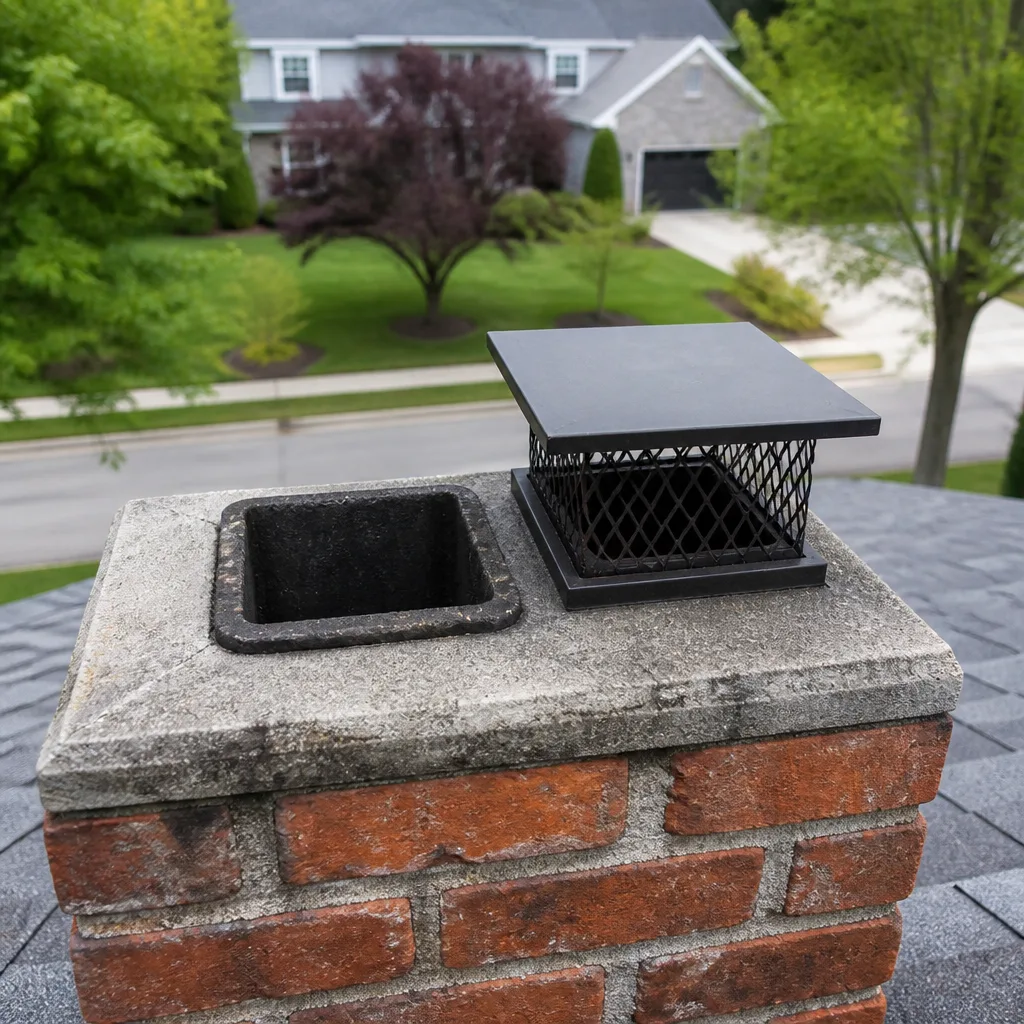
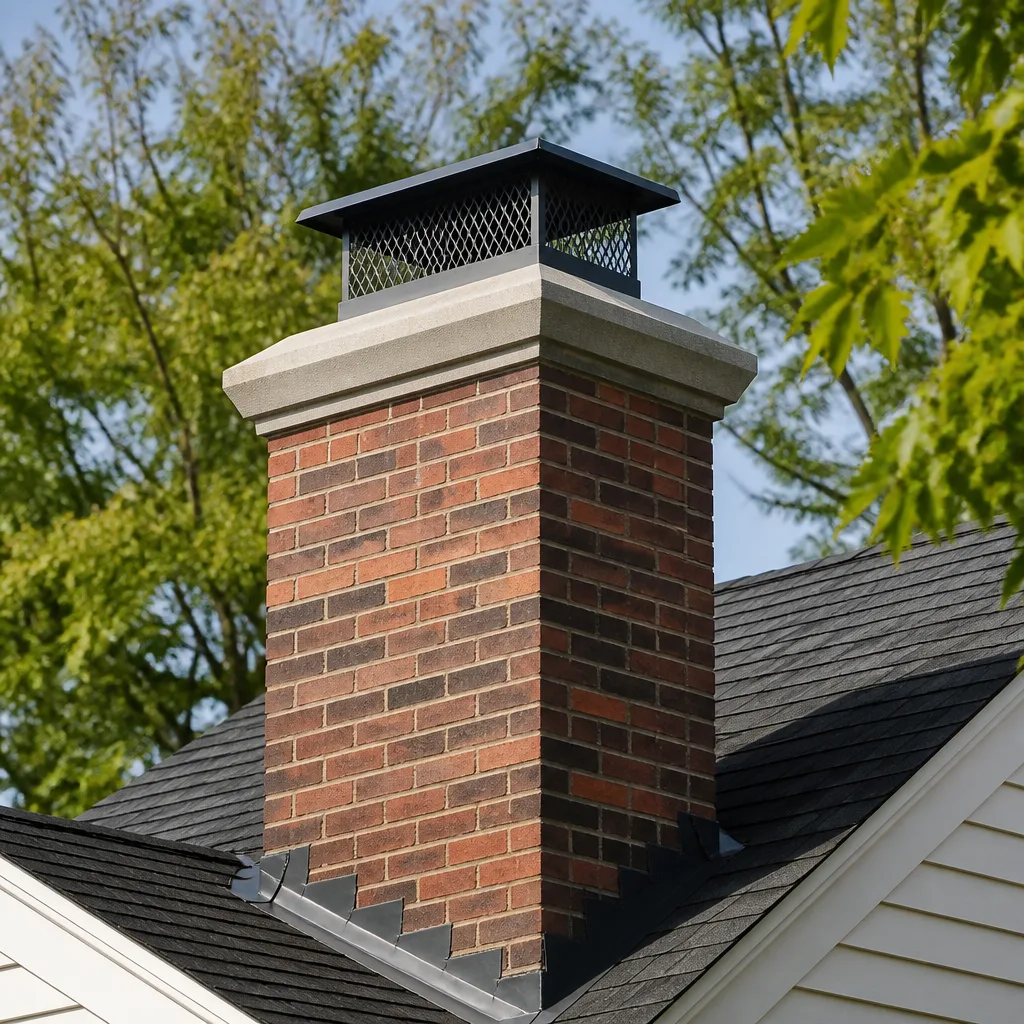
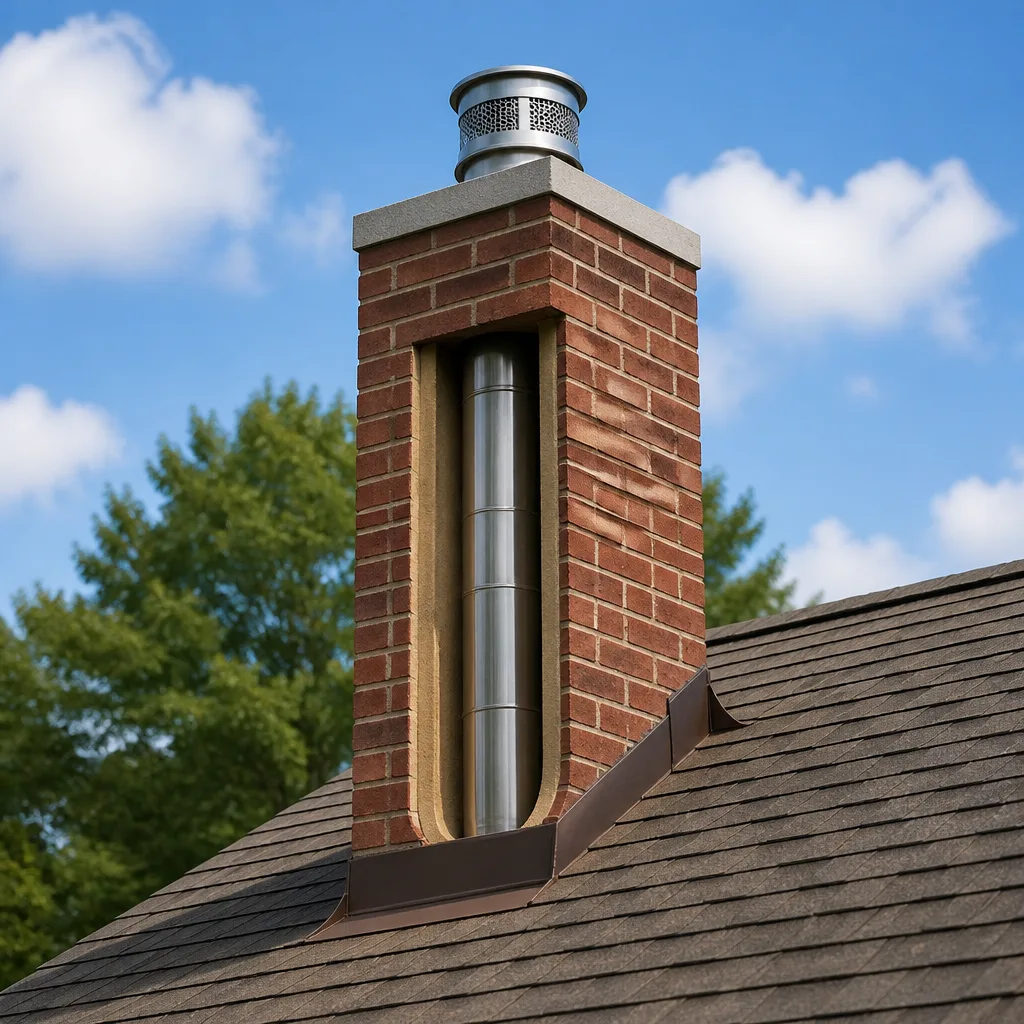
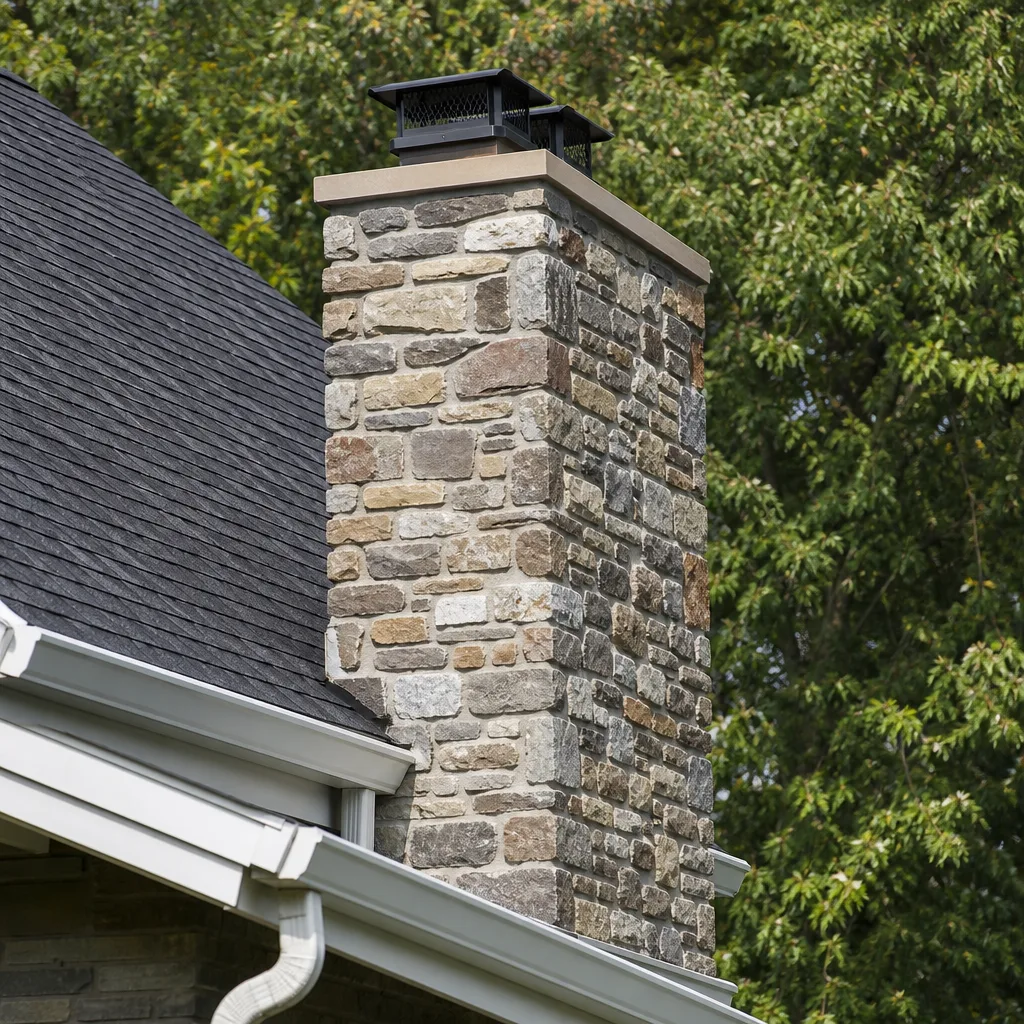
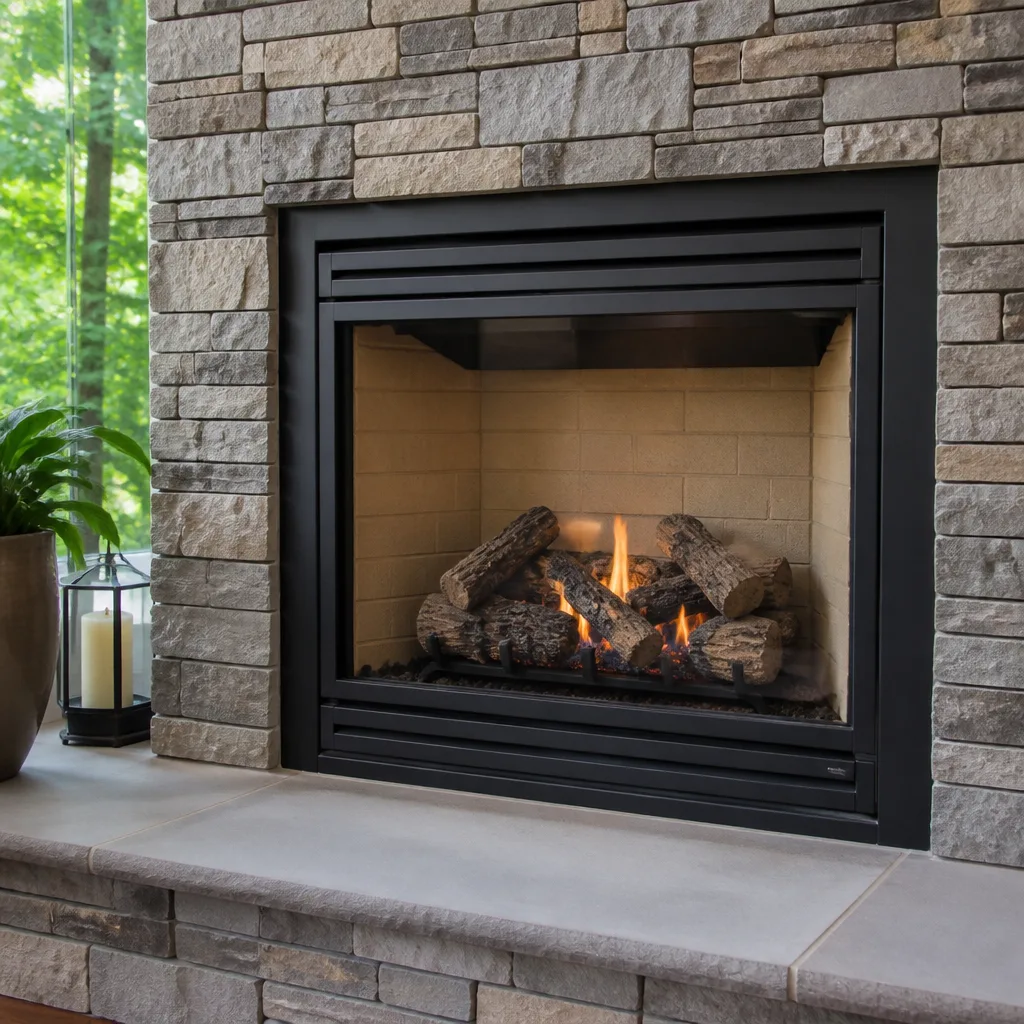
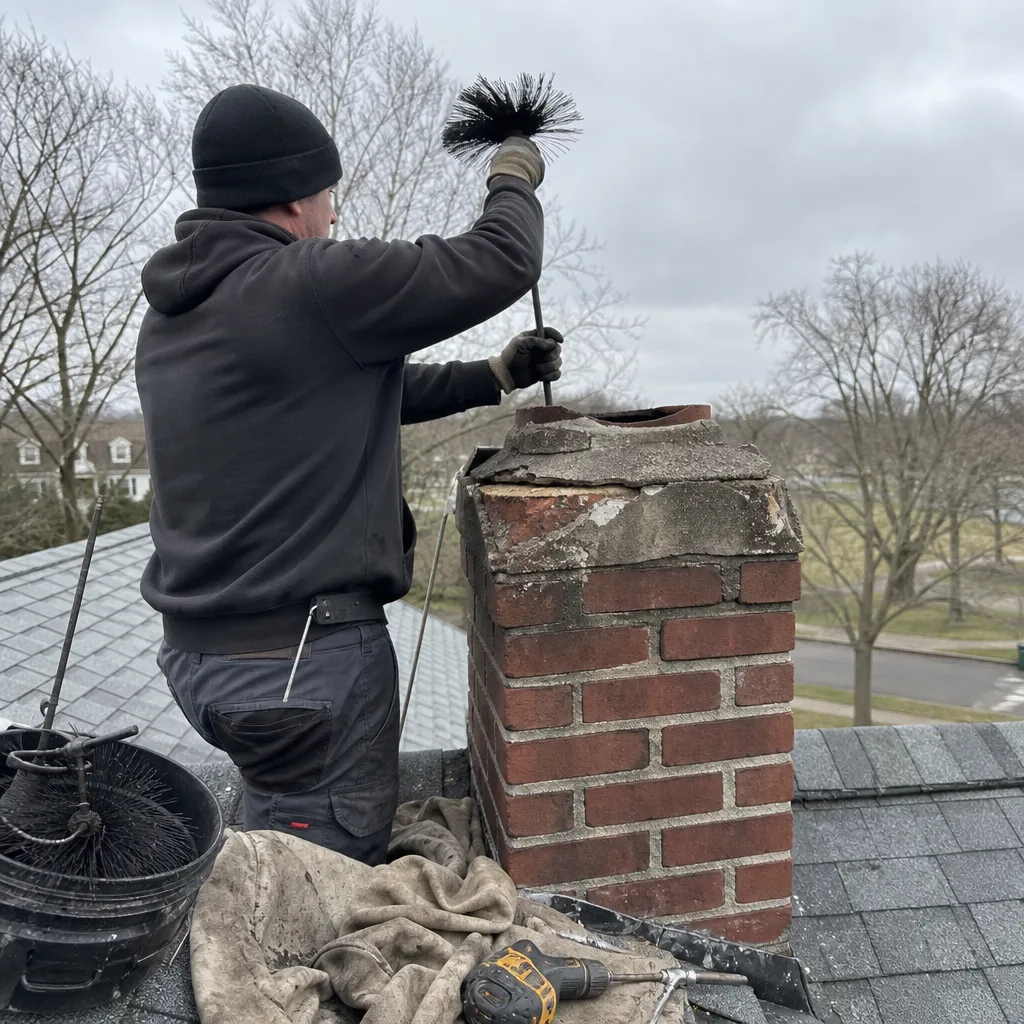 Before
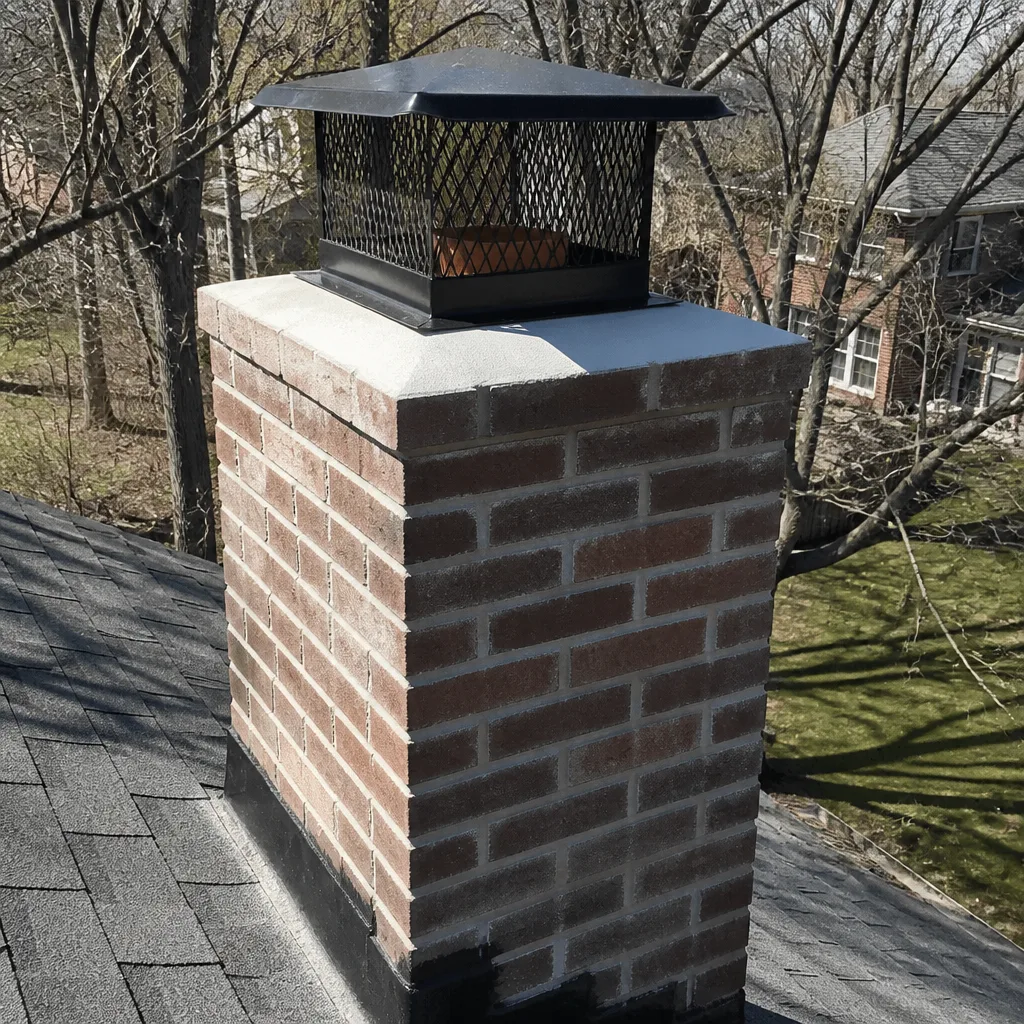 After
After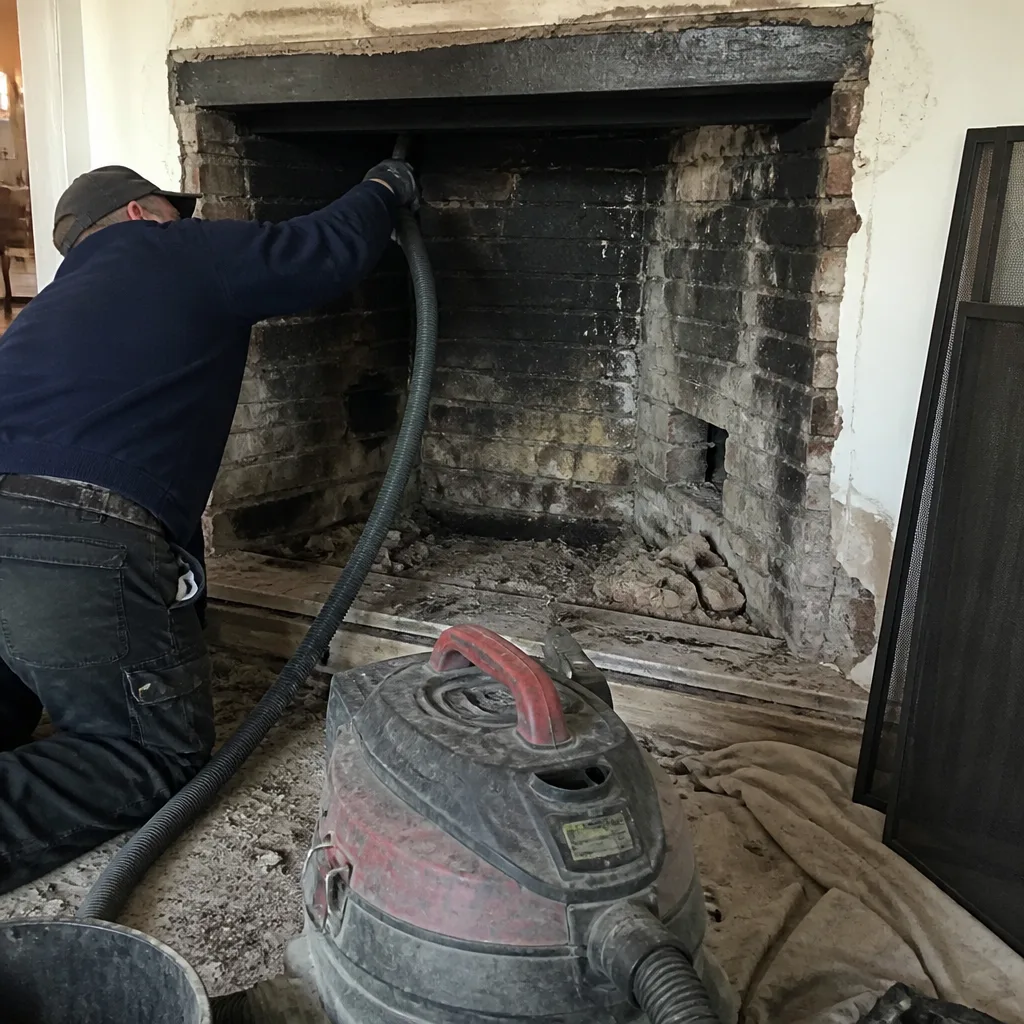 Before
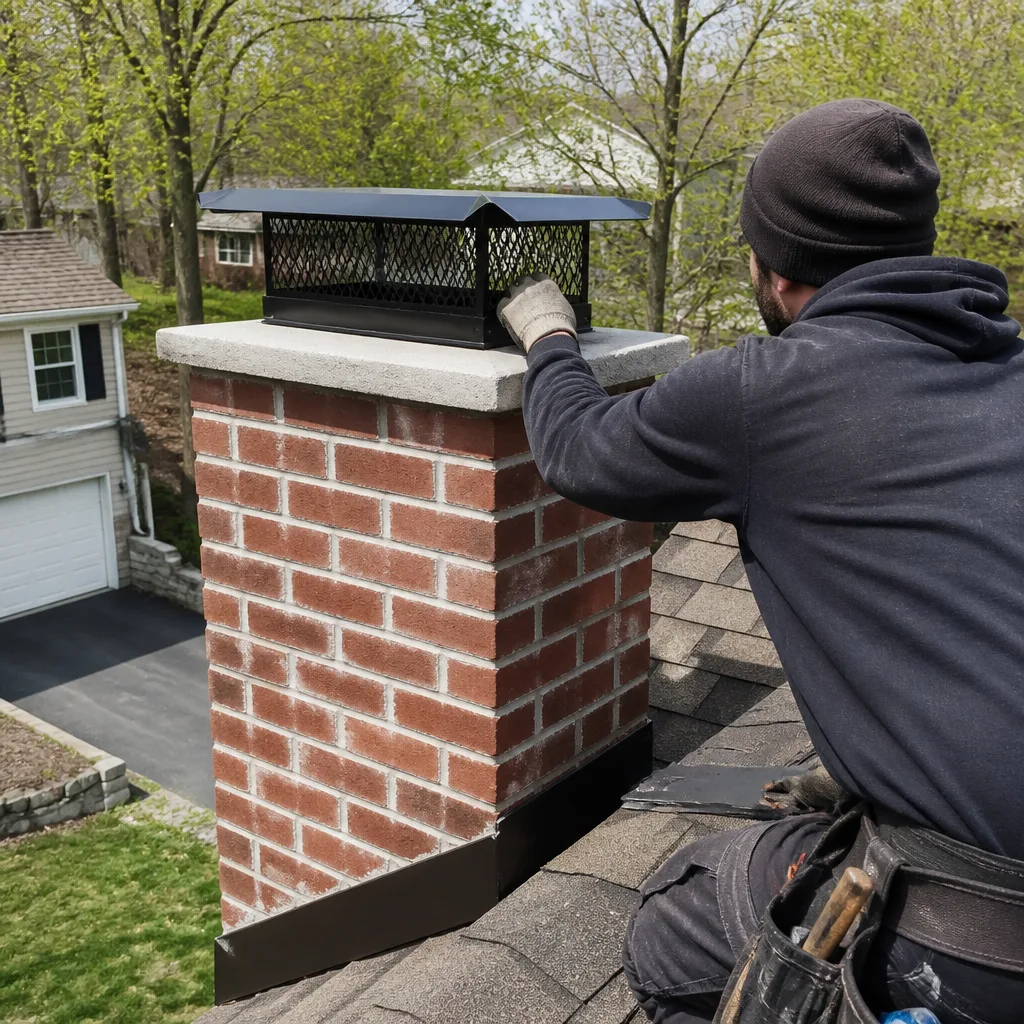 After
After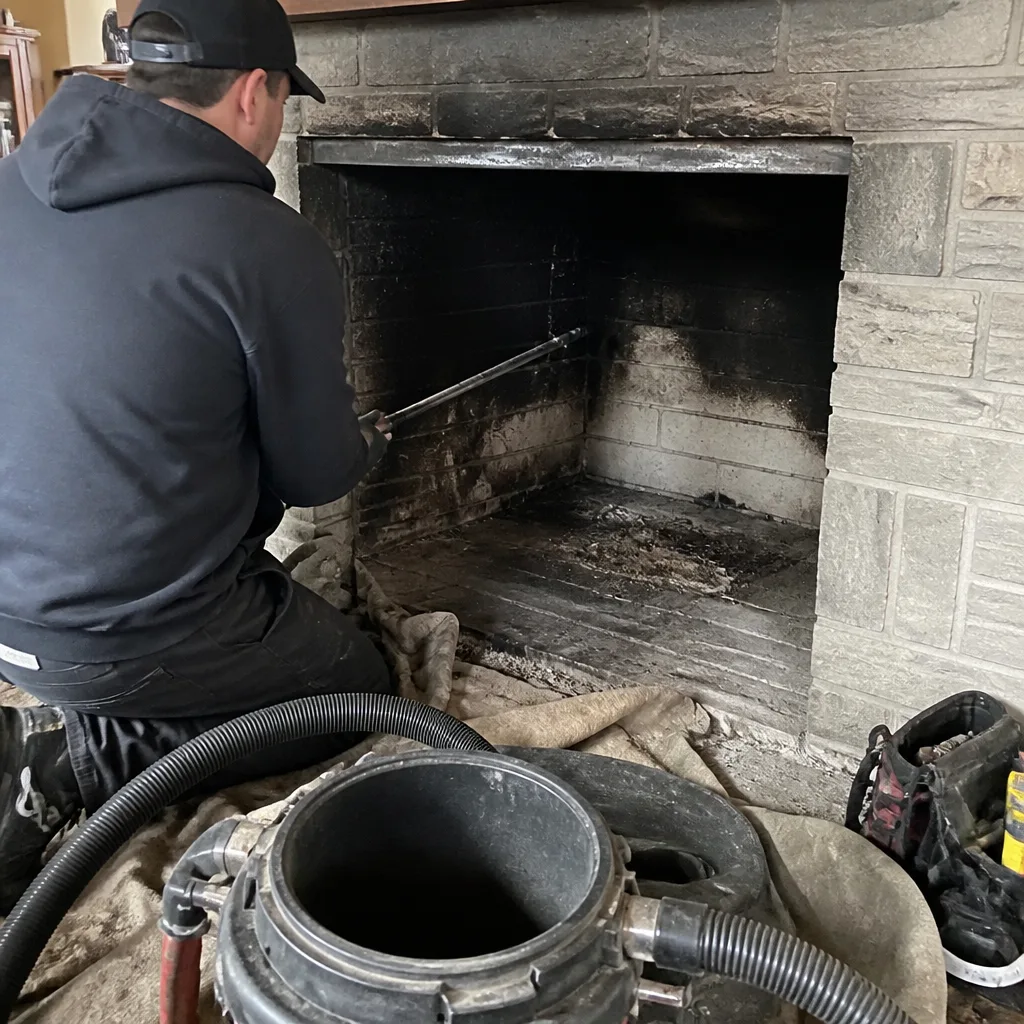 Before
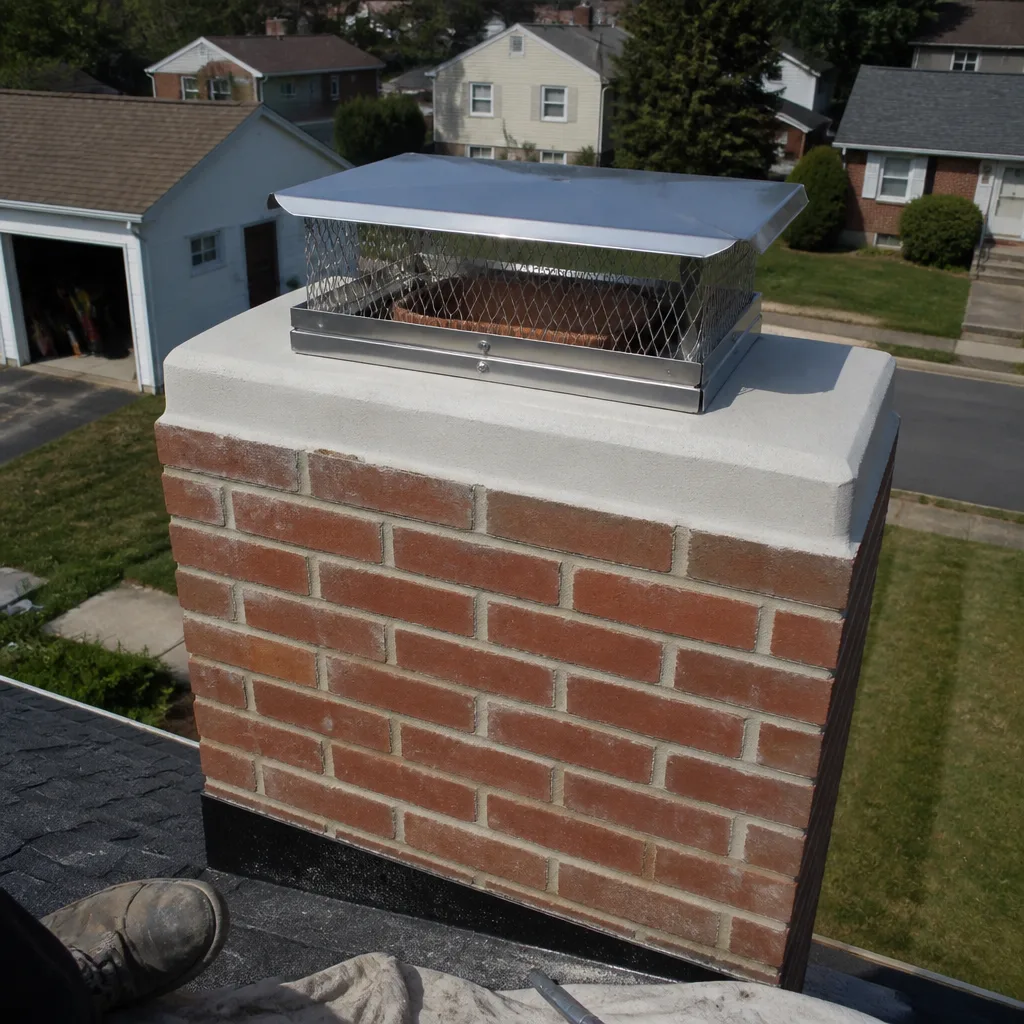 After
AfterSeasonal Chimney Cleaning Care for Reading: Year-Round Homeowner’s Guide
August is the worst month for chimney odor in Reading rowhomes, and it has nothing to do with how much you burned last winter. It has everything to do with what’s sitting in a warm, damp flue all summer and nobody’s talking about it. Most homeowners in Berks County think about their chimney once a year, right around the first cold snap in October. That’s the mistake. Your chimney does not hibernate from April to September. It absorbs humidity, hosts creosote that turns sticky and acidic in the heat, and lets outdoor air push through a damper that never quite sealed the way you assumed it did. This guide walks you through what actually happens to a Reading chimney across all four seasons, when to clean it, what to check, and what can safely wait, and points you to more guides & resources when you need them. If you’ve ever walked into a living room in late August and caught a whiff of campfire, this is for you.
Quick Answer
Seasonal chimney care in Reading PA means scheduling your annual sweep in late spring (April or May) instead of fall, keeping your damper and chimney cap sound through the humid summer, doing a specific pre-season check in September, and watching for mid-winter draft or smell changes. One cleaning a year is the rule, but the season you choose matters more than most people realize. A spring sweep costs the same as a fall one, gets you a better appointment, and prevents summer odor and creosote corrosion.
Table of Contents
- Why Late Spring Is the Right Time to Clean in Reading
- What Reading’s Humid Summer Does to Your Chimney
- Reading’s Pre-Season Fall Checklist
- Mid-Winter Signs Your Chimney Needs Attention
- Late Winter Cold Snaps: Draft and Smell Changes
- Masonry, Crowns, and Caps: Year-Round Structure Care
- Common Mistakes Reading Homeowners Make
- When to Call a Professional
- Frequently Asked Questions
Why Late Spring Is the Right Time to Clean in Reading
Most people call for a chimney sweep in September or October, right before the first fire. That’s understandable, but it’s backwards. By May, the burning season is done, the flue is full of whatever accumulated between November and March, and that deposit is about to sit in a closed, warming chimney for four months. In Reading’s climate, spring temperatures climb into the 60s and 70s while nights still drop. That temperature swing creates condensation inside the flue. Creosote, which is already acidic, gets damp and becomes more corrosive to the flue liner. The smell that Reading homeowners notice in August is exactly this: damp creosote warming up and off-gassing through an imperfect damper seal.
Cleaning in April or May removes the season’s creosote while it’s still first or second degree, the brushable kind. Leave it until September and it may have hardened or glazed, which changes the job from a straightforward chimney cleaning and sweep into a more involved chemical or mechanical removal. Wendell and his crew have been doing this since 1999, and the pattern is consistent: the easiest sweeps are the spring ones.
There’s also a practical advantage. Chimney sweeps are fully booked from mid-September through December. Call in April and you can pick a morning, get on the schedule without waiting, and avoid the crush. You also go into summer knowing the flue is clean, which matters when the humidity hits.
What Reading’s Humid Summer Does to Your Chimney
Reading sits in the Schuylkill River valley, and summers here run humid. July and August regularly push dew points into the upper 60s and low 70s. Your chimney is a tall, dark, uninsulated shaft that runs from your fireplace or stove up through your roof. When warm, moist outdoor air meets the cooler surfaces inside the flue, condensation forms. This is normal physics, but it has consequences.
The creosote problem
Creosote is hygroscopic, meaning it pulls moisture from the air. Even a moderate layer of first-degree creosote left in a flue all summer will absorb humidity and turn into a sticky, tar-like coating. That coating then bakes during the first fires of fall, hardening into third-degree glaze. First-degree creosote is a brush job. Third-degree is a glaze – catch it early. A spring sweep breaks this cycle completely. An unswept flue spends the summer turning an easy problem into a glazed one.
The damper and cap problem
Summer is when a failing chimney cap or a warped damper shows itself. If you notice a campfire or ash smell in your living room during July or August, that’s not last winter’s fire haunting you. That’s humid air moving down the flue, picking up creosote odor, and entering the house through a damper that doesn’t close tightly. In our experience, summer odor complaints in Reading almost always come down to one of three things: a missing or broken chimney cap, a warped damper, or a thick creosote layer from years of skipped sweeps. All three are fixable, but they get worse the longer they’re ignored. A proper cap keeps rain, birds, and most humidity-driven air movement out of the flue during the off-season. A good damper seal keeps house air from pulling outdoor moisture down the chimney.
Reading’s Pre-Season Fall Checklist
If you did your spring sweep, fall becomes a short verification list instead of a scramble. Here is the Reading-specific pre-season checklist that no marketing calendar mentions:
- Look at the cap from the ground. Can you see it? Is it sitting straight? A tilted or missing cap after a summer thunderstorm is more common in Reading than people think. Wind and falling branches take their toll.
- Open the damper and shine a flashlight up the flue. You’re not looking for perfection. You’re looking for obvious things: a bird’s nest, a squirrel, a lot of loose debris. If you see anything alive or recently living there, don’t start a fire. Call for a sweep.
- Check the firebox for water stains or mortar crumbs. After a humid summer, a little mortar dust at the bottom of the firebox is common. A lot of it, or actual chunks, points to a failing masonry joint higher up.
- Test the damper’s full range. Open it all the way, then close it. If it sticks, grinds, or won’t seal flush, address it before the first burn. A damper that won’t seal costs you heat all winter and invites summer odor back next August.
- Walk outside and check the chimney exterior. Look for cracked bricks, missing mortar, or a crown with visible cracking. Hairline cracks in the crown let water in, and in Reading’s freeze-thaw winter, those cracks widen fast.
- If you did not sweep in spring, check for odor now. Put your nose near the open damper before you light anything. A strong creosote smell in September means the flue was not cleaned last spring and the summer did its damage. Book the chimney repair or cleaning before you need it.
The first fire of the season should smell like burning wood, not burning campfire. If it smells like the chimney itself, you have a creosote problem waiting to become a chimney fire.
Mid-Winter Signs Your Chimney Needs Attention
Reading winters are not the harshest in Pennsylvania, but we get long stretches of below-freezing nights and occasional cold snaps that push the mercury into the single digits. Most people burn steadily from November through February. The chimney is in continuous use, and that’s when problems show themselves through performance and smell, not through a visual inspection.
Watch for these signs during the heating season:
- A sudden change in draft. If the fire burned clean and drew well for a month and then starts smoking into the room, something changed. It could be a partial blockage, a failing flue tile, or a cold air inversion on a very cold night. A change that persists across multiple fires is not normal.
- A smell that was not there before. A sharp, acrid smell during a fire can mean the creosote layer has built to the point where it’s starting to bake, which is one step from igniting. A smell when the fire is out can mean a deteriorating liner or a damaged flue.
- Flakes falling into the firebox. Small black flakes or grey crumbs appearing after a burn usually mean creosote is building and shedding, or the flue liner is deteriorating. Either way, it should not be there.
- Visible smoke outside the chimney. White smoke is normal. Dark, thick smoke, or smoke coming from joints in the chimney structure rather than the top, is not.
None of these are “wait until spring” situations. A chimney fire in a Reading rowhouse does not stay contained to the chimney. If you’re seeing these signs mid-winter, call Top Hat Chimney home at (484) 209-0837. Wendell answers the phone himself more often than not.
Late Winter Cold Snaps: Draft and Smell Changes
February and early March in Reading bring the coldest nights of the year, and that’s when two specific complaints show up: the fire won’t draw right, and the house smells smoky even when there’s no fire. These are different problems with different urgency levels.
Cold air inversion and weak draft
On extremely cold nights, a column of dense, cold air can sit in the flue. When you try to start a fire, the smoke has nowhere to go. You’ll get a puff of smoke into the room before the fire heats the flue enough to establish draft. This is often a physics problem, not a chimney defect. The fix is usually simple: open a window an inch, pre-warm the flue with a rolled newspaper torch held up near the open damper, and start small. If the problem only happens on the coldest nights and resolves once the fire is going, it’s not an emergency. Mention it at your next annual sweep.
A persistent smoke smell with no fire
This is different. If you smell smoke on a cold night when the fire has been out for days, that’s a call-today situation. It can mean a failing flue liner, a broken damper, or creosote that has built to the point where it’s off-gassing into the house. It can also mean a negative pressure problem in the house itself, but a professional should tell you which one it is. Don’t guess. Don’t light another fire. Call and describe what you’re smelling. A live person answers, around the clock, and it may well be Wendell on the line. If it’s late February and you’re in a cold snap and the smell is strong, treat it seriously. Chimneys do not get better on their own.
Masonry, Crowns, and Caps: Year-Round Structure Care
Your flue is the passage that carries smoke. Your masonry, crown, and cap are what keep that passage intact and dry. In Reading, the freeze-thaw cycle is the enemy. Water finds its way into tiny cracks in the crown or the mortar joints, freezes, expands, and widens the crack. Over multiple winters, a hairline crack becomes a water channel. By spring, the damage is done, and it shows up as water stains on the ceiling near the chimney, crumbling mortar in the firebox, or a chimney that leans slightly.
The crown is the concrete slab at the top of the chimney. It should shed water away from the flue. When it cracks or was poured wrong in the first place – a common issue in older Reading homes where the crown is flat rather than sloped – water pools and soaks in. A cracked crown is a spring repair, not a winter one. Address it before the next freeze.
The cap is the metal umbrella that covers the flue opening. It keeps out rain, snow, birds, squirrels, and raccoons. A missing cap in Reading is an open invitation. We have pulled nests out of flues that were built in a single summer. A cap costs a fraction of what a nest removal followed by a liner repair costs.
For liner work, we install and service products from DuraFlex, HeatShield, and Olympia Chimney. The right liner for a Reading home depends on the fuel, the flue size, and the existing structure. We’ll show you the camera footage and give you a plain-English verdict, every time, no exceptions. When the camera shows a liner that’s fine, we tell you that. When it shows one that isn’t, you’ll see it with your own eyes before we ever talk numbers.
Common Mistakes Reading Homeowners Make
- Waiting until September to schedule a sweep. You join the longest line of the year, and your creosote has already spent four months degrading in summer humidity. A spring sweep is faster to book and easier to complete.
- Ignoring summer odor. That August campfire smell is not nostalgia. It’s damp creosote off-gassing through a damper that isn’t sealing. Left alone, it hardens into glaze by the first fire.
- Skipping the cap because “it’s just a little rain.” Reading gets an average of 45 inches of precipitation a year. That’s 45 inches your flue and firebox are absorbing if the cap is missing. Add a freeze-thaw winter and you’re funding a masonry repair.
- Not opening the damper in spring. A lot of homeowners close the damper after the last fire and forget it. A closed flue with no airflow is a humidor for creosote odor. Cracking the damper slightly and using a proper top-sealing cap is a better summer setup.
- Burning unseasoned wood and blaming the chimney. Green or wet wood produces more creosote per fire than dry wood. If you’re getting more buildup than you should, maybe the wood is the problem, not the flue. Seasoned hardwood, split and stacked for at least a year, is the standard.
- Ignoring a change in draft because “it still works.” A chimney is a system. When the draft changes, something in the system changed. A partial blockage is a chimney fire waiting. A draft change is a reason to look, not a reason to shrug.
- Assuming a chimney inspection comes with every sweep and every company does it the same way. Some outfits in Reading run a brush up the flue and call it done. We put a camera up there and show you what’s going on. The camera footage is the whole point. Your flue doesn’t care how the fire looks. It cares how it breathes.
When to Call a Professional
Call a professional when you see or smell something you can’t explain: a persistent smoke smell with no fire, flakes falling into the firebox, a draft that changed suddenly and stayed changed, or water staining near the chimney after rain. Call when the camera should be the one looking, not your flashlight. Call when it has been more than a year since the last sweep, no matter how little you burned. Once a year, burn or no burn. Chimneys break in the off-season too. If you’re in Reading or the surrounding county, Top Hat Chimney offers free estimates and no trip charge inside the county. Wendell puts his name on the work and runs into you again on Saturday. Call (484) 209-0837 and you’ll talk to a person, not a recording.
Frequently Asked Questions
Once a year, regardless of how much you burn. The National Fire Protection Association recommends an annual inspection and cleaning as needed, and Reading’s humid summer climate makes the annual sweep more important than in drier regions. Schedule it in late spring to avoid the fall rush and to remove creosote before summer humidity turns it sticky and acidic. Call (484) 209-0837 for a free estimate, and ask Wendell about the spring schedule.
A standard chimney cleaning in Reading typically runs between $150 and $300 depending on the flue size, the creosote level, and whether an inspection is included; our Chimney Cleaning Cost Breakdown: The Reading Homeowner’s Reference for 2026 explains every line item. The price you hear on the phone is the price on the invoice, before a single tool comes off the truck. Top Hat Chimney does not quote one price and then find reasons to add more at the door. Call (484) 209-0837 and you’ll get an honest number right away.
Only if a camera inspection shows the current liner is cracked, deteriorated, or improperly sized for your appliance. You should never take a liner recommendation on faith. Ask to see the footage. A liner that shows no damage does not need replacing, and a good sweep will tell you that plainly. When a liner does need work, we install and service products from DuraFlex, HeatShield, and Olympia Chimney, and we show you the evidence before we quote a price.
Creosote builds up over every fire, even with dry wood. With enough buildup, the creosote can ignite and cause a chimney fire that reaches temperatures over 2,000 degrees Fahrenheit, hot enough to crack flue tiles and spread to the house structure. Even short of a fire, heavy creosote restricts draft, makes the fire harder to start, and off-gasses odor into the living space during humid months. A chimney fire in a Reading rowhouse is not a fire contained to the flue. Skipping the sweep is a gamble with your house.
You can buy a brush kit, and some Reading homeowners do. But you cannot see the flue while you brush it, and you cannot tell whether you removed the creosote or just knocked it loose. You also cannot inspect the liner, the damper, or the mortar joints from inside the firebox. A professional sweep includes a camera inspection, and that’s the part that catches the problems you cannot see. At minimum, have a professional inspection once a year, even if you choose to do the mechanical brushing yourself. We don’t recommend it, but an inspection plus a professional sweep is safer than a DIY job and no inspection at all.
Spring or early summer. A cap installed before the summer rains and the fall nesting season prevents the two biggest off-season problems: water intrusion and animal occupation. If your cap is missing or broken and you’re reading this in September, don’t wait. A cap installed in the fall is better than a winter with an open flue. Top Hat Chimney stocks caps from Gelco and Olympia Chimney and can install one same-week during most of the year, provided your project meets Chimney Cleaning Permits, Codes & Inspections in PA: What You Need to Know. Call (484) 209-0837 to check availability.
The Bottom Line
Your chimney works all year, even when you’re not burning. Spring cleaning removes the previous season’s creosote before Reading’s humid summer turns it corrosive and smelly. Summer is for keeping the cap and damper sound so the flue stays dry. Fall is a verification checklist, not a repair season. Winter is for paying attention to draft, smell, and performance. One annual sweep, done in spring, prevents most of the odor, most of the glaze, and most of the masonry damage that Reading homeowners call about in October. And when something does not look right, call someone who will show you the camera footage and tell you the truth. Ask anyone on your street.
Fireplace services in Reading cover the full system: the firebox, the damper, the flue, the crown, the cap. Take care of all of it, and the chimney does its job quietly for another year. Ignore one part, and that’s the part that fails first.
Written by Wendell Pike, Owner at Top Hat Chimney, serving Reading since 1999.