
Last updated September 10, 2026
Level 1 sweep and inspection to the NFPA 211 annual standard - flue, crown, cap, and flashing checked and photographed
Chimney sweep logs do not sweep chimneys. They loosen some creosote - which then falls where a brush and vacuum still have to collect it.
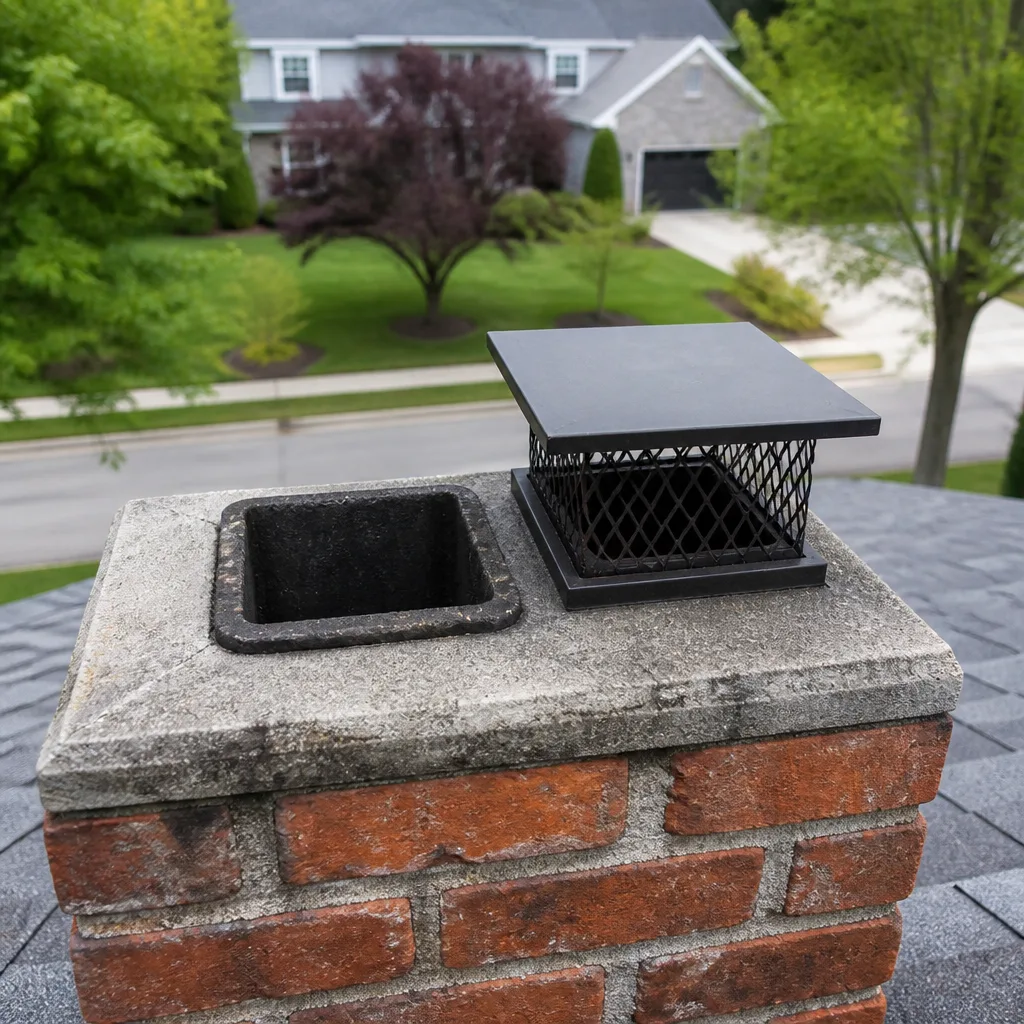
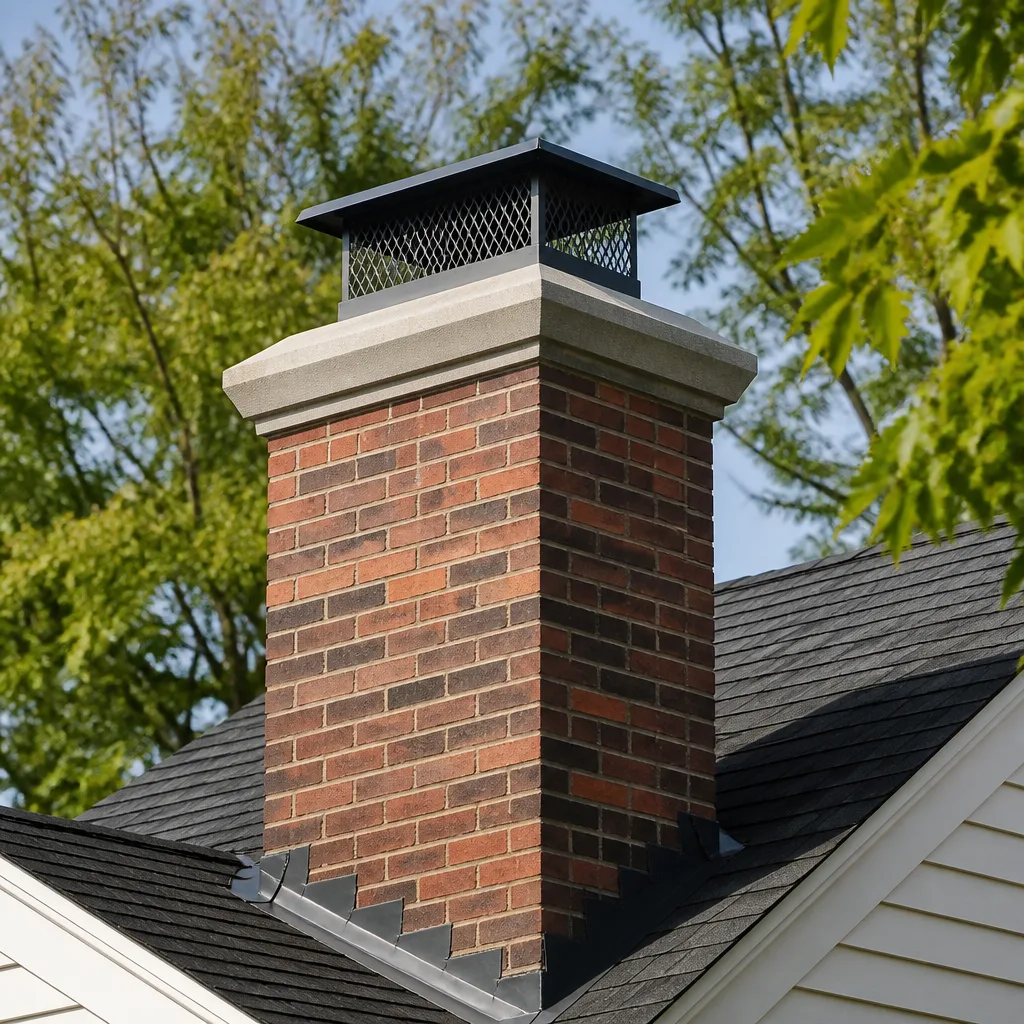
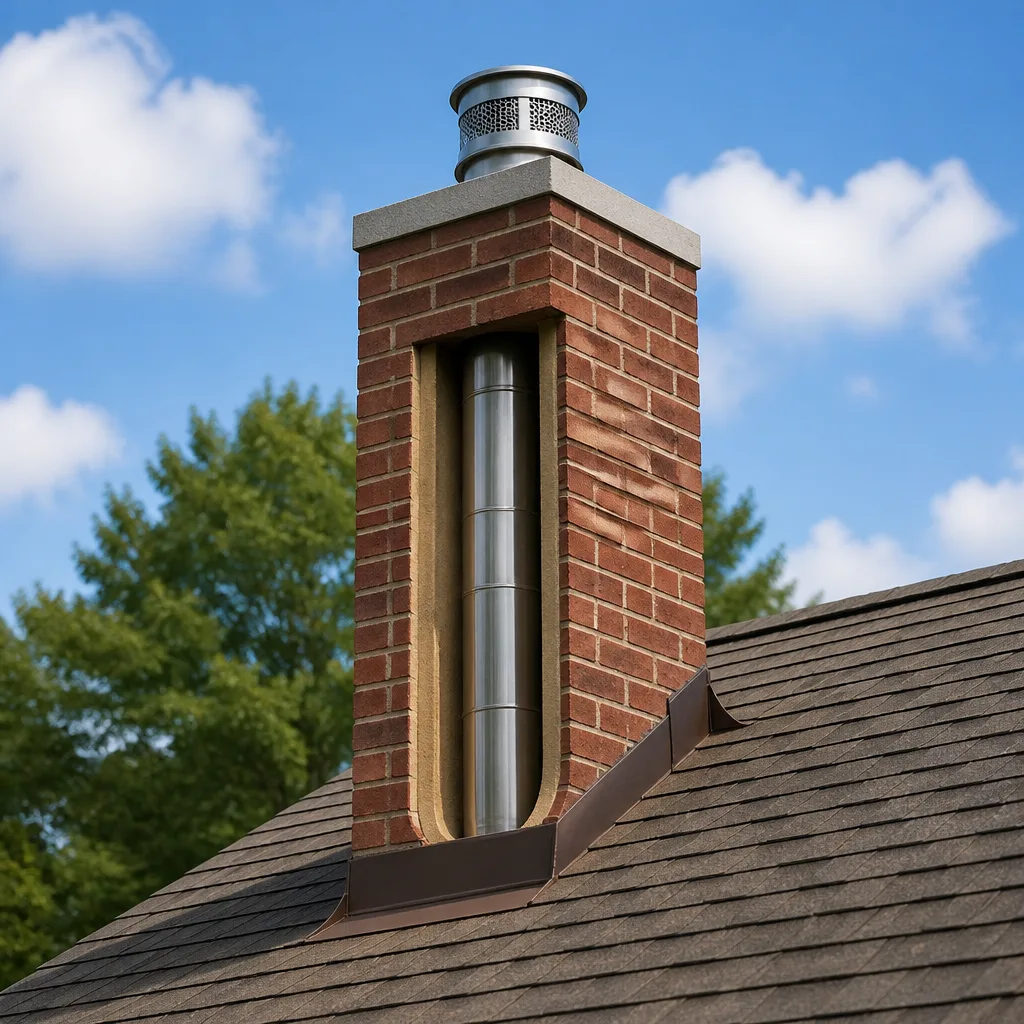
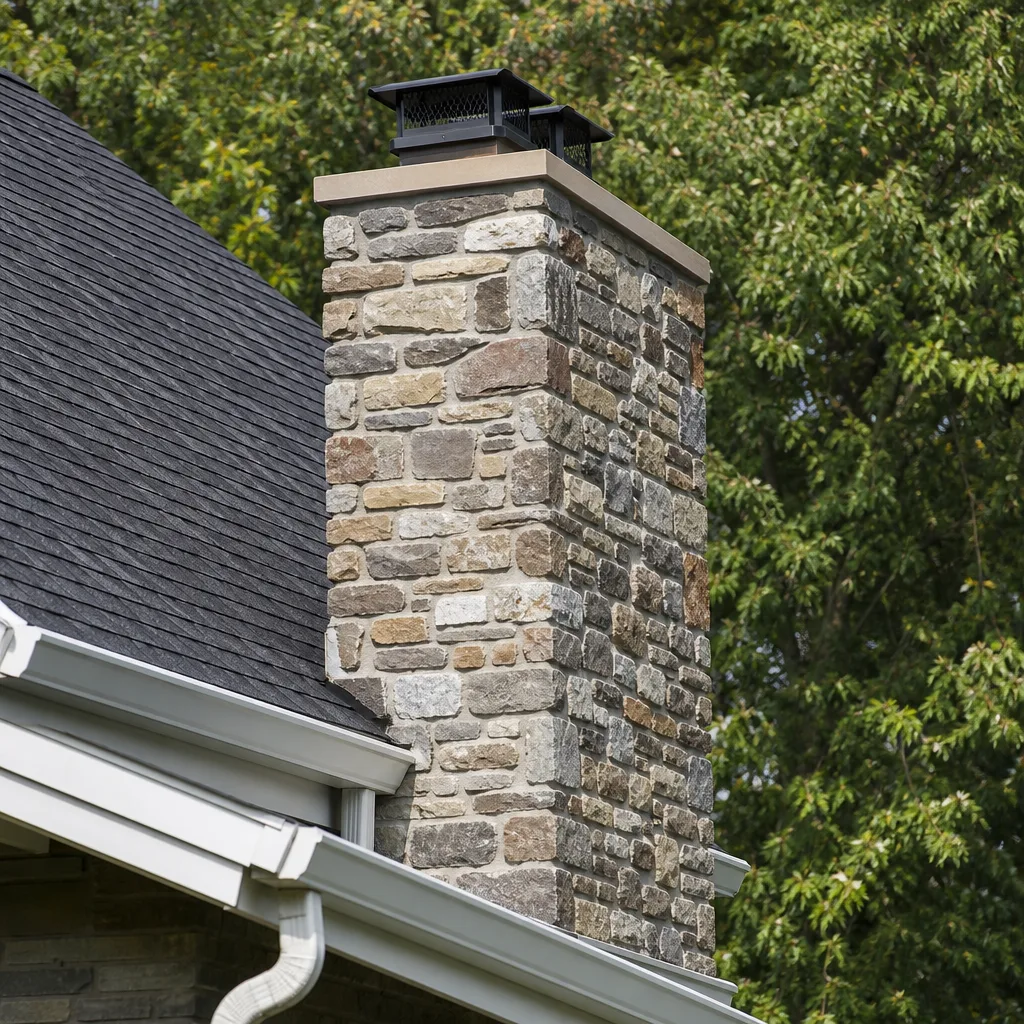
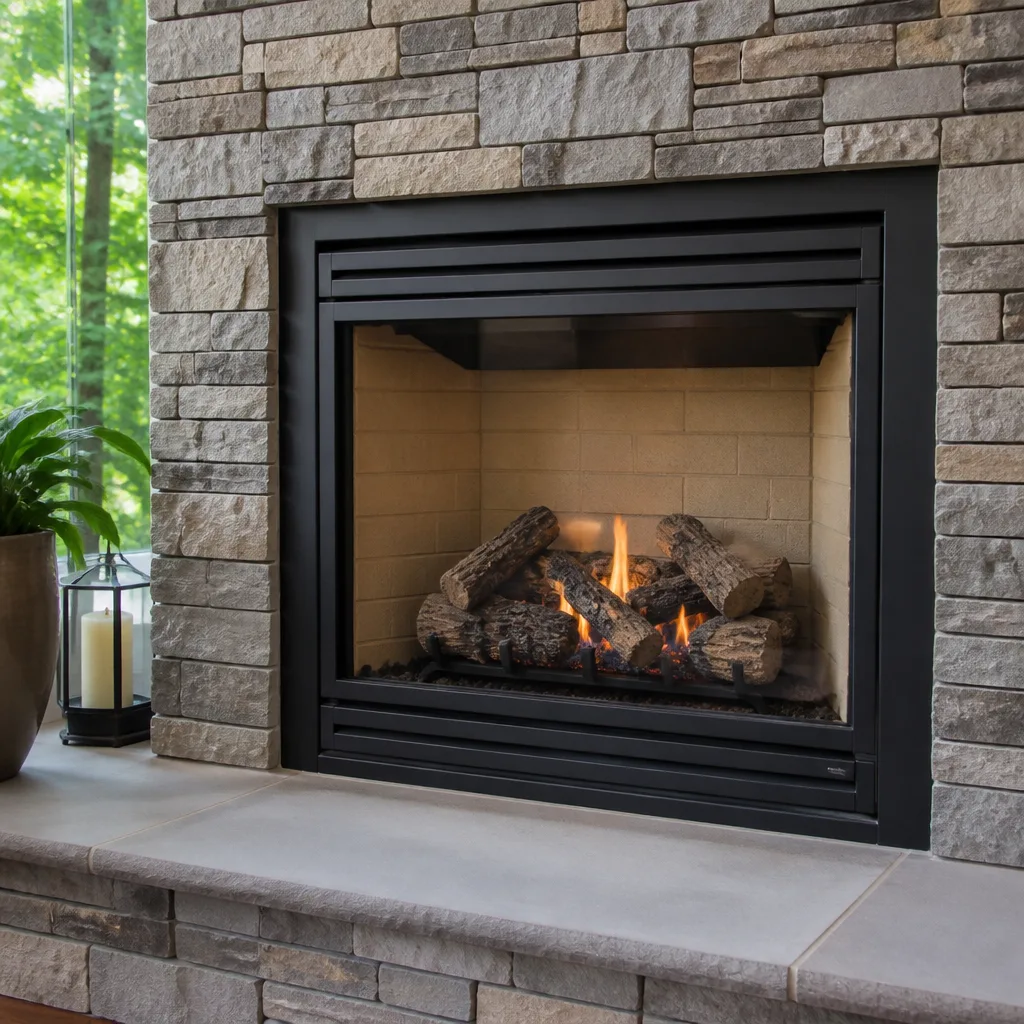
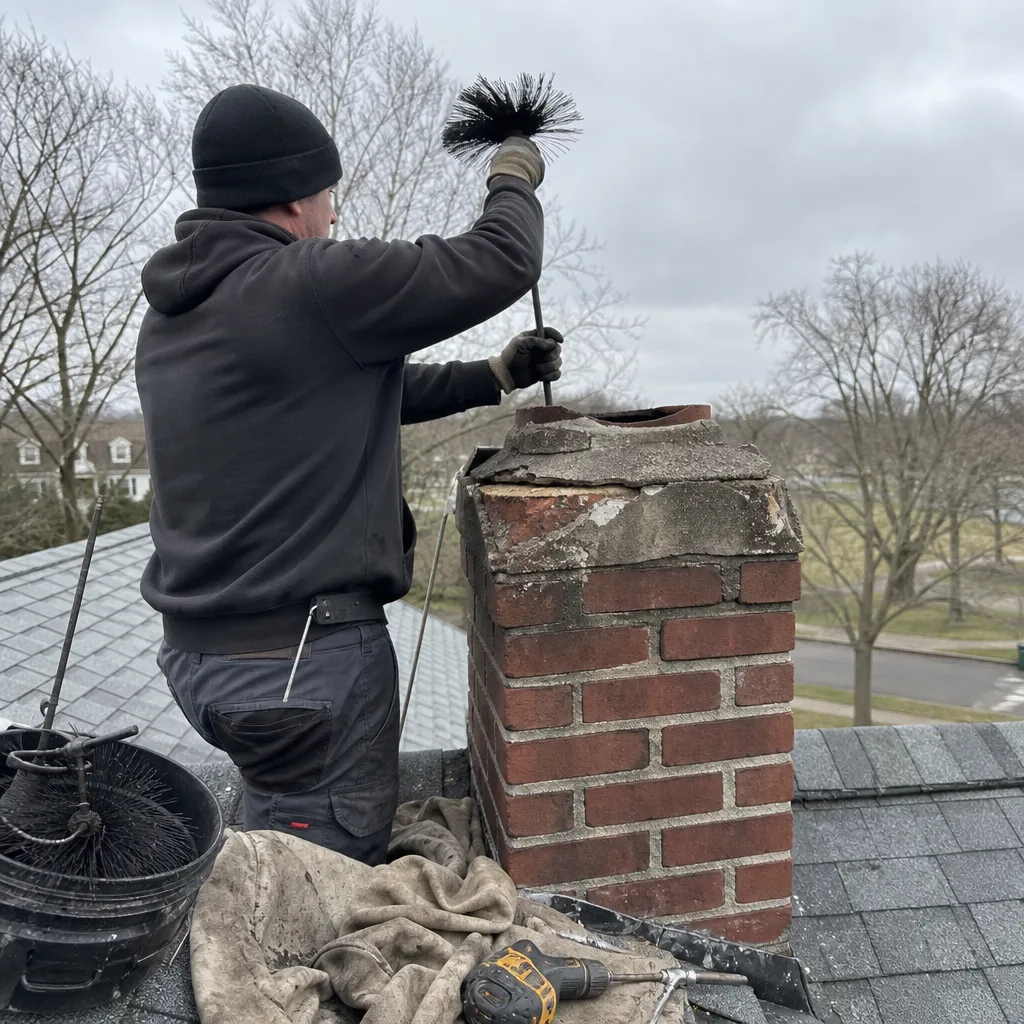 Before
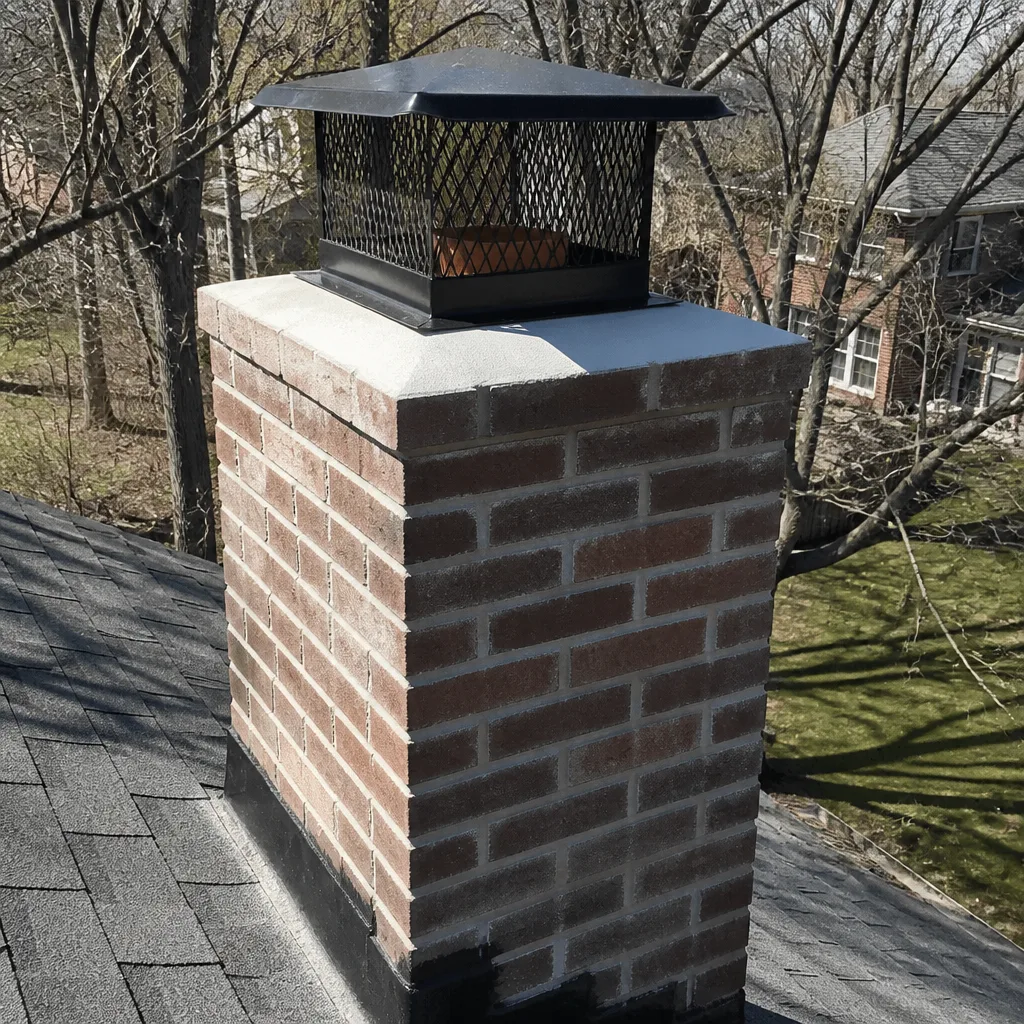 After
After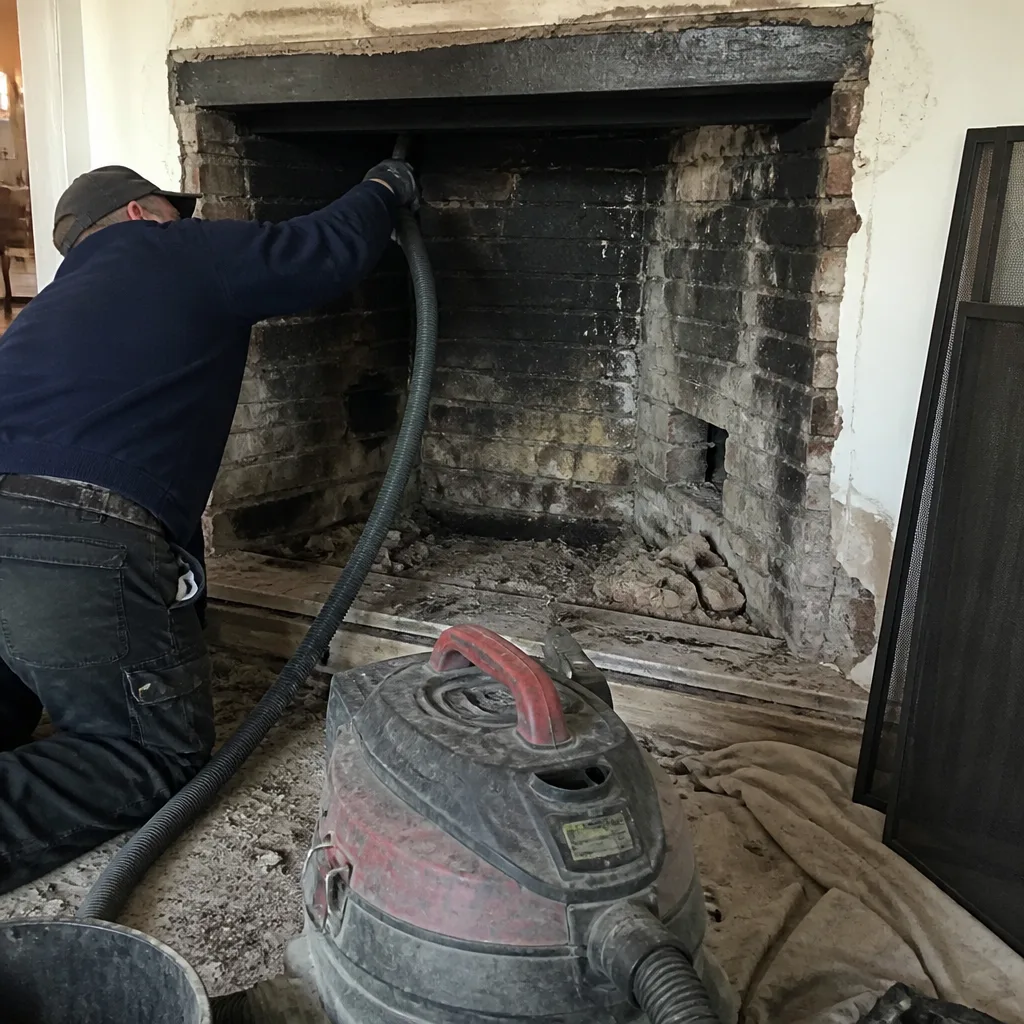 Before
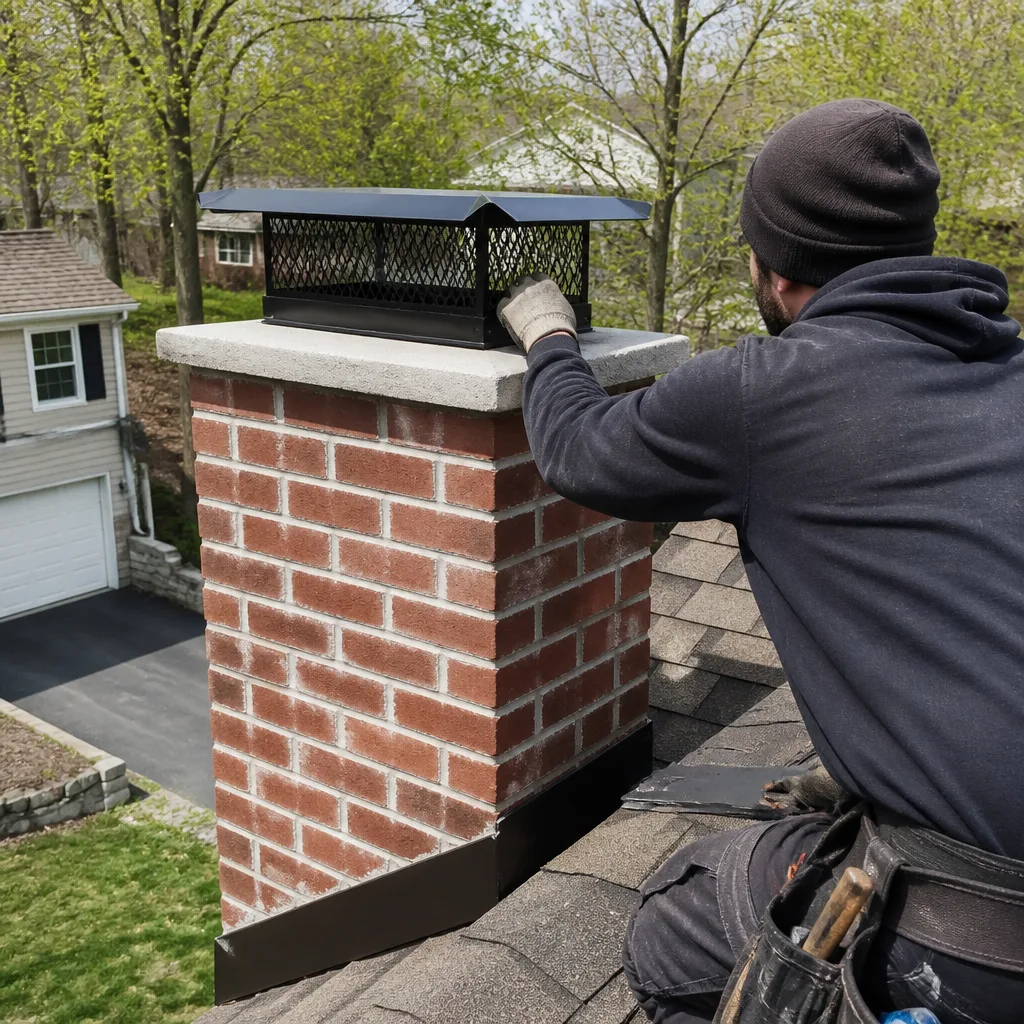 After
After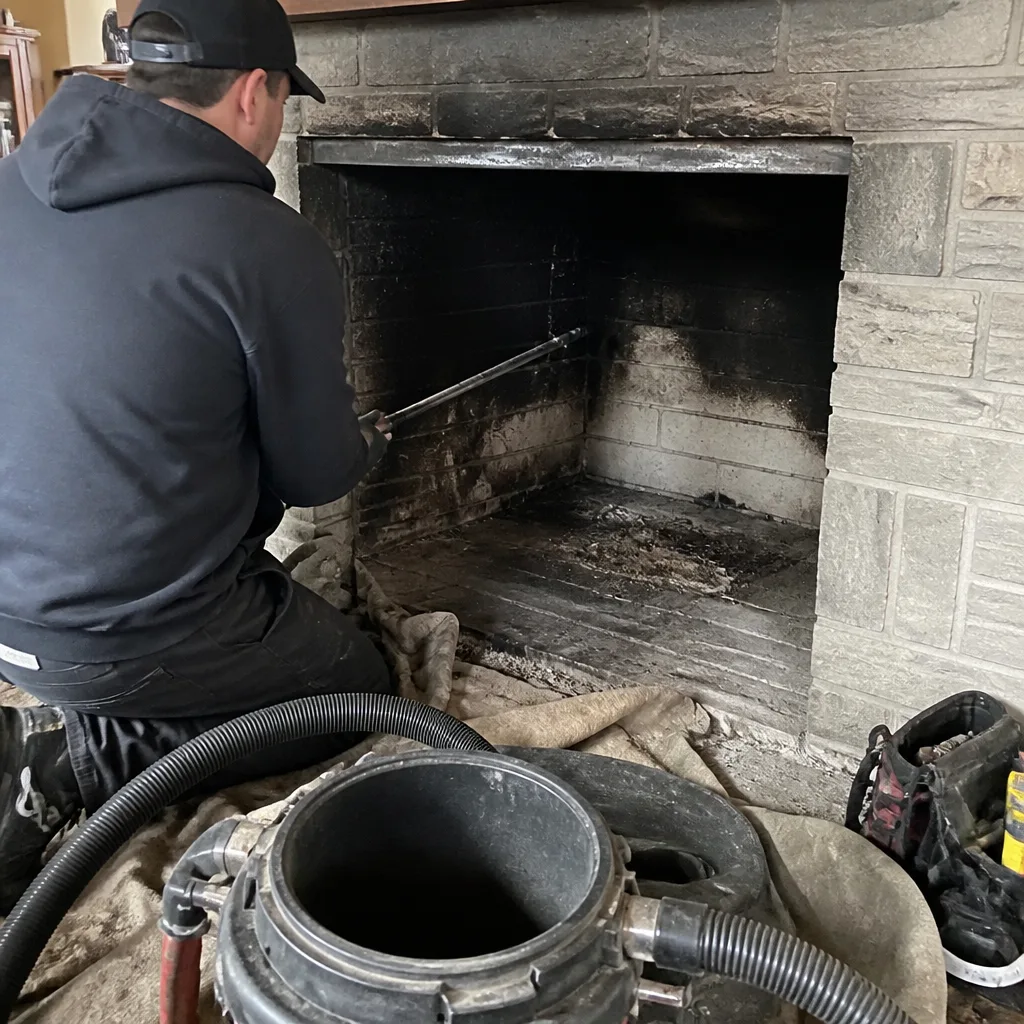 Before
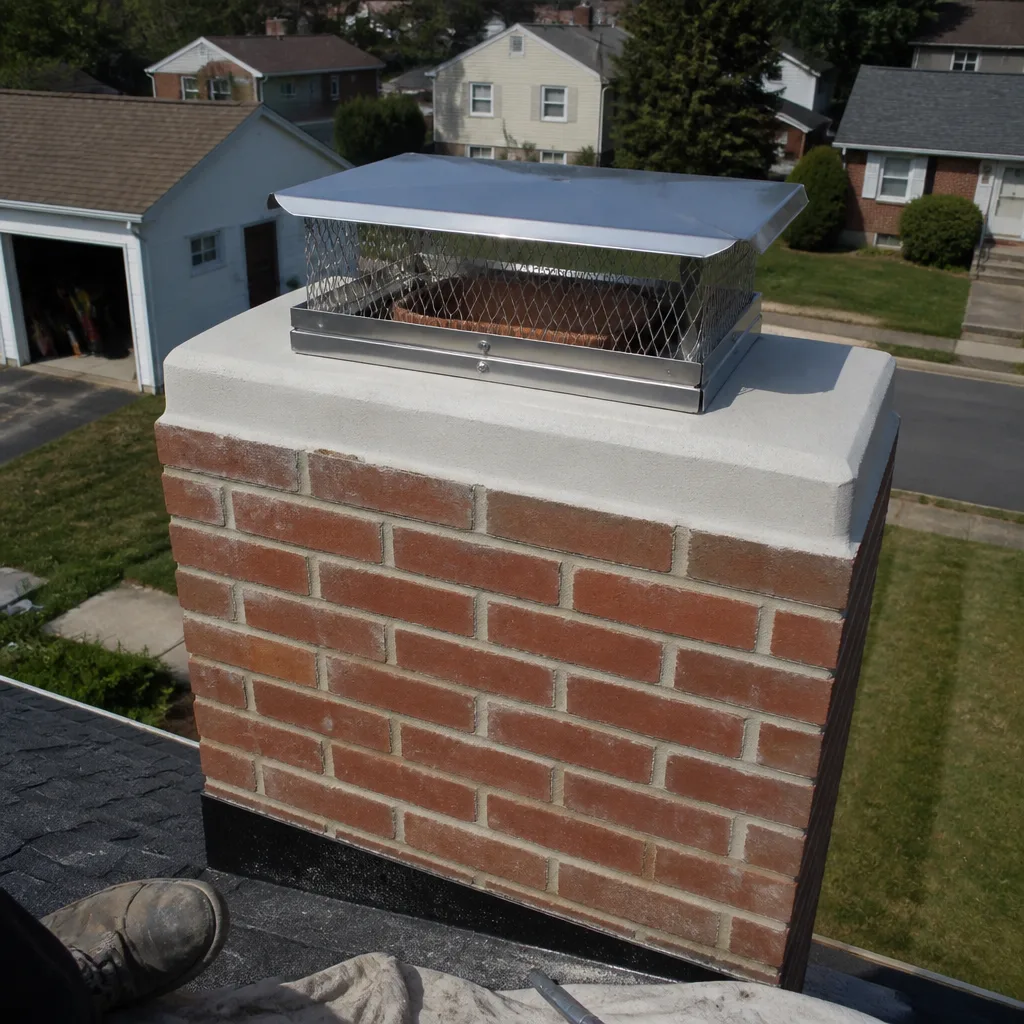 After
AfterDIY vs Professional Chimney Cleaning: The Reading Homeowner’s Decision Guide
A chimney brush costs about $40. A chimney fire can cost you the house. That’s not scare tactics, it’s the actual math we’ve watched play out across Berks County for over 25 years. Most homeowners can physically push a brush up a flue. What almost none can do is read what comes down with it, or know whether what they’re looking at is normal soot or the early stages of a liner failure. This guide is for the Reading homeowner standing in the fireplace aisle at the hardware store, brush in hand, wondering what they’re actually signing up for. For How to Hire a Chimney Cleaning Contractor in Reading: A Step-by-Step Guide, see our companion resource. We’ll walk through what DIY can honestly accomplish, where it goes wrong, what it costs either way, and the inspection piece that matters more than the cleaning itself.
Quick Answer
DIY chimney cleaning works for a lightly used fireplace with a straight flue, a homeowner who doesn’t mind soot in the house, and a chimney that’s been professionally inspected within the last year or two. If you haven’t had eyes on the liner, the smoke chamber, or the cap in years, the cleaning is the least of what you need. In Reading, expect $180-$275 for a professional sweep with a camera inspection-see our Chimney Cleaning Cost Breakdown: The Reading Homeowner’s Reference for 2026 for full pricing details-versus $60-$120 in DIY tools and materials plus a weekend of your time and a mess you’ll be cleaning up for a month.
Table of Contents
- When DIY Chimney Cleaning Makes Sense
- What a Brush and Bucket Cannot Tell You
- The Real Costs of DIY Chimney Cleaning in Reading
- The Rogue’s Gallery of Creosote: Why What You’re Burning Matters
- Insurance, Liability, and the Paper Trail Nobody Tells You About
- Reading Rowhome Reality: The Mess, the Access, the Neighbors
- DIY Maintenance That Actually Makes Sense Between Sweeps
- What a Professional Sweep in Reading Actually Includes
- Common Mistakes to Avoid
- When to Call a Professional
- Frequently Asked Questions
- The Bottom Line
When DIY Chimney Cleaning Makes Sense
Let’s be straight about this: we have never once tried to talk a homeowner out of understanding their own chimney. Wendell will tell you in a heartbeat when a DIY sweep is a perfectly reasonable job. The conditions matter more than the ambition.
You’re a reasonable candidate for DIY chimney cleaning if all of the following are true:
- You burn dry, seasoned hardwood, not pine, not lumber scraps, and not the Sunday paper. Hardwood burned hot produces the flaky, first-degree creosote that a brush actually removes. If you burn softwood or green wood in a Reading winter, you’re baking on a tar that a homeowner-grade brush won’t move.
- Your chimney is straight or nearly straight. If your flue runs straight up through the center of the house, a brush on rods will follow it. If it has offsets through an exterior wall or around a second-floor bump-out, the brush will jam, the rods will flex, and you’ll spend an afternoon inventing new profanity.
- You’ve had a professional camera inspection within the last two years. This is the one that matters. If a sweep has put a camera up your flue and told you the liner is sound, the crown is sealed, and the cap is doing its job, then your cleaning is genuinely just a cleaning. You can handle that.
- You burned fewer than a cord of wood last season. Occasional fireplace use in a Reading rowhome that mostly heats with a boiler creates a light, brushable soot. If you burned two cords or more, you’re into glaze territory, and a brush is a waste of a Saturday.
- You don’t mind getting dirty to a degree that surprises people. More on this in the rowhome section, but the honest truth is that most homeowners quit DIY chimney cleaning after the first attempt. The ones who stick with it tend to have floors they don’t care about and a shop vac they treat like a family member.
If you check all five boxes, go buy the brush. We’re not here to gatekeep a wire brush. But if you’re missing even one, especially the inspection piece, the cleaning is going to be either pointless or actively misleading, because you’ll be polishing a flue that has a problem no brush will ever find.
What a Brush and Bucket Cannot Tell You
The cleaning is the easy part. We’ve said it a hundred times: first-degree creosote is a brush job; third-degree is a glaze. Catch it early. The problem is that the worst problems in a chimney are almost never visible from the fireplace opening. Here’s what a homeowner with a brush, a flashlight, and good intentions simply cannot assess.
Liner Condition
A cracked clay tile liner doesn’t announce itself. You can’t see it from the bottom, and you can’t feel it with a brush. When a liner cracks, the chimney still draws, the fire still burns, and the only clue is often a subtle change in how the fireplace behaves in a crosswind. A camera inspection is the only way to see the fracture. If you sweep your own chimney and the liner is cracked, you’ve just cleaned a flue that’s a house fire waiting for the right night. You’ve also lost the opportunity to catch the crack before it becomes a rebuild instead of a repair.
The Smoke Chamber
The smoke chamber sits above the damper and below the flue. It’s the section where smoke compresses and accelerates, and it’s a shape that collects creosote in corners no brush will ever touch. In Reading homes built between 1900 and 1960, we see smoke chambers with corbeled brick and missing mortar. Creosote builds in the gaps. A brush through the flue never touches this. If you’ve ever seen a chimney fire that started high, the smoke chamber is usually where the fuel load lived.
The Crown and Cap
The crown is the concrete slab at the top of the chimney. The cap is the metal hat over the flue opening. Both live where you can’t safely stand without a ladder, a harness, and a reason to be up there. A homeowner with binoculars from the ground can sometimes spot a missing cap, but never hairline crown cracks. Hairline cracks let water in. Water plus winter freeze-thaw cycles in Berks County equals spalling brick, rusted liner, and expensive spring surprises. Once a year, burn or no burn, chimneys break in the off-season too.
None of these three inspections is feasible from inside a fireplace. That’s not a criticism of homeowner intelligence. It’s a statement of geometry.
The Real Costs of DIY Chimney Cleaning in Reading
The honest accounting here is not flattering to the DIY side once you add the things YouTube tutorials skip.
What DIY actually costs:
- Chimney brush sized to your flue: $35-$60. If you buy the wrong size, you’ll know within ten strokes, when the brush either wedges or skates.
- Fiberglass extension rods: $25-$50, and here’s the thing nobody says out loud: if a rod separates inside the flue, you now have a bigger problem than creosote.
- Drop cloth or plastic sheeting: $15-$30. If you think a few sheets of newspaper will do, we have bad news about how soot behaves.
- A shop vac with a HEPA filter: $80-$150 if you don’t already own one. A regular filter sprays the fine particulate back into the room. Ask anyone who tried it once.
- Dust mask, eye protection, gloves, long sleeves: $25-$40.
- Ladder for roof access if you’re doing it top-down: most people just rent or already own one, but factor it in.
That’s $180-$330 in tools and materials, and most of it becomes a permanent resident of your basement. The first DIY sweep costs roughly what a professional one does. The second one costs less, but only if you never needed the contractor version of the checkup.
What a professional sweep in Reading costs: $180-$275 for a standard cleaning with a visual and camera inspection, depending on flue size and accessibility. That price includes the mess staying out of your house, the creosote being disposed of properly, and a written record that matters to your insurance company. Add the camera footage and a plain-English verdict, every time, no exceptions.
The Rogue’s Gallery of Creosote: Why What You’re Burning Matters
Creosote comes in three forms, and only one of them is a DIY problem. Understanding the difference tells you whether your brush will do anything at all.
First-degree creosote: Flaky, dry, sooty. It forms when you burn hot fires with dry hardwood and good air supply. A brush removes it easily. This is the stuff the hardware store is selling you a brush for. If this is what’s in your chimney, and the structure is sound, DIY cleaning is a legitimate chore, like cleaning gutters.
Second-degree creosote: Crunchy, tar-like, and heavier. It forms from restricted air, cooler flue temperatures, and occasional green wood. It doesn’t brush off. It needs rotary cleaning tools and scrape work, which is beyond homeowner-grade equipment. Reading houses with old dampers that don’t fully open produce a lot of second-degree creosote, especially in milder winters when fires get choked down at night to stretch the wood.
Third-degree creosote: Glaze. Hard, shiny, concentrated fuel. It looks like glass and catches fire like paraffin. It forms when chimney temperatures are low and unburned wood particles condense. A brush does nothing to glaze. It requires chemical treatment or mechanical removal by a professional, and in some cases the liner needs replacement. We see third-degree glaze regularly in exterior chimneys in Reading, because the masonry stays cold in the winter and the flue never gets hot enough to burn off the early deposits.
Your flue doesn’t care how the fire looks; it cares how it breathes. A pretty fire with low airflow is a creosote factory.
Insurance, Liability, and the Paper Trail Nobody Tells You About
Here’s the part most DIY videos never mention, and it’s the part that actually matters when something goes wrong. If your chimney catches fire and the house burns, your insurance company will ask one question early: when was the last time a qualified professional cleaned and inspected the chimney?
If the answer is “I did it myself in October,” you need to understand what happens next. Under Pennsylvania law, you as the homeowner are responsible for maintaining your property. Your fire insurance policy almost certainly includes language requiring reasonable maintenance. A chimney fire that starts in a flue with no professional maintenance record is a claim that gets investigated hard. The insurance company is not required to take your word that you cleaned it properly, and they usually won’t.
A professional sweep produces a dated, written record: what was found, what was cleaned, what was recommended. That record is your best friend in a claim. More importantly, it’s evidence that you acted reasonably. If a certified sweep cleaned and inspected your chimney in September and a fire happens in February, the insurance investigation looks very different than if no one can say when your flue last saw a professional eye.
This isn’t about proving you’re a good person. It’s about the specific paperwork a claims adjuster is trained to look for. Homeowners in Reading have lost claims over this. It’s not rare, and it’s not recoverable.
There’s also the liability angle if you ever sell. A home inspection with no record of chimney maintenance flags the whole system, and buyers in this market use it to knock real money off the price. The receipt from a professional sweep is a small document that settles arguments.
Reading Rowhome Reality: The Mess, the Access, the Neighbors
Reading has more rowhomes per capita than almost anywhere else in Pennsylvania, which means two things for chimney work: shared party walls and indoor lives lived close to the neighbors. Both matter for the DIY question.
In a center-hall rowhome, the chimney may not be directly accessible from the rear. If yours runs up an interior party wall, you have no exterior access to the flue at all. That means a bottom-up sweep with a rod set and a brush through the fireplace opening. It also means every bit of dislodged soot is falling into your living room, which is why the drop cloth and HEPA vacuum are not optional. Soot is fine particulate, and it travels. It goes under doors, into the kitchen, onto the sofa, and into your lungs. It takes weeks to fully clean out of a rowhome because the rooms are small and the air exchange is poor.
If you live in one of the Queen Anne or Center Park rowhomes with a rear yard access, you may have roof access from the back. A top-down sweep is cleaner but requires hauling rods and a ladder over the neighbor’s sightline, and nobody in a Reading rowhome loves a neighbor using a ladder against a shared wall. Ask anyone on your street.
Attic access is the other complication. Older Reading rowhomes have low attic clearances and steep roof pitches. If your flue has a bend or offset you can’t see from the fireplace, the brush will bind. There is no way to know where without being inside the attic, which is often boarded over or too tight to navigate. When a brush binds in an offset, the traditional fix is to call someone with experience and tools. That’s when residents call us, usually with a rod stuck in the flue and soot up to the elbows.
None of these are reasons to feel silly trying. They’re reasons to scope the job before you start.
DIY Maintenance That Actually Makes Sense Between Sweeps
Here’s the part where we stop sounding like we’re trying to talk you out of the job and start sounding like the neighbor at the hardware store who wants you to win. There’s real DIY chimney maintenance that does not require ladders, brushes, or courage, and it genuinely extends the life of your system.
- Do a damper check every month during burning season. Open and close the damper fully. Note any resistance, corrosion, or a gap that won’t close. A damper that doesn’t seal lets heated air pour up the flue all winter, and it also lets rain damp air down. You’ll feel the draft on your face. If it won’t close, the damper needs attention, not the flue.
- Walk outside and look at the cap from the ground every March. You’re looking for three things: is the cap still there, is it rusted or tilted, and is there any obvious obstruction like a bird’s nest. A missing cap in Reading means rain landing directly inside your flue, and that means liner rust. The cap is also the only thing keeping raccoons out of your smoke chamber. If you see rust or tilt, make the call.
- Monitor for odors, especially in humid weather. Chimneys that smell like a campfire in July have creosote building up, period. That odor means the deposits are absorbing moisture and off-gassing into the house. It’s also a sign that the flue isn’t venting properly. If the smell appears when no fire has burned in weeks, you need a sweep, not an air freshener.
- Keep a burn log. A simple notebook page: date, what you burned, how long the fire burned, any smoke rollout. This is the single most useful thing a homeowner can hand a sweep. It turns a visual inspection into a history.
- Check the firebox for cracked brick and mortar in the fireplace itself. This is inside your home, right in front of your face. Look for crumbling mortar joints, missing bricks, or a firebox floor that’s eroded. You can see it with a flashlight. If the firebox is failing, the hearth is not protecting the house, and that’s a repair call.
These five habits should happen whether you DIY your own cleaning or hire someone. They’re the difference between catching a $500 problem and scheduling a $5,000 rebuild.
What a Professional Sweep in Reading Actually Includes
When you call us for a sweep, here’s what you’re actually paying for. We lay this out plainly because this is the standard we hold ourselves to, and it’s what you should expect from any outfit you hire in Reading, whether it’s Top Hat Chimney or the next company on your list.
1. A full visual inspection of the firebox, damper, and throat before any cleaning starts. If the firebox is broken or the damper is seized, we tell you on the spot. The sweep might still proceed, but you’ll know there’s a repair coming.
2. A camera inspection of the entire flue. Wendell has been doing this long enough to know what a healthy chimney looks like from the inside, and the camera is how he shows you instead of telling you. The camera footage and a plain-English verdict, every time, no exceptions. If the liner is cracked, you’ll see the crack on the screen. If the smoke chamber is eroding, you’ll see the missing mortar. Nothing is recommended without camera evidence you can see with your own eyes.
3. The mechanical cleaning itself. We use brushes and rotary tools appropriate to the creosote type and flue material. We also use products from manufacturers we trust, including Gelco and Olympia Chimney, whose gear we’ve been running for years. The right tool for the deposit, not a one-size-fits-all brush.
4. Smoke chamber sweeping, which is the part DIY brushes never reach. This is where creosote hides in older Reading chimneys, and we get it with specialty tools.
5. Drop cloths, HEPA vacuum, and actual cleanup. When we leave, the soot is out of your house. That’s part of the price.
6. A written report dated and signed. This is the document your insurance company wants to see, and the one that protects you if something ever goes wrong. No-hassle upfront pricing before a single tool comes off the truck. The number you hear on the phone is the number on the invoice.
And because we’re local and we’ve been at this since 1999, there’s also this: you’re not getting a national dispatcher who quotes one price and sends a stranger who quotes another. You’re getting Wendell, or one of the sweeps Wendell trained, and a 90-Day Done Right Promise stamped on every job. If it’s not done right, one call brings us back at no additional cost. Published address, license number, and the understanding that we’ll run into you at the hardware store on Saturday.
Common Mistakes to Avoid
- Buying the wrong brush size for your flue. If the brush is too large, it jams. If it’s too small, it skates over the creosote and polishes it instead of removing it. Measure the flue, or let the person who’s seen it tell you the size.
- Skipping the drop cloth because you’ll “be careful.” Soot is not a cooperative substance. It suspends in the air and lands on everything. The drop cloth is not optional.
- Using a standard shop vac filter instead of a HEPA filter. A regular filter exhausts the fine particulate right back into the room, which means you’re breathing creosote dust. This is a health decision as much as a cleaning one.
- Sweeping from the bottom without sealing the fireplace opening. When soot cascades down from the flue, it wants to billow into the room. You need to seal the opening around your rods with plastic and tape, which is slow and tedious. This is why most people who try DIY once never try it twice.
- Assuming a clean flue means a safe chimney. A brush will remove first-degree creosote from a straight flue. It will not tell you whether the liner behind that creosote is cracked, the smoke chamber is eroding, or the crown is leaking. A clean chimney with a bad liner is still a dangerous chimney.
- Ignoring a smoky fire because “it’s always done that.” Smoke rollout means the chimney isn’t drawing. It’s a symptom, not a personality quirk. When a Reading rowhome fireplace has rolled smoke for years, there’s usually a real cause behind it, and it’s usually findable.
- Using chimney cleaning chemicals instead of actual cleaning. The sweeping logs at the hardware store can loosen first-degree creosote, but the loosened material still has to be removed. A log is not a sweep. It’s a precursor at best.
When to Call a Professional
Call when the job stops being a cleaning and becomes an inspection, a diagnosis, or a repair. Specifics: when you smell smoke in the house after the fire is out; when you see white staining or darkened brick on the chimney exterior; when your fireplace has rolled smoke for years; when you haven’t had a camera inspection in more than two years; when water is visible inside the firebox after rain; when you find loose brick or mortar in the fireplace itself. Any one of these says the chimney needs eyes you don’t have from inside the house. For more on what’s involved in the full service, see our Chimney Cleaning & Sweep in Reading page. For more on what those warning signs often mean structurally, the Chimney Repair in Reading page walks through it. And if the fireplace itself is acting oddly, the Fireplace Services in Reading page covers what we do inside the firebox. Top Hat Chimney offers free estimates in Reading, and we publish our number: call (484) 209-0837.
Frequently Asked Questions
A professional chimney sweep in Reading typically costs between $180 and $275 for a standard cleaning with a camera inspection, depending on flue size and access. DIY tools cost $180 to $330 on the first attempt. The difference is the inspection and the written record. Browse our more guides & resources, or call (484) 209-0837 for an exact quote-estimates are free.
Yes, if your flue is straight, you burn only dry hardwood, the creosote is first-degree, and the chimney was professionally inspected recently. The brush removes loose soot. It cannot assess liner cracks, smoke chamber damage, or crown leaks. If you’re unsure which condition your flue is in, get a camera inspection before you spend the weekend on it.
Once a year, burn or no burn. The National Fire Protection Association recommends annual inspection and cleaning as needed. Reading winters put freeze-thaw stress on masonry even when you never light a fire, and creosote builds up in a single season of weekend fires. If you burn more than a cord of wood per winter, you may need a mid-season sweep.
Only if the camera shows cracks, gaps, or deterioration that your own eyes can see on the footage. You should never accept a liner recommendation without camera evidence. A cracked clay tile liner or a rusted metal liner is a real fire and carbon monoxide hazard. We won’t recommend it unless we can show you the picture. If you’re getting a second opinion, bring the footage to the second opinion.
Creosote builds up, moisture moves in, and small problems become big ones. First-degree creosote becomes second-degree. A minor crown crack becomes a masonry repair. In Reading’s humid summers, skipped maintenance accelerates. It’s not a cliff, but it’s a slope, and the bottom of the slope is expensive. Call (484) 209-0837 and get on the schedule before the fall rush.
They loosen first-degree creosote, which can make a professional sweep more effective. They do not remove creosote, they do not inspect the liner, and they do not replace a cleaning. If you use one, plan on a real sweep afterward. The best use is as a supplement to annual maintenance, not as maintenance itself.
The Bottom Line
DIY chimney cleaning is not a scam and not a shortcut. For the right homeowner with the right chimney, it’s a reasonable chore, like cleaning gutters. The problem is that the cleaning was never the important part. The inspection is what protects your house, and the inspection requires tools, access, and experience that don’t live in a hardware store aisle. In Reading, where rowhomes share walls and old chimneys hide old damage, a professional sweep costs about what the DIY kit costs on the first round, and it buys you a written record your insurance company will want and a camera view of the one part of the house you can’t see on your own. Make the decision with your eyes open, not with a brush in your hand and a YouTube video paused. And when you’re ready for an honest take on your chimney, call (484) 209-0837. We’ve been at this since 1999, and we’ll tell you straight what you need and what can wait.
Written by Wendell Pike, Owner at Top Hat Chimney, serving Reading since 1999.